In music our topic is Friendship. We listened and creatively reacted to the song.
All posts by Mr Lo
properties of materials
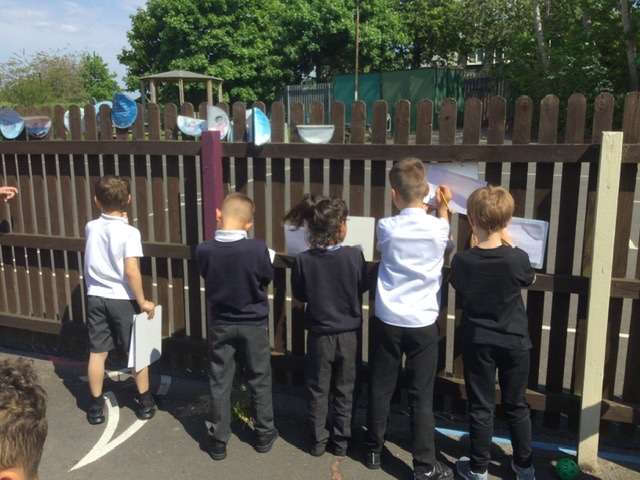
In science we observed different materials of chairs, fences , windows and discussed the properties of the materials used .
comparing materials
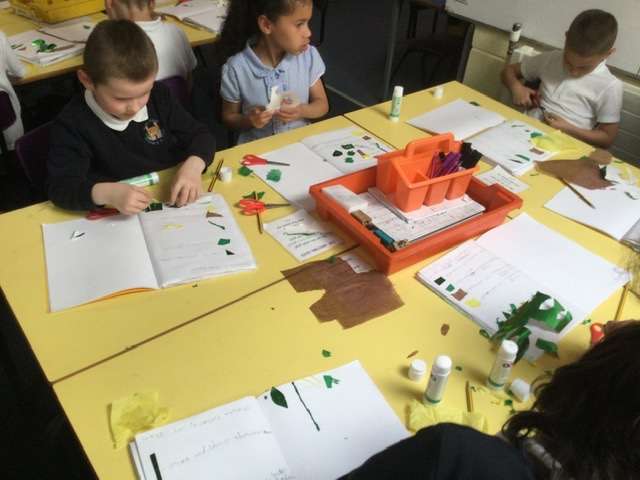
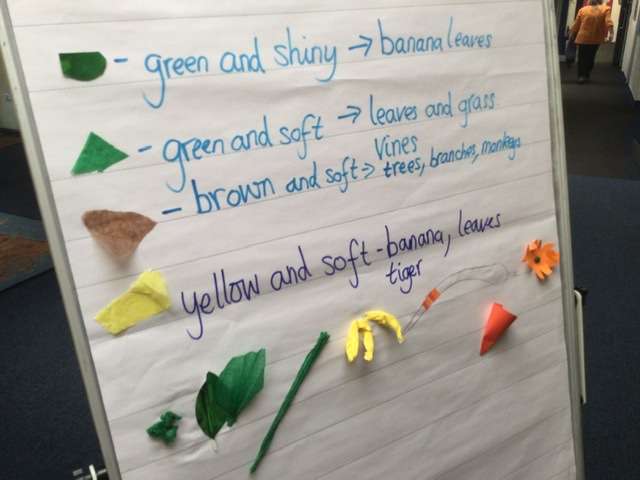
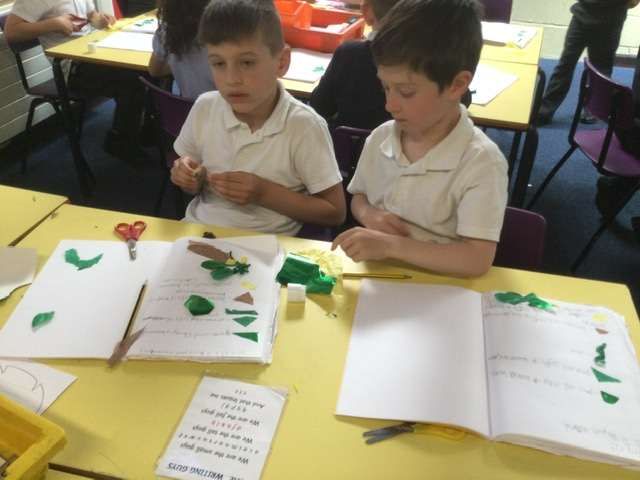
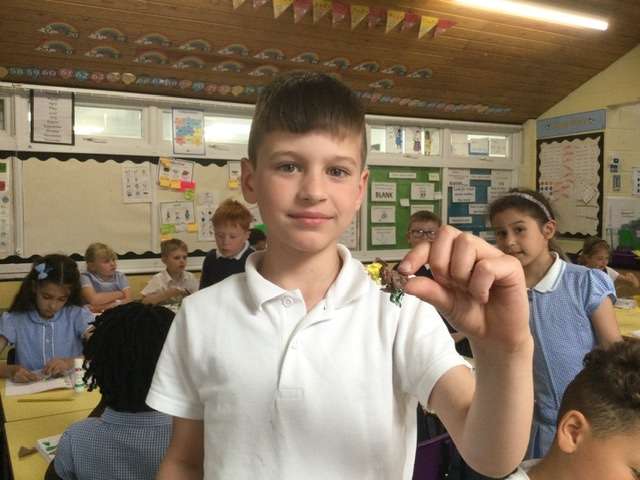
In art we will be making a rainforest collage. This week we first explored different materials how they can be scrunched, pinched, folded and ripped to make things.
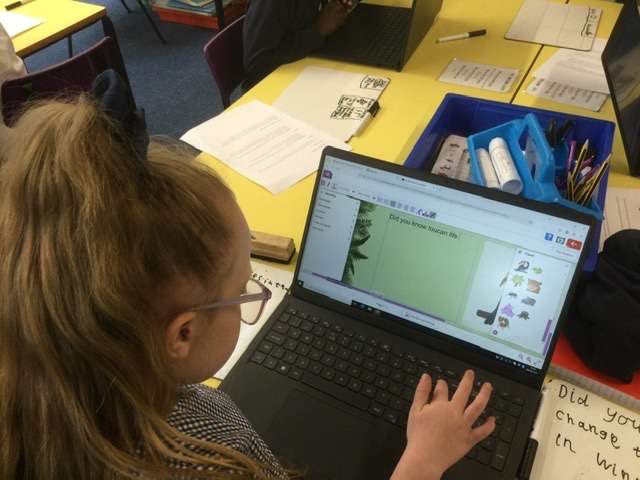
Science Fact Files
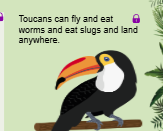
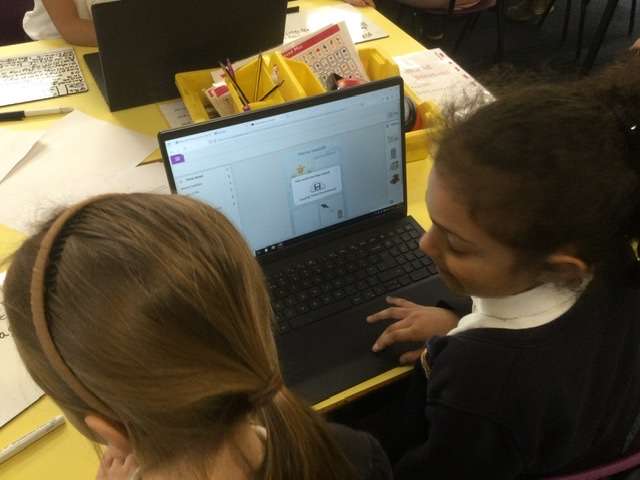
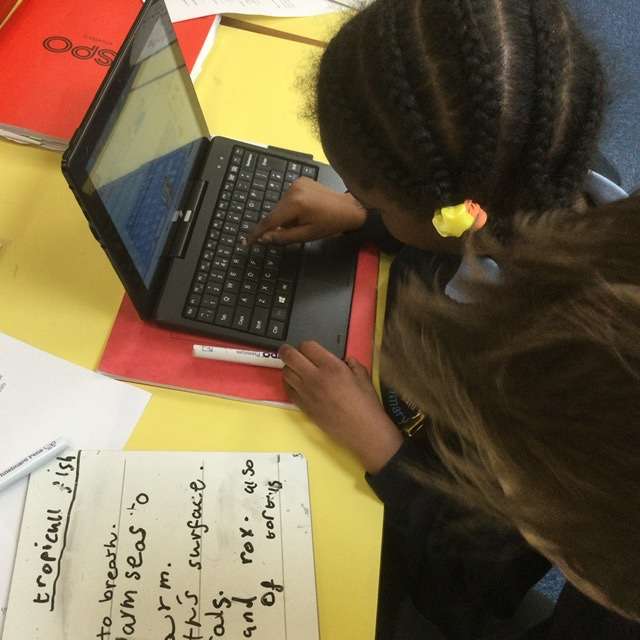
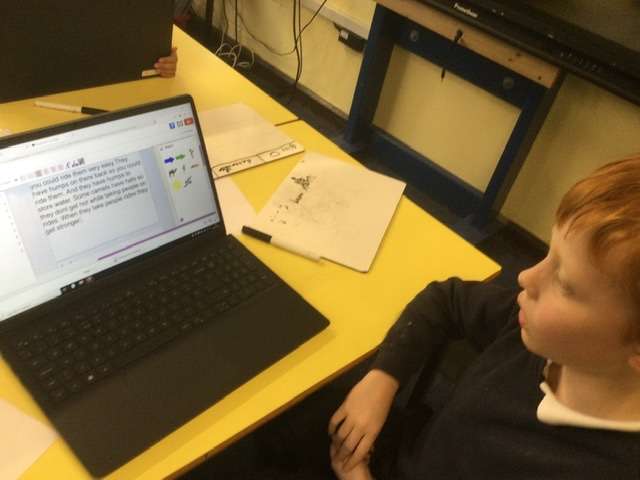
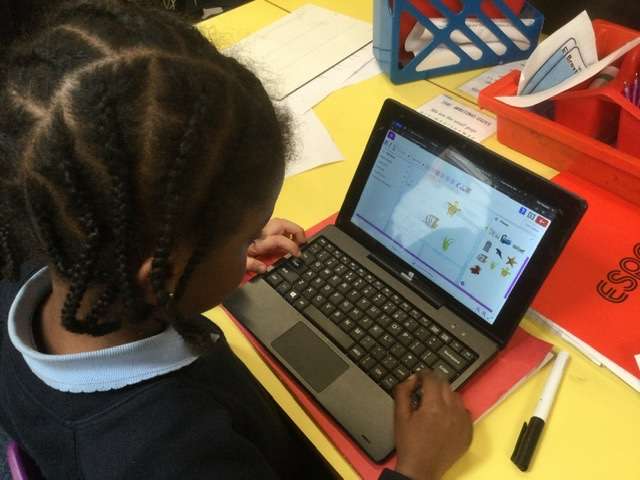
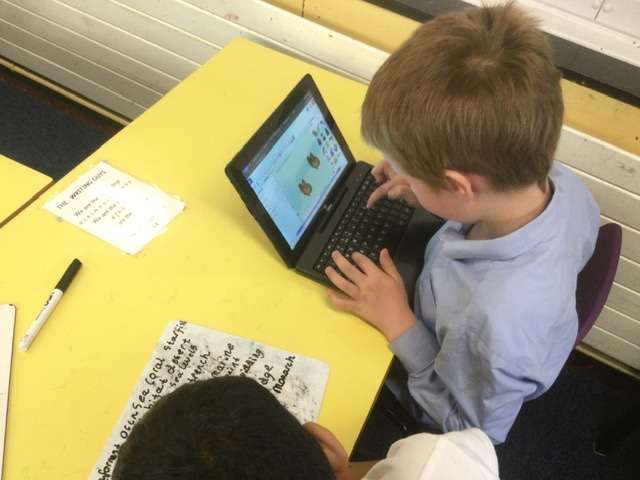
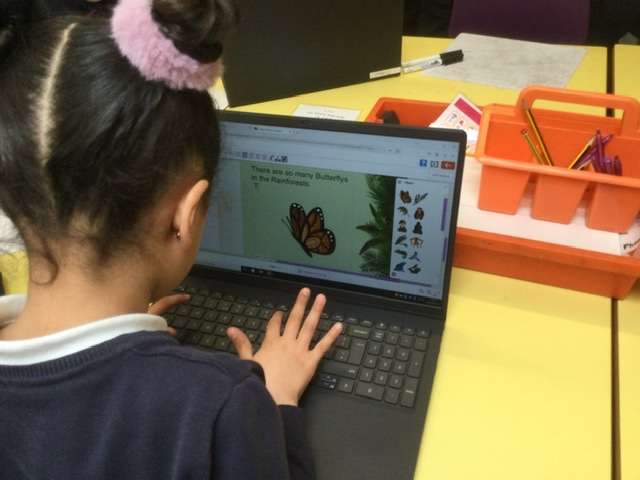
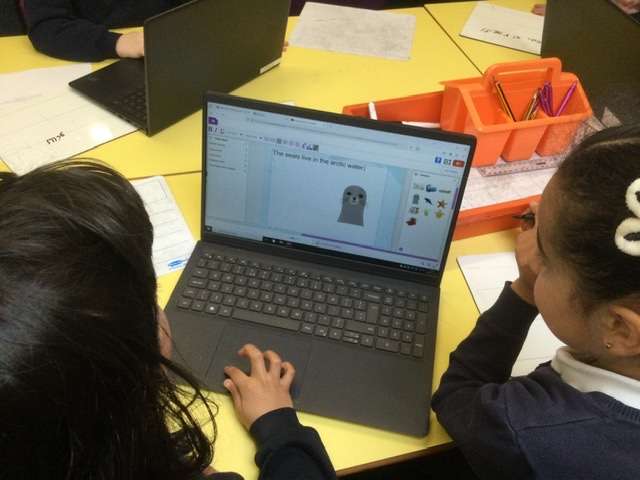
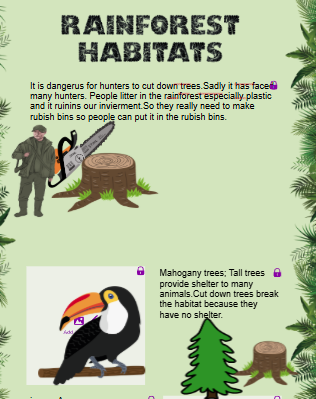
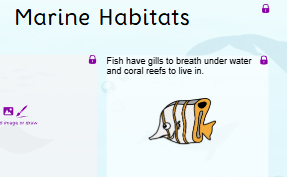
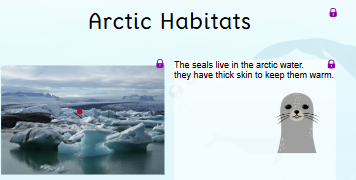
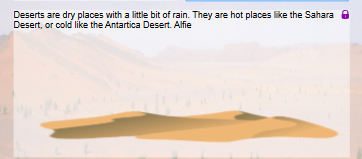
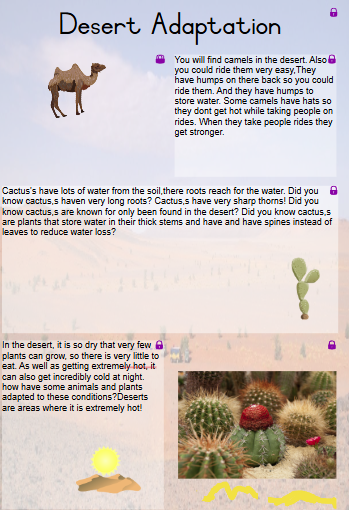
Toucans did some wonderful research about animals and their habitats and created a fact file!
show and tell
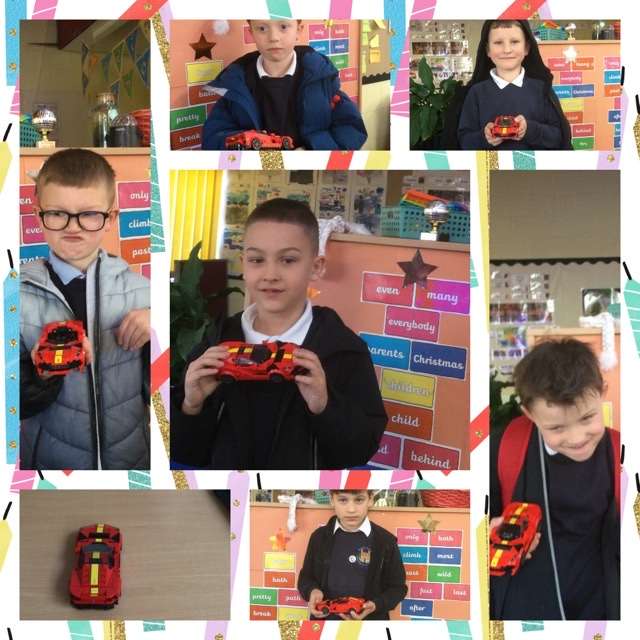
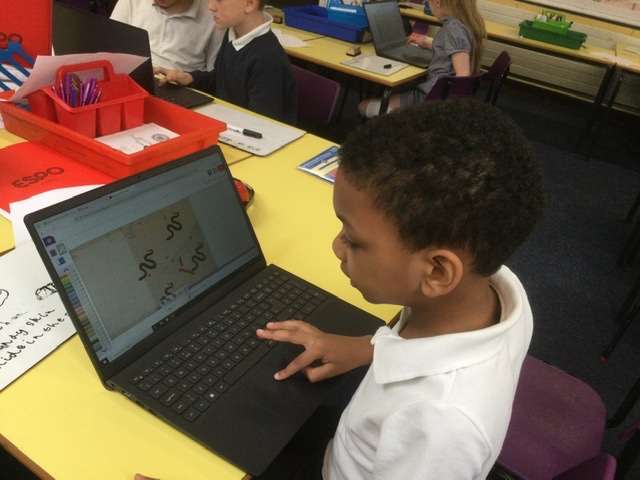
Lots of us were incredibly happy to see Isaac build his new Lego Ferrari!
Journey!
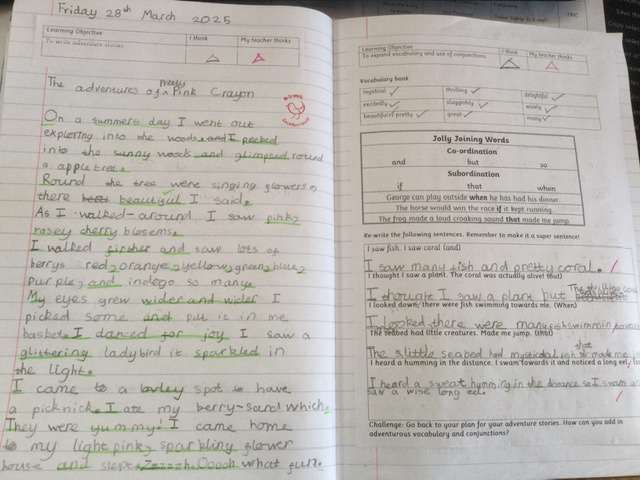
In English we have been writing some amazing journey adventures. Well done Toucans!
They are all based on our class book, The day the crayons quit
Recycling Superstars
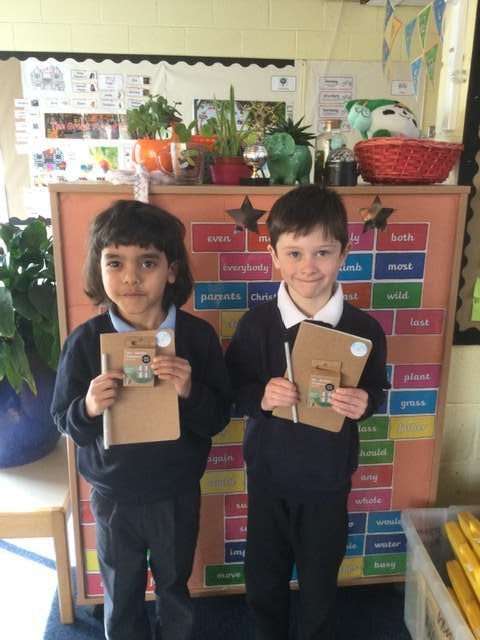
Well done to Freddie and Mohammed for your wonderful recycling!
Gudi Padwa गुढी पाडवा

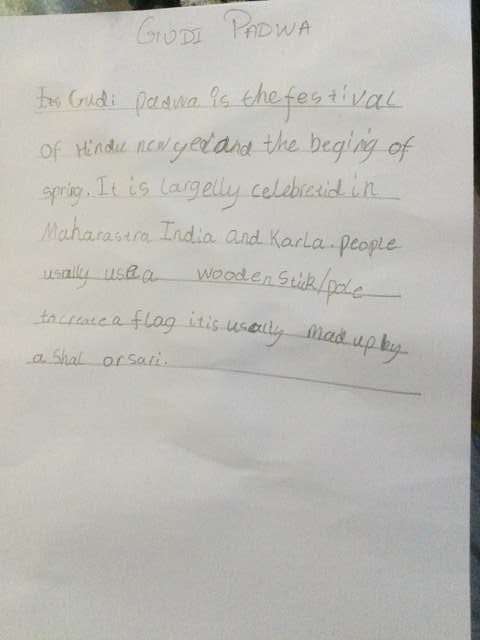
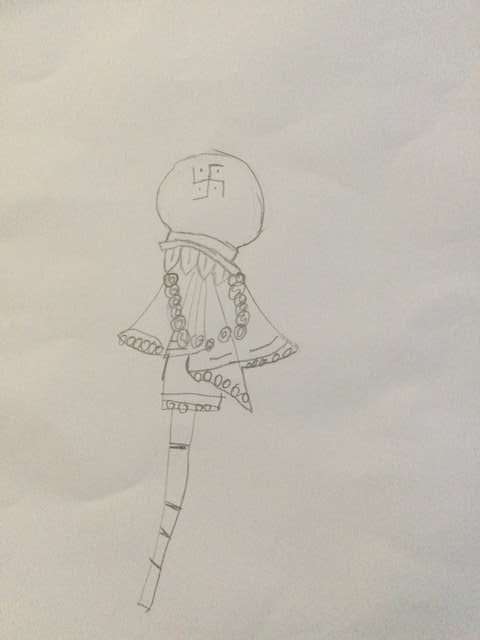
Rishi wonderfully has written information about Gudi Padwa. He has also drawn a beautiful example of Gudi Padwa (Flag of victory)
It is wonderful celebration of spring! Let’s welcome it in!
It is wonderful to learn more about Marathi and Hindu culture.
Penguins can fly?
Today Mr Lo showed us that penguins can fly.
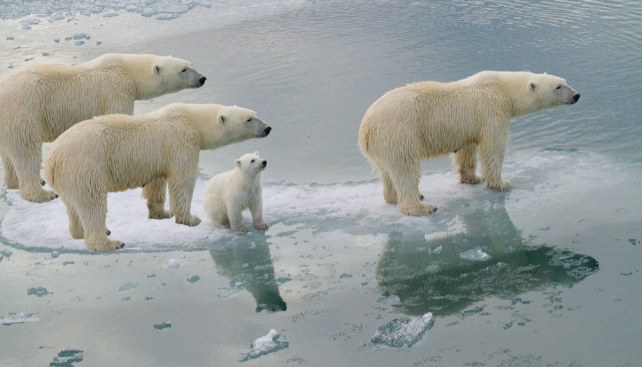
Toucans then discussed what they had learnt and whether they believed it! Luckily many of us said it was FAKE because we already had learnt in Geography and Science that penguins do not fly! Well done Toucans! This is an important Online Safety lesson as we must be aware that not all photos on the internet are real. They are edited.
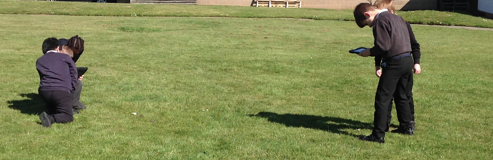
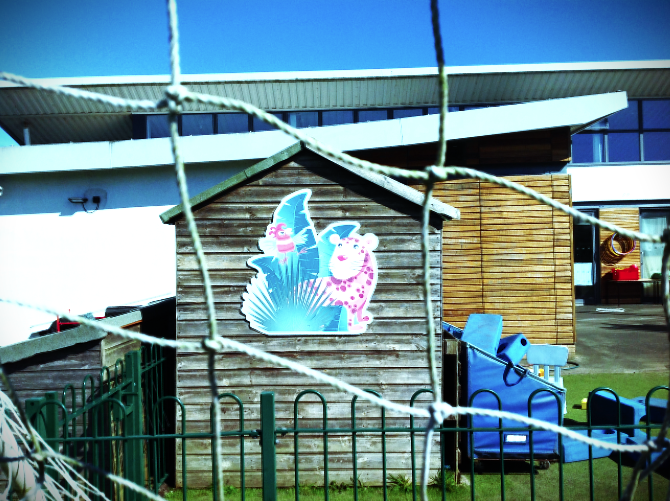
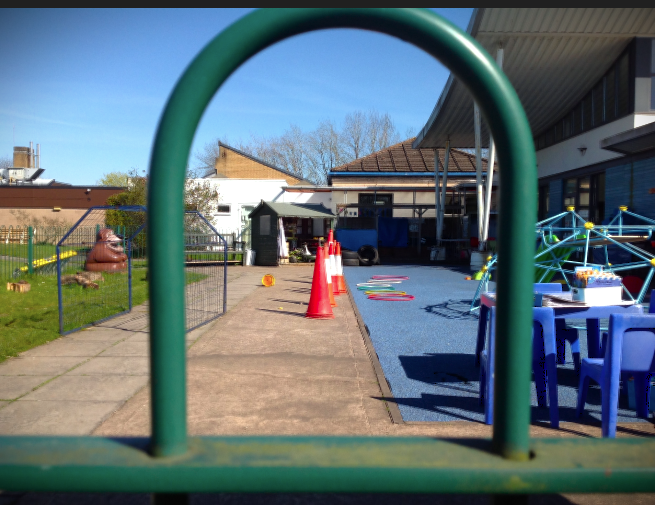
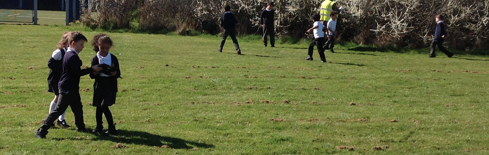
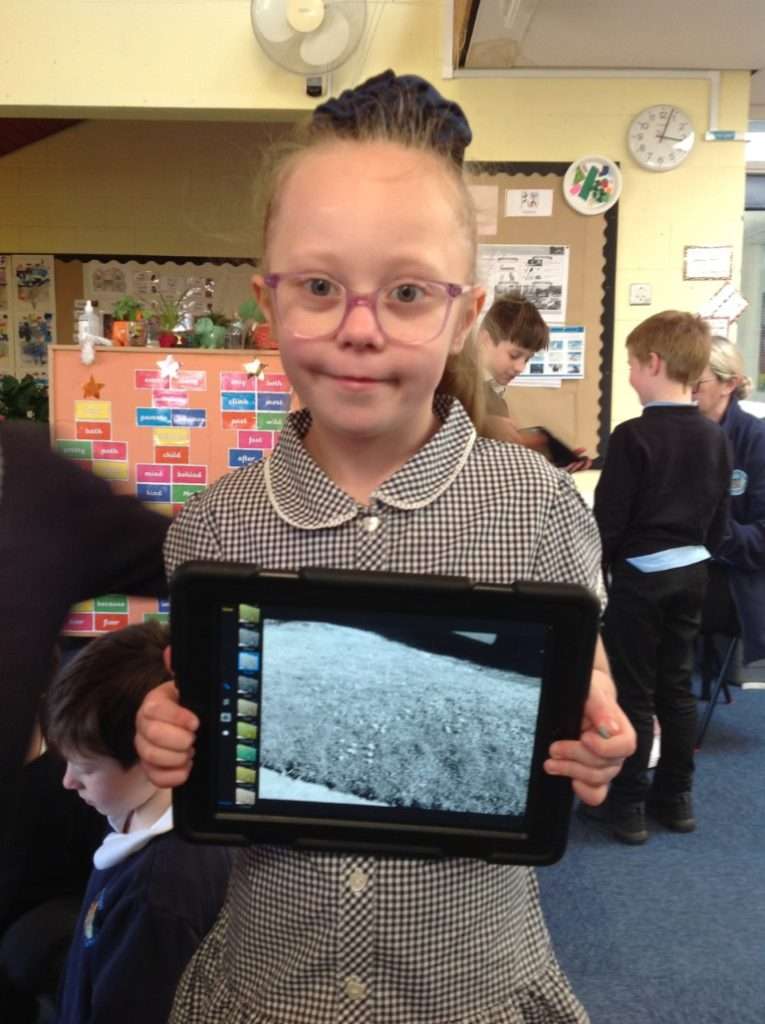
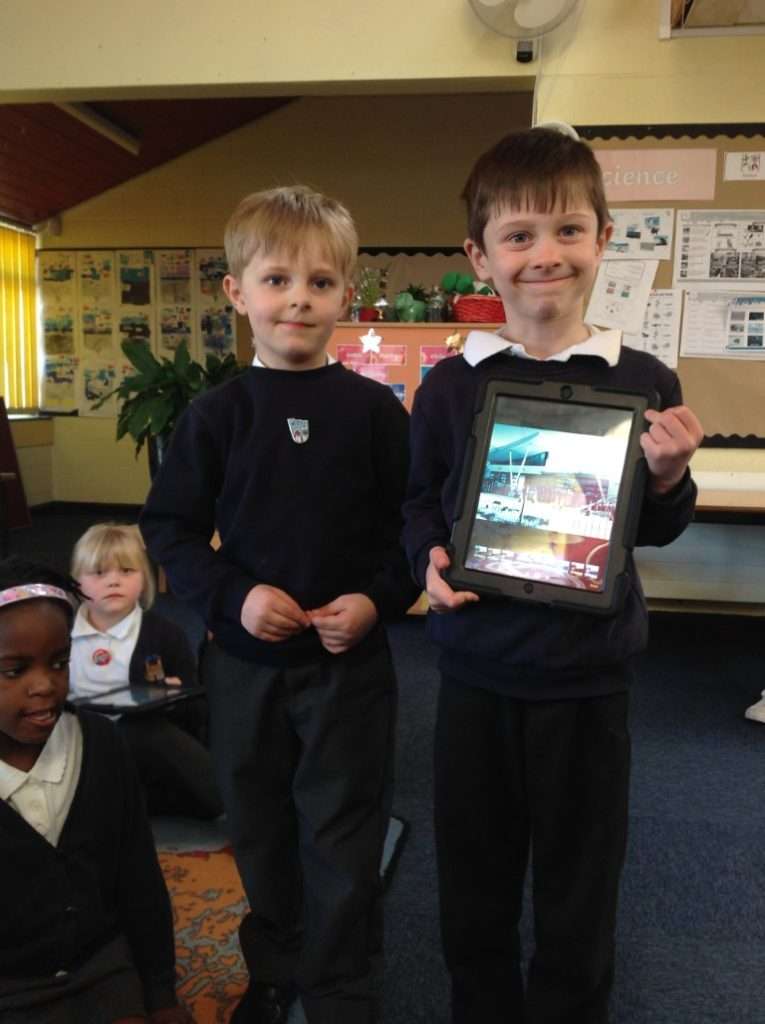
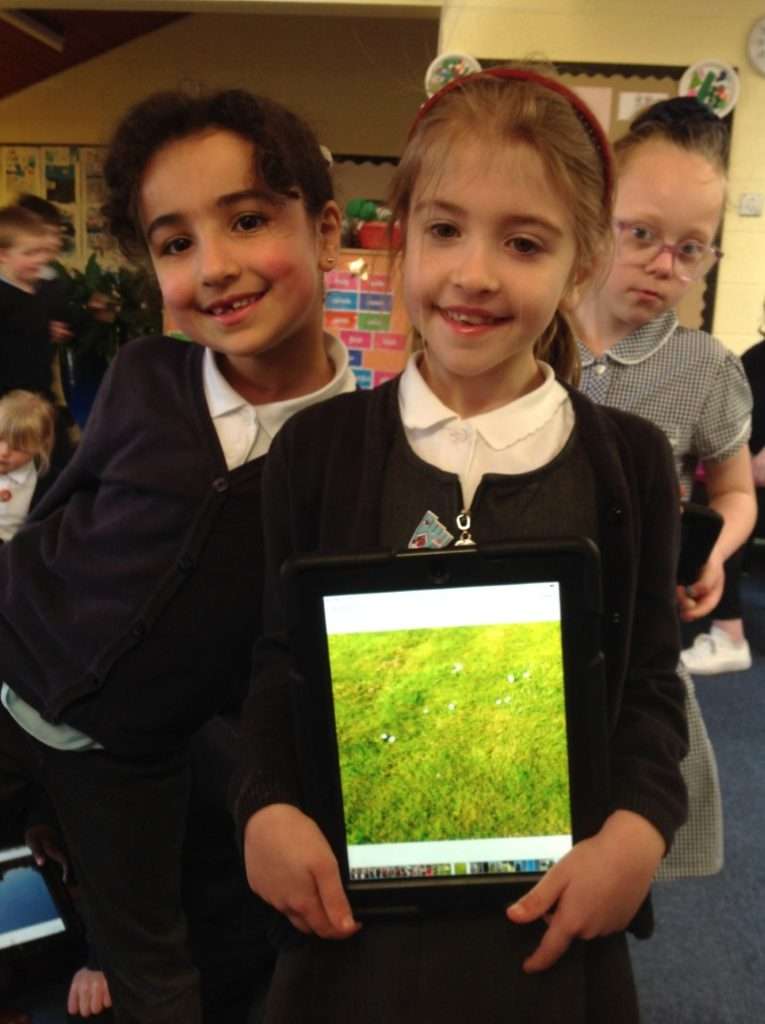
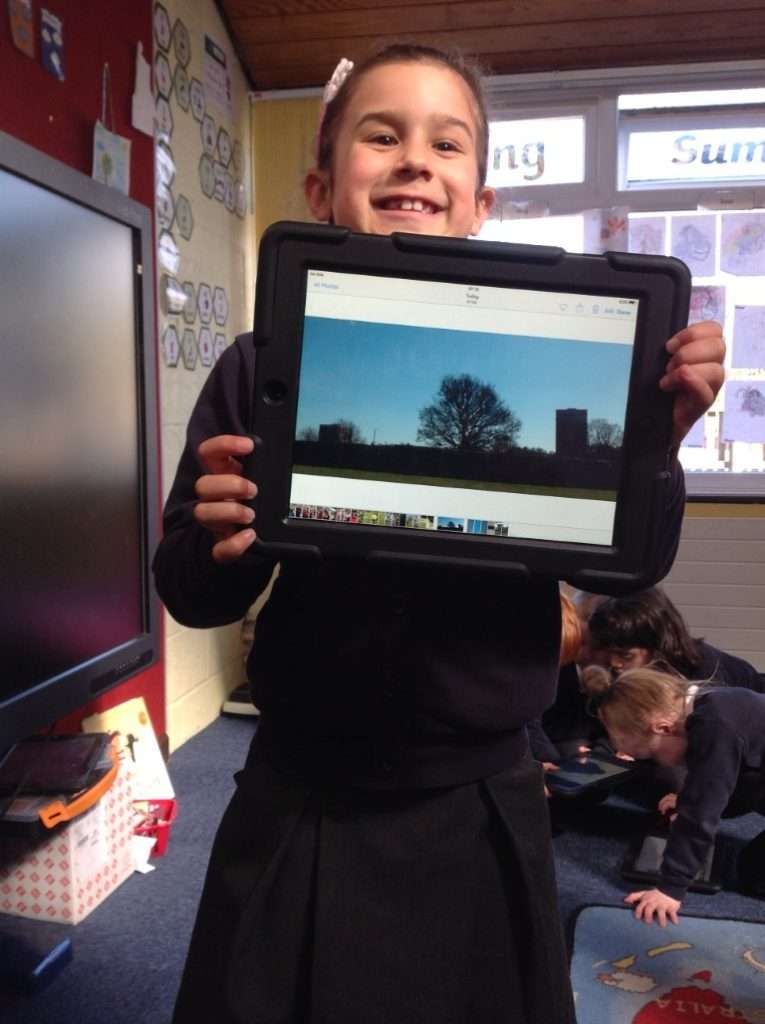
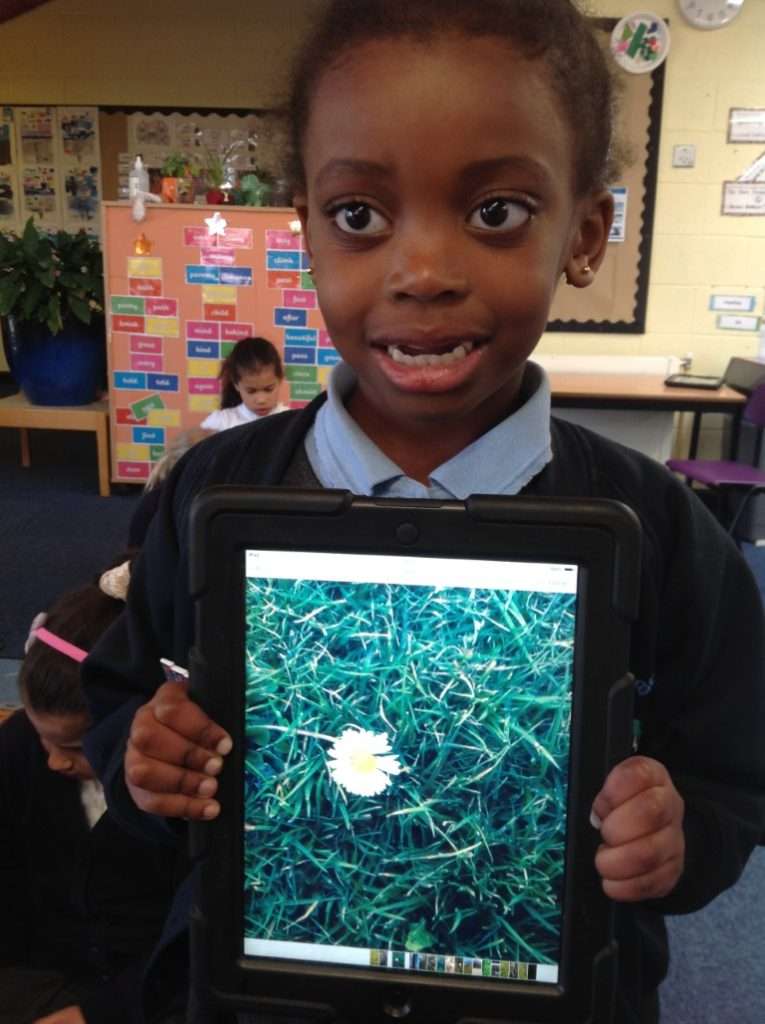
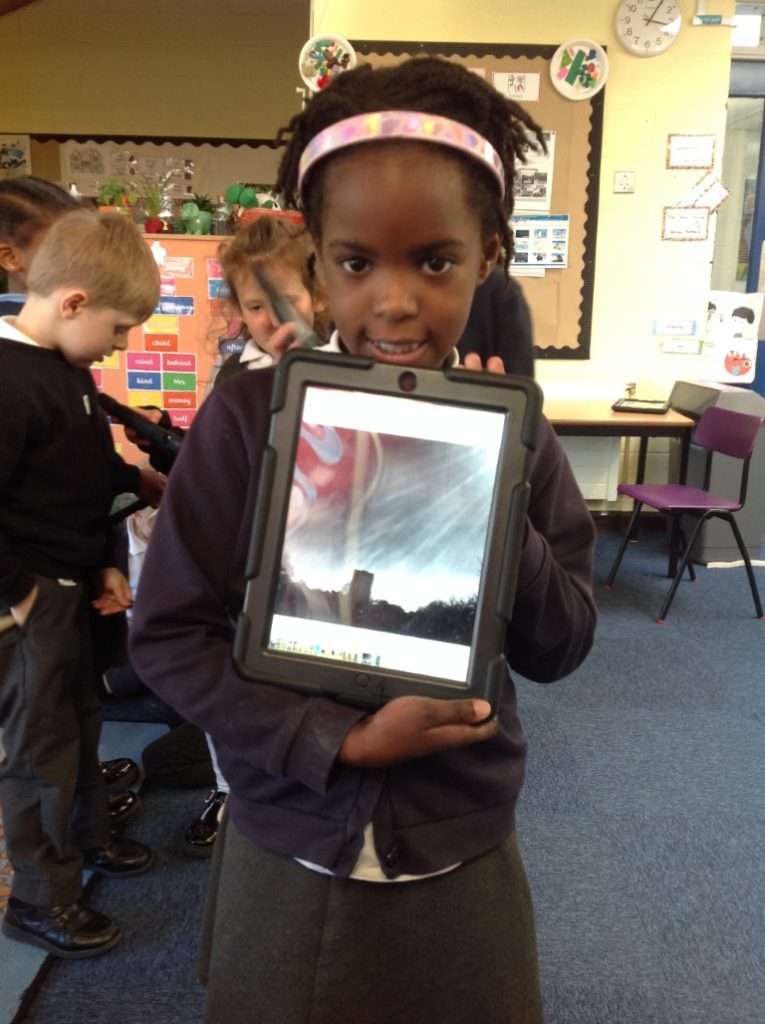
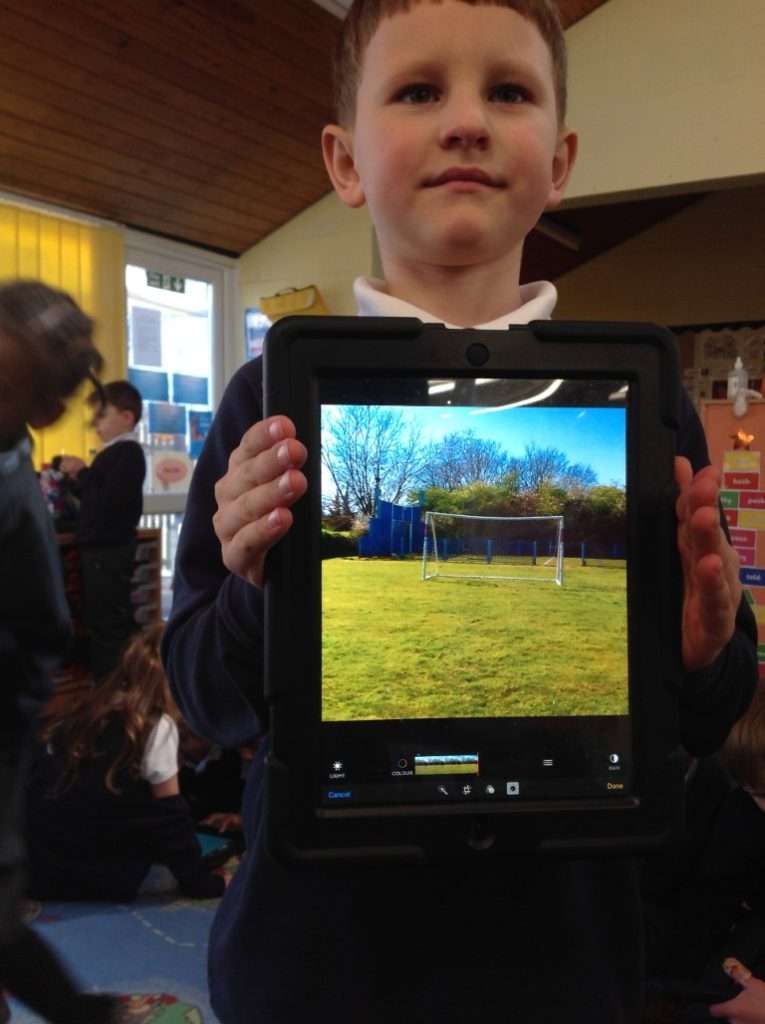
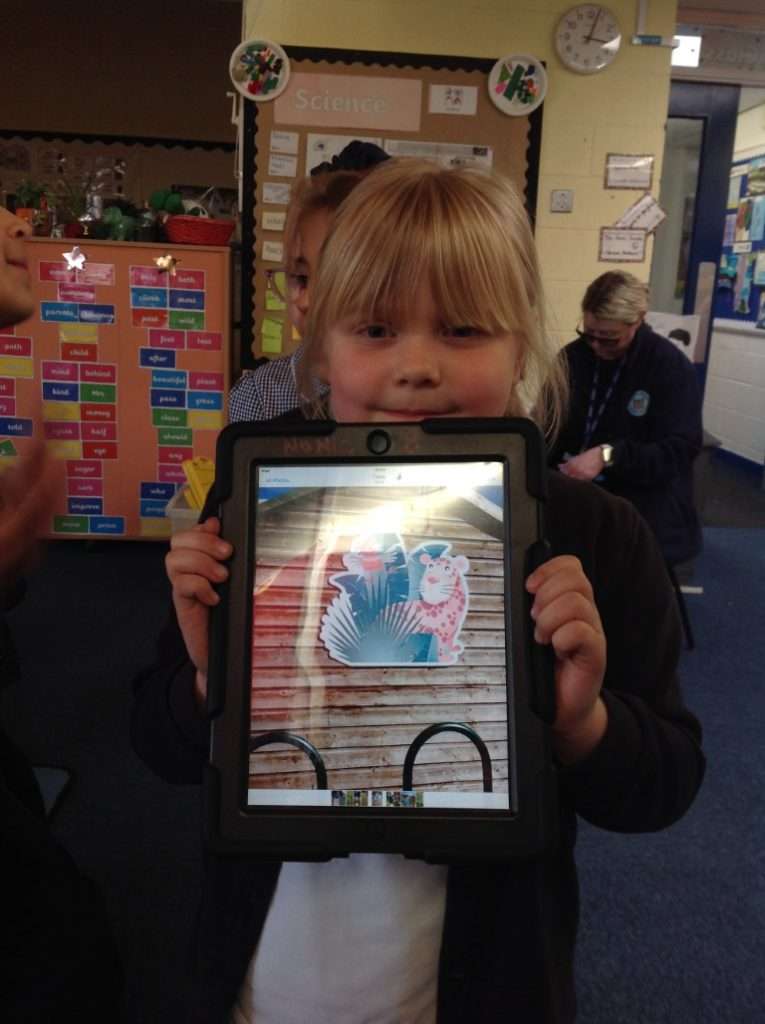
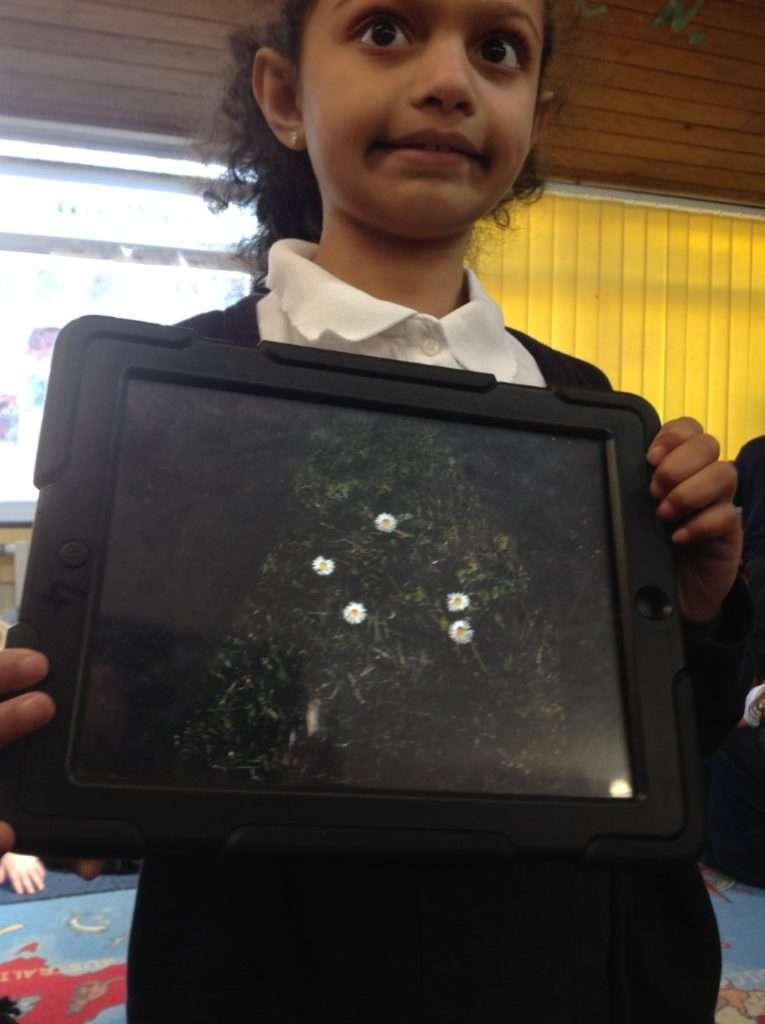
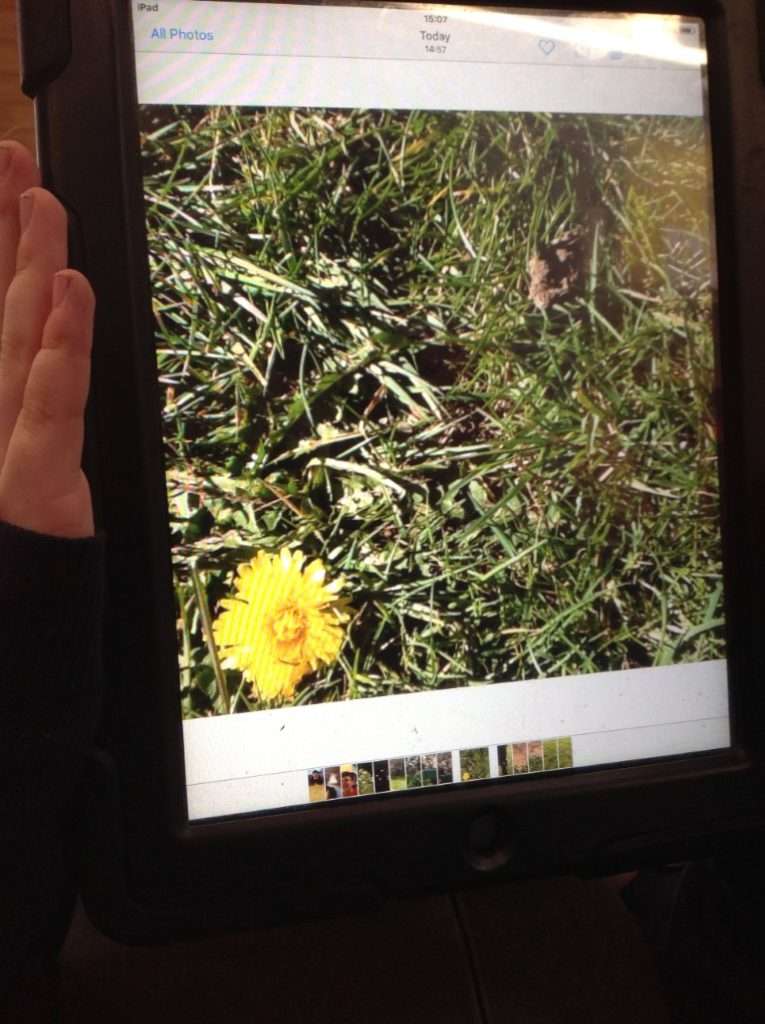
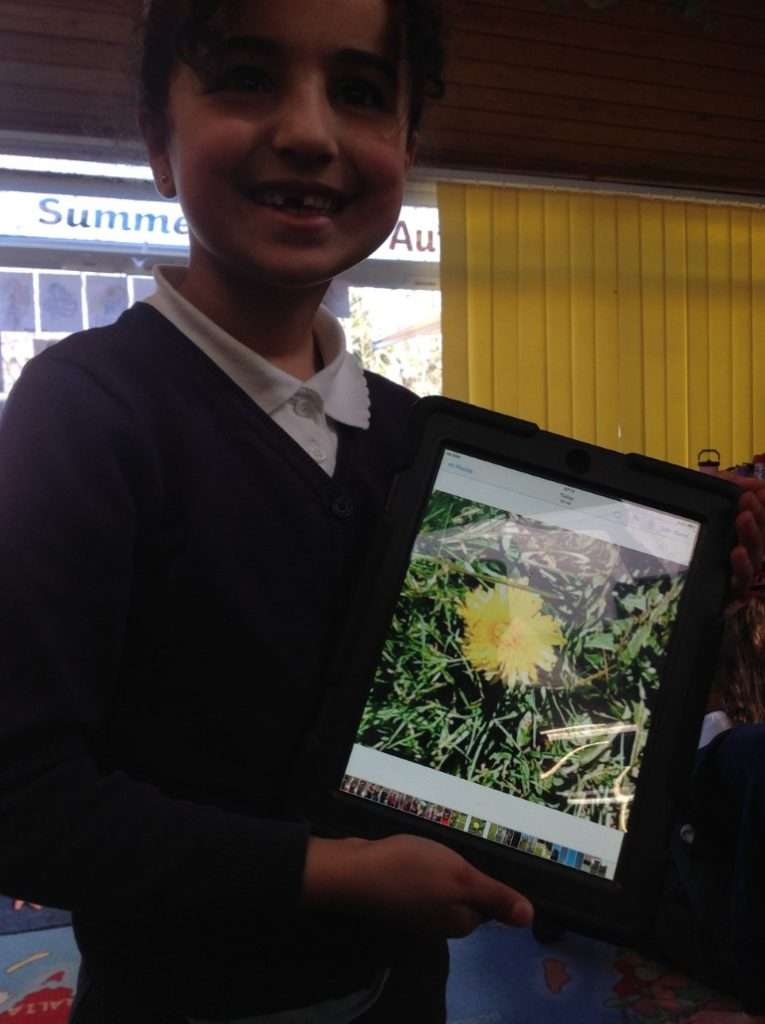
Finally for computing we put all our photography skills to the test and took a beautiful photo, edited it and shared it with the class.
Unit Fractions
Toucans have been working very hard on their fractions.
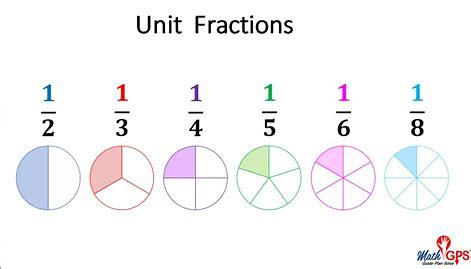
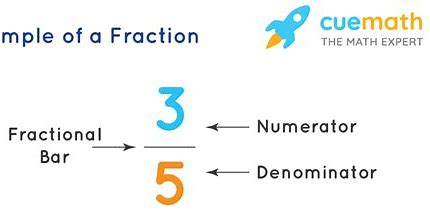
Today we explored the words denominator, numerator, and unit fraction.
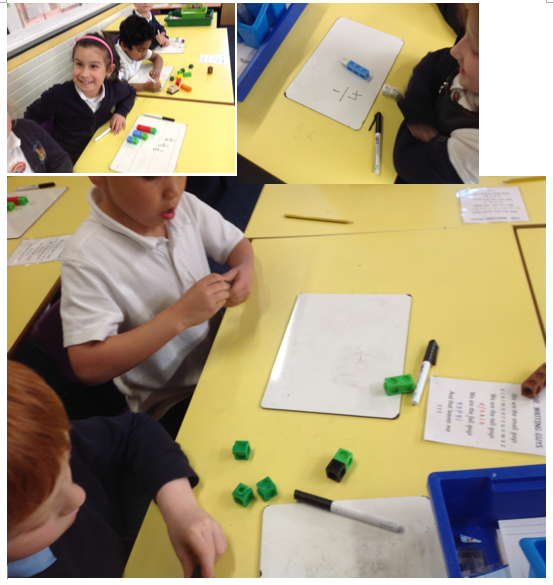
Extension: Try this lesson at home
Fractions
In Maths we have been learning about fractions. So far we have covered half, quarter and thirds.
To find fraction of amounts we have been using bar models and fraction circles.
Extension: Try these lessons at home
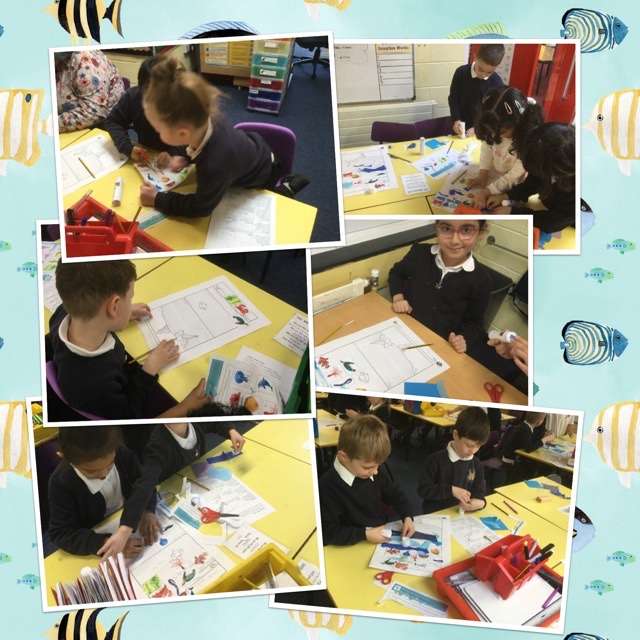
Exploring the ocean
The ocean is a vast and diverse ecosystem that is home to a wide variety of life forms, ranging from microscopic plankton to giant whales. Life in the ocean is influenced by a variety of factors, including water temperature, currents, salinity, and depth.
Some of the main types of organisms found in the ocean include:
Phytoplankton: These are tiny plants that drift near the surface of the water and form the base of the ocean’s food chain. Phytoplankton are important because they produce oxygen and are a major food source for many other organisms.
Zooplankton: Zooplankton are small animals that also drift near the surface of the water. They feed on phytoplankton and are in turn eaten by larger organisms.
Fish: Fish are one of the most common types of marine animals. There are many different species of fish, ranging from tiny minnows to massive sharks and rays. Fish are an important food source for humans and other animals.
Marine mammals: These are mammals that have adapted to life in the ocean. Examples include whales, dolphins, seals, and sea lions. Marine mammals are highly intelligent and social animals that play important roles in the ocean ecosystem.
Invertebrates: Invertebrates are animals without a backbone. They include a wide variety of organisms, such as jellyfish, corals, crabs, and lobsters.
The ocean is also home to a wide variety of unique and fascinating habitats, including coral reefs, kelp forests, and hydrothermal vents. These habitats provide important shelter and resources for many marine organisms.
However, life in the ocean is facing a number of threats, including overfishing, pollution, and climate change. These problems are disrupting the delicate balance of the ocean ecosystem and threatening the survival of many marine species. Conservation efforts are needed to protect and preserve ocean habitats and the biodiversity they support.
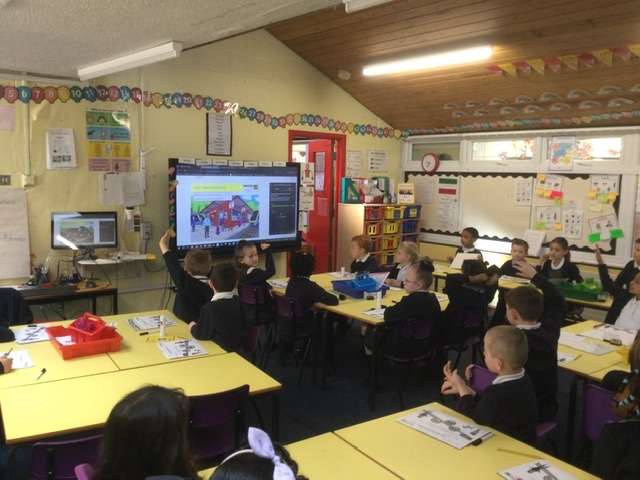
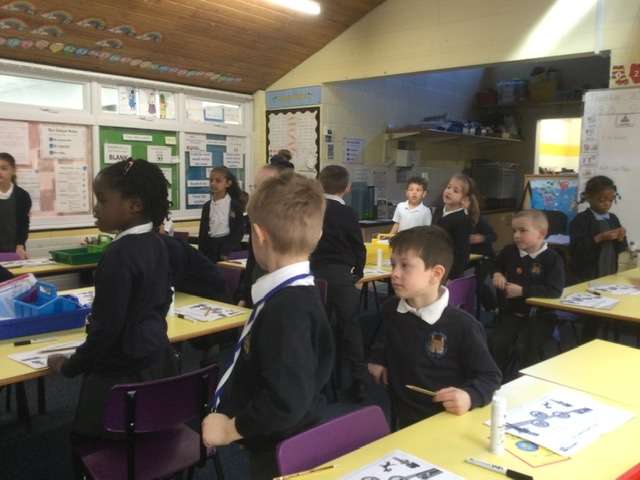
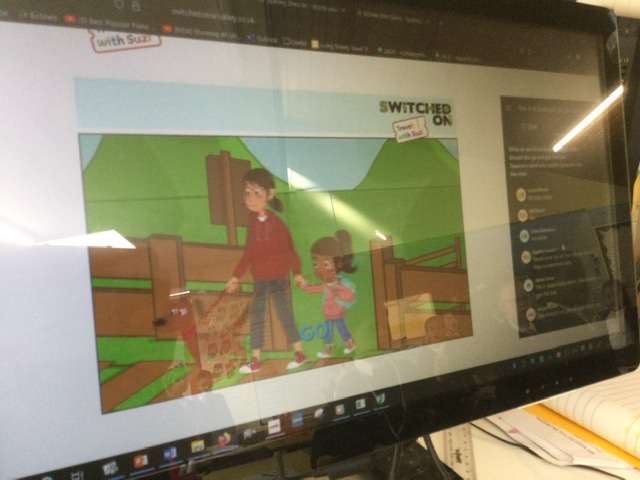
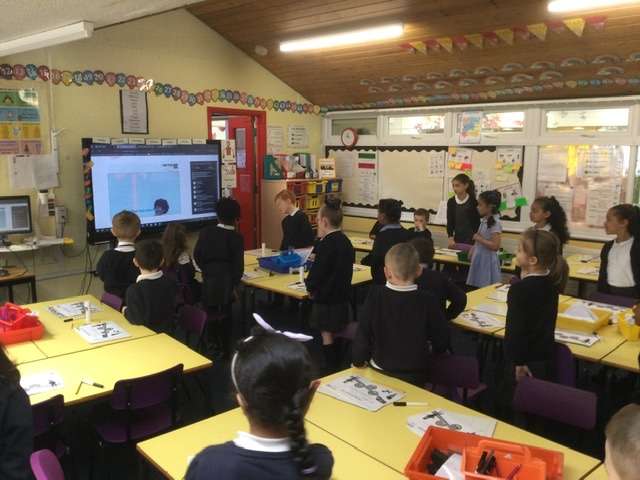
Railway Safety
Showing Mercy
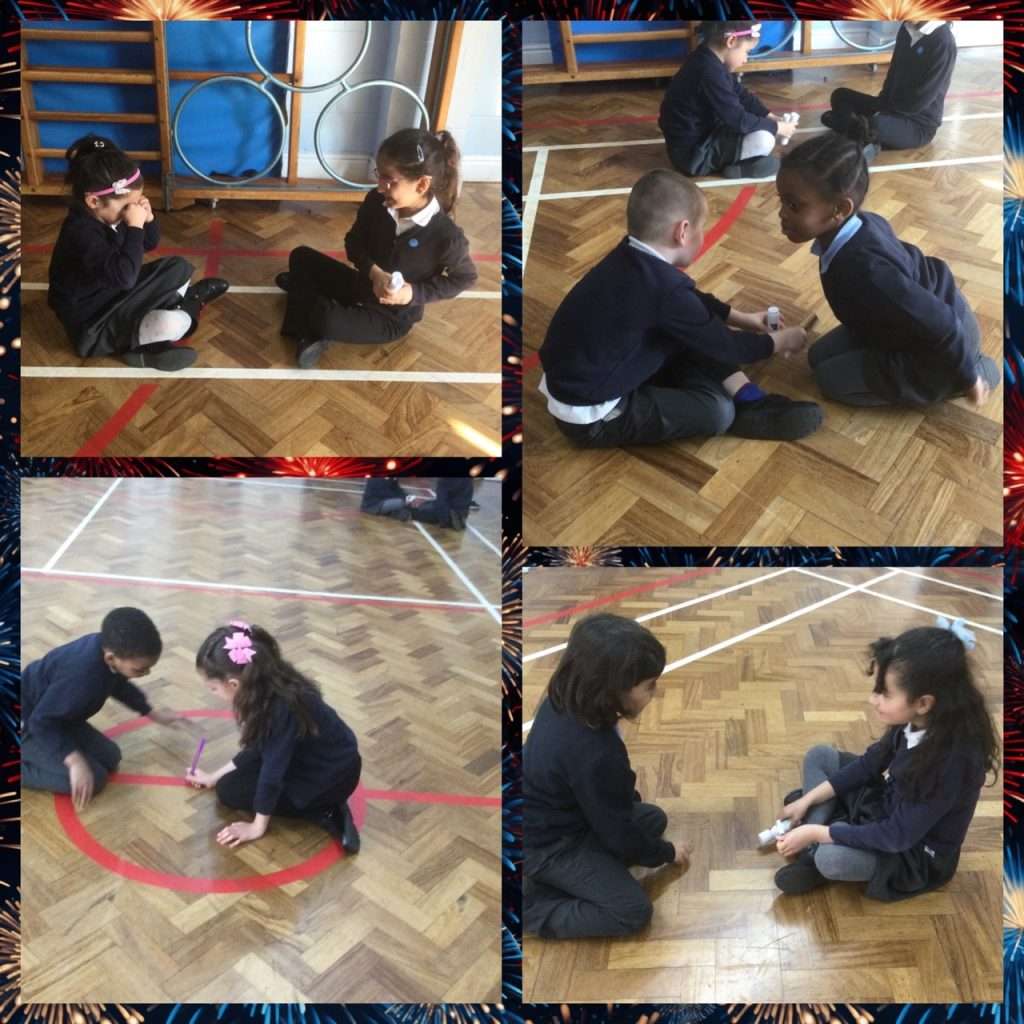
In RE we have been exploring forgiveness and mercy.
Through roleplay we explored the importance of apologising and also forgiving those who apologise.
Celebrating Success
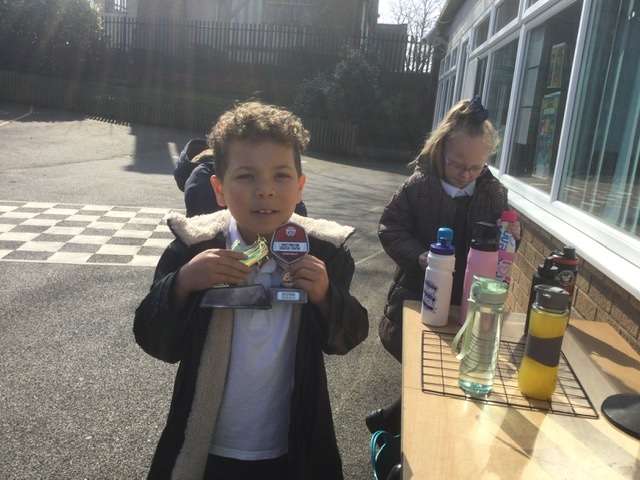
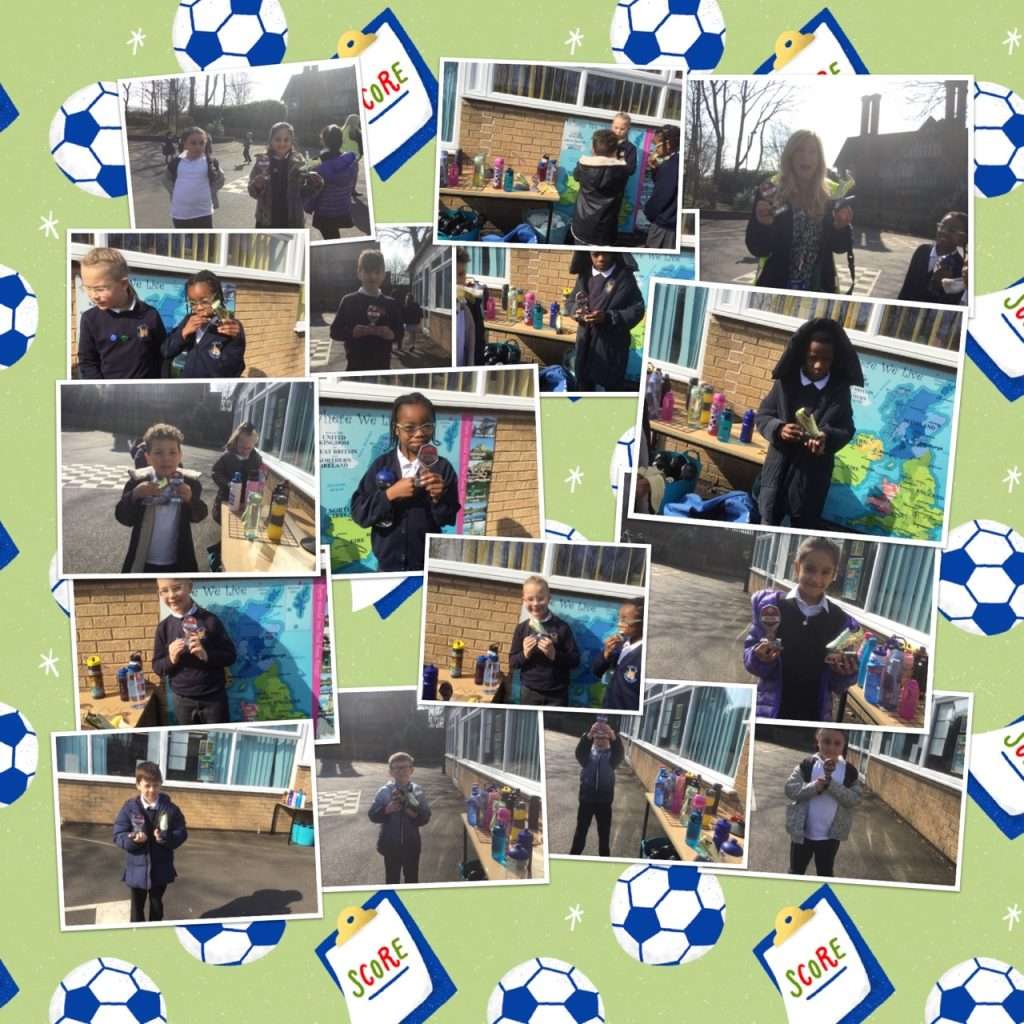
Well done Ellis – Lots of us admired your wonderful trophies.
Construction : Fireengines
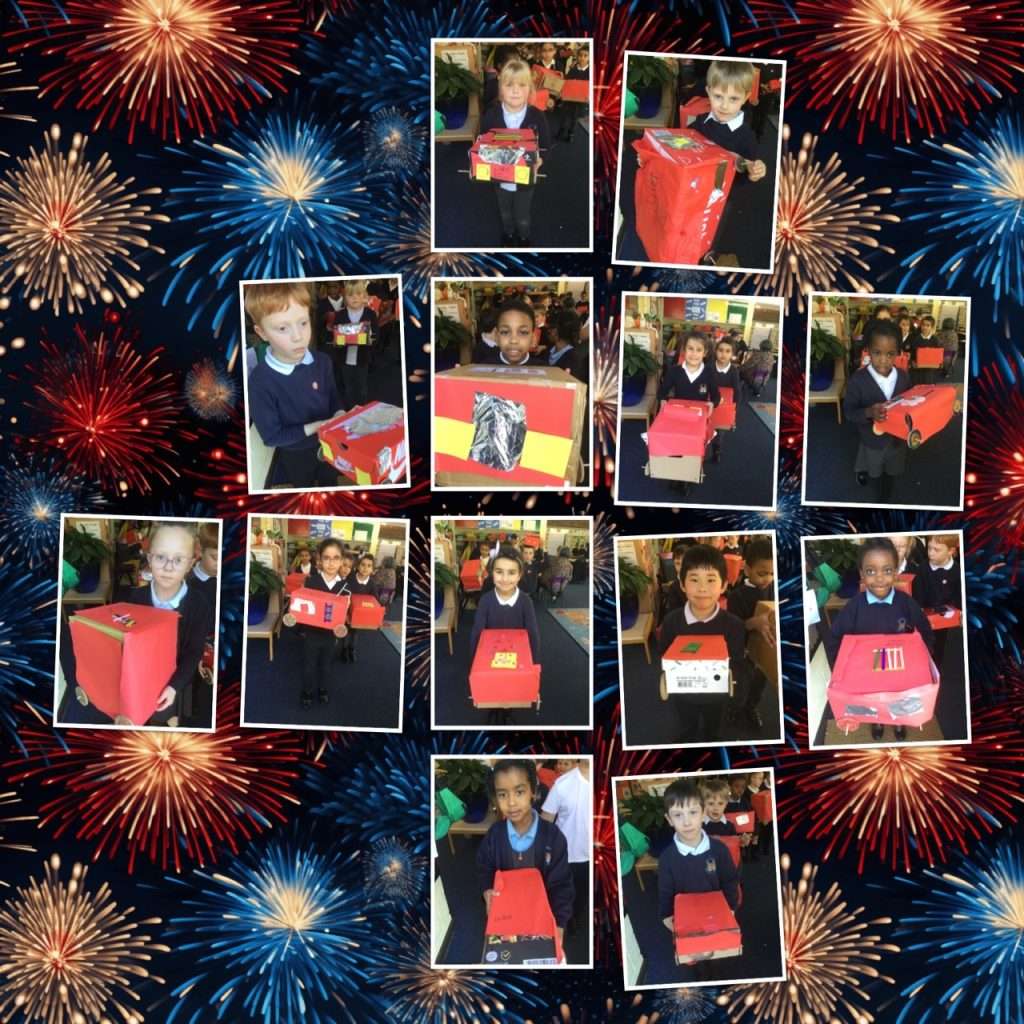
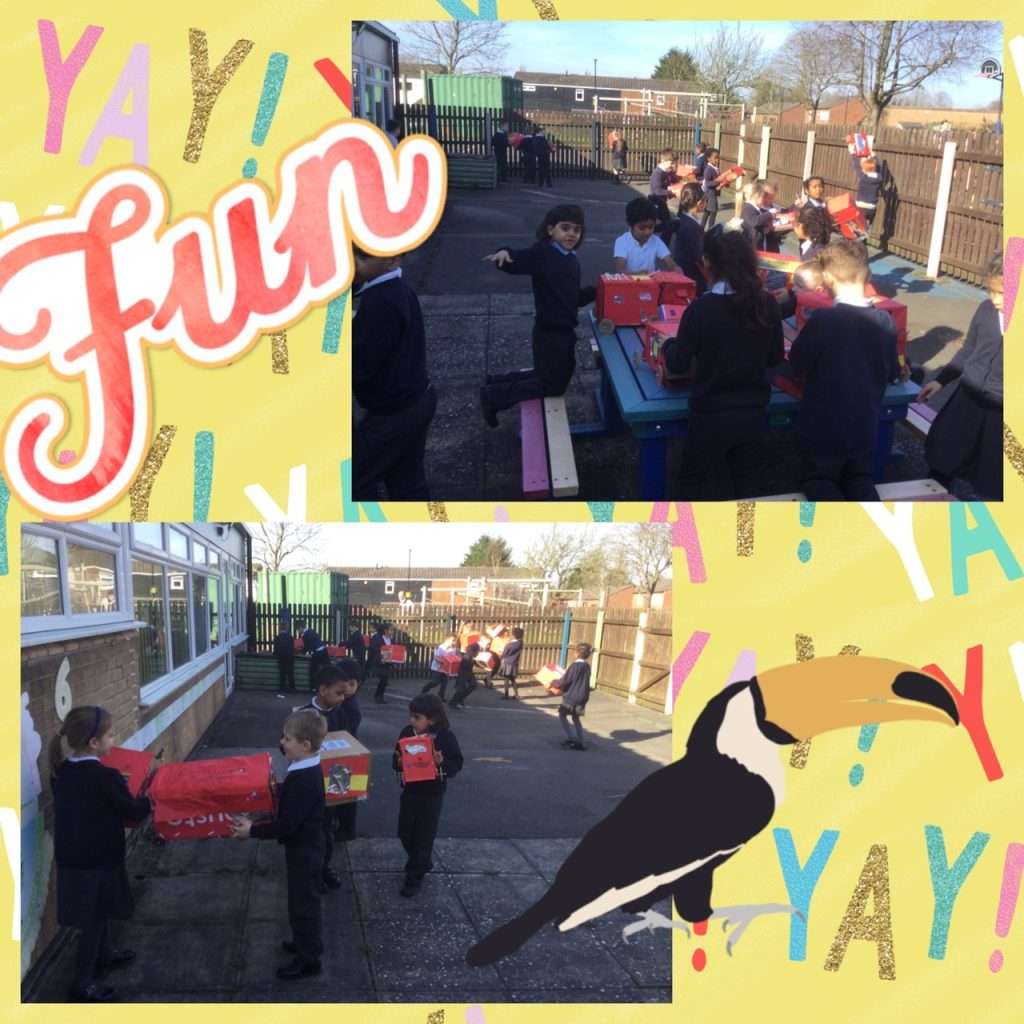
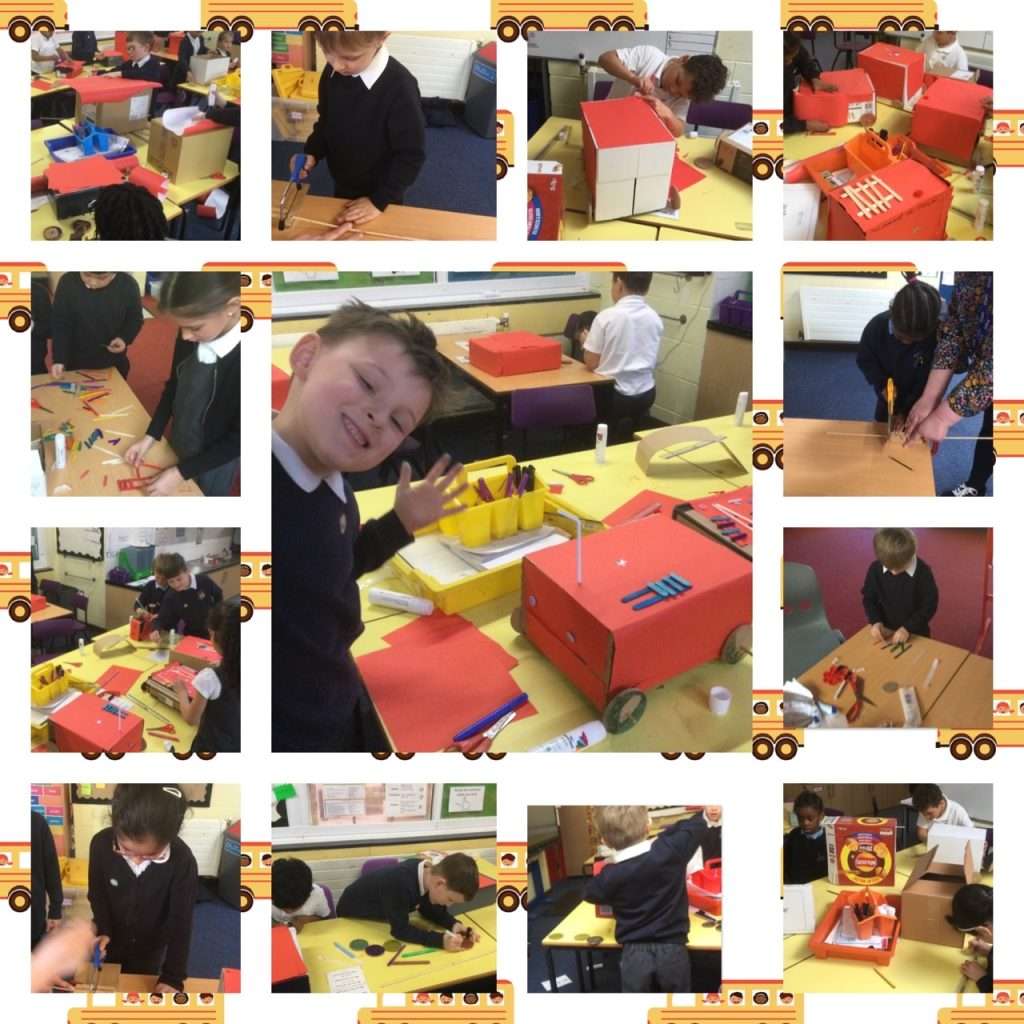
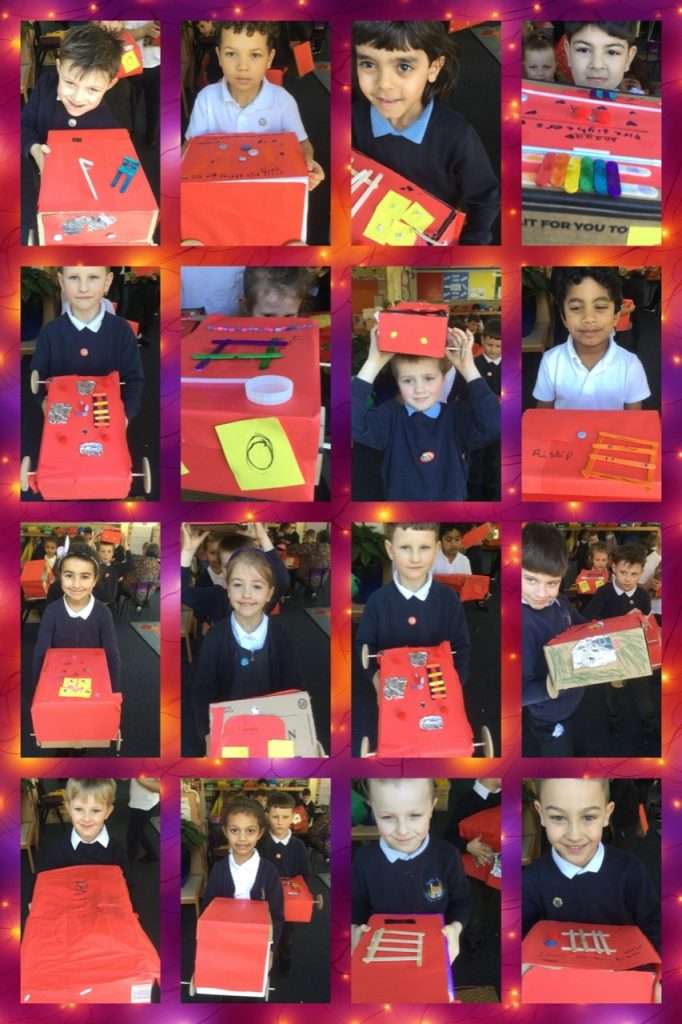
Our DT project this half term has been working towards making our own fire engines. On Wednesday we had an amazing afternoon of DT where we worked super hard to make them. We focused on applying the skills we had learnt and tried to be independent problem solvers… it wasn’t always easy!
We learnt many new skills including how to saw wood safely. It really wasn’t as easy as it looked! We measured our dowel then added 2-4cm so we had room to attach our wheels. We turned our box inside out so we could paint it. We had to figure out how to make all the extras from the materials we had available. We really had some impressive ideas!
Well done Toucans!
Celebrating Success
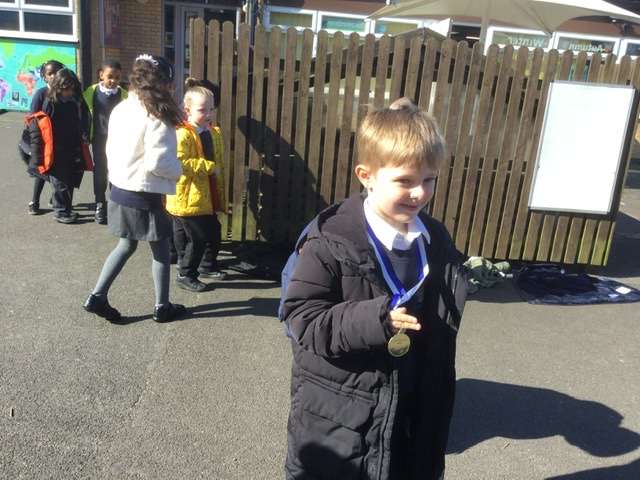
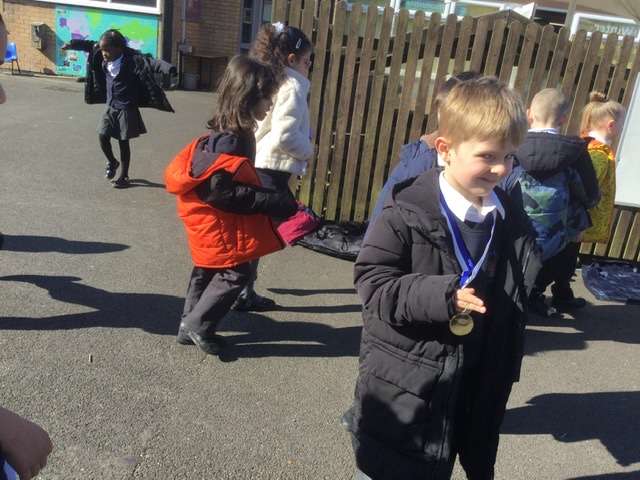
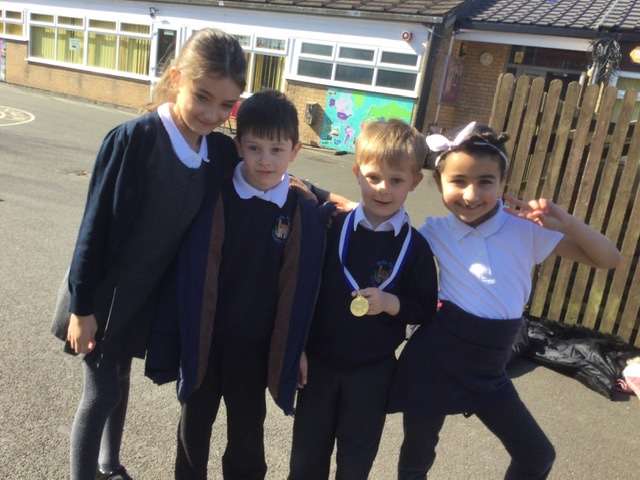
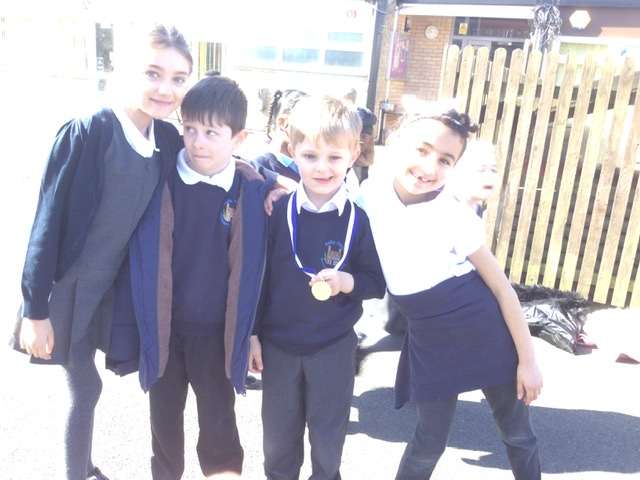
Well done Oliver!!!
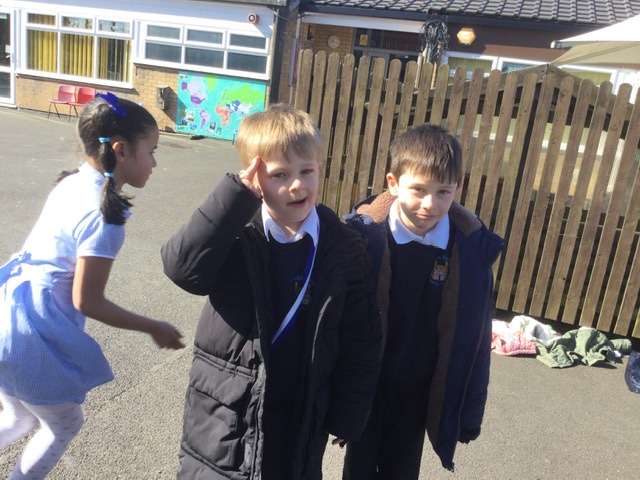
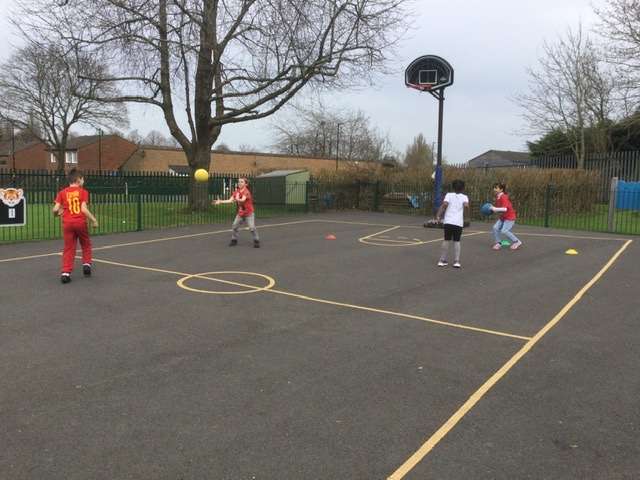
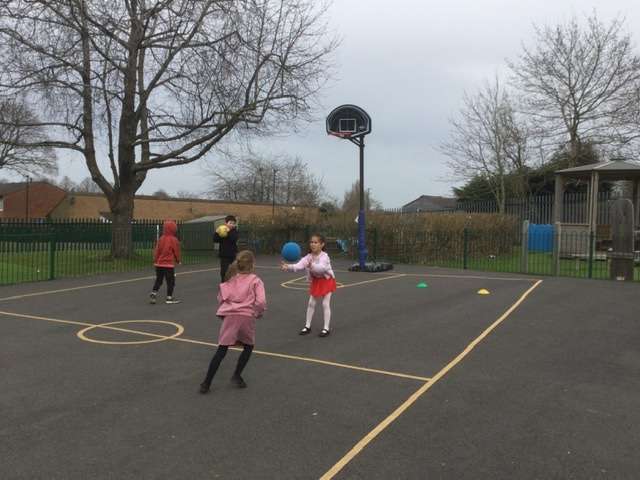
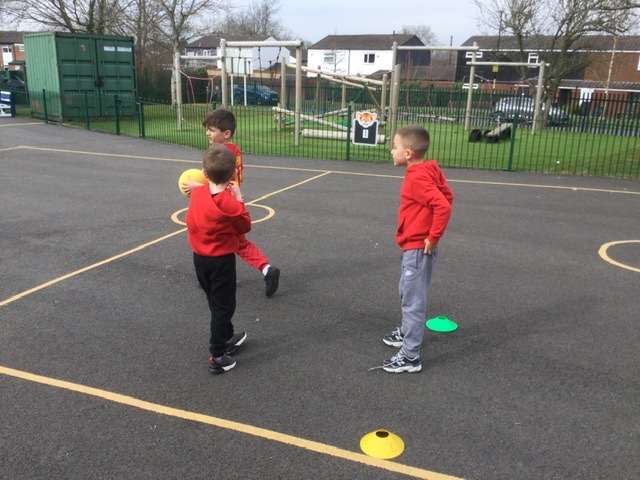
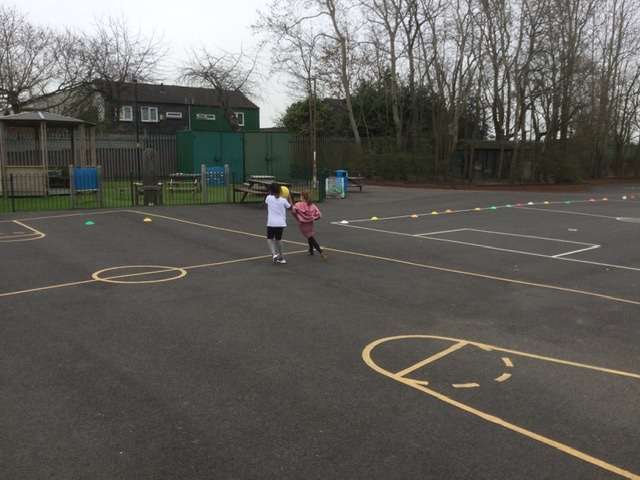
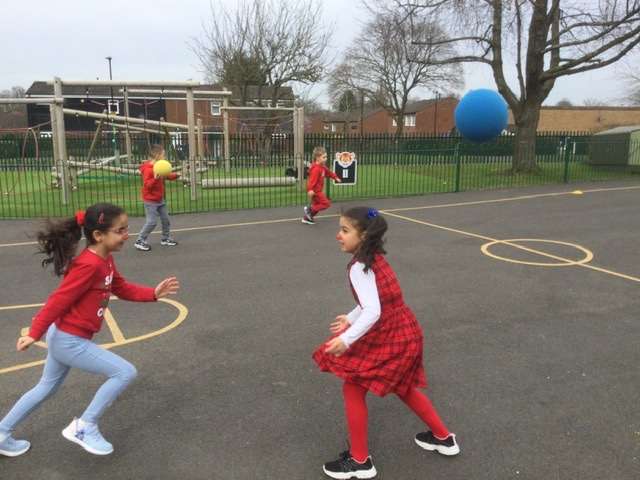
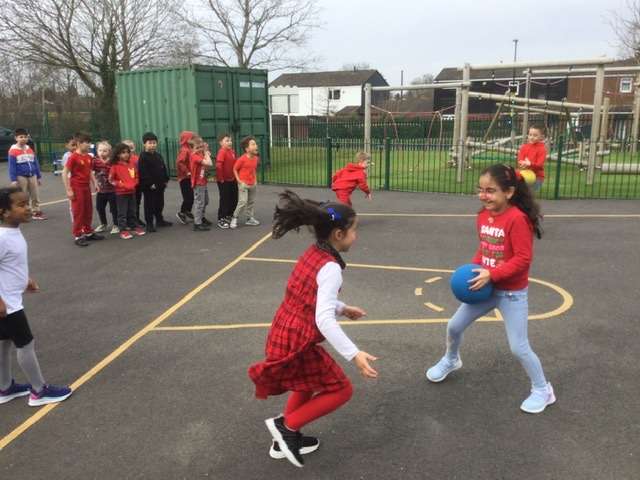
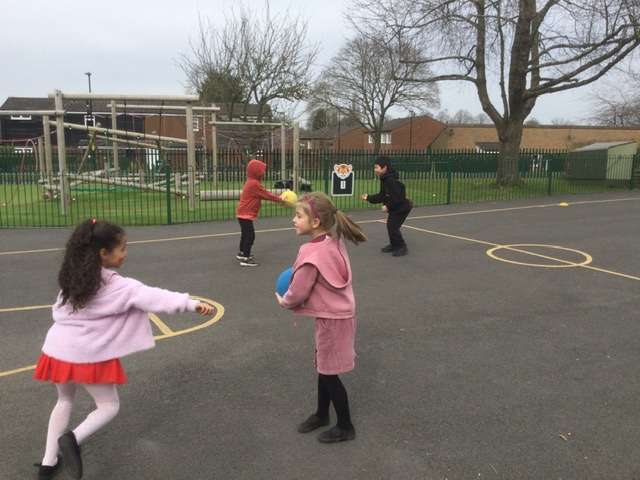
Handball skills
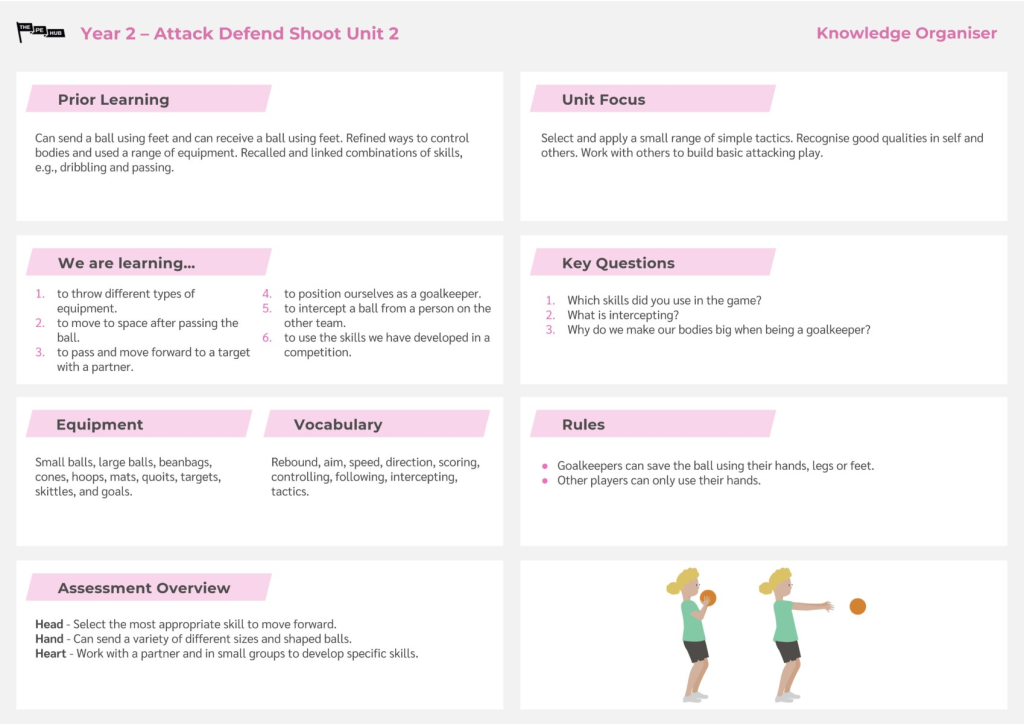
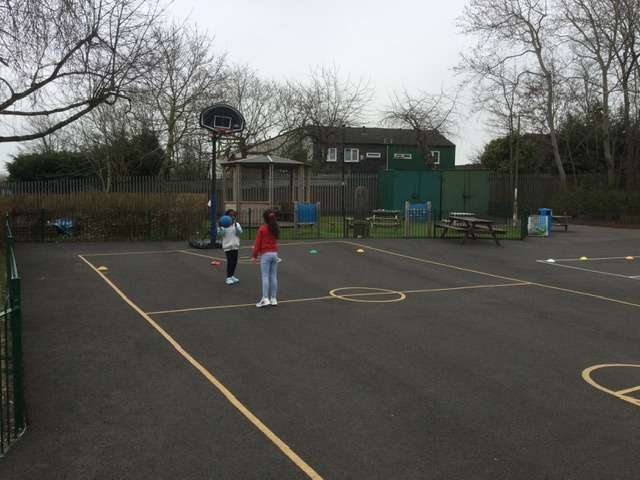
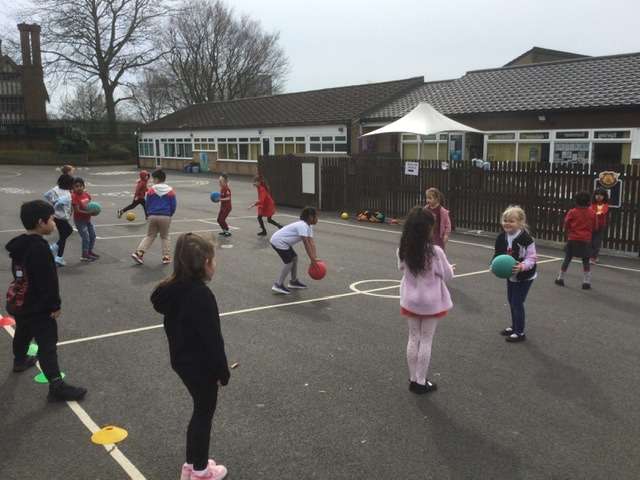
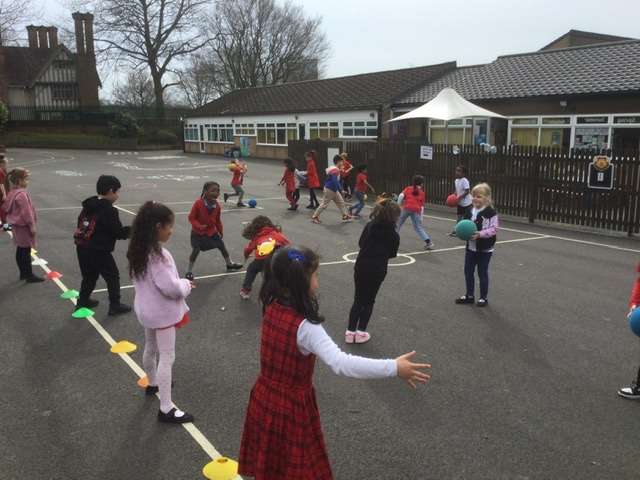
Over the past few weeks we have been looking at catching, throwing and defending.
Red Nose Day Fun!
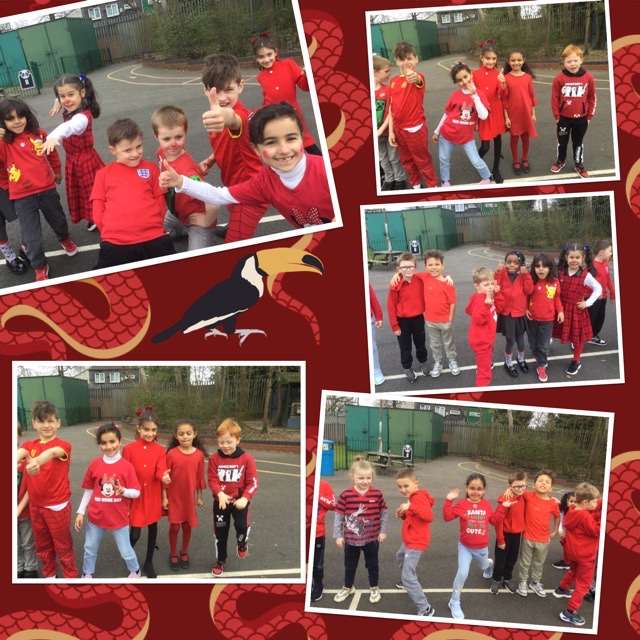
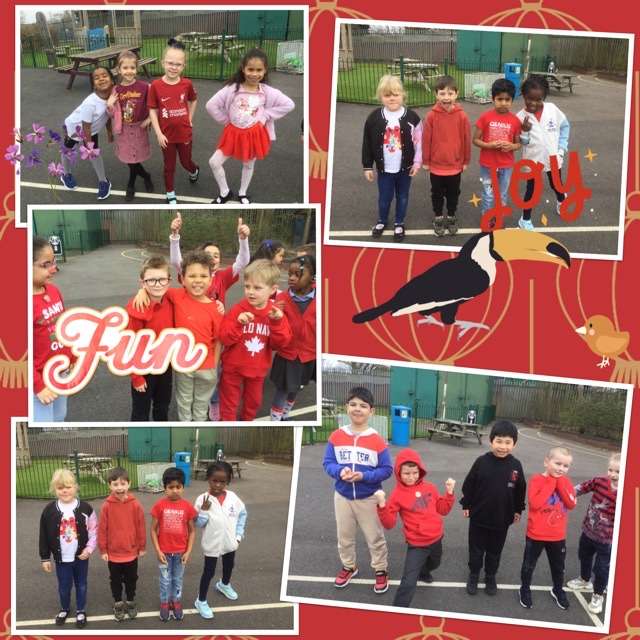
Thanks so much for tuning into Red Nose Day and donating. Your money can help to support people who are facing the toughest times of their lives, here in the UK and around the world.
Great Fire of London Game