Well done Toucans. You were ALL AMAZING!!!
Category Archives: Class Work
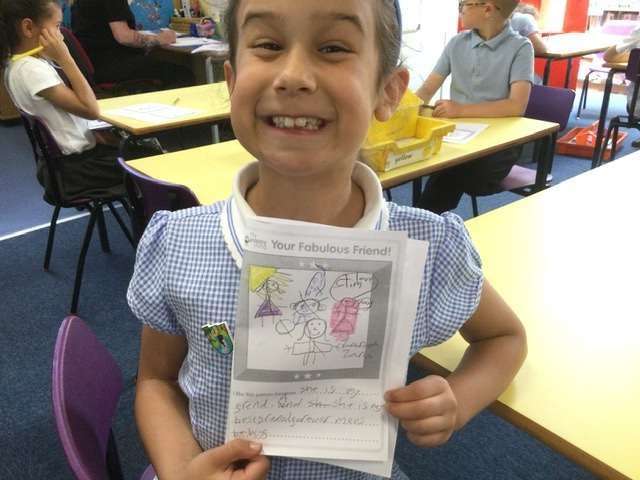
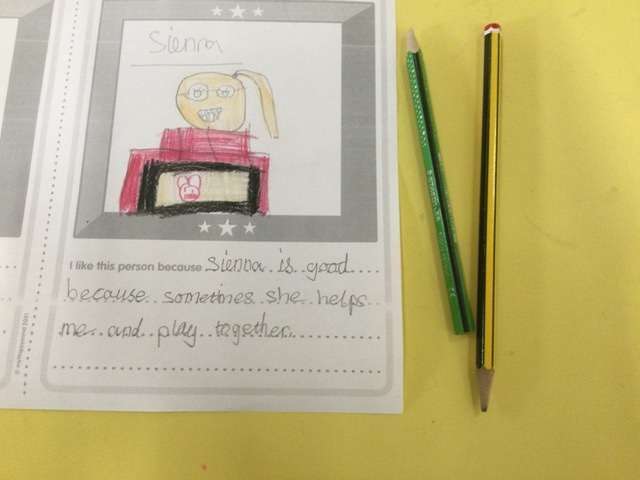
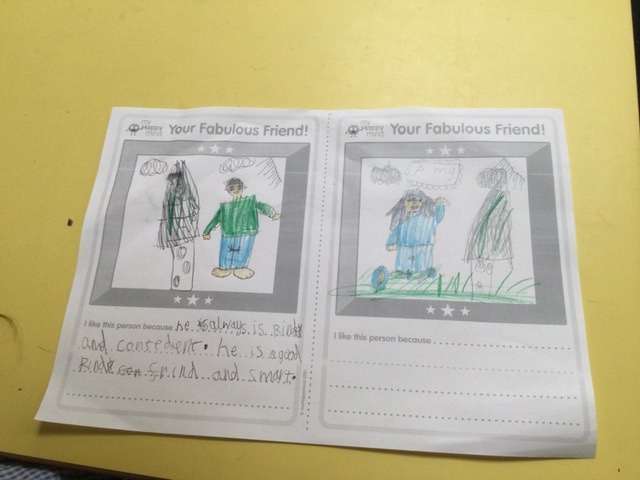
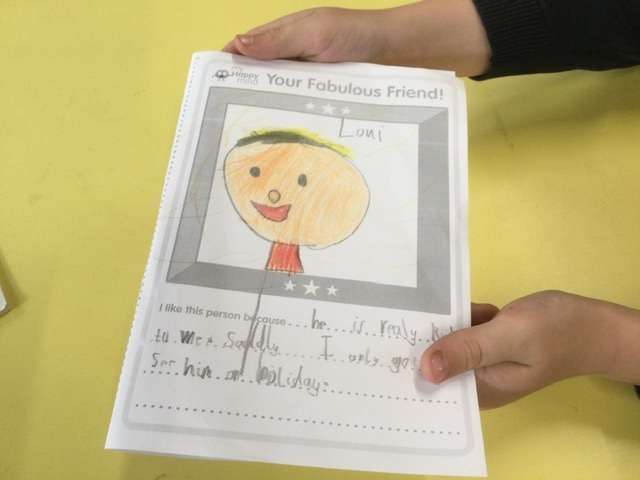
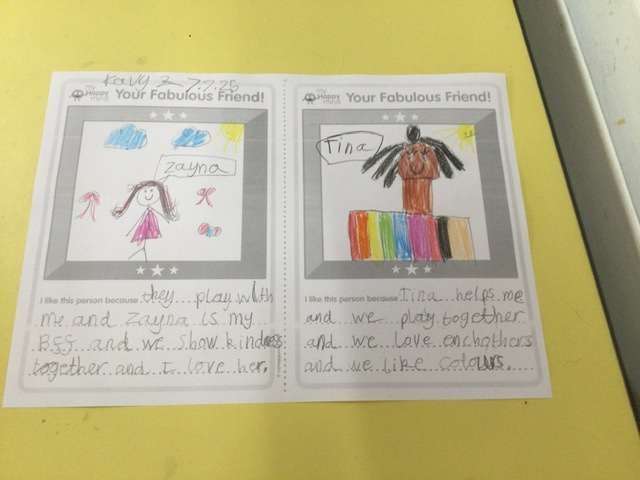
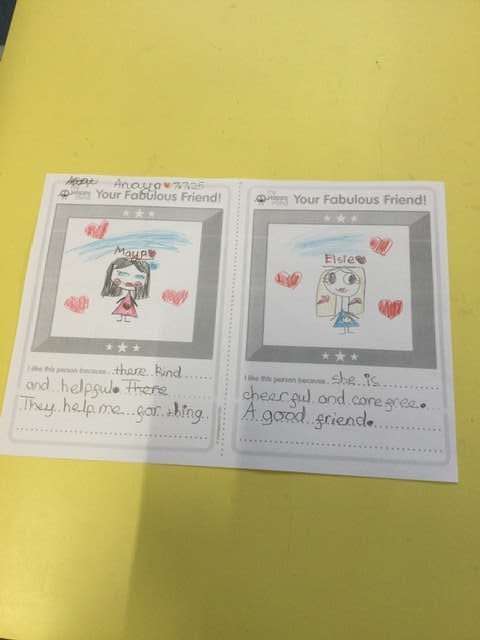
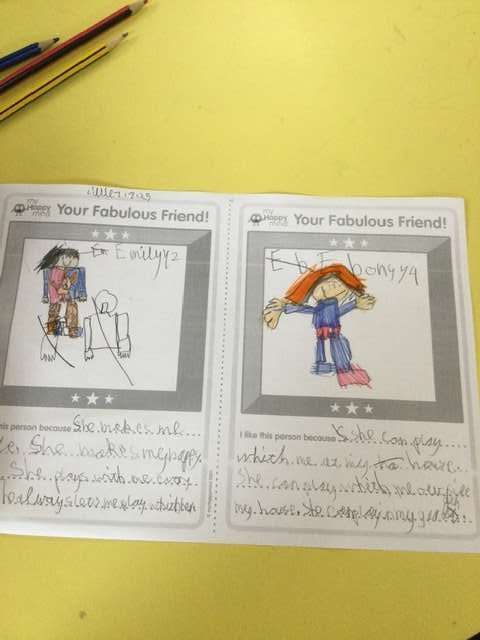
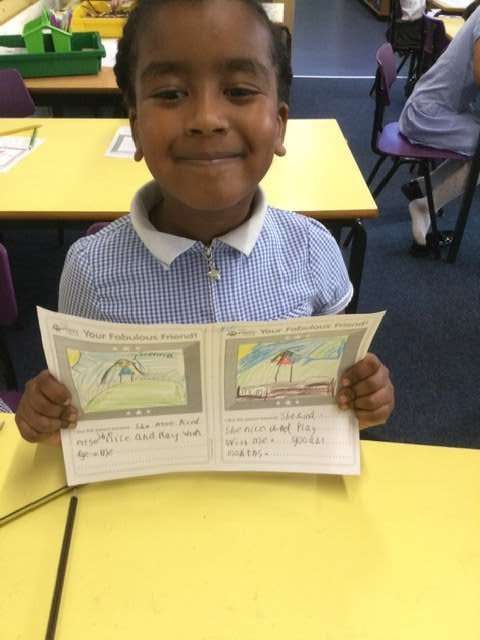
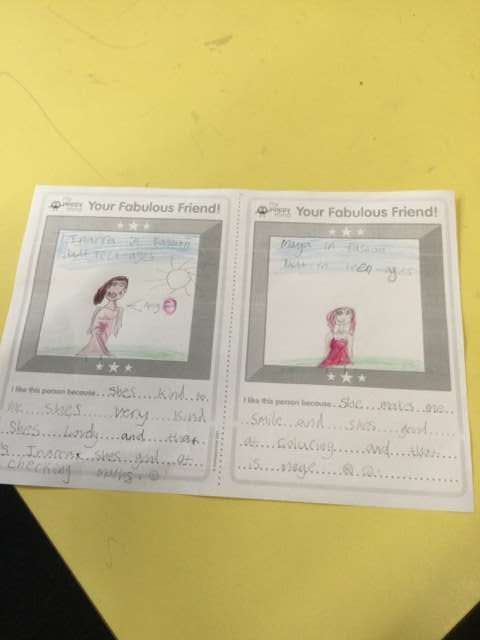
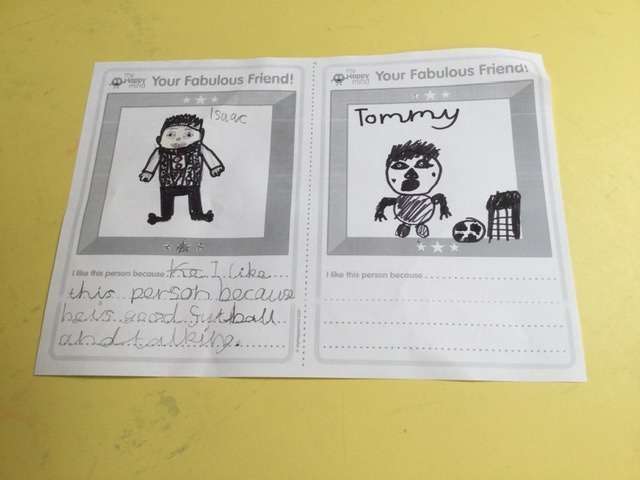
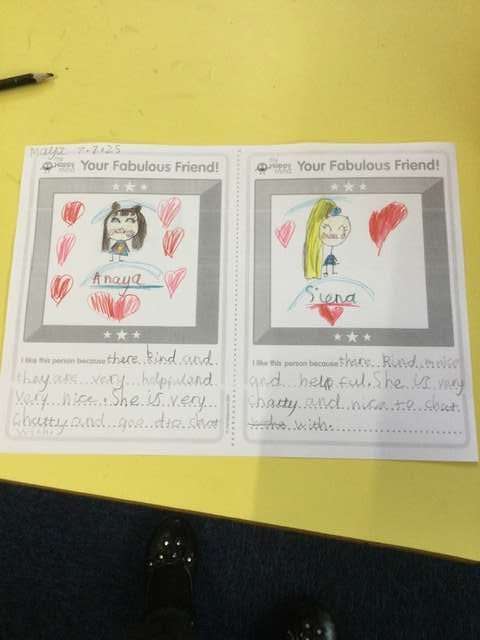
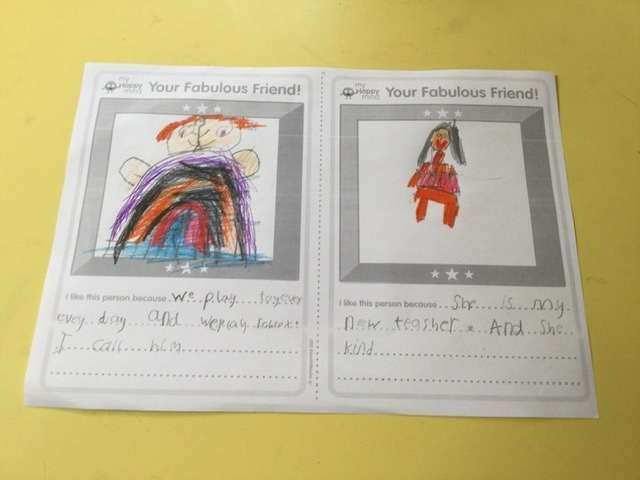
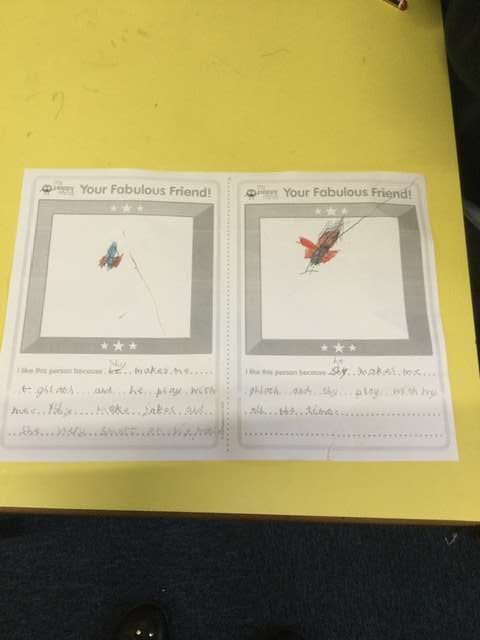
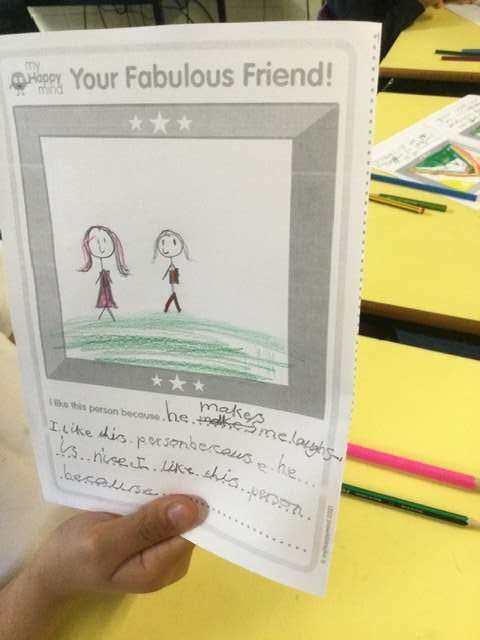
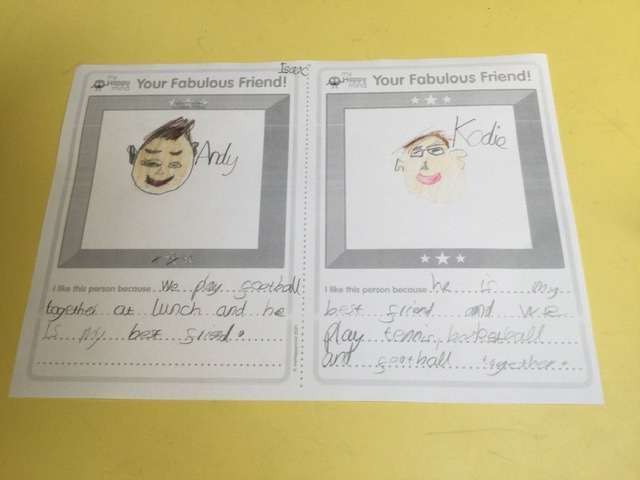
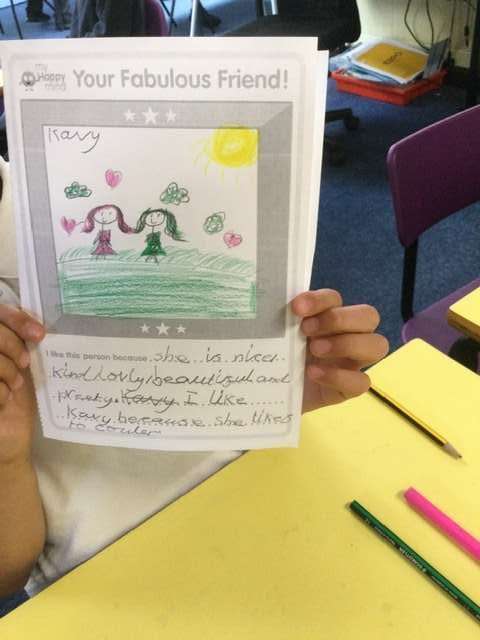
PSHE – Friendships & Online Safety
We discussed the importance of safety including online.
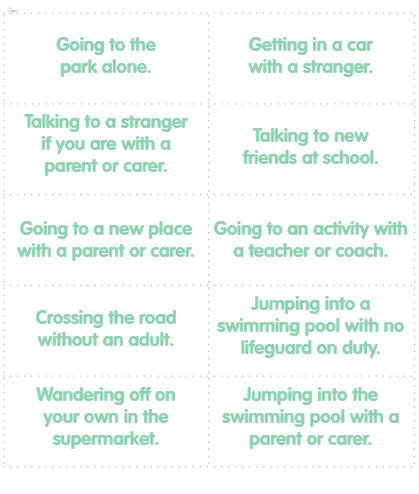
We talked about the importance of letting a trusted adult know if something is not right.
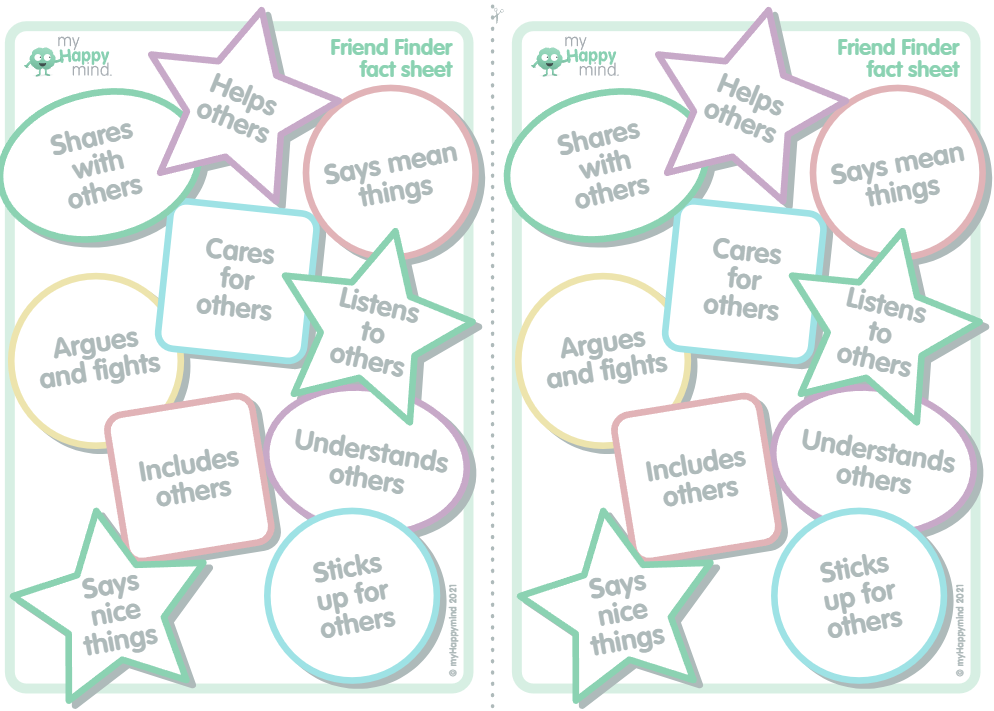
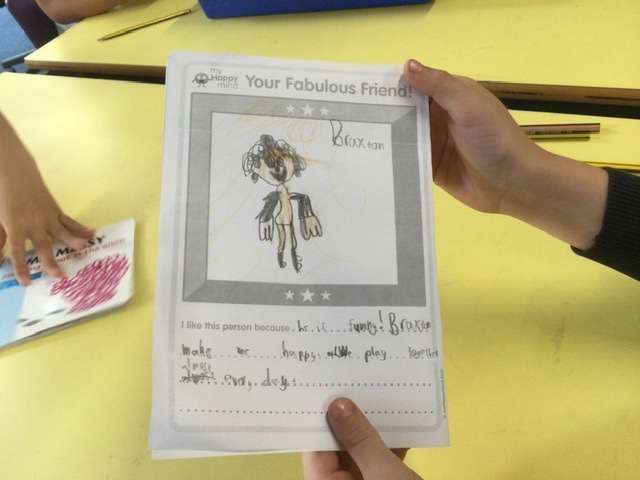
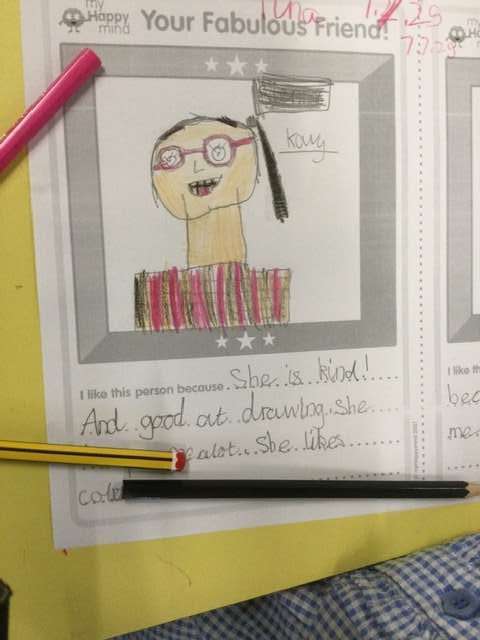
We also discussed the importance of friendships. What should a friend be?
HSBC – Saving Money
This afternoon we had a special pshEconomics lesson.
Sandra from HSBC visited. She taught us the importance of saving money and how to spend money wisely. It really helped us understand the value of money and what we can afford.
Local History
Sure! Here’s a warm and engaging blog post you might find fitting:
🍫 Discovering the Sweet Past: Year 2’s Journey Through Bournville History
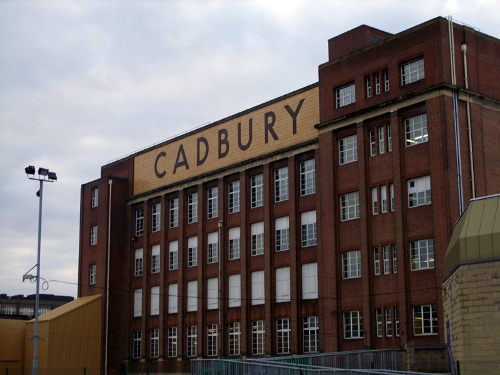
This term, our Year 2 learners have been on a deliciously rich adventure through time, exploring the local history of Bournville .
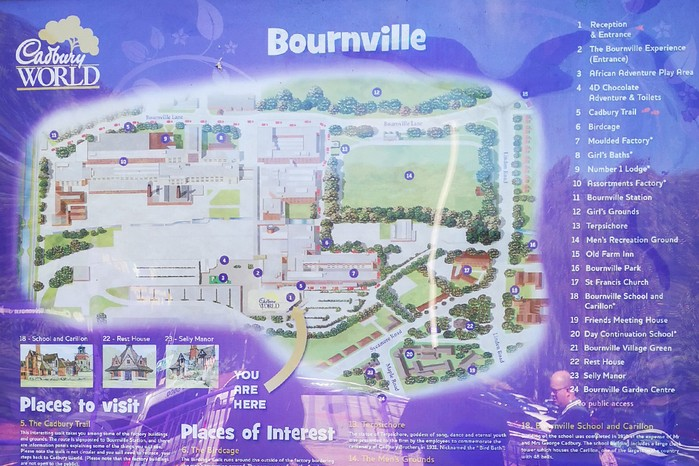

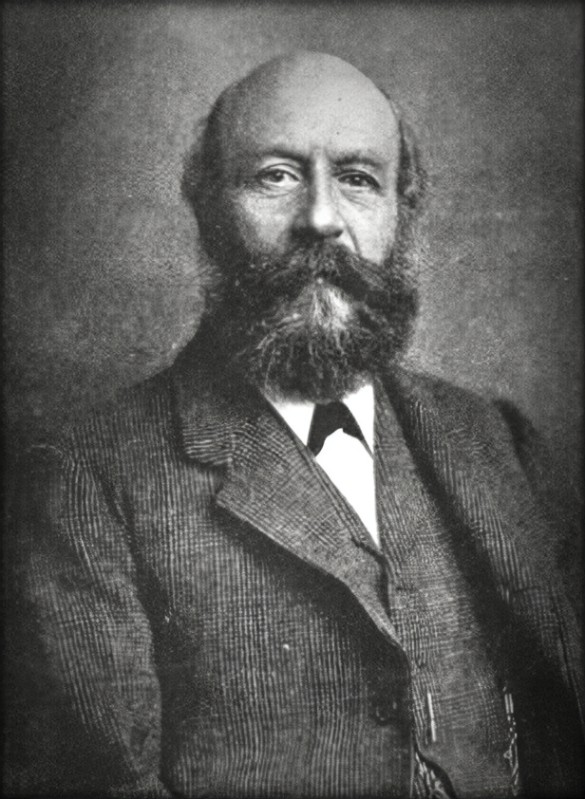
We began our journey with the story of John Cadbury, the man behind the famous Cadbury’s chocolate brand. The children were fascinated to learn that this sweet legacy began right here in Birmingham. From humble beginnings selling drinking chocolate in a grocer’s shop to founding a world-renowned company.
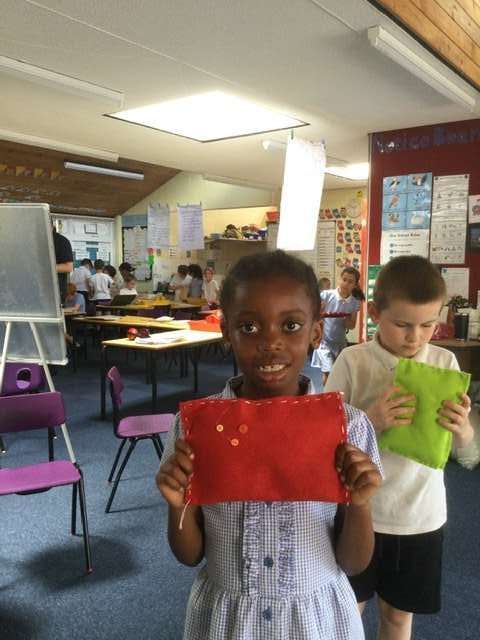
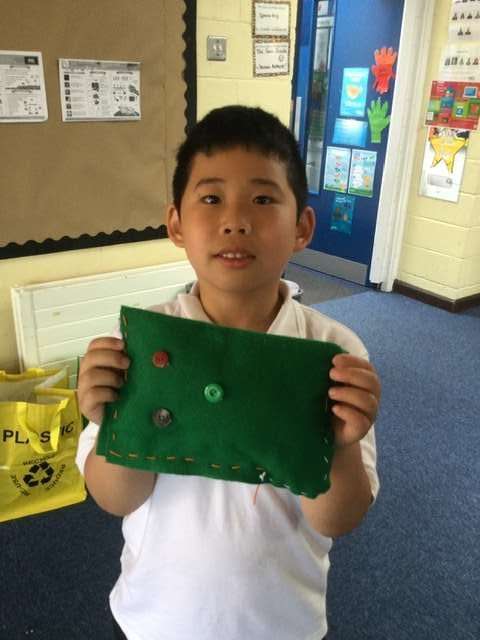
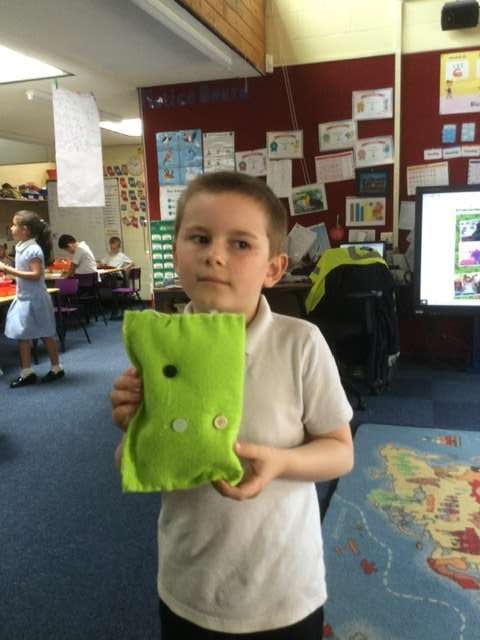
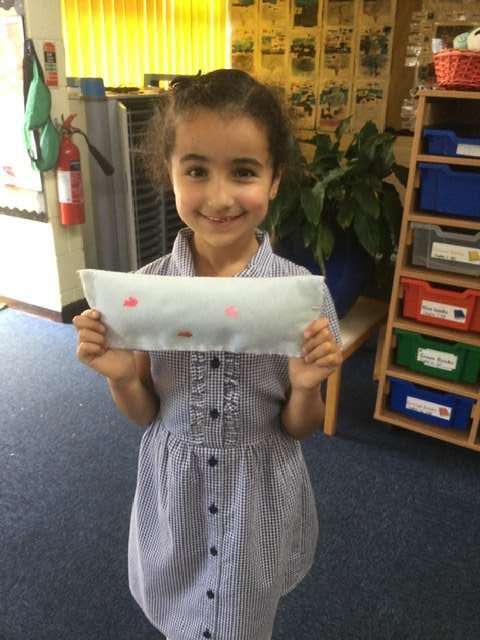
D&T Cushion Making
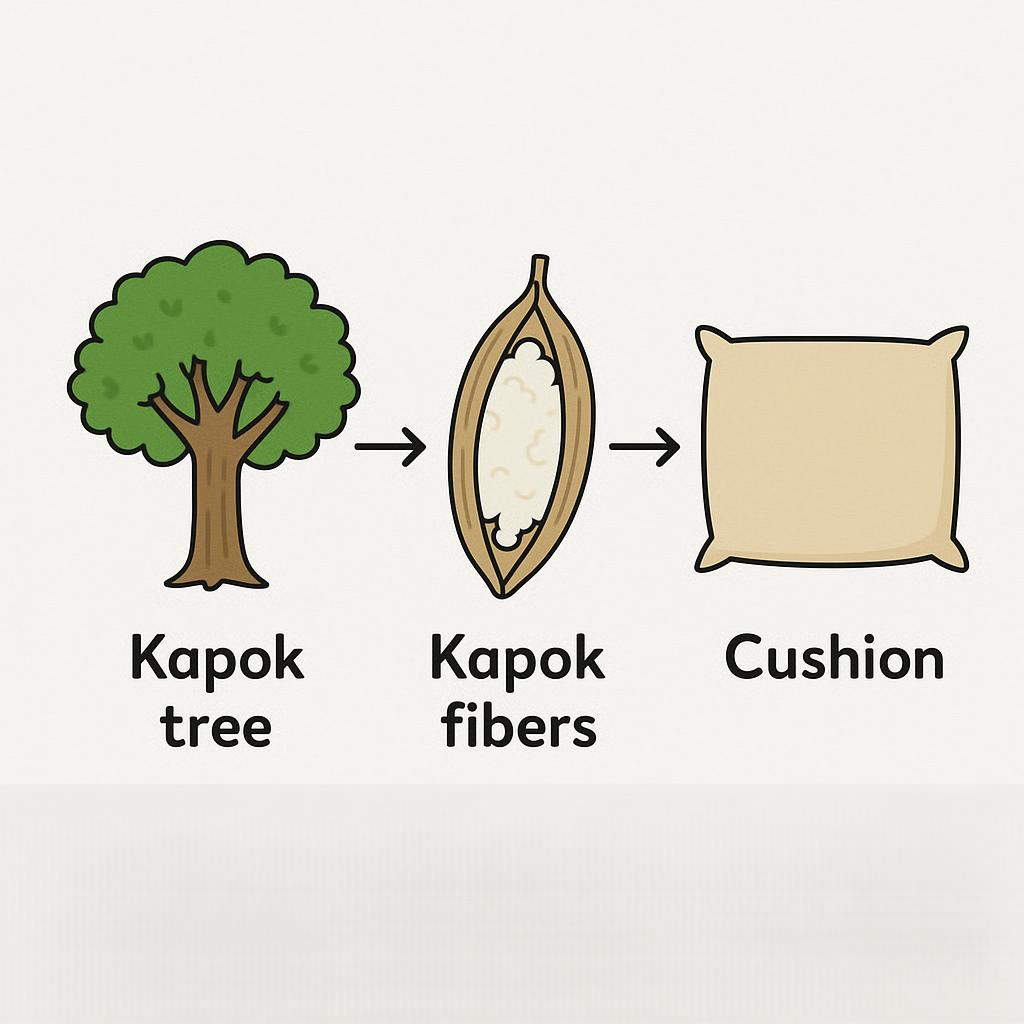
Did you know , Kapok fiber, also called silk cotton, comes from the seed pods of the Kapok tree (Ceiba pentandra) and has been traditionally used as a natural stuffing material for cushions, pillows, mattresses, and life jackets because it is lightweight and water-resistant.The Kapok tree grows naturally in tropical rainforests, especially in regions like the Amazon, Southeast Asia, and West Africa. By harvesting the seed fibres (without cutting down the tree), people can benefit from the rainforest without destroying it, making kapok a sustainable, eco-friendly alternative to synthetic stuffing materials like polyester.
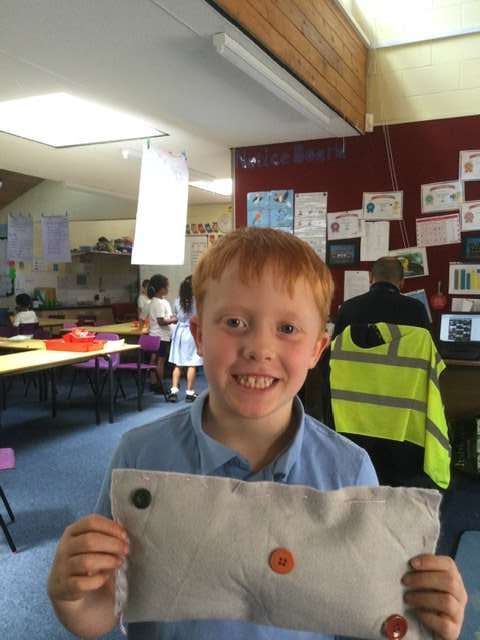
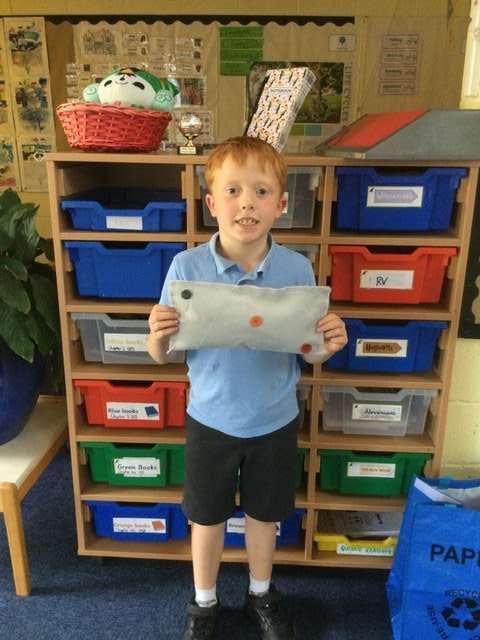
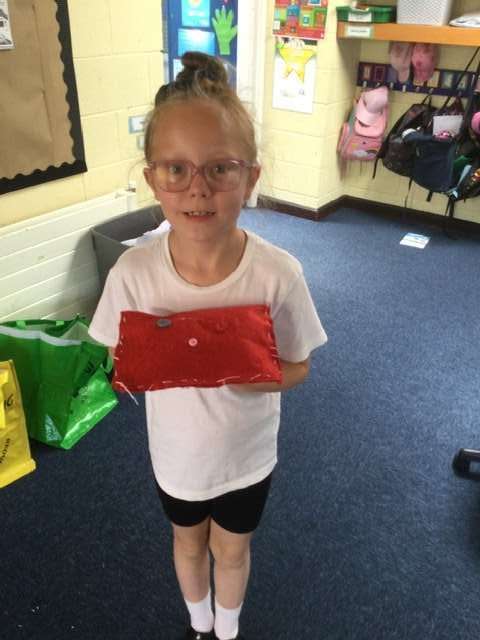
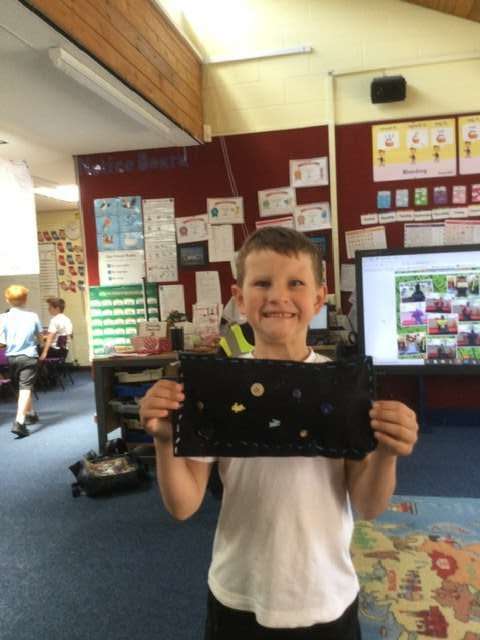
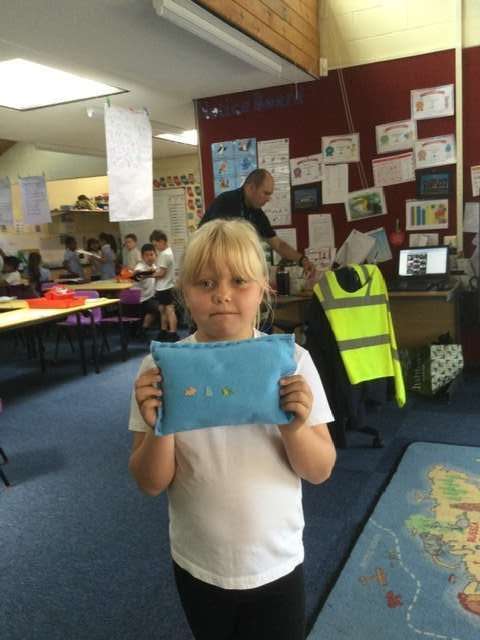
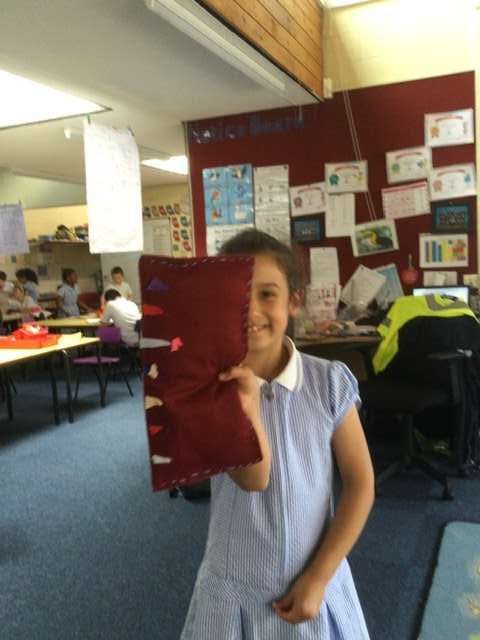
In D&T Toucans have been making cushions. This has required them to learn the skill of doing a running stitch and skills in folding and adding decorations.
Rainforest Weaving
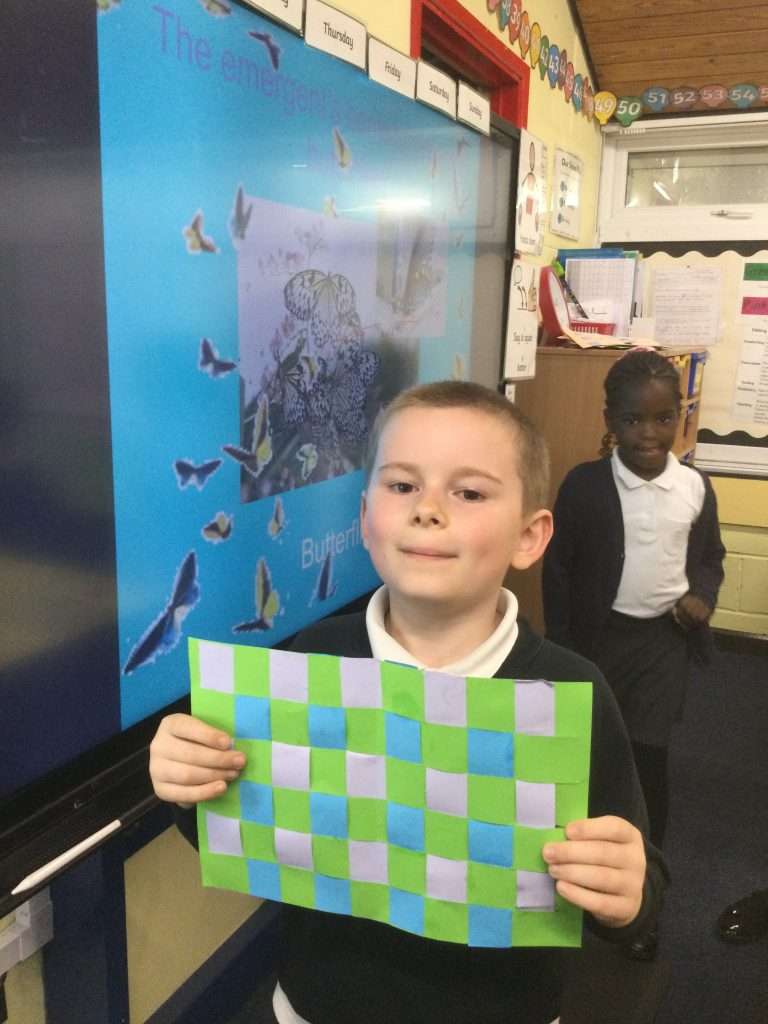
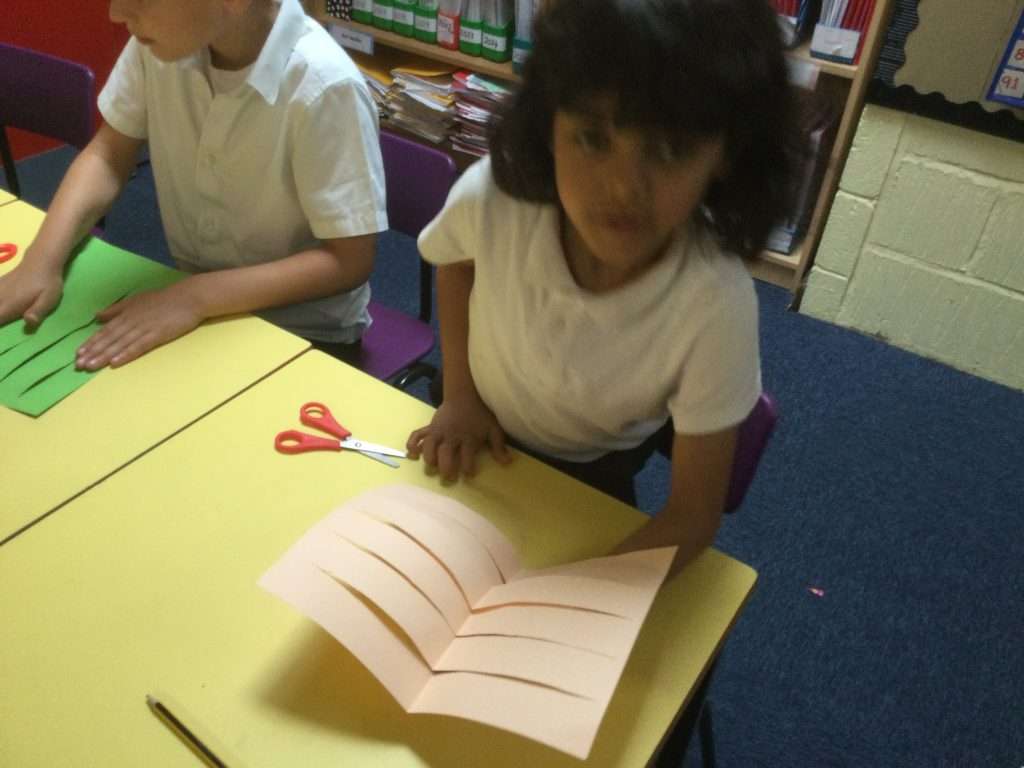
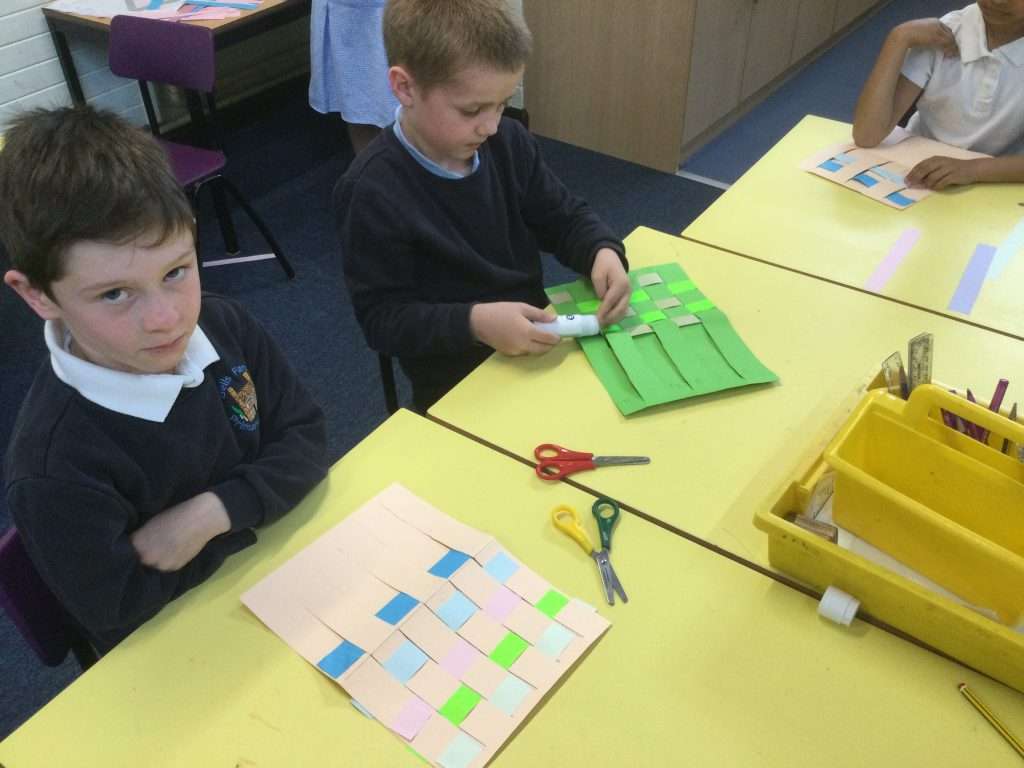
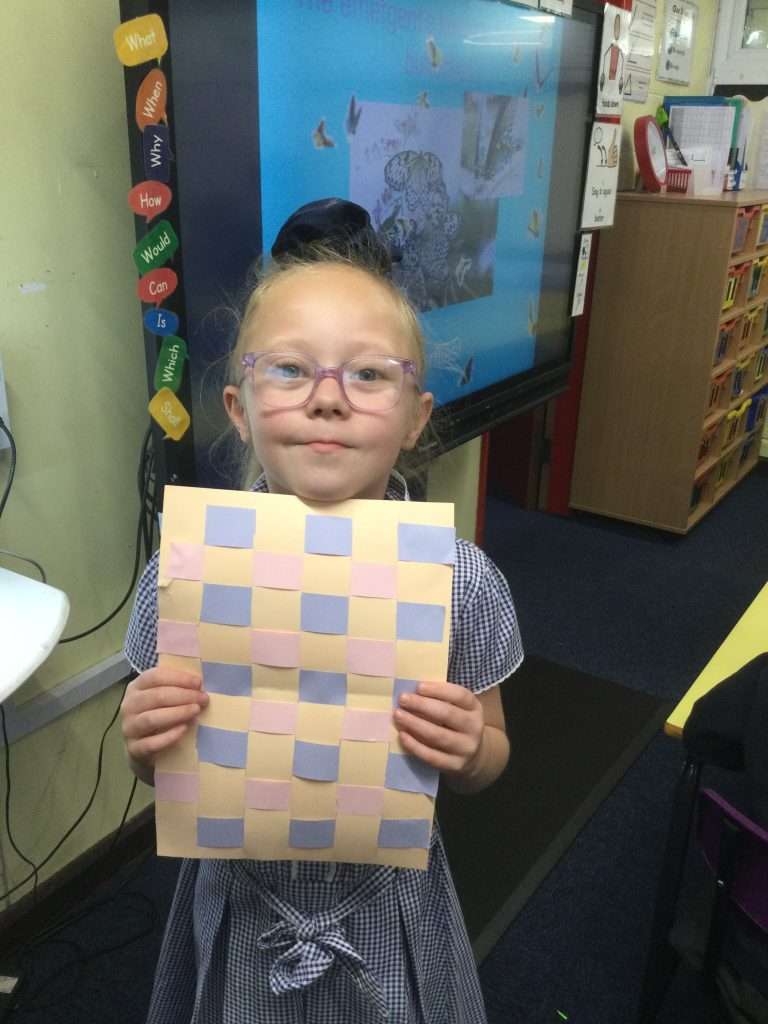
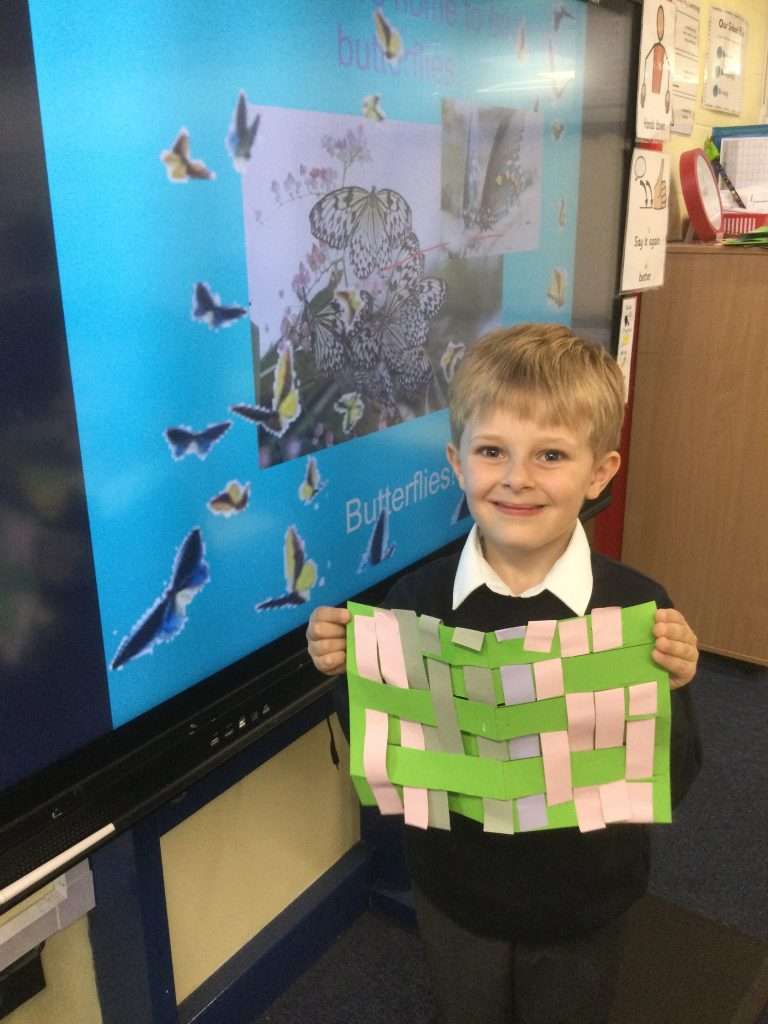
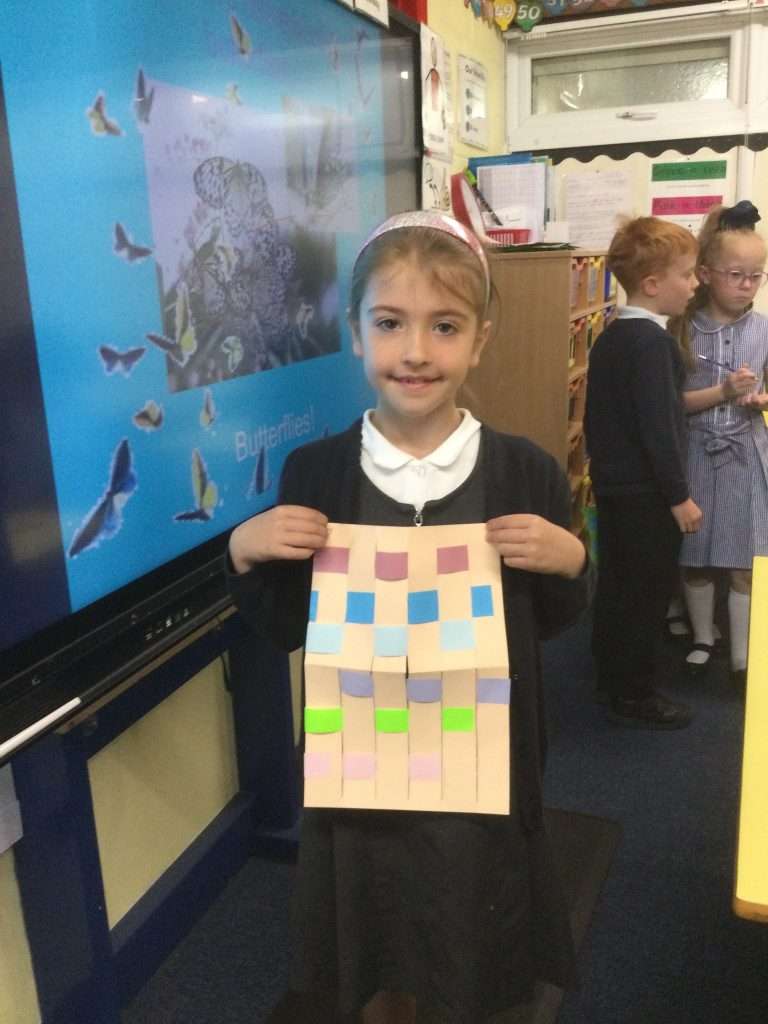
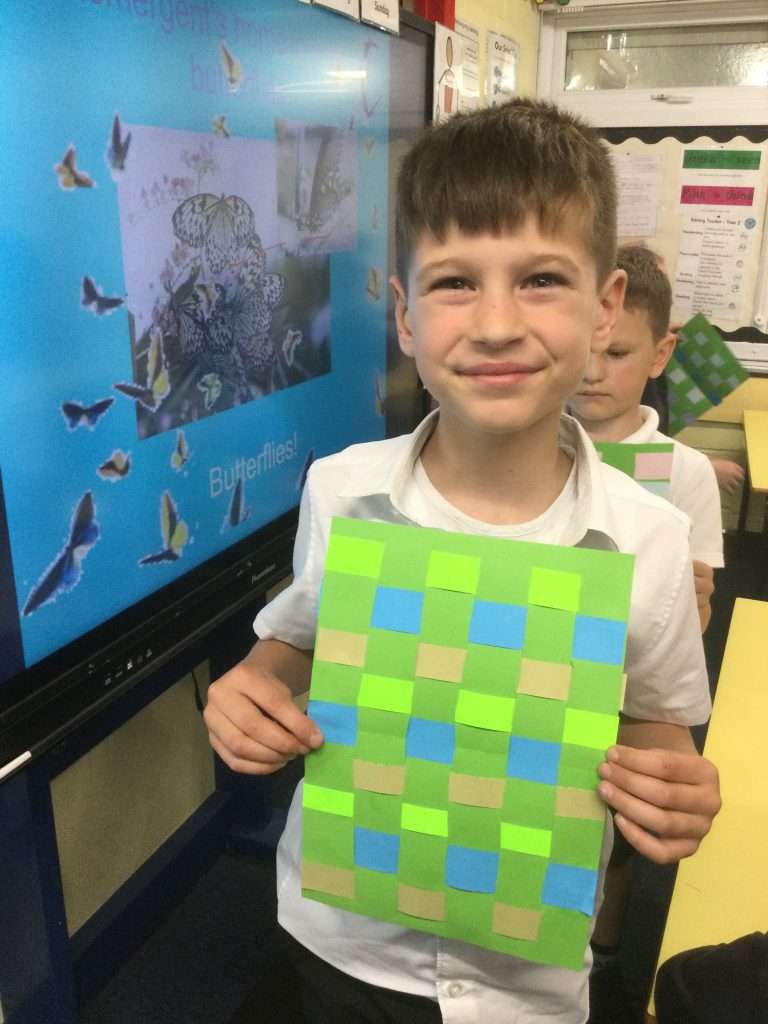
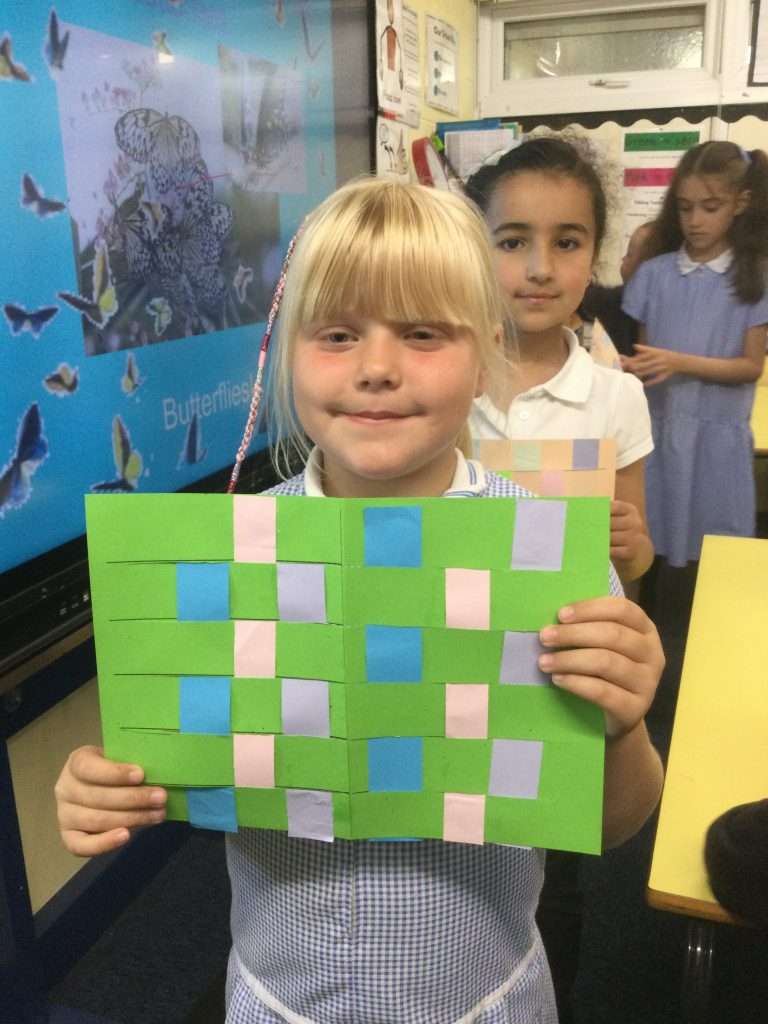
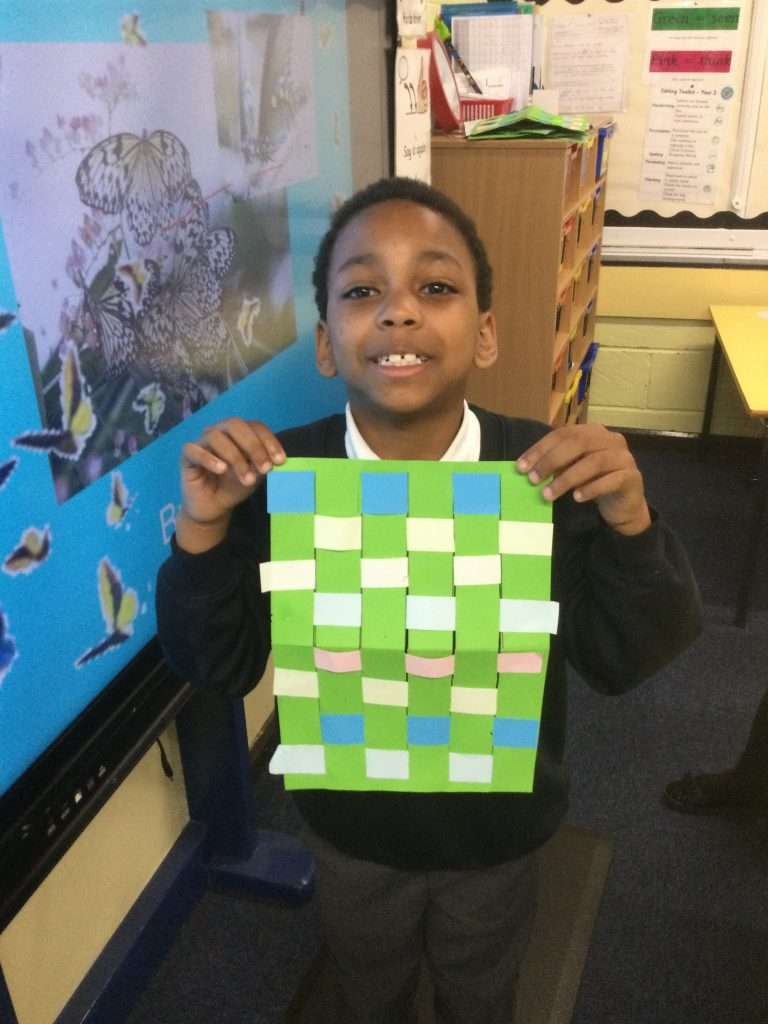
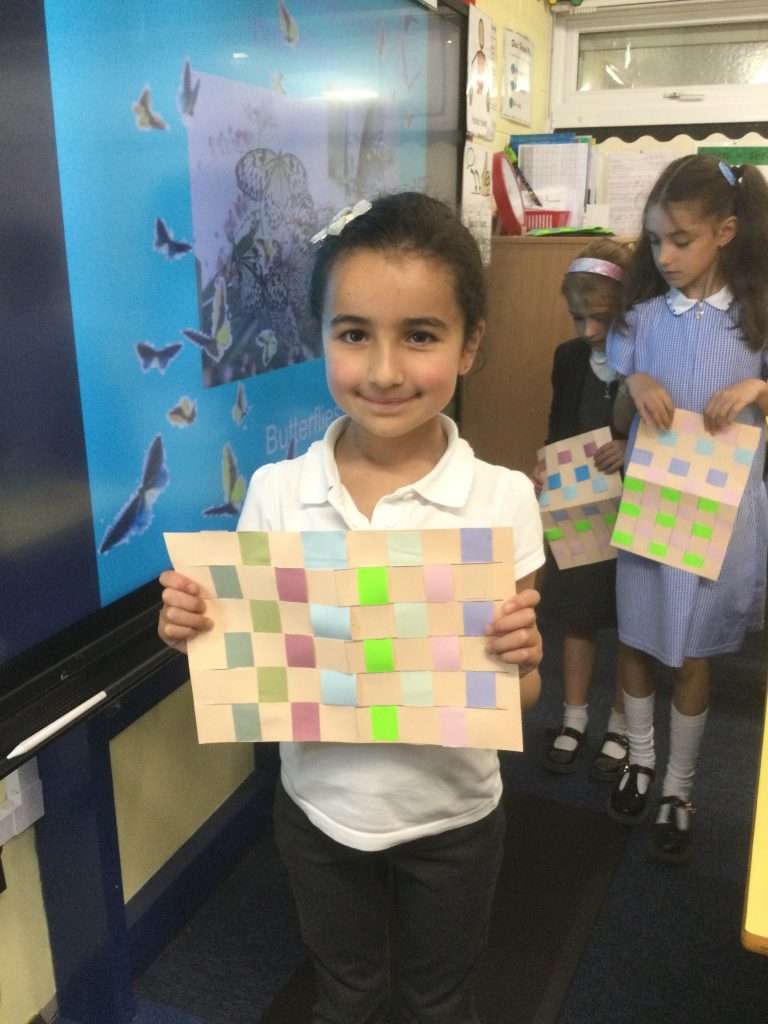
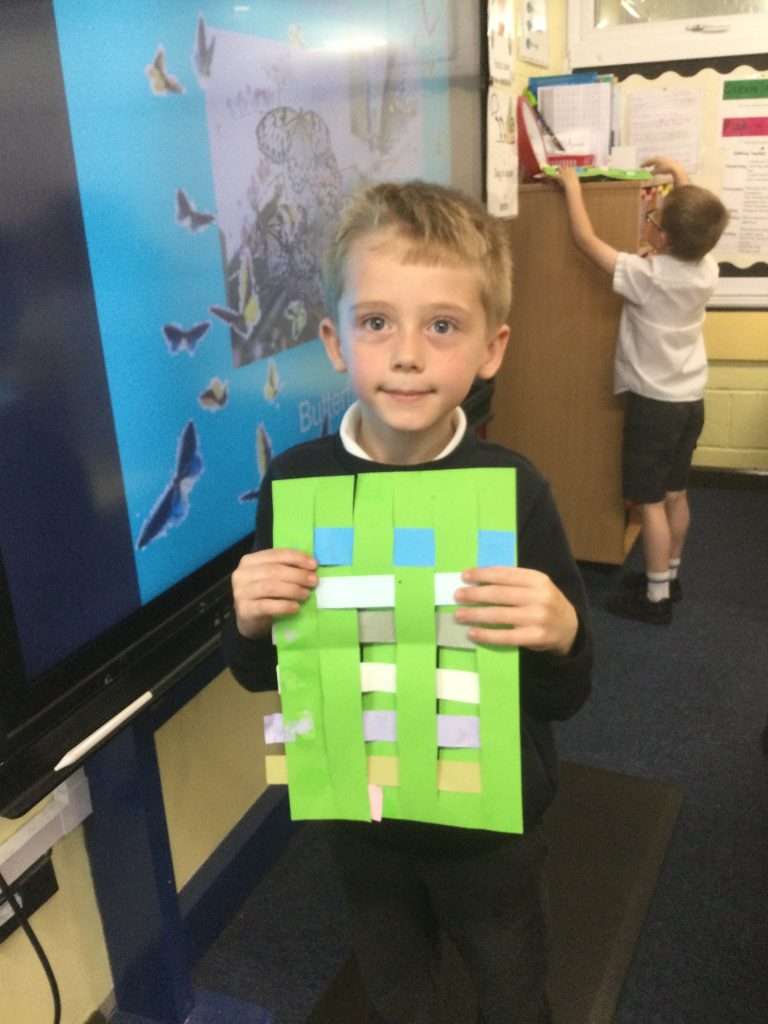
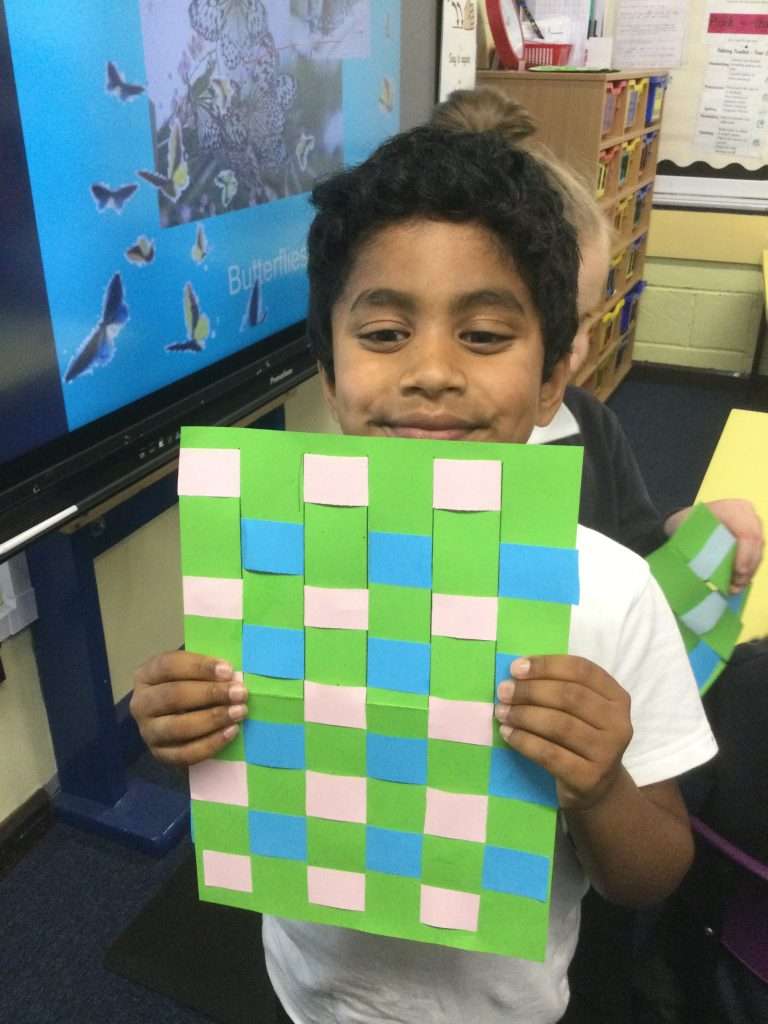
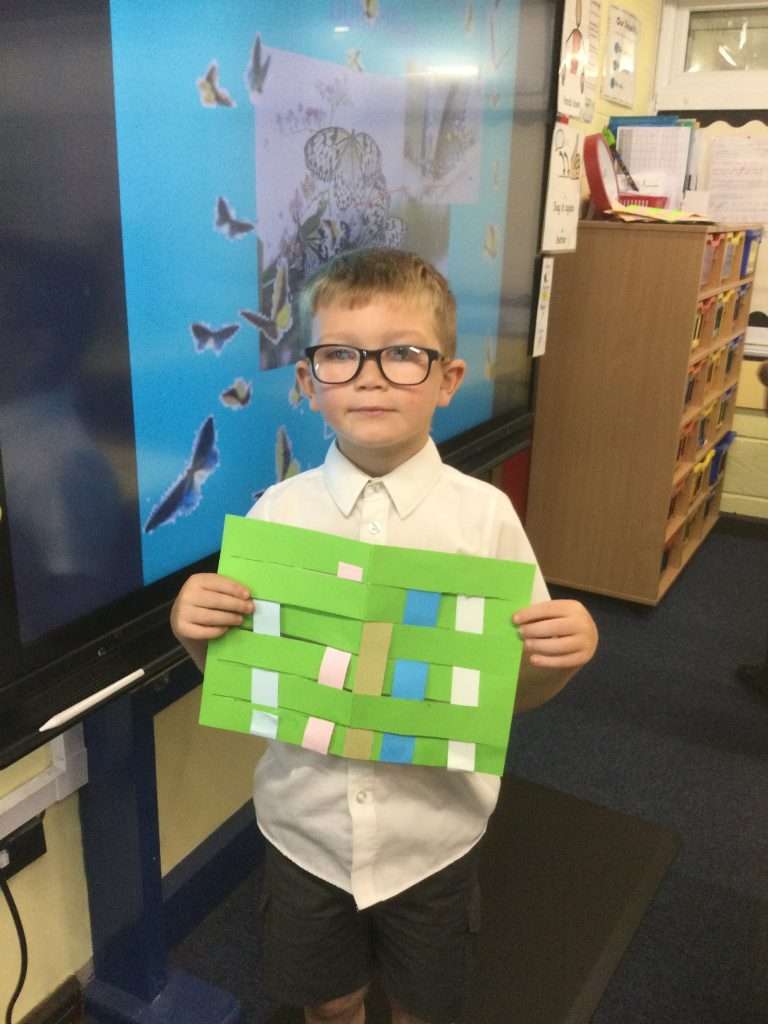
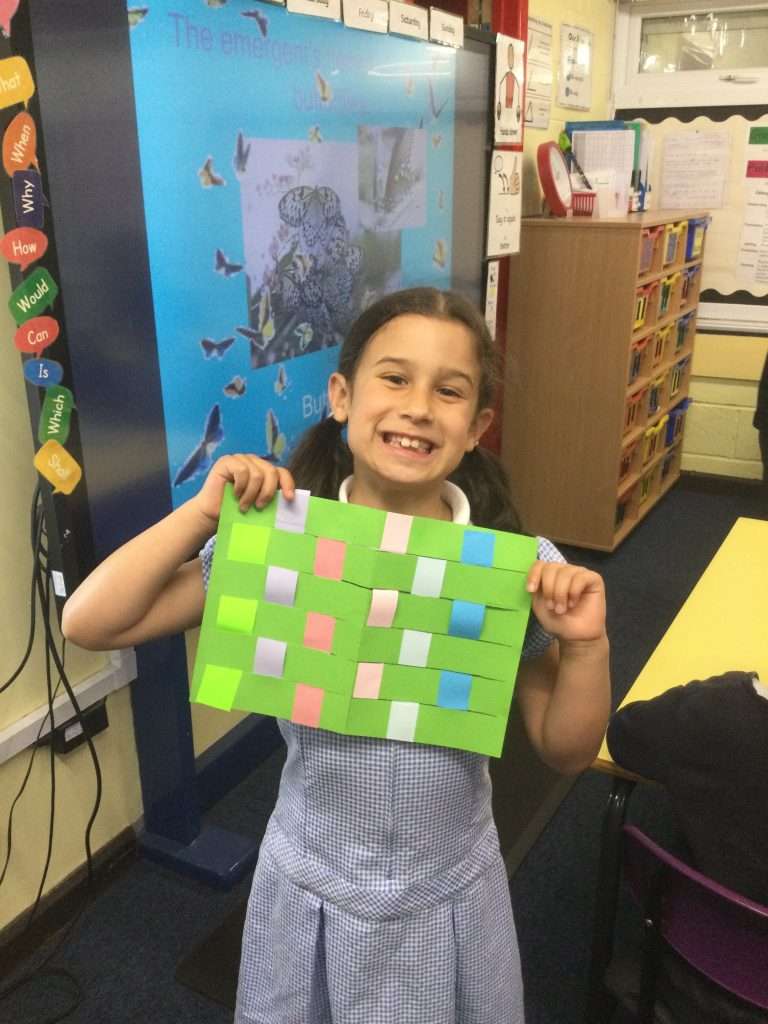
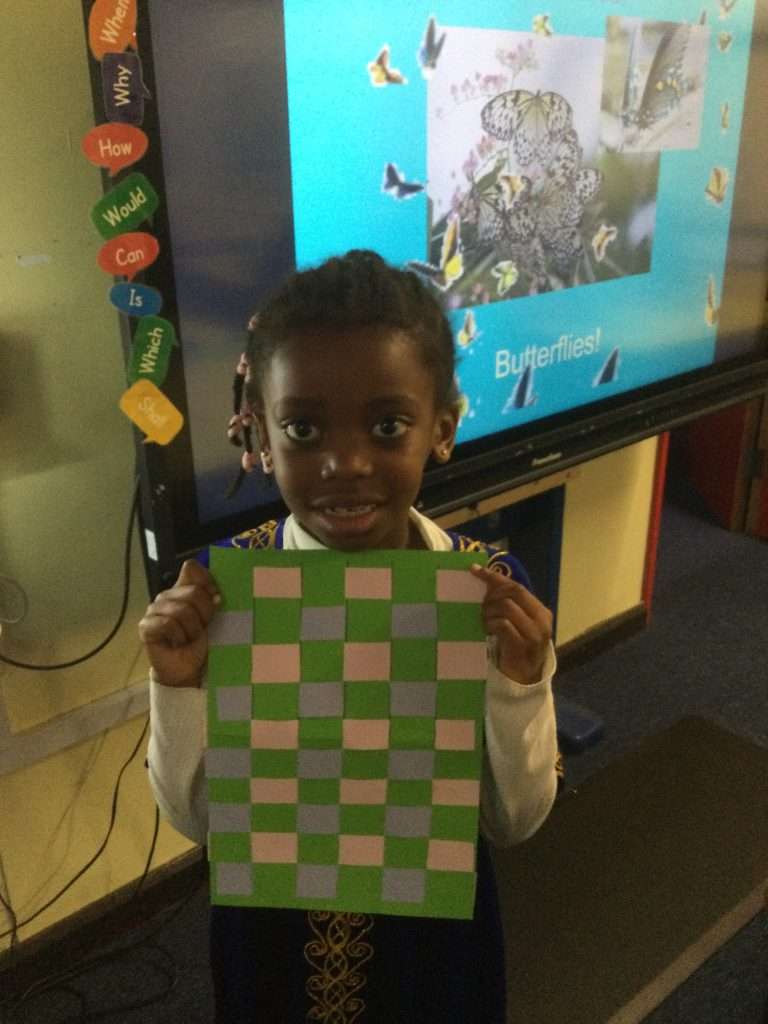
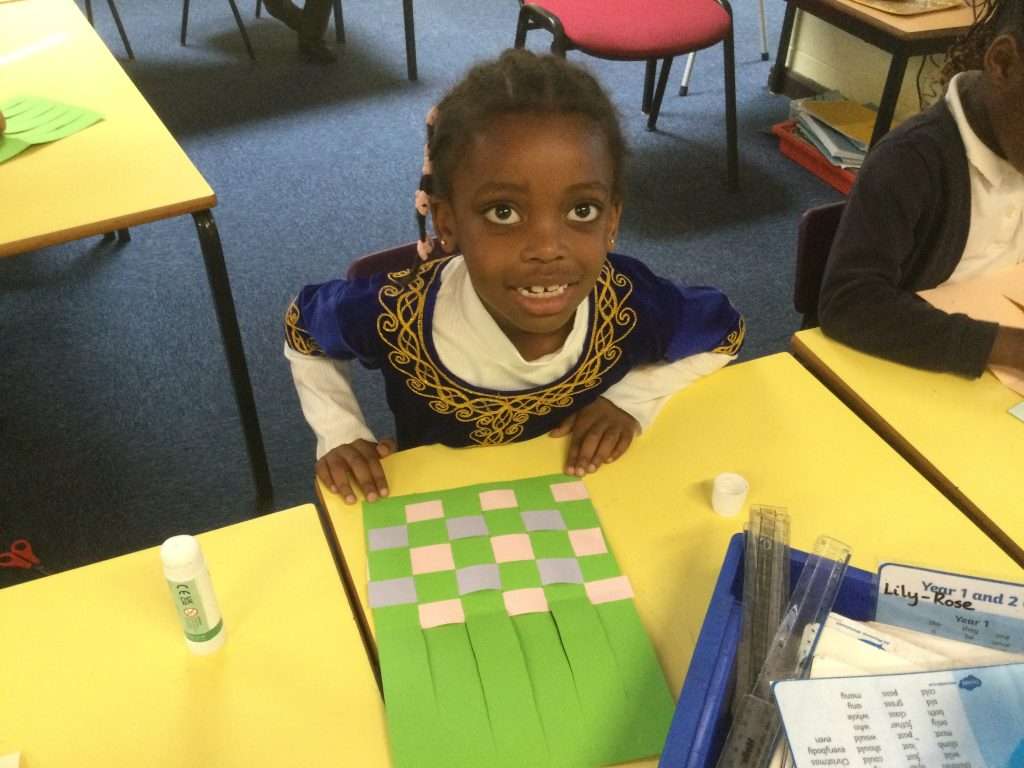
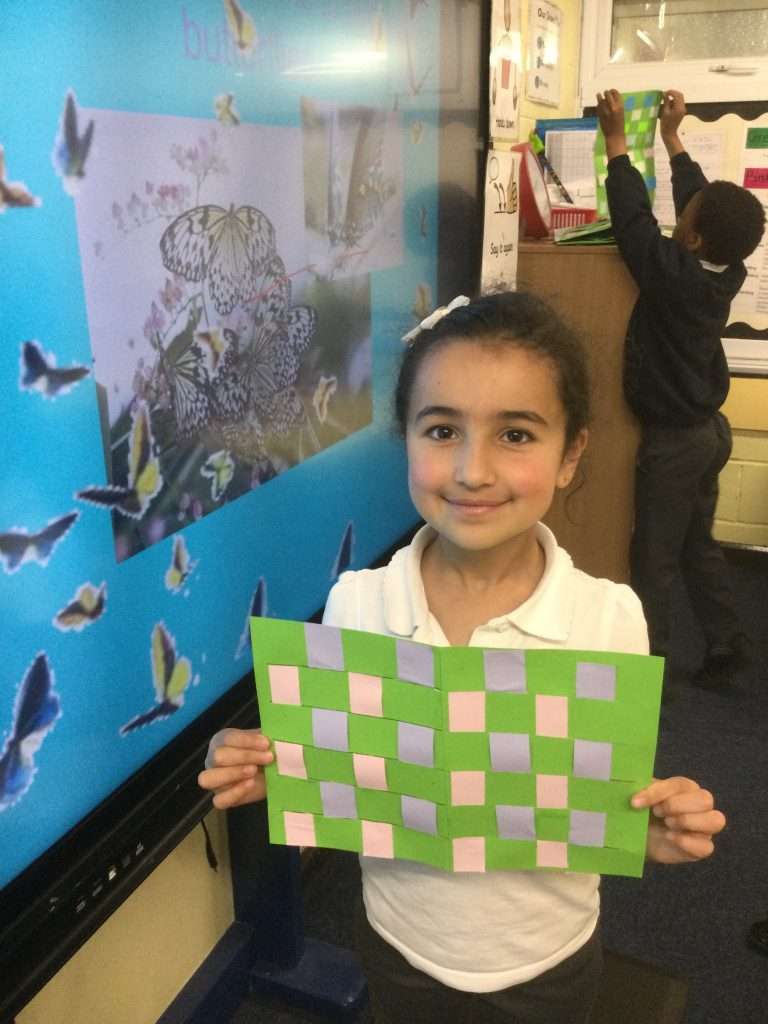
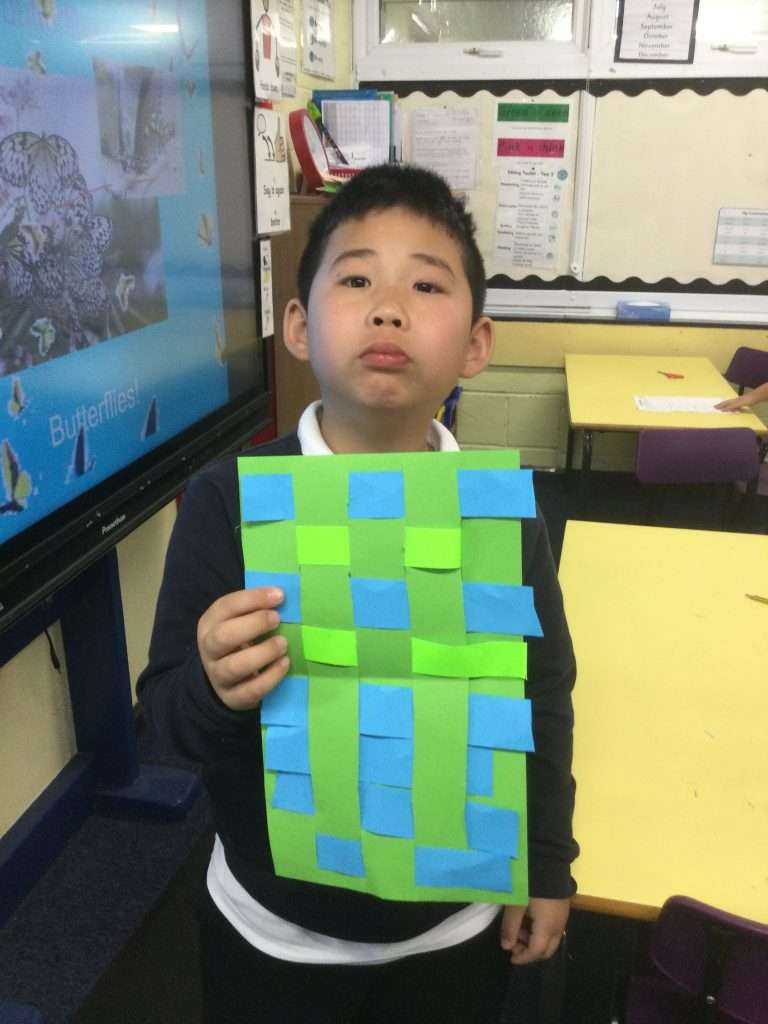
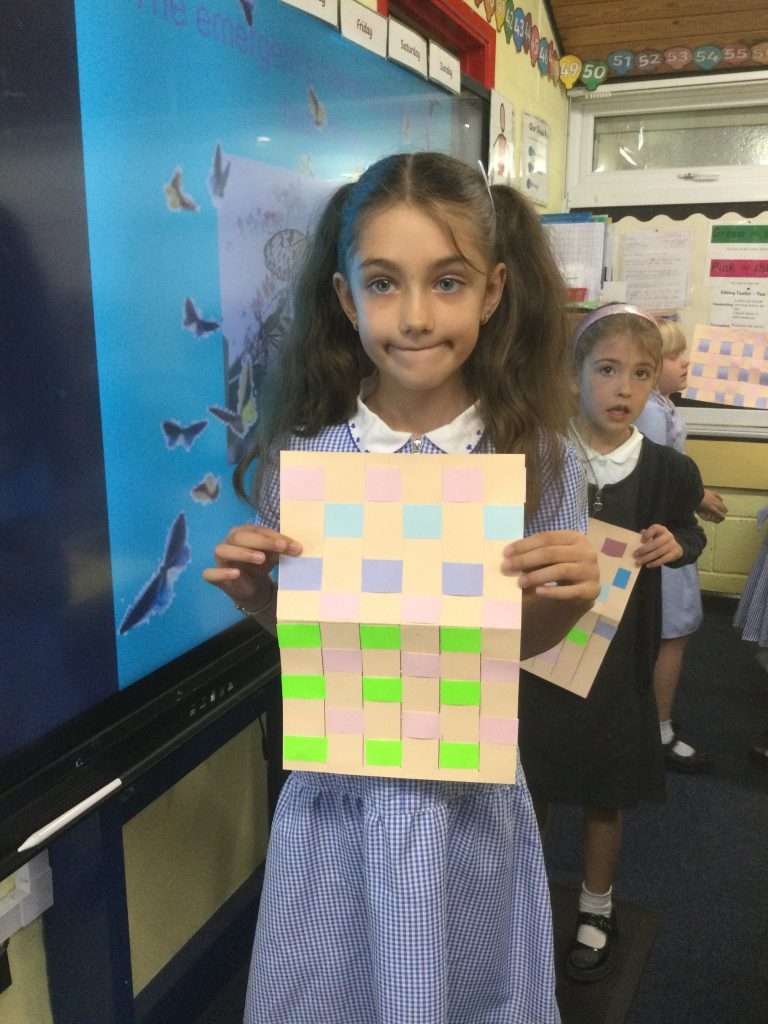
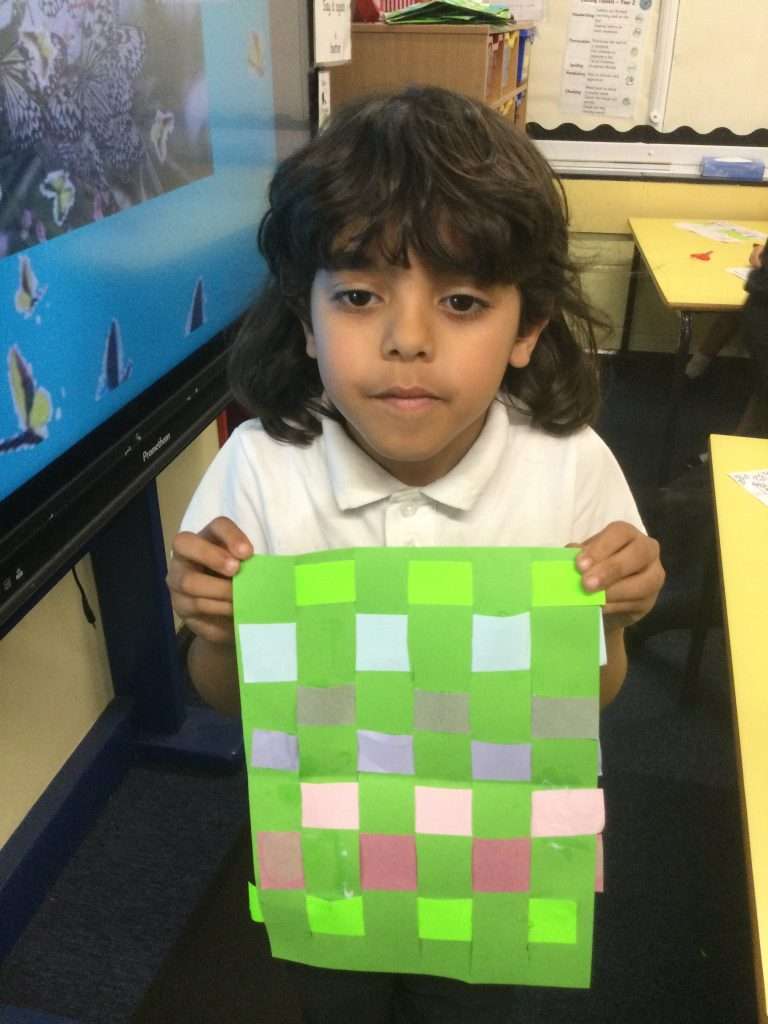
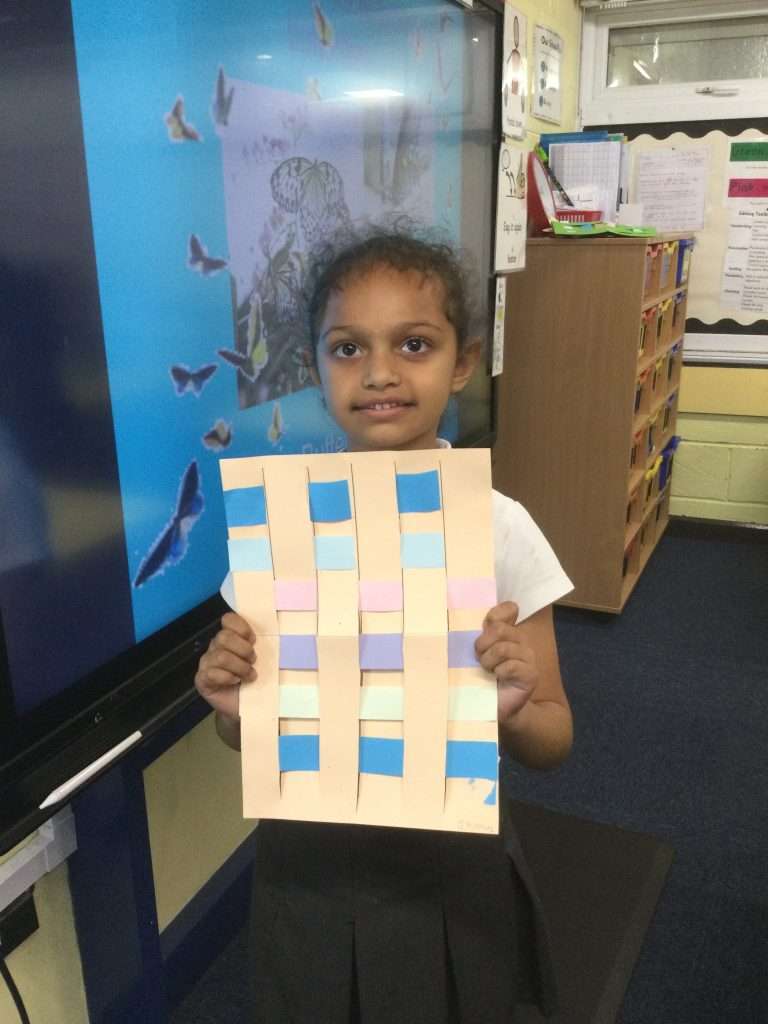
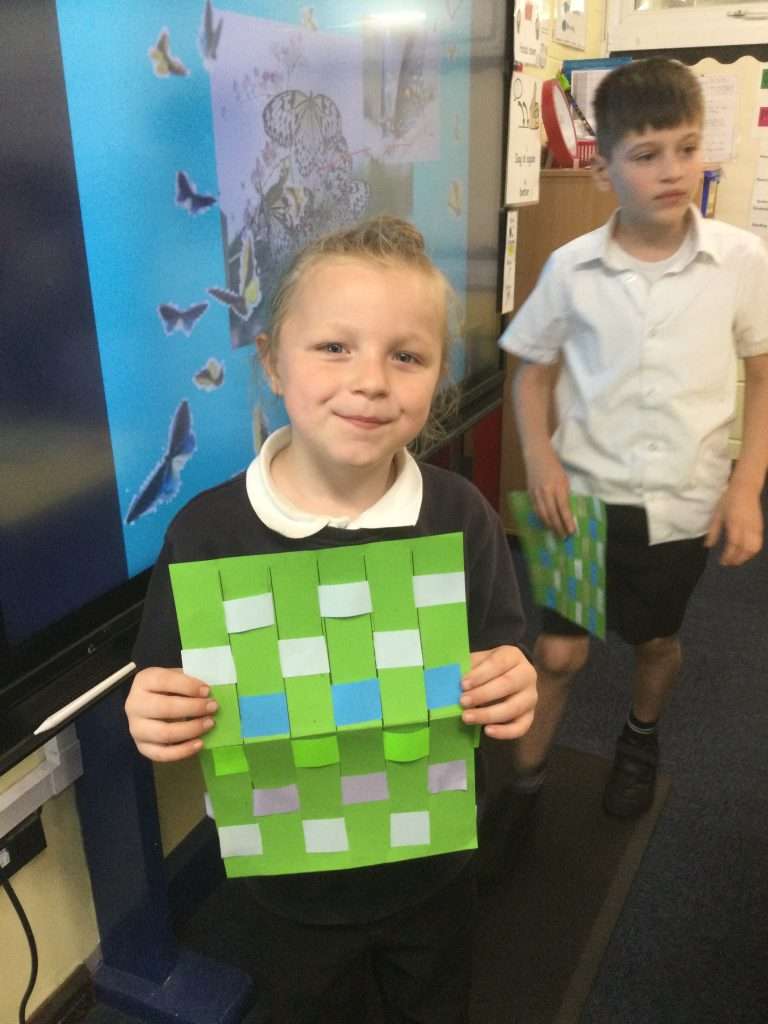
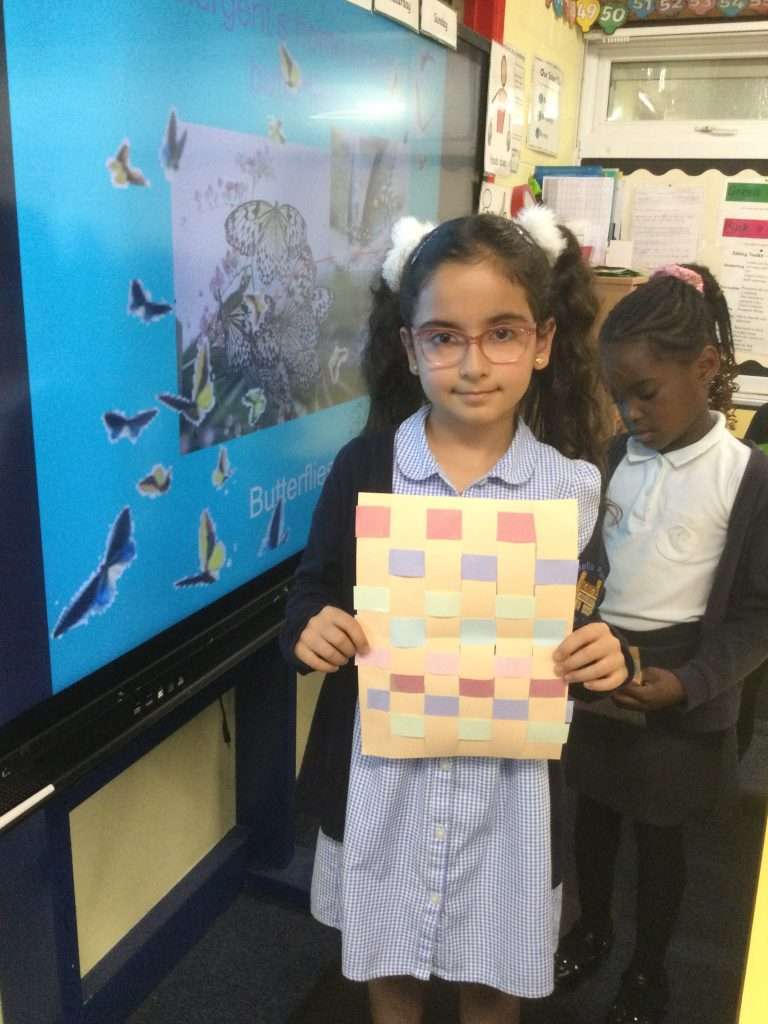
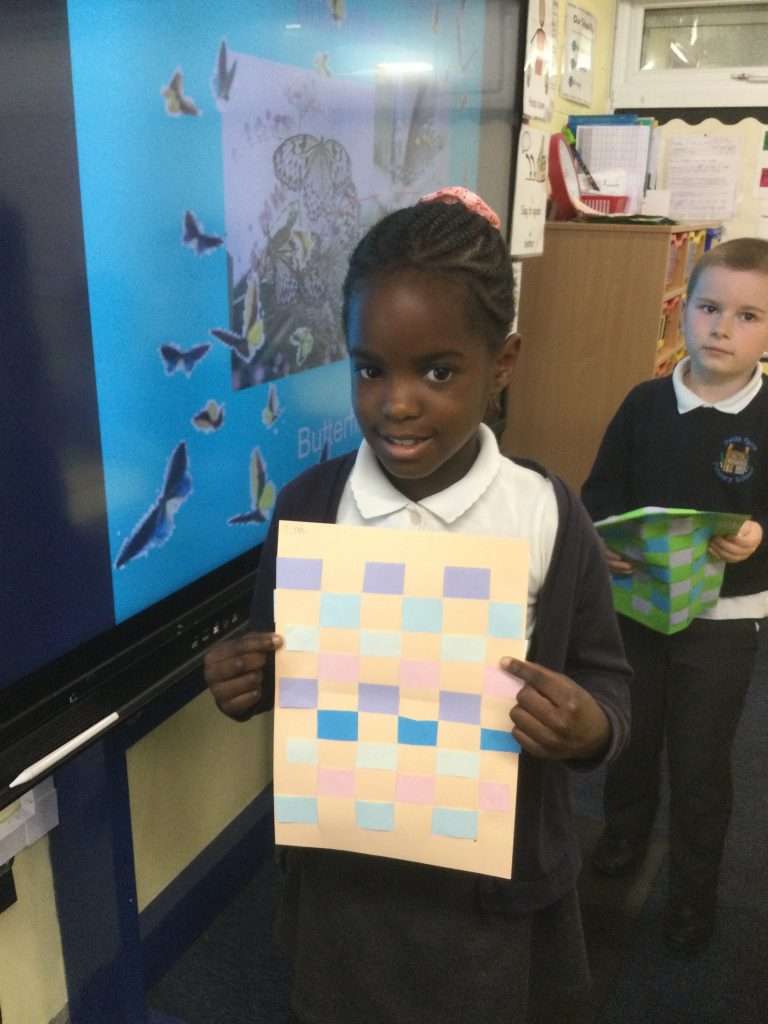
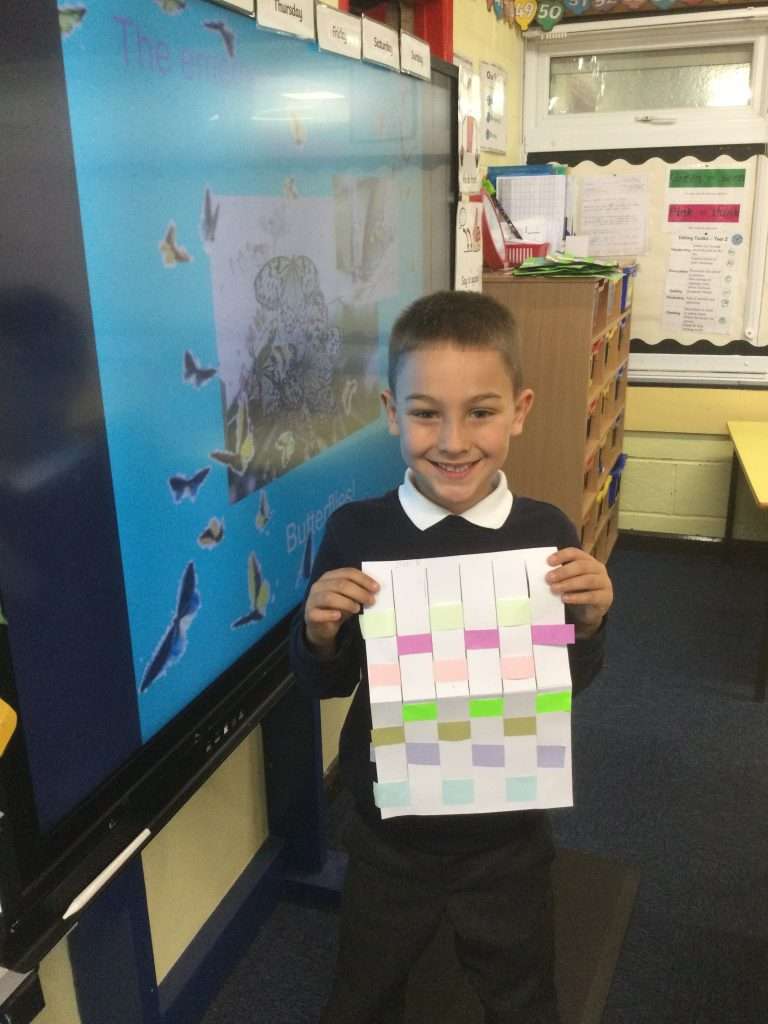
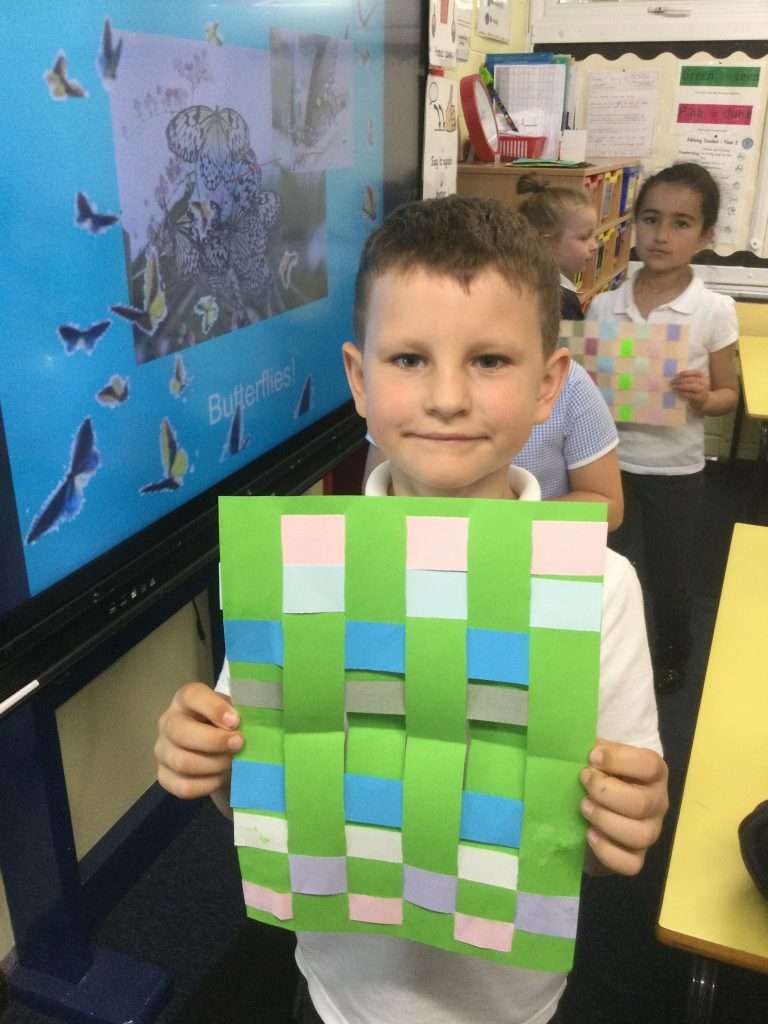
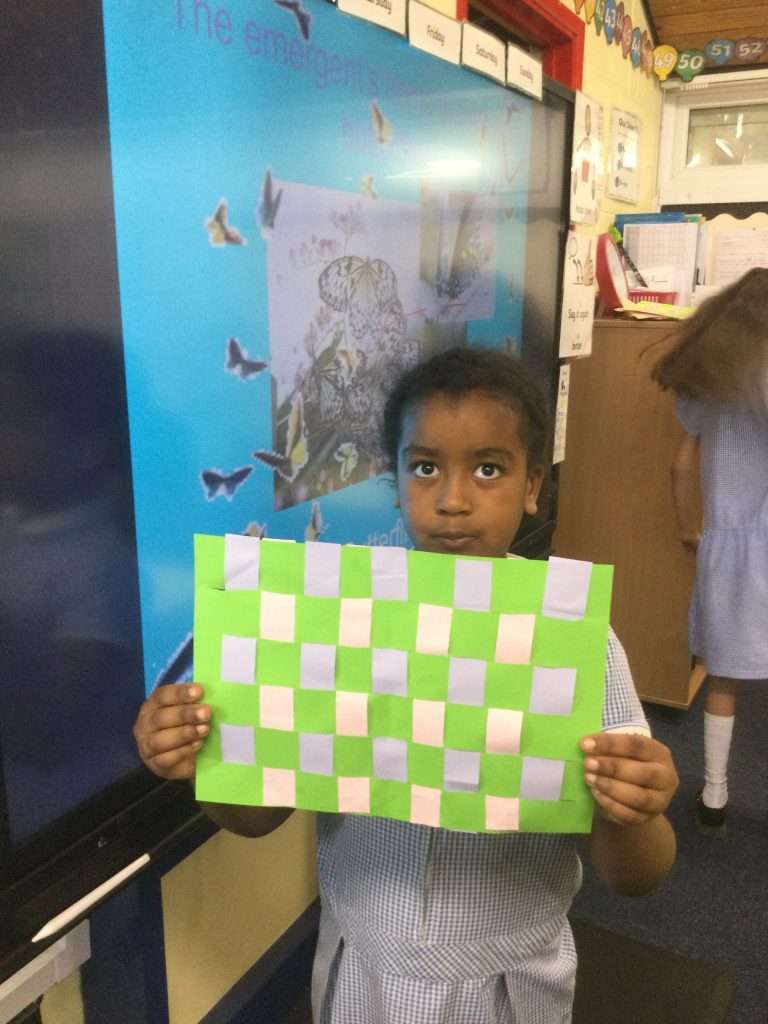
We learnt how people in the rainforest weave leaves to make items for their homes. We practiced our own weaving skills to make ourselves a tablemat. We think they look fantastic!
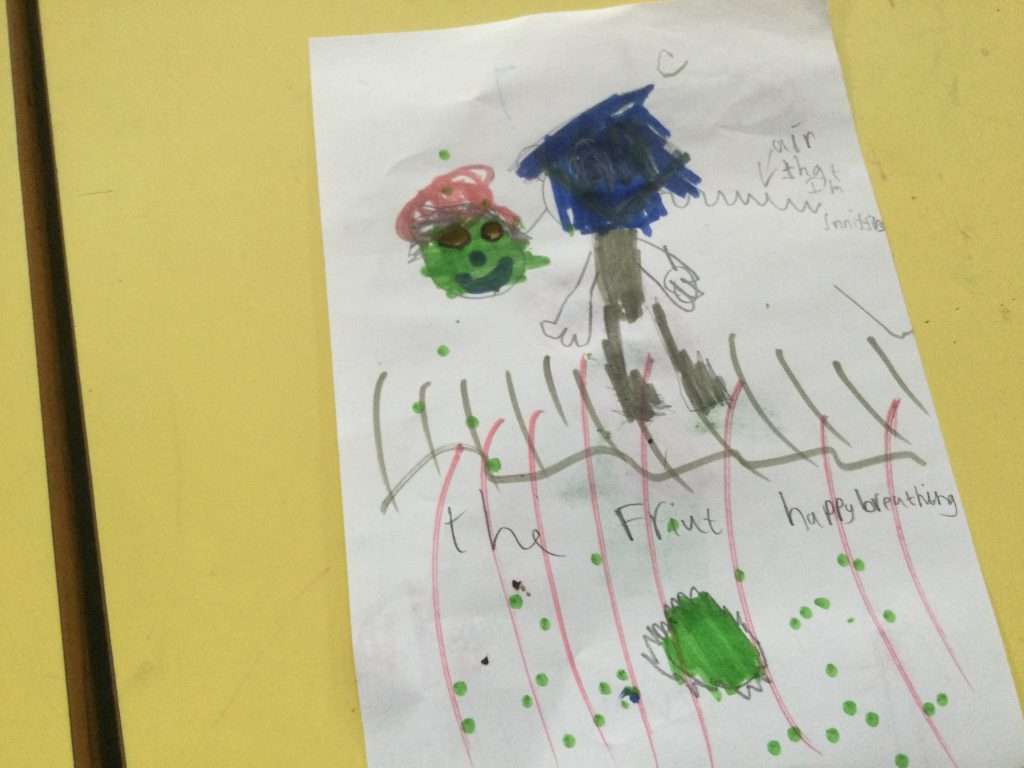
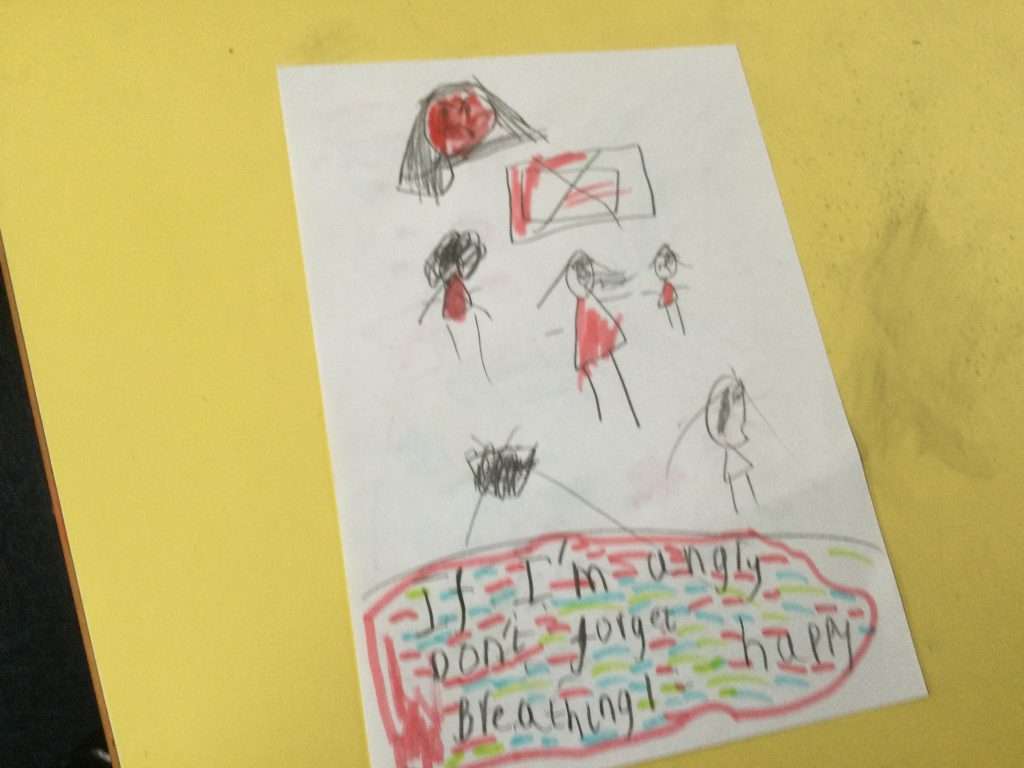
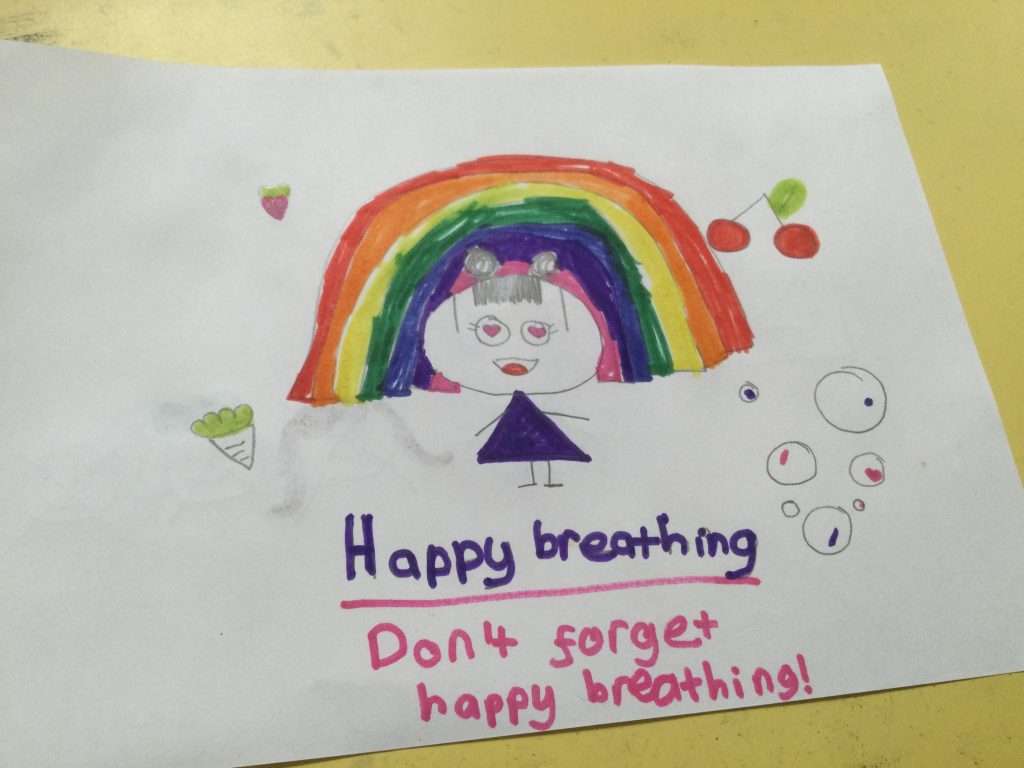
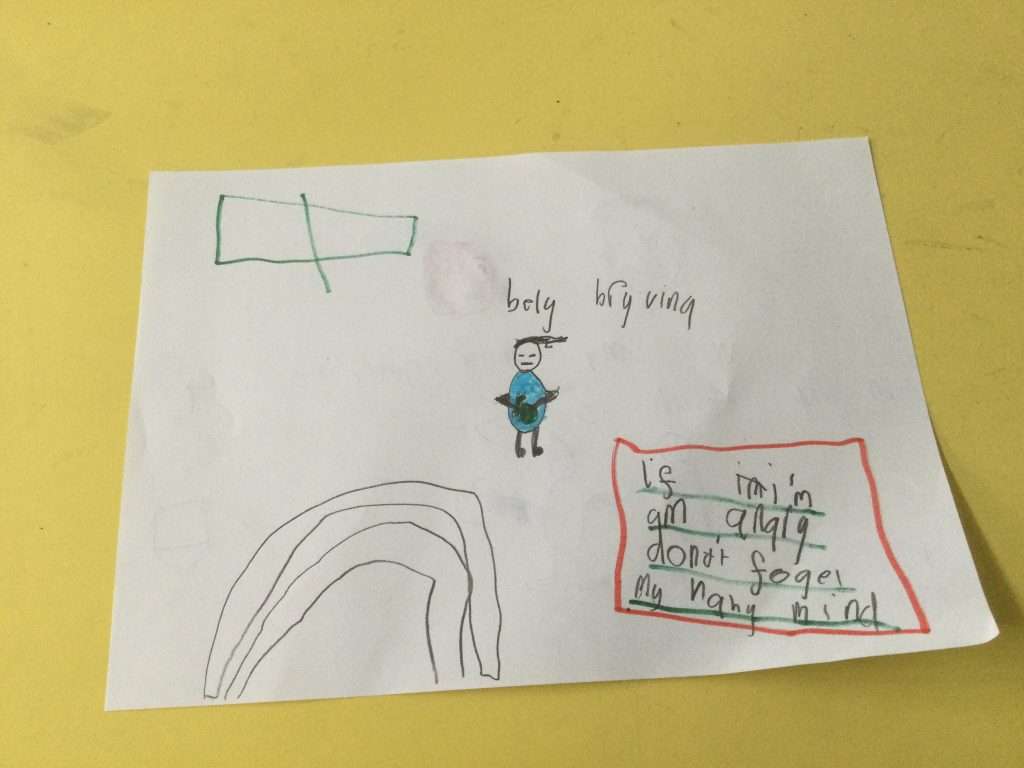
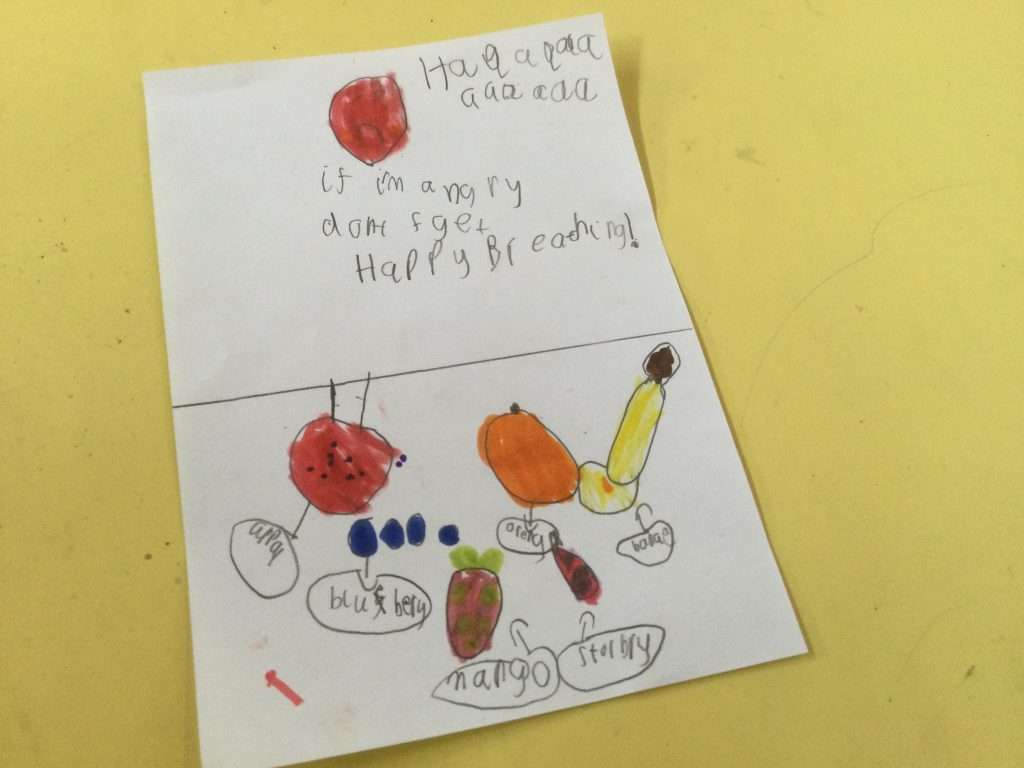
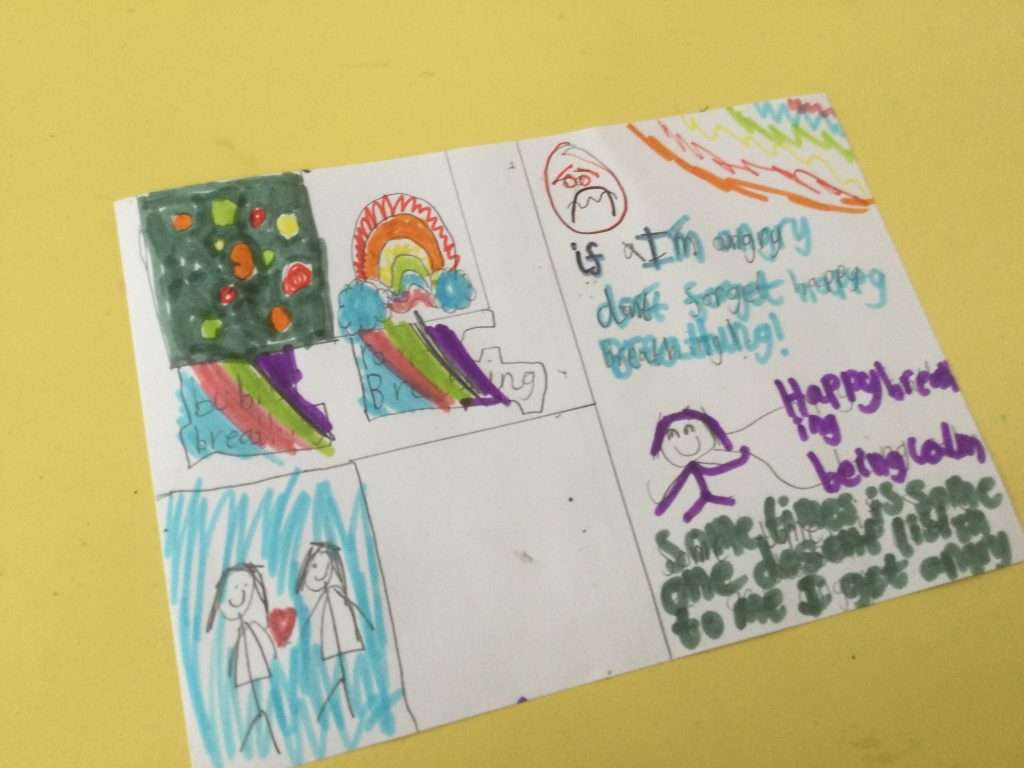
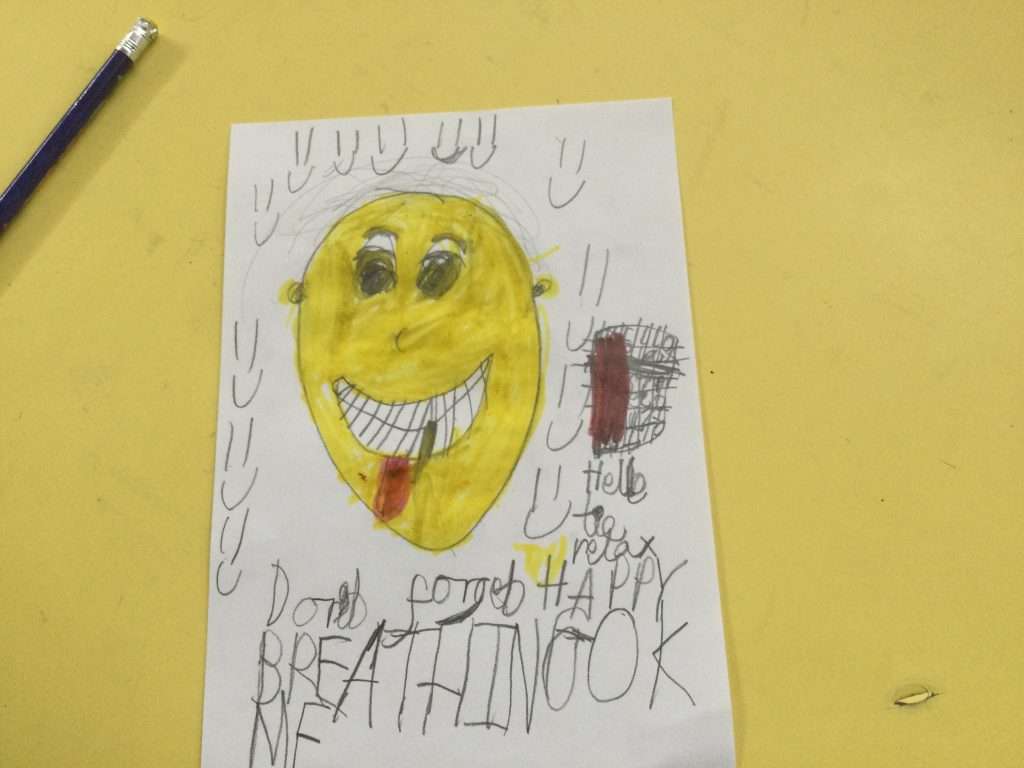
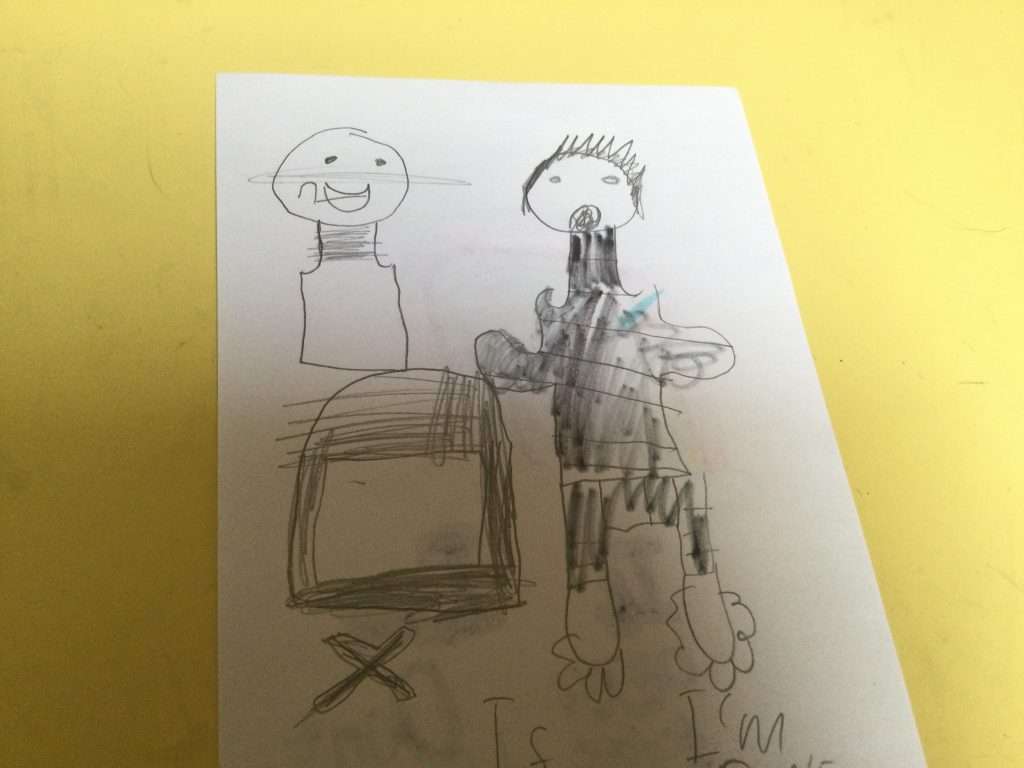
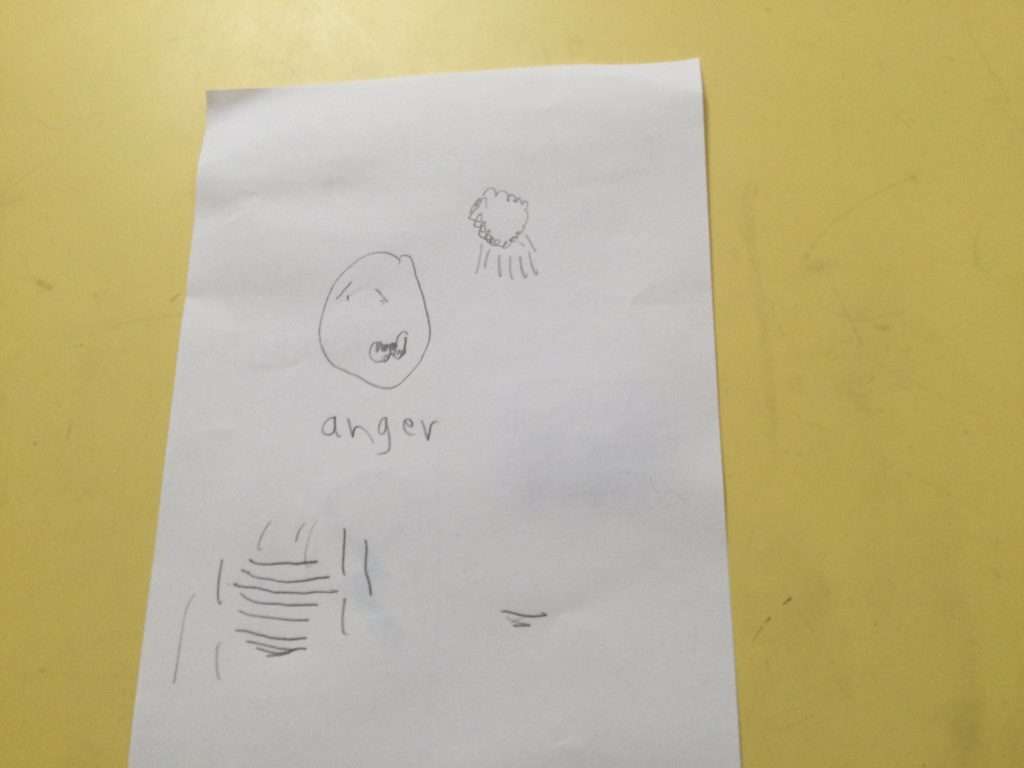
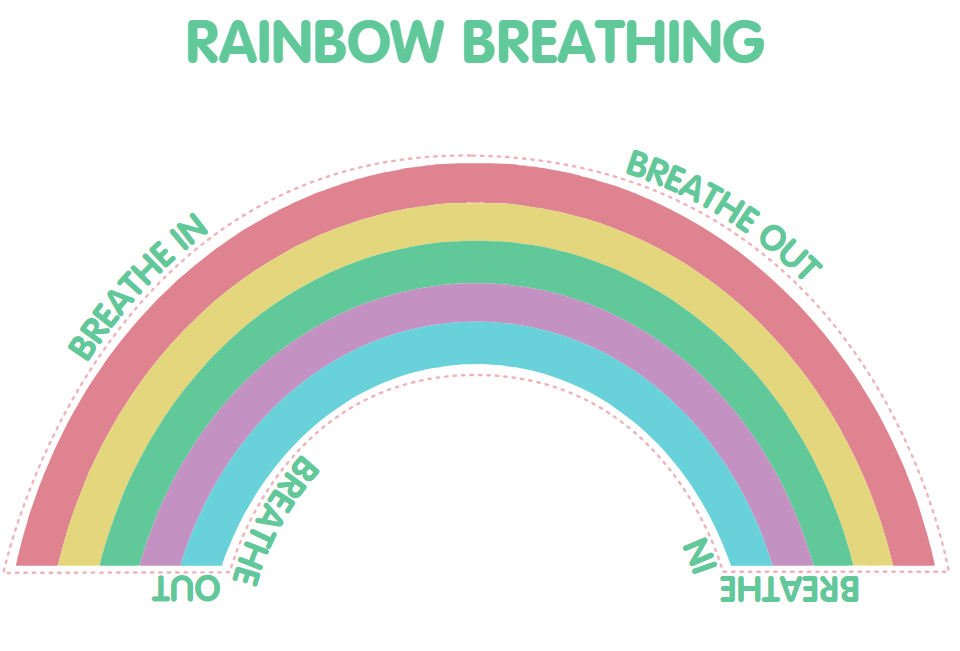
Happy Breathing
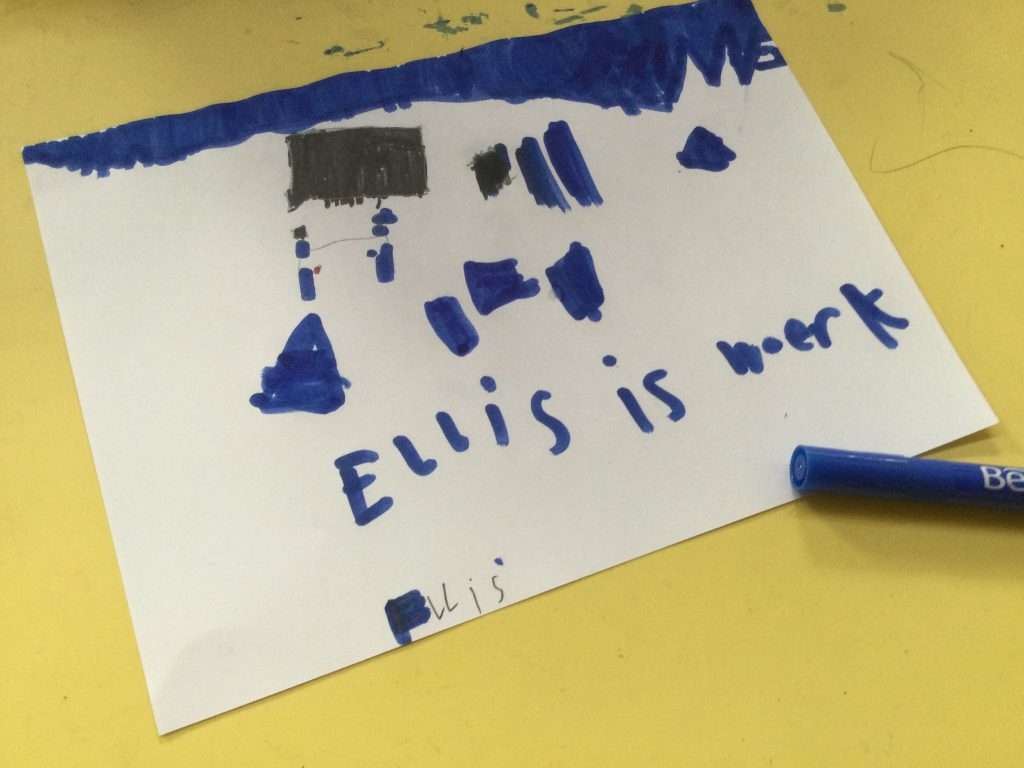
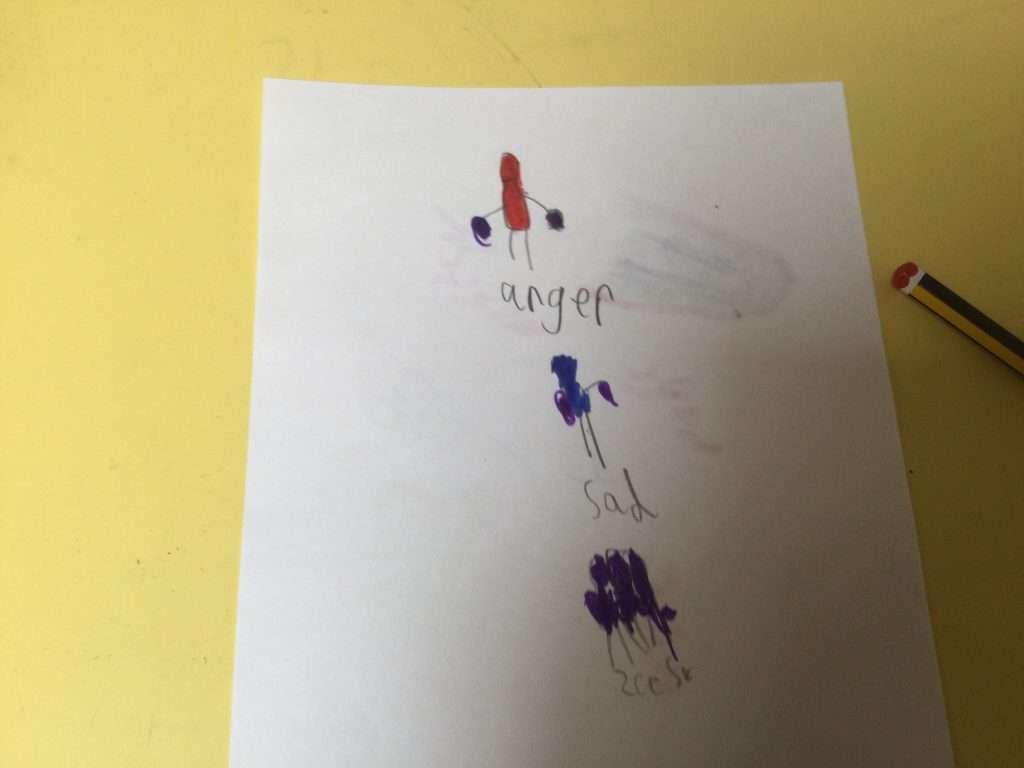
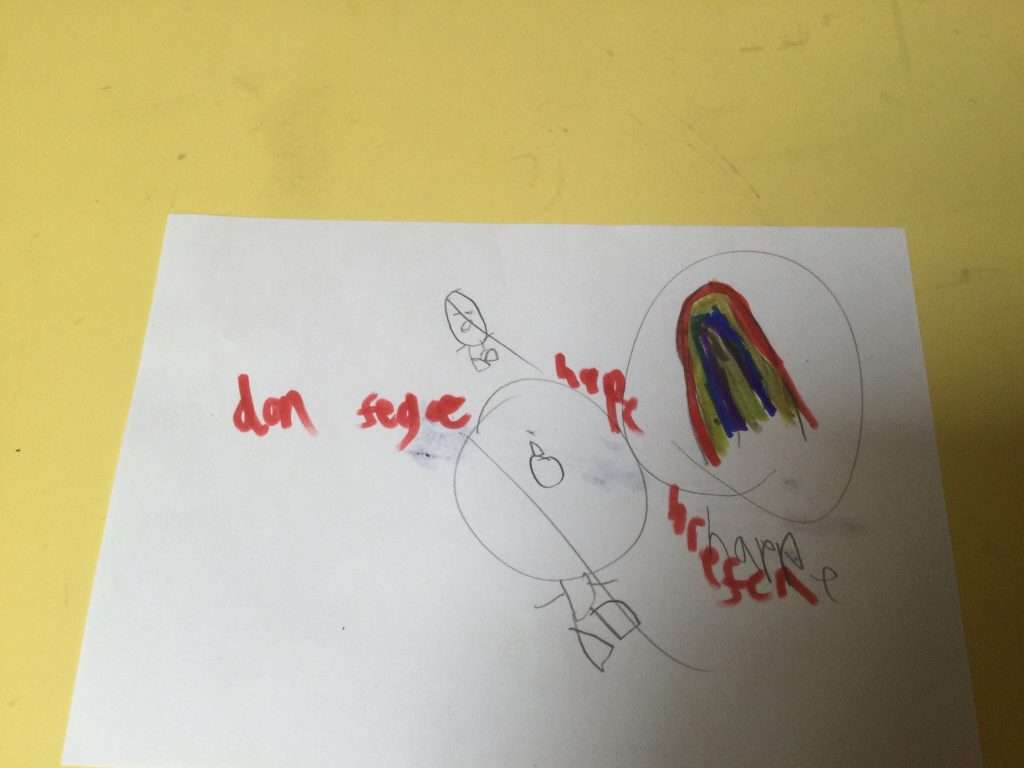
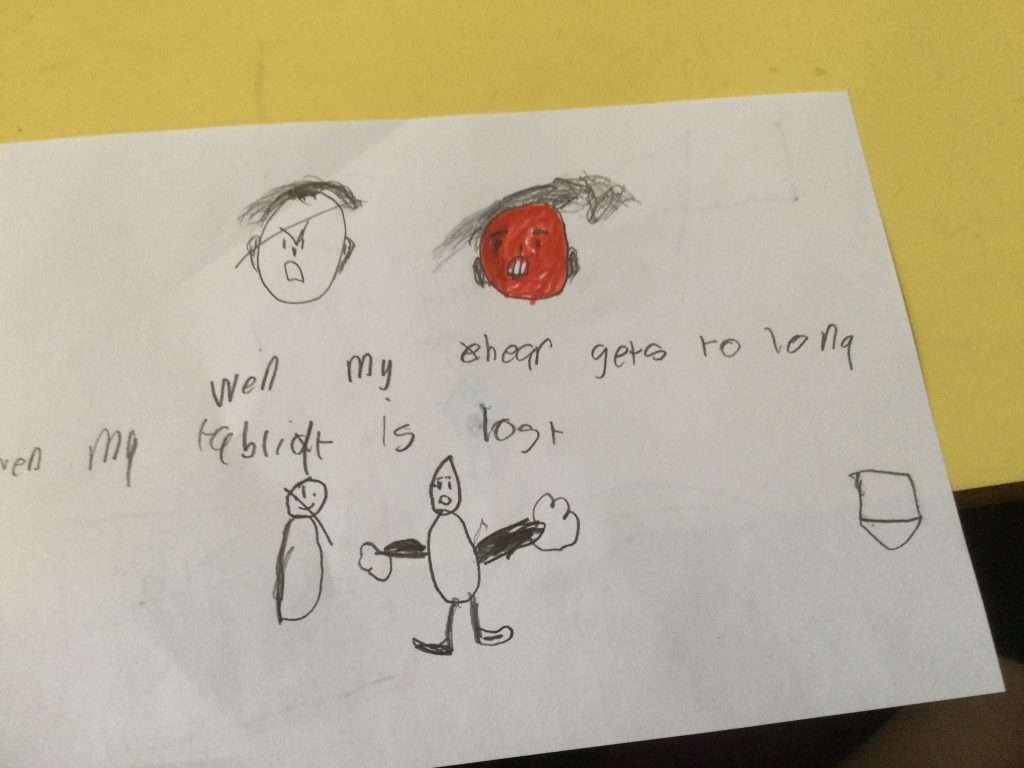
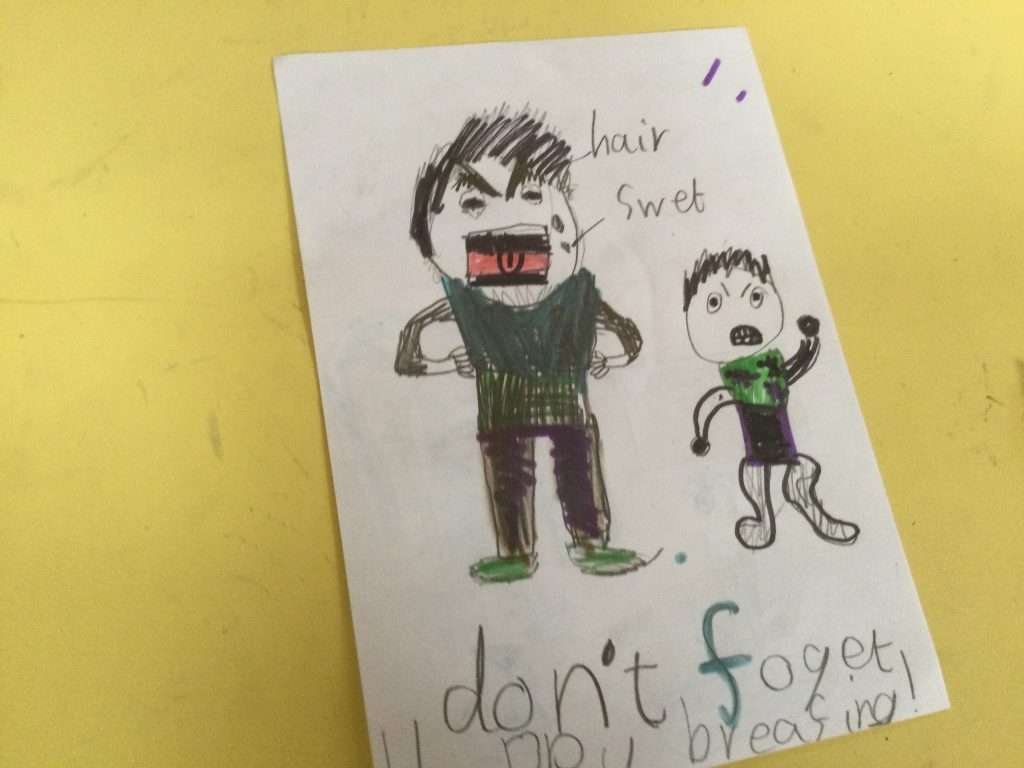
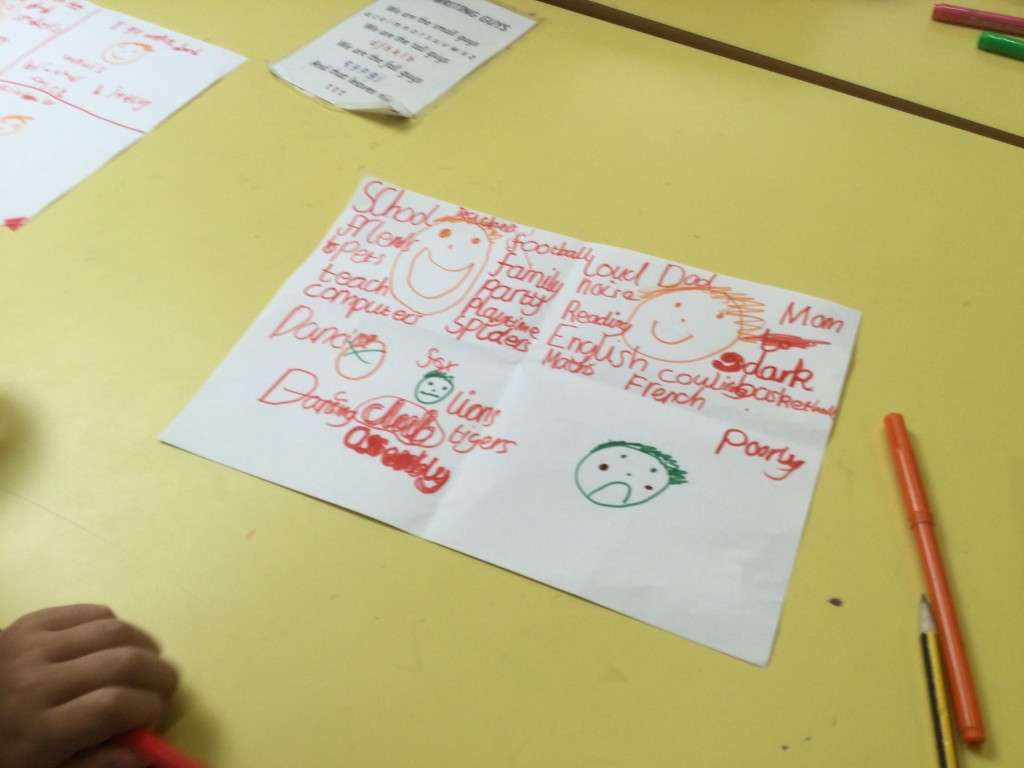
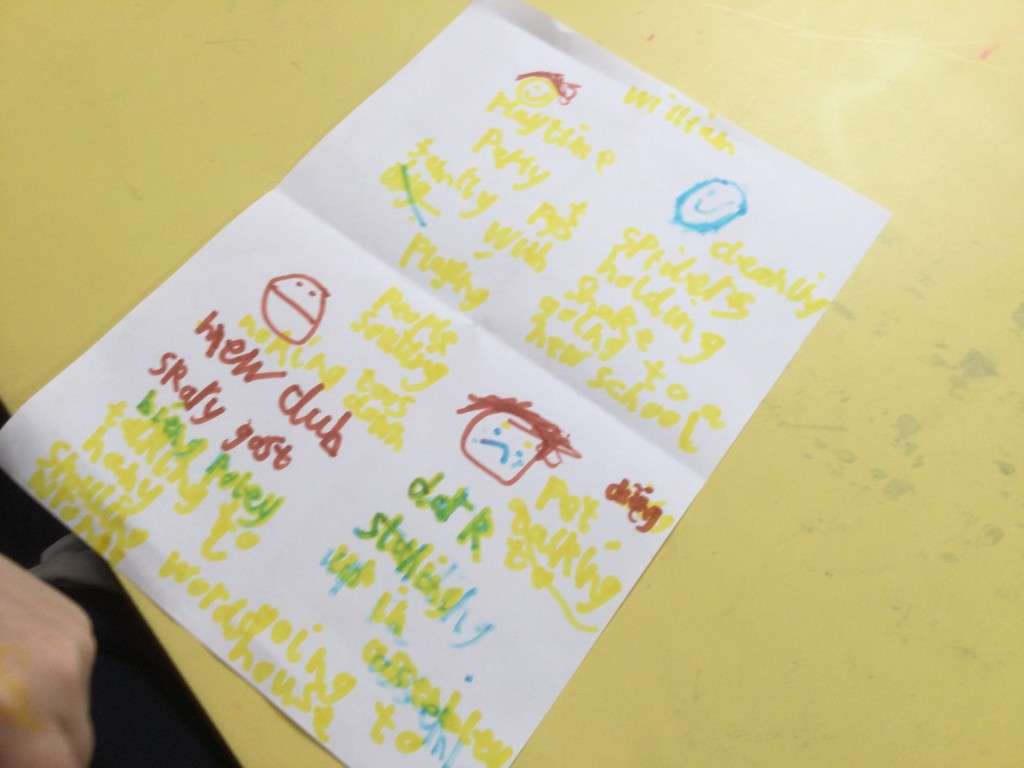
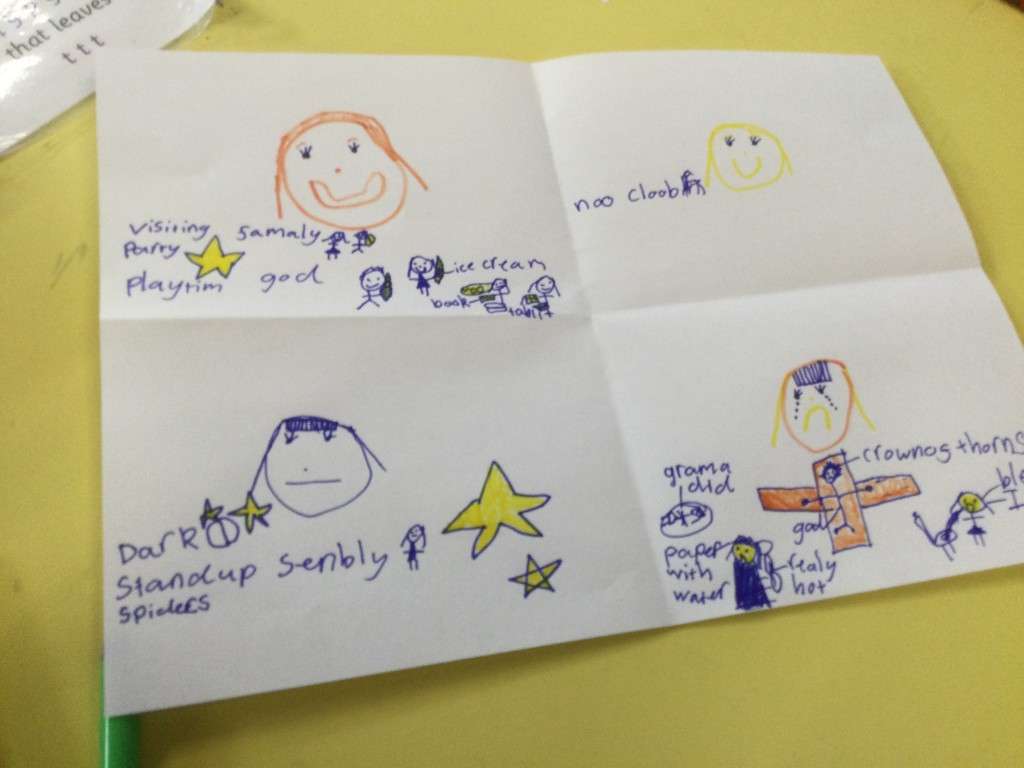
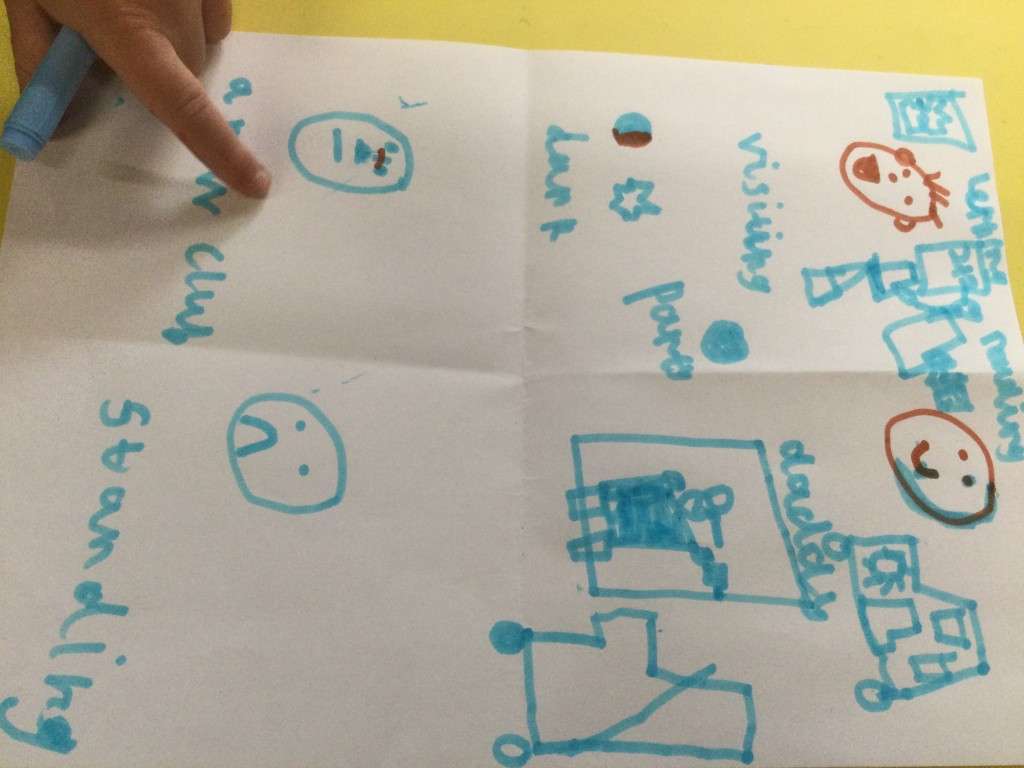
In PSHE we have been focusing on Mental Health and Physical Health. We have discussed how happy breathing can help us when we are not feeling positive.
We then made posters to remind us about Happy Breathing!
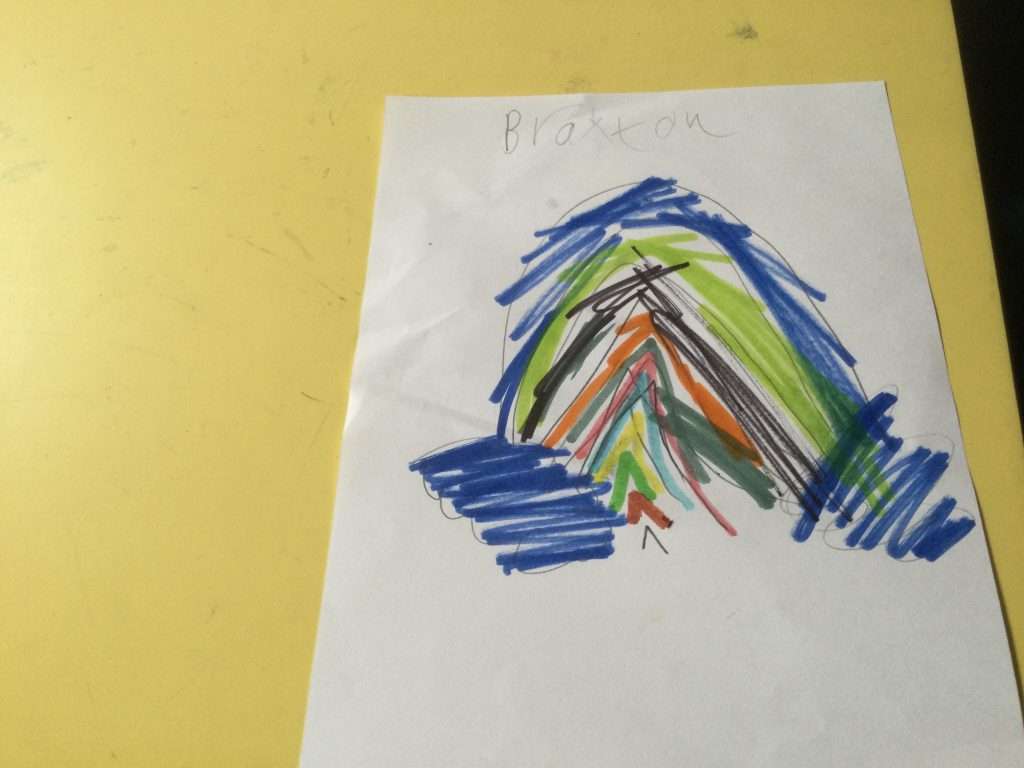
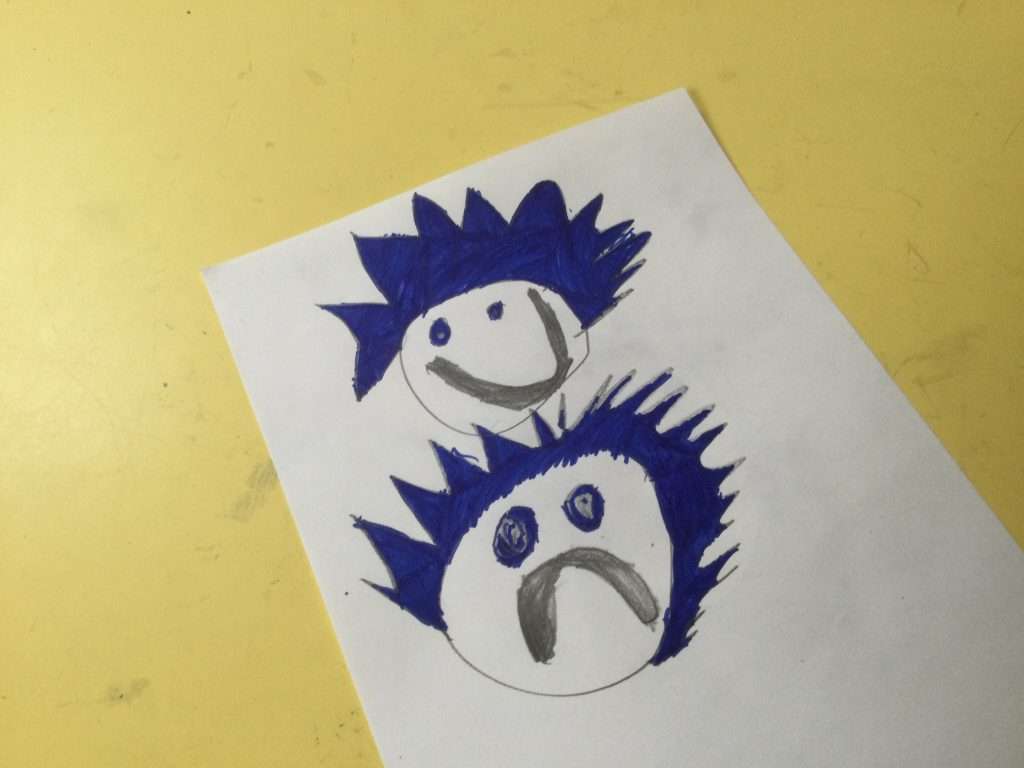
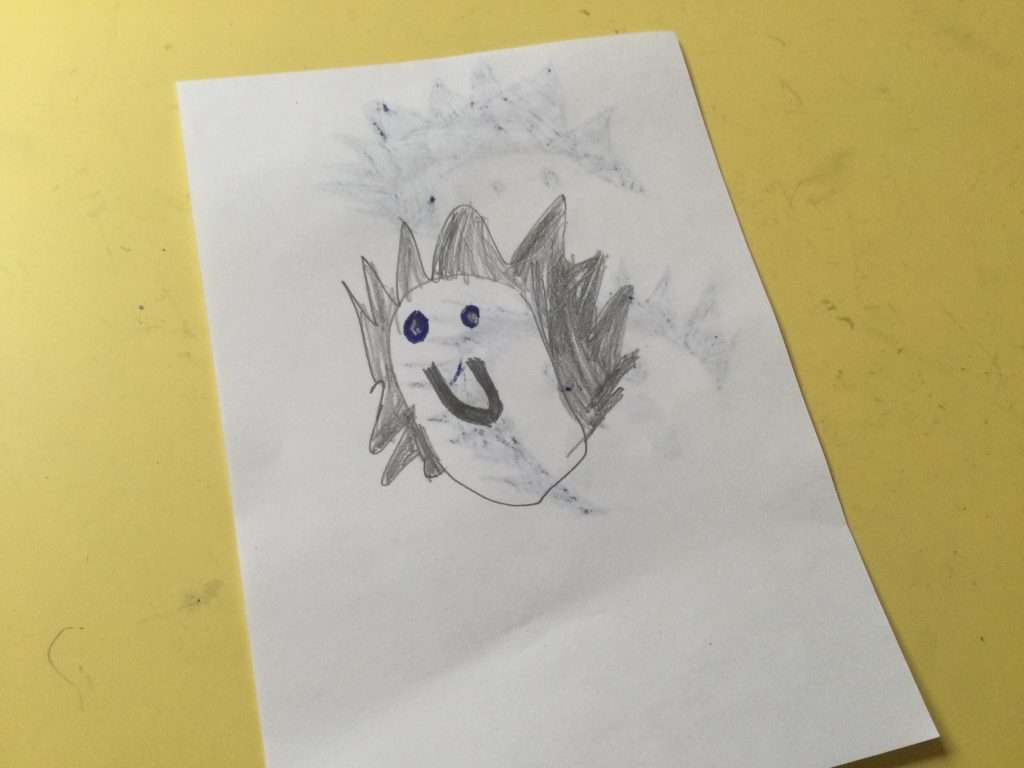
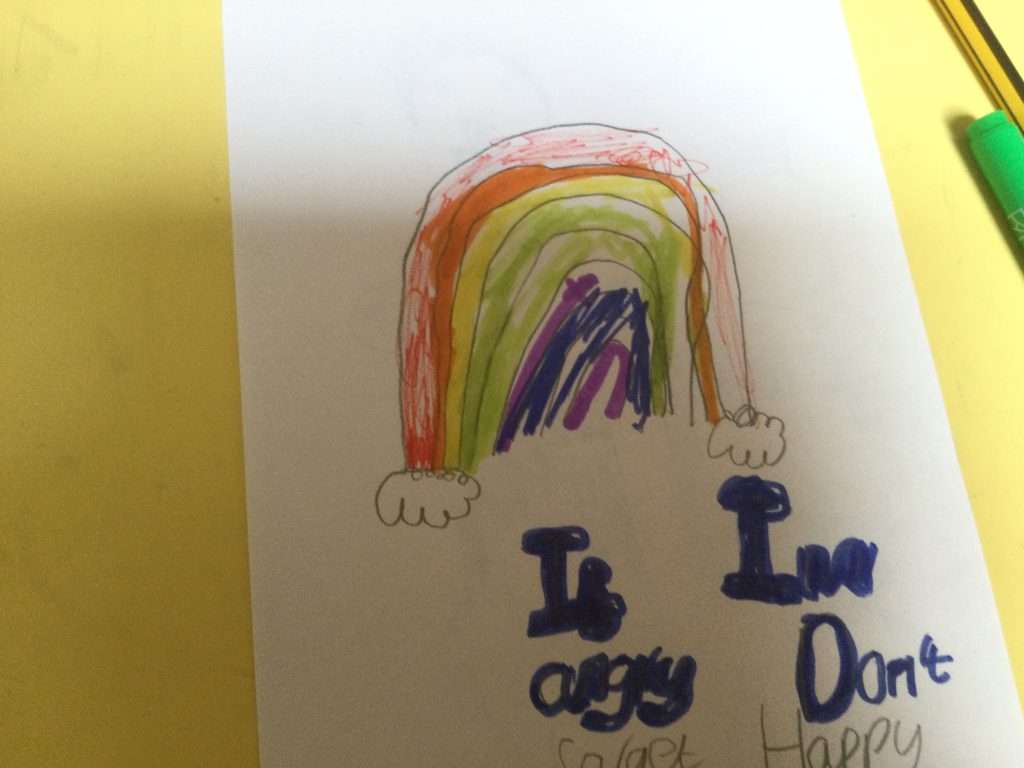
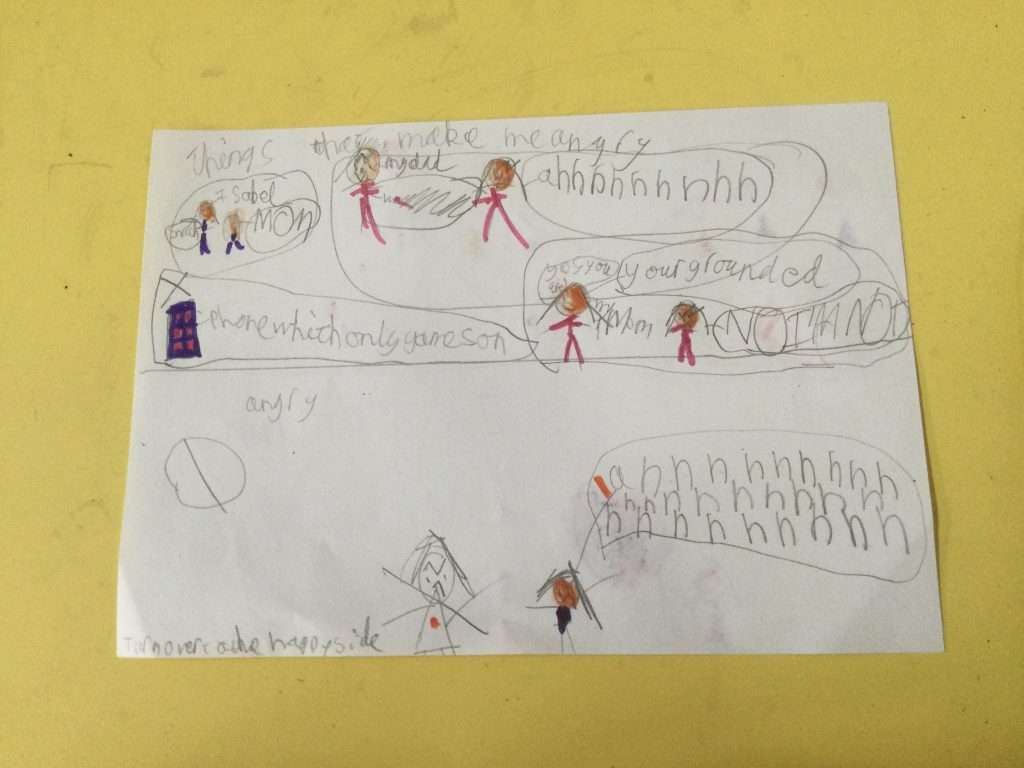
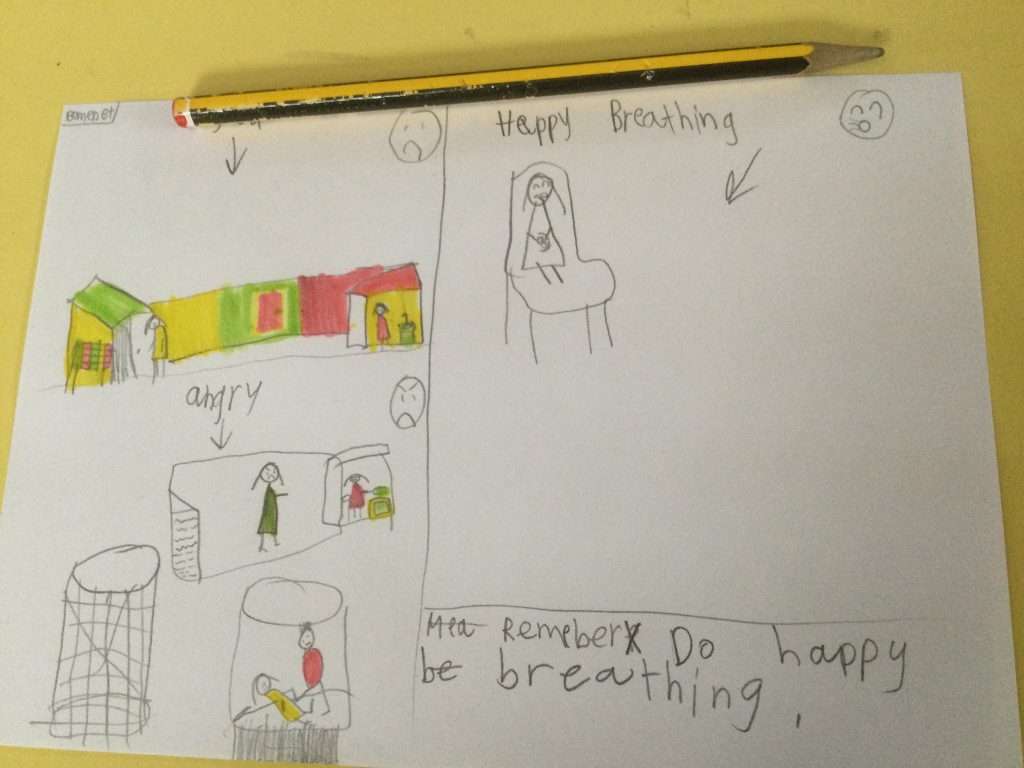
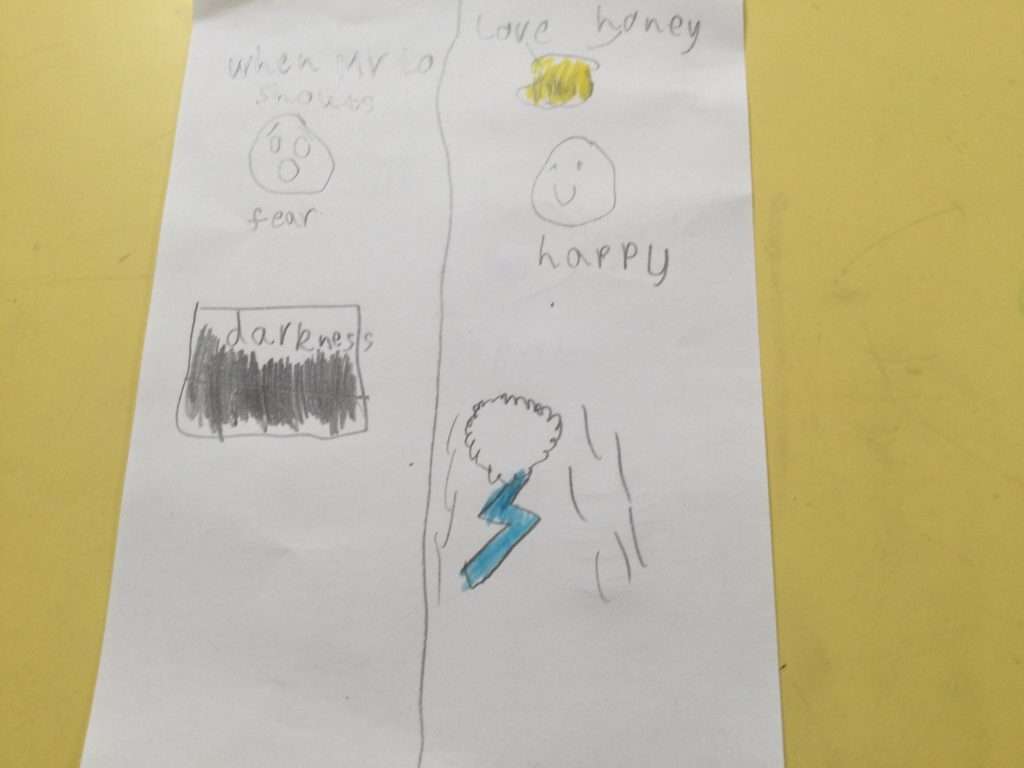
PSHE- Mental Health
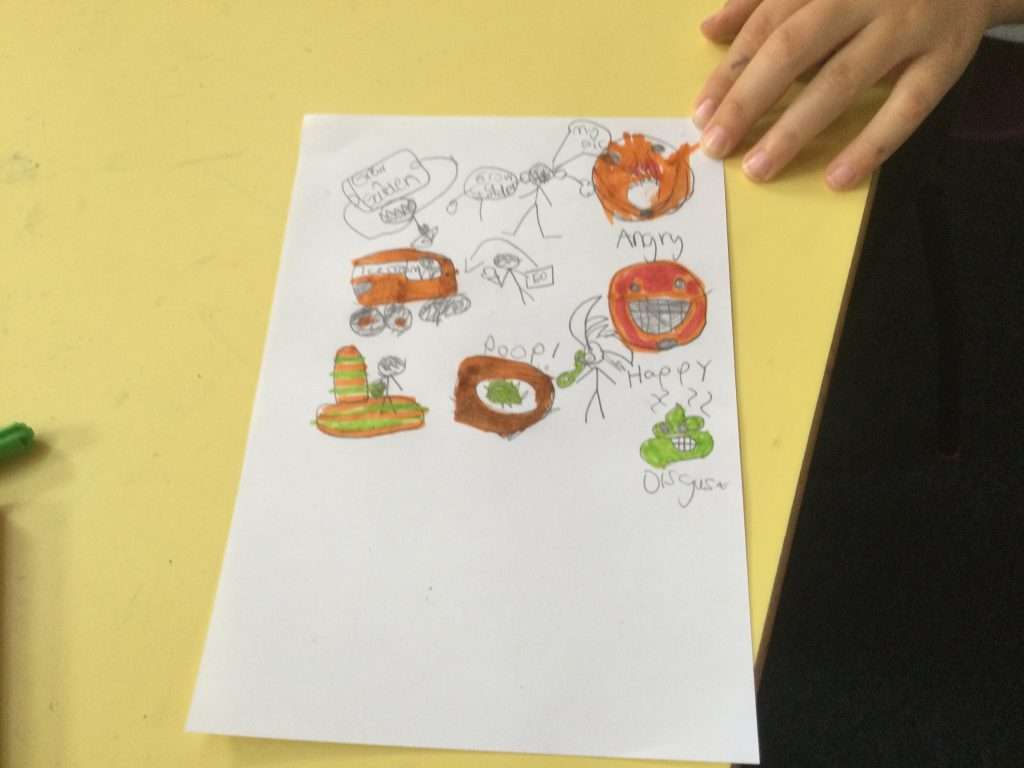
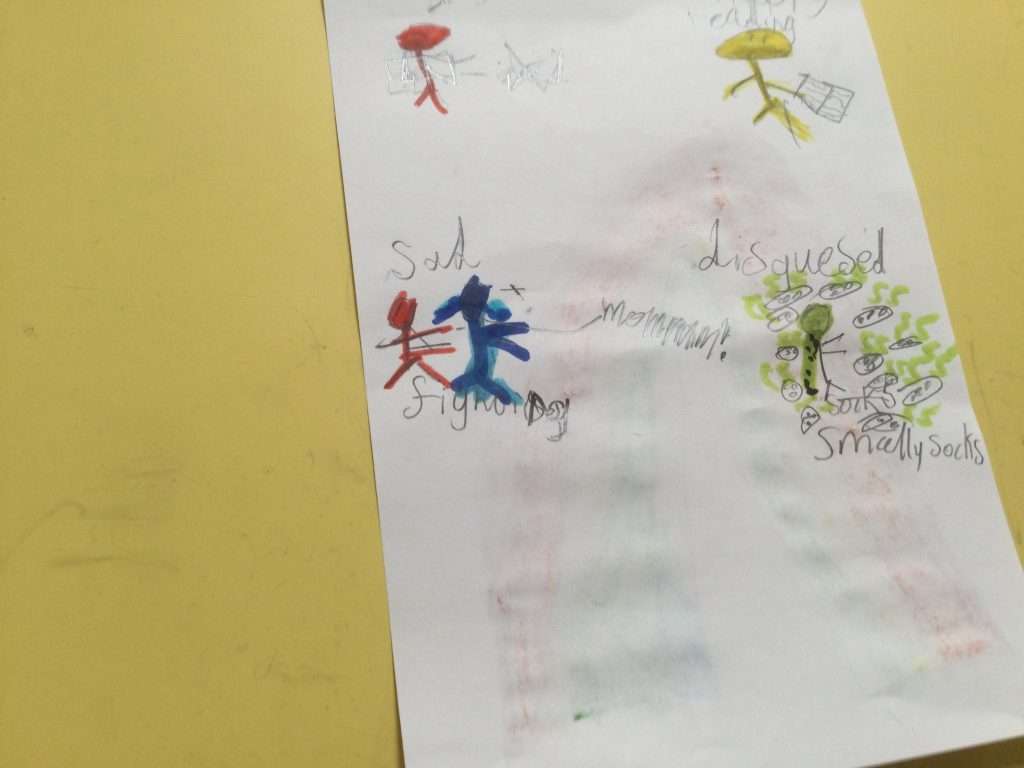
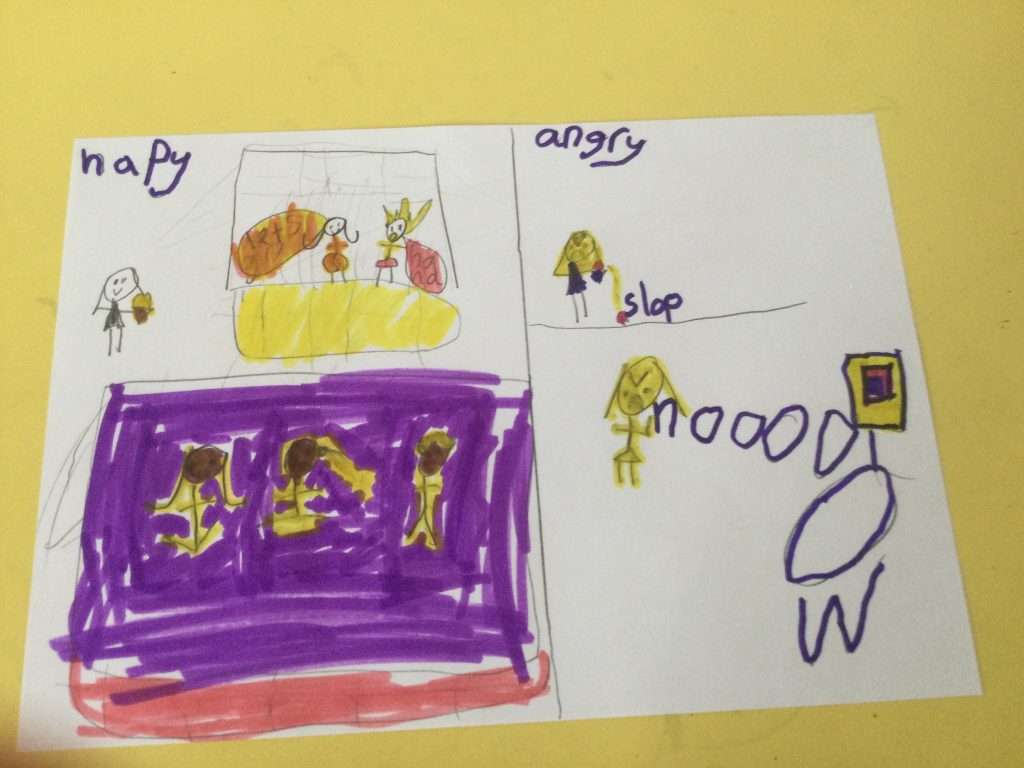
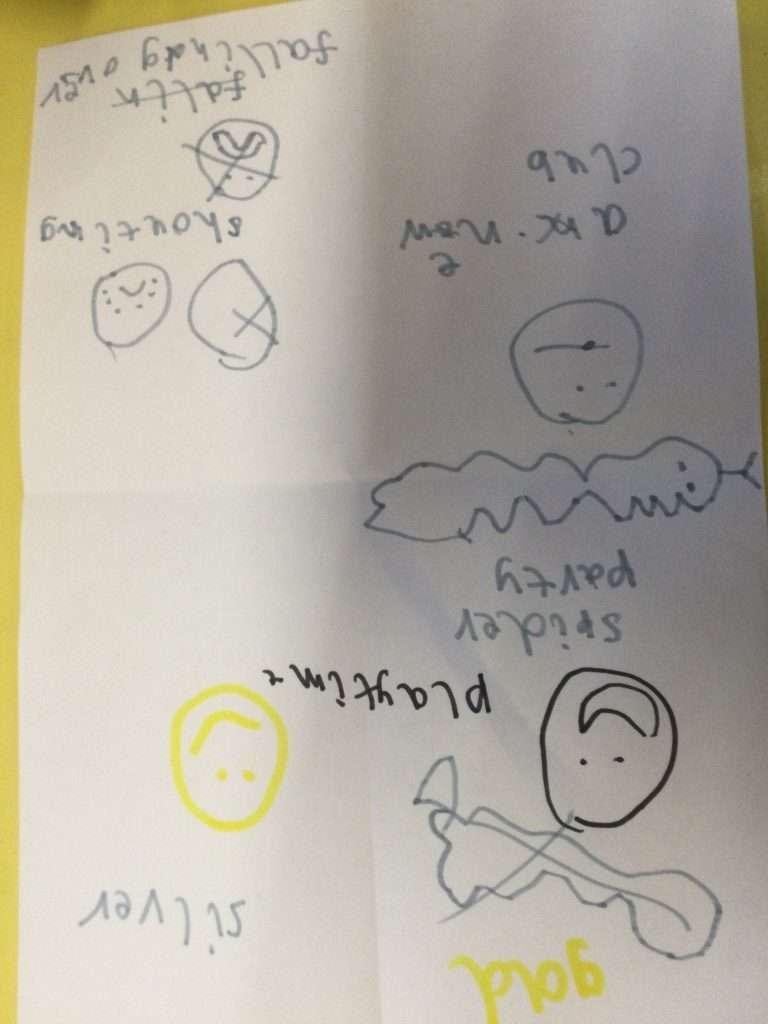
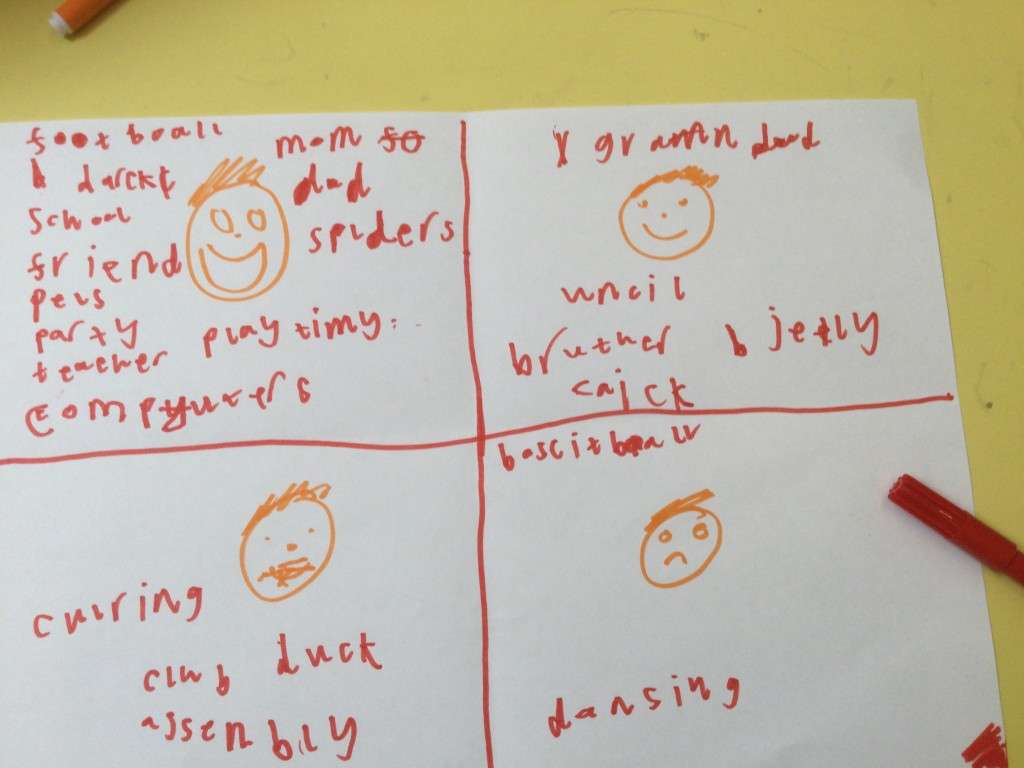
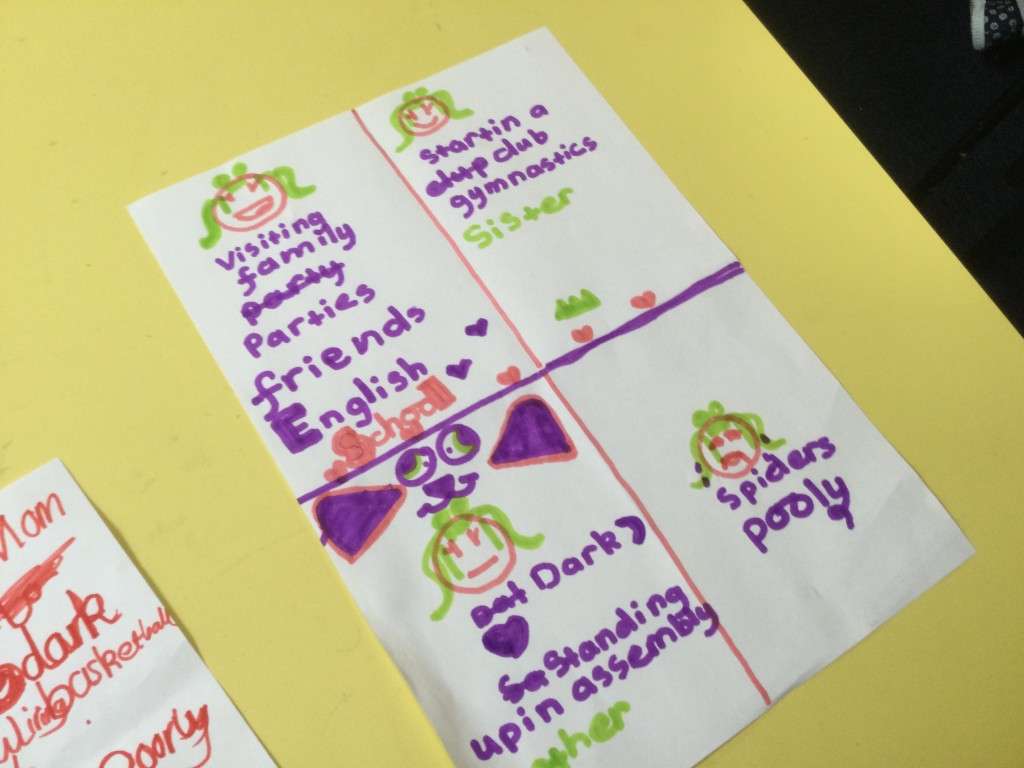
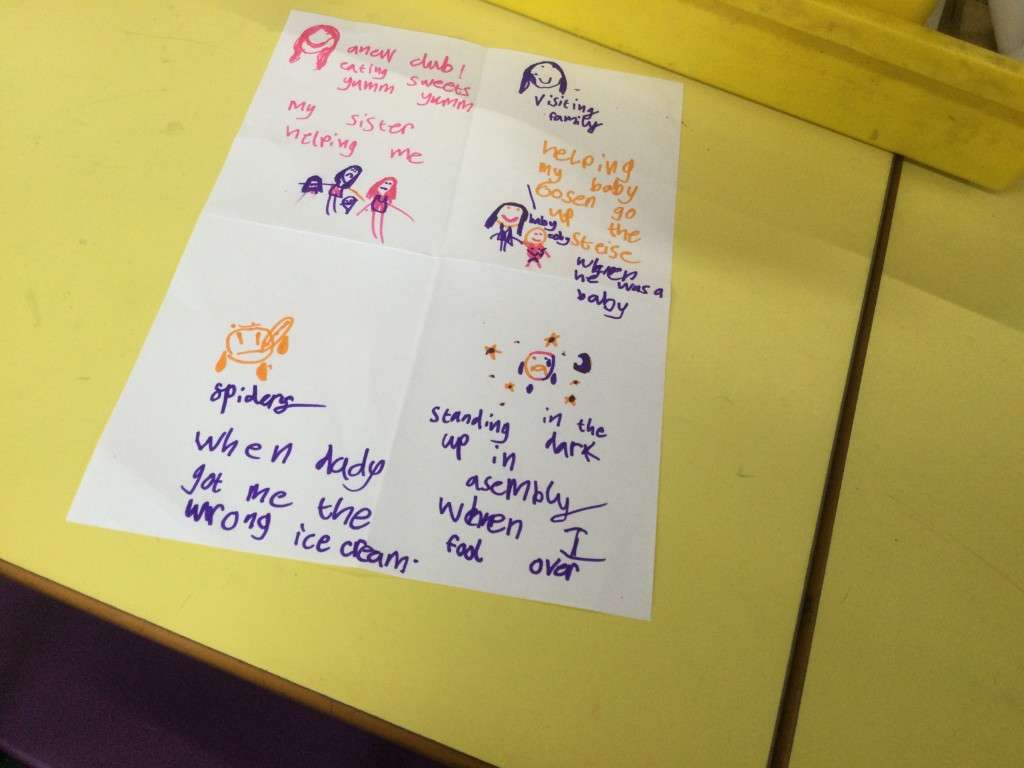
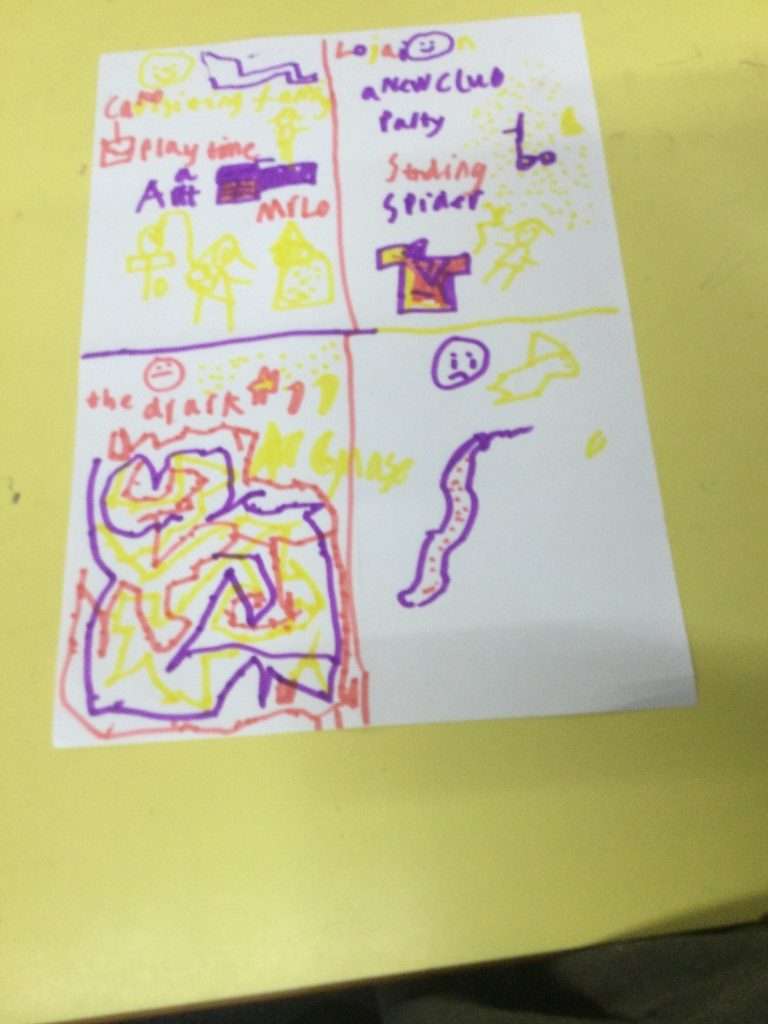
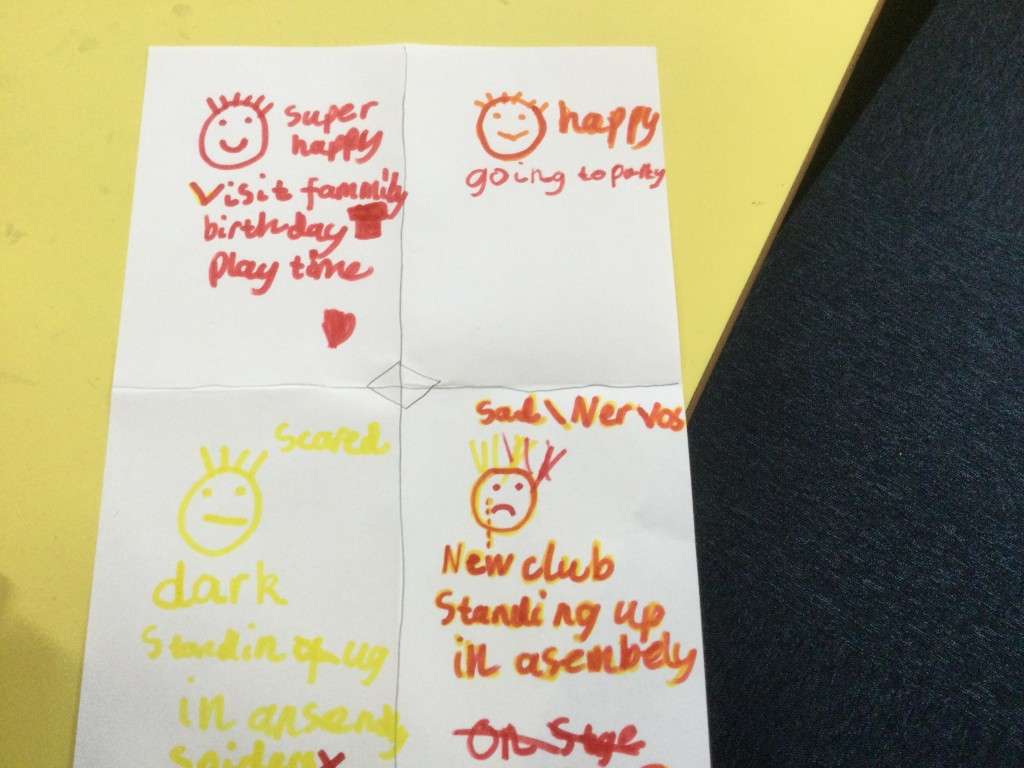
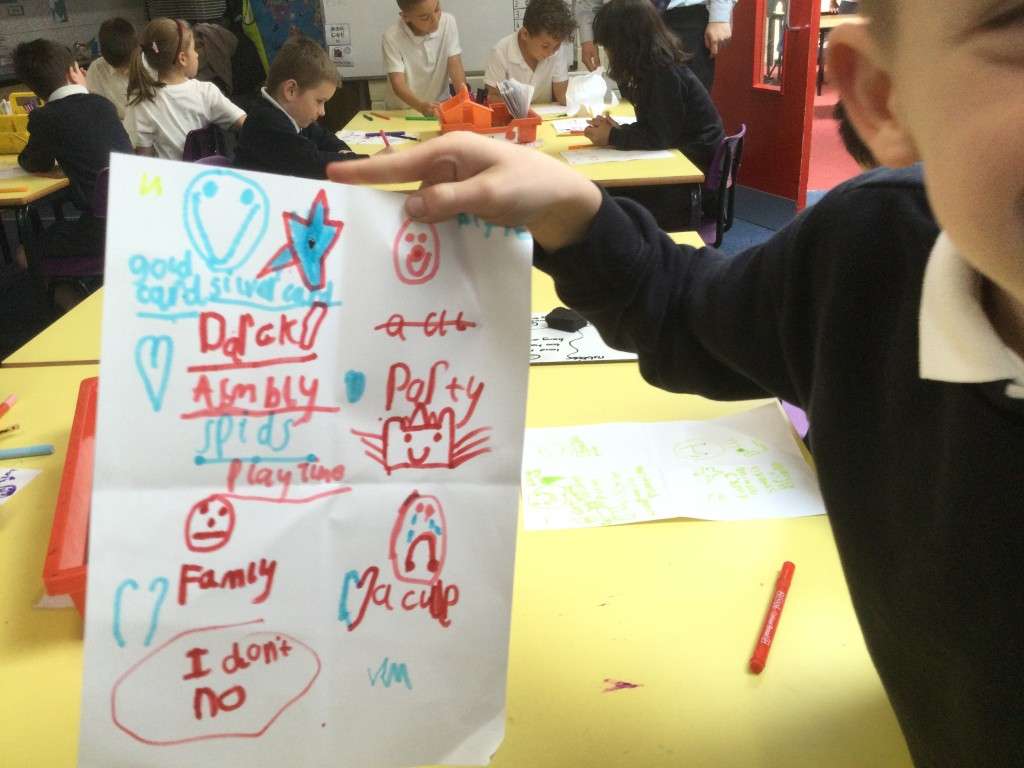
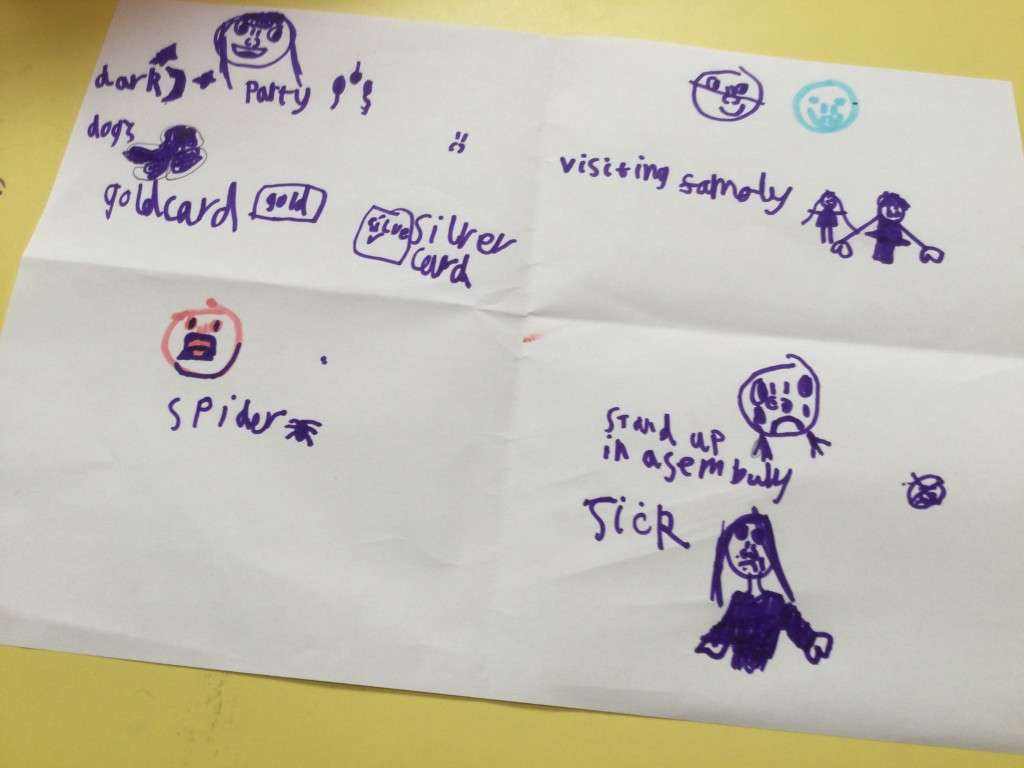
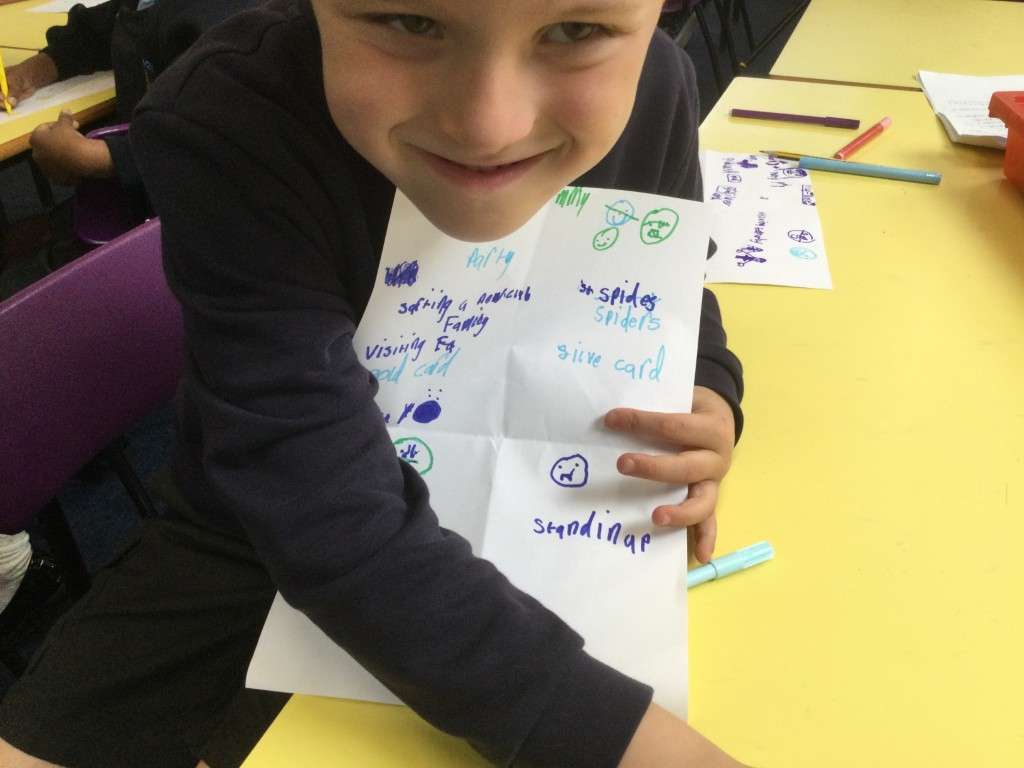
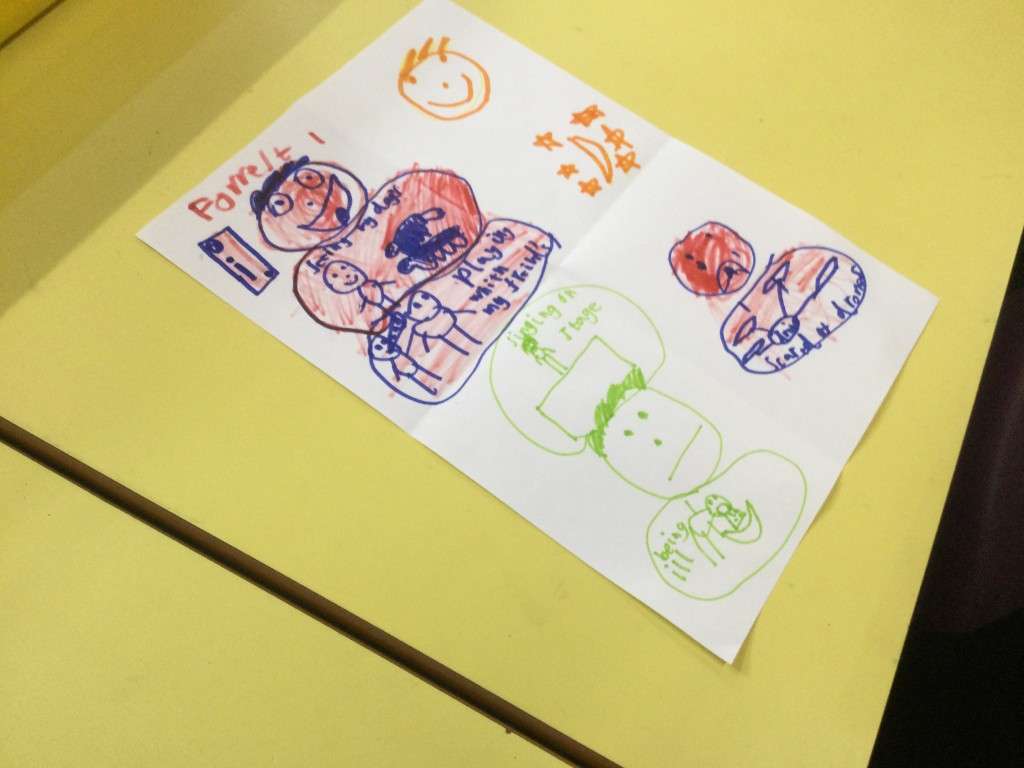
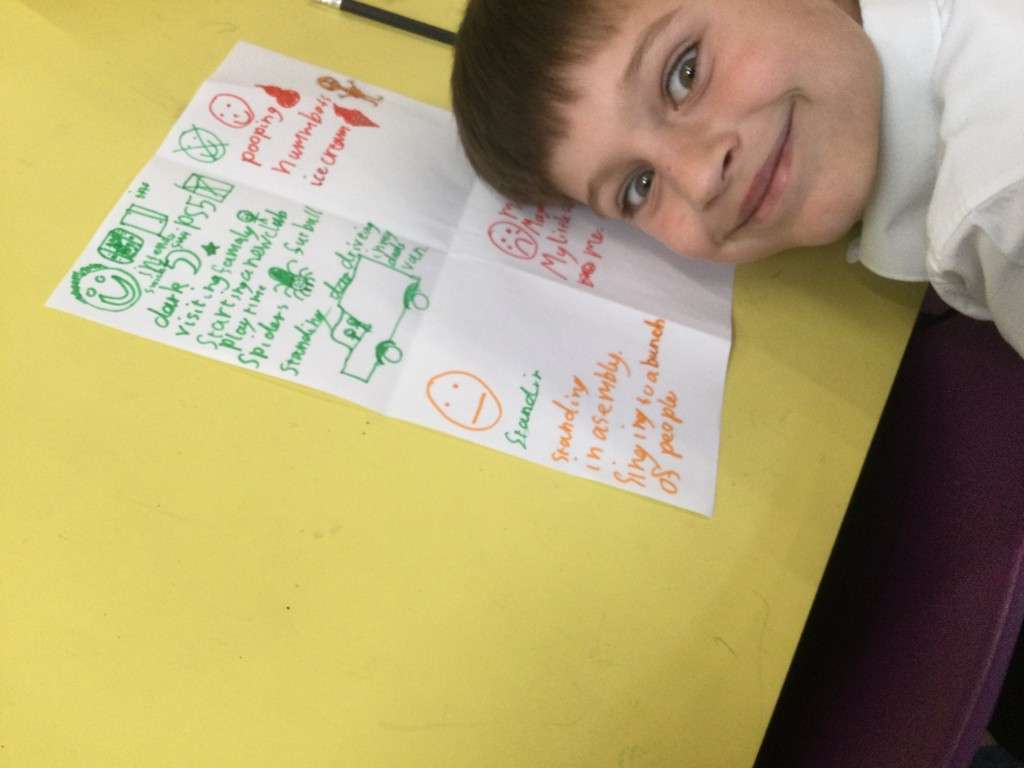
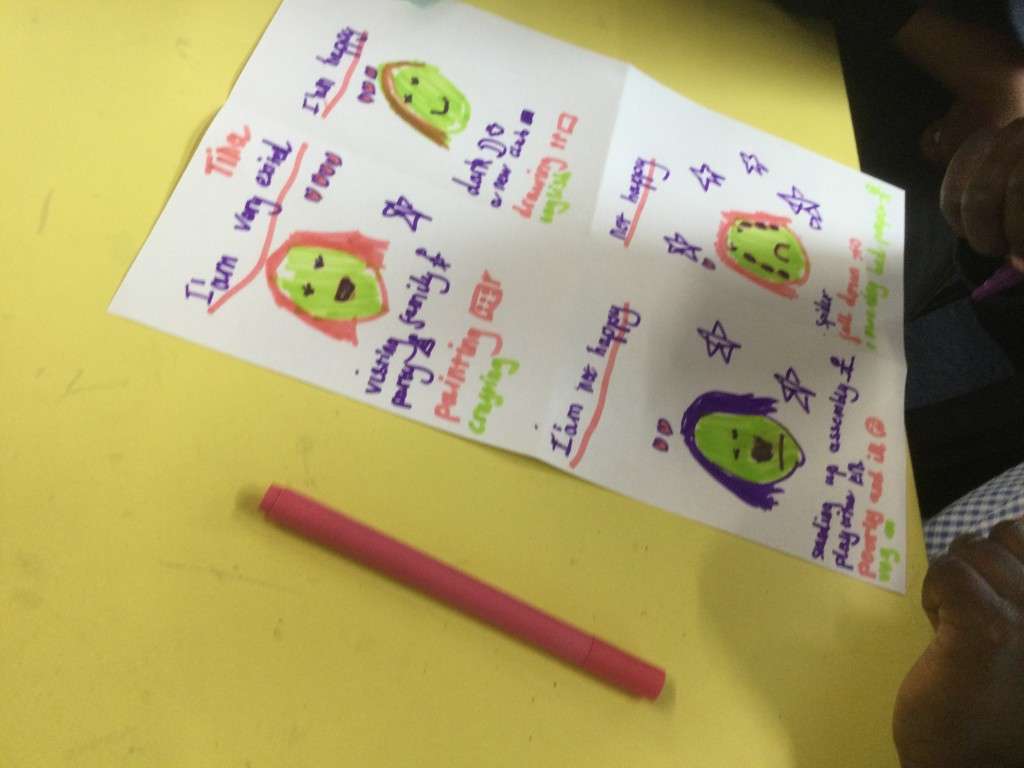
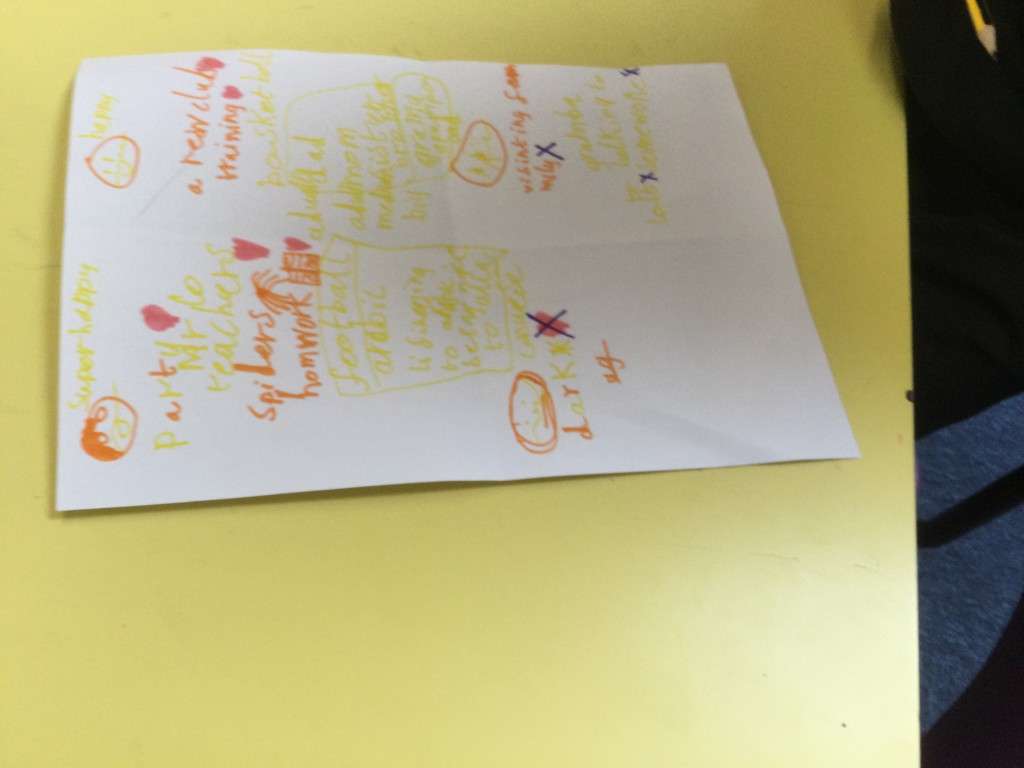
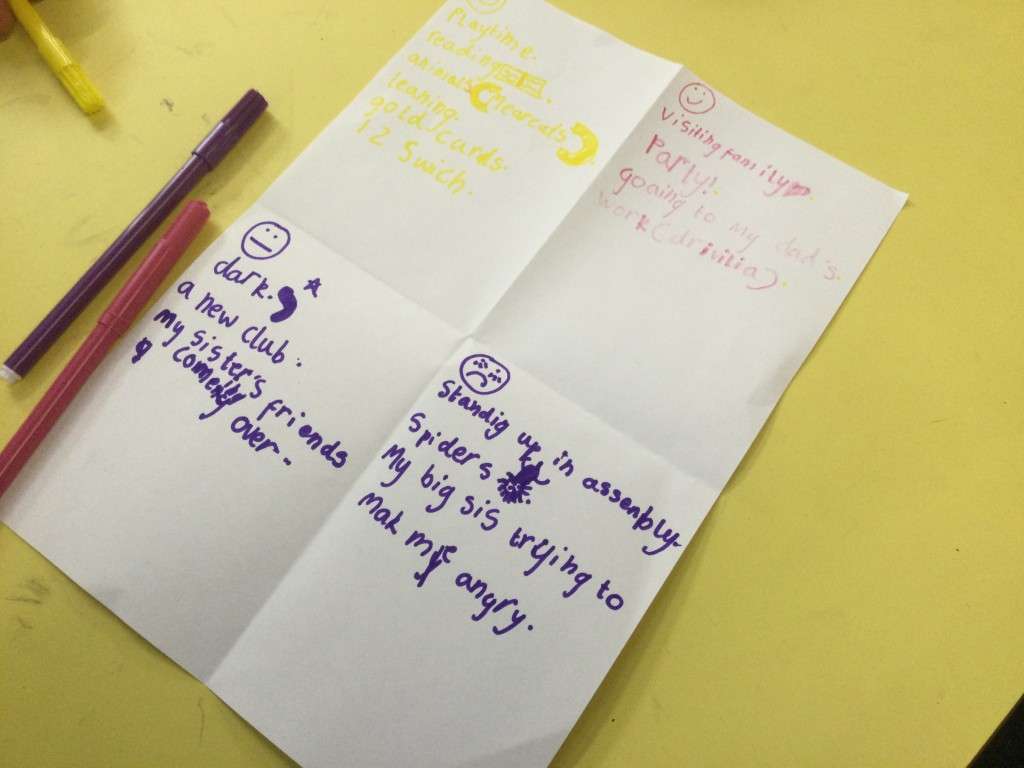
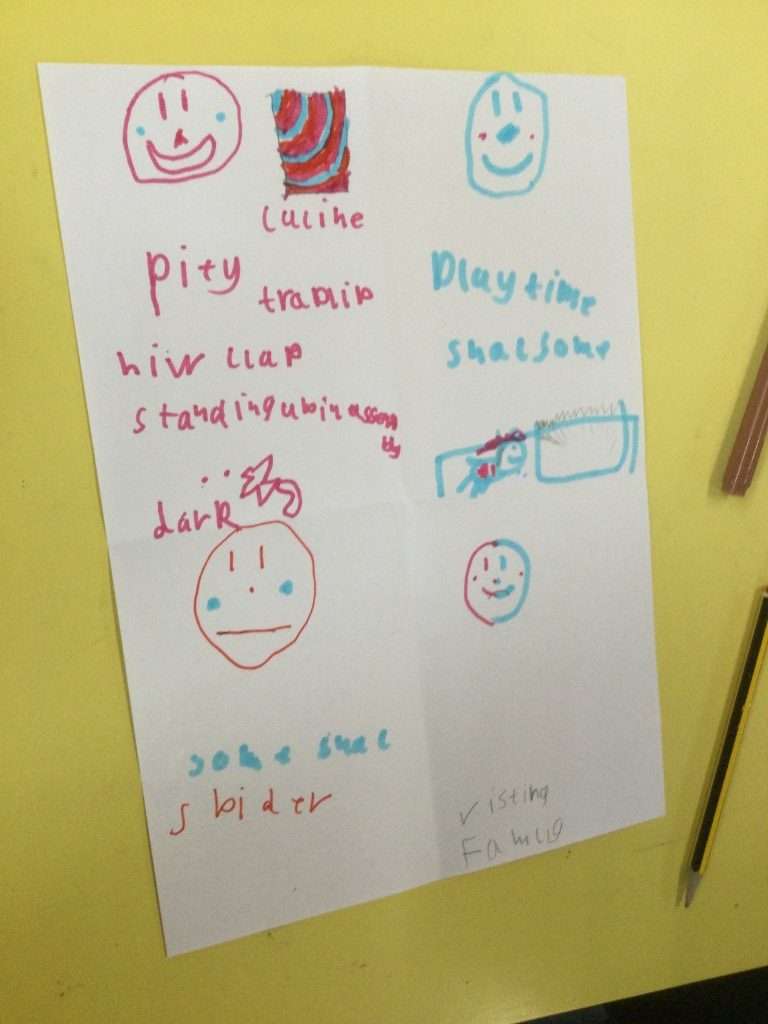
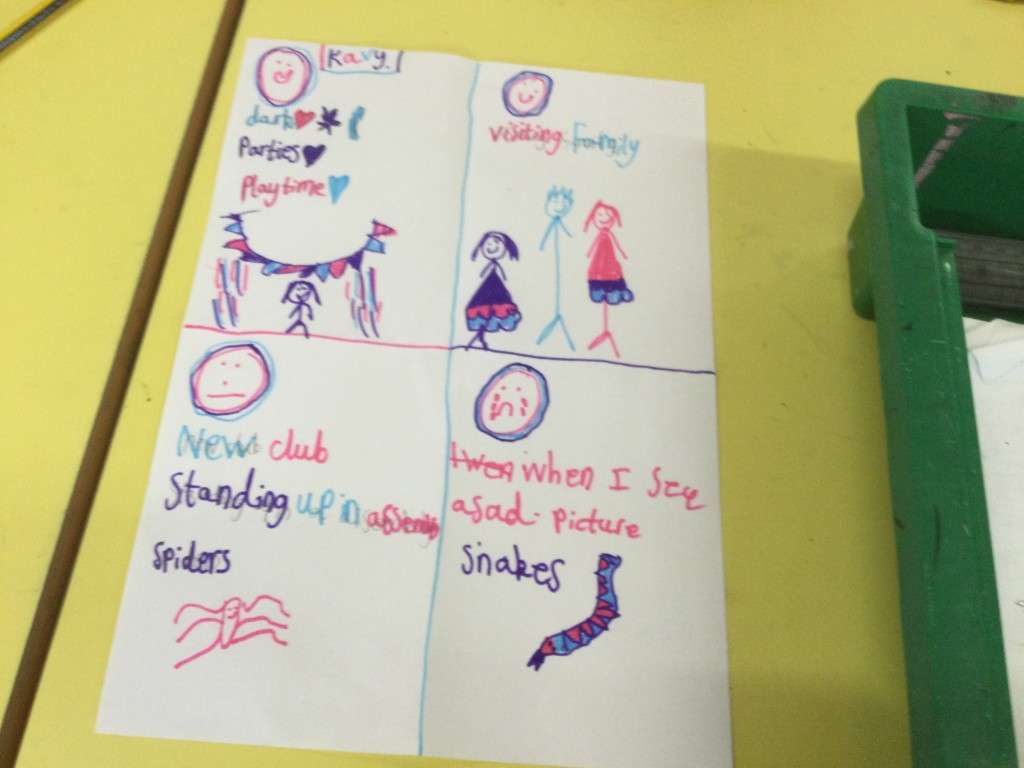
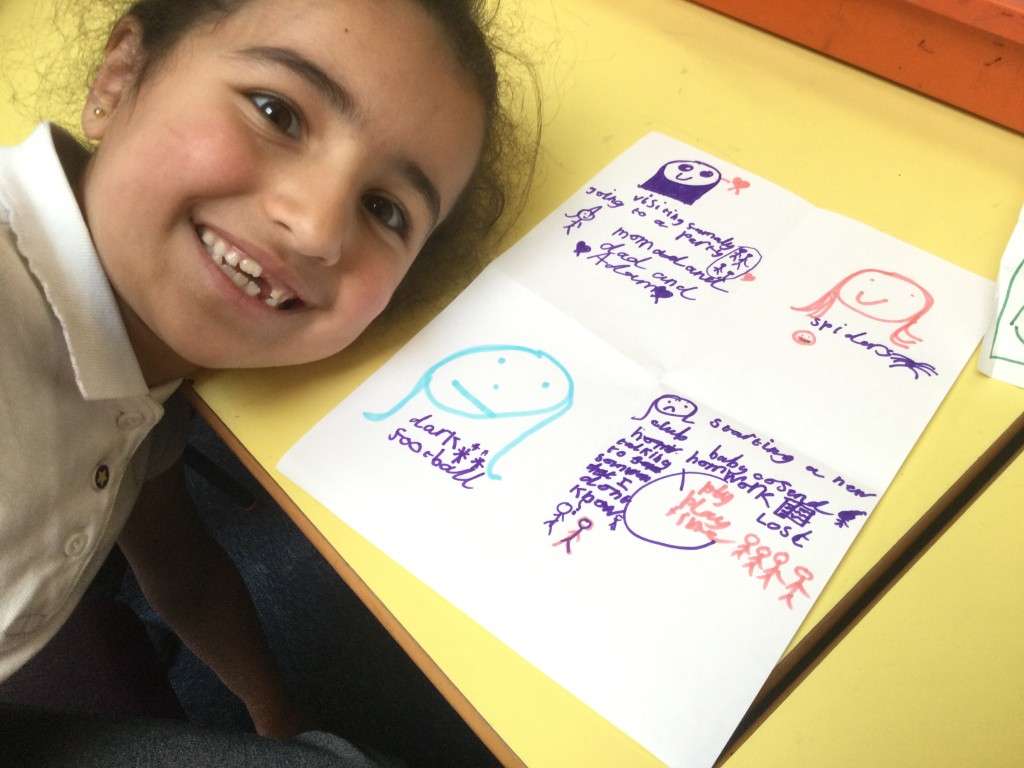
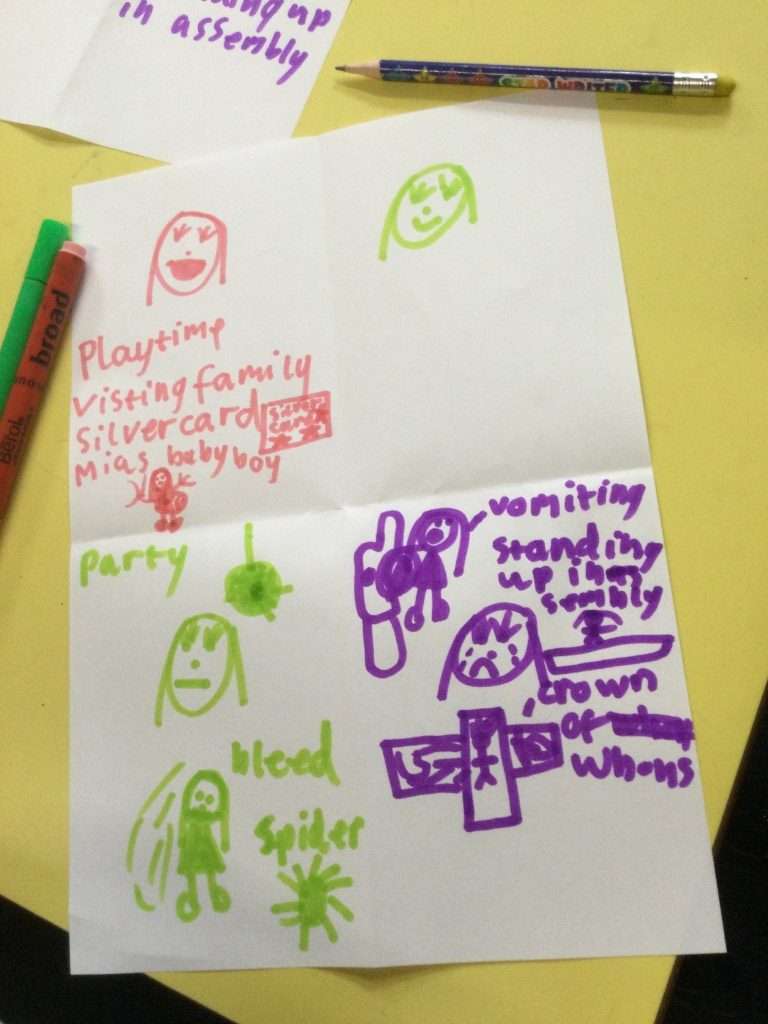
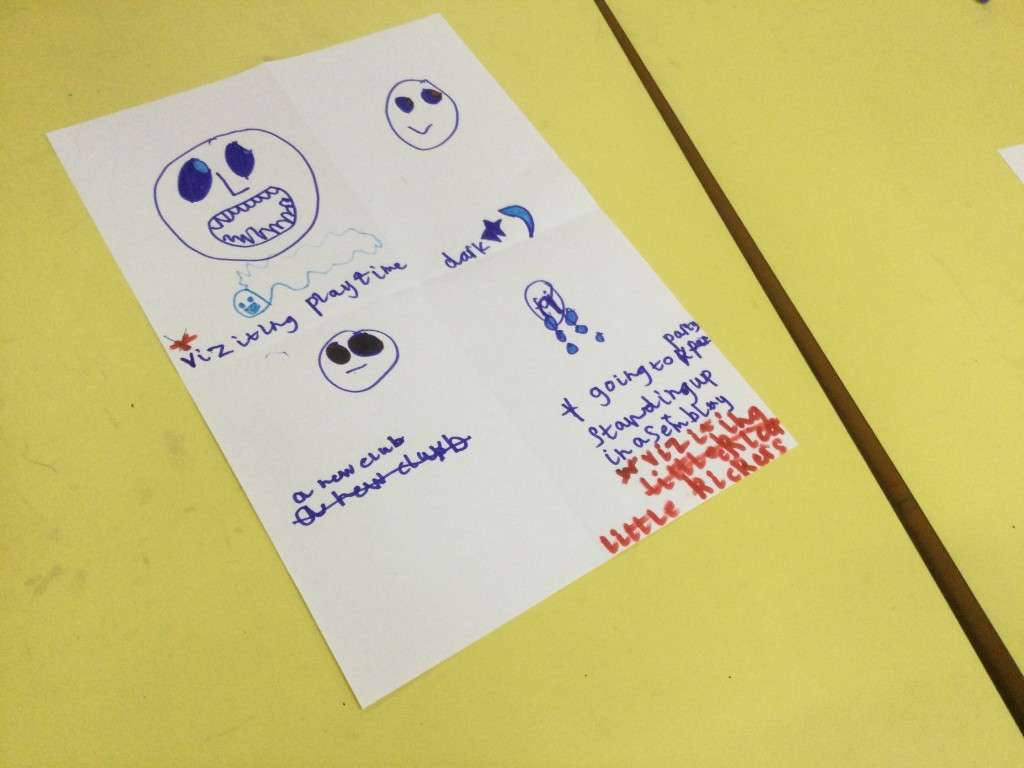
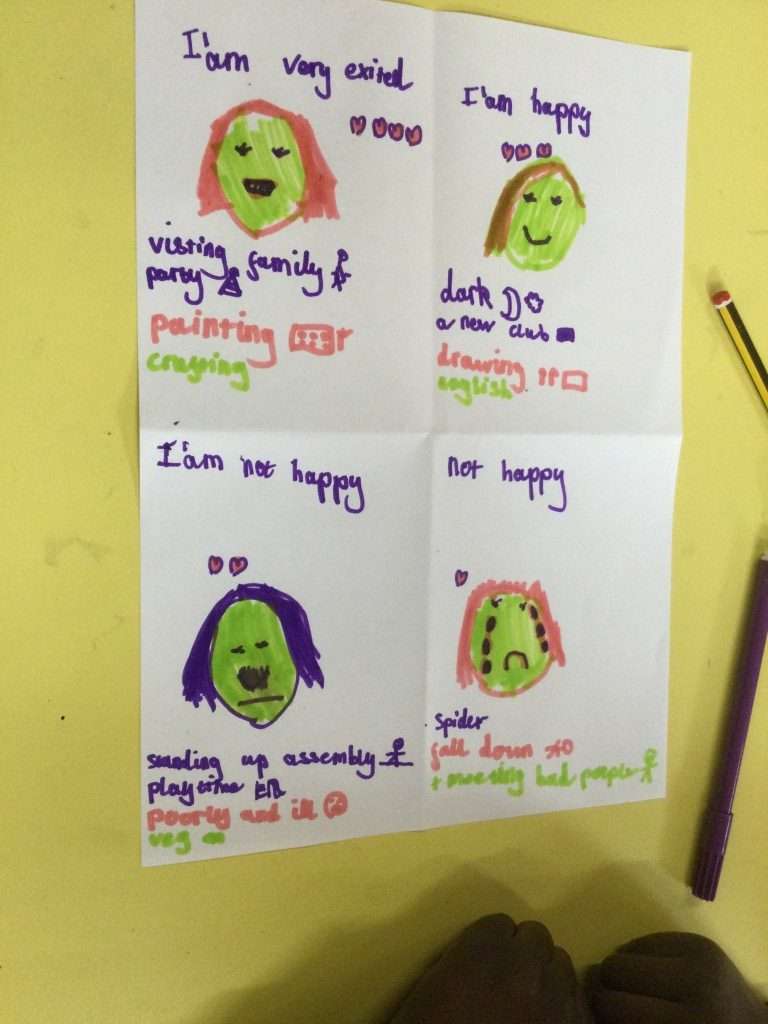
Our Focus in PSHE for this half term is Physical and Mental Health. Today we talked about feelings. We then made our own poster to compare what makes us joyful, happy, fine and not so happy.
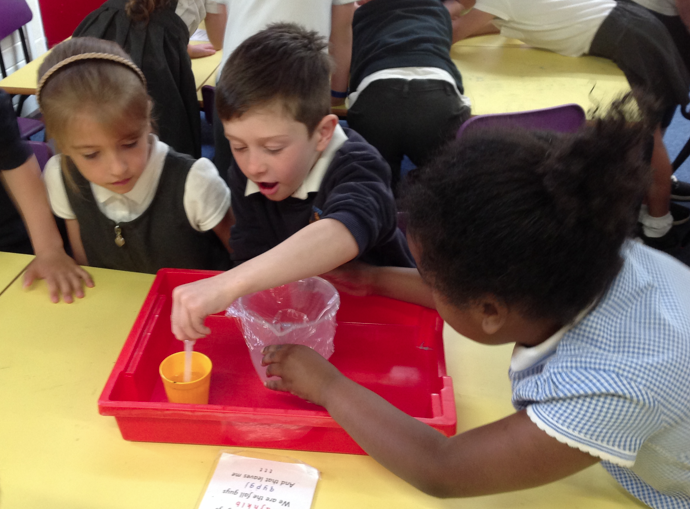
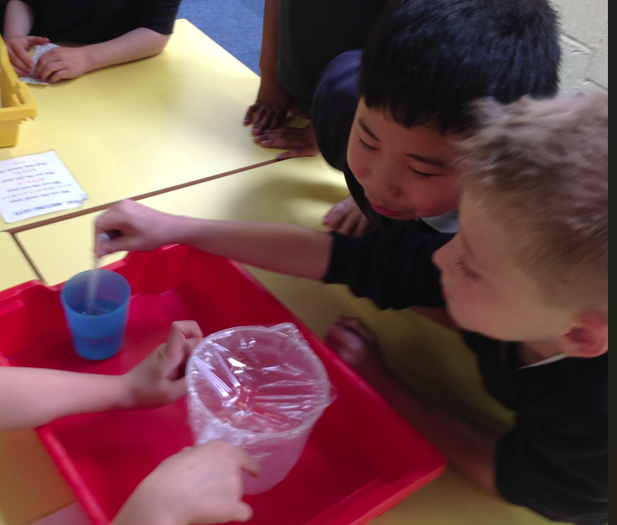
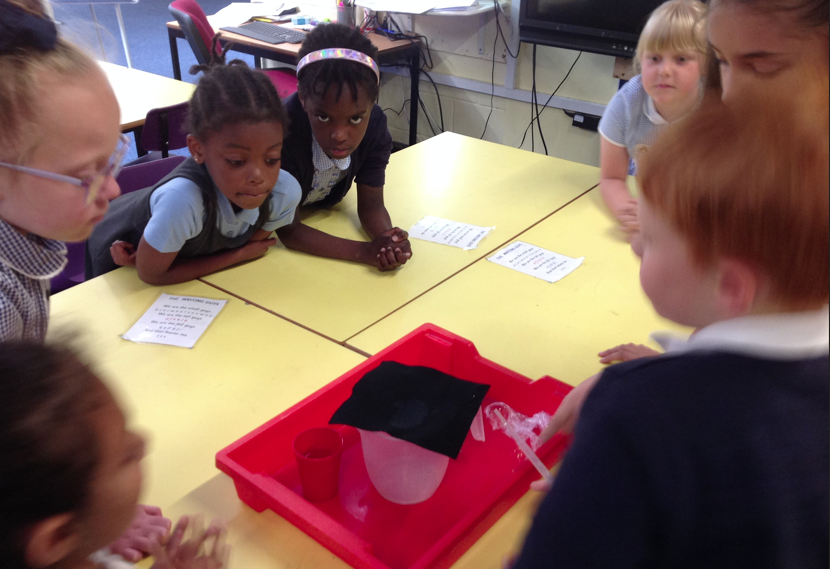
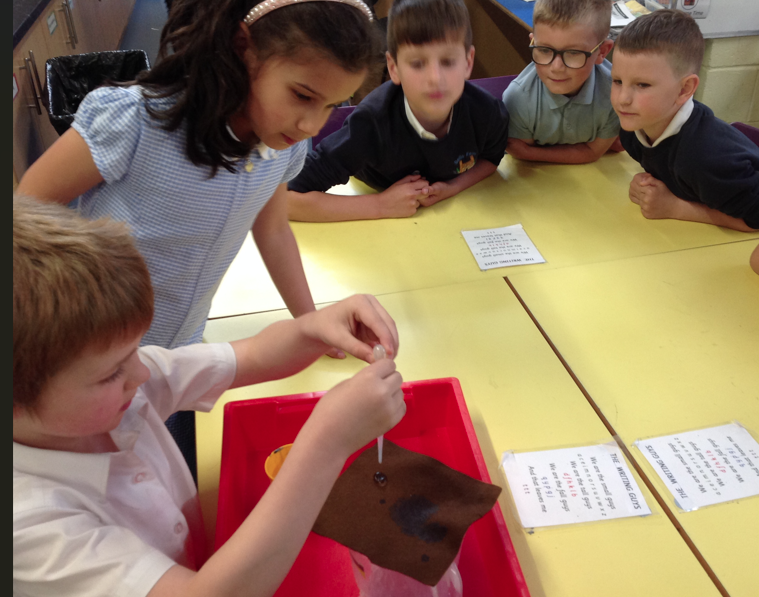
Are materials waterproof?
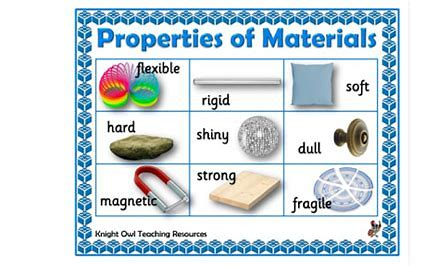
Properties of Materials
Charles Macintosh was a Scottish chemist and inventor who is best known for his invention of the waterproof fabric that came to be known as “Mackintosh” or “Mac”.
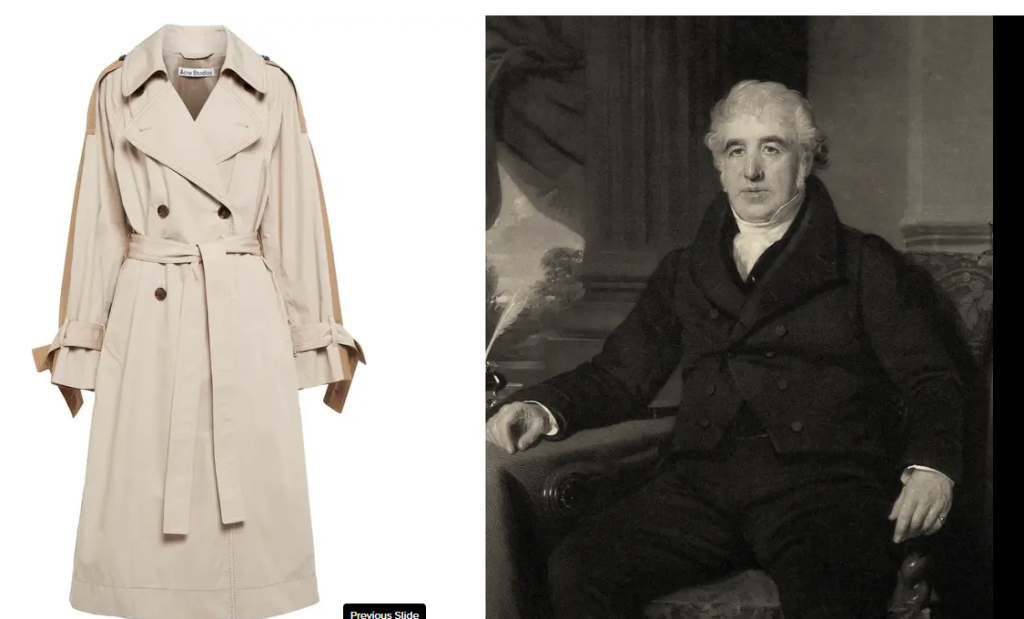
In 1823, he discovered that a solution of rubber in a solvent called naphtha could be used to coat cloth, creating a waterproof material that was both lightweight and flexible.
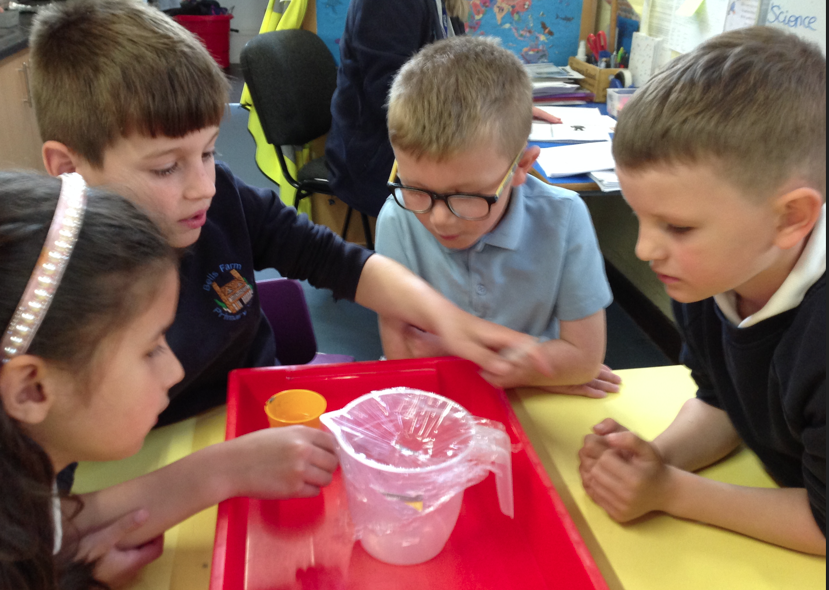
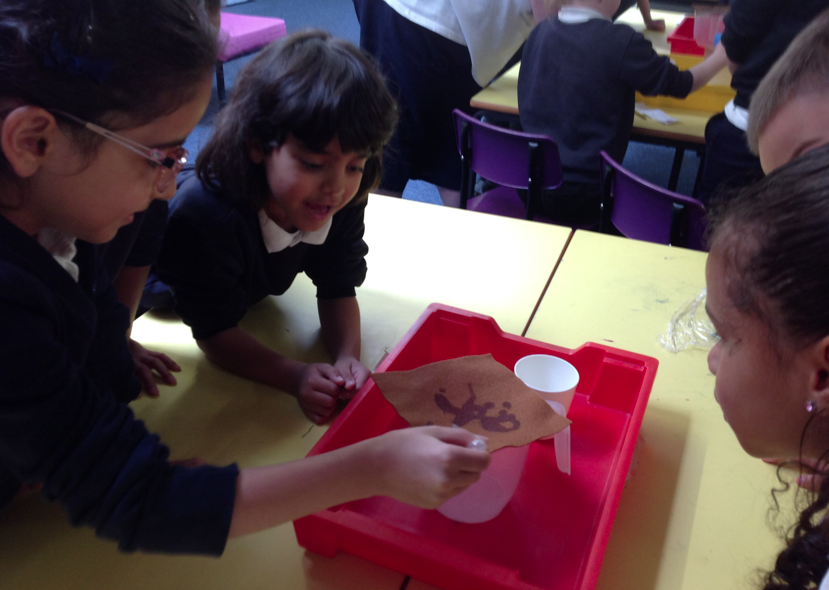
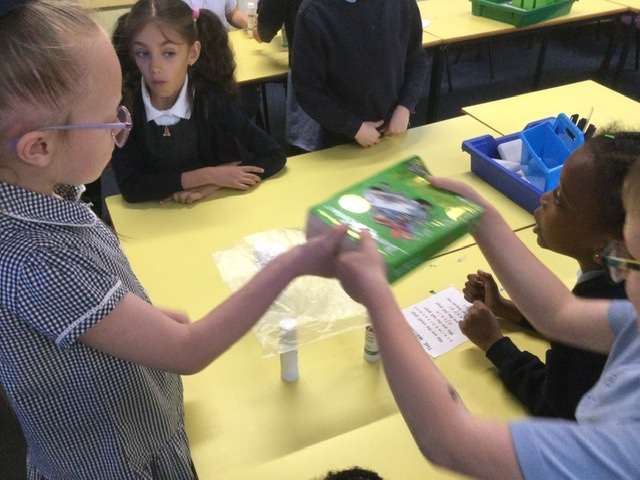
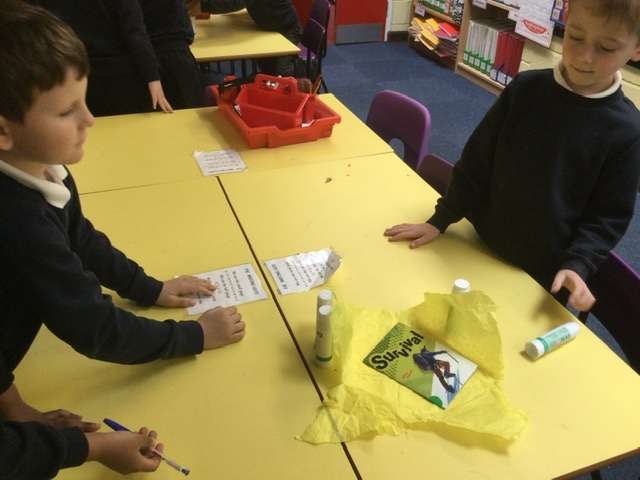
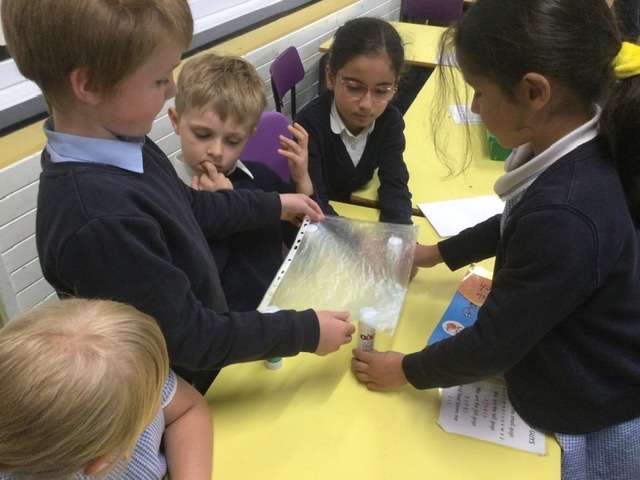
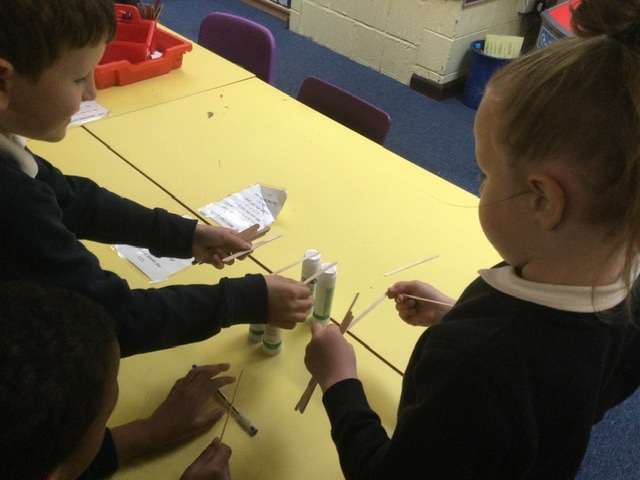
Today, Toucans investigates whether materials were absorbant / waterproof. Toucans were very good scientist. They had to use their skills in communicating findings and ensure they were conducting a comparative test.
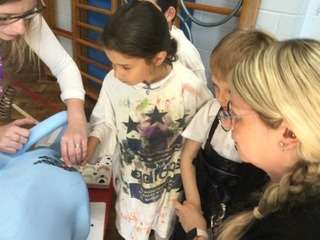
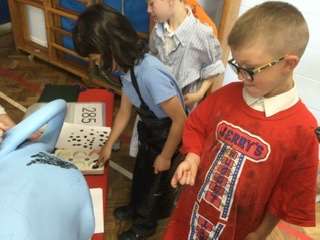
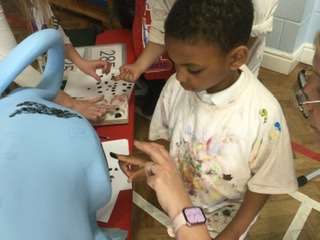
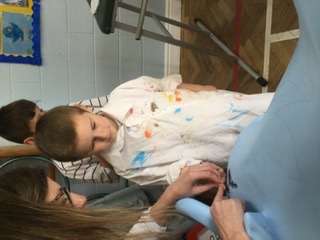
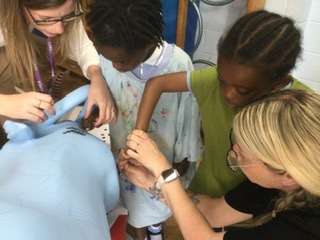
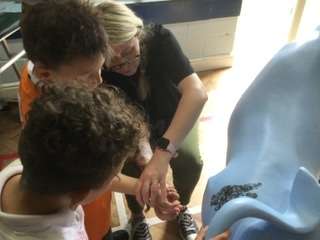
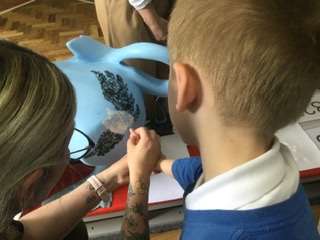
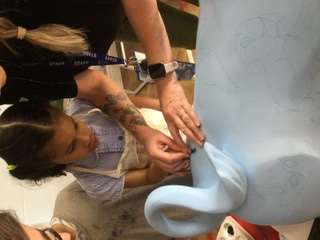
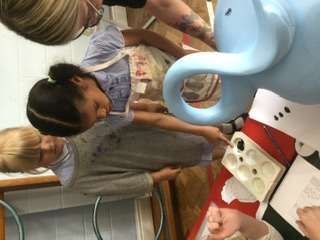
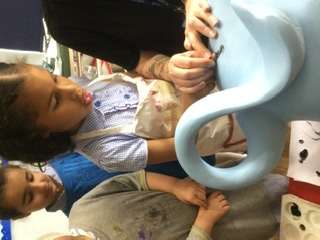
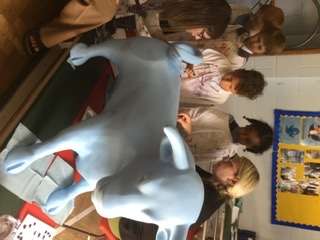
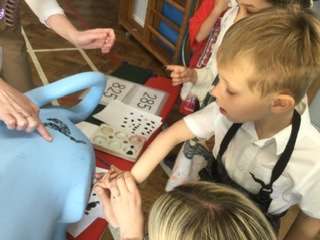
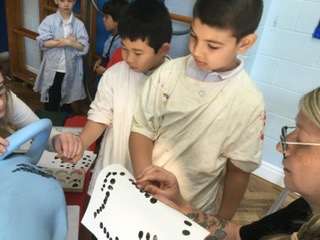
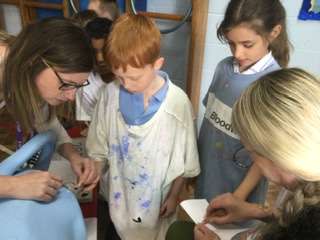
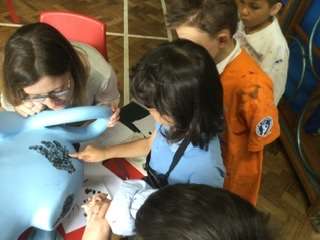
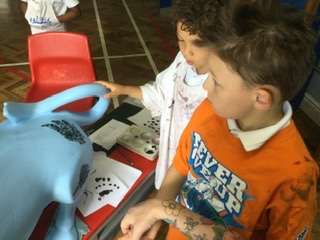
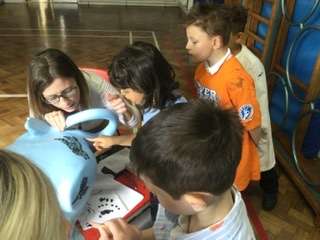
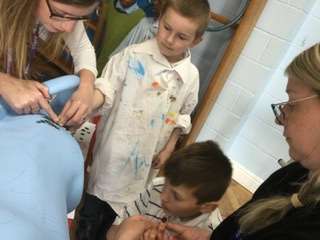
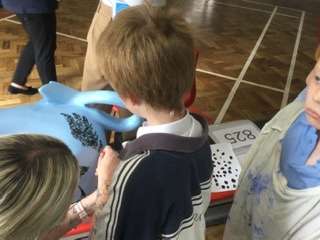
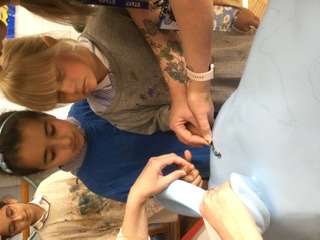
Bull Printing
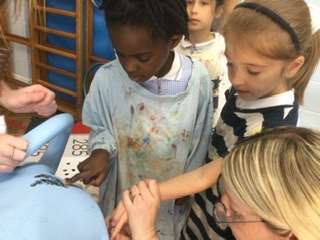
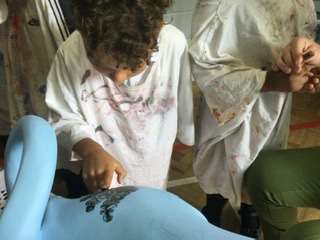
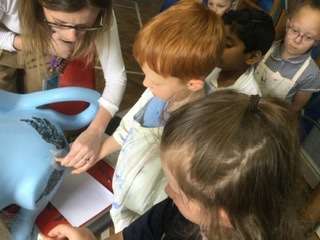
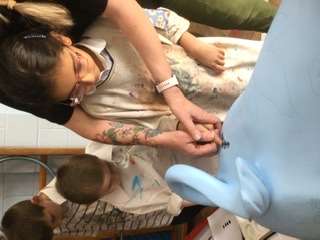
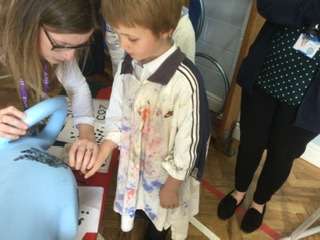
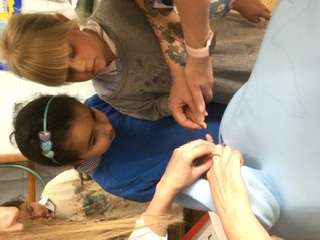
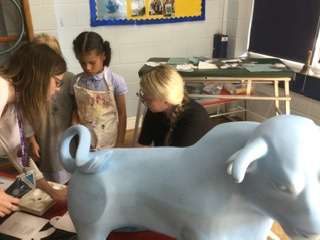
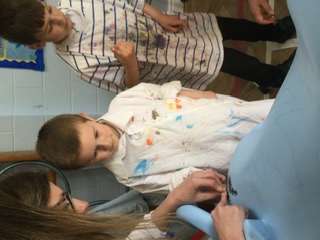
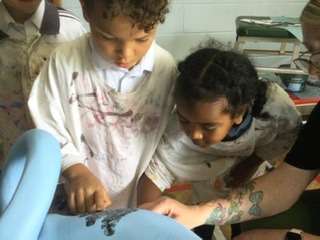
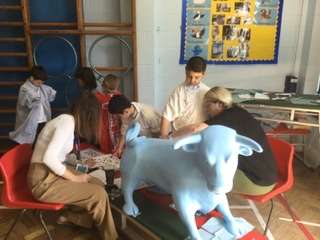
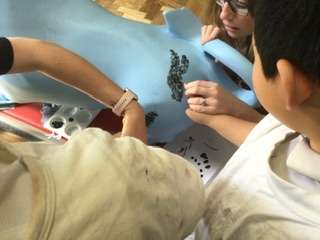
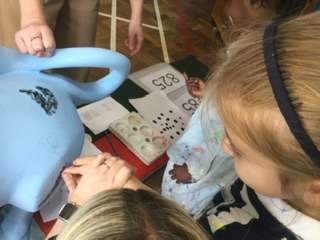
Year 2 were very well behaved and had a great time printing their fingerprint on the Bull.
The Great Mouse Detective
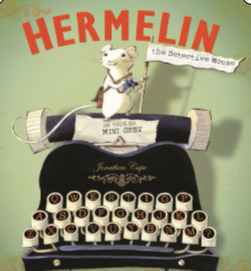
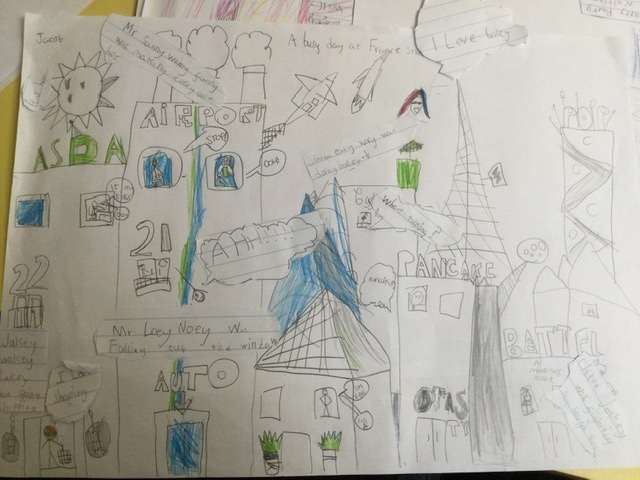
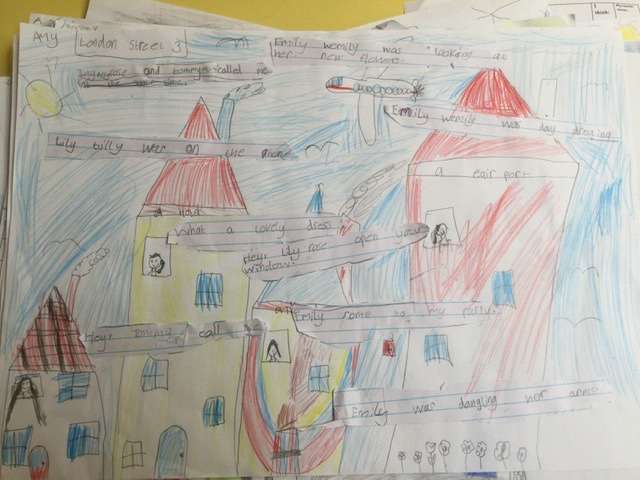
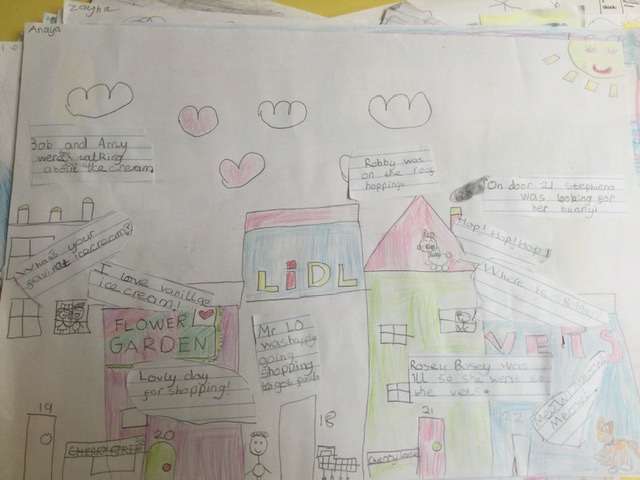
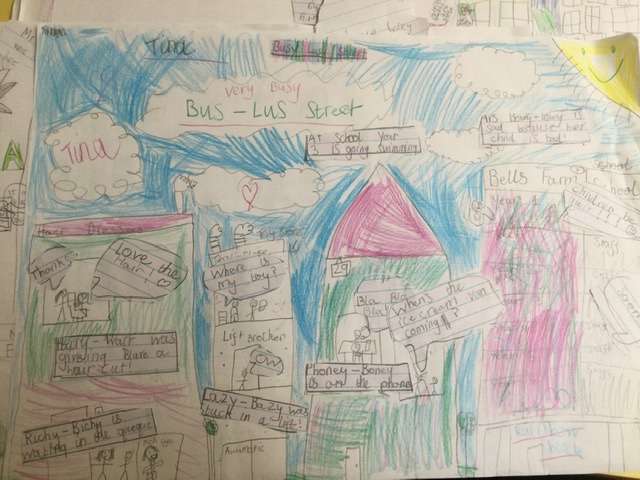
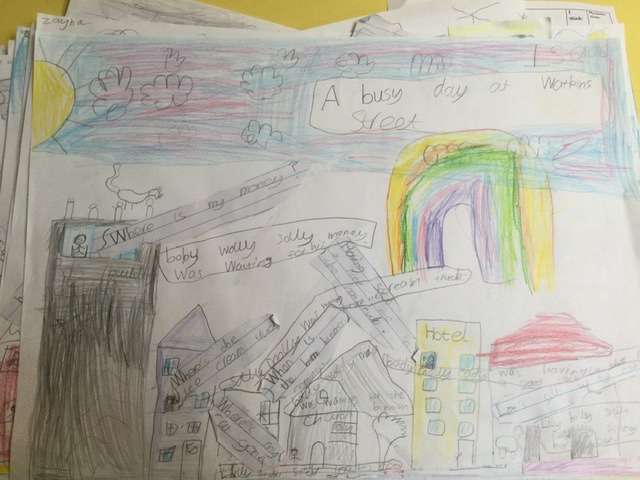
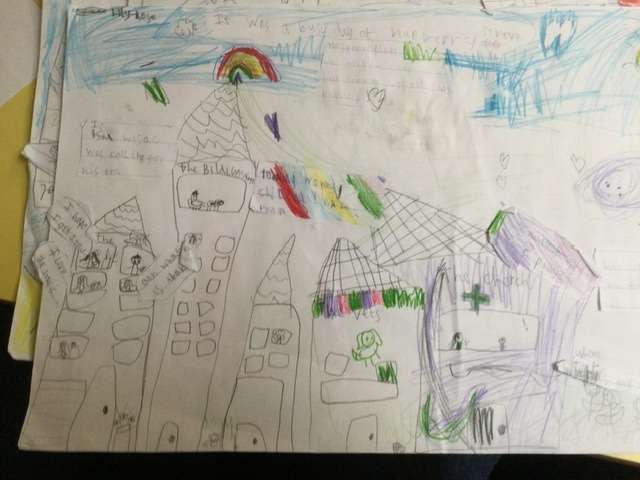
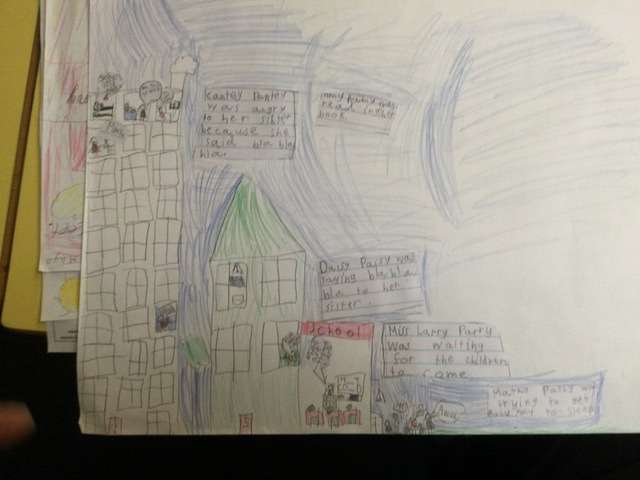
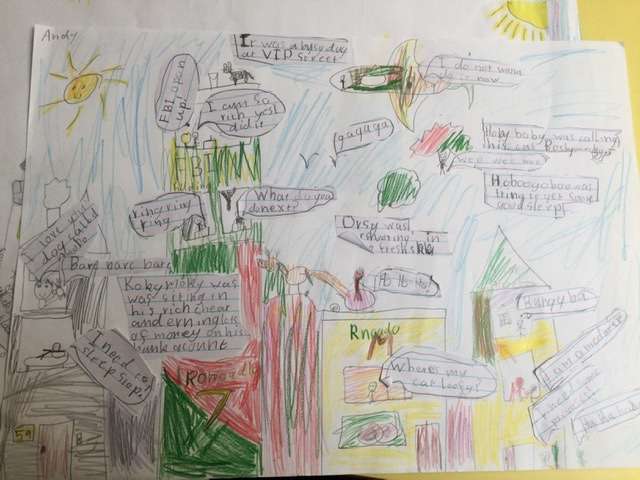
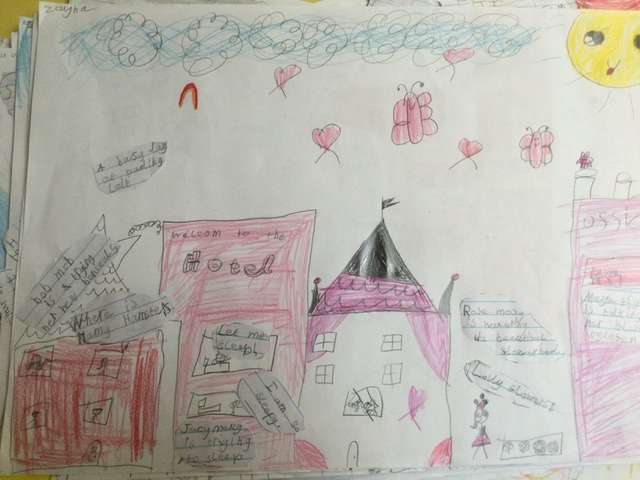
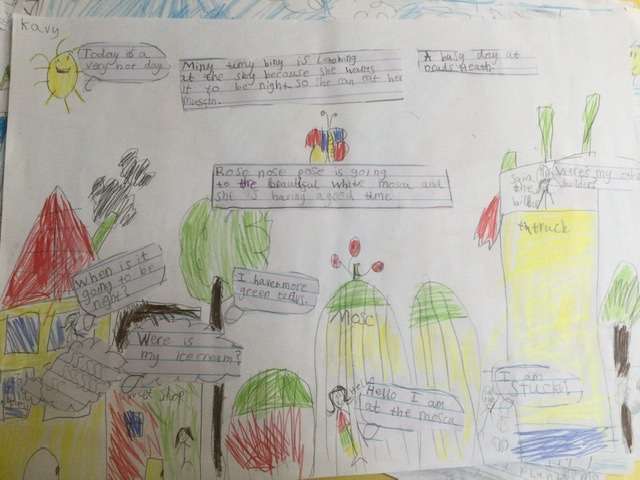
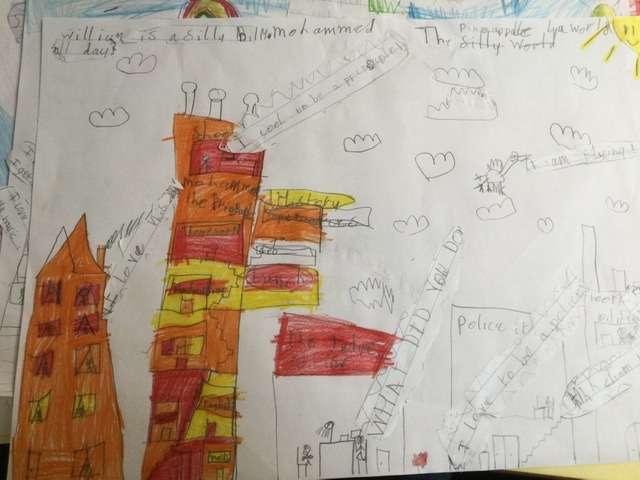
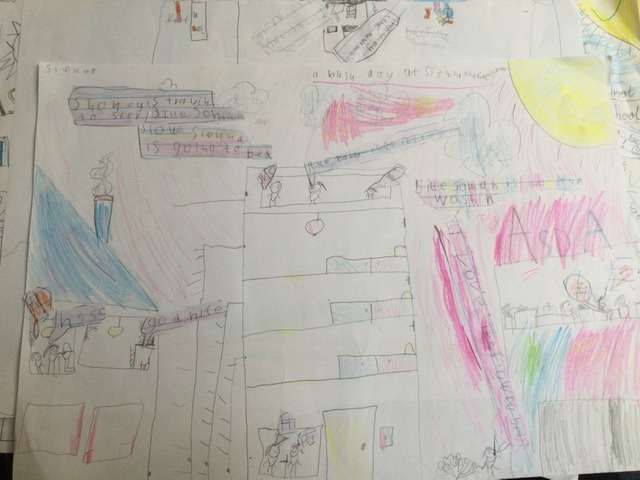
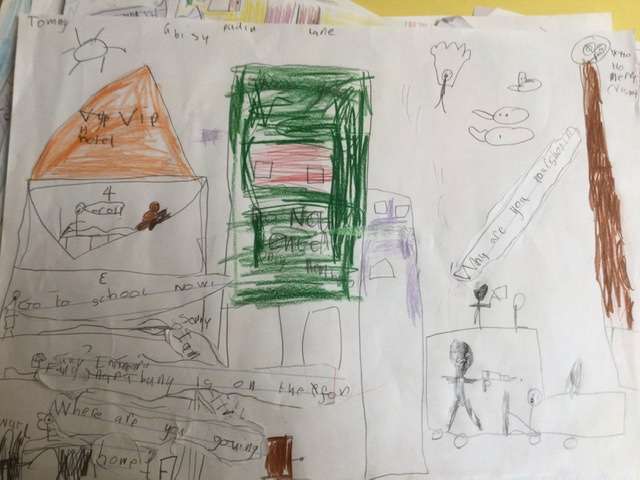
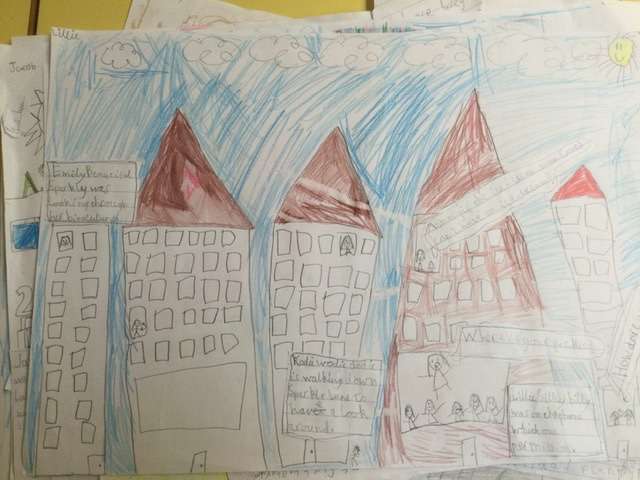
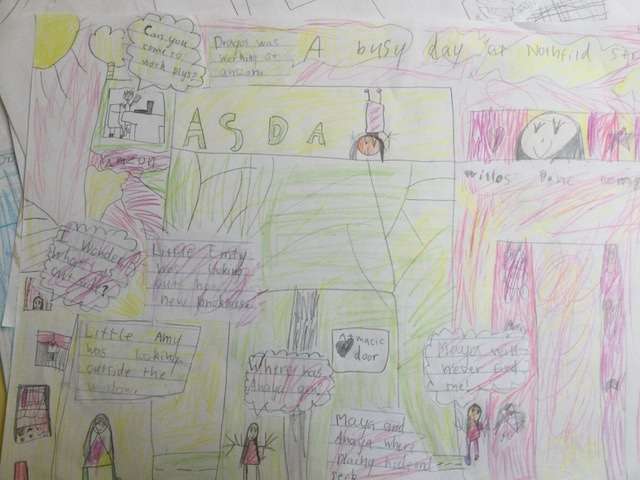
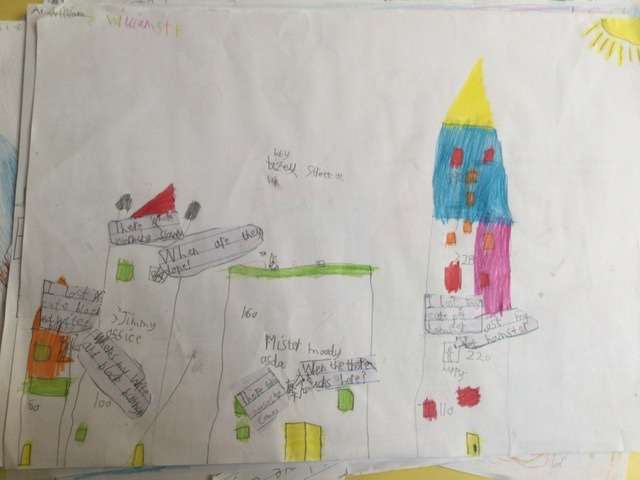
Toucans recently have been reading Hermelin.
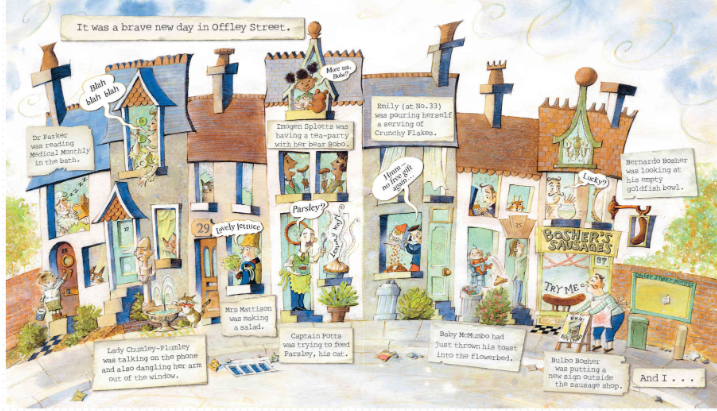
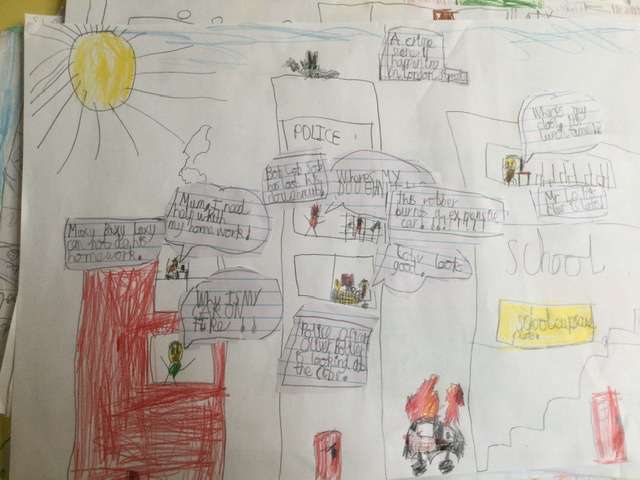
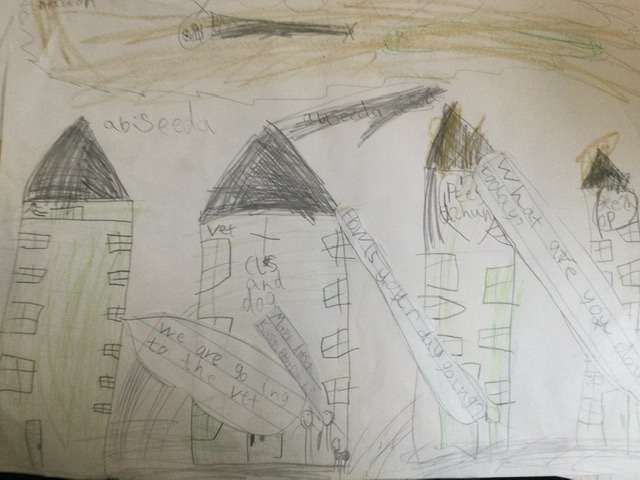
We all enjoyed looking at the busy street and reading the captions. This has inspired us to draw and write captions for our own street.
Watch and listen to the story below.
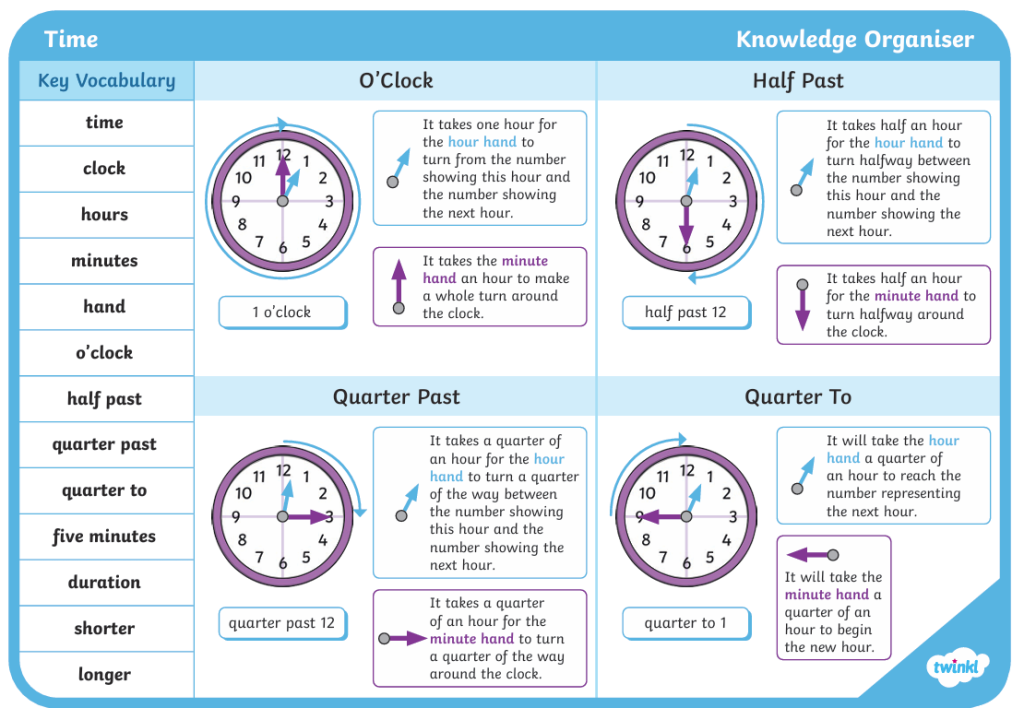
Telling the time!
This week Toucans are learning how to tell the time. Try the interactive clock below to help you!
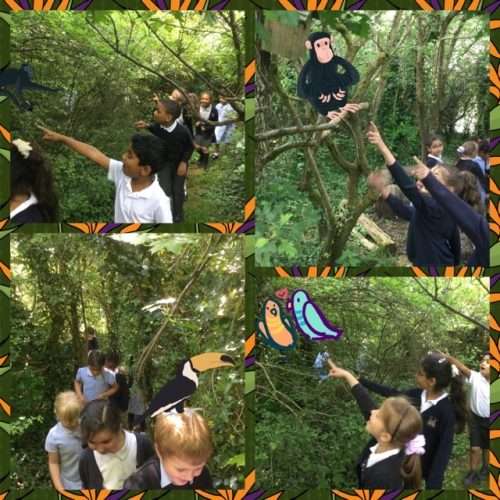
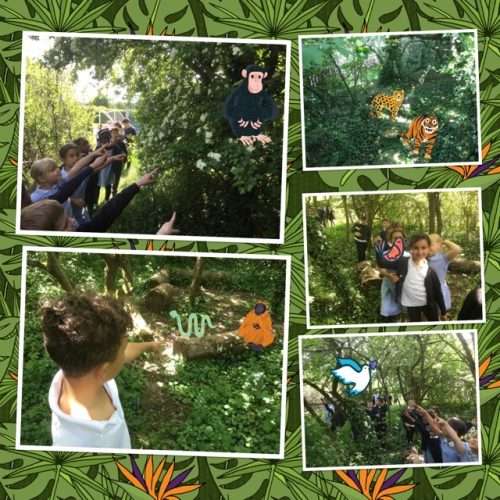
Rainforest walk
What better than to inspire our English writing and Geography with a rainforest walk!
Investigating the best material
In Science we investigated the best material to make a bridge.
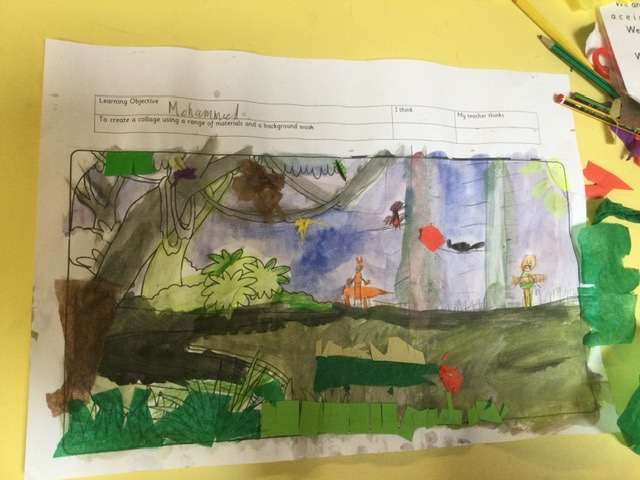
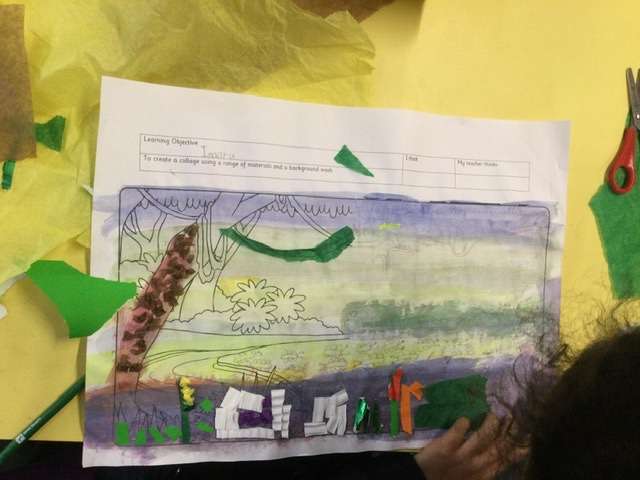
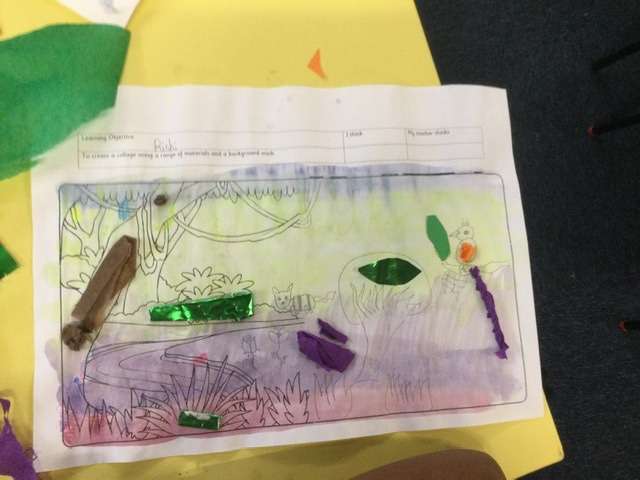
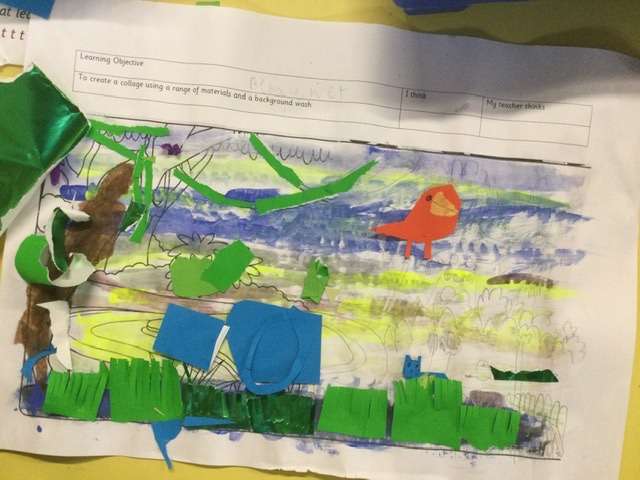
Painting and Collage
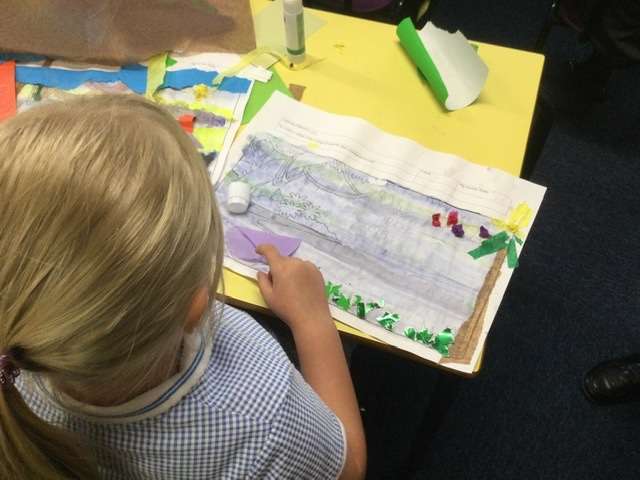
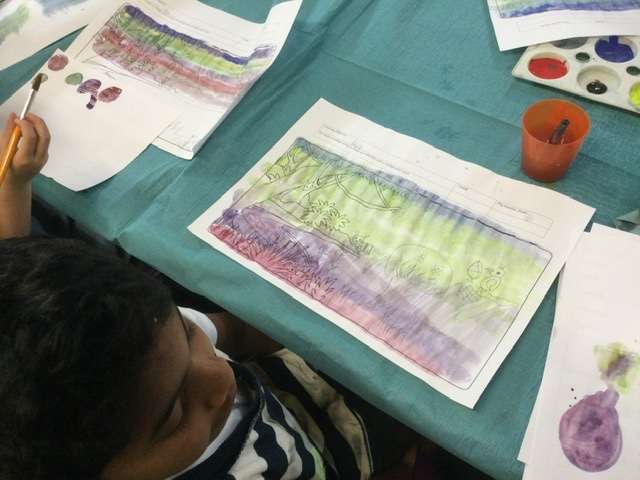
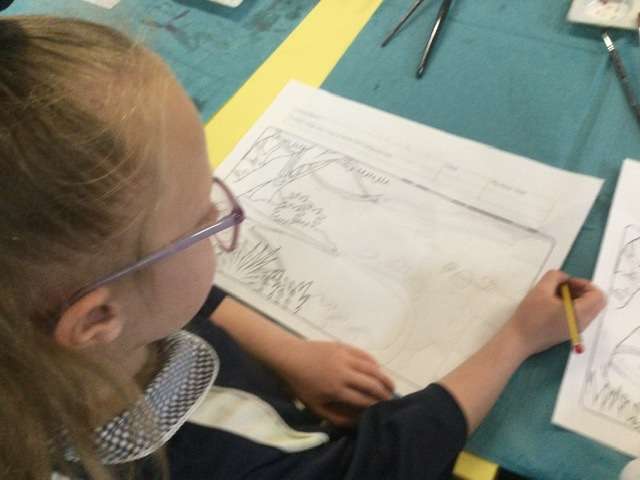
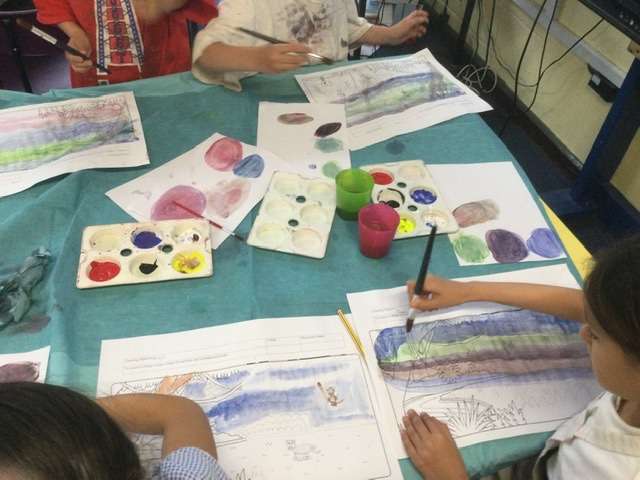
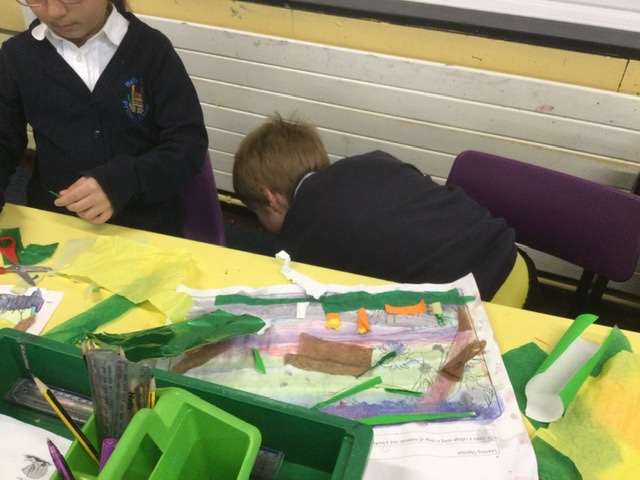
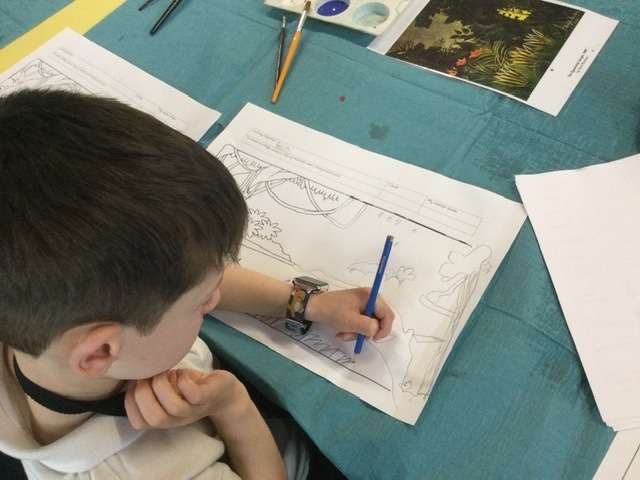
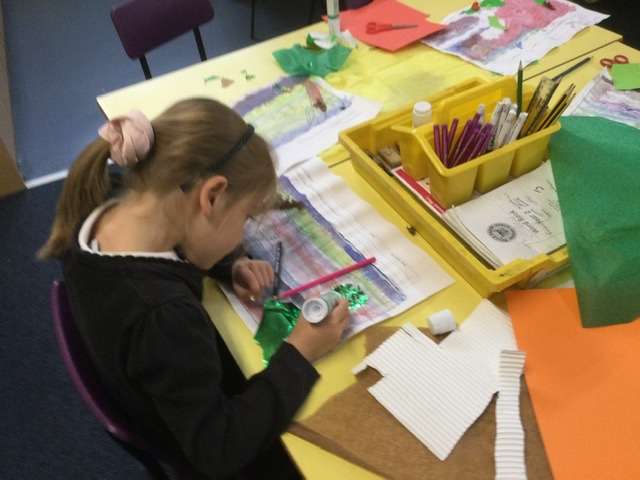
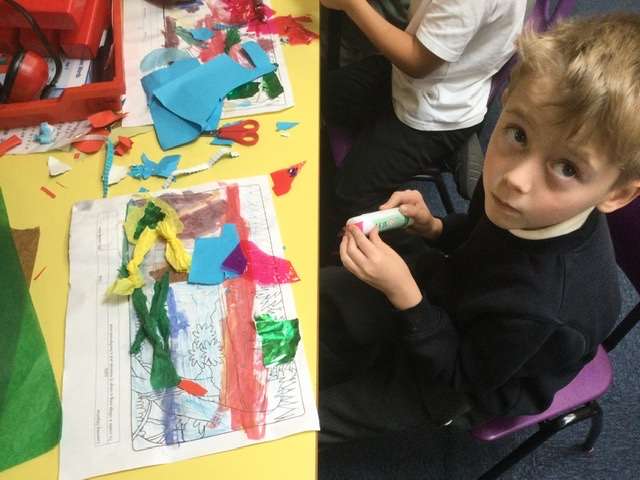
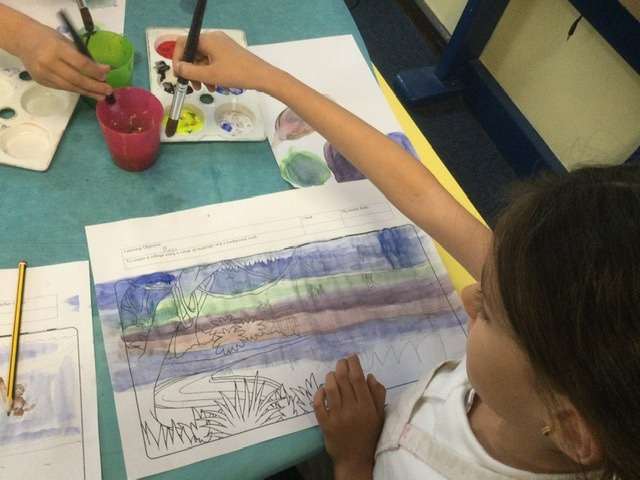
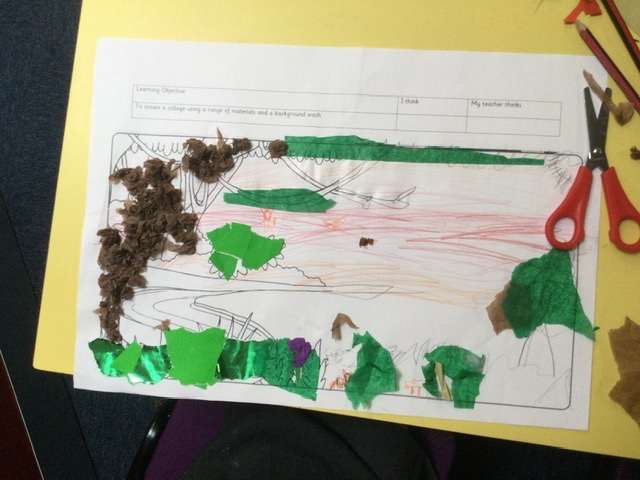
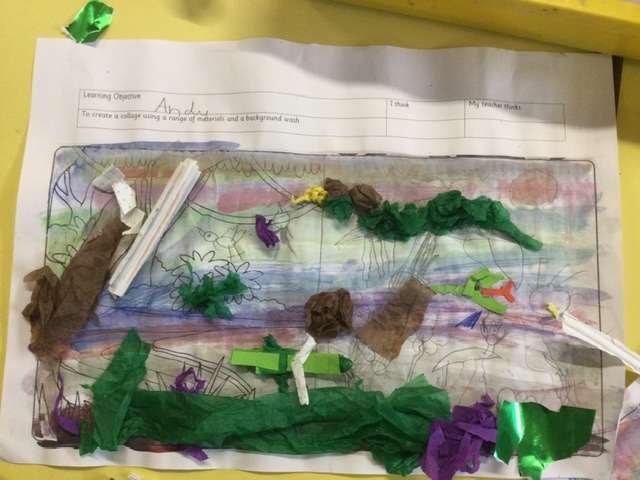
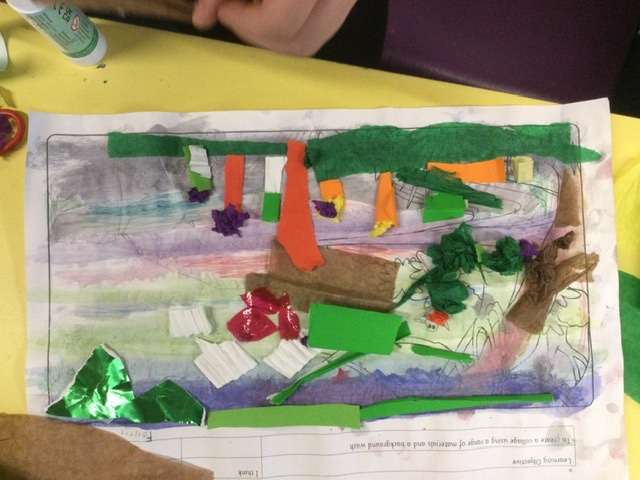
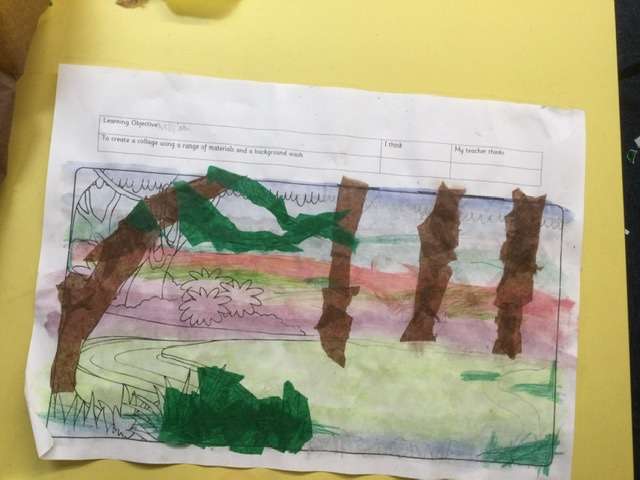
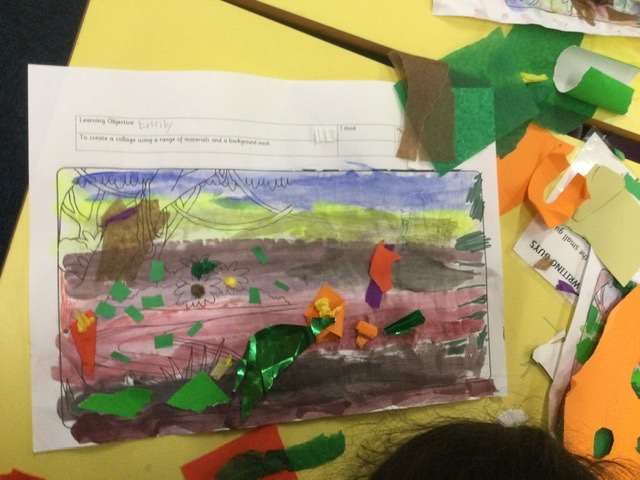
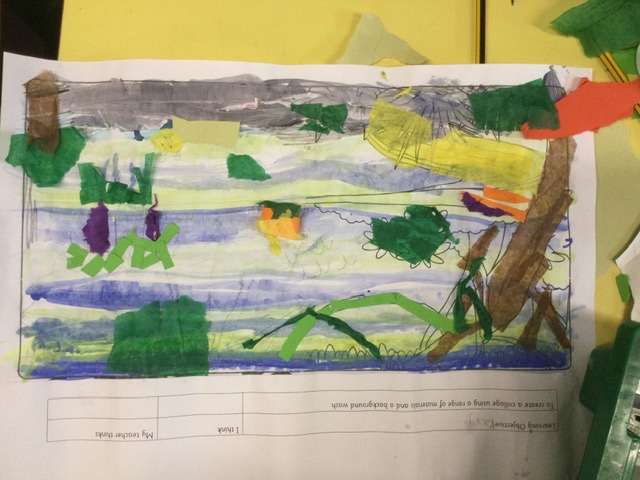
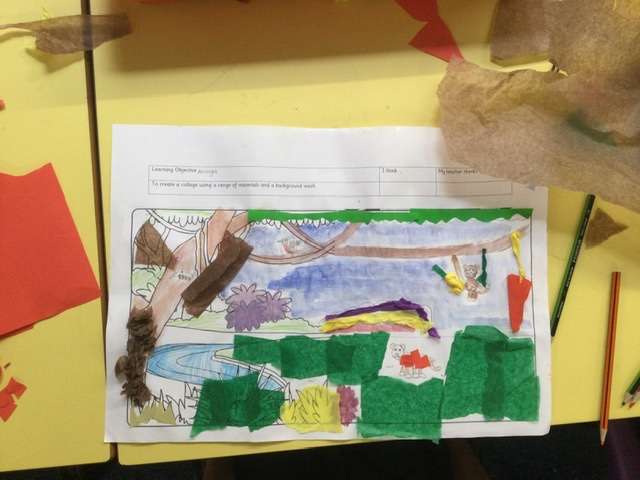
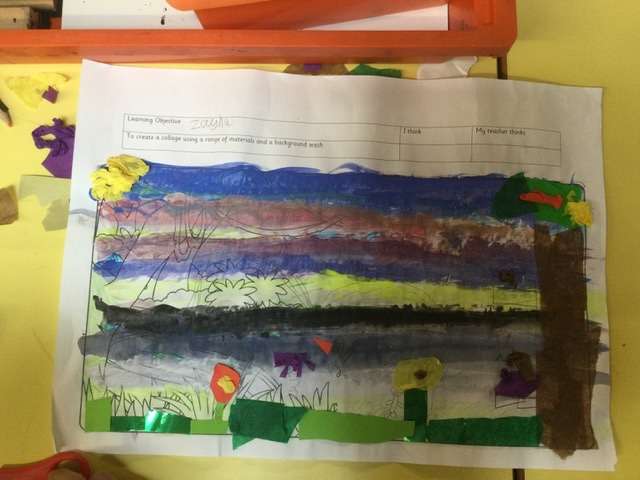
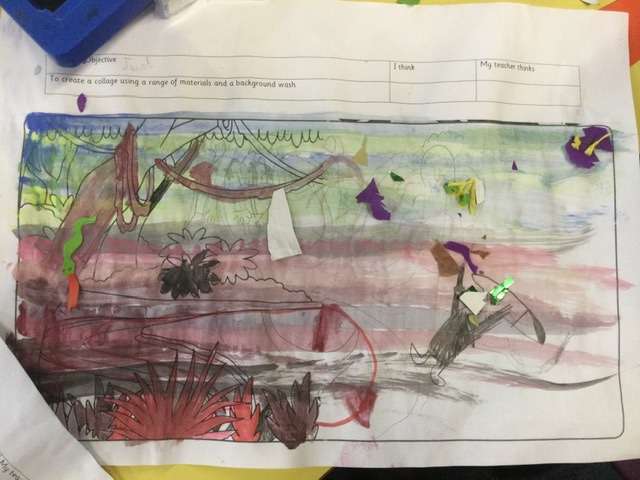
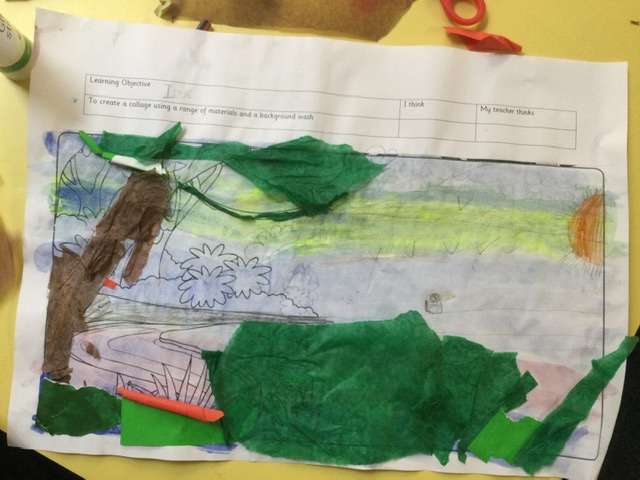
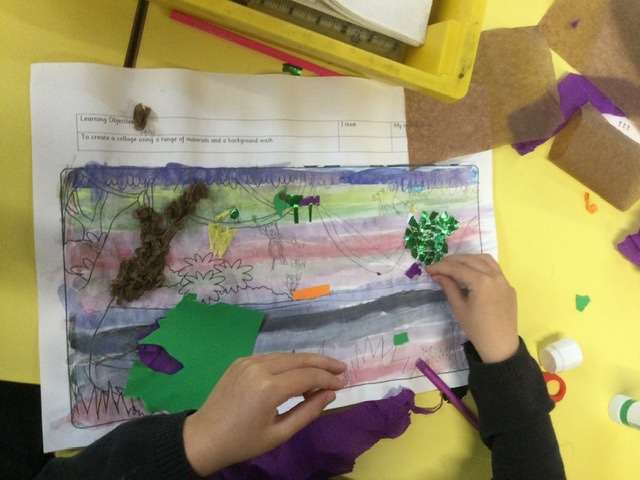
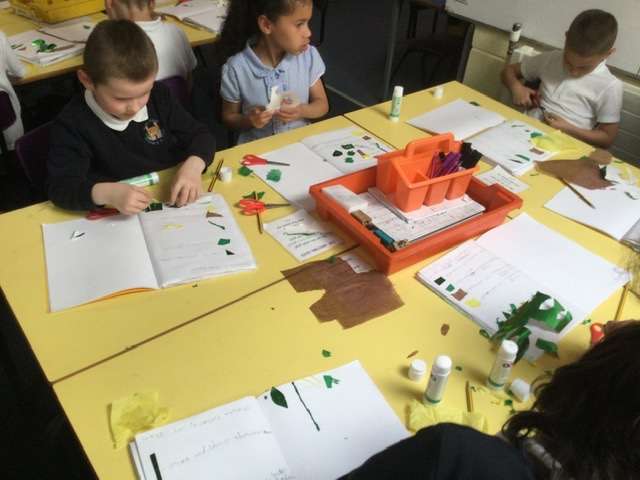
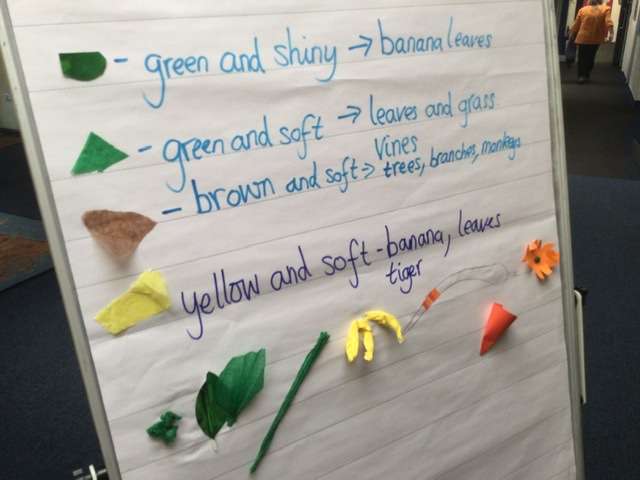
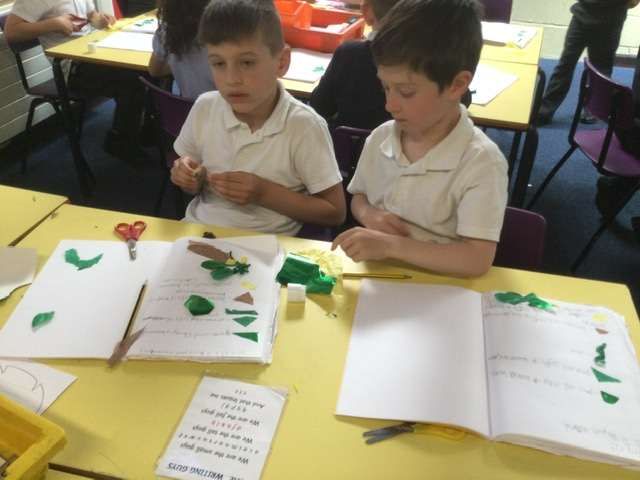
In Art we explored different materials. We described how they felt. Were they smooth? Rough? Rigid, Soft? We then selected the right materials to use for our collage.
We also experimented in mixing paint to make green and then making it lighter or darker using white and black.
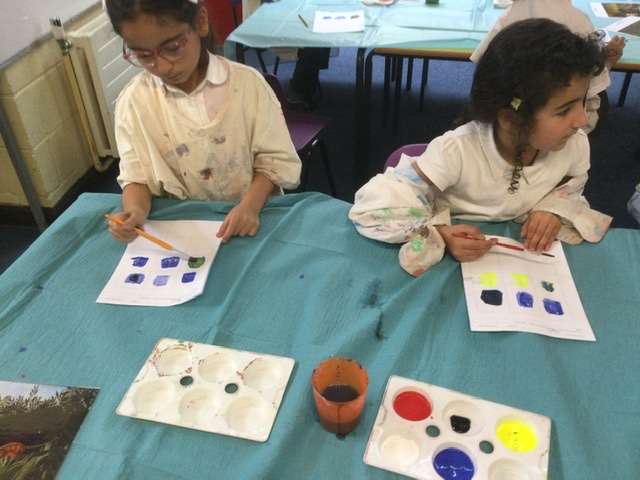
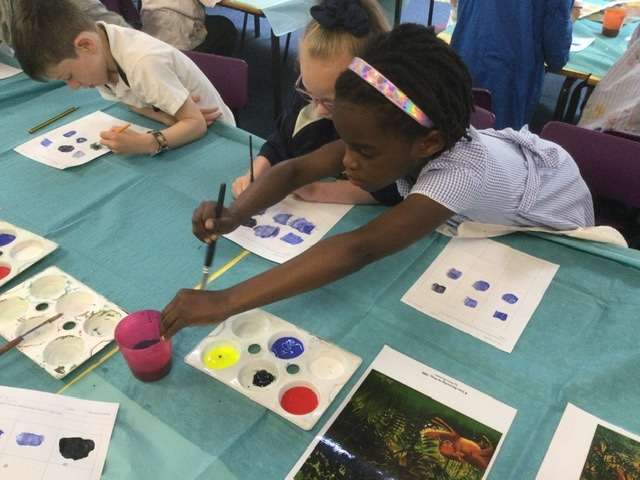
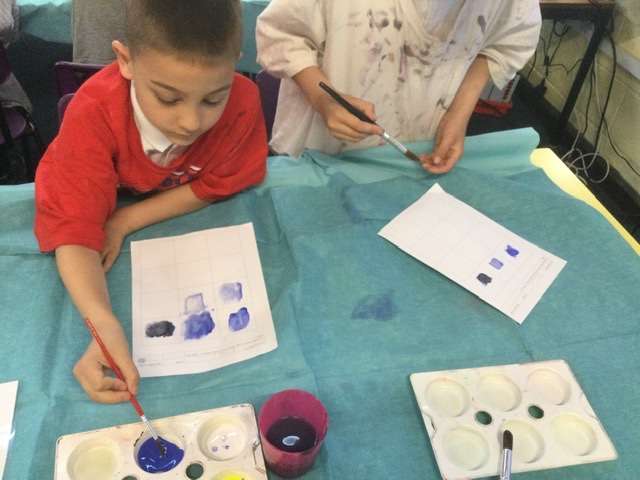
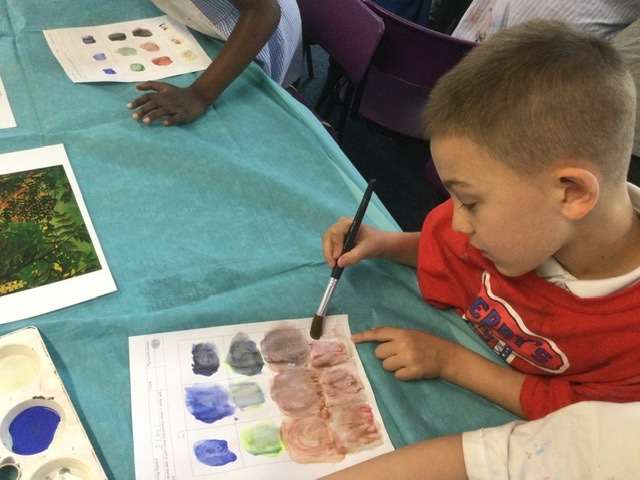
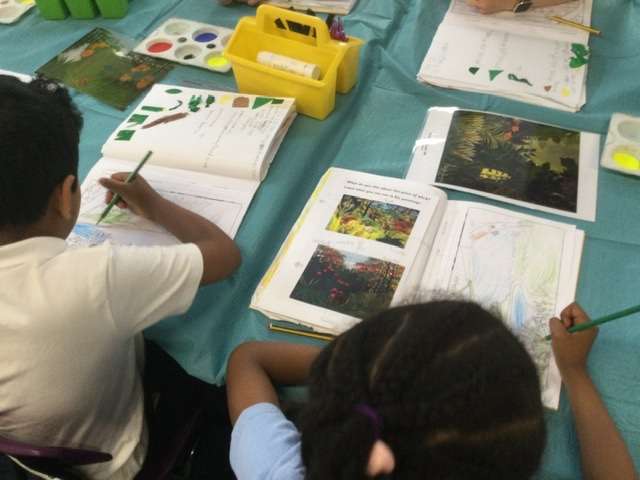
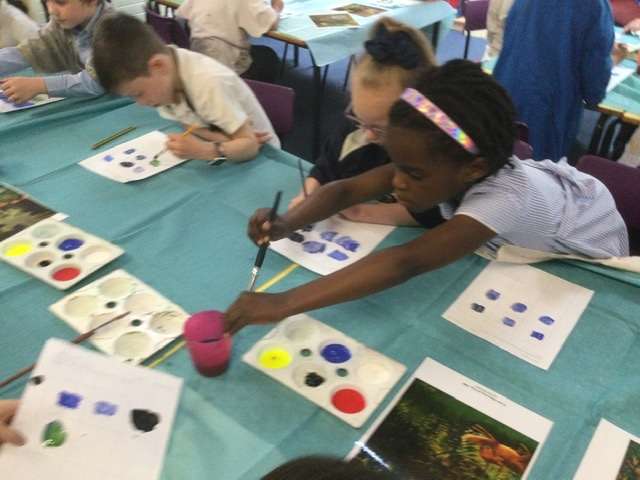
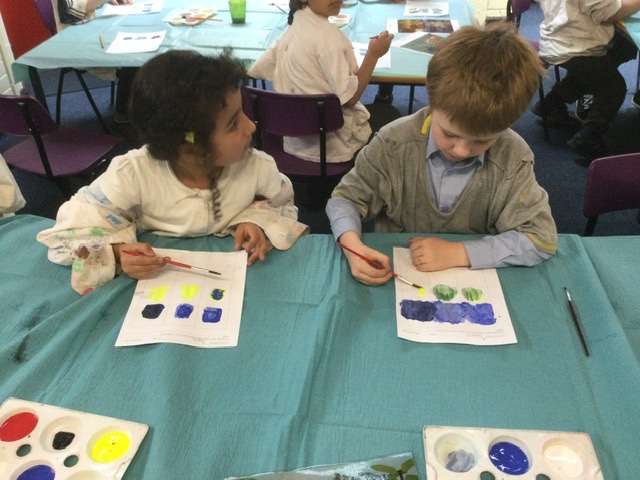
We made a painted background wash and then enjoyed collaging.
Friendship
In music our topic is Friendship. We listened and creatively reacted to the song.
properties of materials
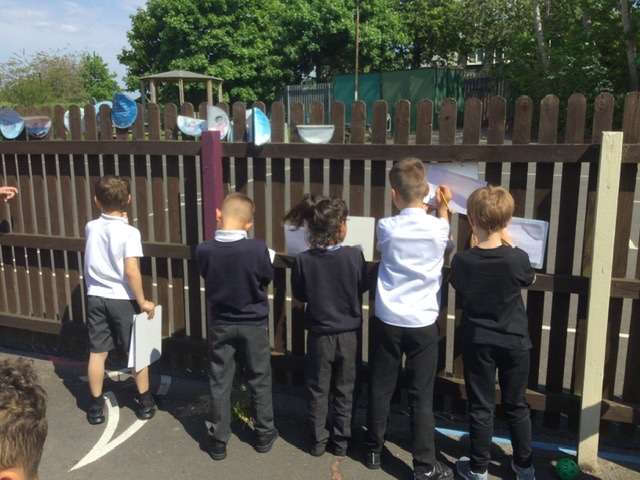
In science we observed different materials of chairs, fences , windows and discussed the properties of the materials used .
comparing materials
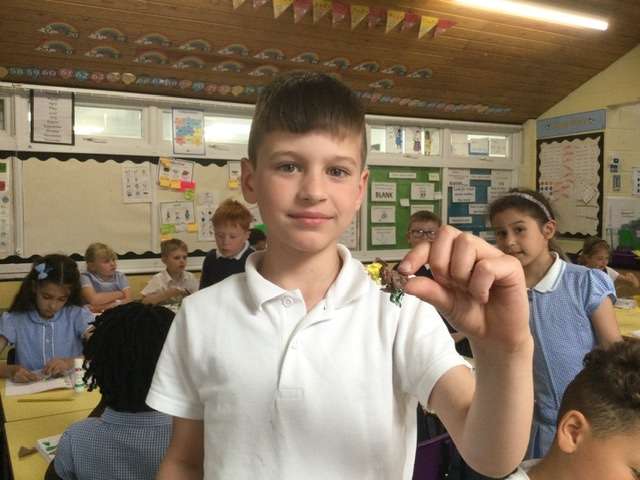
In art we will be making a rainforest collage. This week we first explored different materials how they can be scrunched, pinched, folded and ripped to make things.
Science Fact Files
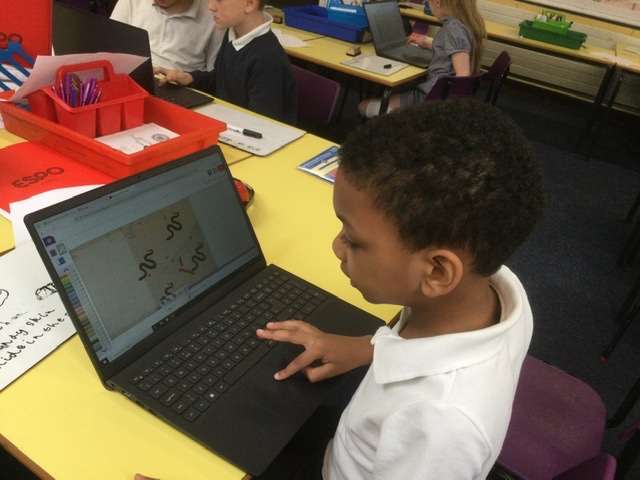
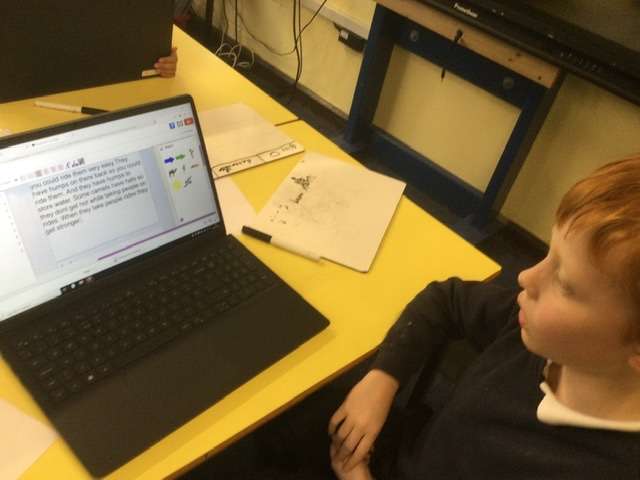
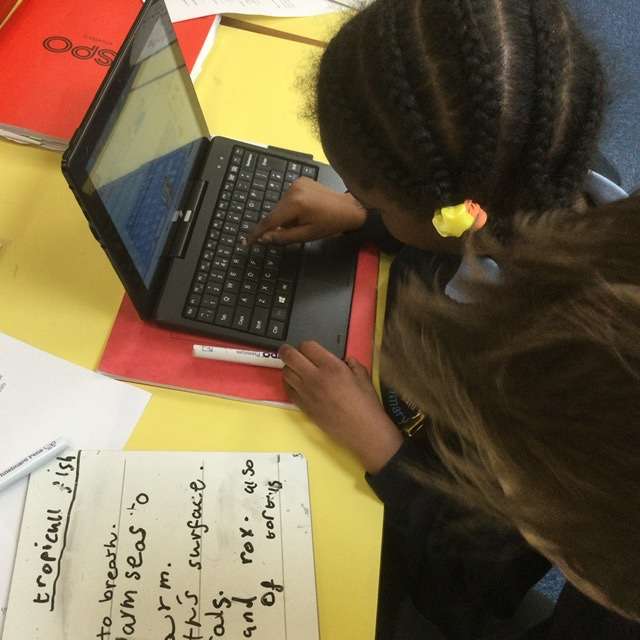
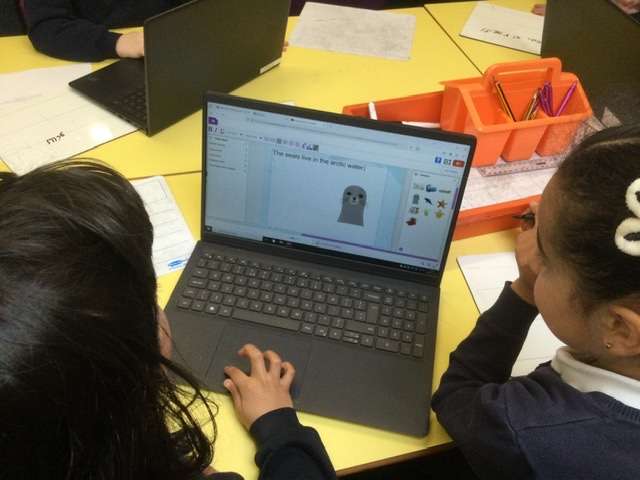
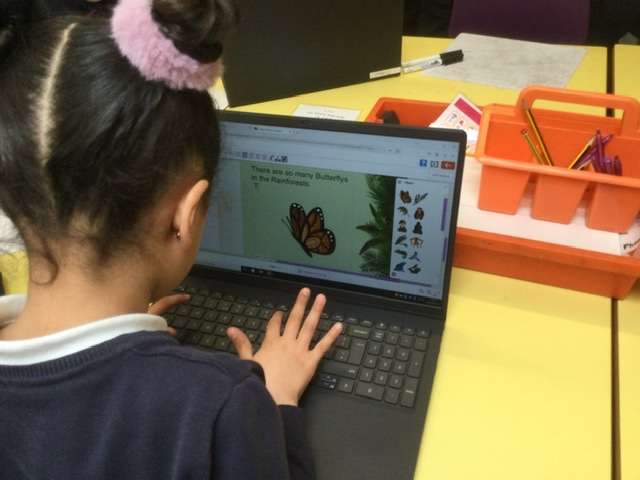
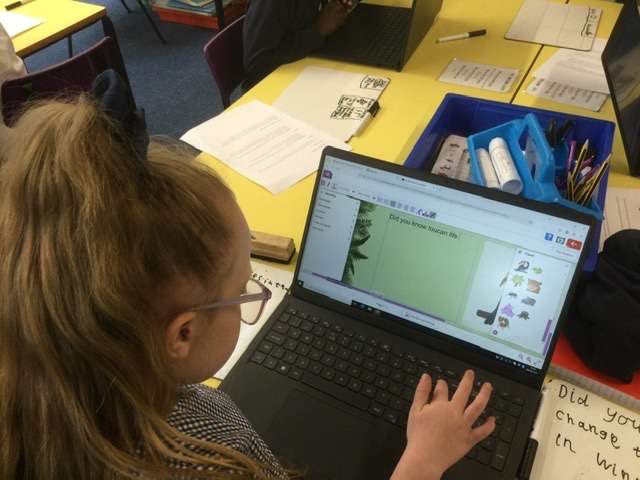
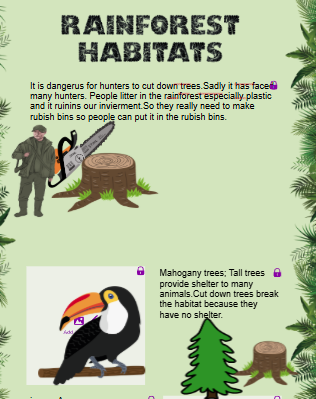
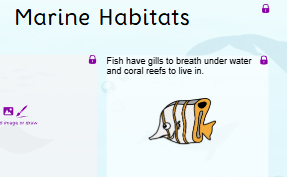
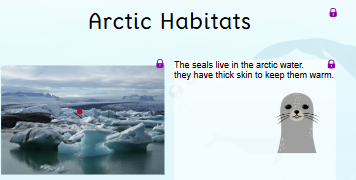
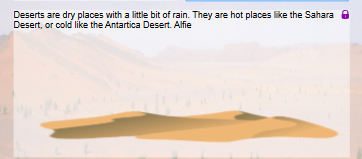
Toucans did some wonderful research about animals and their habitats and created a fact file!
show and tell
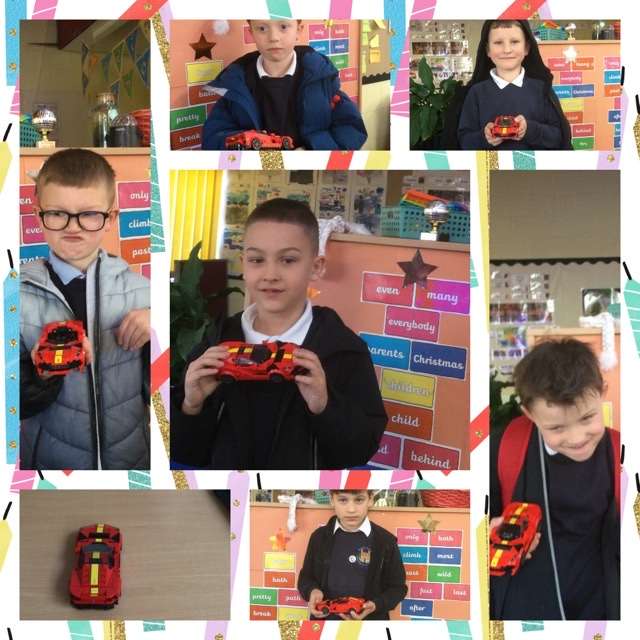
Lots of us were incredibly happy to see Isaac build his new Lego Ferrari!