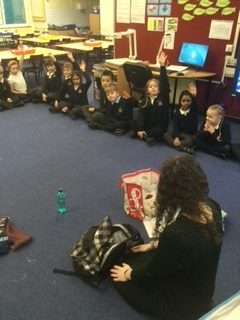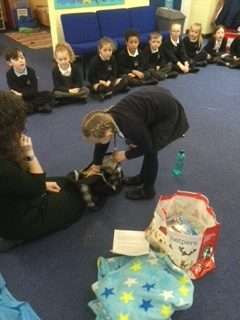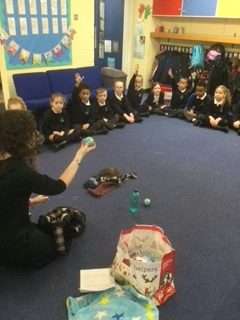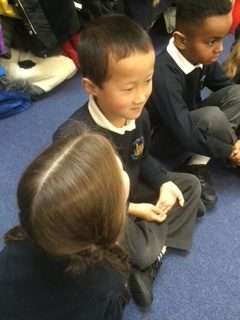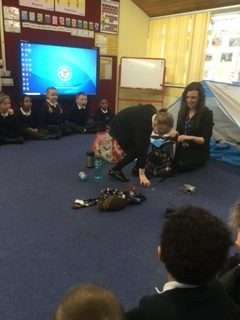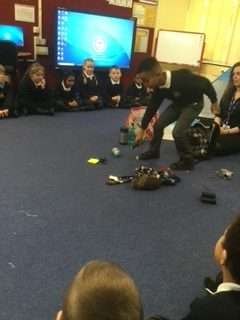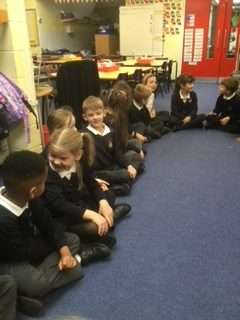
During today’s georgraphy lesson, we discussed and learned about different ways we can measure the weather. We then made out own weather vanes.


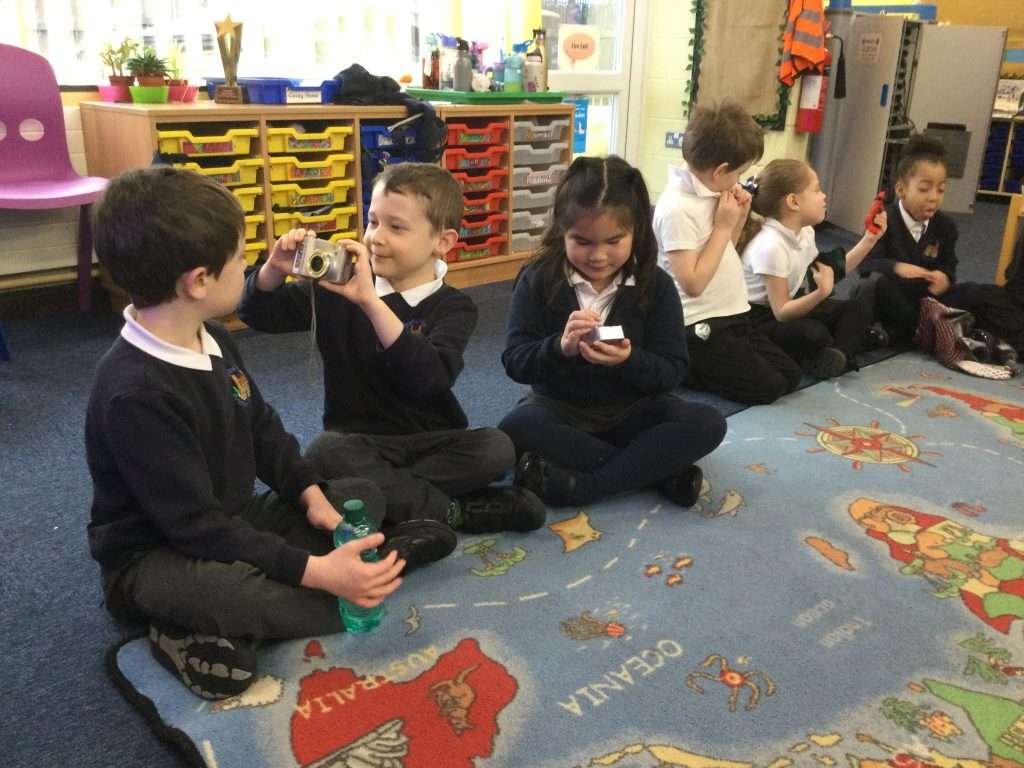
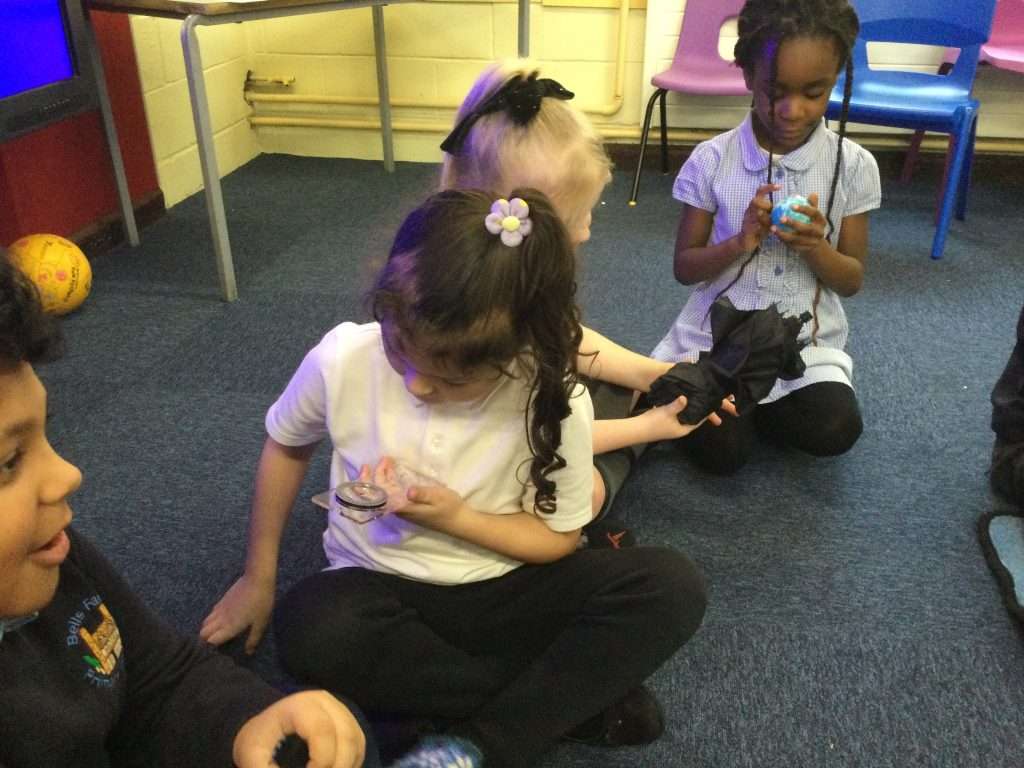
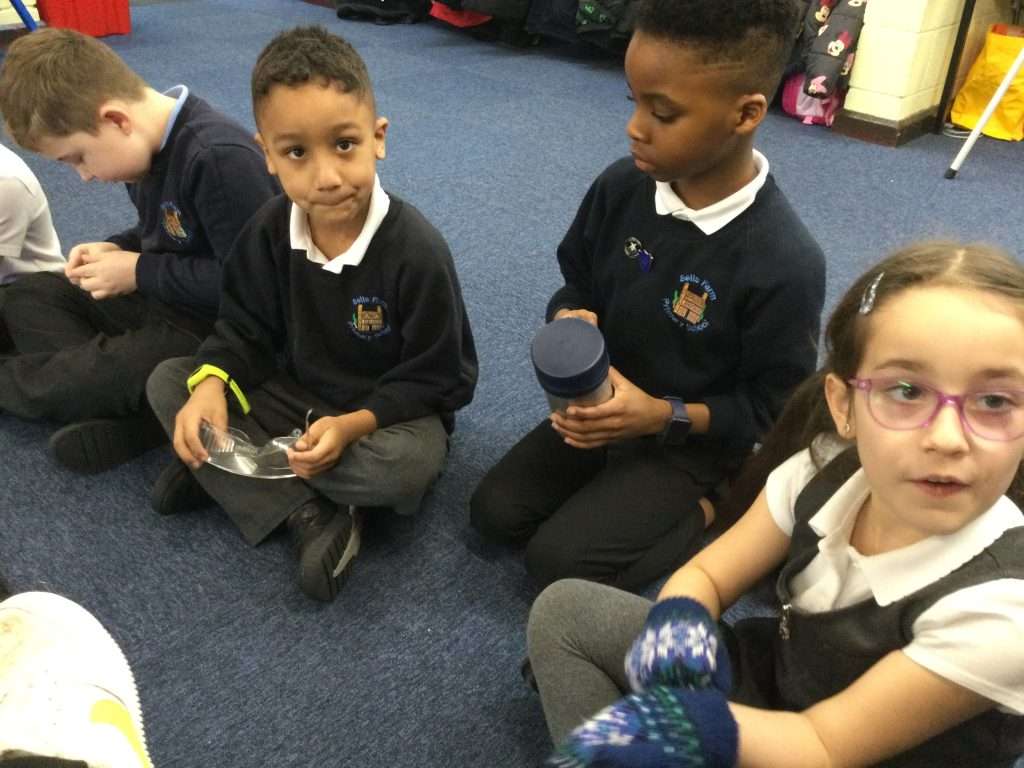
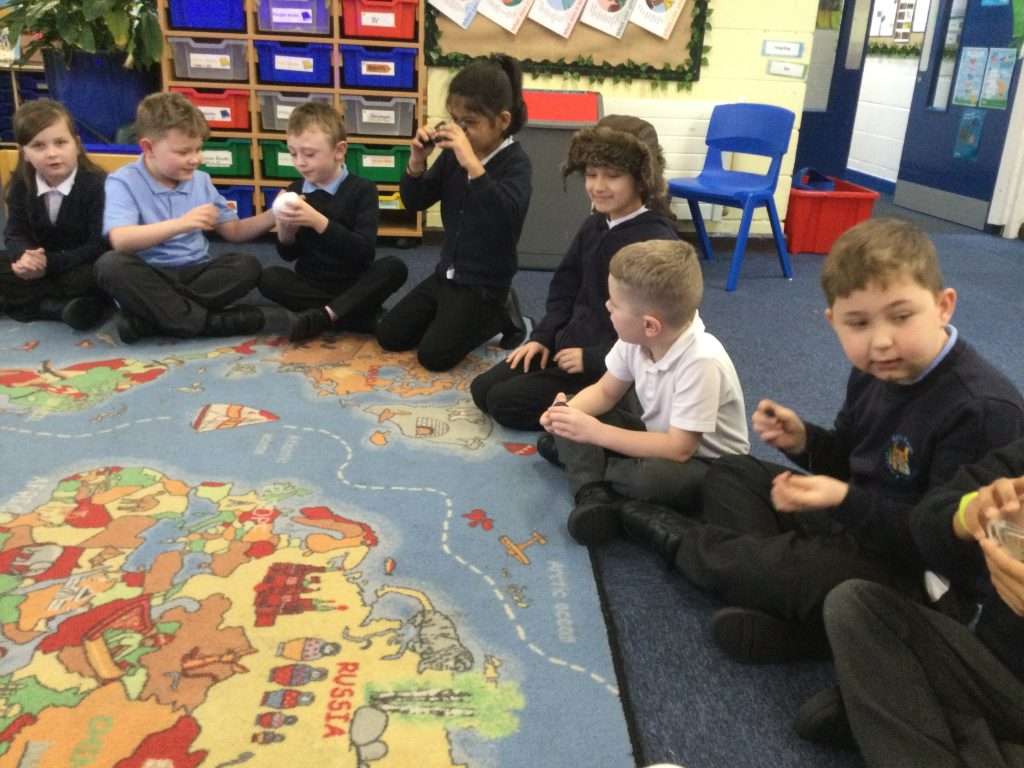
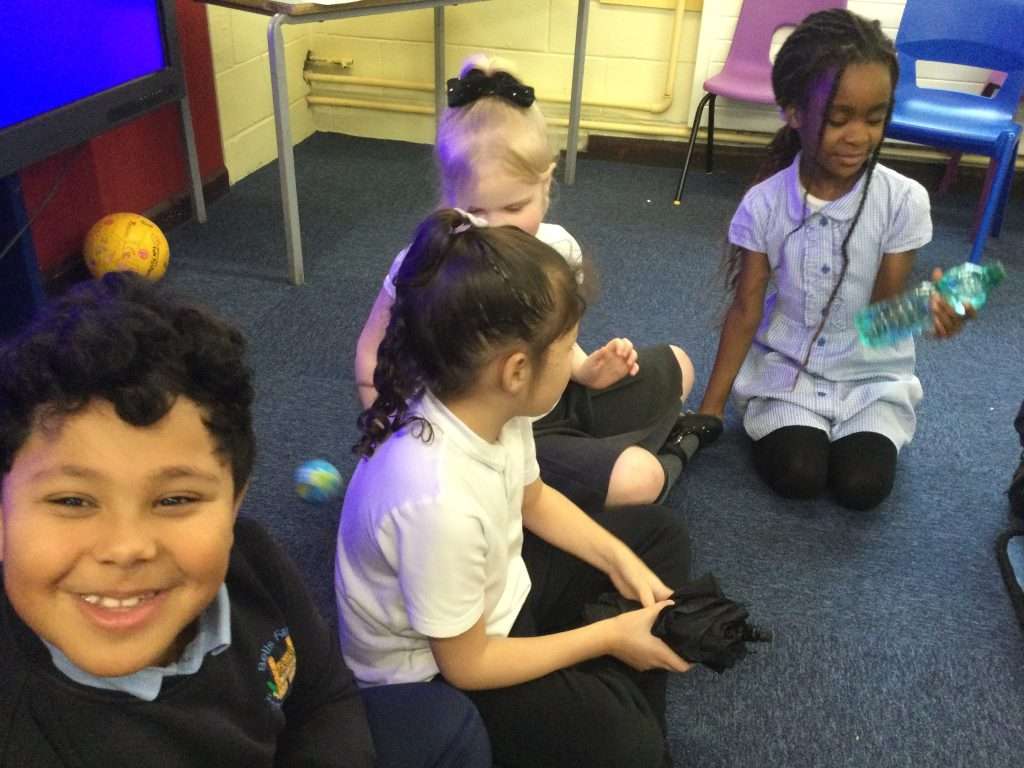
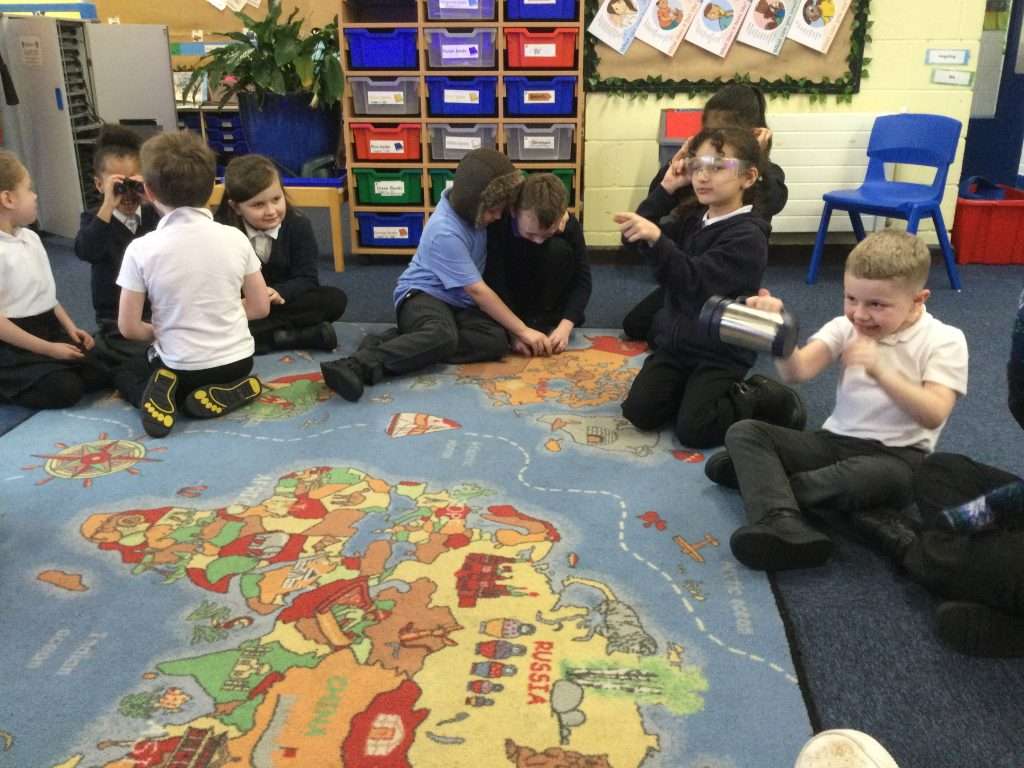
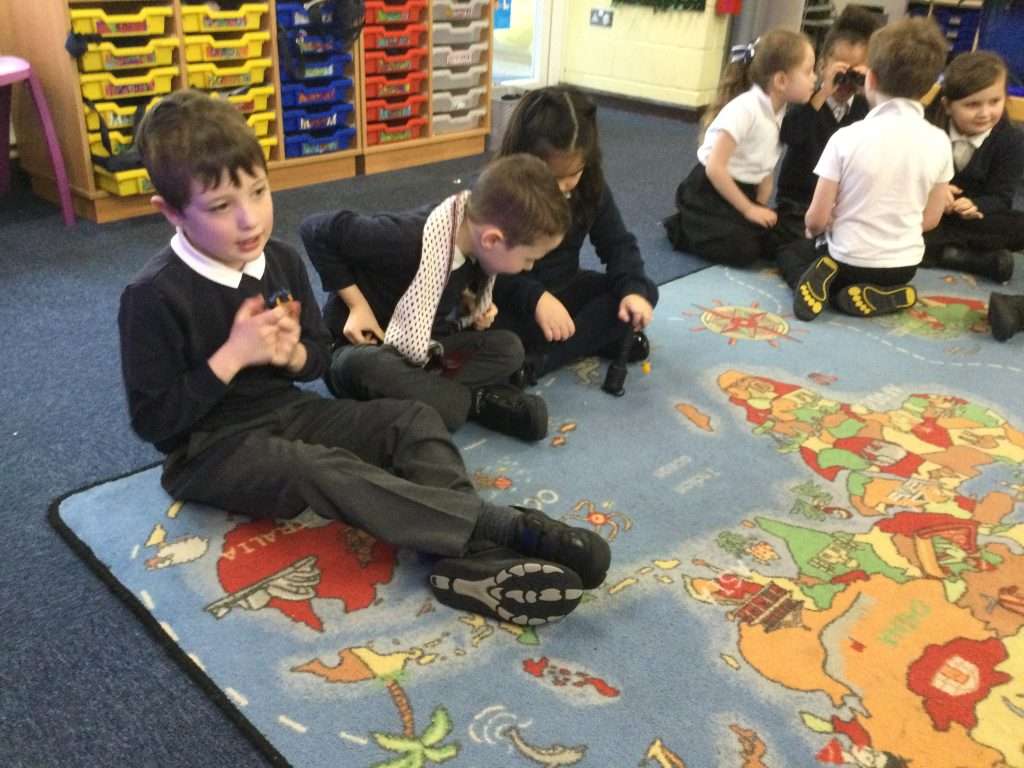
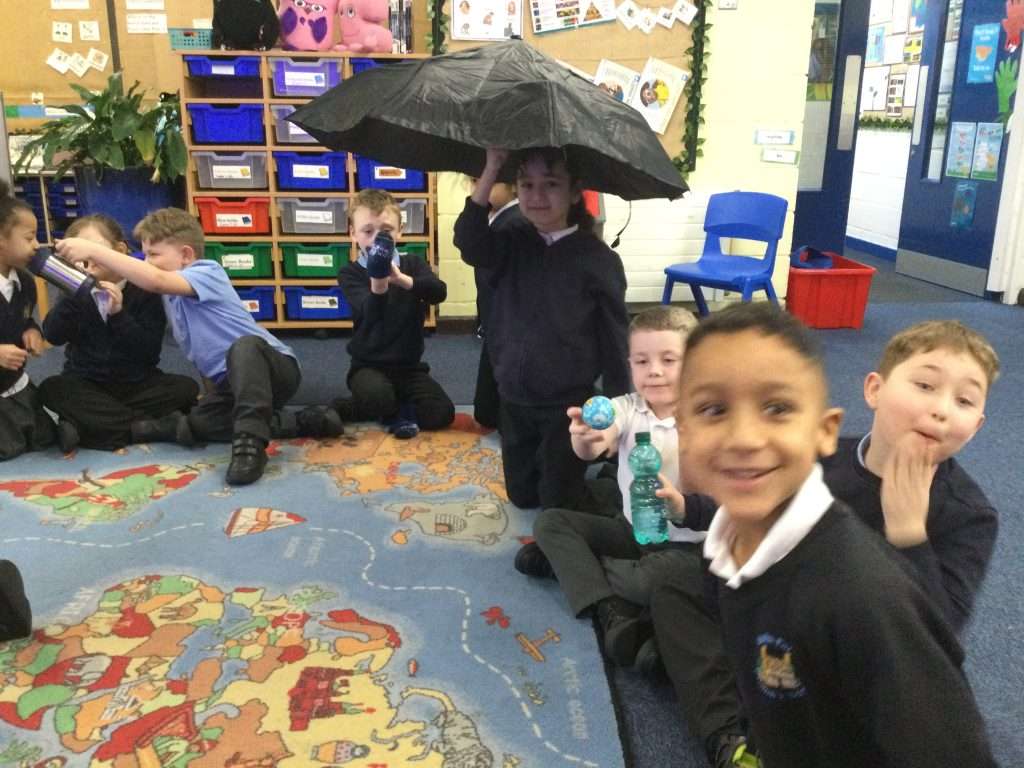
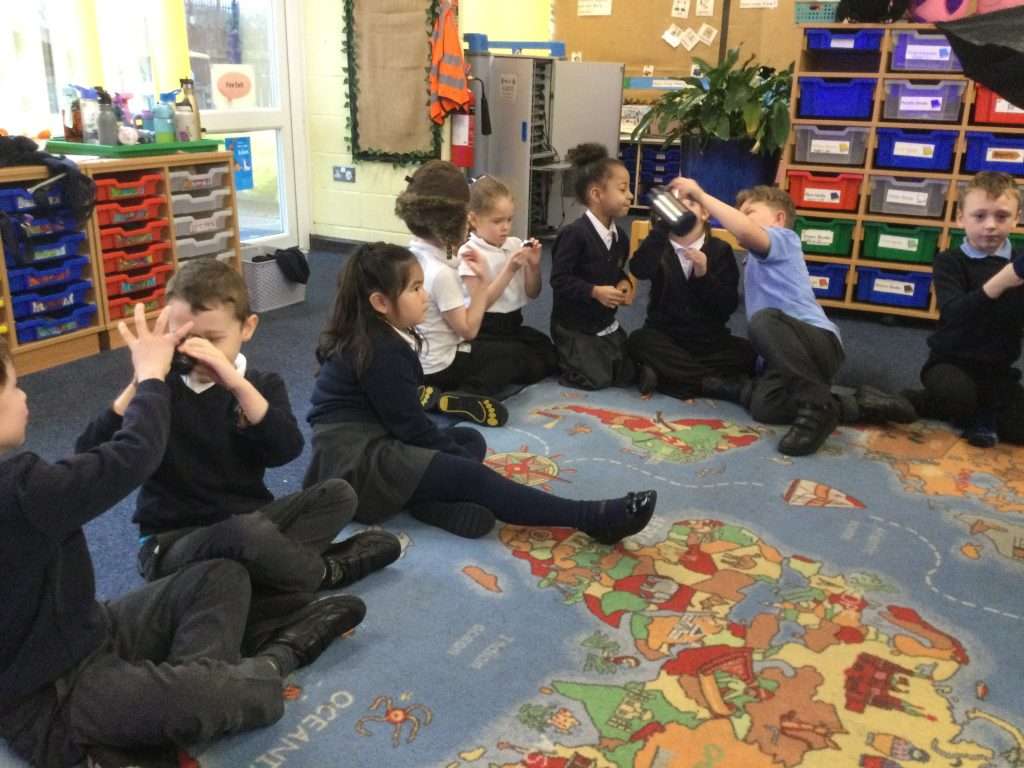
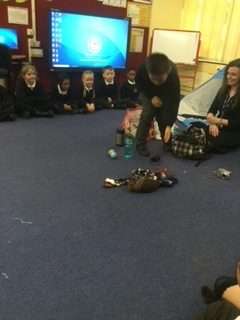
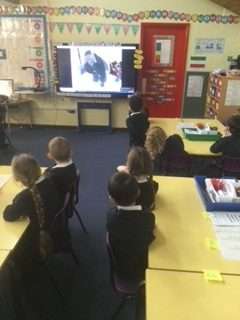
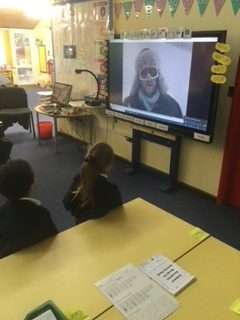
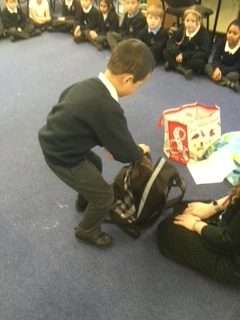
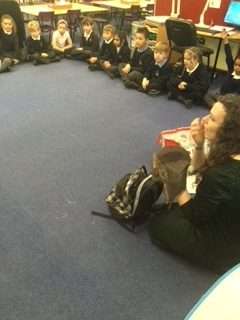
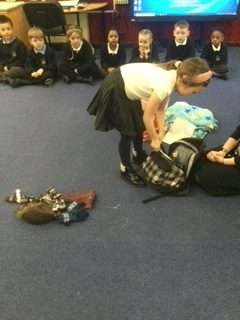
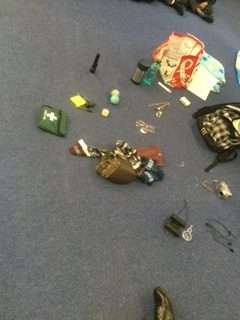
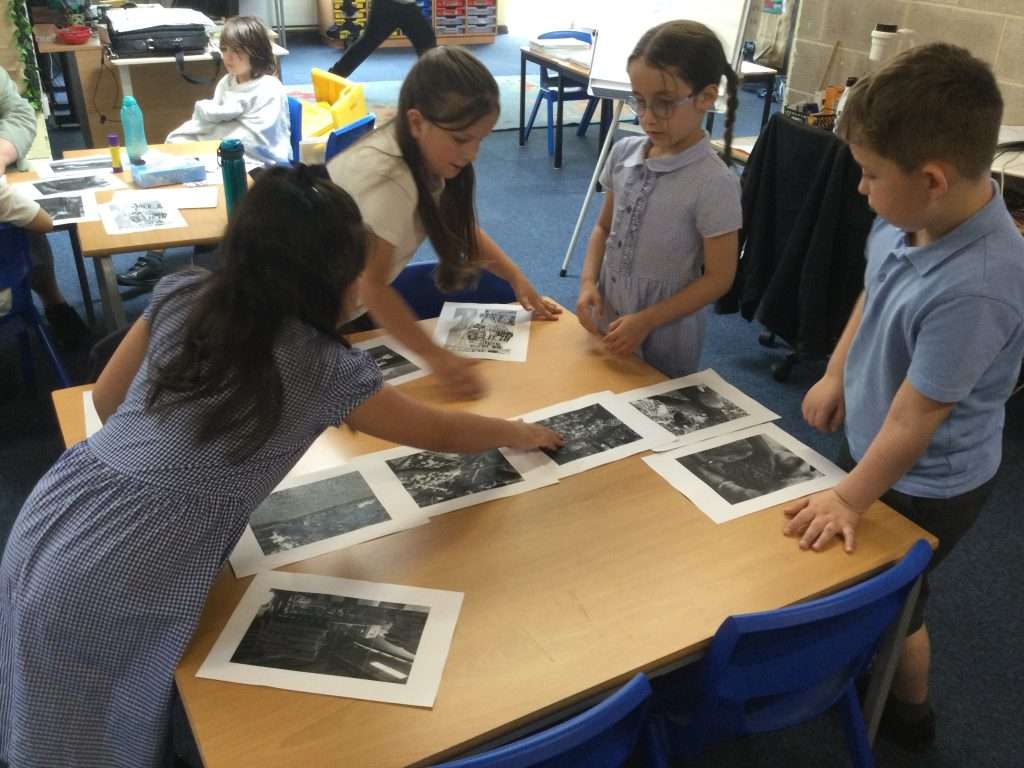
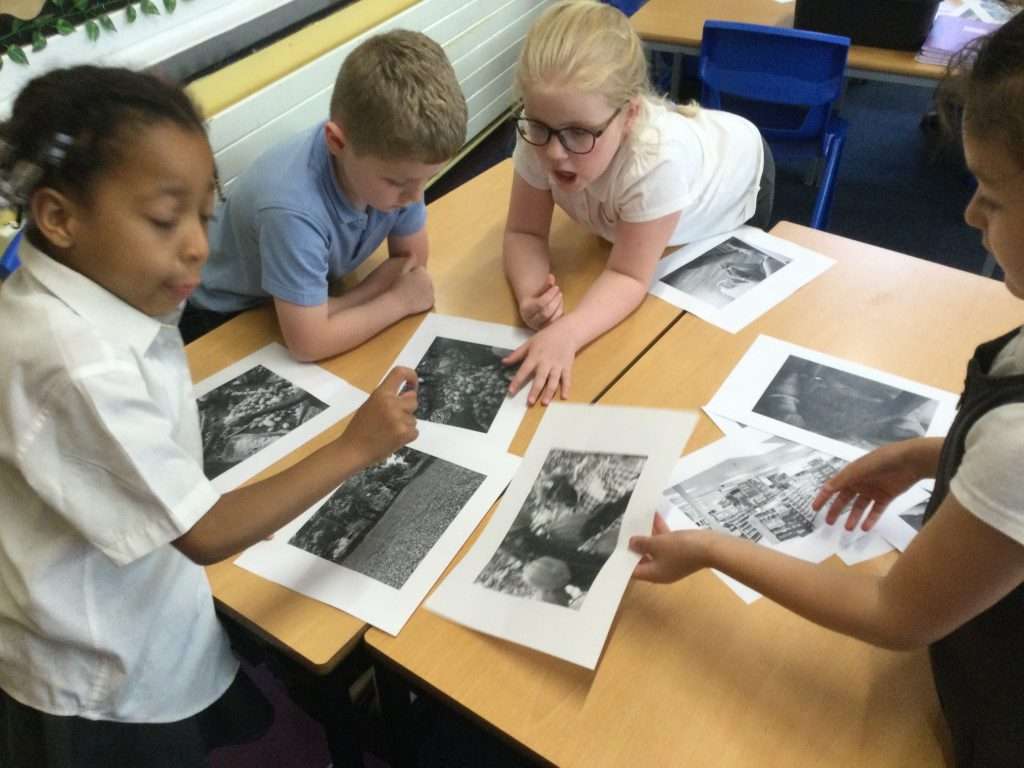
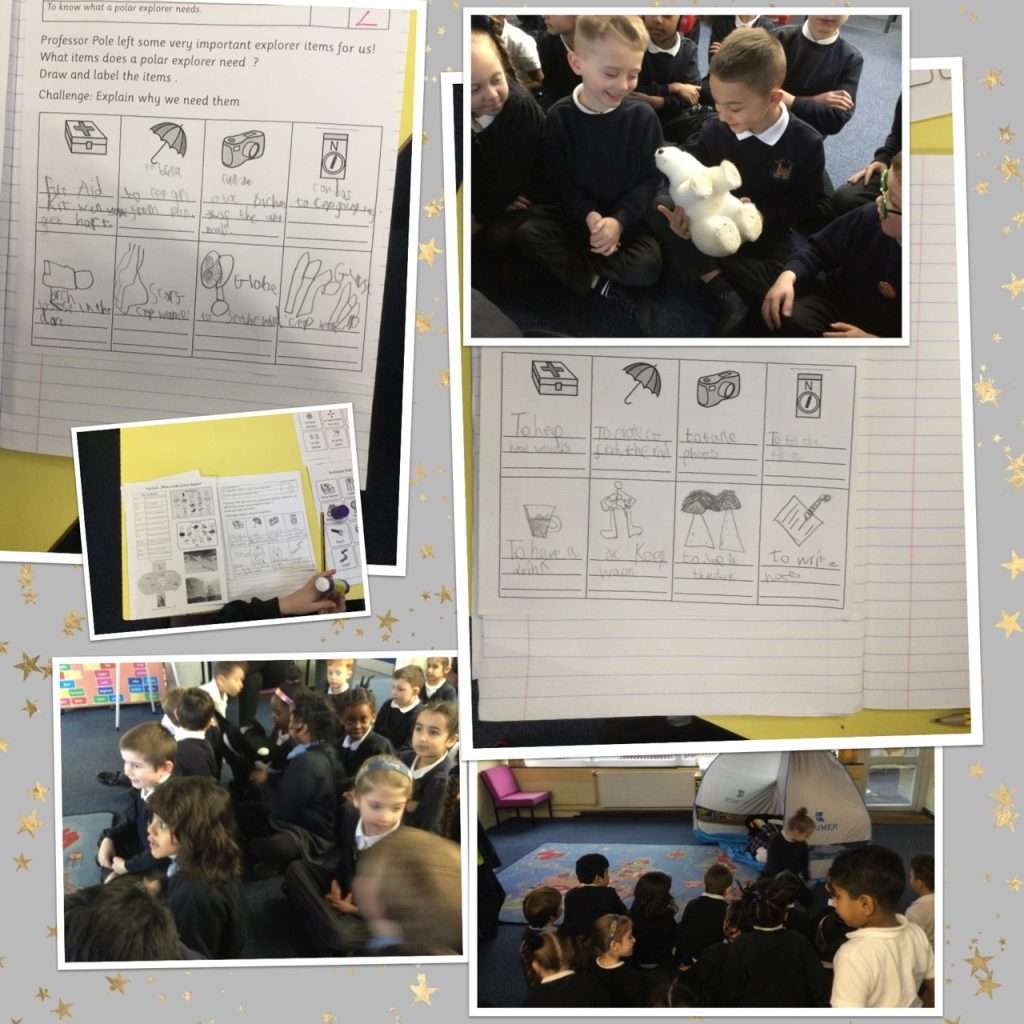
In today’s lesson, we looked at the type of equipment we might need to visit the north pole and why.
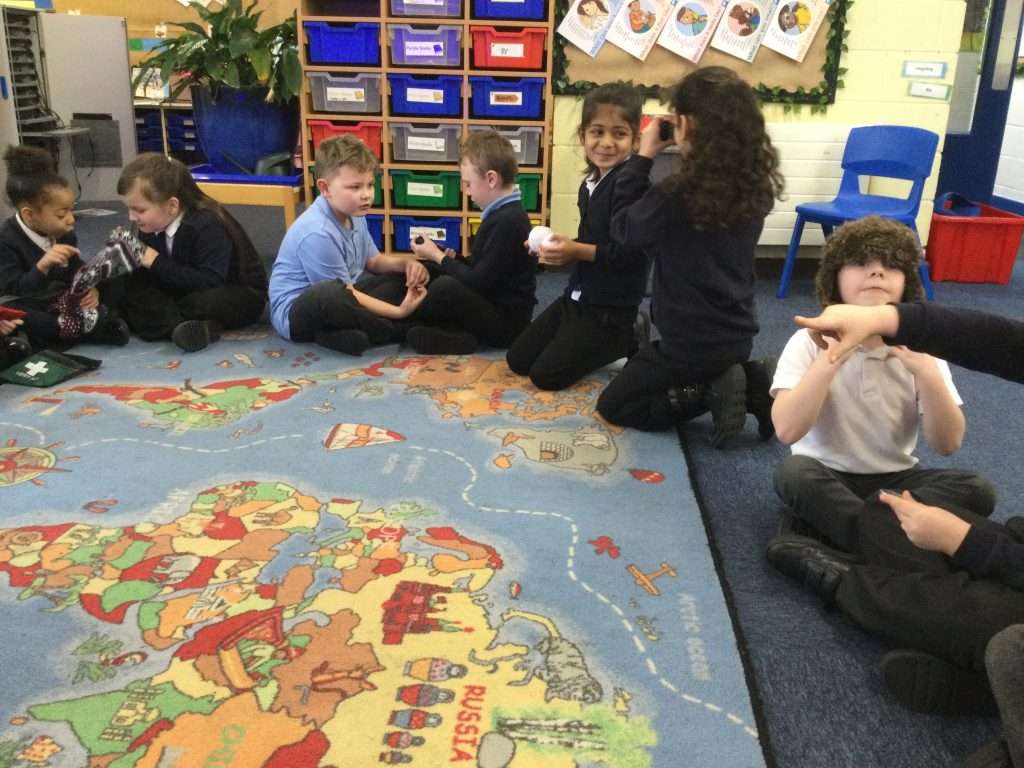
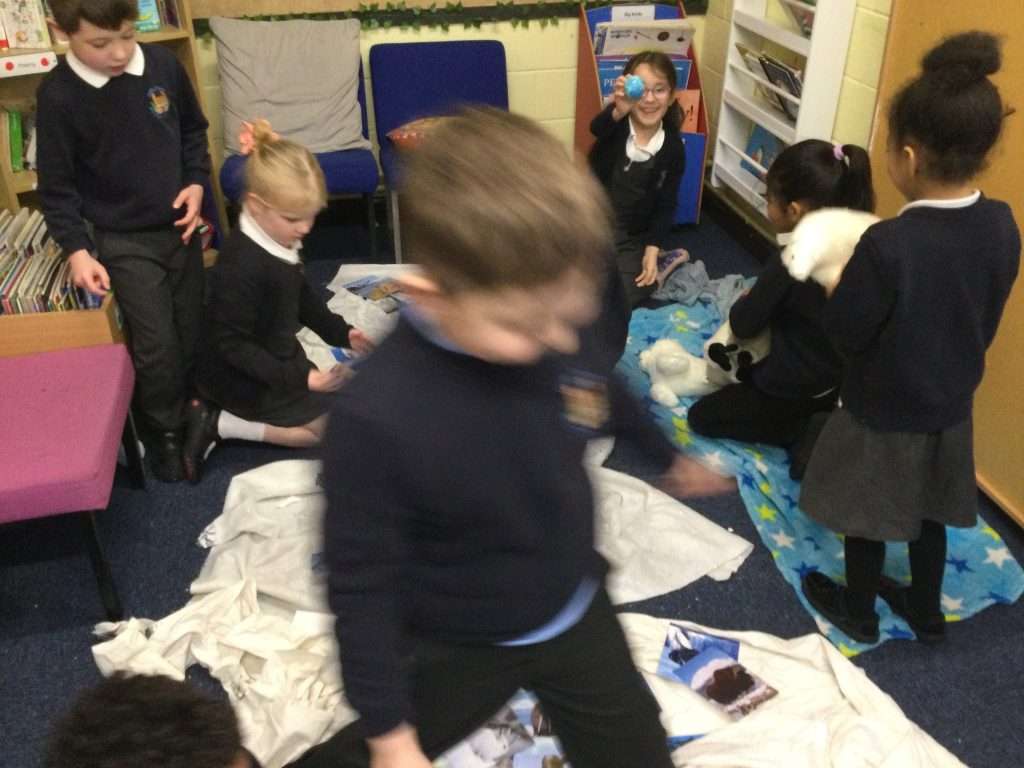
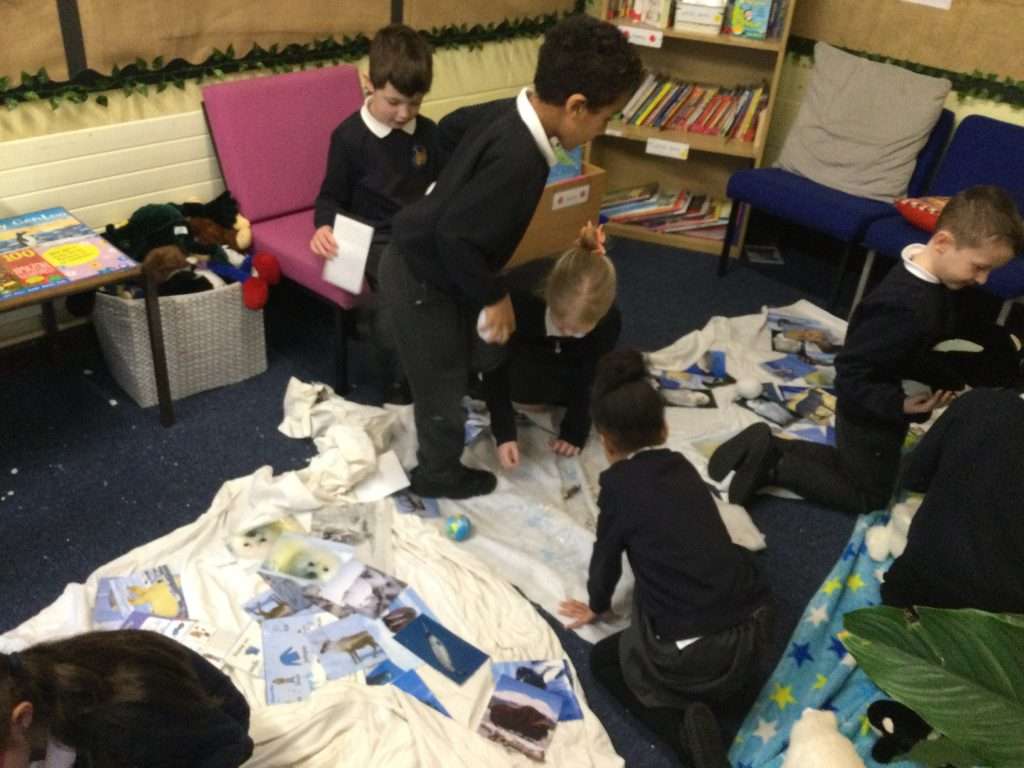
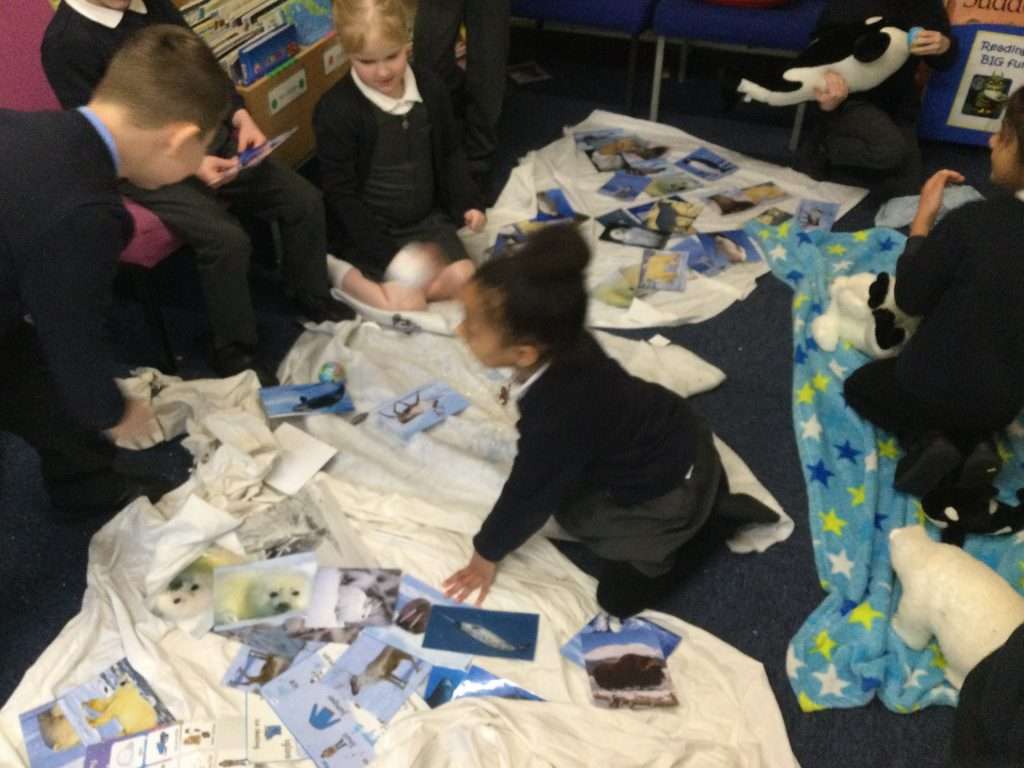
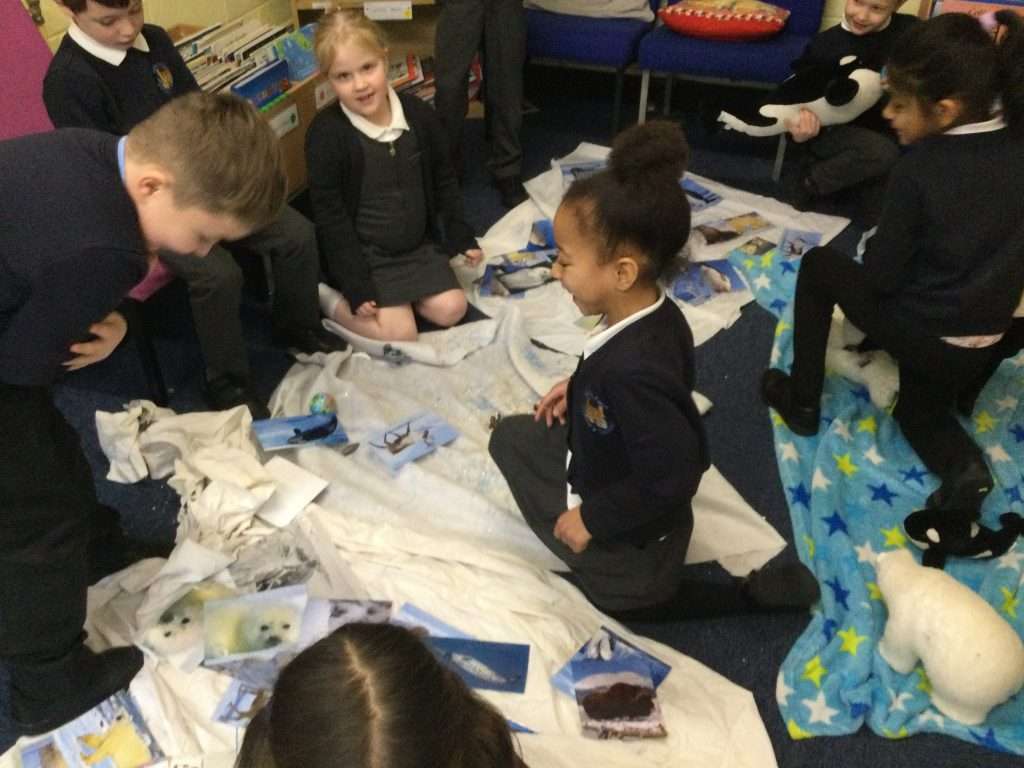
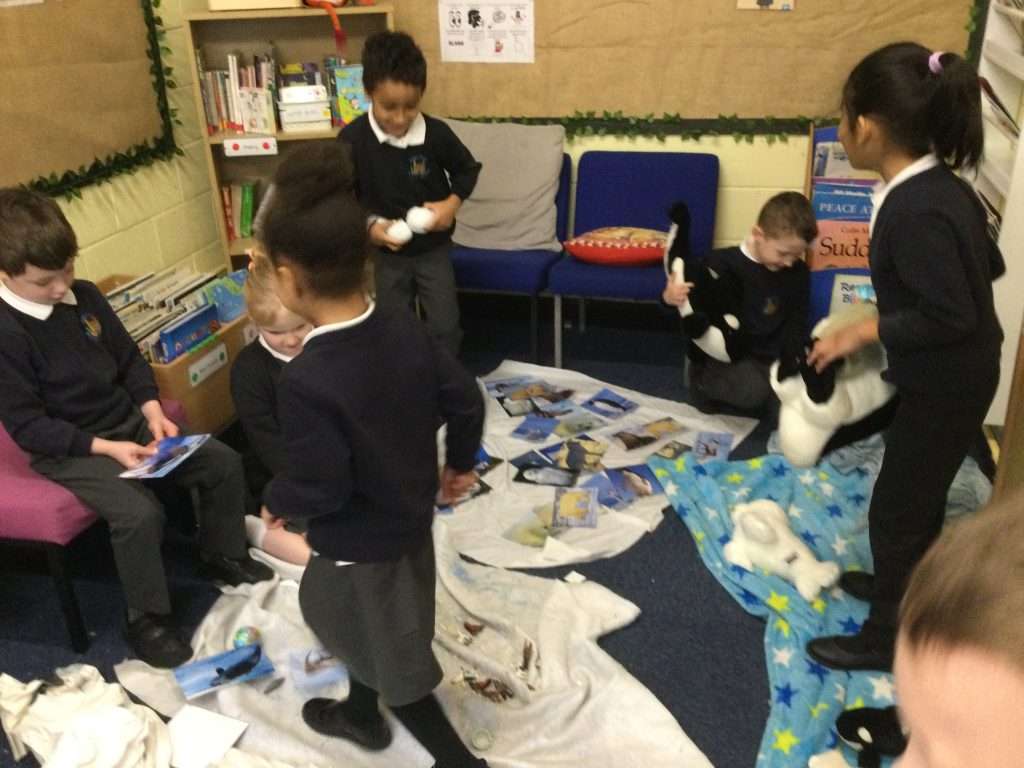
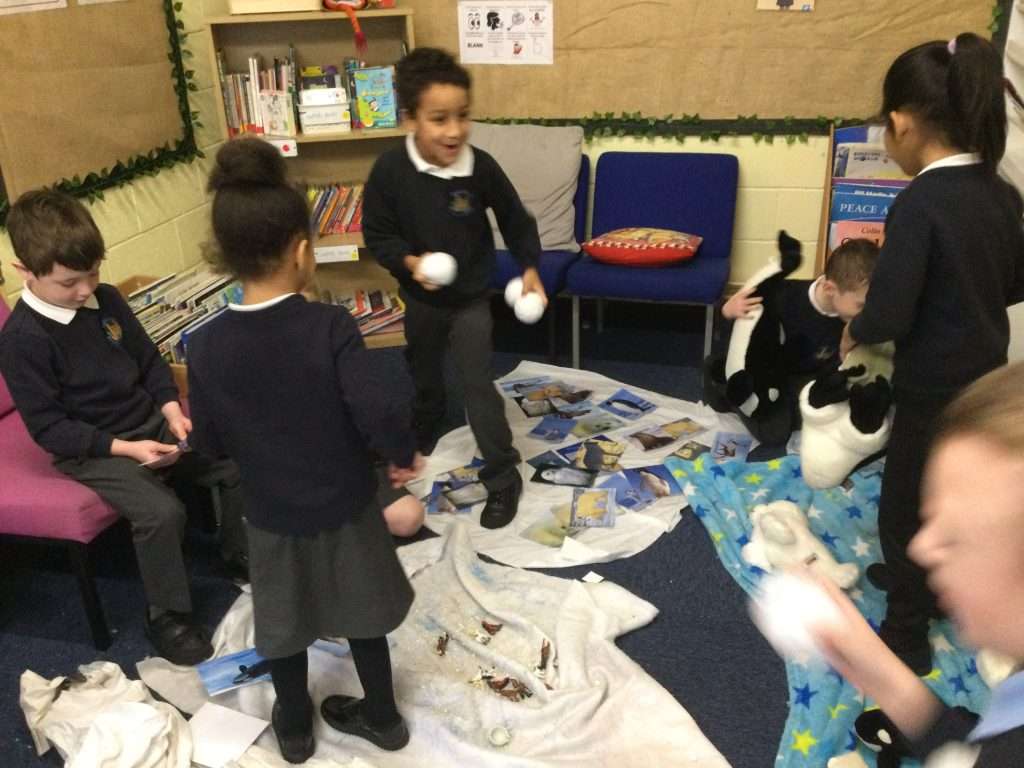
As part of our new Arctic topic for this half term, the children explored a range of toys an activities that are linked to our new topic.
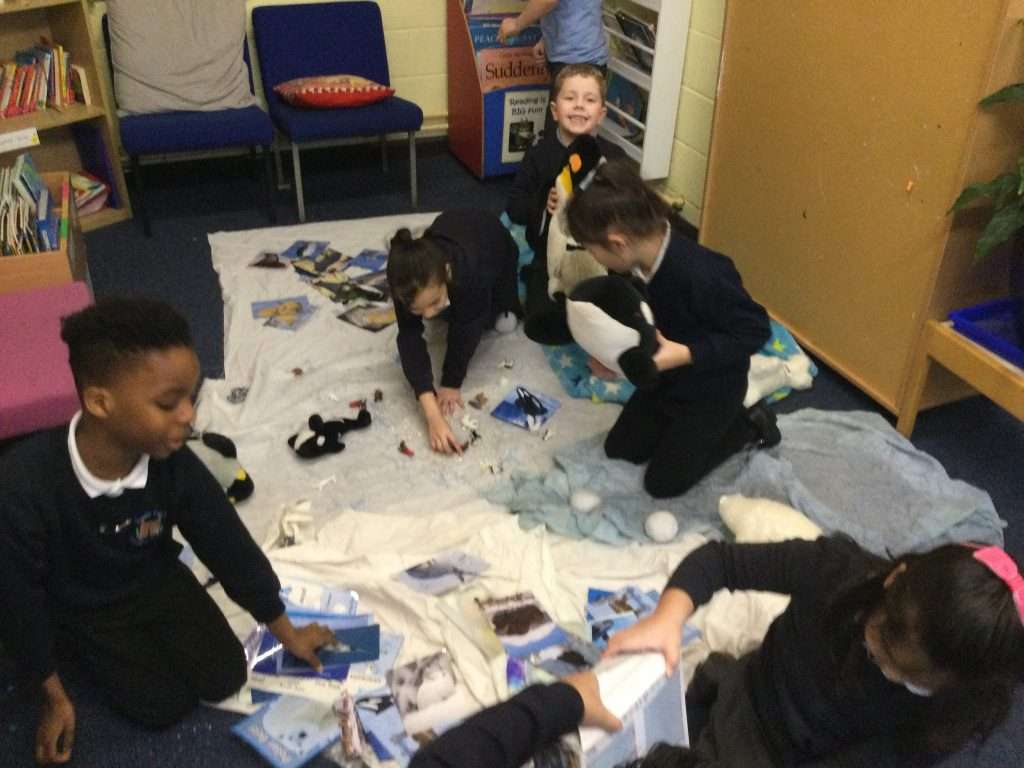
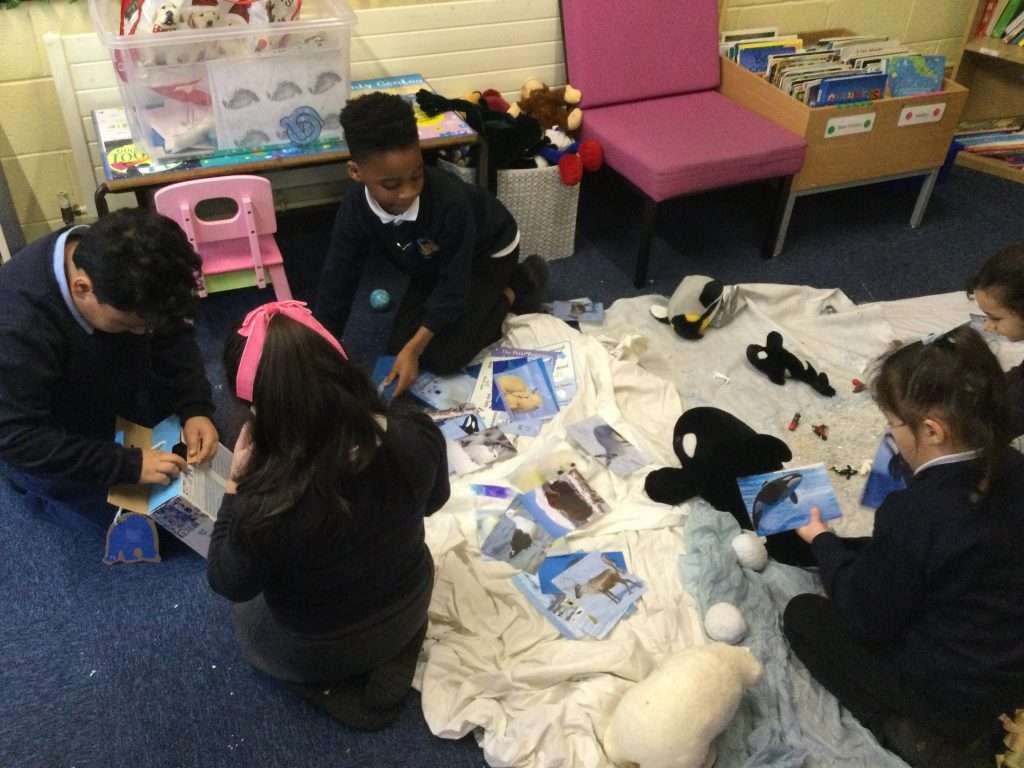
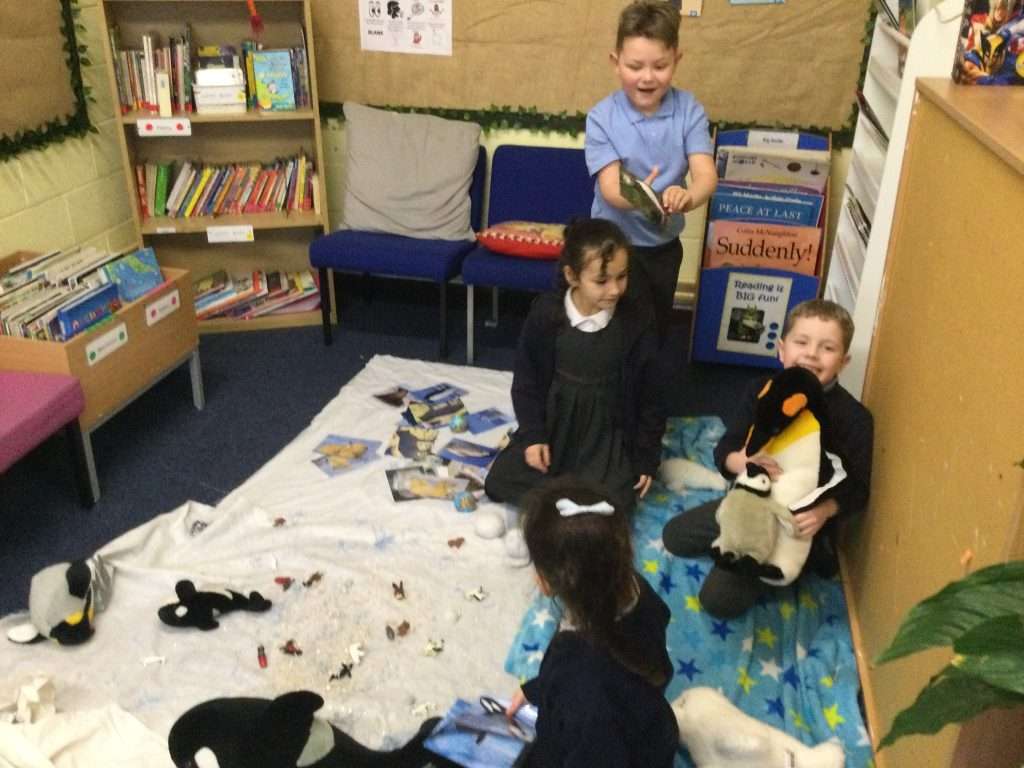
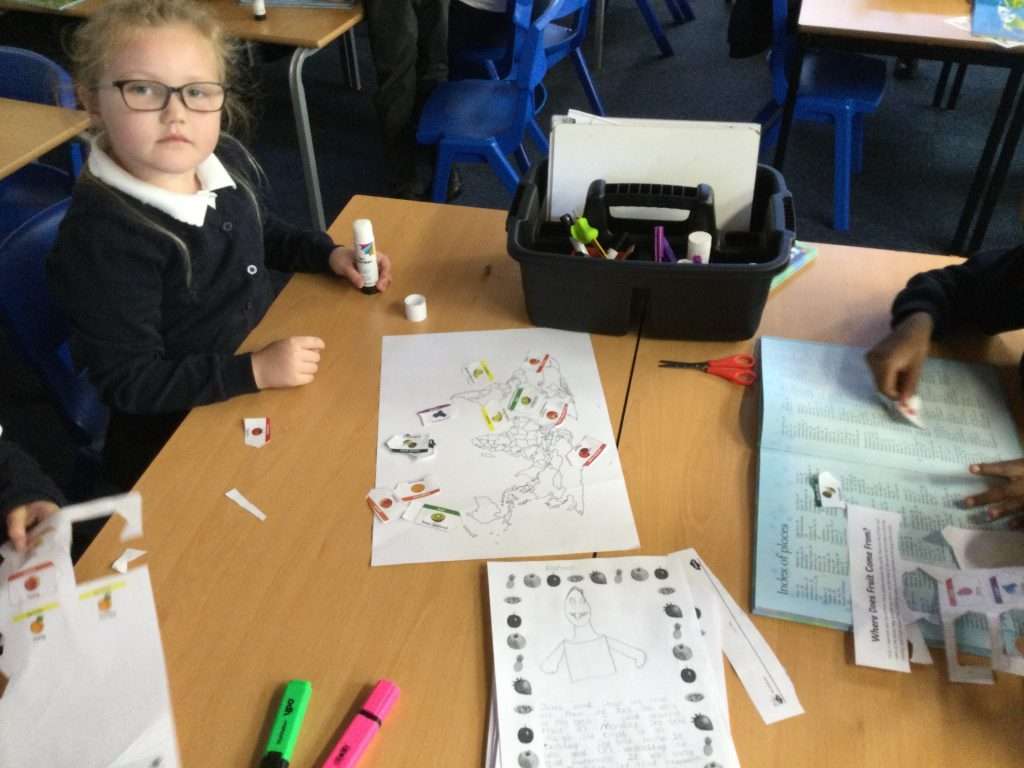
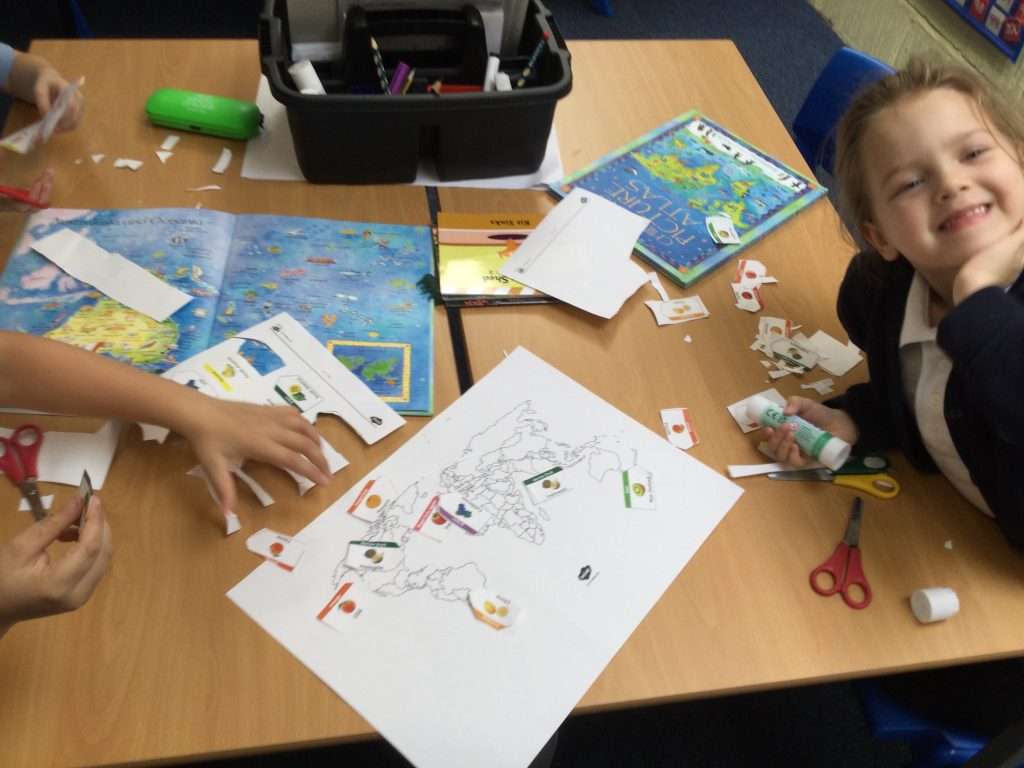
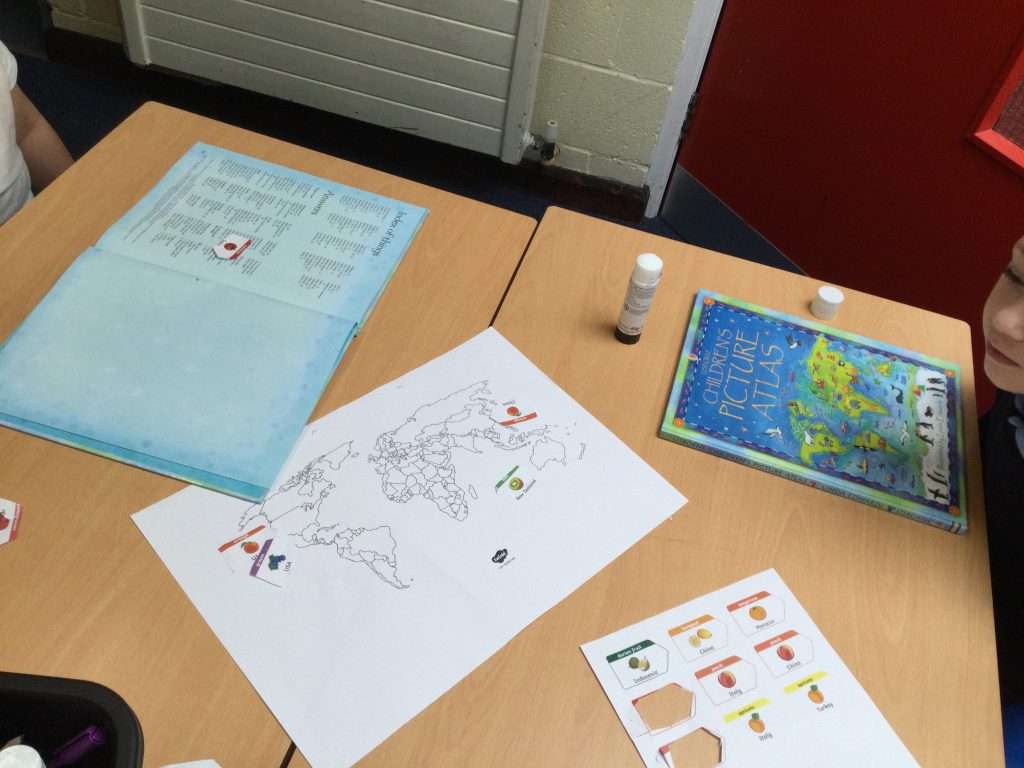
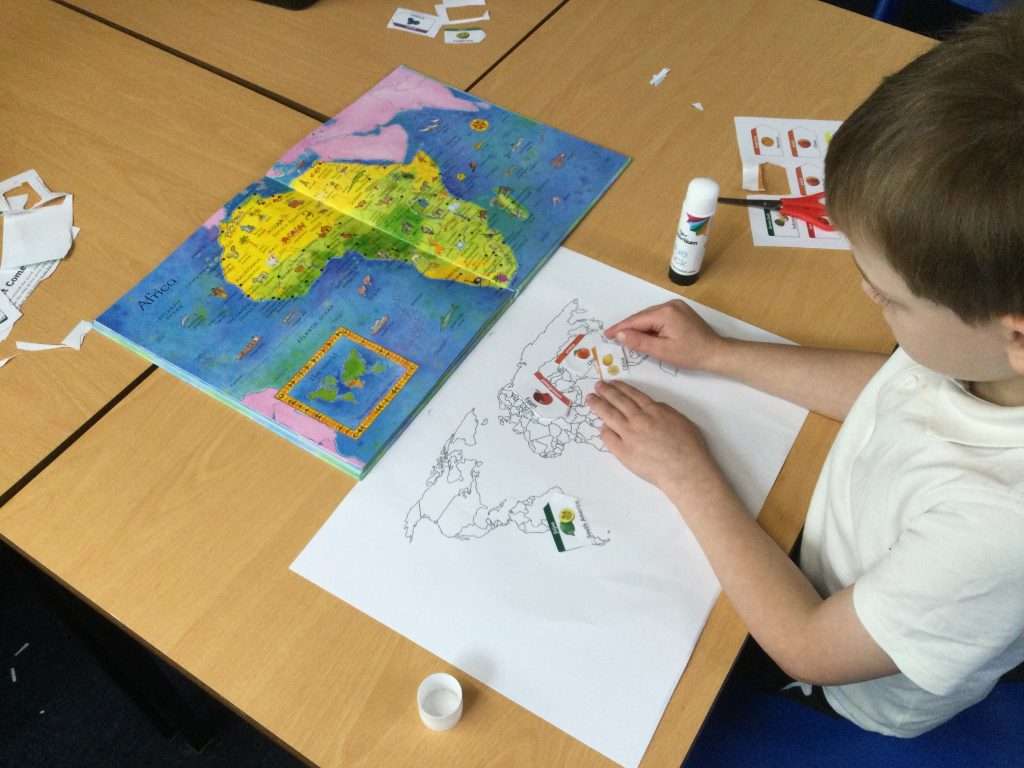
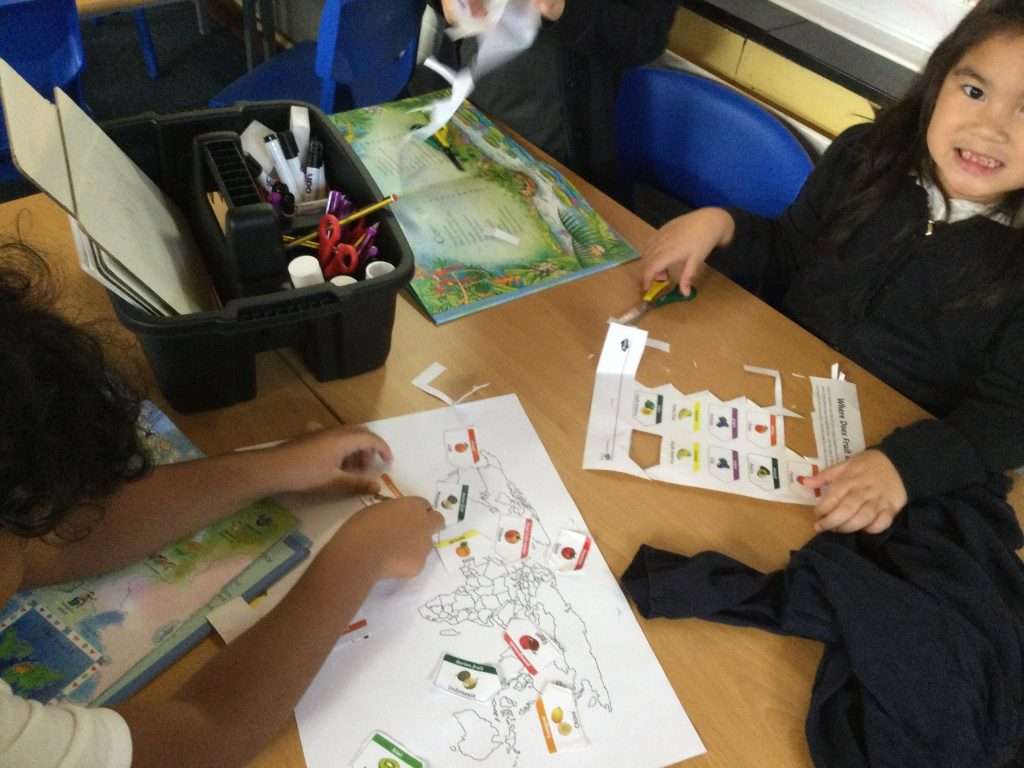
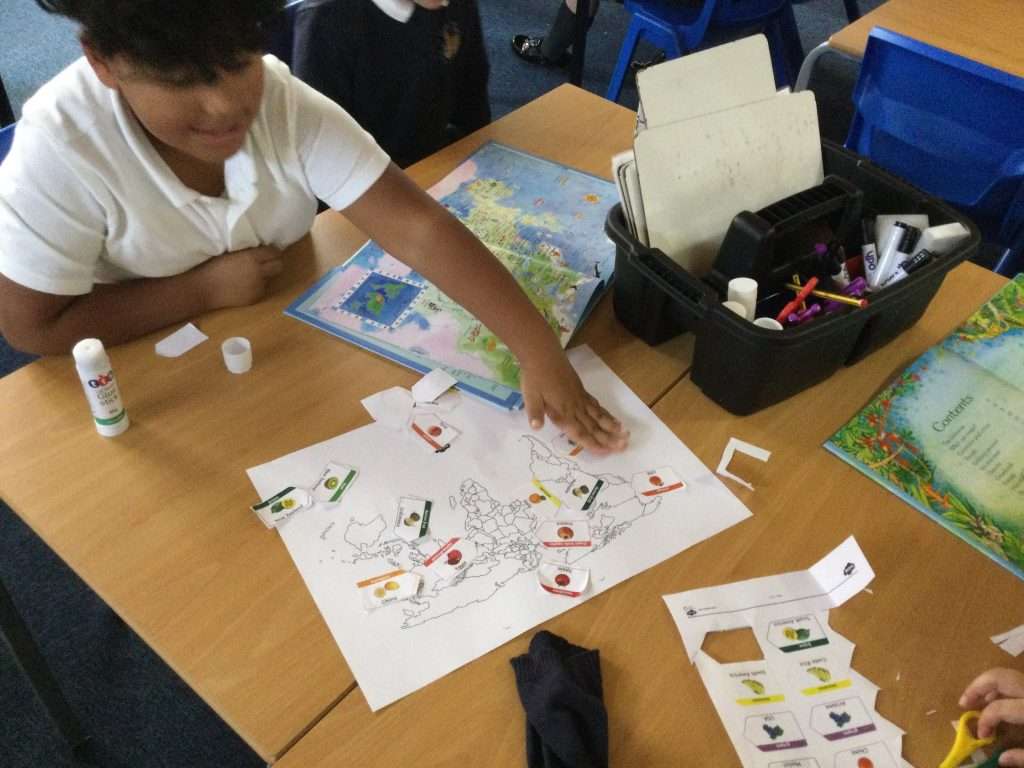
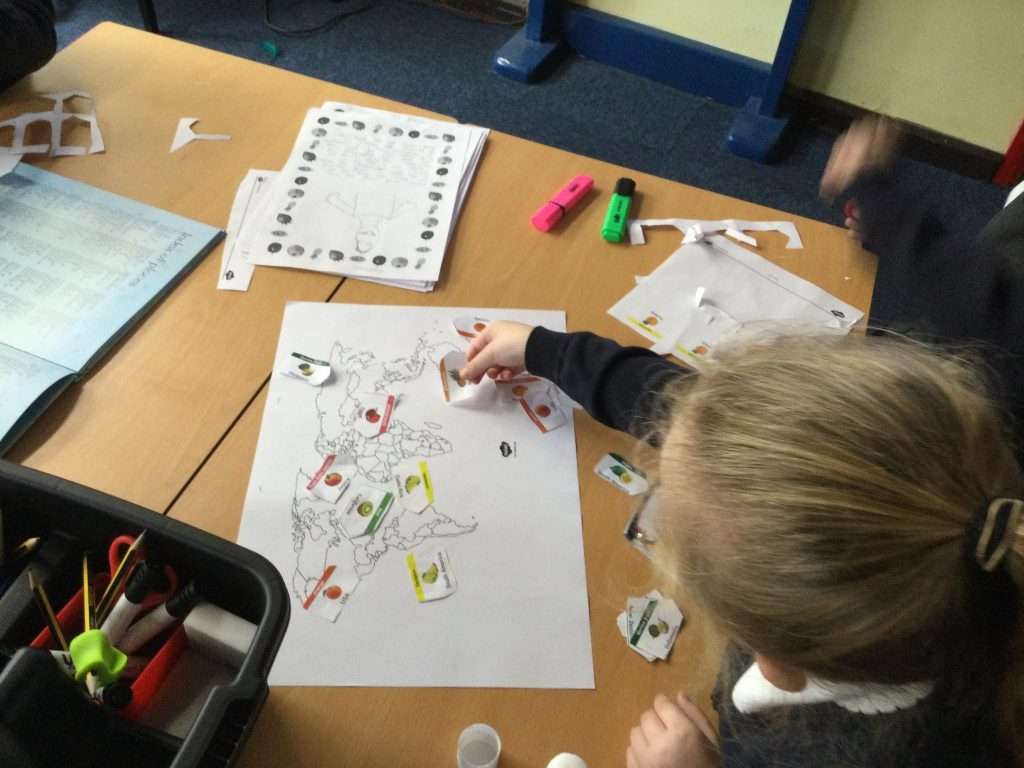
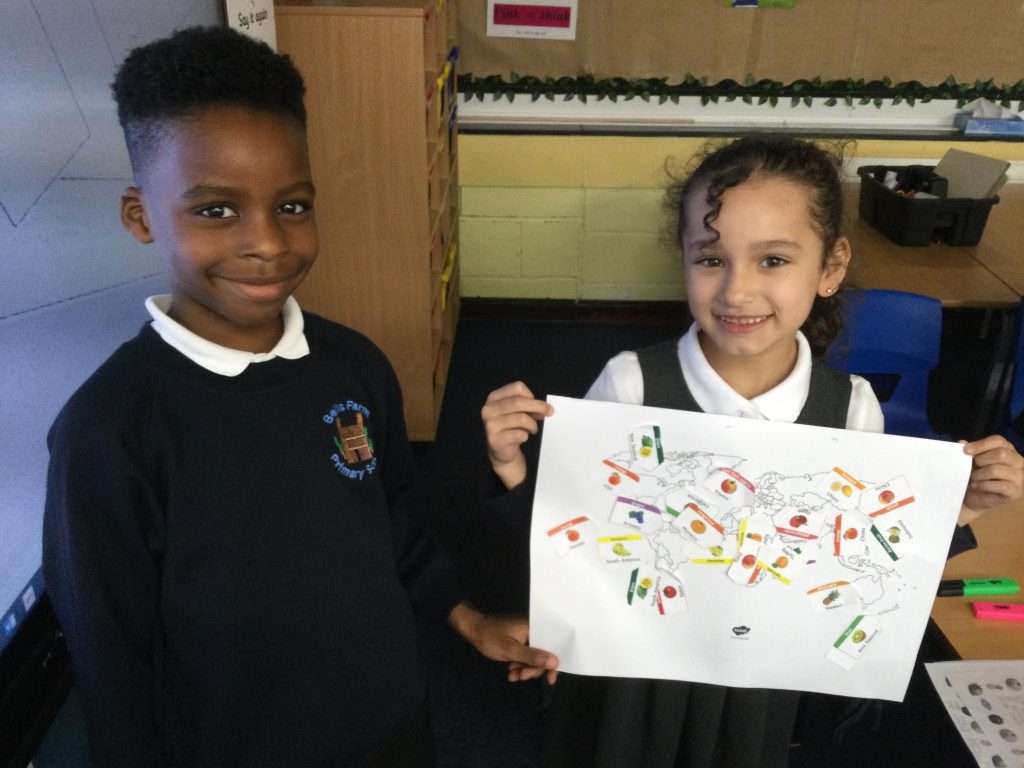
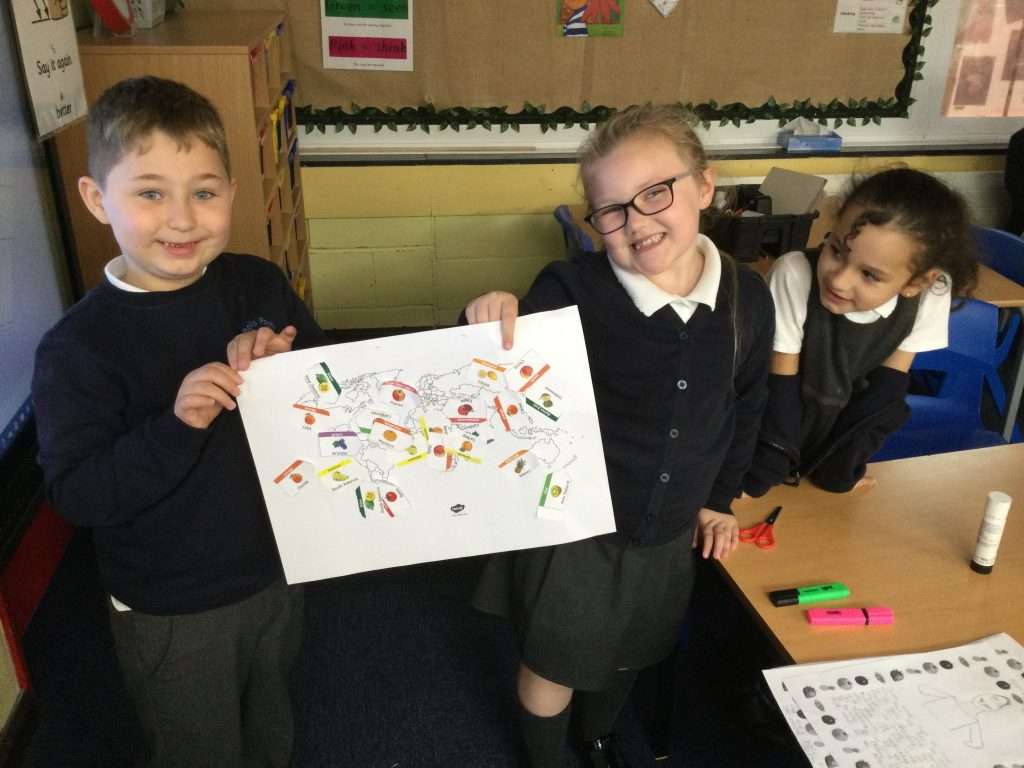
During today’s geography lesson, Toucans explored where in the world food comes from.
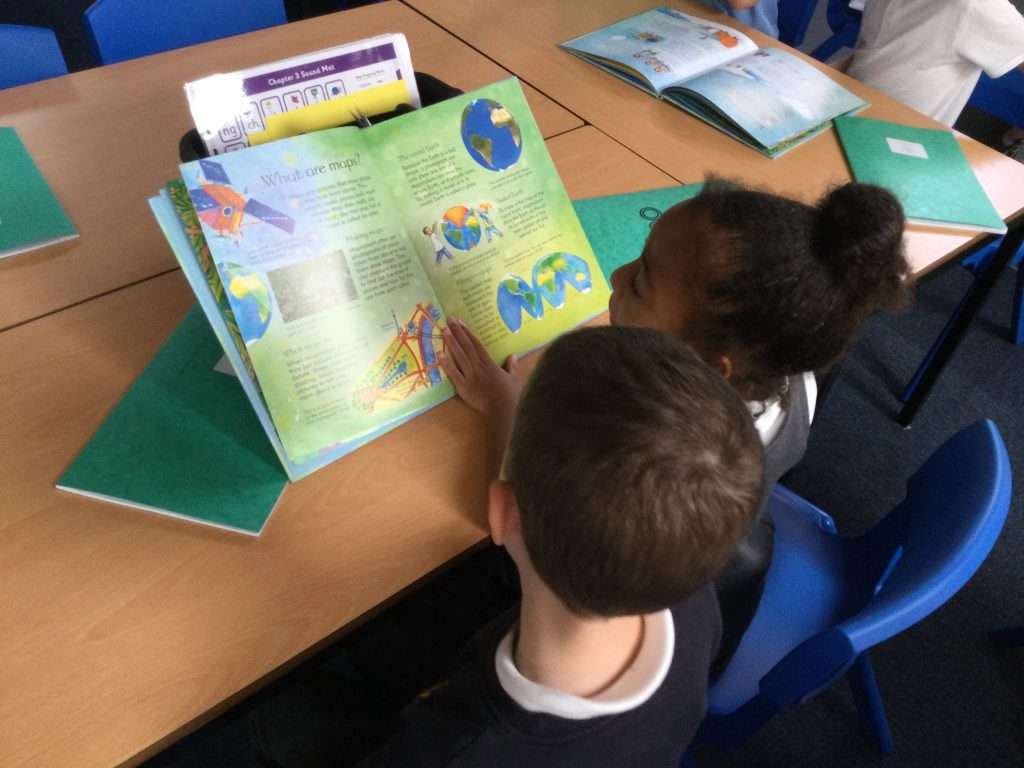
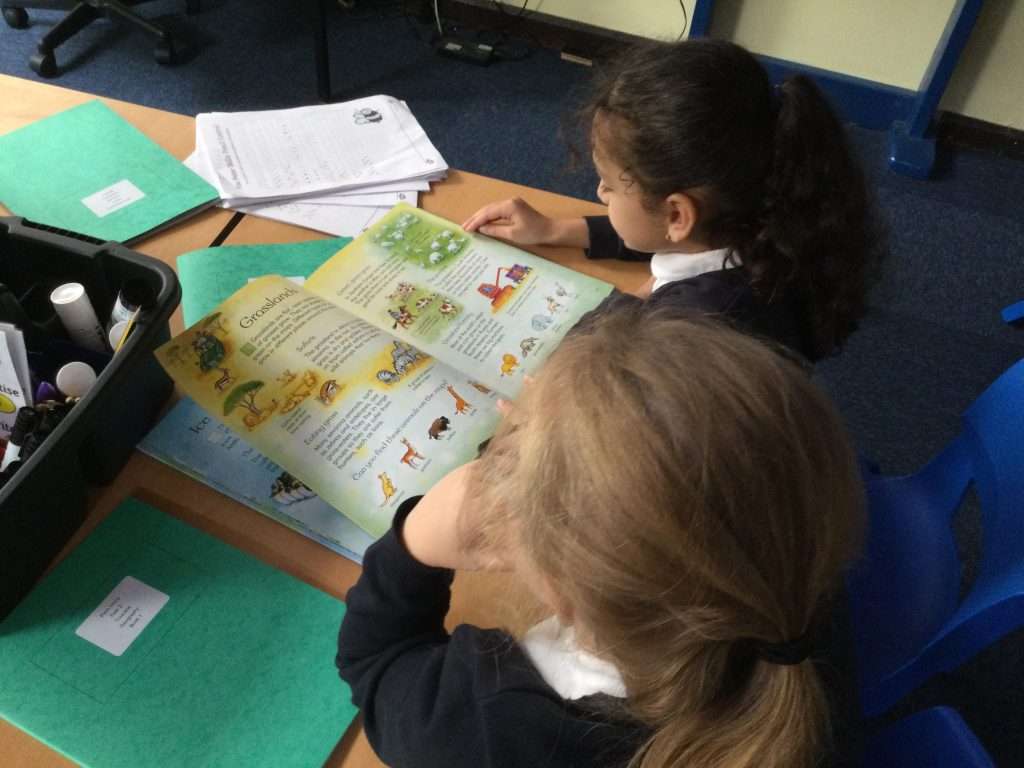
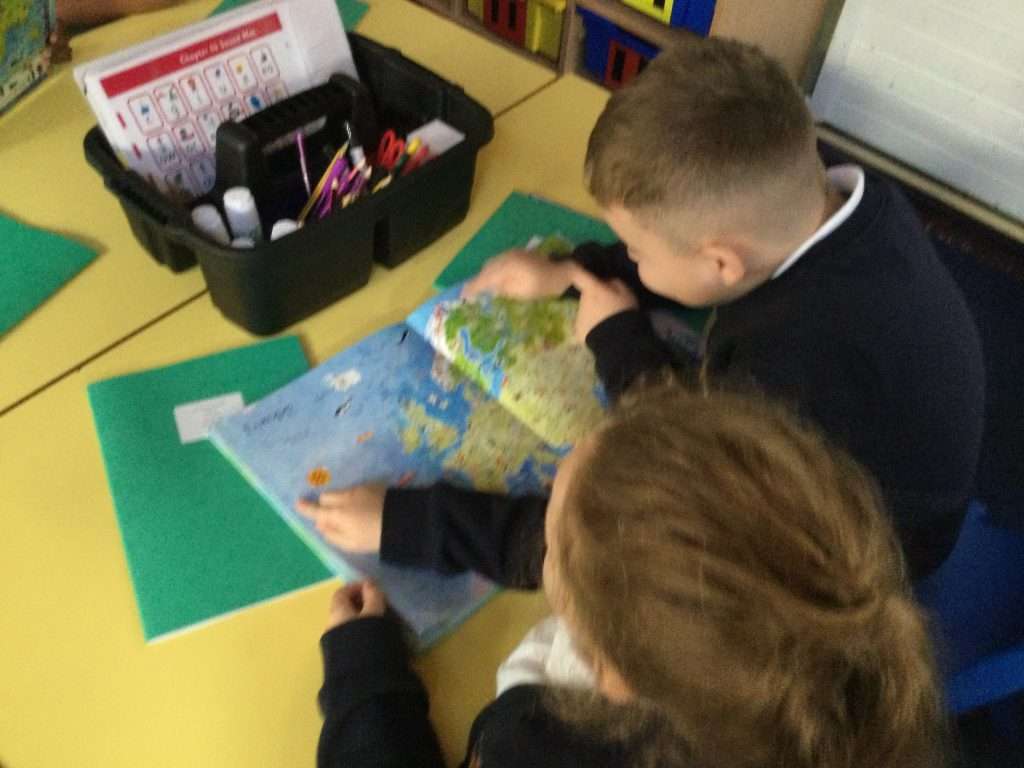
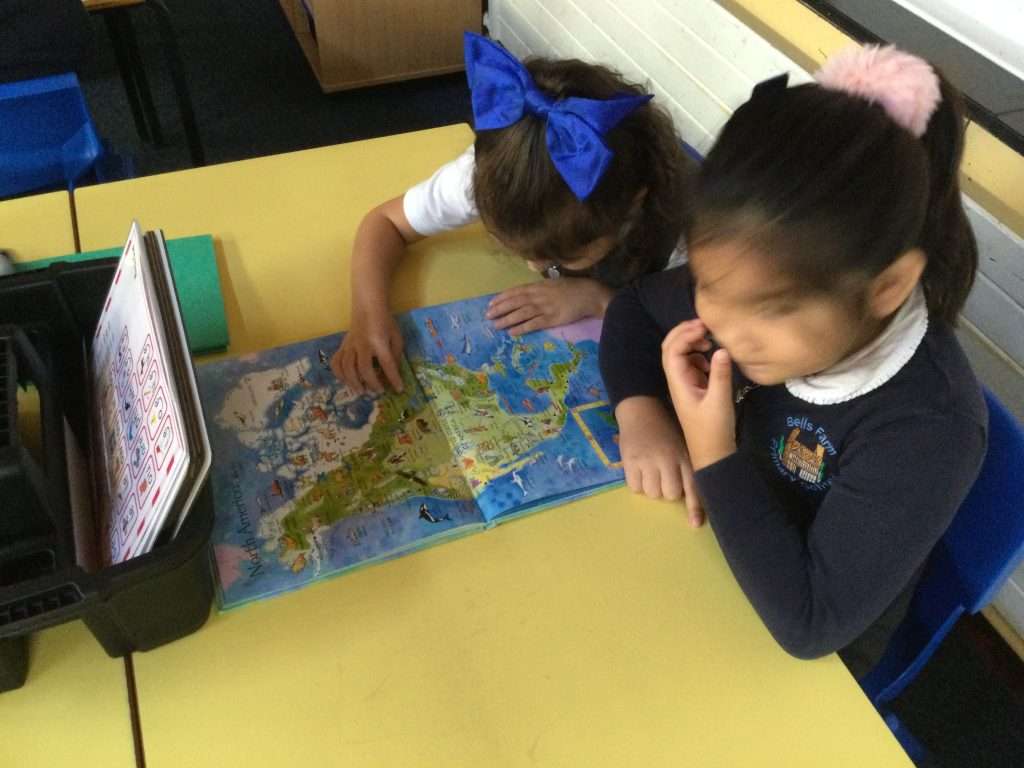
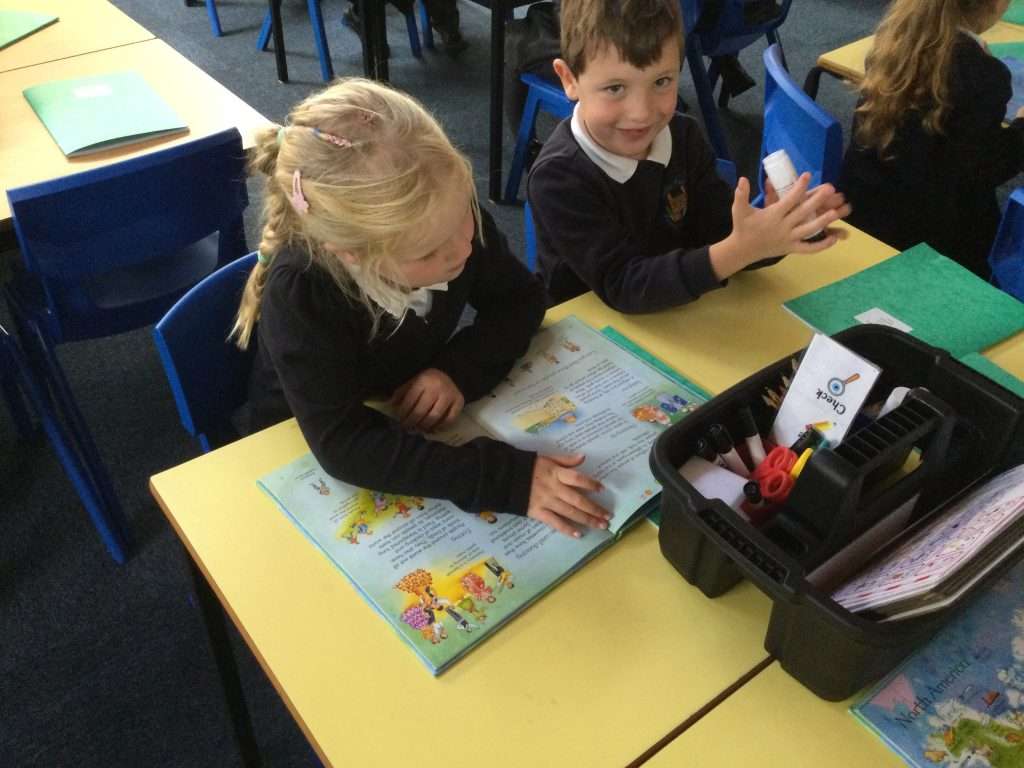
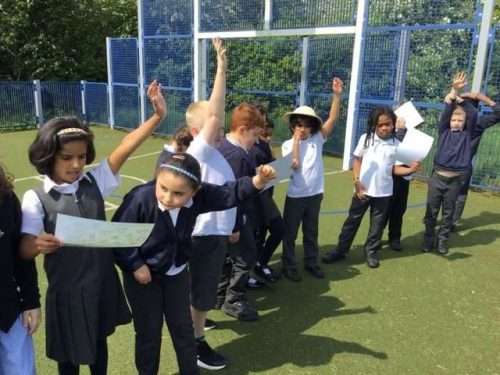
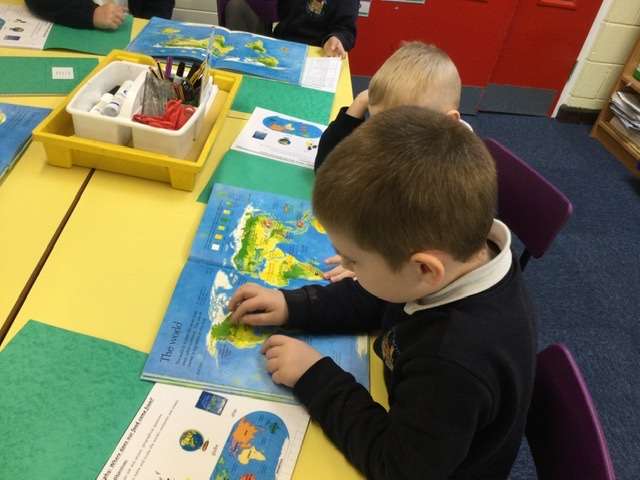
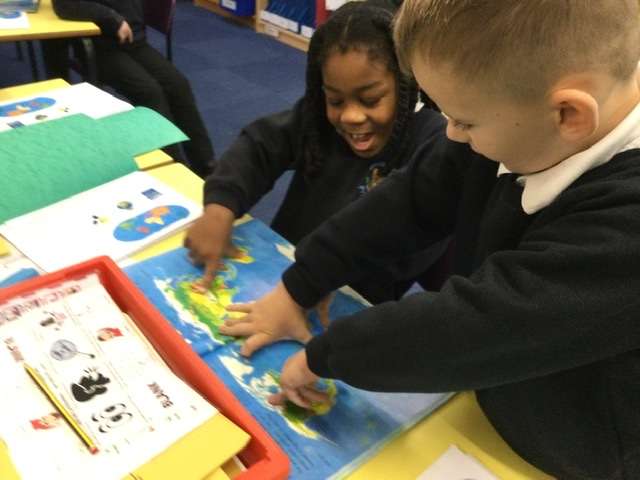
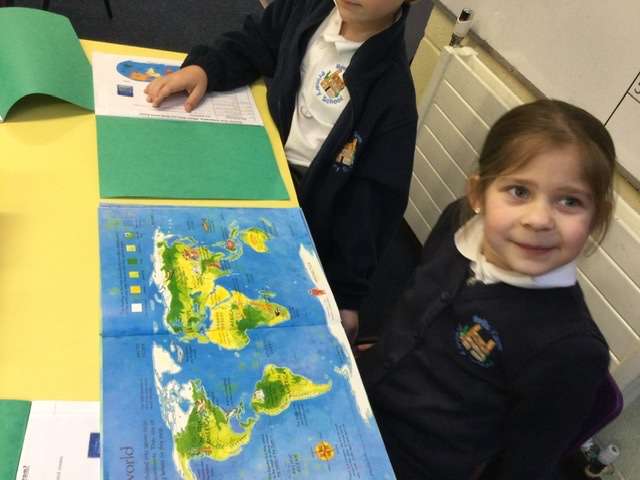
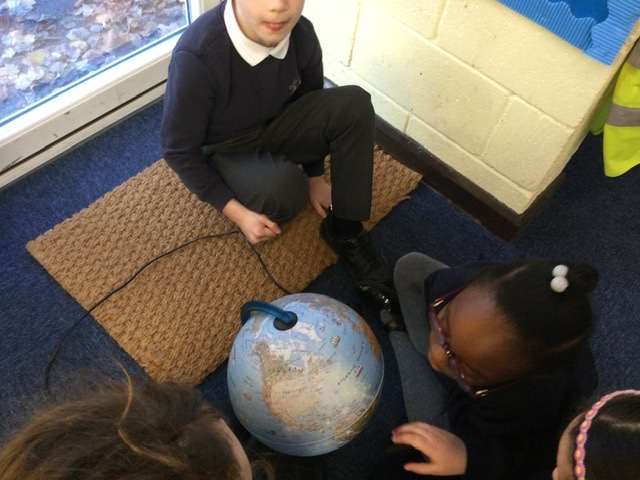
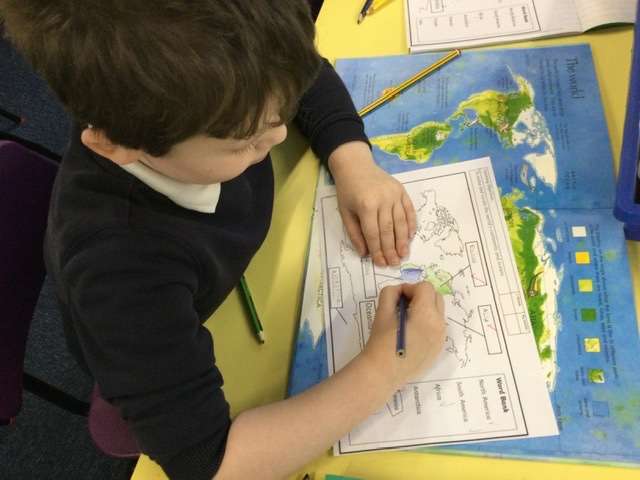
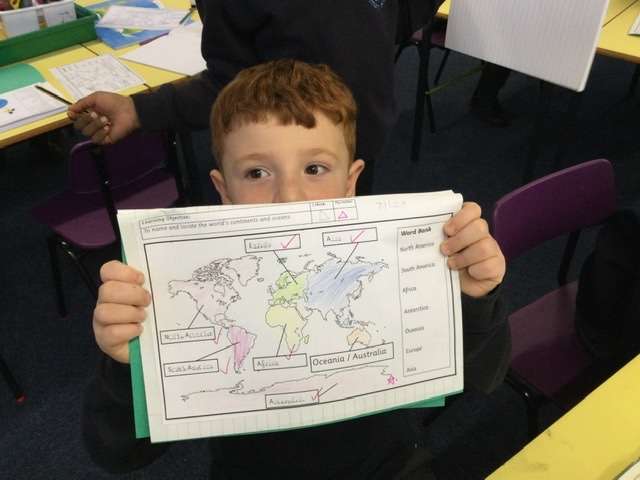
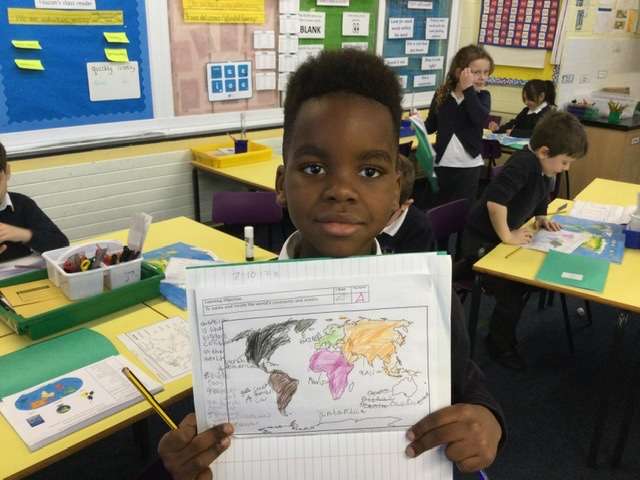
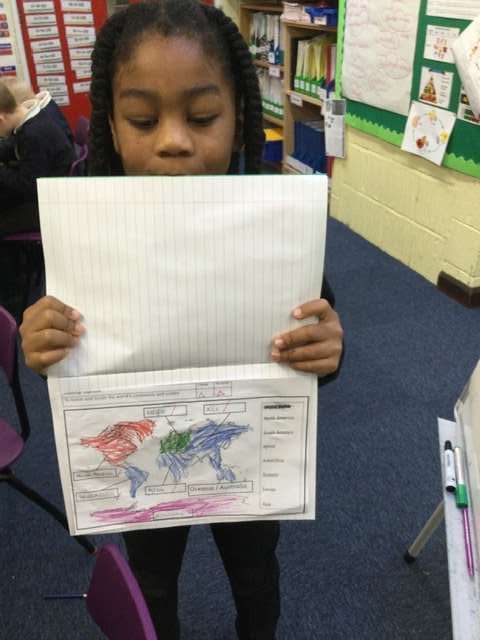
During today’s Geography lesson, Toucans were using atlases to name and locate the world’s continents.
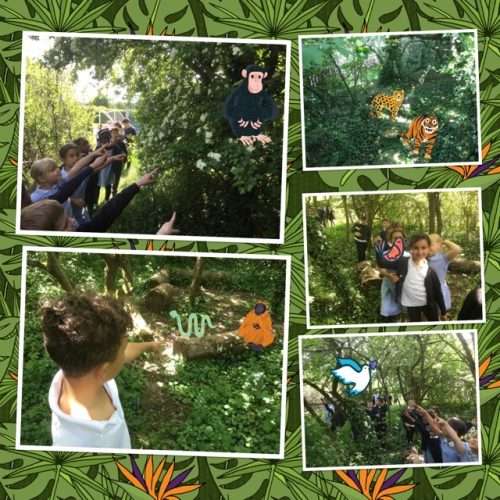
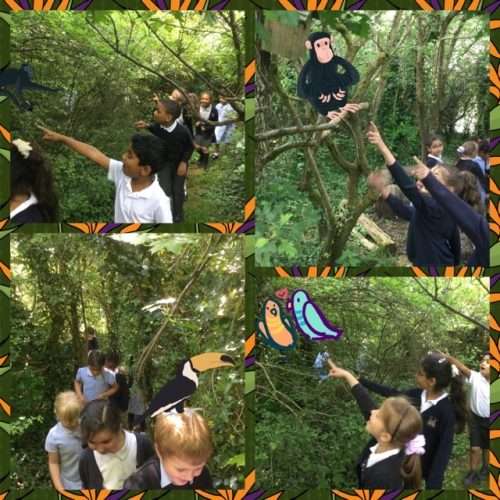
What better than to inspire our English writing and Geography with a rainforest walk!
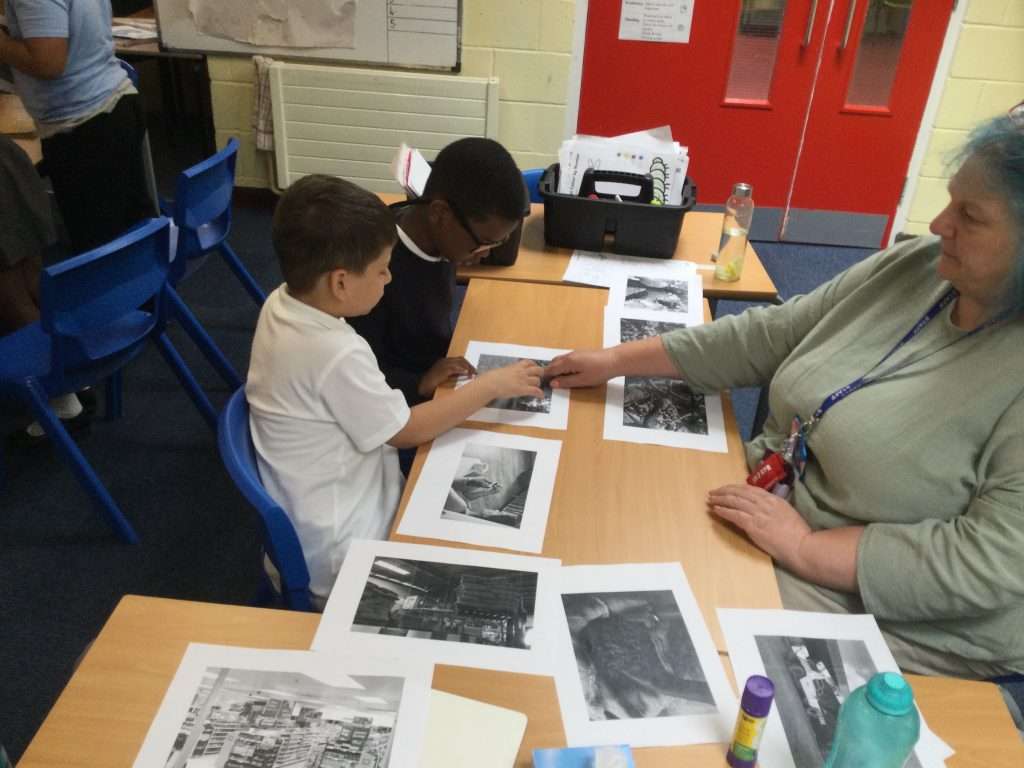
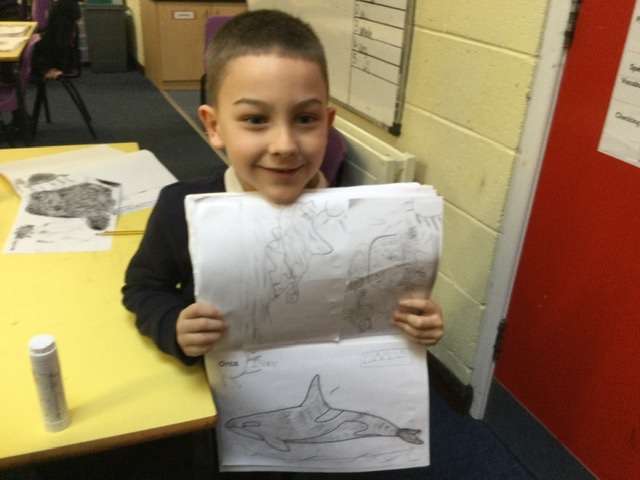
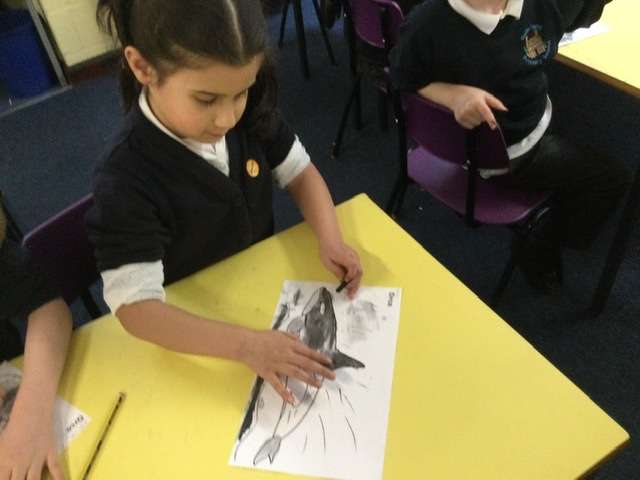
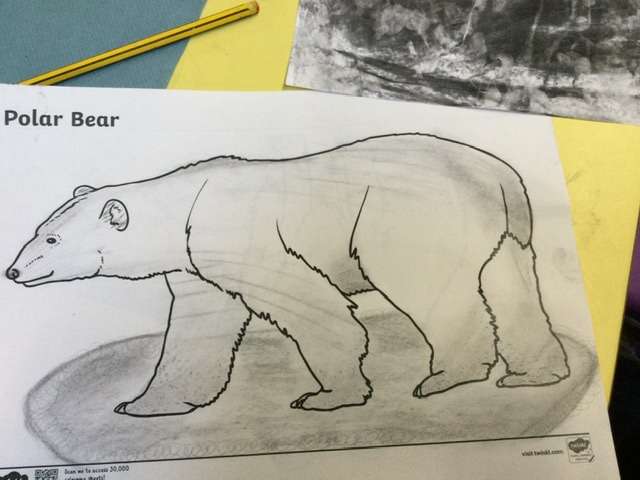
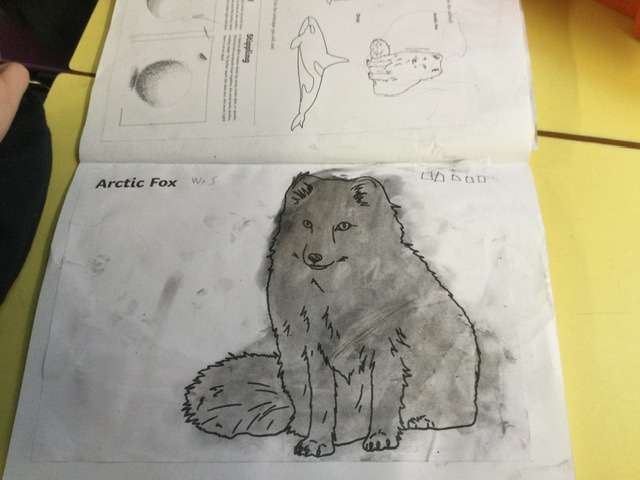
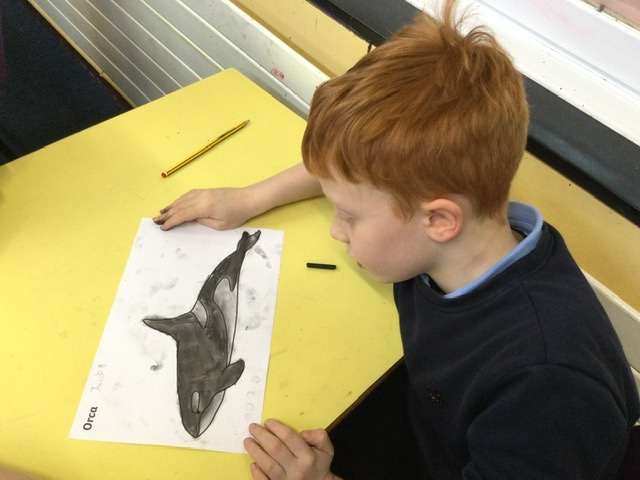
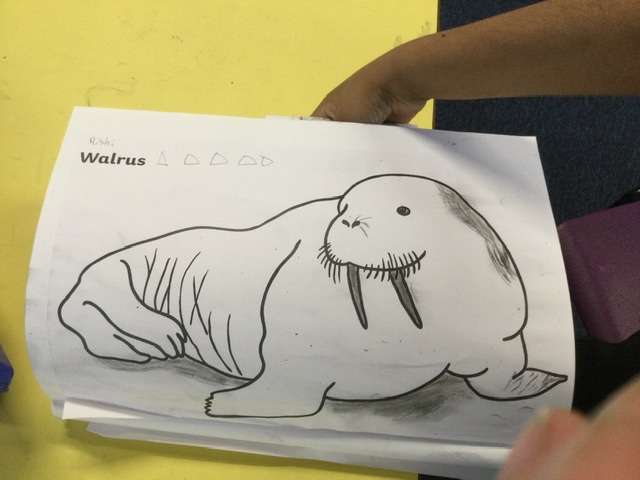
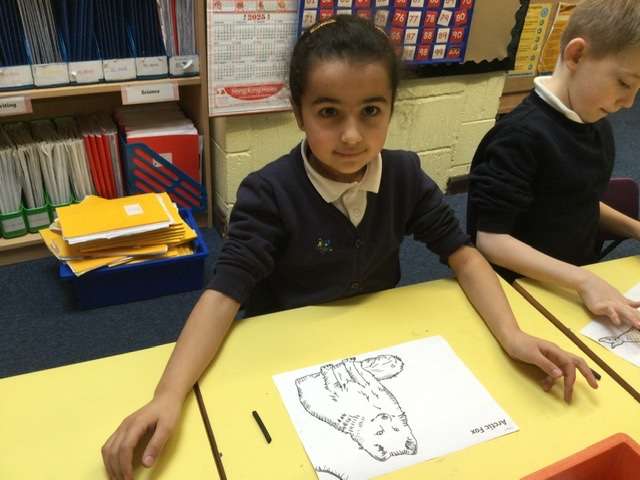
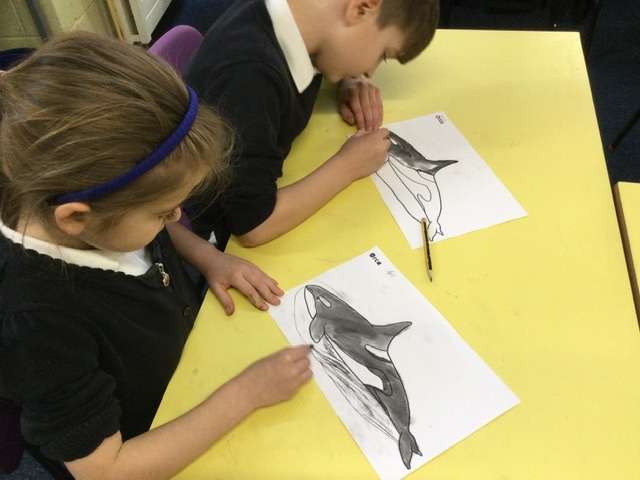
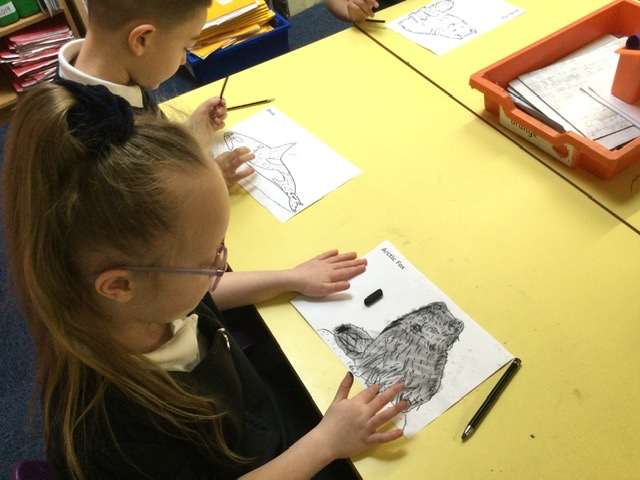
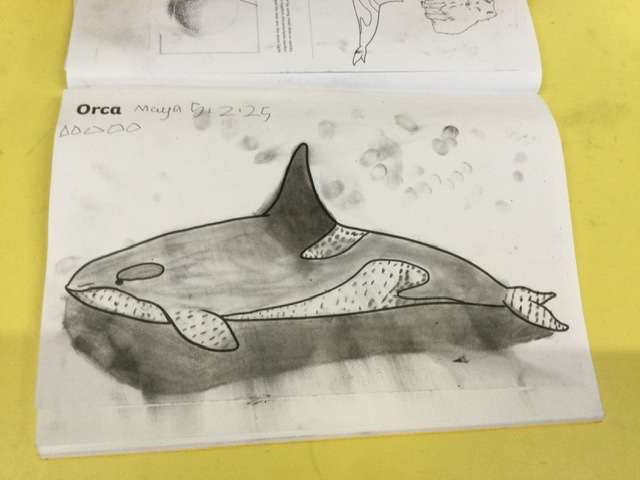
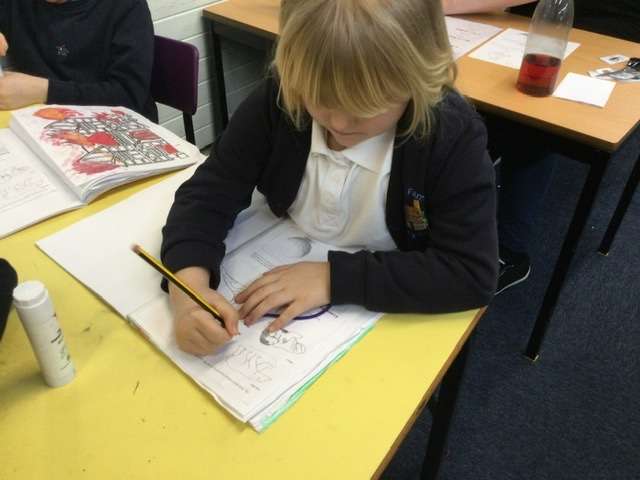
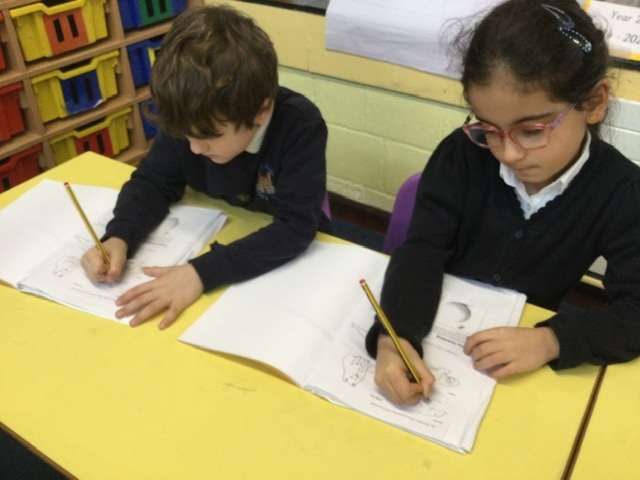
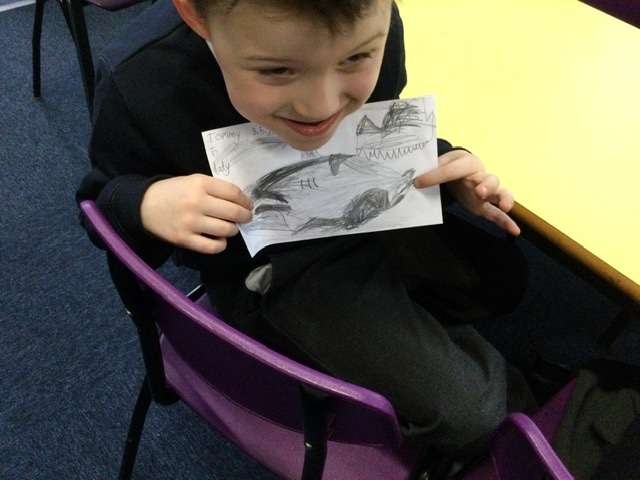
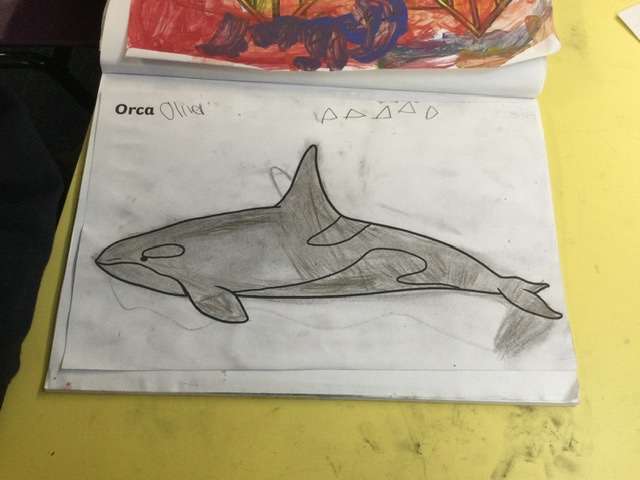
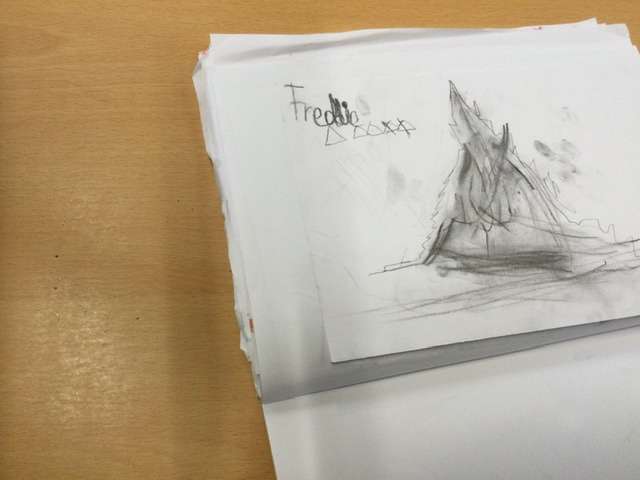
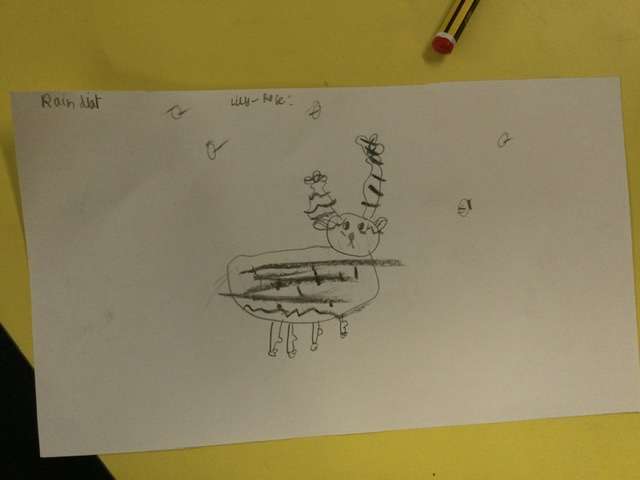
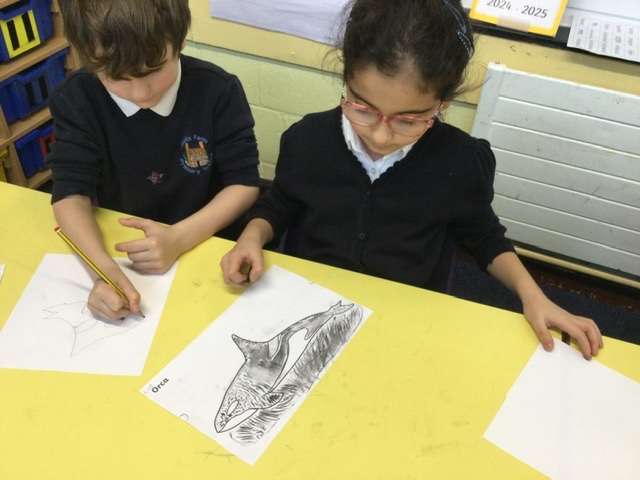
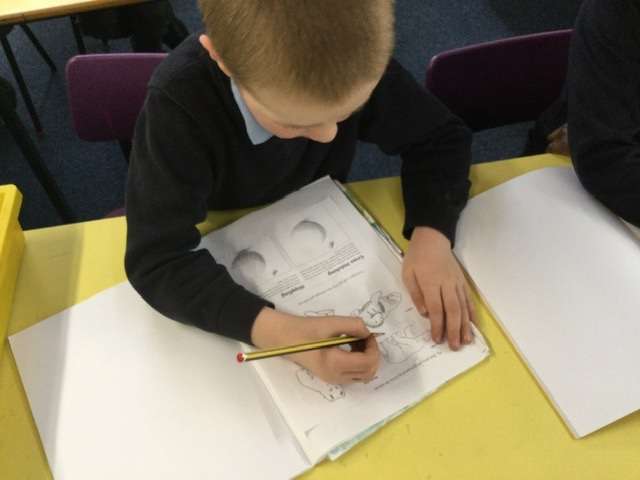
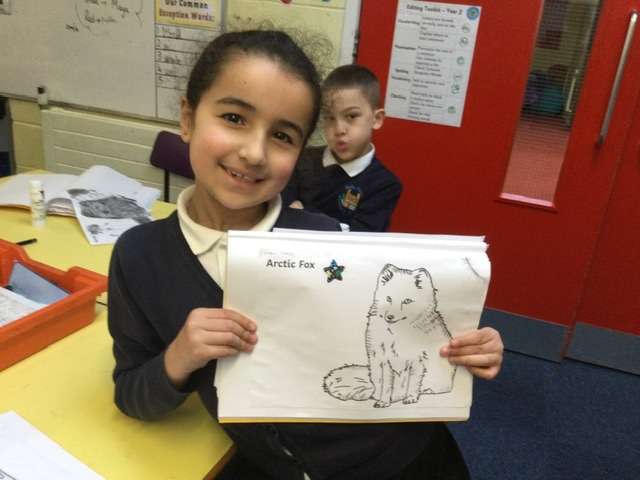
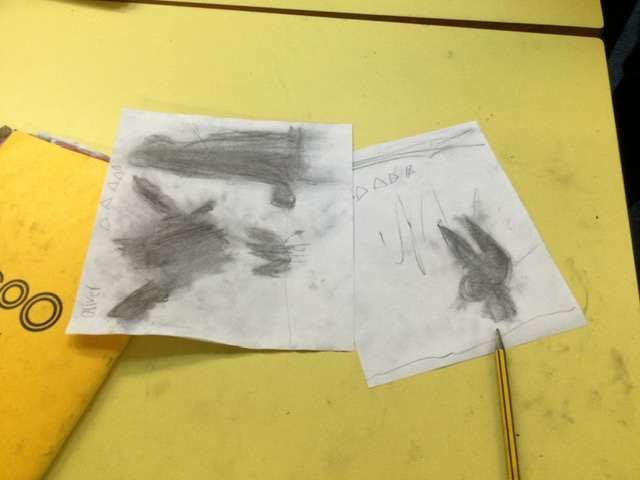
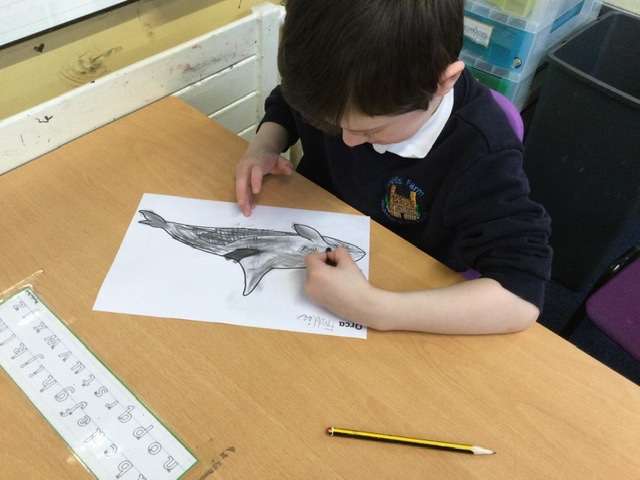
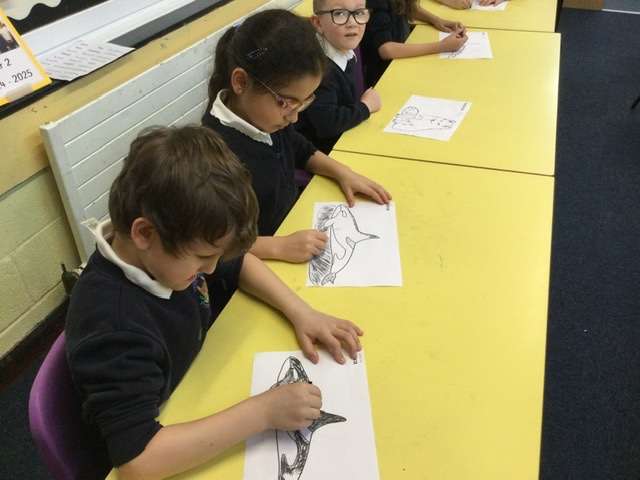
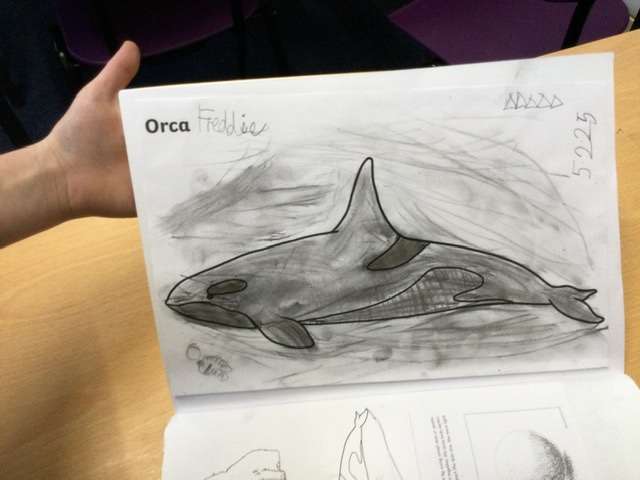
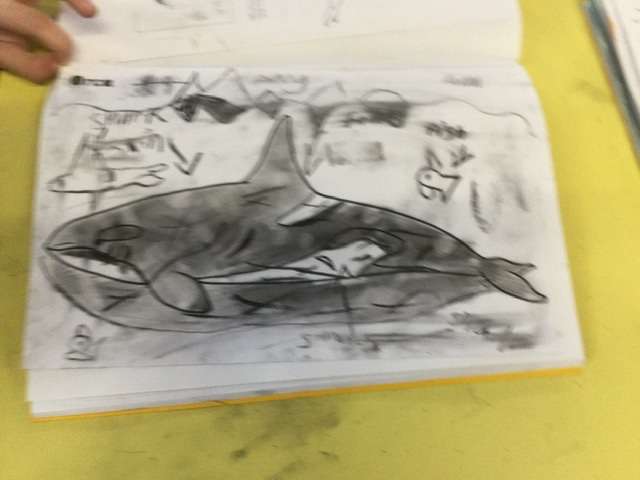
Toucans practised shading, rubbing, and adding texture using charcoal sticks and their fingers to blend. Year Two produced some fantastic work! They developed their knowledge of stippling and cross hatching. Finally, they evaluated their work.
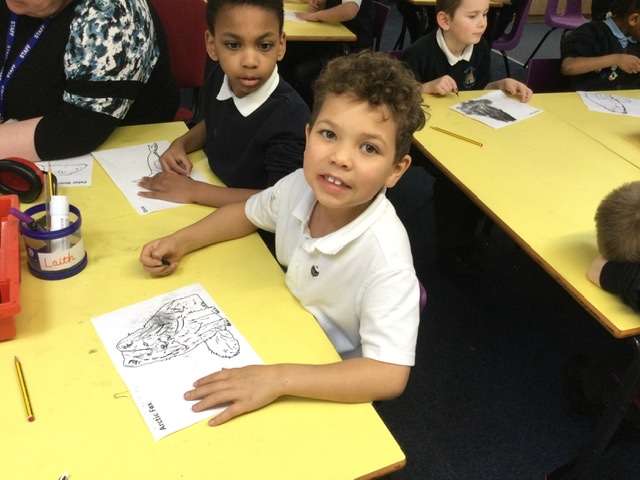
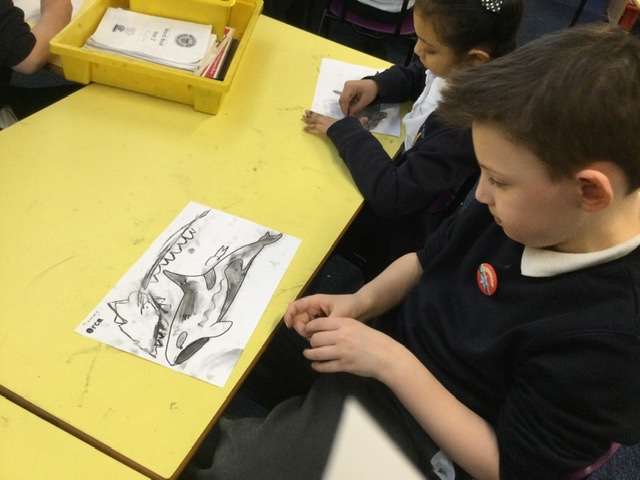
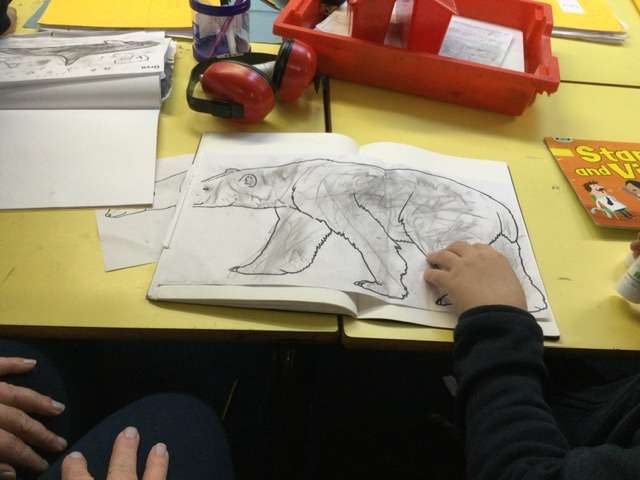
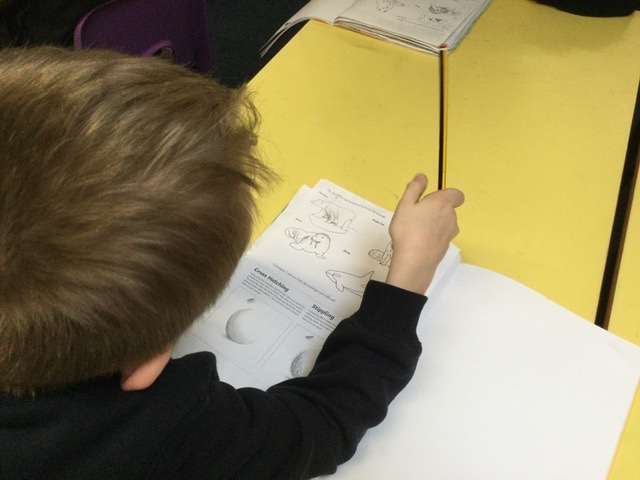
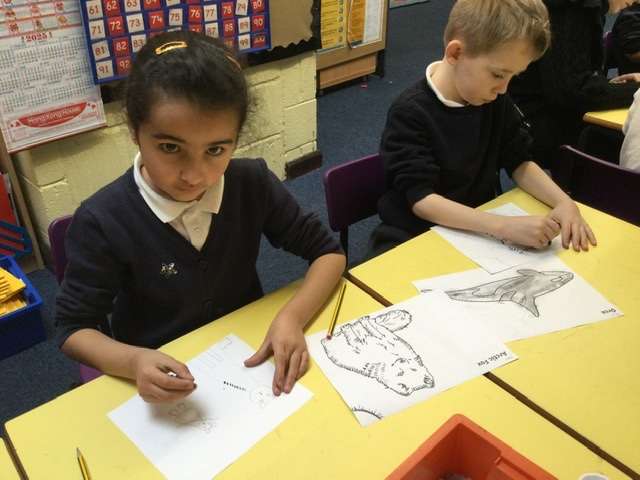
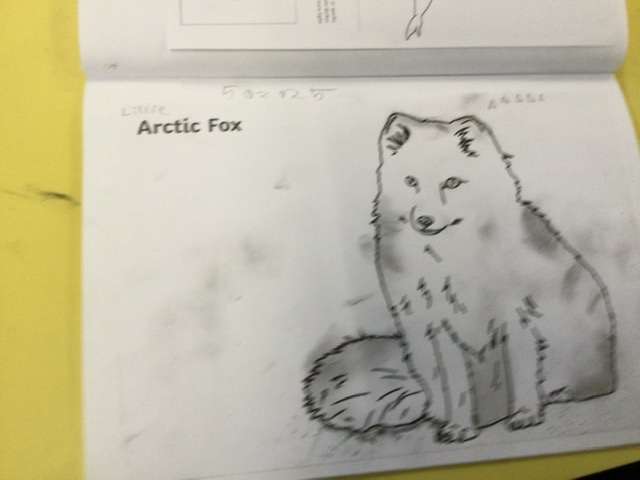
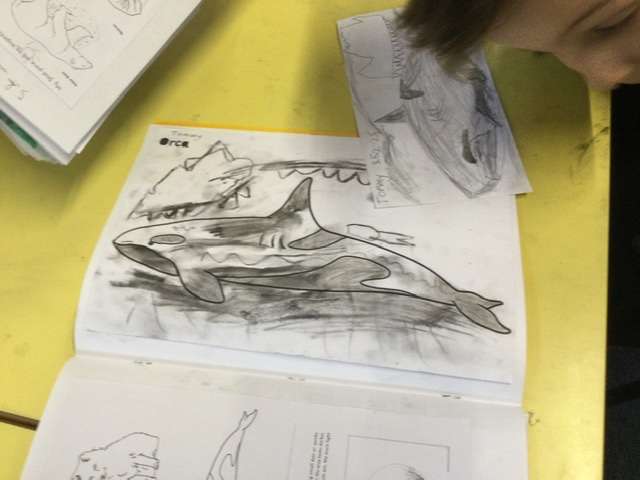
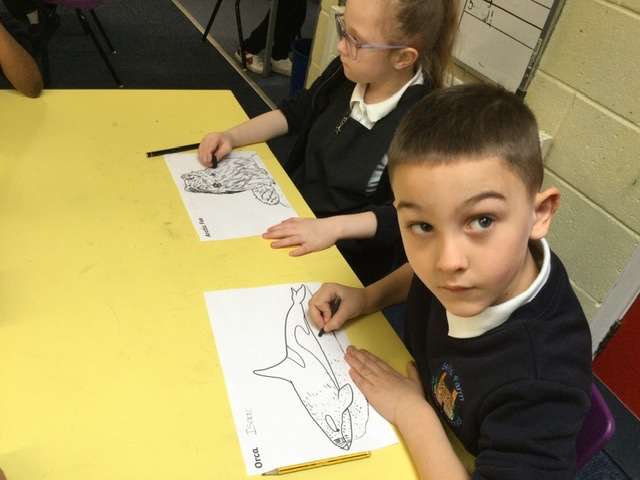
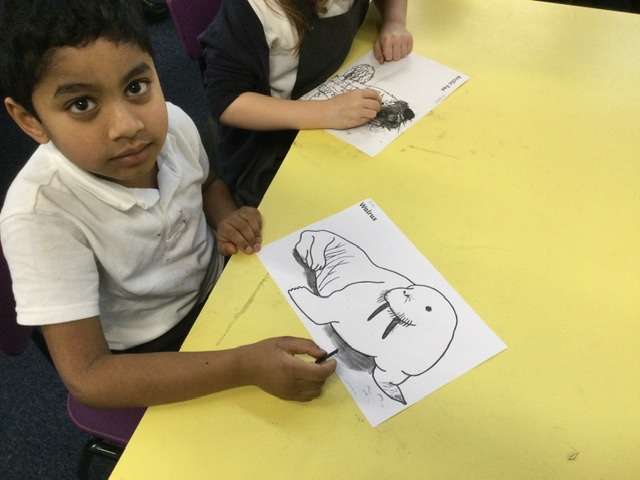
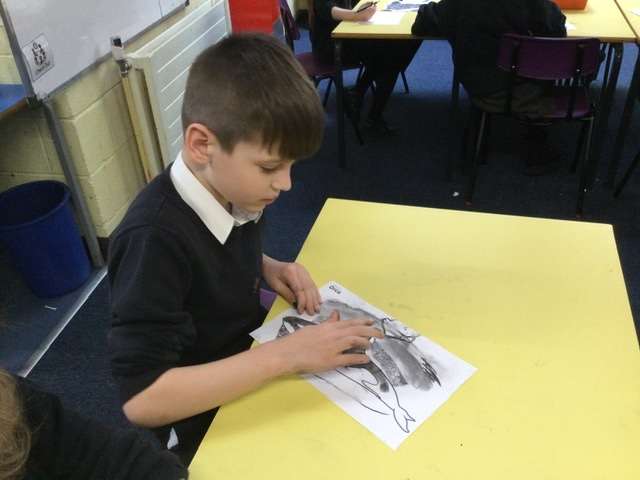
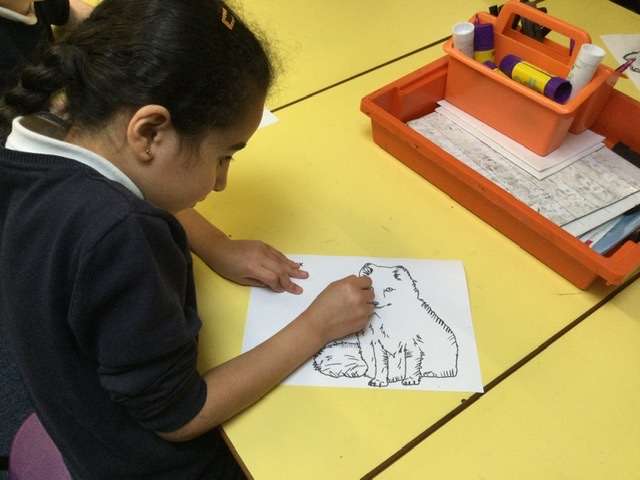
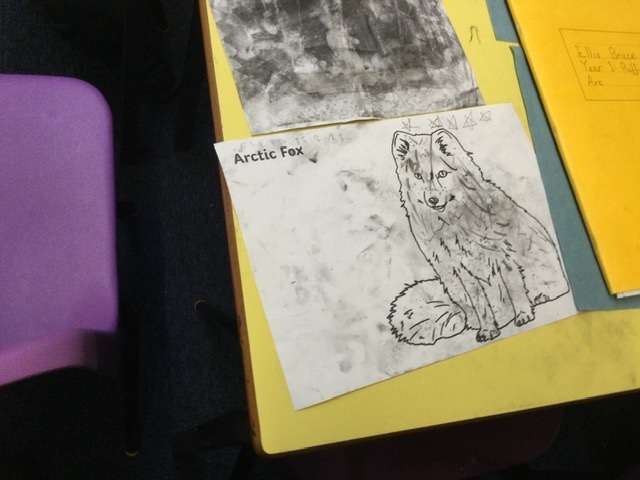
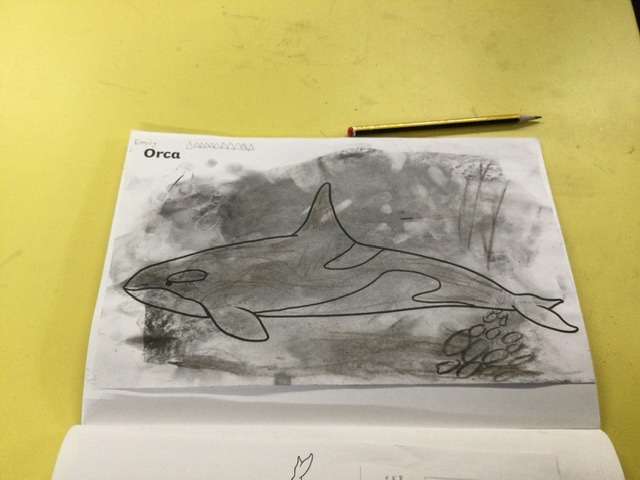
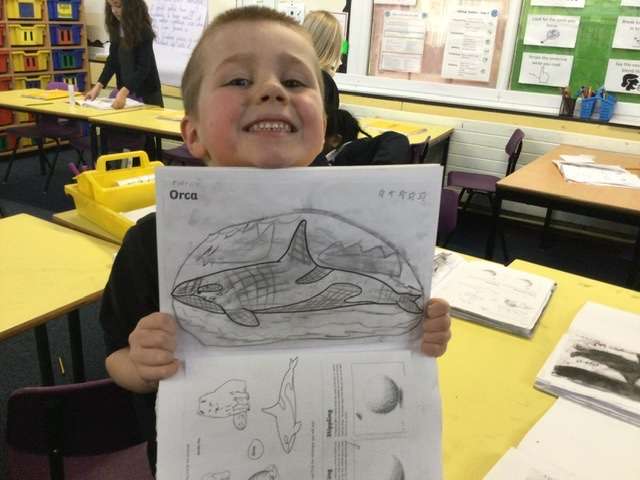
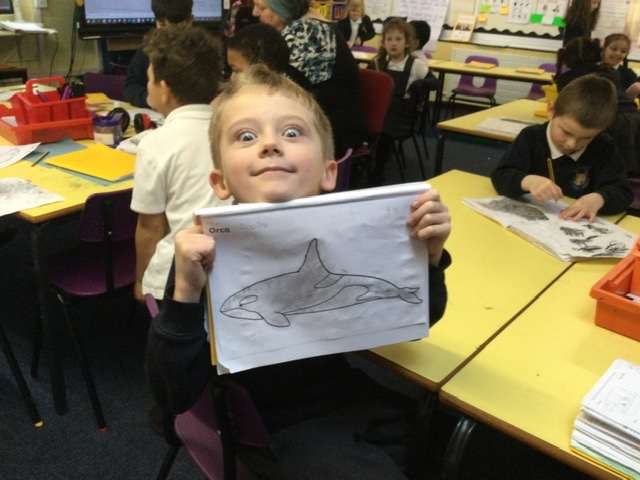
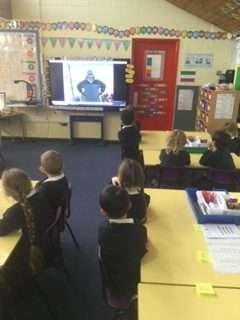
In Reading and Geography today the children have been learning about Arctic Animals.
Let’s review it by reading it here!
Arctic
The Arctic is a very cold place with amazing animals. Let’s learn about four special animals that live there: the Arctic Fox, the Arctic Wolf, the Polar Bear, and the Arctic Hare. These animals have adapted in clever ways to survive in the Arctic’s harsh conditions.
The Arctic Fox is a small animal with a thick, white coat. This helps it blend in with the snowy environment. The fox’s fur keeps it warm during freezing winters. In the summer, their fur changes to a brownish colour, so they can hide among rocks and plants. The fox also has furry paws that work like snowshoes, helping it walk on deep snow without sinking.
The Arctic Wolf is bigger than other wolves. Its white fur helps it hide in the snowy land, making it a great hunter. This majestic creature has a sleek body and long legs, which let it run quickly across the icy ground. Its sharp senses help it find food, even in really bad weather.
The Polar Bear is a special animal that represents the Arctic. It has a thick layer of fat and dense fur, which keeps it warm in the icy cold. The fur looks white, but it’s actually see-through. This lets sunlight reach the bear’s black skin and warm it up. The bear can swim very well because it has large, webbed feet and strong claws. These help it move through icy water and find food.
The Arctic Hare has a beautiful white coat that helps it blend in with the snow. This helps it hide from predators. Its big paws have fur on the bottom, which acts like snowshoes and helps it walk on slippery ground. The hare also has long, strong back legs that help it move quickly through deep snow and escape from danger.
In Geography we looked at them closely. We went on a virtual tour of the Arctic.
Many of us noticed that all arctic animals have similarities such as having white fur to blend in with the environment and pointy ears for good hearing.
We also compared the Actic Fox to a Red Fox . We noticed the similarities and differences.
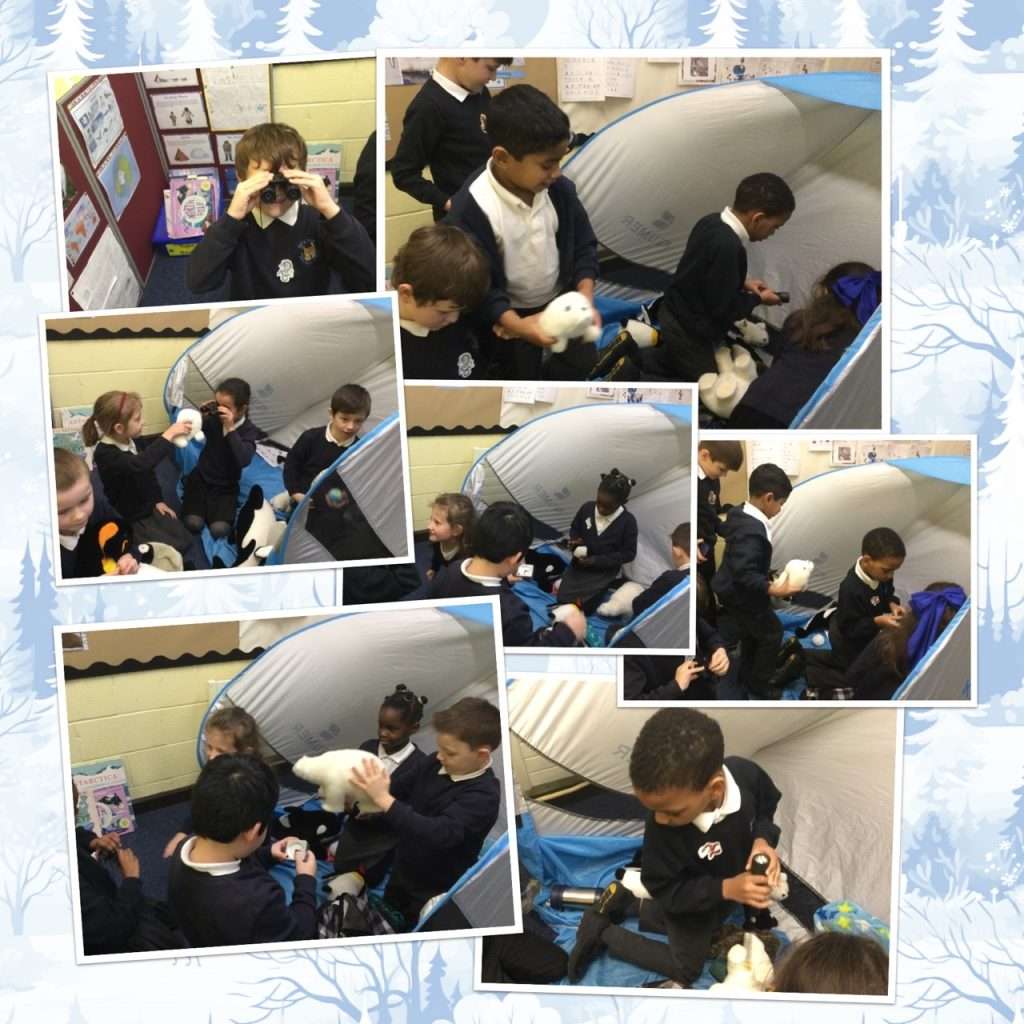
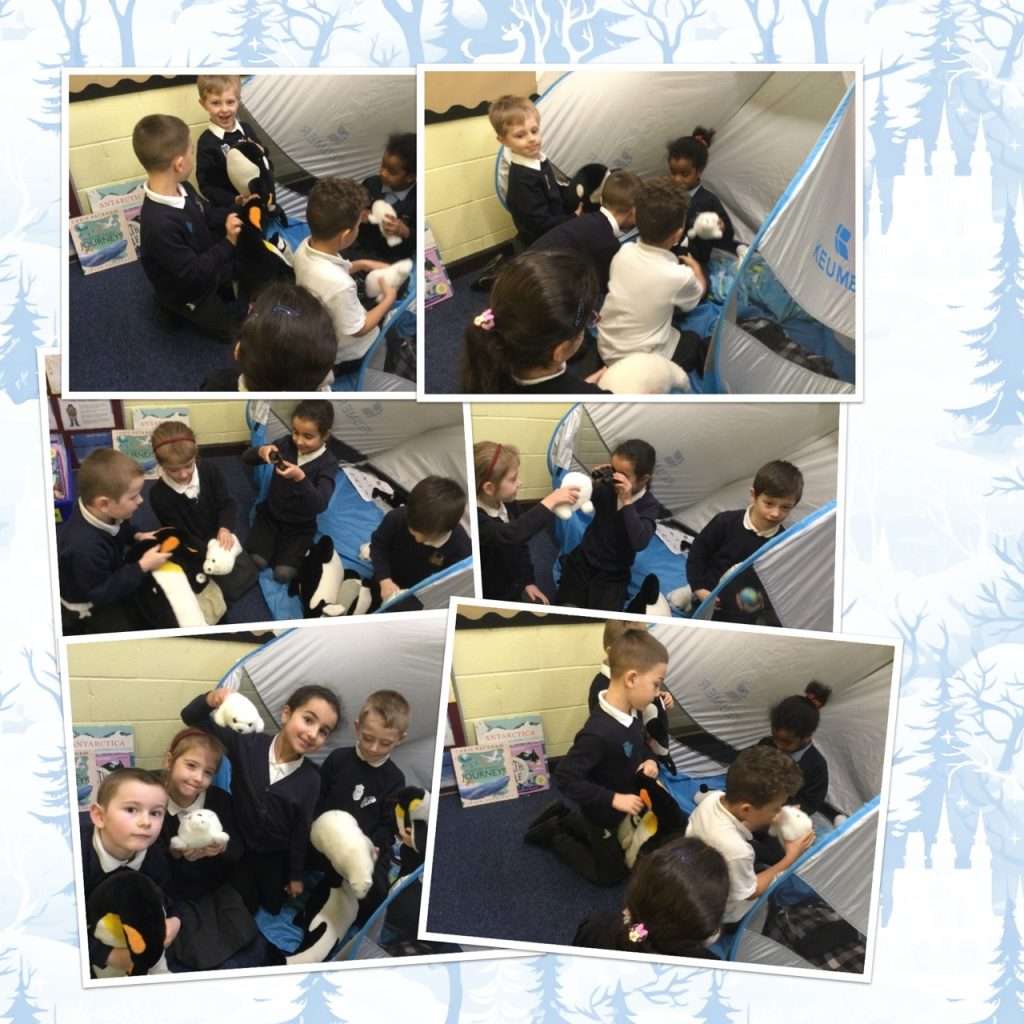
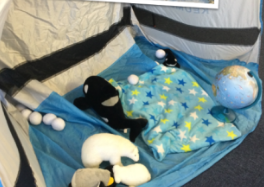
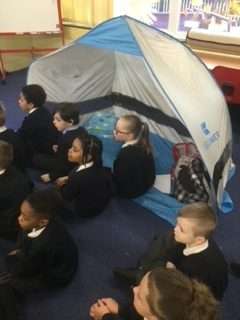
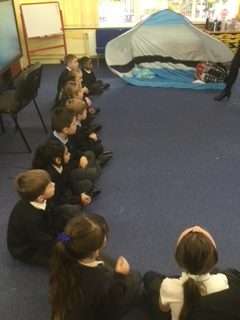
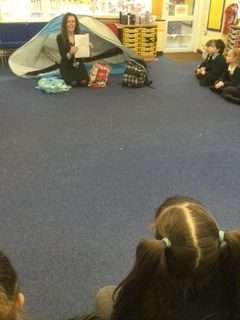
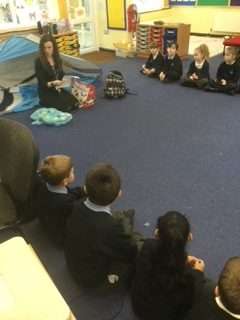
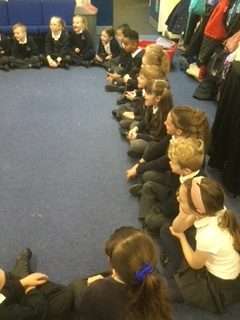
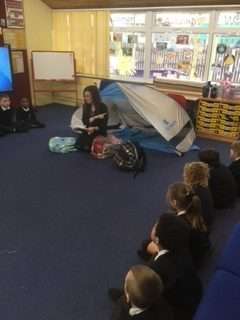
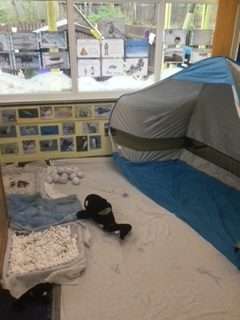
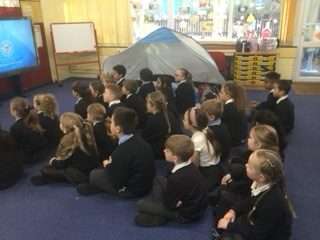
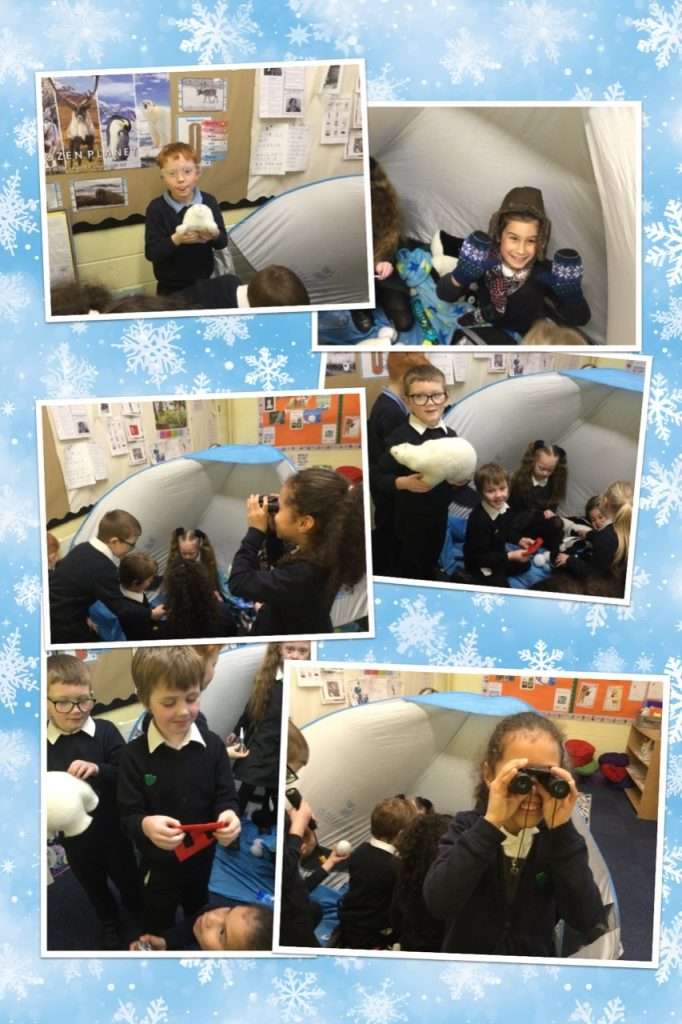
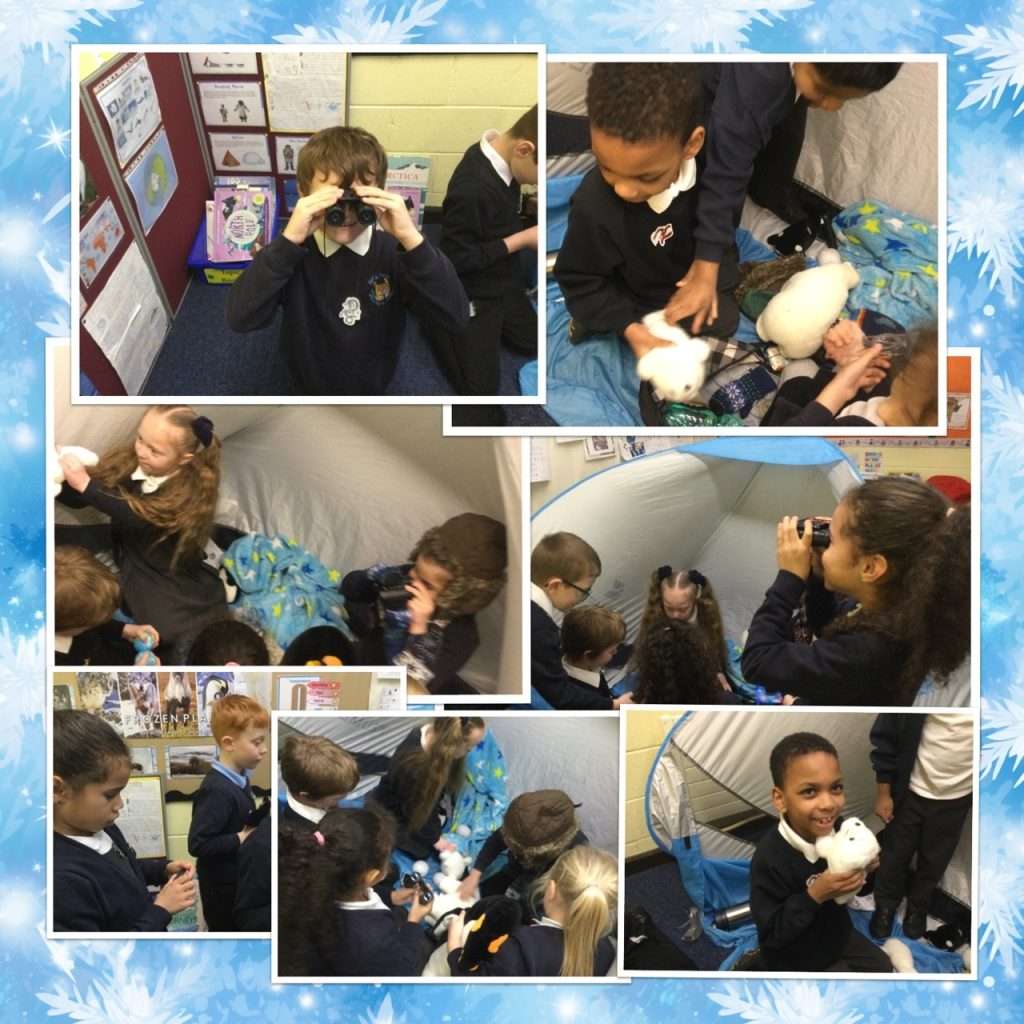
We started the spring term by making a very exciting discovery in our classroom – an explorer’s tent!

We discovered the tent belonged to Professor Pole who is an explorer working in the Arctic Circle. He is currently in Svalbard but has been all over looking at how polar bears survive.
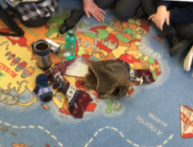
He asked us to help him to find out more about the polar regions of the world. Our new topic for this term is now about Polar Regions and we couldn’t be more excited! We looked through the bag he left us to look after and found many important items an explorer would need. We are going to look after his tent and bag until he can return for them. We can’t wait to use them in our role play area!
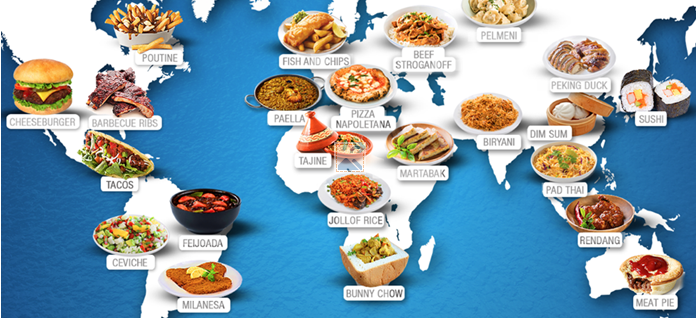
This week in Geography we looked at where our foods come from.
Last week we looked at a map and curiously asked, “Why are there two Pacific ocean’s” We also looked at how maps can have a Key to understand the data on a map.

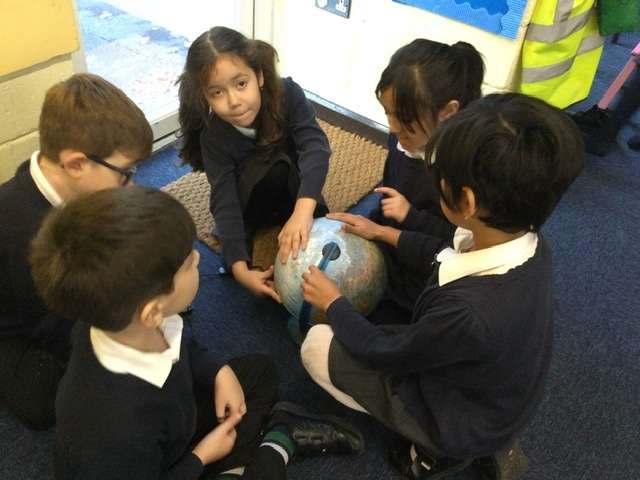
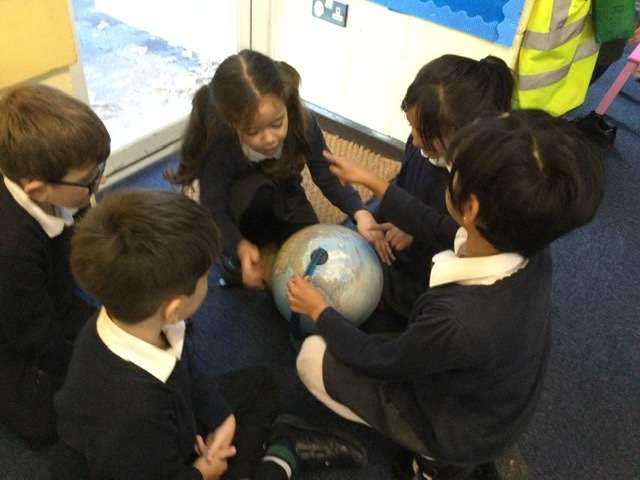
Lots of us found this confusing. To understand that there is only one Pacific Ocean we looked at a globe and accepted that the Earth is round and not flat like the map. We looked at how there is actually one Pacific Ocean.
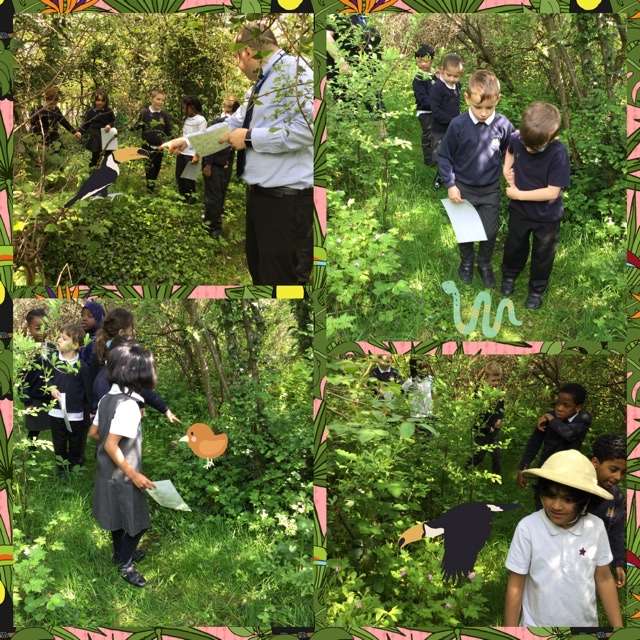
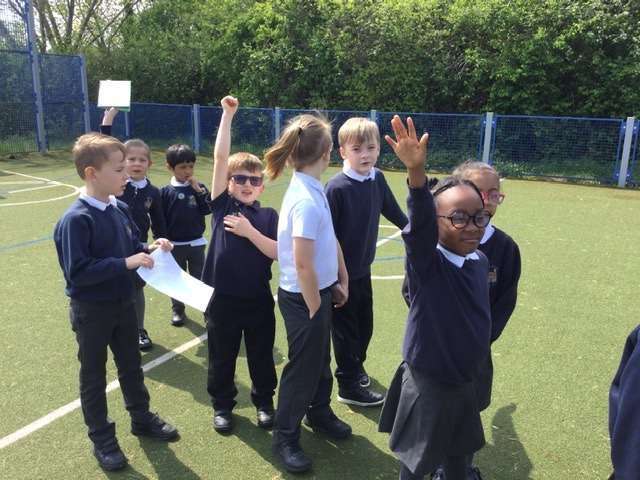
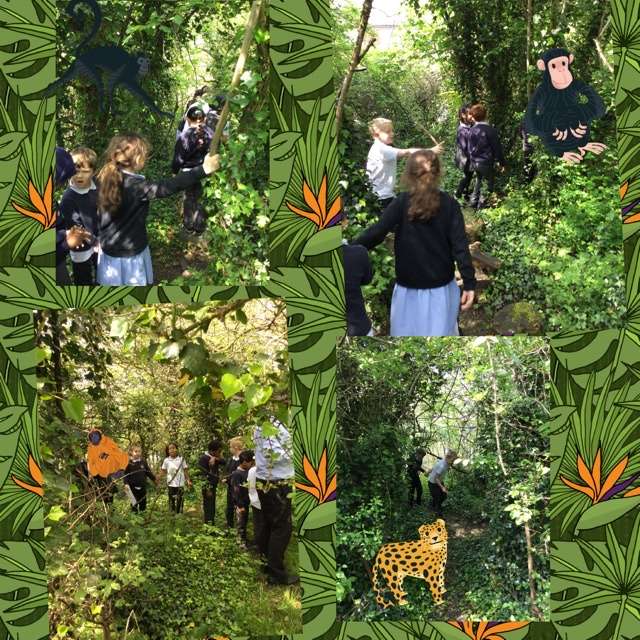
Toucans used their creativity and went on their own rainforest walk. They talked about the animals they saw and the special features about them!
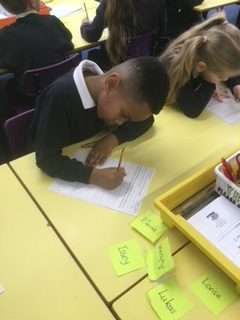
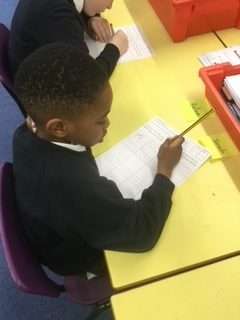
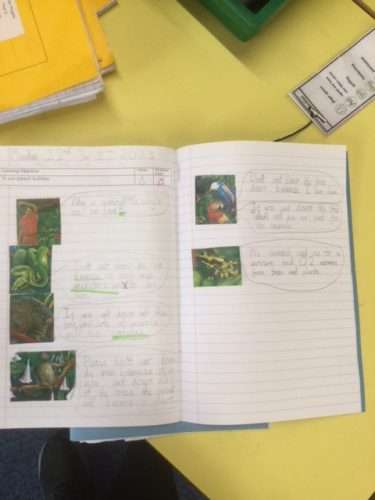
We then used this inspiration to write facts about rainforest animals in Geography.
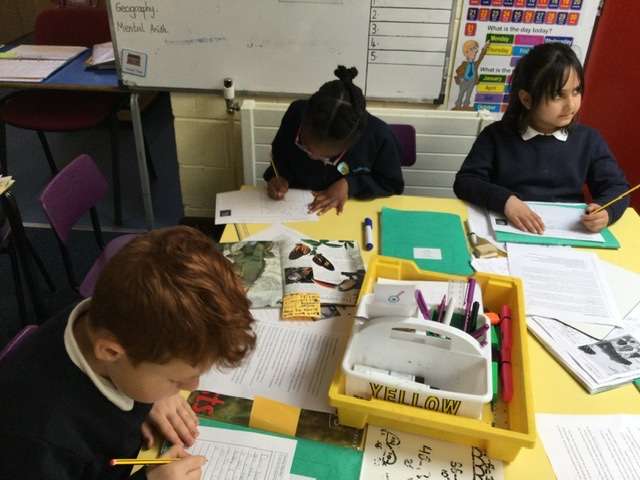
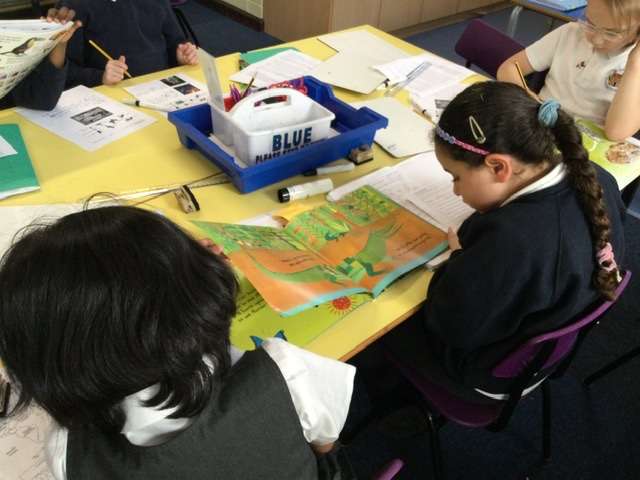
In Geography we have been learning about what it’s like to live in the polar regions. We learnt all about the inuit people.
We made a mind map about what we learnt.

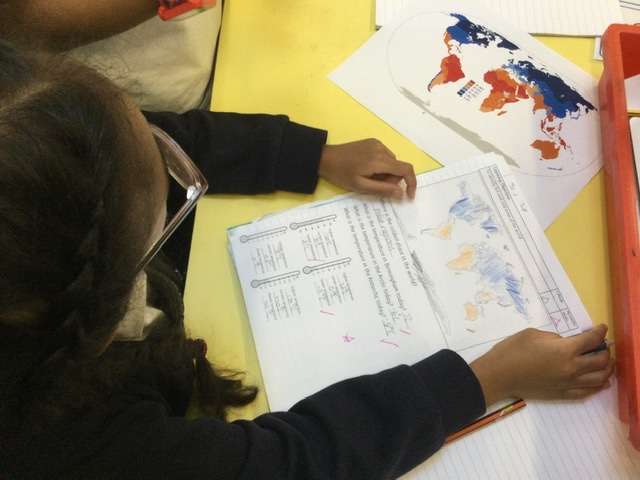
As well as this we also looked at temperatures around the world. We discussed how the polar regions are very cold. We learnt that we use a thermometer to measure temperature.
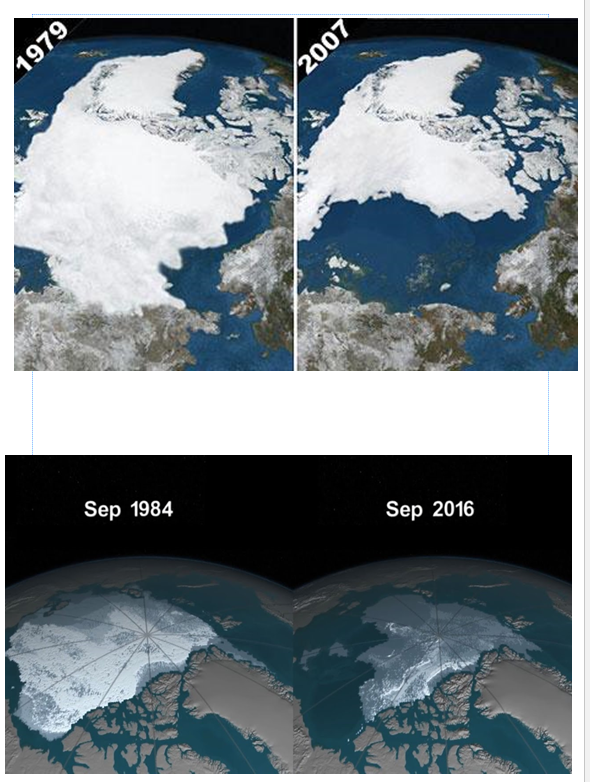
Finally we discussed why we think the ice is melting.
Extension: Look below to find out the temperature of Birmingham today and the weather forecast for the week!
BIRMINGHAM WEATHERIn Reading and Geography today the children have been learning about Arctic Animals. We tried to summarise the information and say two facts about the animals.
Let’s review it by reading it here!
Arctic
The Arctic is a very cold place with amazing animals. Let’s learn about four special animals that live there: the Arctic Fox, the Arctic Wolf, the Polar Bear, and the Arctic Hare. These animals have adapted in clever ways to survive in the Arctic’s harsh conditions.
The Arctic Fox is a small animal with a thick, white coat. This helps it blend in with the snowy environment. The fox’s fur keeps it warm during freezing winters. In the summer, their fur changes to a brownish colour, so they can hide among rocks and plants. The fox also has furry paws that work like snowshoes, helping it walk on deep snow without sinking.
The Arctic Wolf is bigger than other wolves. Its white fur helps it hide in the snowy land, making it a great hunter. This majestic creature has a sleek body and long legs, which let it run quickly across the icy ground. Its sharp senses help it find food, even in really bad weather.
The Polar Bear is a special animal that represents the Arctic. It has a thick layer of fat and dense fur, which keeps it warm in the icy cold. The fur looks white, but it’s actually see-through. This lets sunlight reach the bear’s black skin and warm it up. The bear can swim very well because it has large, webbed feet and strong claws. These help it move through icy water and find food.
The Arctic Hare has a beautiful white coat that helps it blend in with the snow. This helps it hide from predators. Its big paws have fur on the bottom, which acts like snowshoes and helps it walk on slippery ground. The hare also has long, strong back legs that help it move quickly through deep snow and escape from danger.
In Geography we looked at them closely. We went on a virtual tour of the Arctic.
Many of us noticed that all arctic animals have similarities such as having white fur to blend in with the environment and pointy ears for good hearing.
We also compared the Actic Fox to a Red Fox . We noticed the similarities and differences.
In Geography we have been learning about the Polar Regions. We also explore various cold places around the world! Explore at home on the custom made map above.
We started the spring term by making a very exciting discovery in our classroom – an explorer’s tent! We discovered the tent belonged to Professor Pole who is an explorer working in the Arctic Circle. He is currently in Svalbard but has been all over looking at how polar bears survive.
He asked us to help him to find out more about the polar regions of the world. Our new topic for this term is now about Polar Regions and we couldn’t be more excited! We looked through the bag he left us to look after and found many important items an explorer would need. We are going to look after his tent and bag until he can return for them. We can’t wait to use them in our role play area!

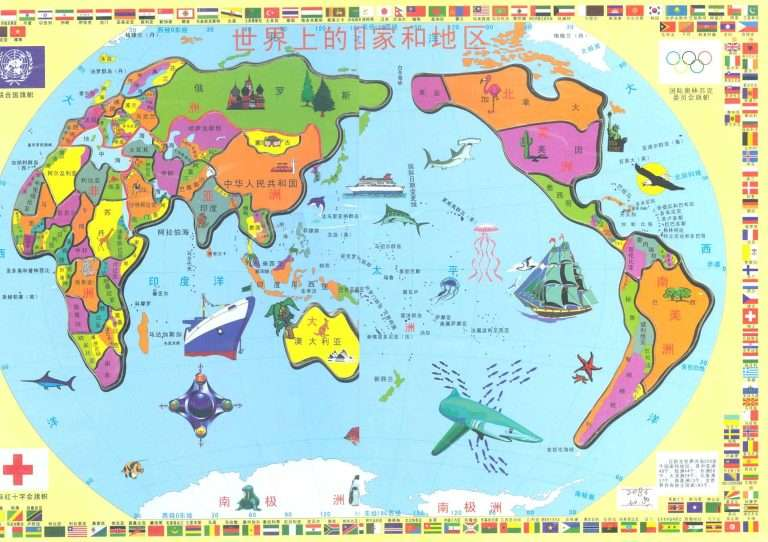
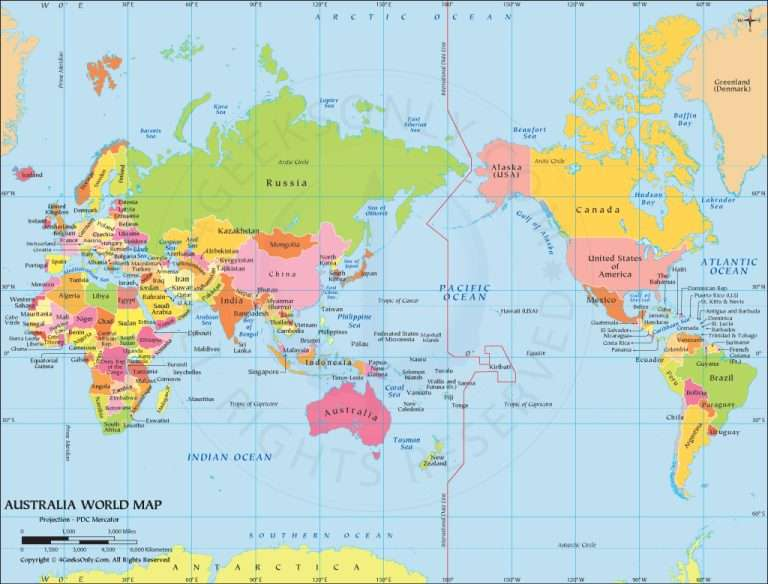
Today we looked at a map and curiously asked, “Why are there two Pacific ocean’s” We also looked at how maps can have a Key to understand the data on a map.
Lots of us found this confusing. To understand that there is only one Pacific Ocean we looked at a globe and accepted that the Earth is round and not flat like the map. We looked at how there is actually one Pacific Ocean.

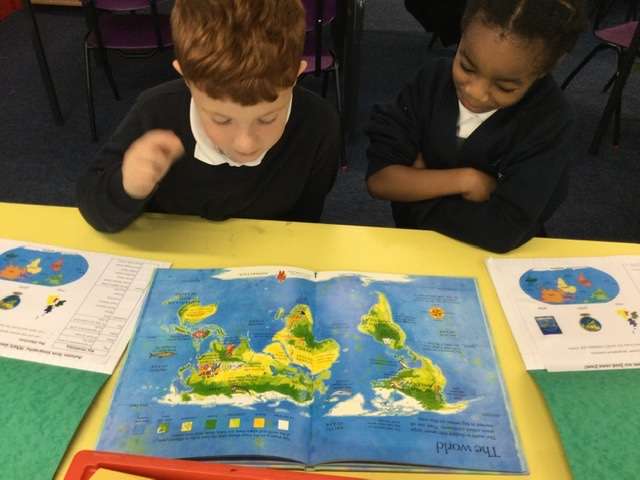
Mr Lo also showed us how maps around the world can be different. A Chinese world map shows China in the middle and North and South America to the right hand side. This shows clearly there is one Pacific Ocean. We also looked at an Australian World Map.


We also explored Google Earth Click here to explore it at home
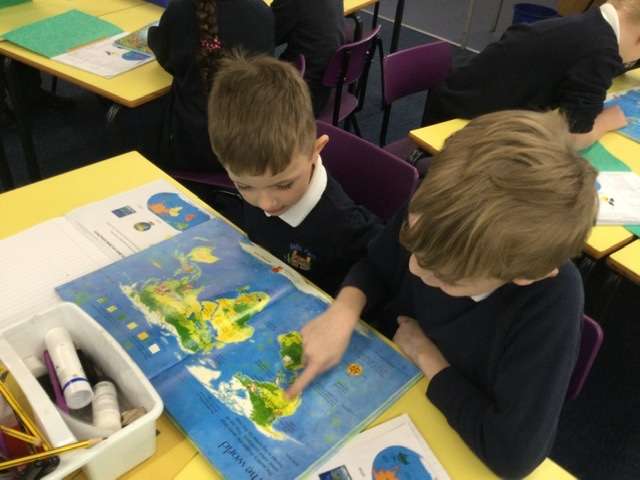
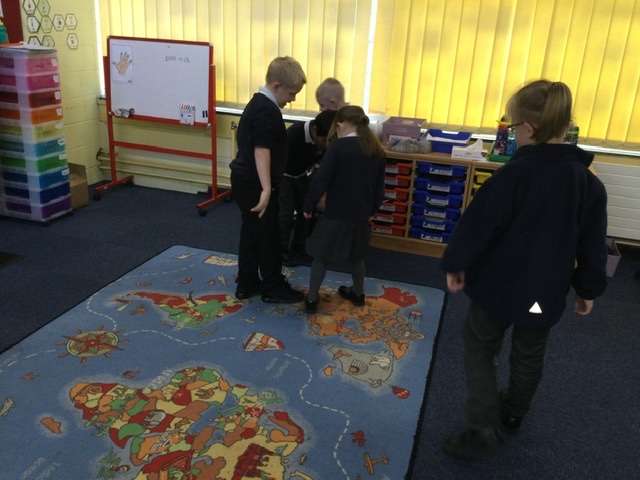
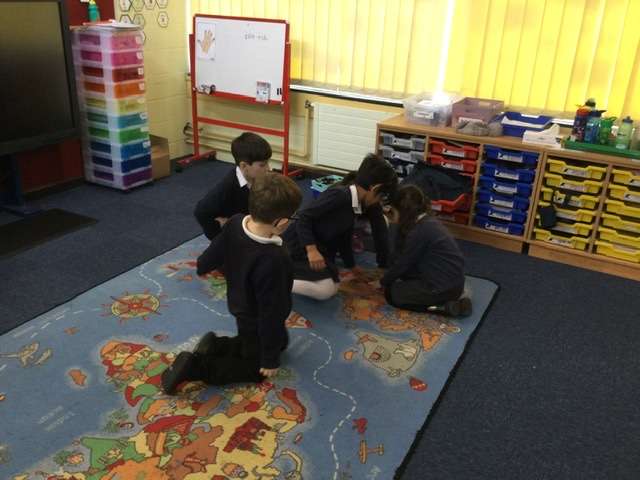
This half term we have started our Geography topic. Over the next two weeks we will be looking at the continents and oceans of the world . We used a range of resources including a globe, a large map and atlas. Mr Lo also demonstrated digital mapping using Digimaps to locate Druids Heath in Birmingham, England, United Kingdom!

Extension: Have you tried Google Earth at home? Click here to access it!
Extension 2: Click here to explore an interactive map with the continents and oceans.
In our English lessons, we have been enjoying the story of The Great Kapok Tree by Lynne Cherry. This story is set in the rainforest which we have been learning lots of facts about.
We have been revising how to write direct speech through using speech bubbles. Look how neatly we have presented our work!

We started the spring term by making a very exciting discovery in our classroom – an explorer’s tent! We discovered the tent belonged to Professor Pole who is an explorer working in the Arctic Circle. He is currently in Svalbard but has been all over looking at how polar bears survive.
He asked us to help him to find out more about the polar regions of the world. Our new topic for this term is now about Polar Regions and we couldn’t be more excited! We looked through the bag he left us to look after and found many important items an explorer would need. We are going to look after his tent and bag until he can return for them. We can’t wait to use them in our role play area!