In today’s science lesson Toucans were learning about the different food groups and how much of each group constitutes a balanced diet.
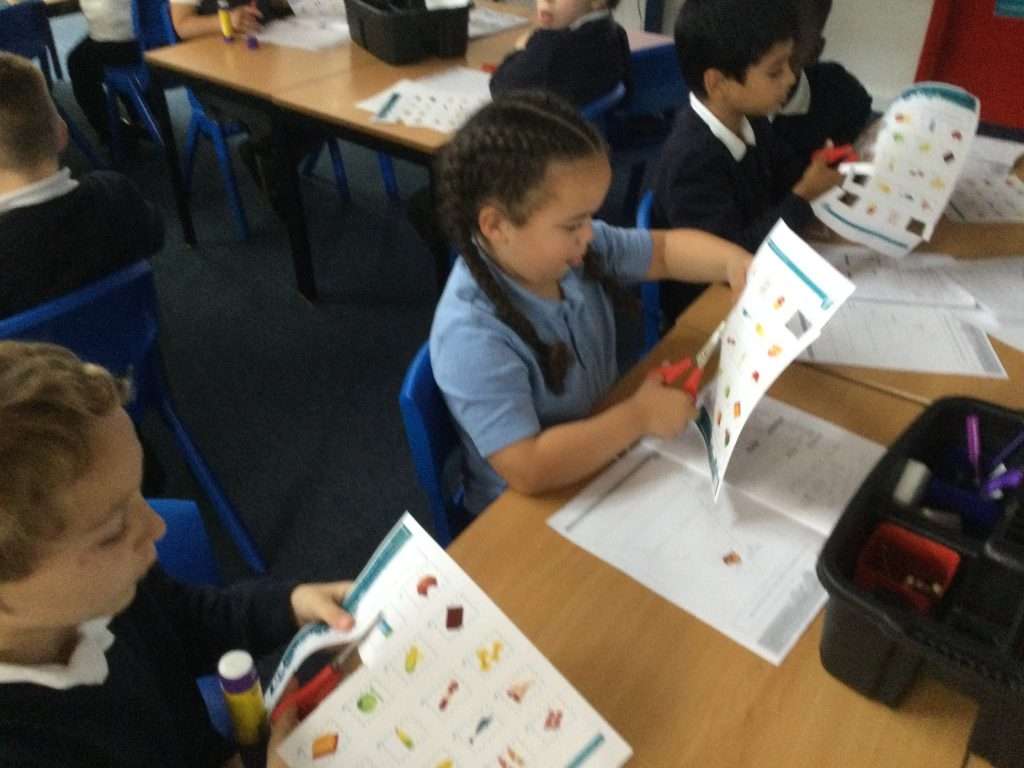
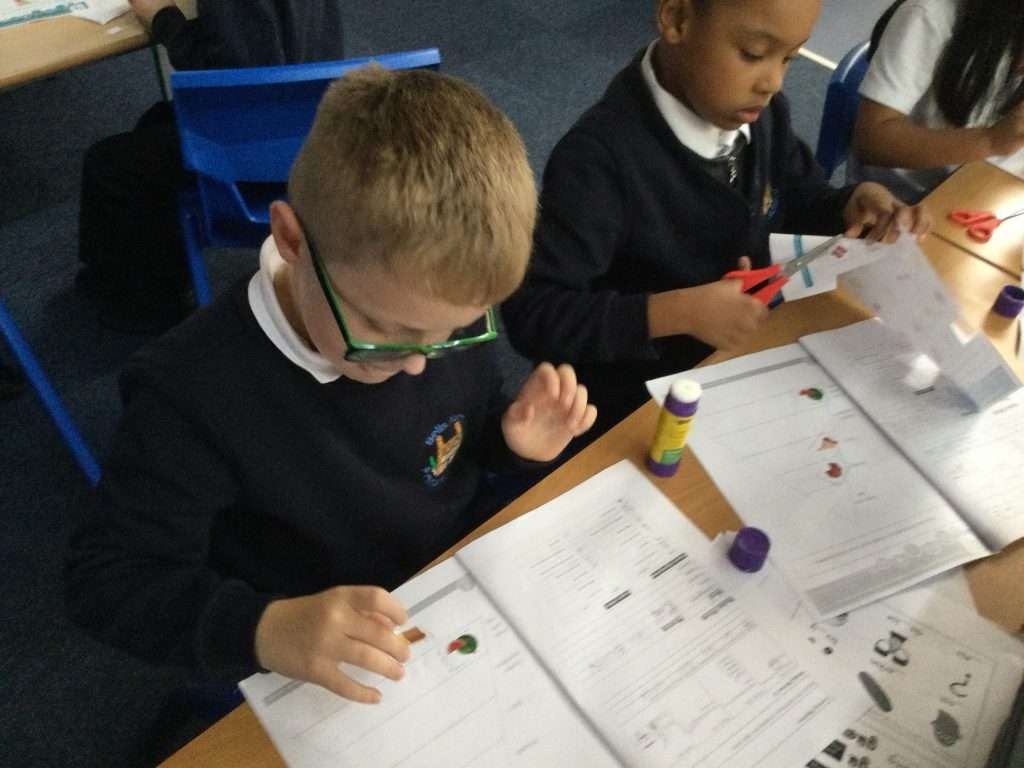
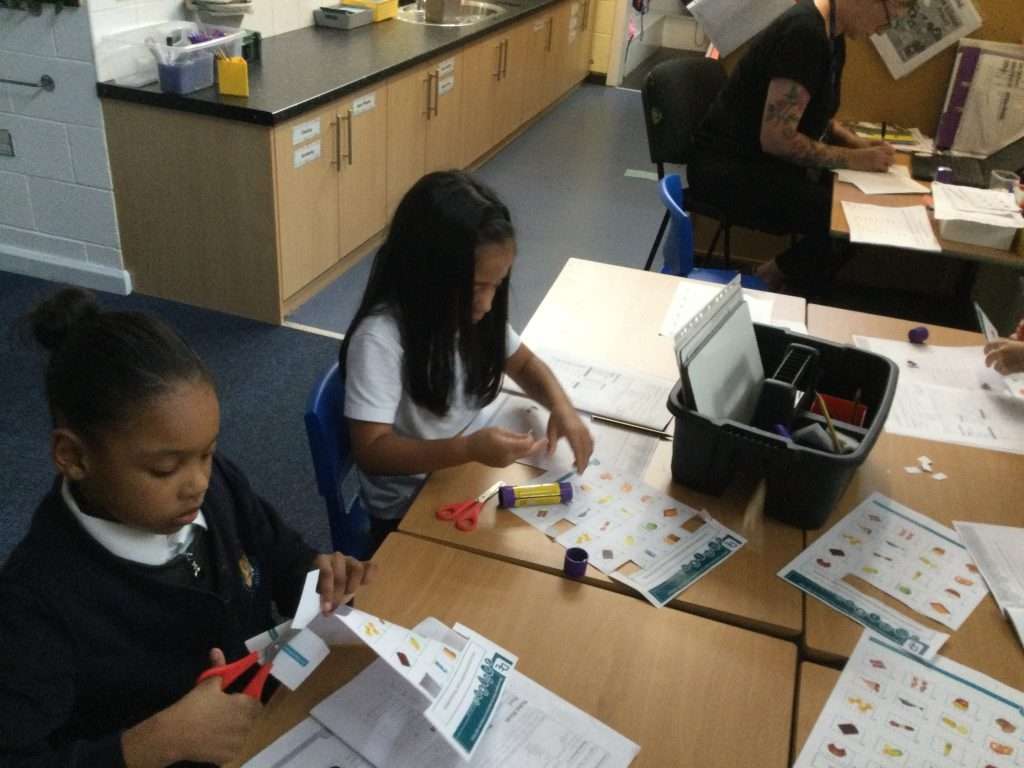
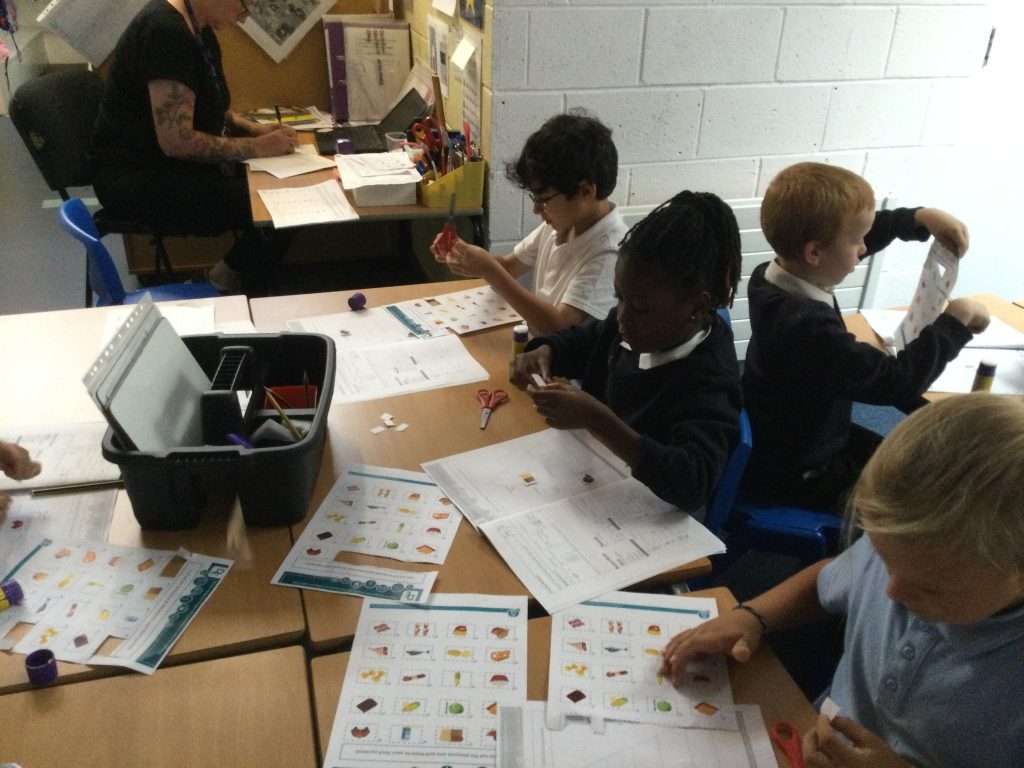
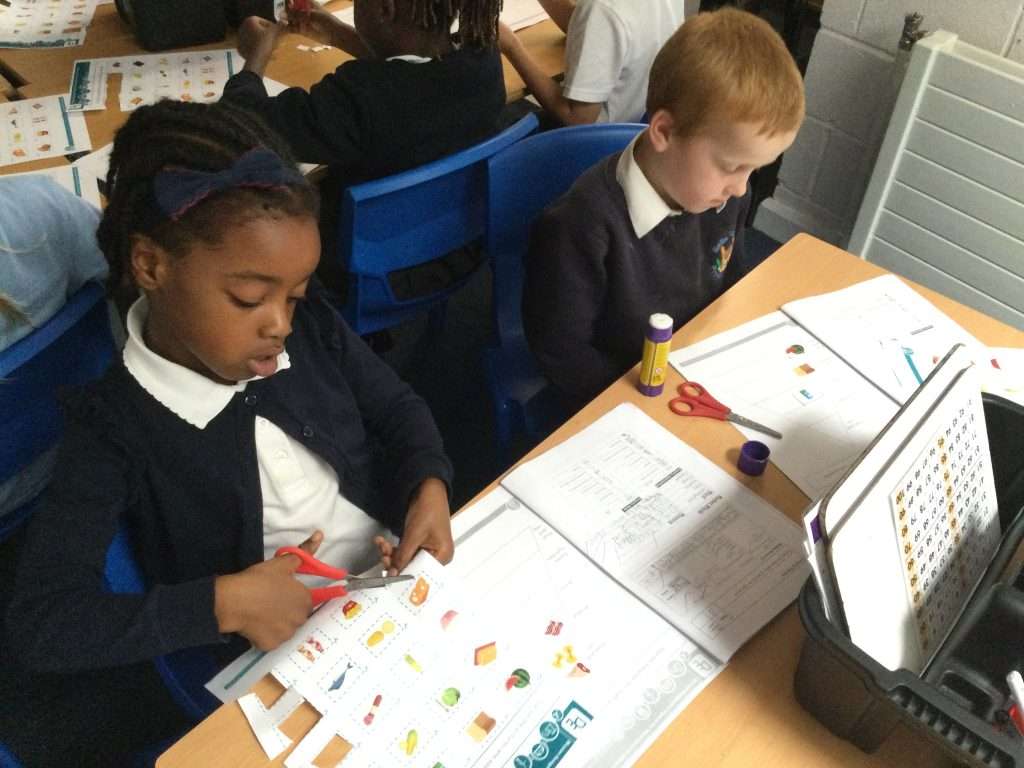
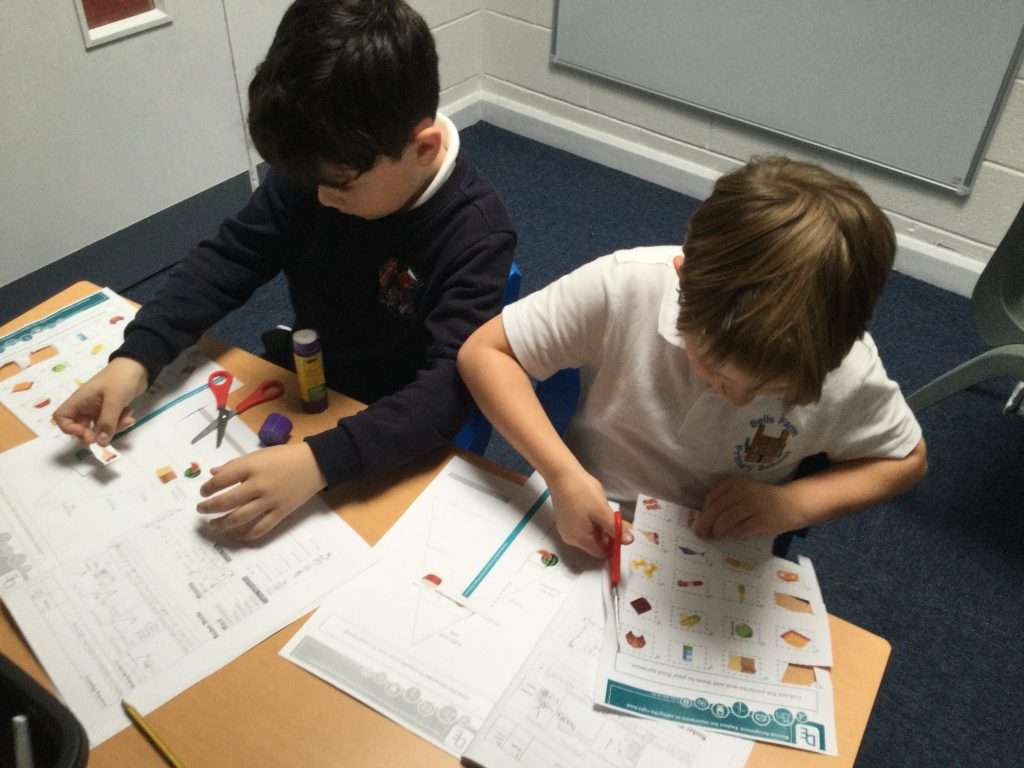
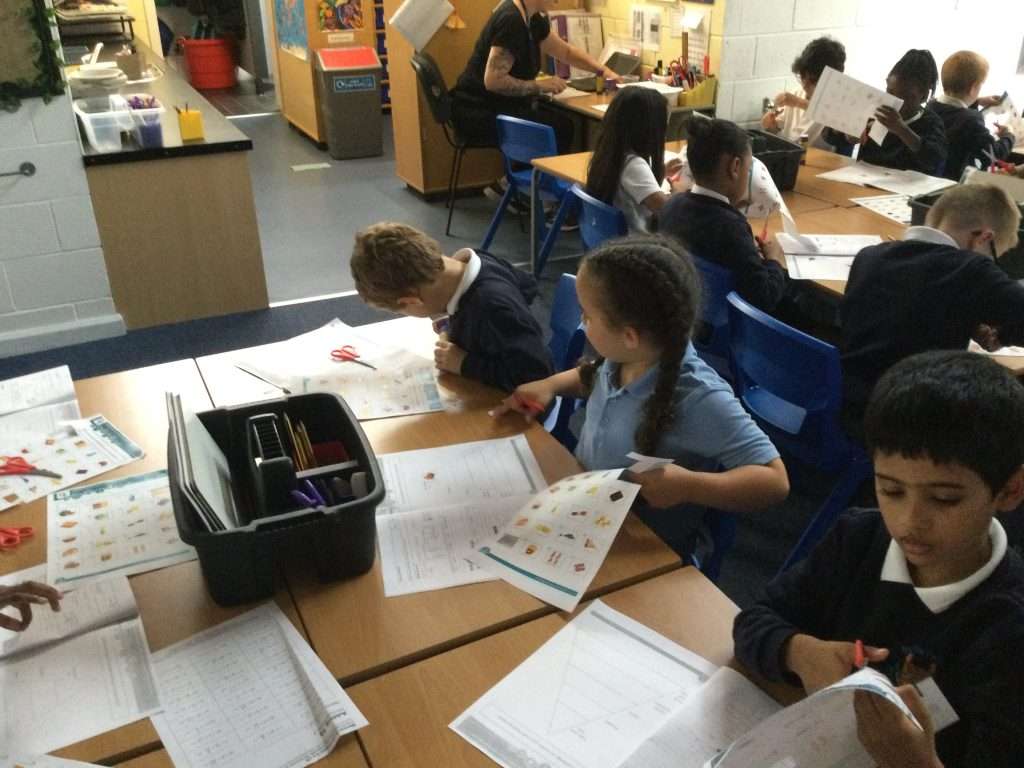
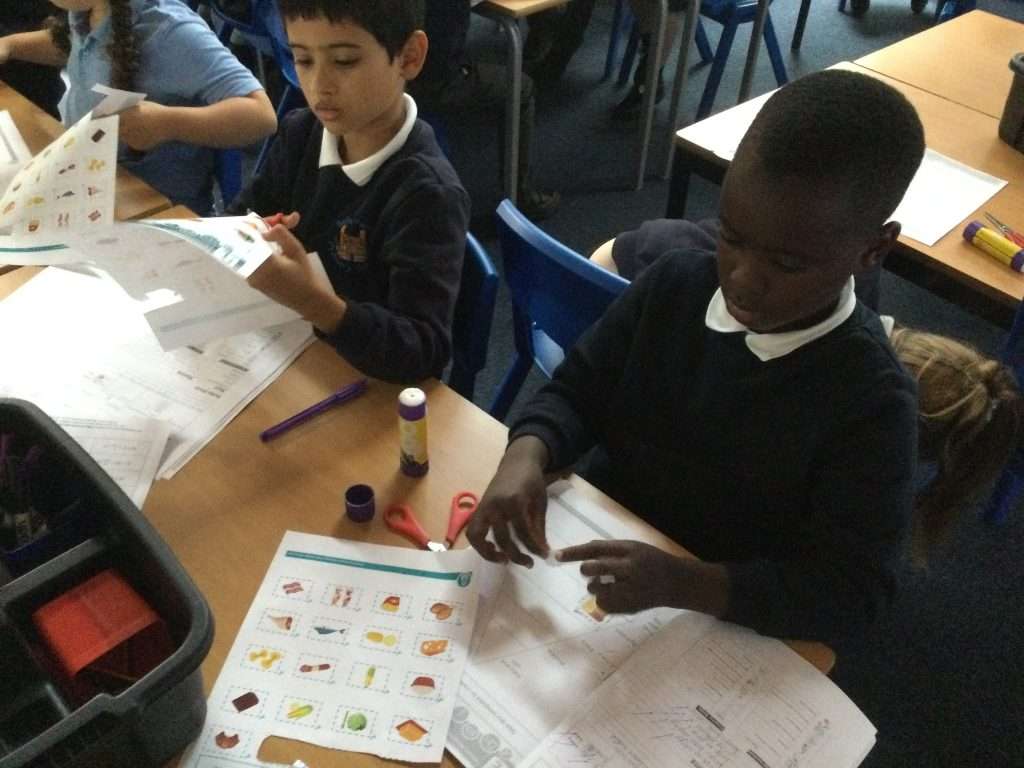
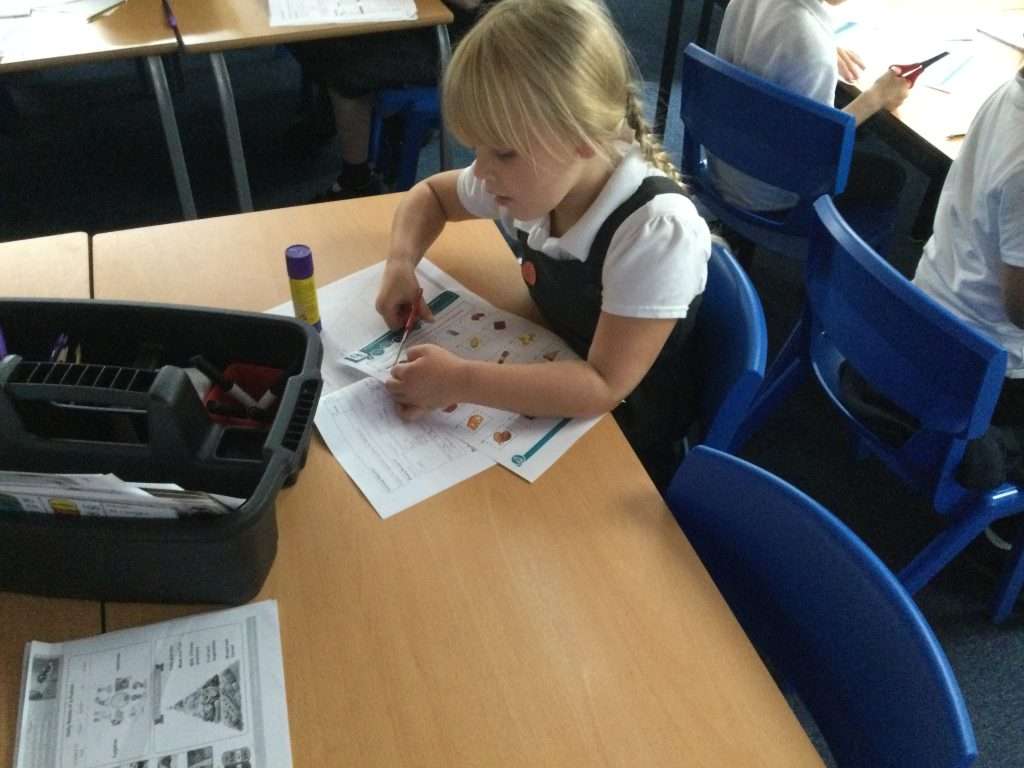
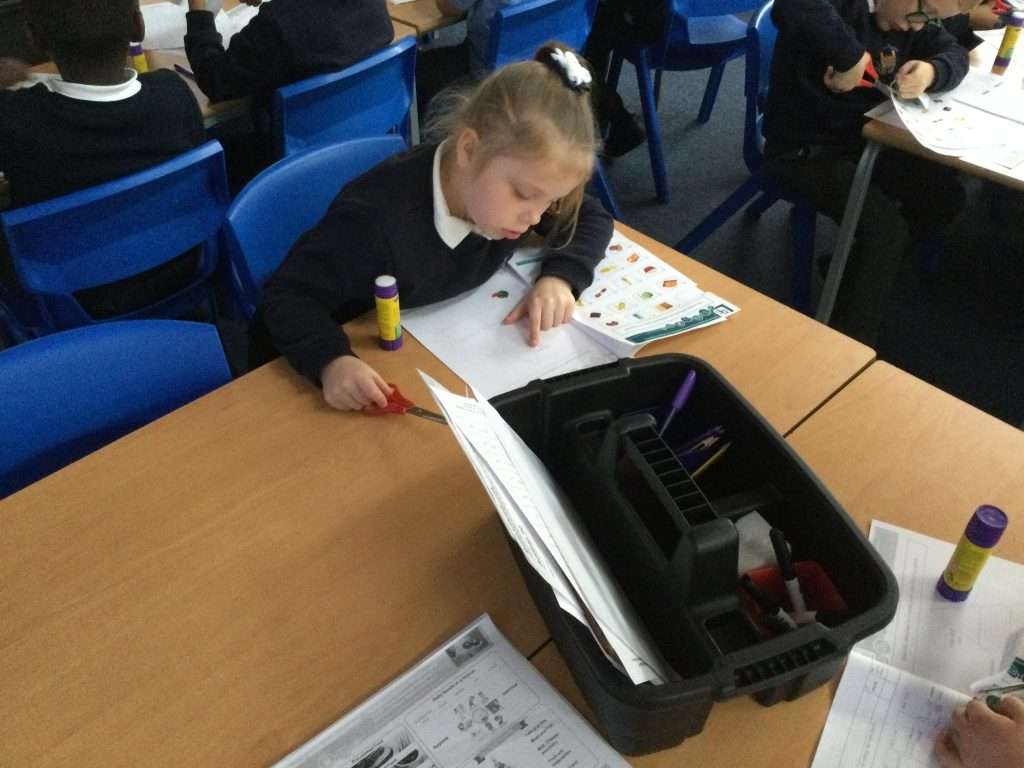
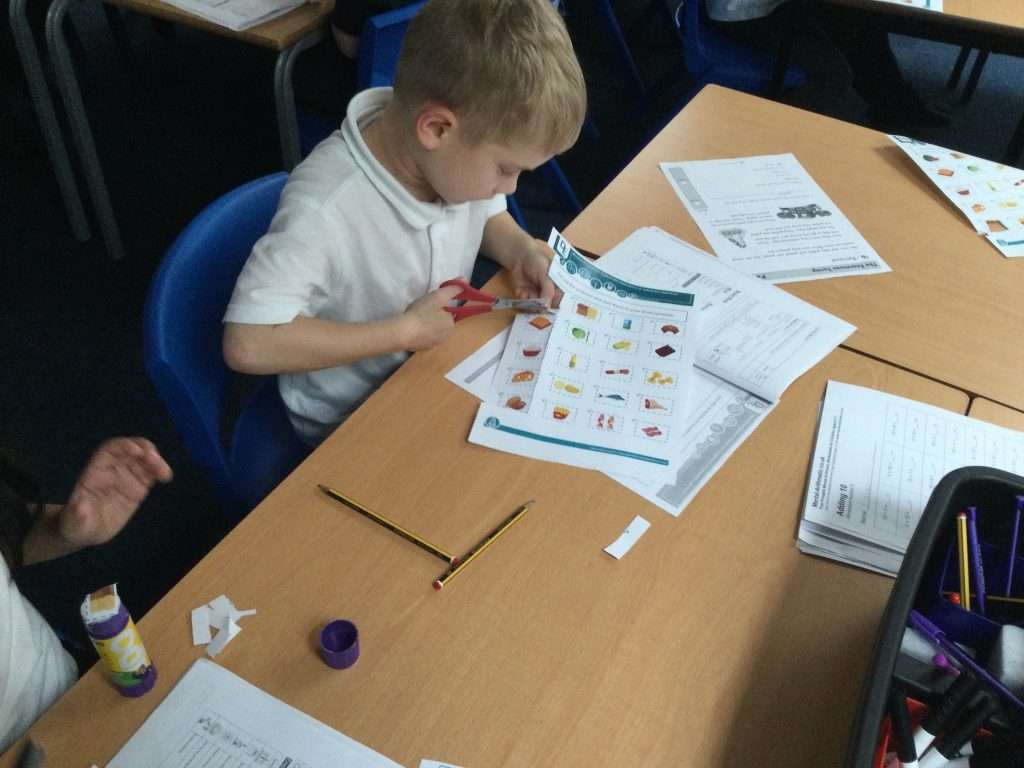
In today’s science lesson Toucans were learning about the different food groups and how much of each group constitutes a balanced diet.
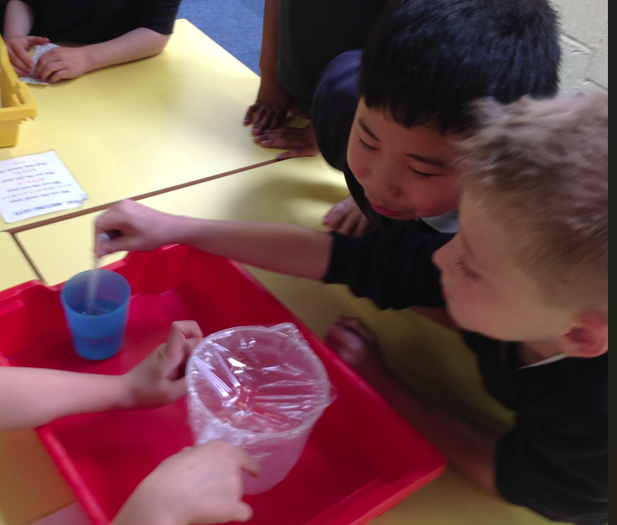
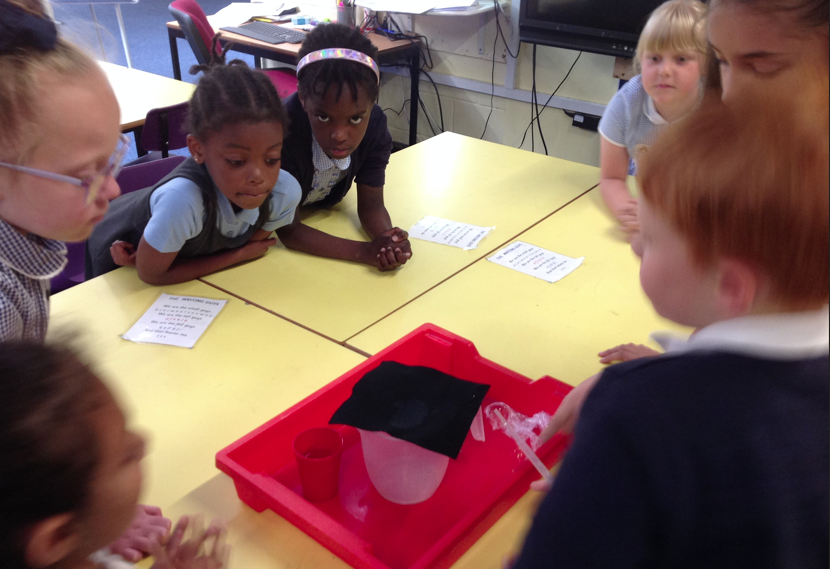
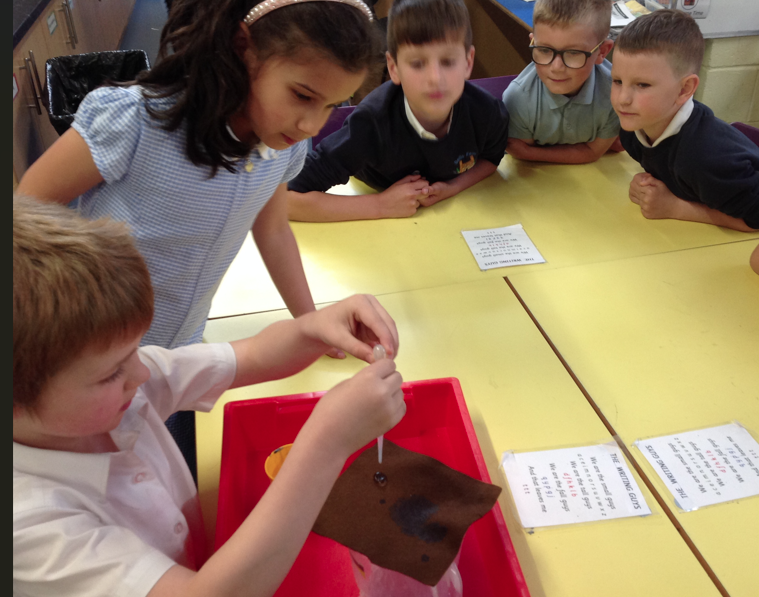
Today we were learning about which materials are waterproof and which are not.


Today in science, we created and conducted an experiment to test the stretchiness of a range of materials (the elastic bands definitely stretched the most.)


In today’s science lesson, we experimented by building bridges and seeing which material was the most suitable for overcoming out obstacle.


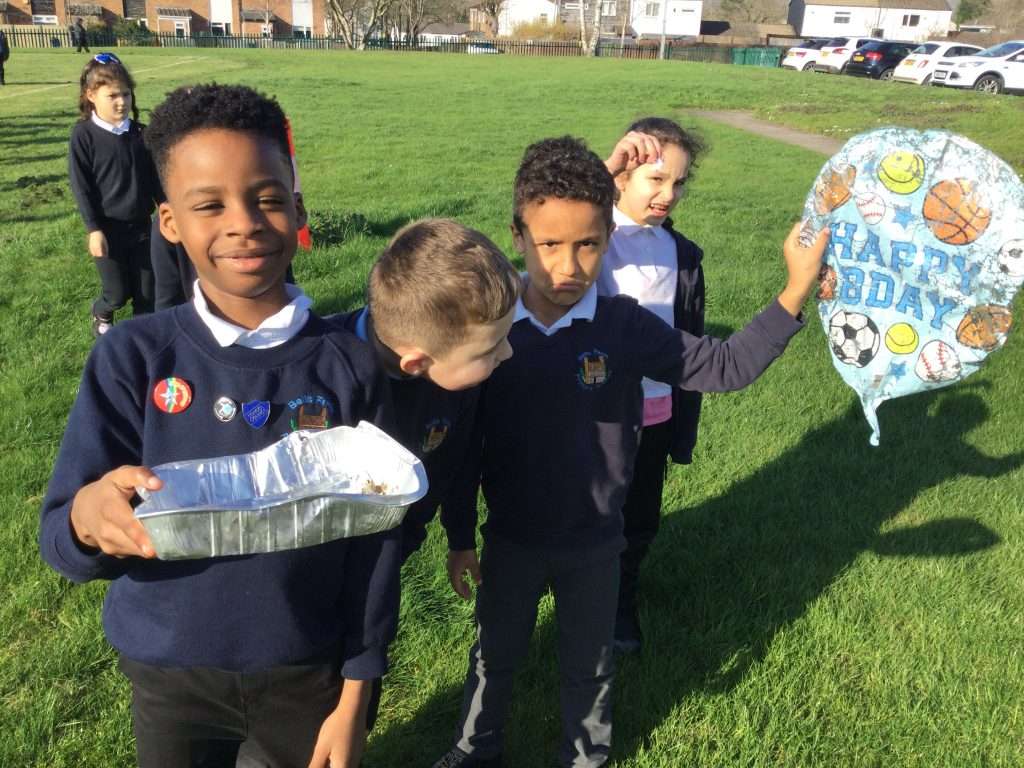
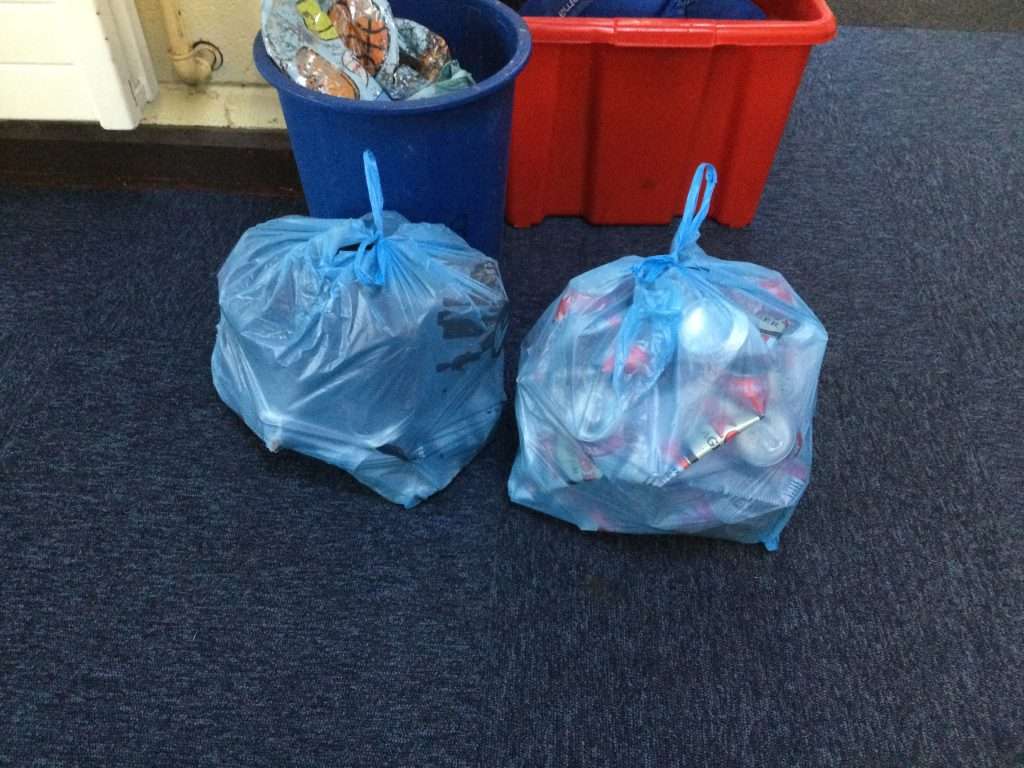
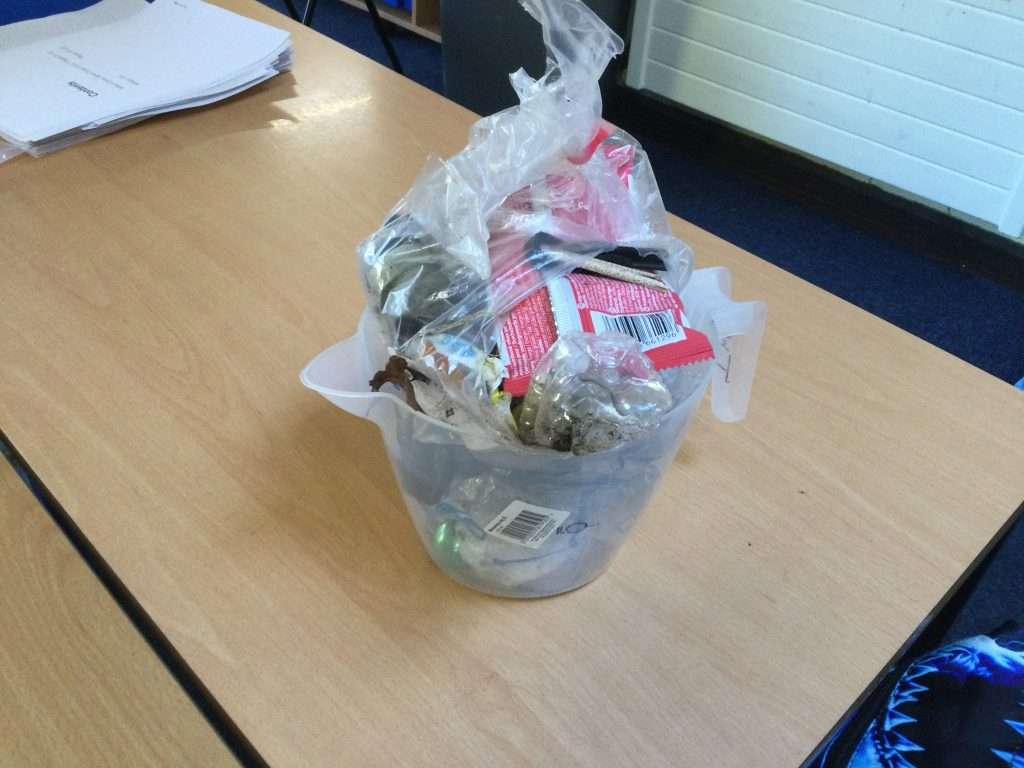
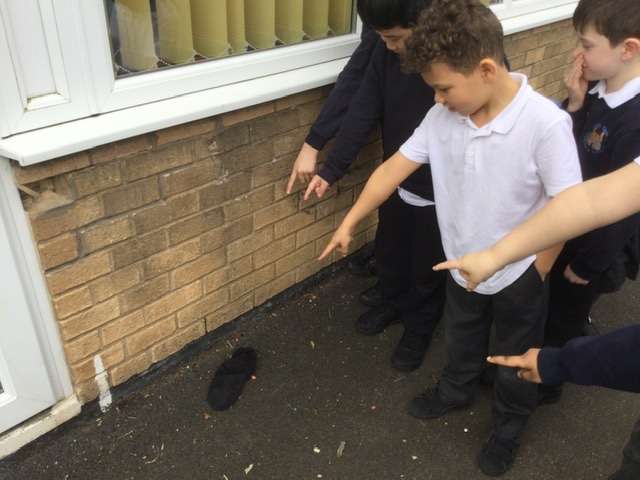
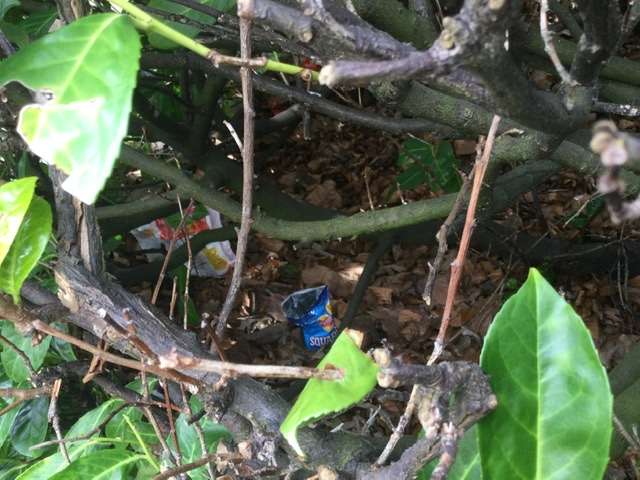
In today’s science lesson, we investigated how litter affects our environment. We will very surprised by how much litter we found around the school grounds.

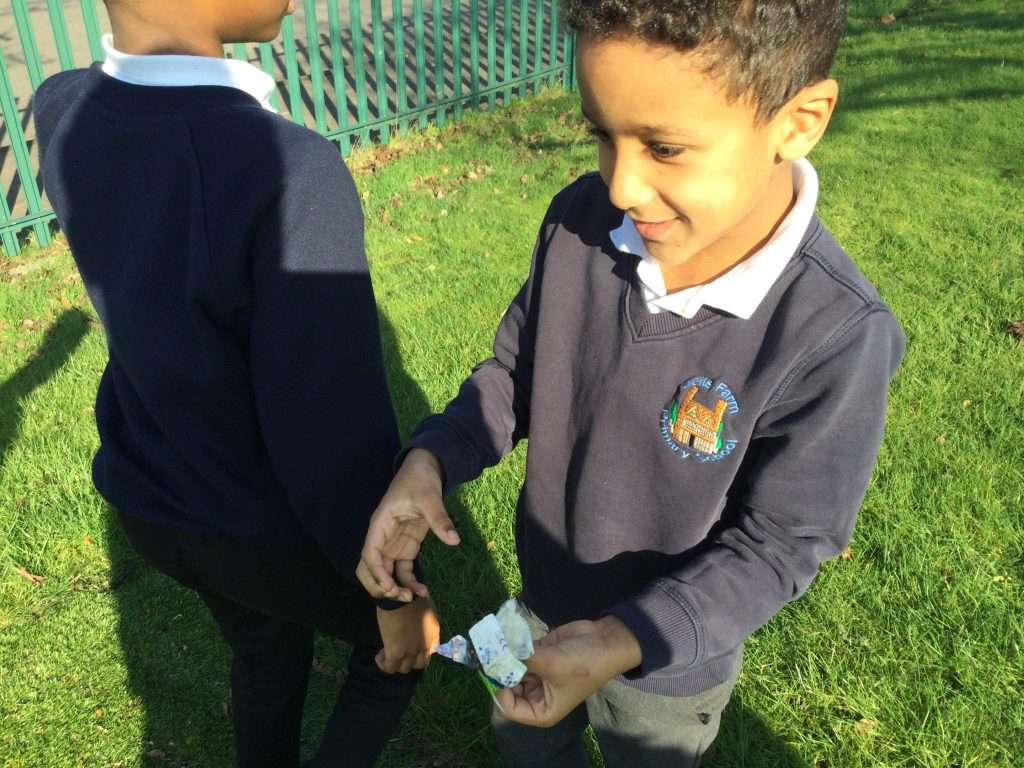
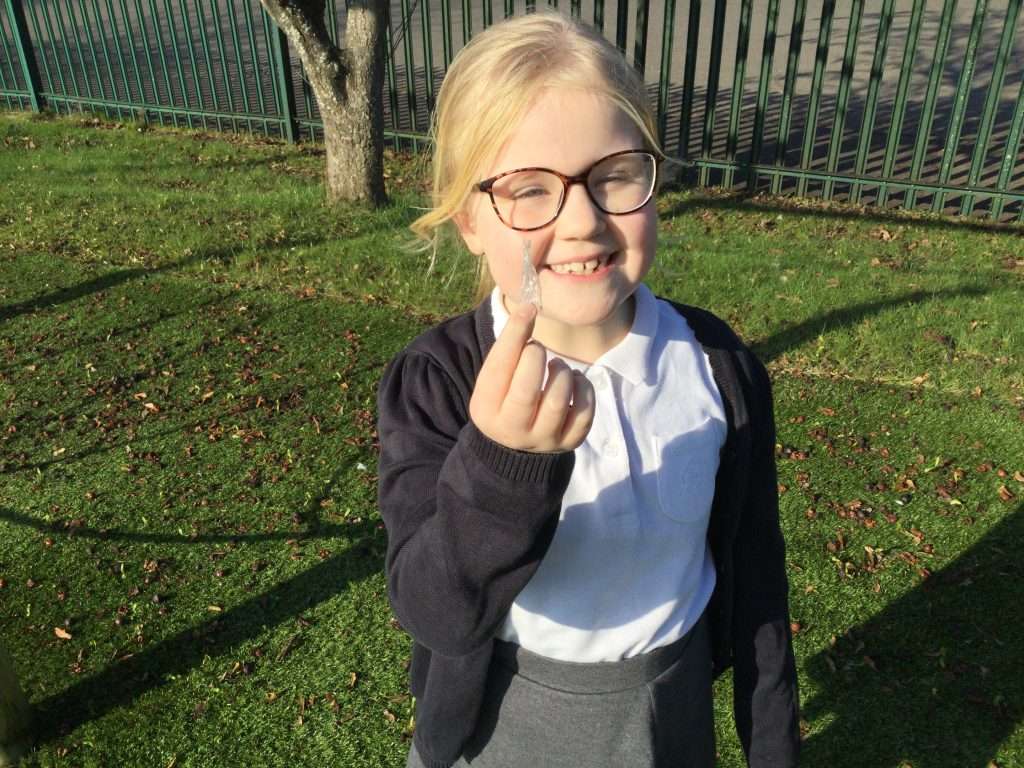
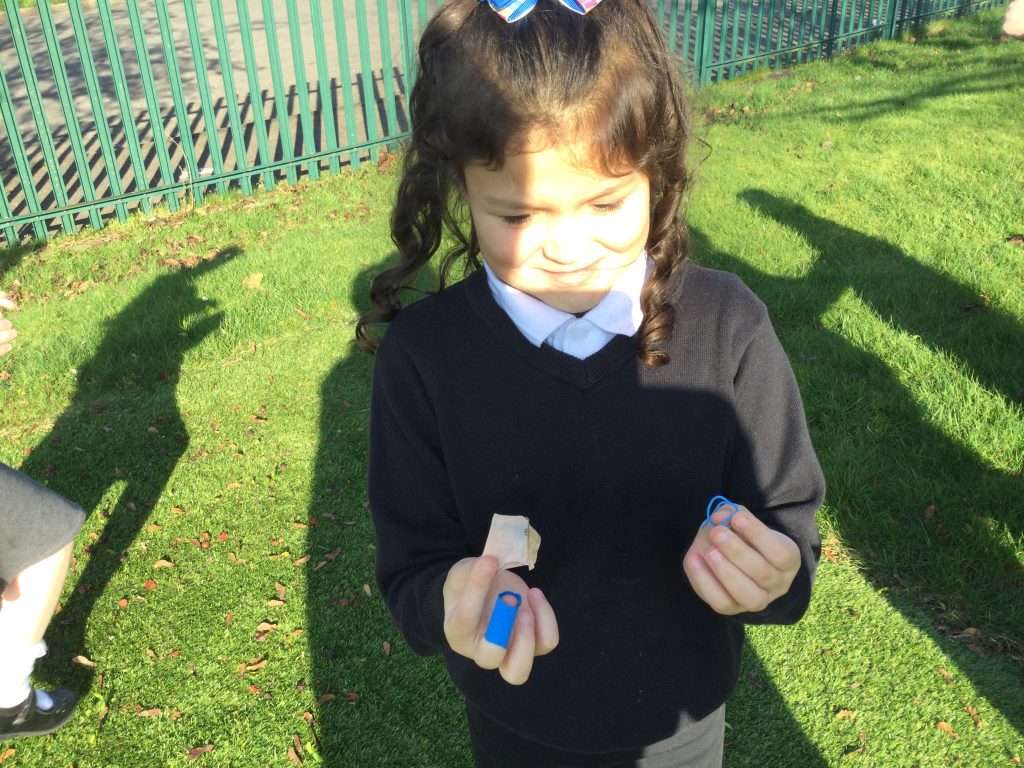
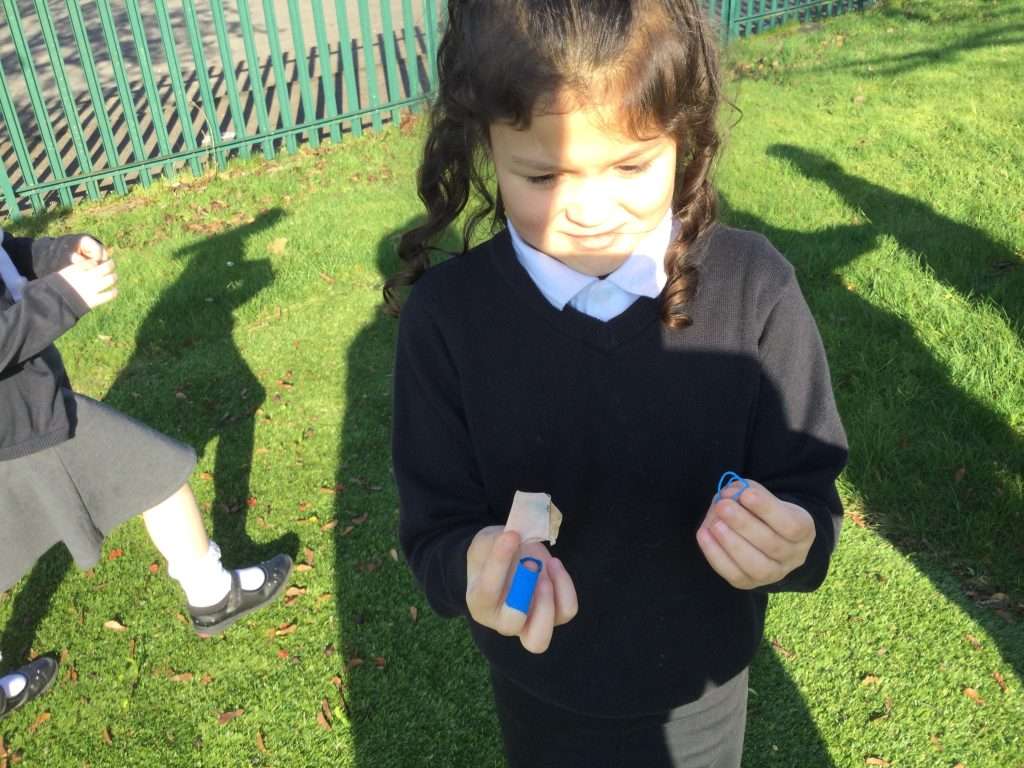
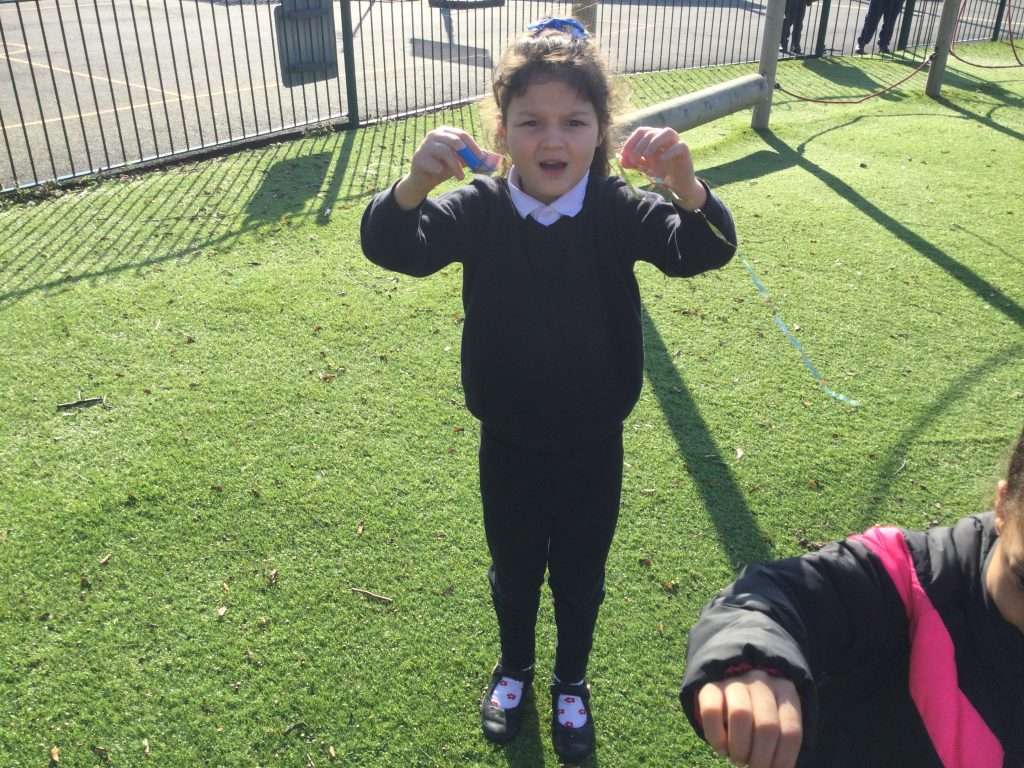
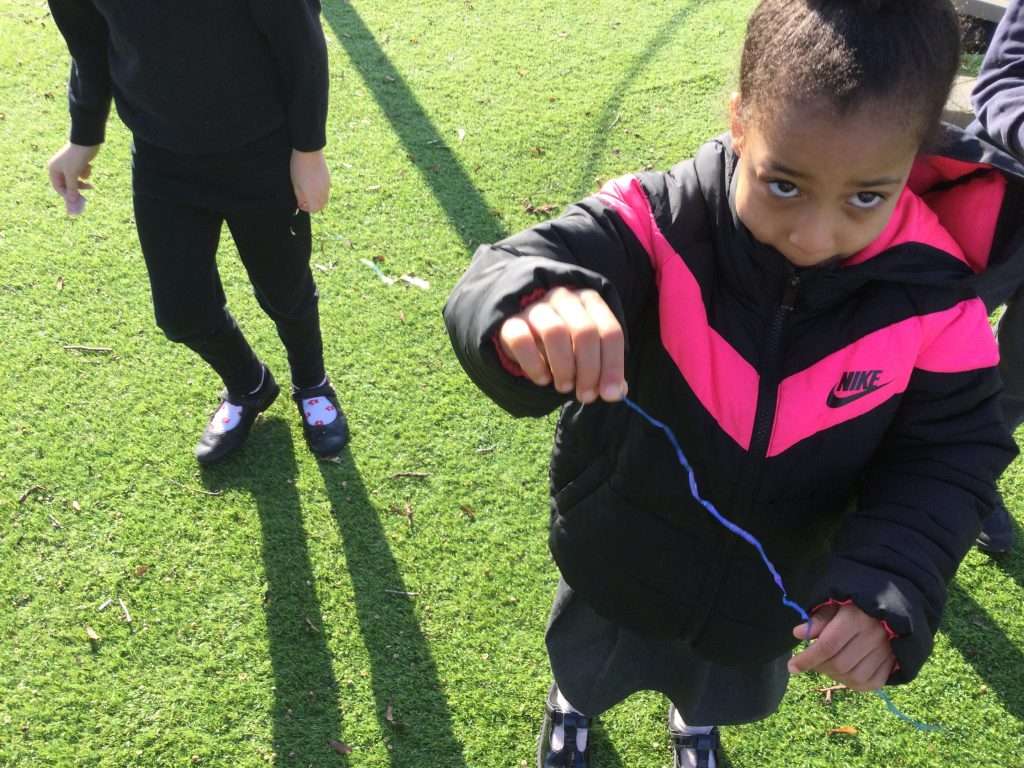
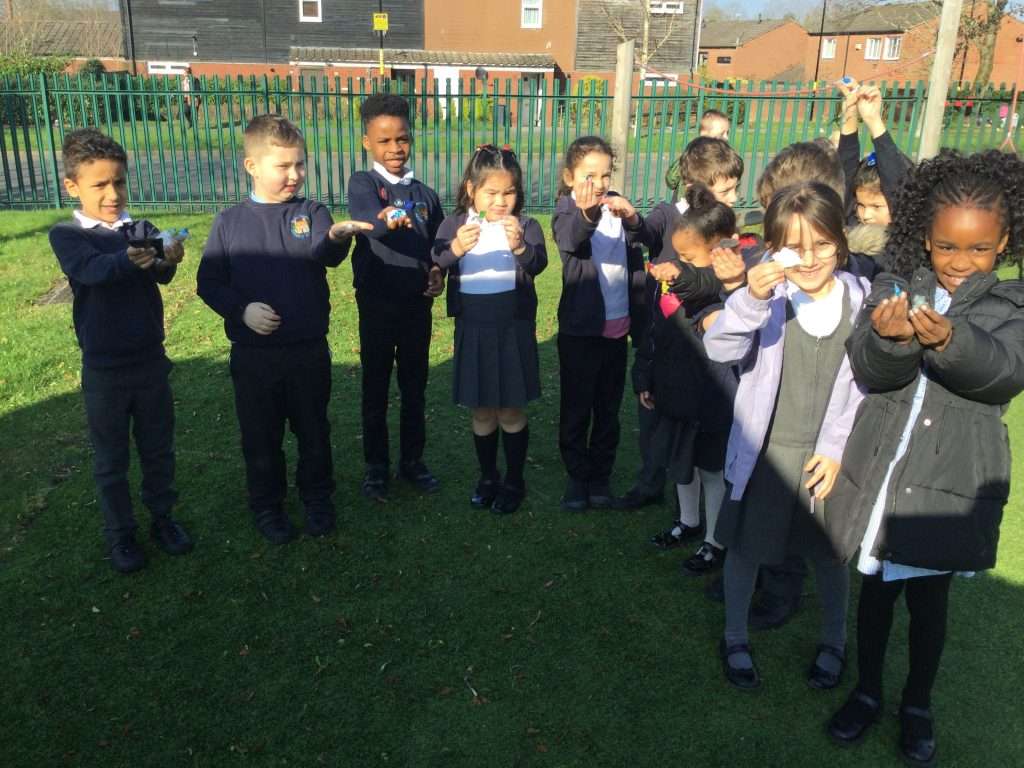
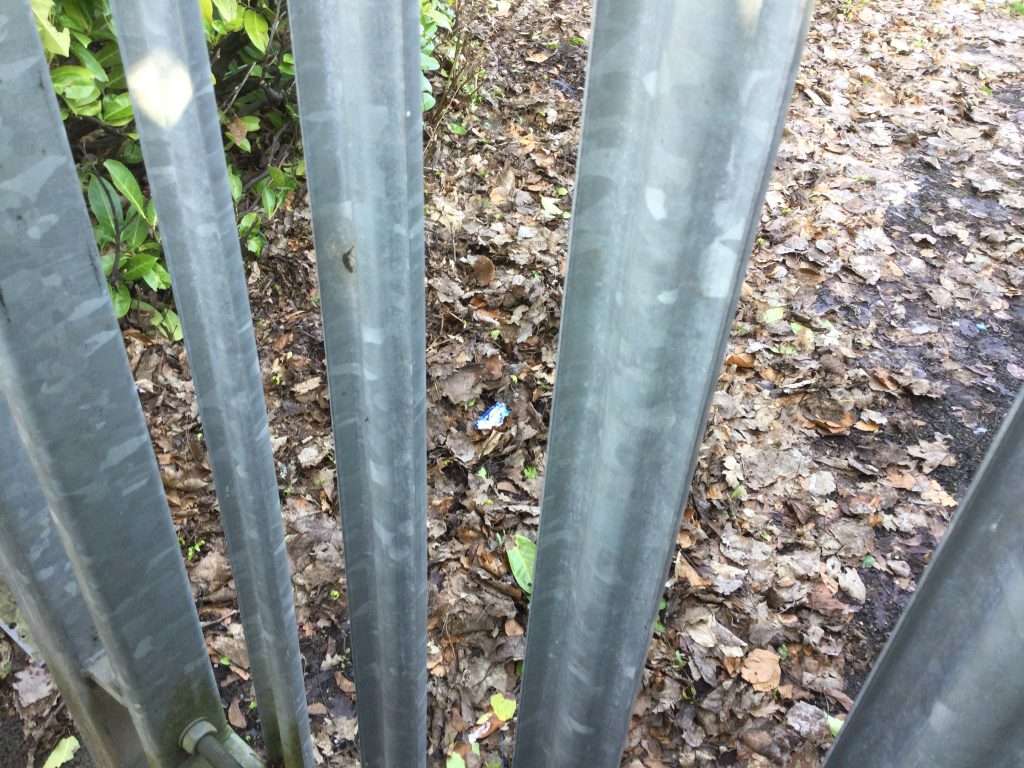
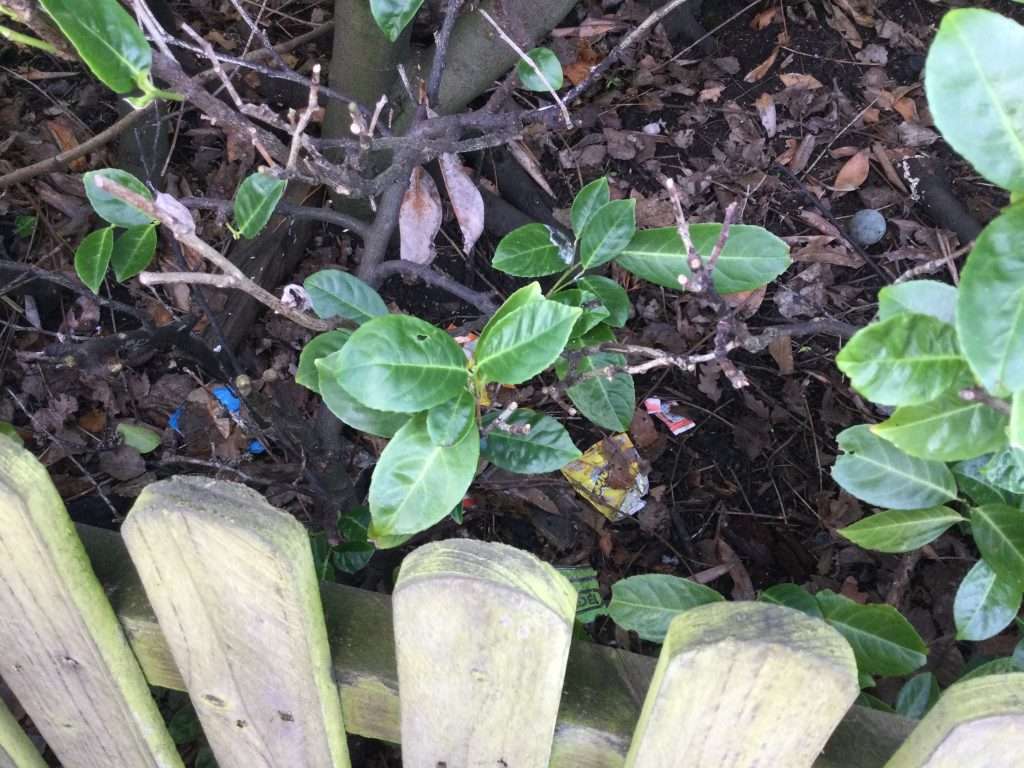
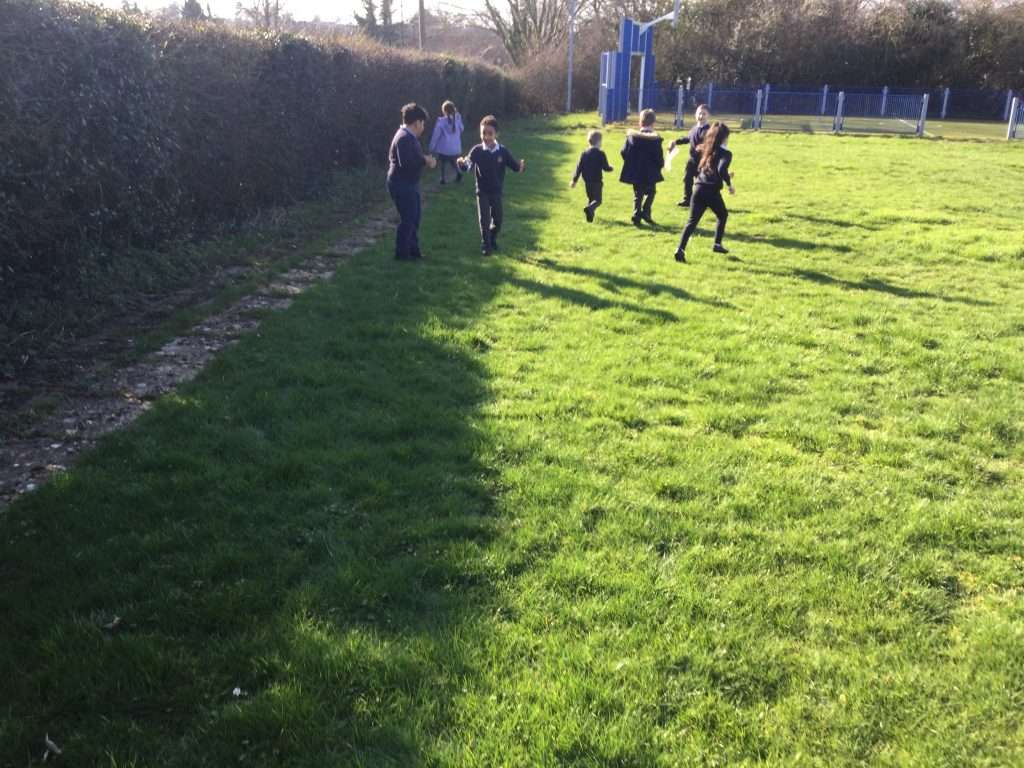
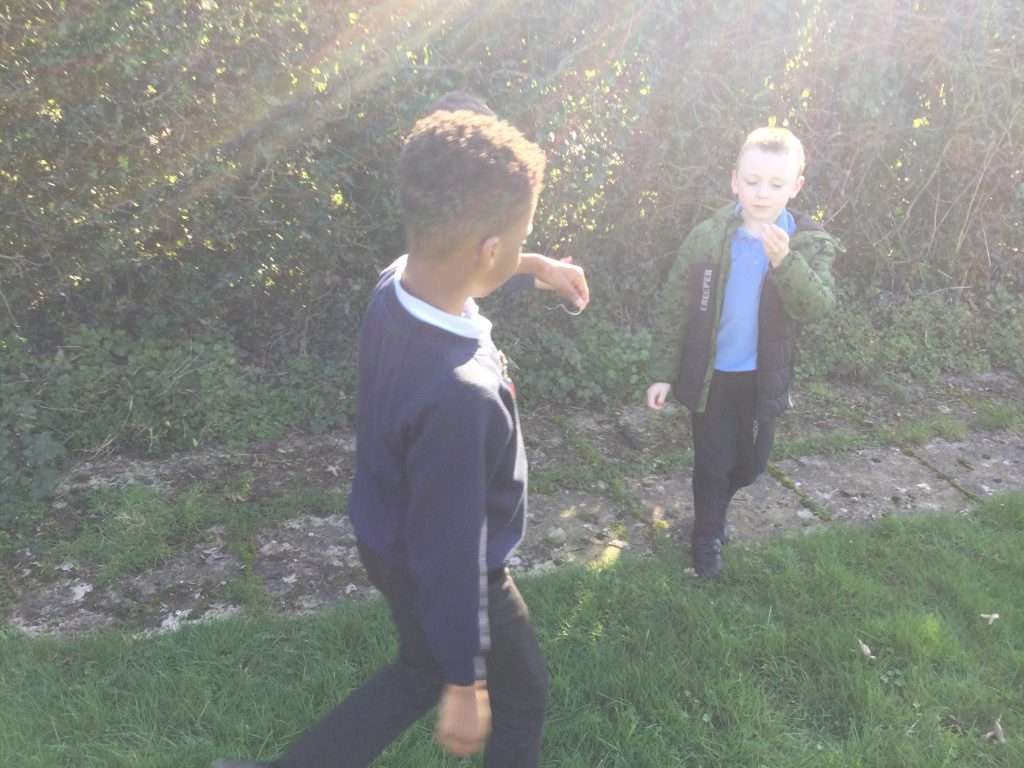
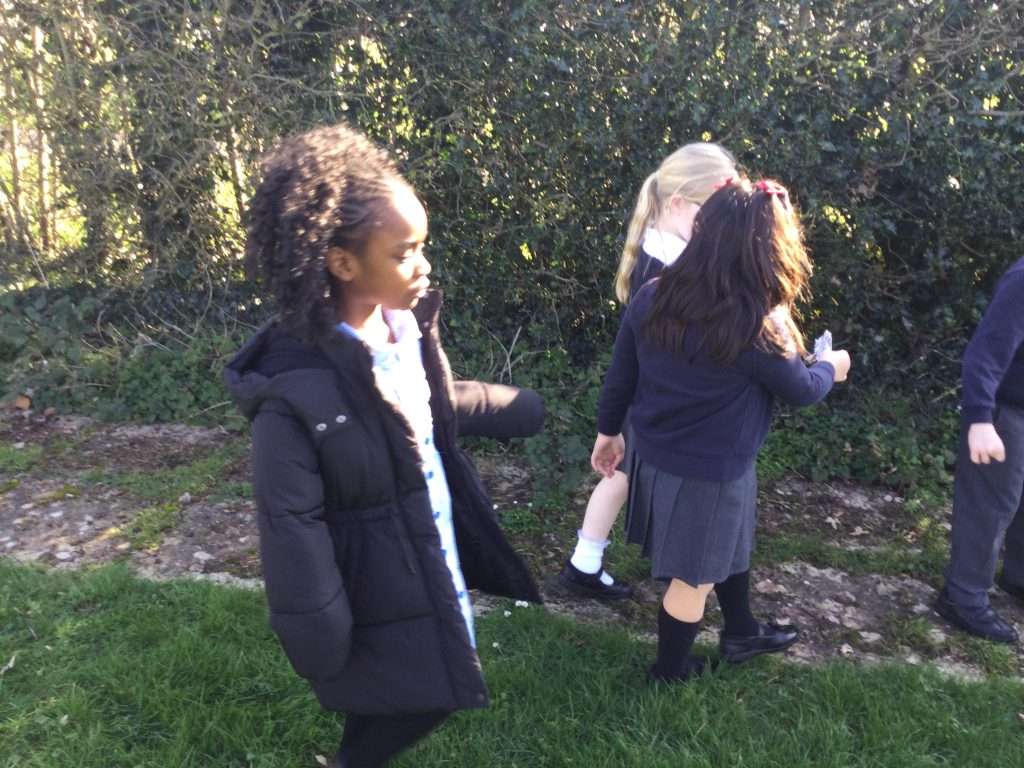
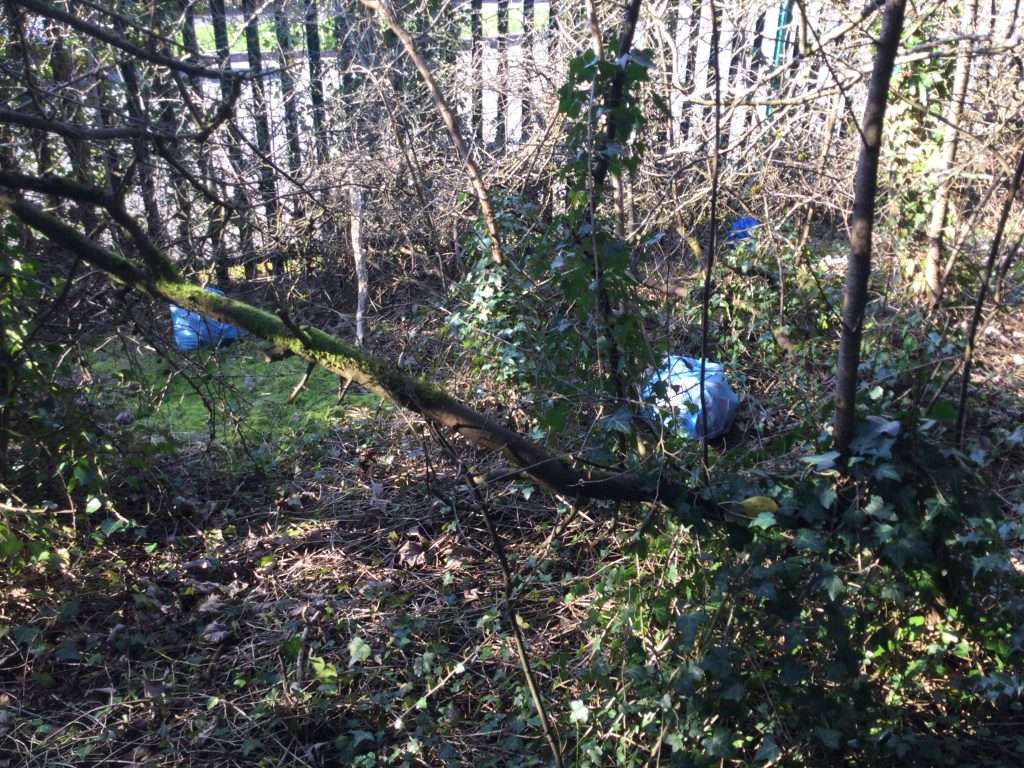
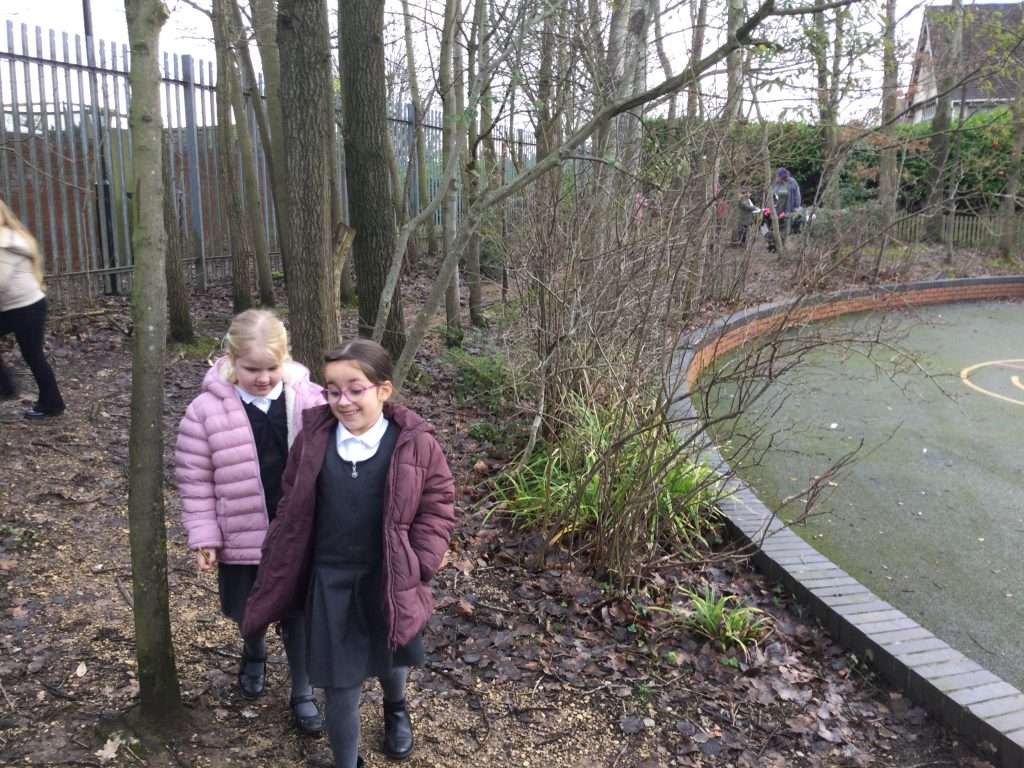
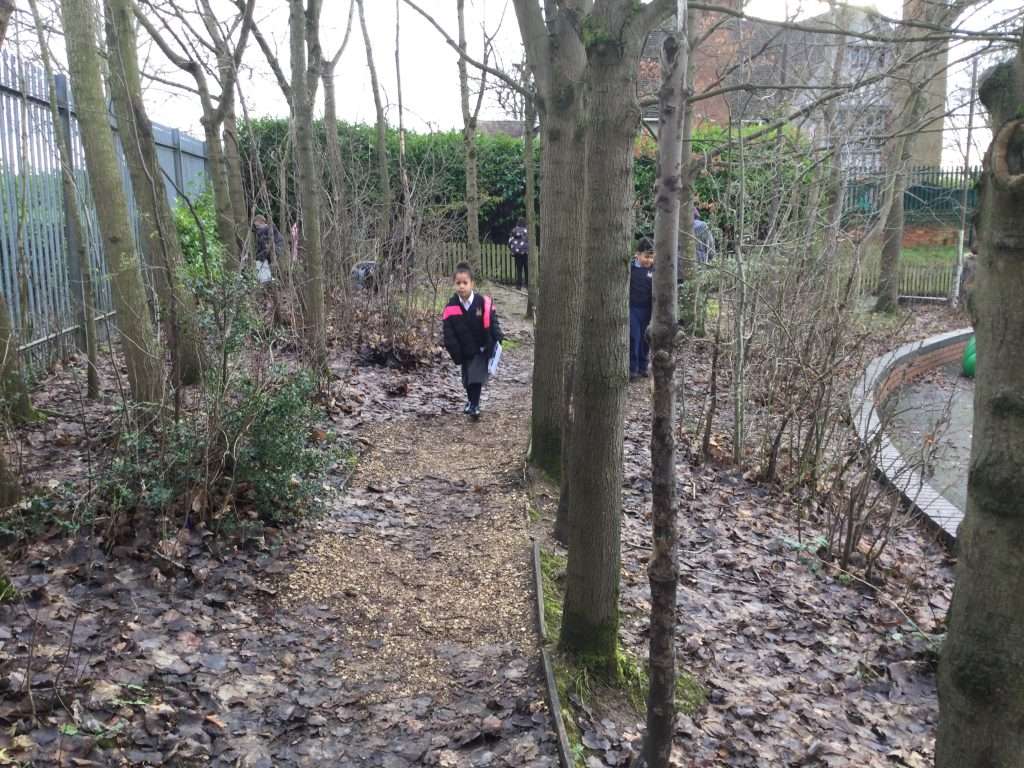
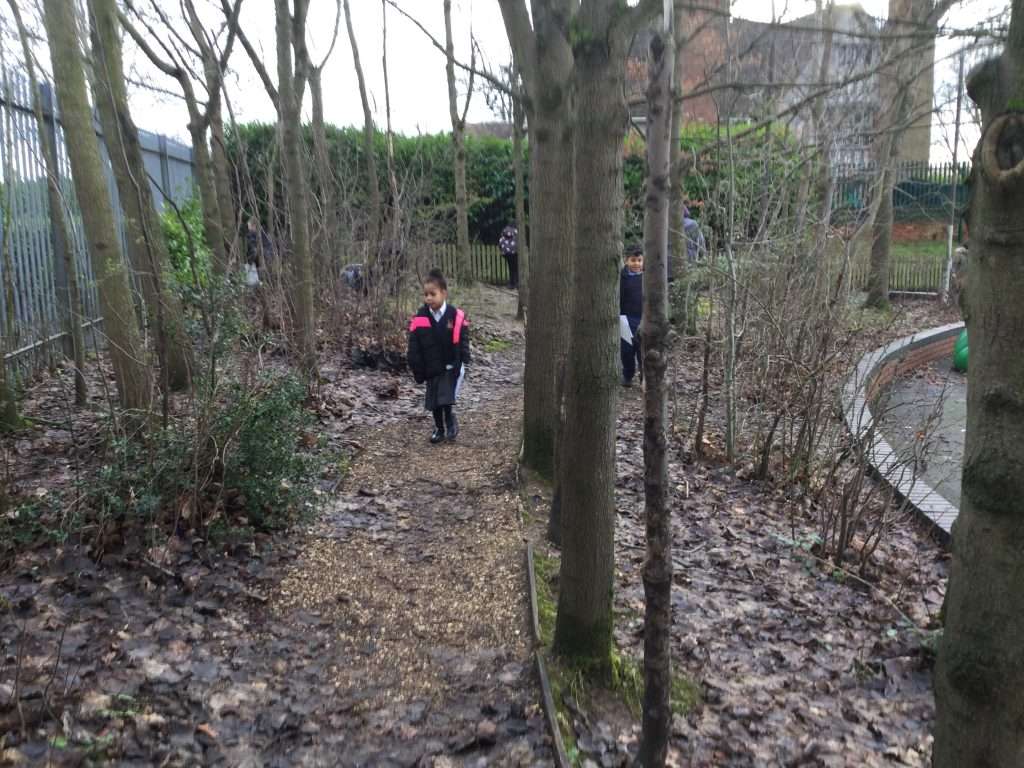
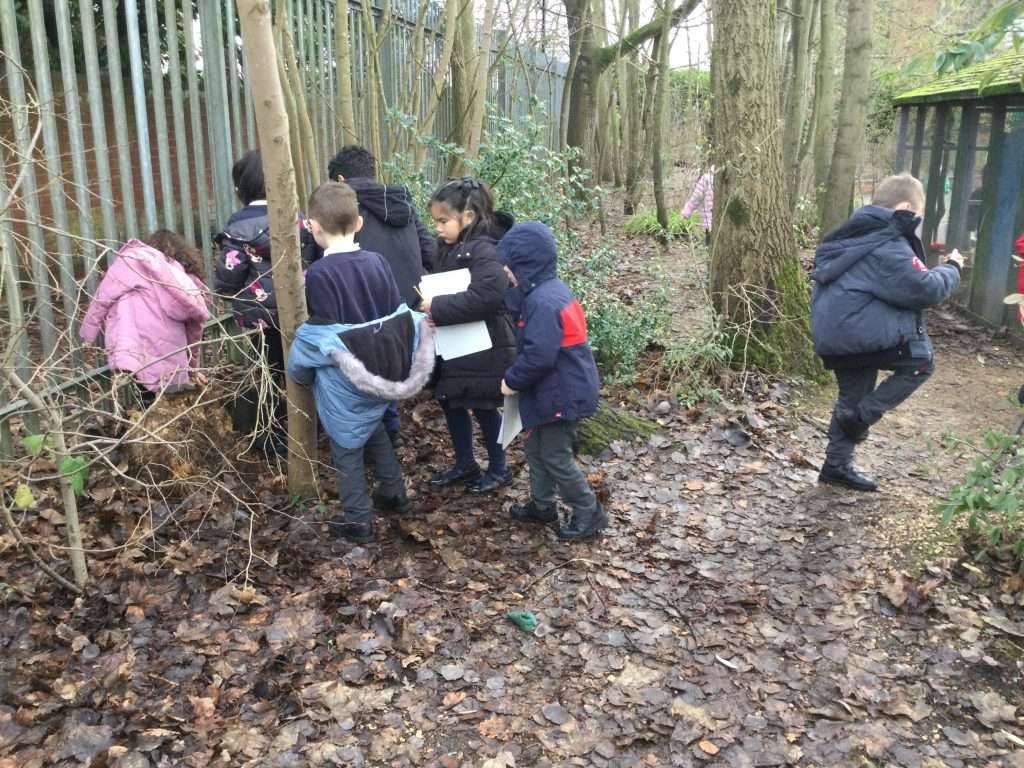
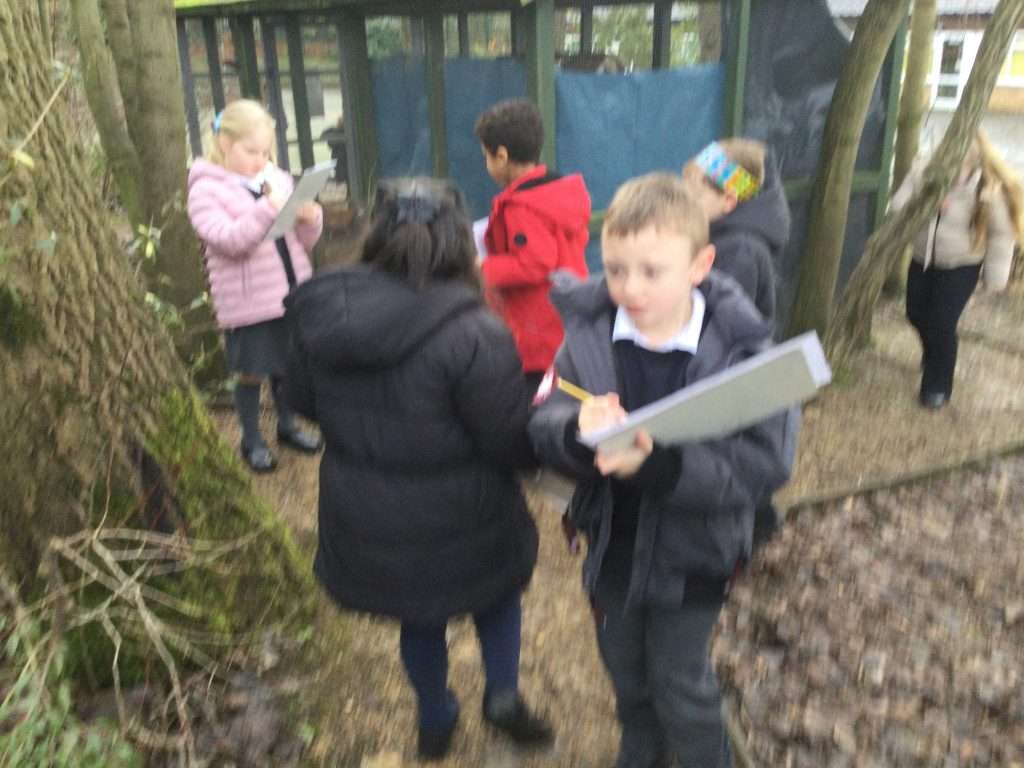
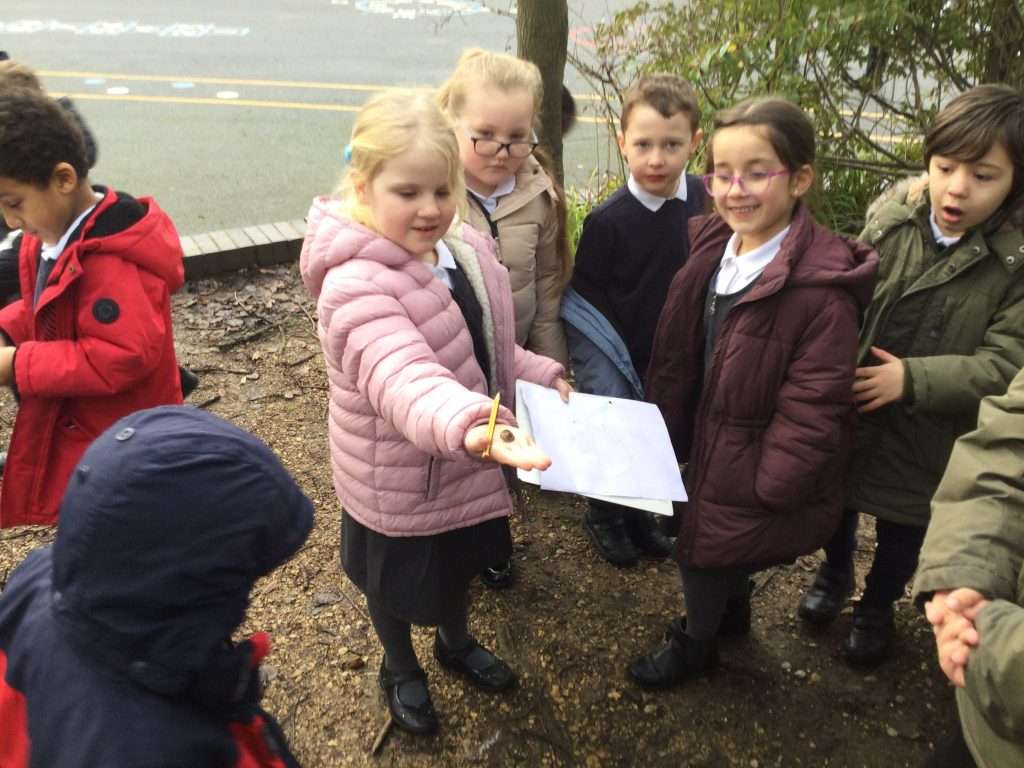
During today’s science lesson, we explored the woodland walk in search of microhabitats and the plants and animals that may live within them. It did, however, turn out to be slightly on the chilly side today.


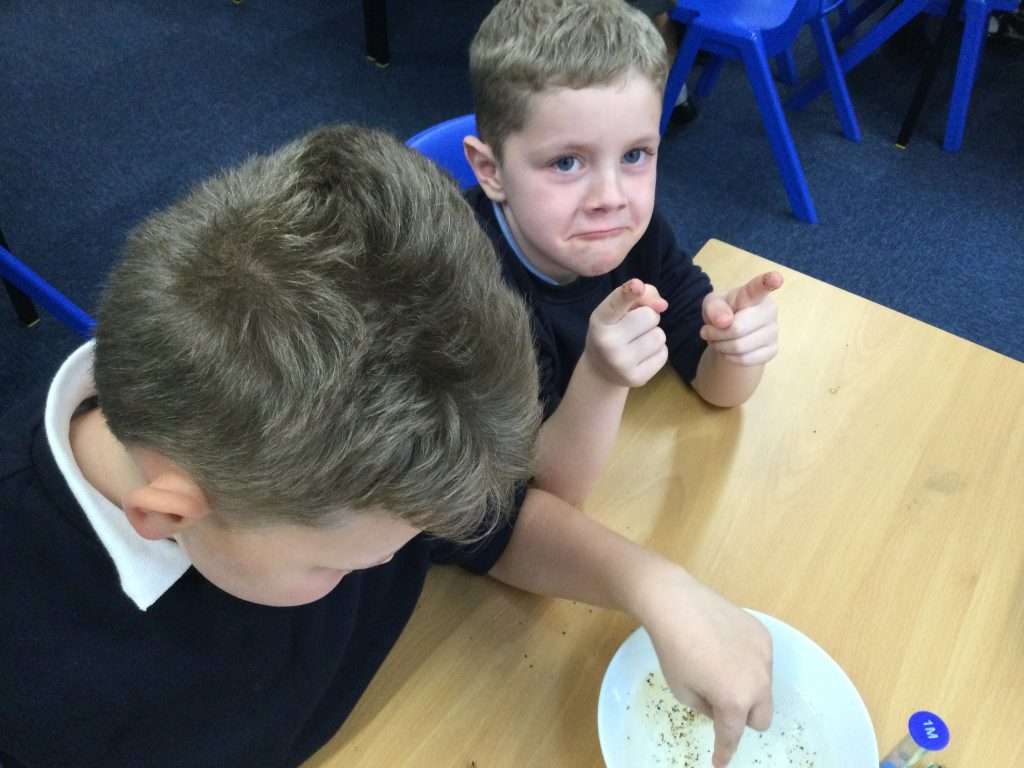
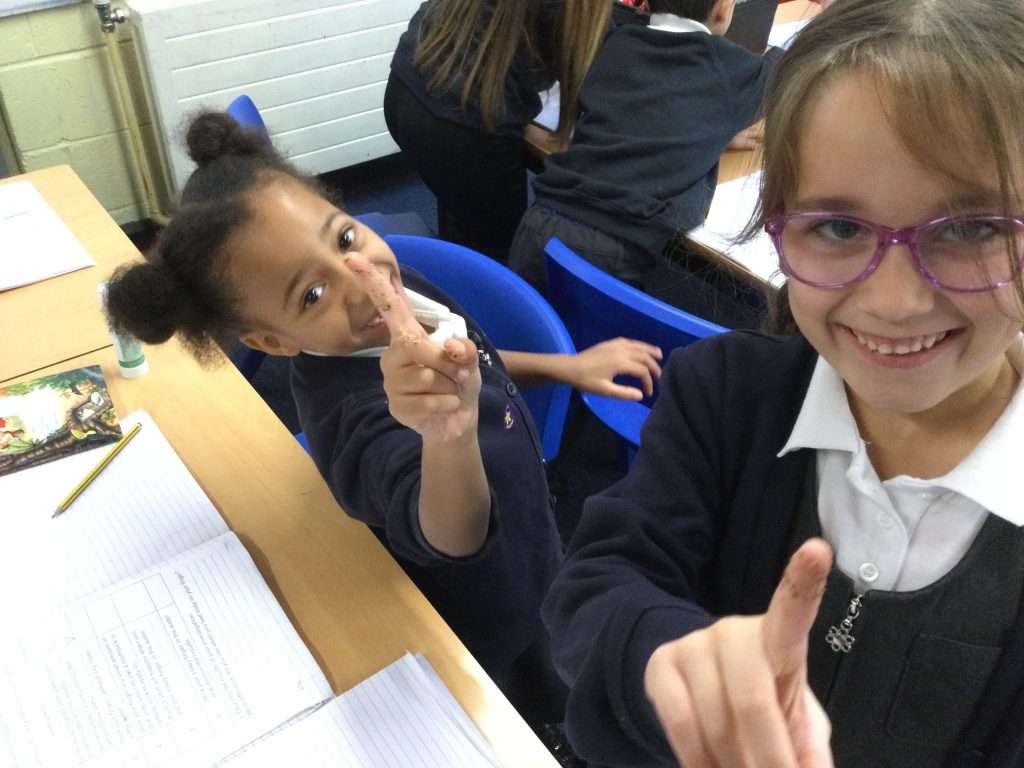
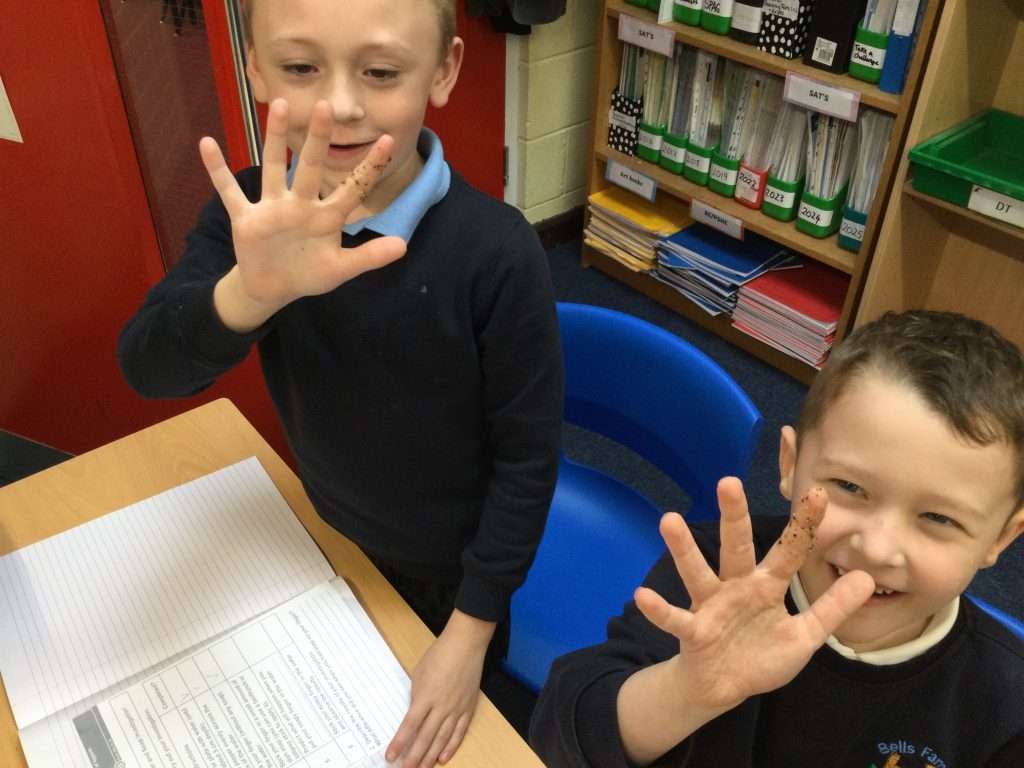
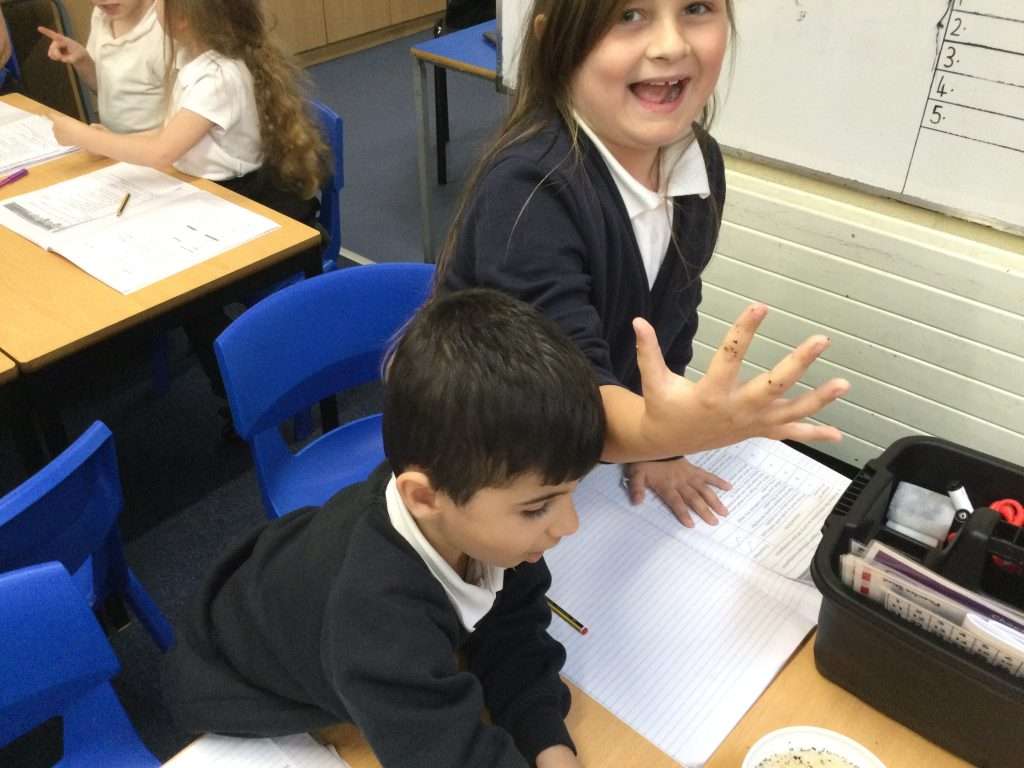
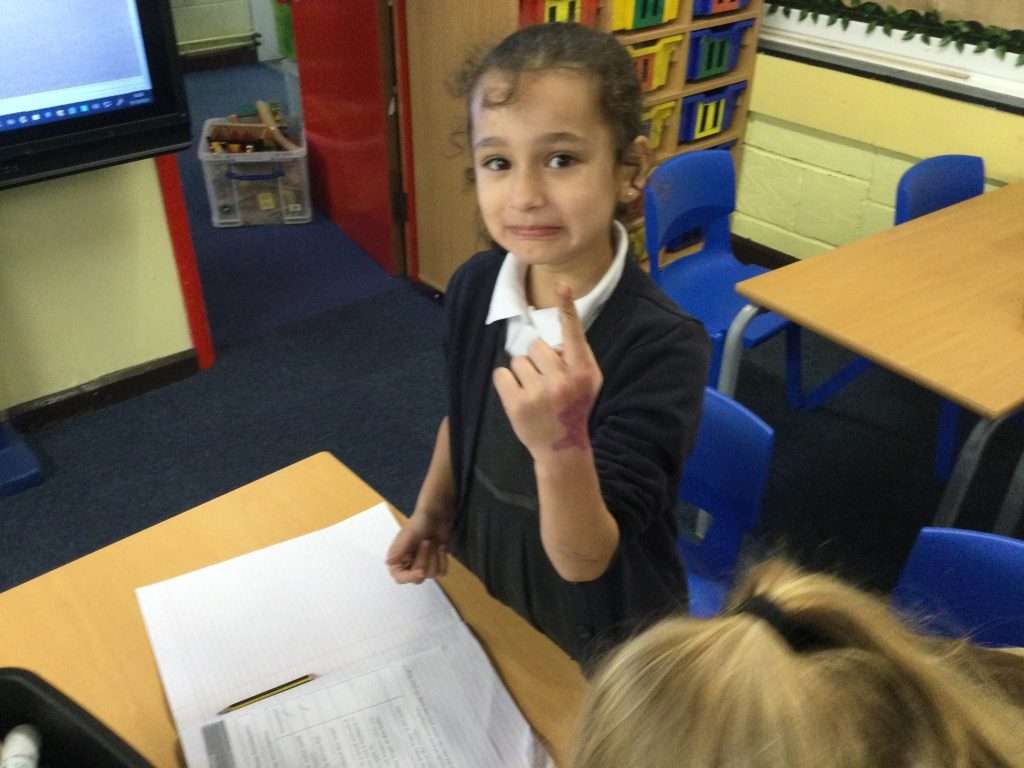
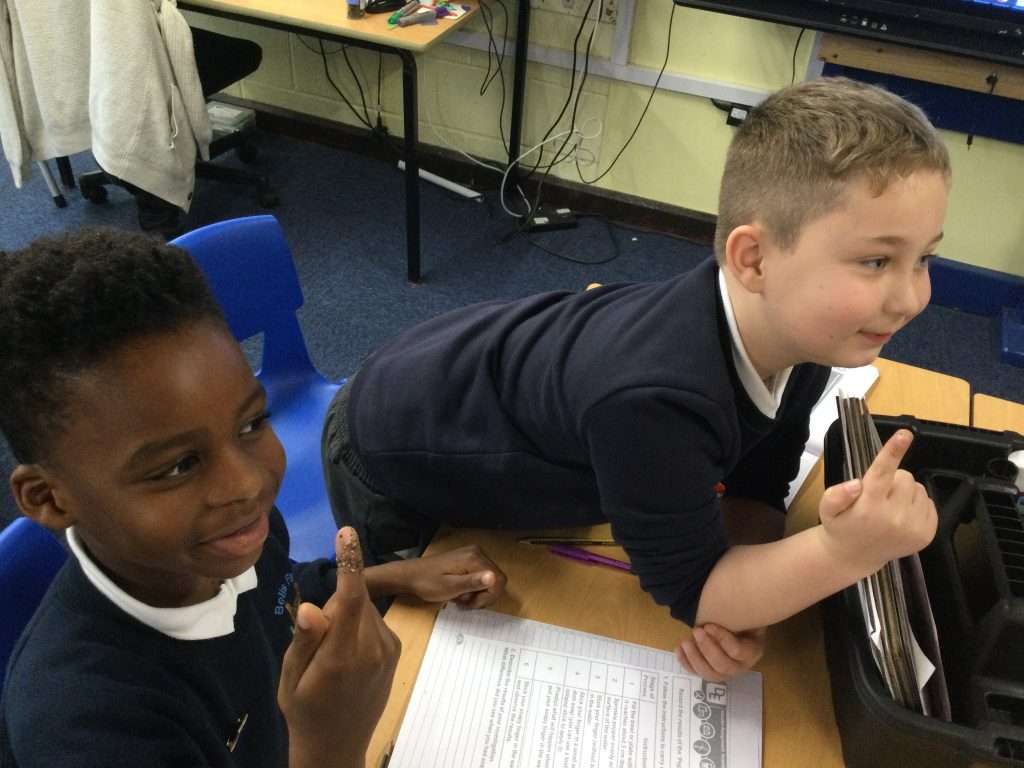
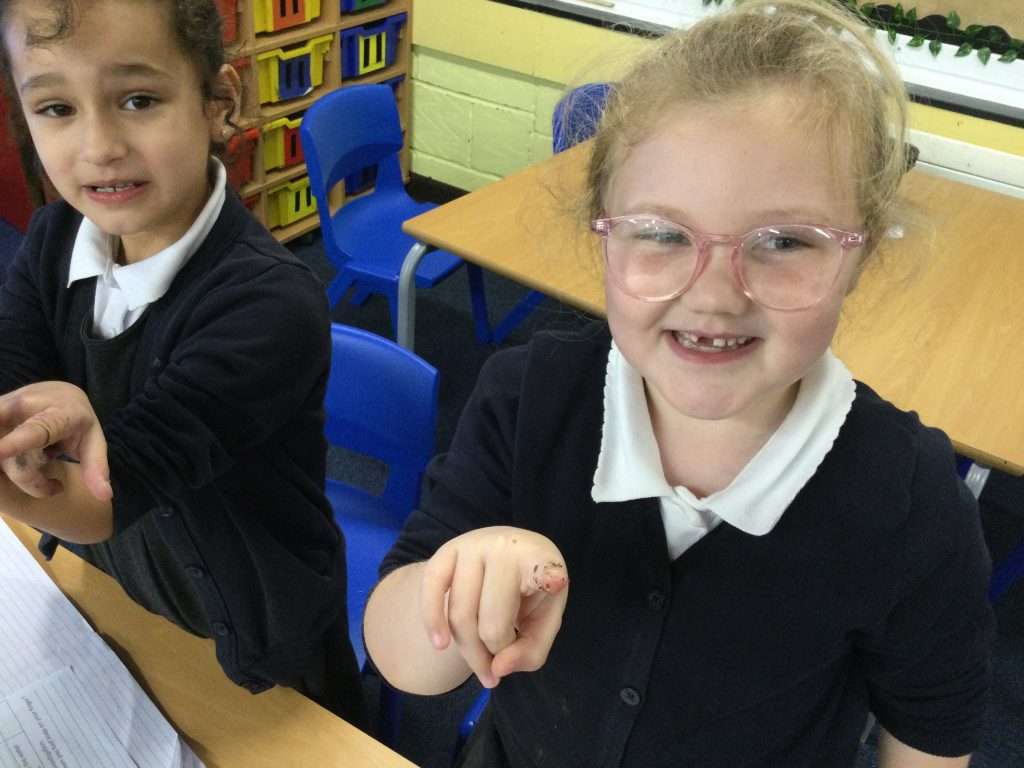

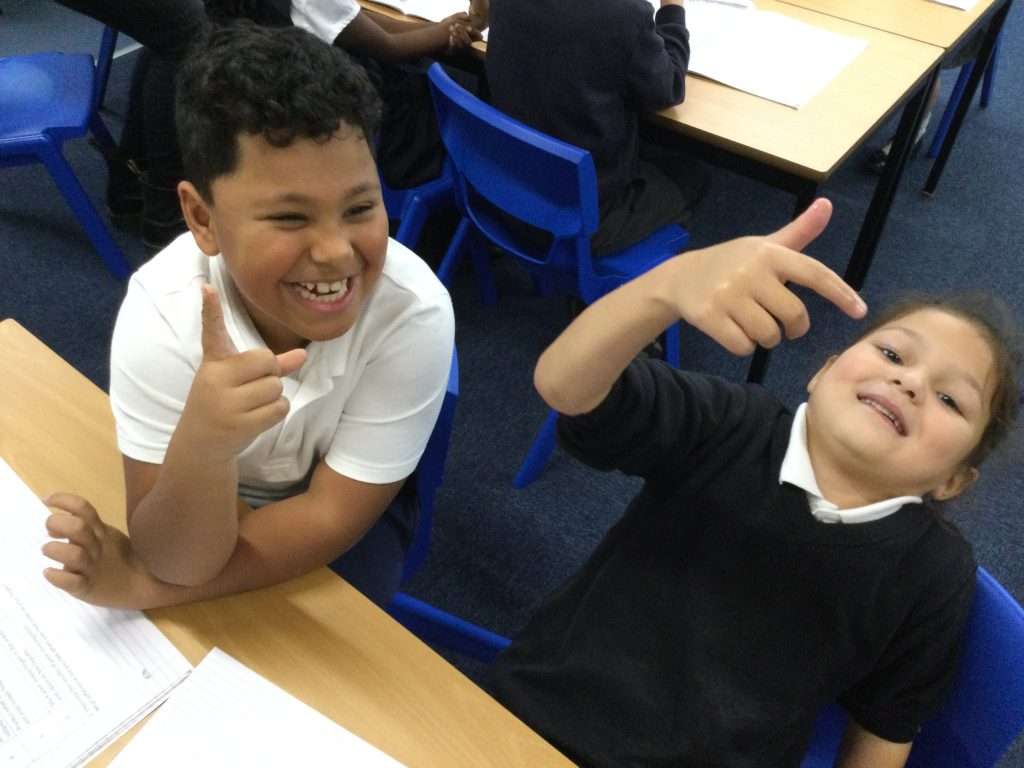
In science, we explored the effects of using hand soap and why it is important to have a good hygiene routine.
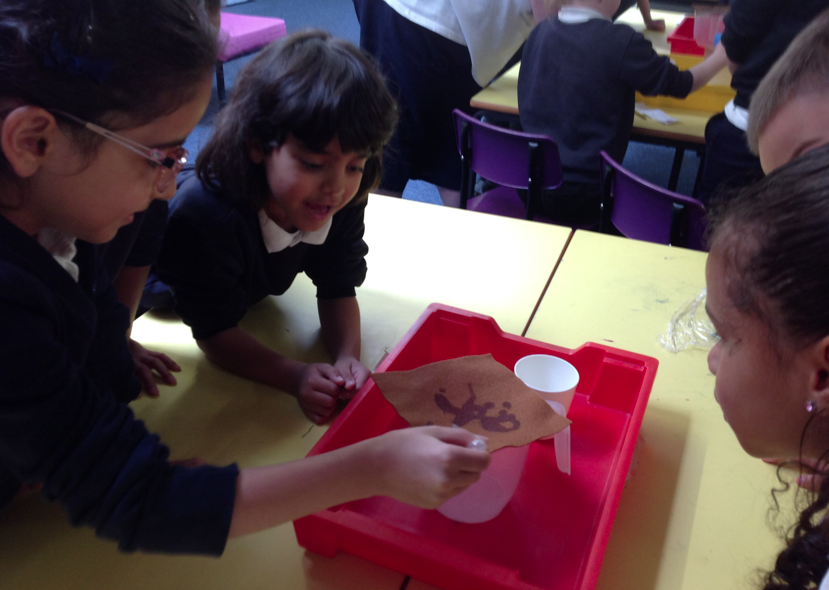
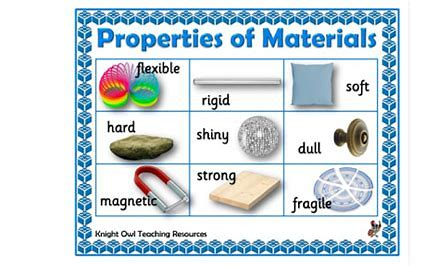
Properties of Materials
Charles Macintosh was a Scottish chemist and inventor who is best known for his invention of the waterproof fabric that came to be known as “Mackintosh” or “Mac”.
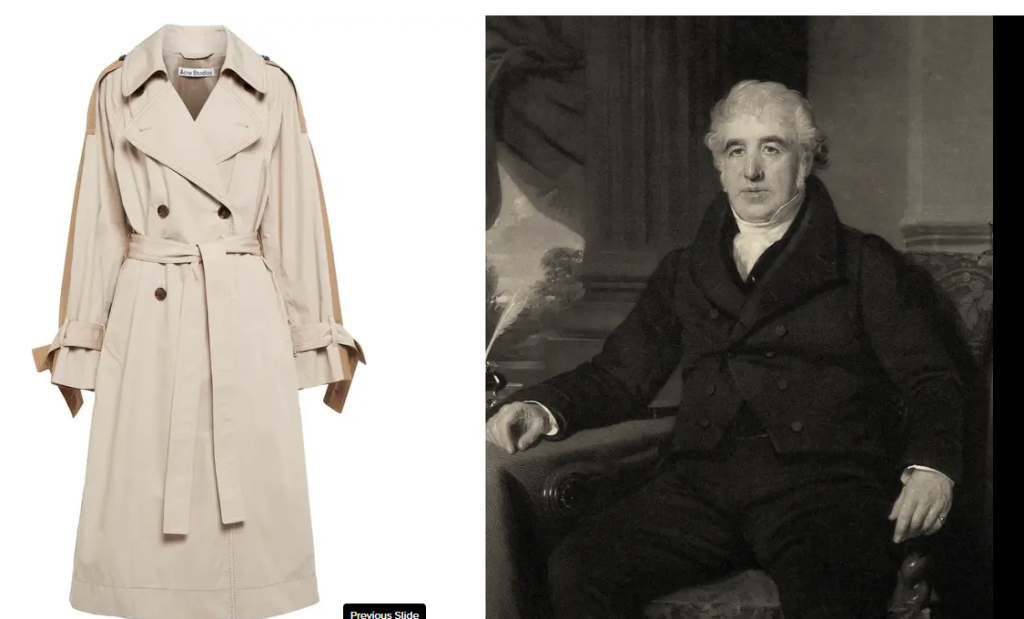
In 1823, he discovered that a solution of rubber in a solvent called naphtha could be used to coat cloth, creating a waterproof material that was both lightweight and flexible.
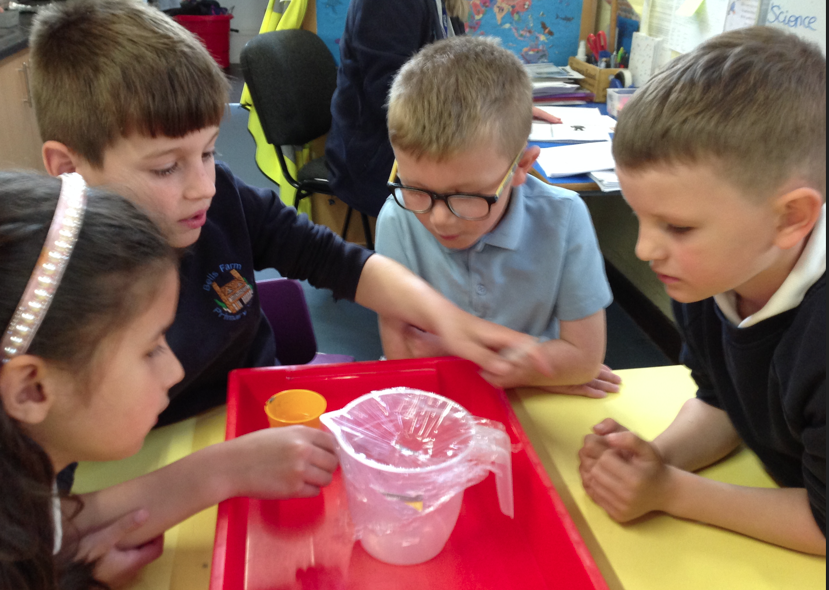
Today, Toucans investigates whether materials were absorbant / waterproof. Toucans were very good scientist. They had to use their skills in communicating findings and ensure they were conducting a comparative test.
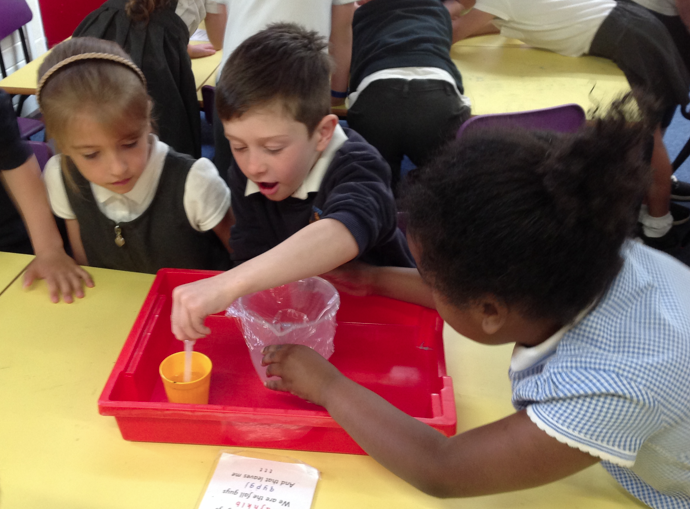
In Science we investigated the best material to make a bridge.
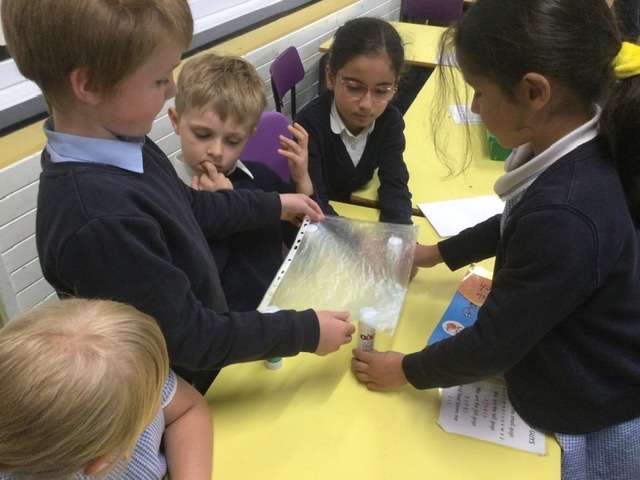
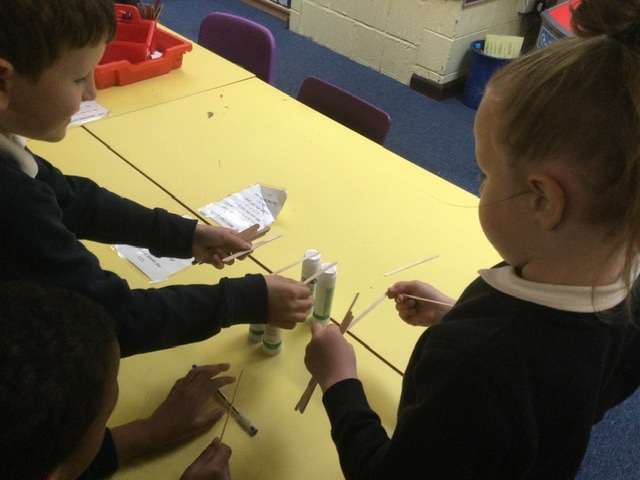
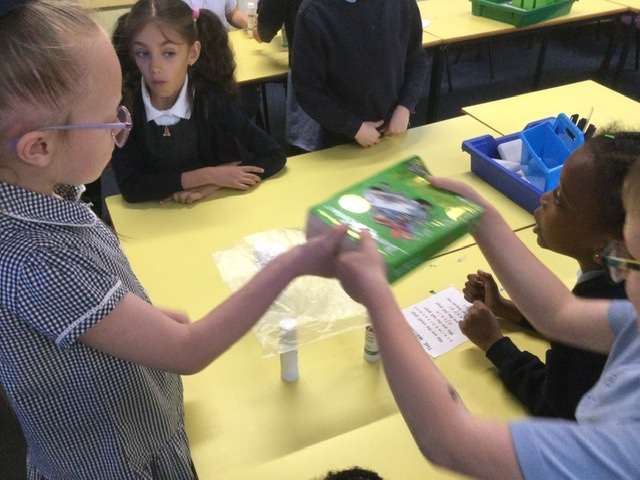
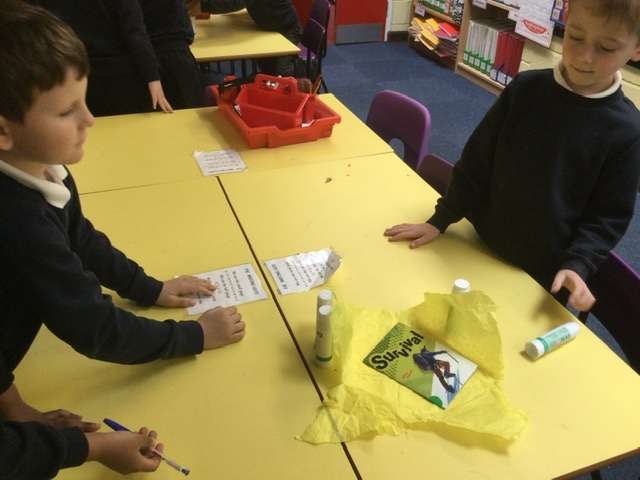
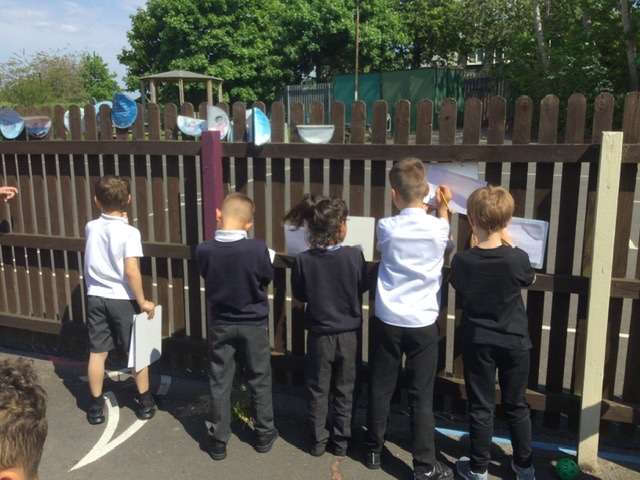
In science we observed different materials of chairs, fences , windows and discussed the properties of the materials used .
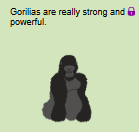
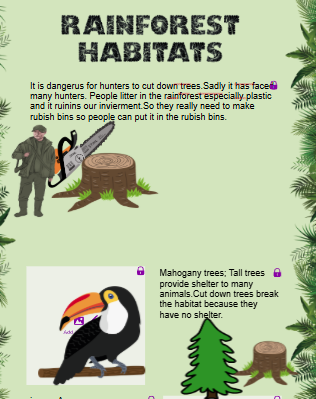
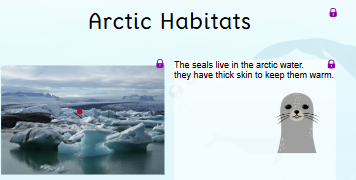
Toucans did some wonderful research about animals and their habitats and created a fact file!
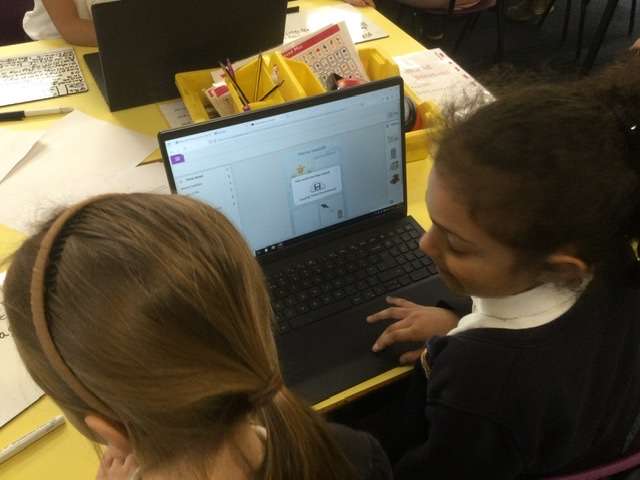
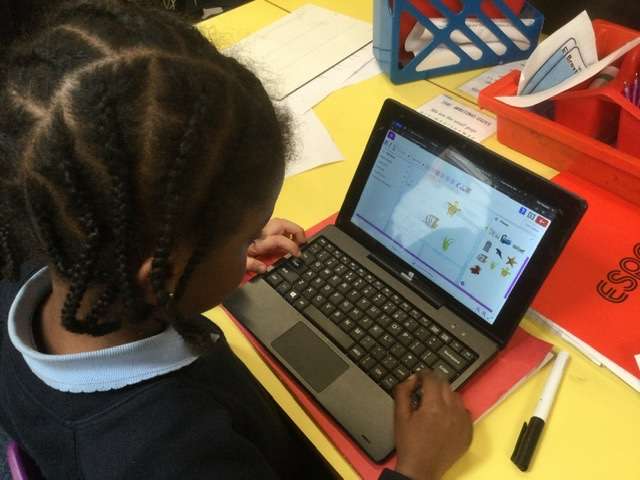
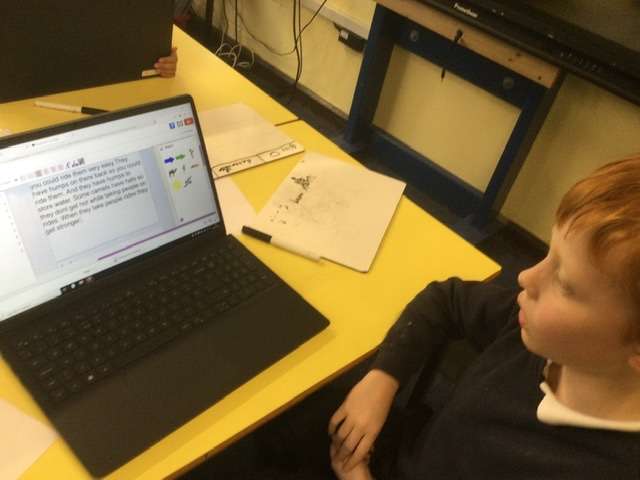
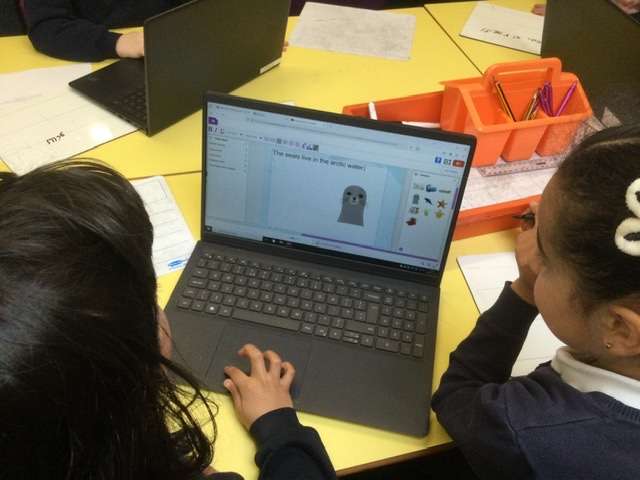
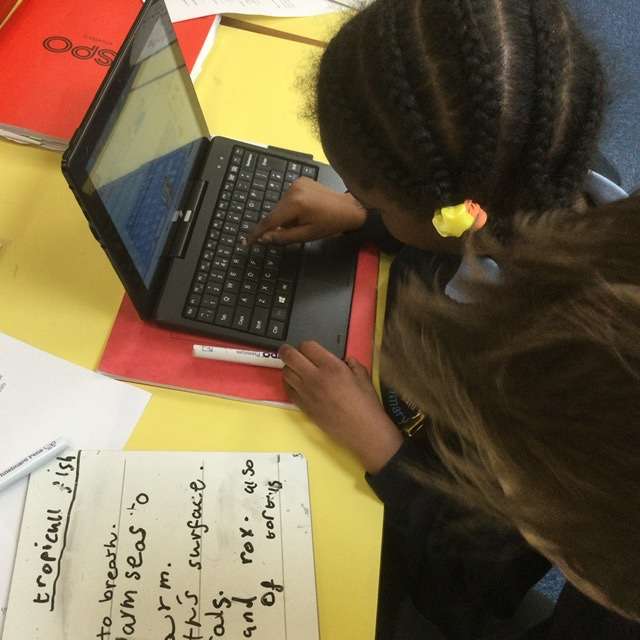
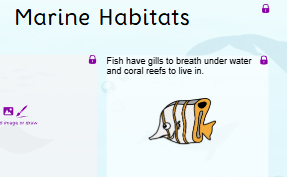
The ocean is a vast and diverse ecosystem that is home to a wide variety of life forms, ranging from microscopic plankton to giant whales. Life in the ocean is influenced by a variety of factors, including water temperature, currents, salinity, and depth.
Some of the main types of organisms found in the ocean include:
Phytoplankton: These are tiny plants that drift near the surface of the water and form the base of the ocean’s food chain. Phytoplankton are important because they produce oxygen and are a major food source for many other organisms.
Zooplankton: Zooplankton are small animals that also drift near the surface of the water. They feed on phytoplankton and are in turn eaten by larger organisms.
Fish: Fish are one of the most common types of marine animals. There are many different species of fish, ranging from tiny minnows to massive sharks and rays. Fish are an important food source for humans and other animals.
Marine mammals: These are mammals that have adapted to life in the ocean. Examples include whales, dolphins, seals, and sea lions. Marine mammals are highly intelligent and social animals that play important roles in the ocean ecosystem.
Invertebrates: Invertebrates are animals without a backbone. They include a wide variety of organisms, such as jellyfish, corals, crabs, and lobsters.
The ocean is also home to a wide variety of unique and fascinating habitats, including coral reefs, kelp forests, and hydrothermal vents. These habitats provide important shelter and resources for many marine organisms.
However, life in the ocean is facing a number of threats, including overfishing, pollution, and climate change. These problems are disrupting the delicate balance of the ocean ecosystem and threatening the survival of many marine species. Conservation efforts are needed to protect and preserve ocean habitats and the biodiversity they support.
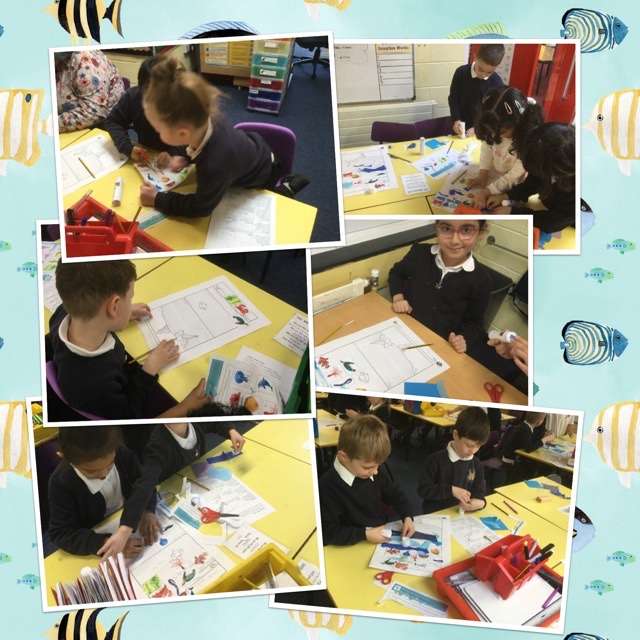
In Science we have been learning to
*Appreciate that environments are constantly changing
*Identify what you can do to help reduce the impact humans have on a habitat
*Know what you can do to care for a habitat
Environments are always changing. This is a normal and important part of our Earth. Some changes happen naturally, like when a volcano erupts or when there is an earthquake.
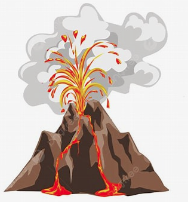
Other changes happen because of what people do, like cutting down trees or making the air and water dirty.
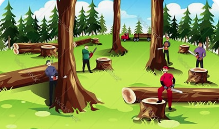
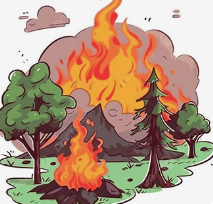
Some natural changes can be good and some can be bad. For example, a wildfire can burn away dead plants and help new ones grow. But it can also hurt animals that live there and make the air dirty.
An earthquake can make new places for animals to live, but it can also break their homes and harm them.
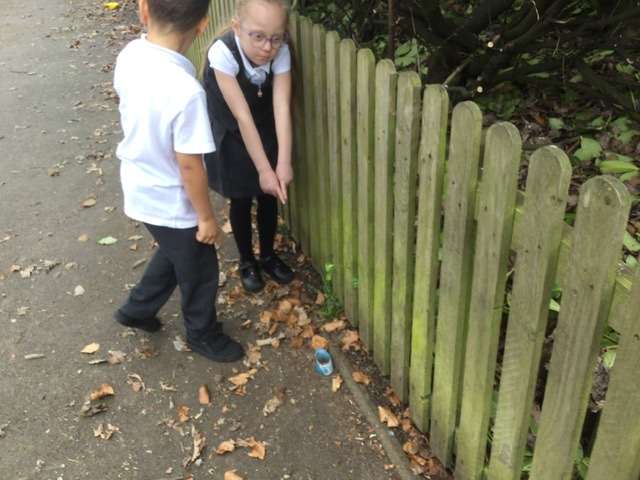
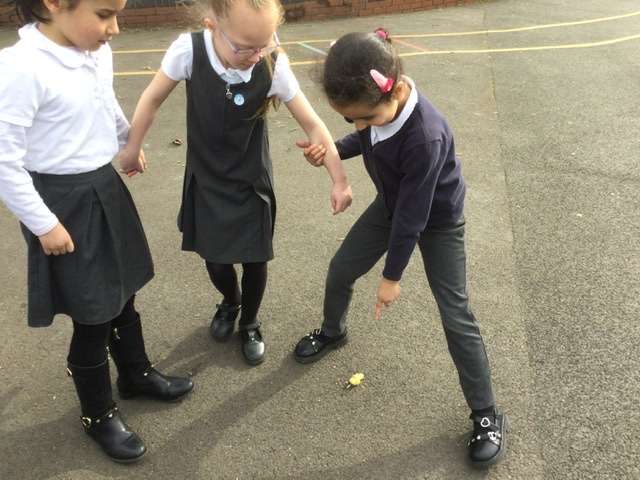
Toucans did their own research to see if humans had affected the environment around our school. Unfortunatly we did find some litter! Let’s hope we can work together to protect our environment!
Today in science we learnt about food for survival.
The types of food that animals eat to survive in their habitats can vary greatly depending on the animal species and its location.
Here are some examples of different types of food that animals may eat in different habitats:
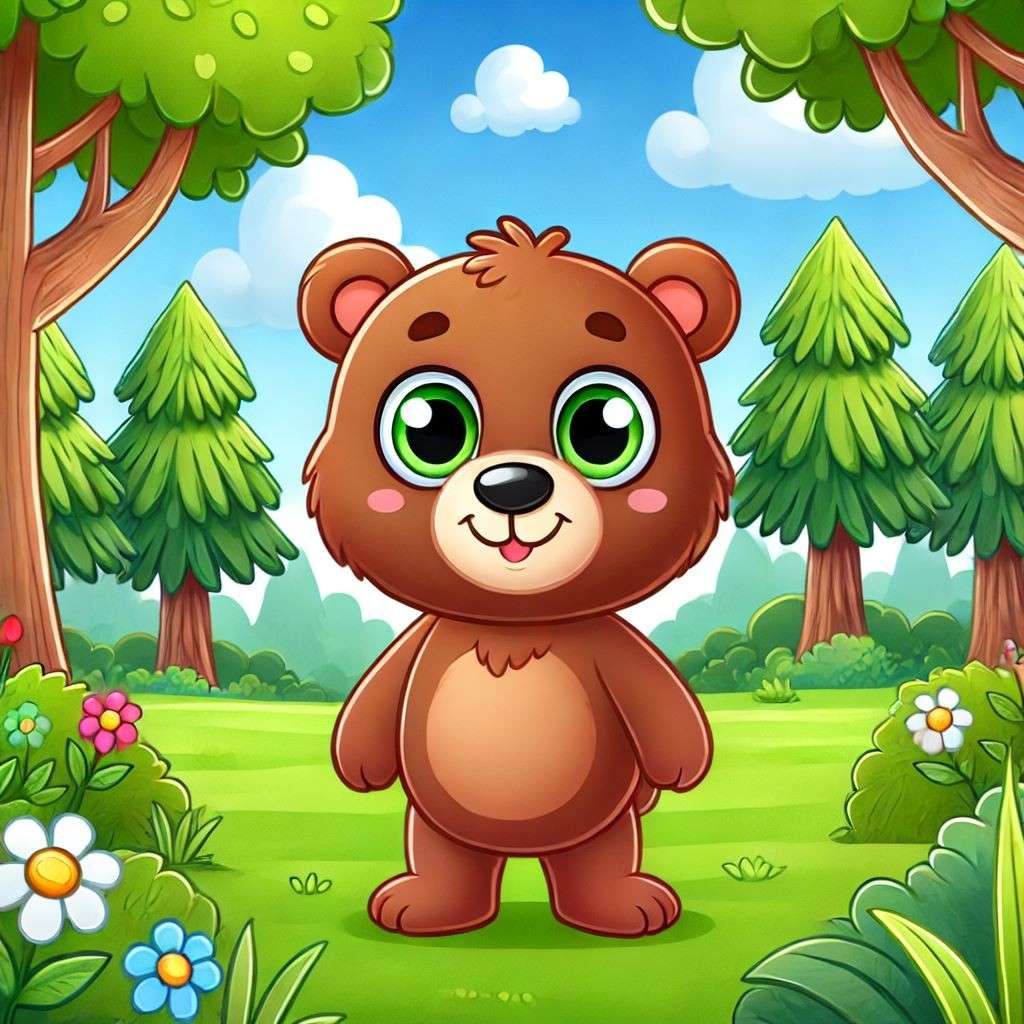
Forest: In forest habitats, animals may eat a variety of foods including fruits, nuts, leaves, insects, small mammals, and birds. For example, deer may eat leaves, berries, and acorns, while birds of prey may eat small mammals or other birds.
Grassland: In grassland habitats, animals may eat grasses, seeds, and insects. For example, bison may eat grasses, while birds such as meadowlarks may eat insects and seeds.
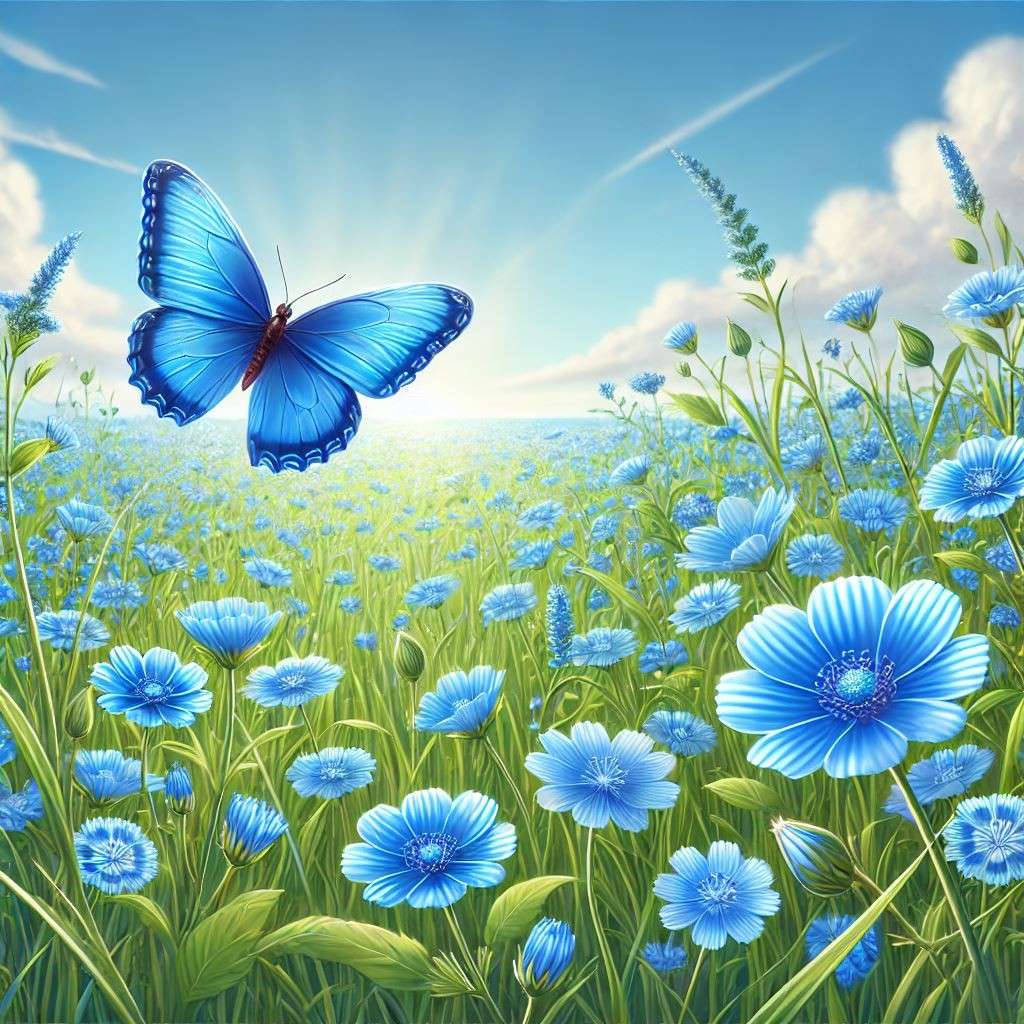
Meadows are rich in flowering plants, providing nectar, which is the primary food source for adult butterflies. Caterpillars feed on the leaves of specific host plants found in meadows
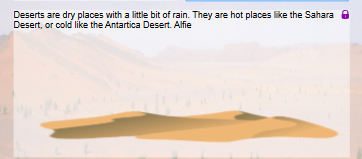
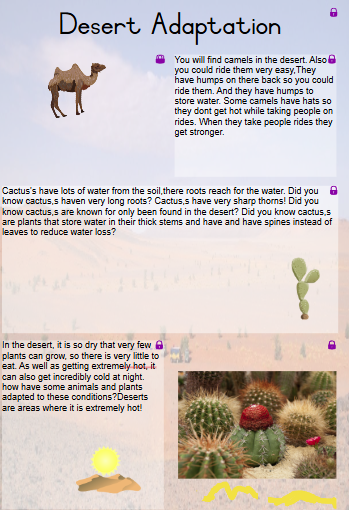
Desert: In desert habitats, animals may eat plants, insects, and small mammals. For example, kangaroo rats may eat seeds, insects, and some plants, while vultures may eat small mammals or other animals that have died in the desert.
Arctic: In Arctic habitats, animals may eat fish, seals, and other marine animals. For example, polar bears may eat seals and fish, while Arctic foxes may eat small mammals and birds.
Ocean: In ocean habitats, animals may eat a variety of foods including plankton, fish, and other marine animals. For example, whales may eat krill and other small fish, while sharks may eat larger fish and marine mammals.
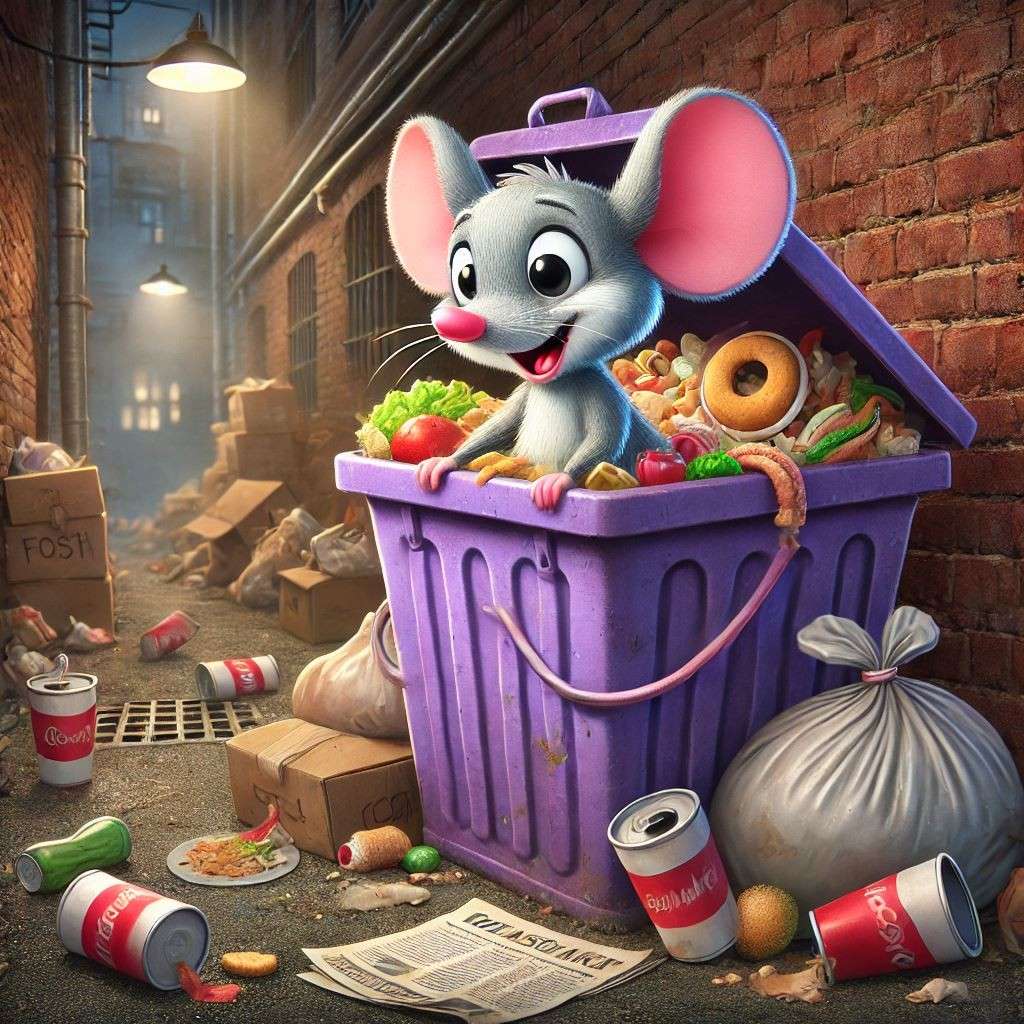
A mouse inside a dustbin would likely find plenty of food to survive on. Mice are opportunistic feeders and can eat a wide variety of items, including: – **Leftover food scraps**: Bits of bread, pasta, rice, and other discarded human food. – **Fruits and vegetables**: Peels, cores, and other parts of fruits and vegetables. – **Meat scraps**: Small pieces of meat or bones. – **Grains and cereals**: Any spilled or discarded grains, cereals, or seeds. – **Insects**: Mice can also eat insects that might be attracted to the rubbish. Mice are very adaptable and can make the most out of whatever food sources are available to them. Have you ever seen a mouse in an unusual place? 🐭
We have been learning about microhabitats.
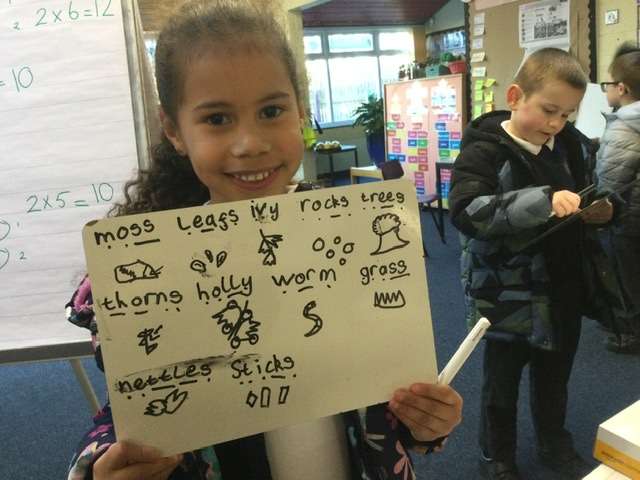
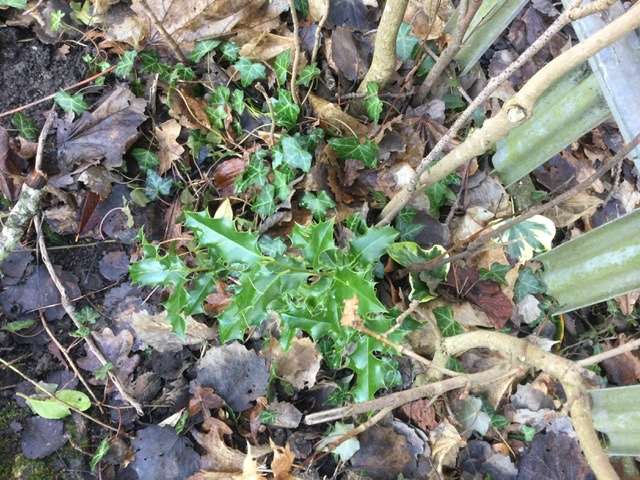
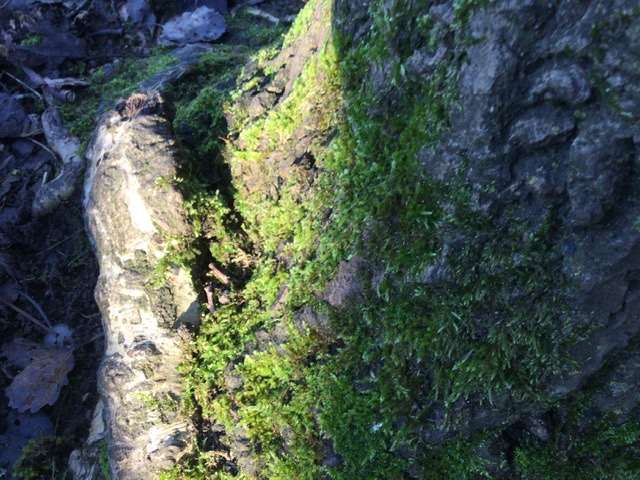
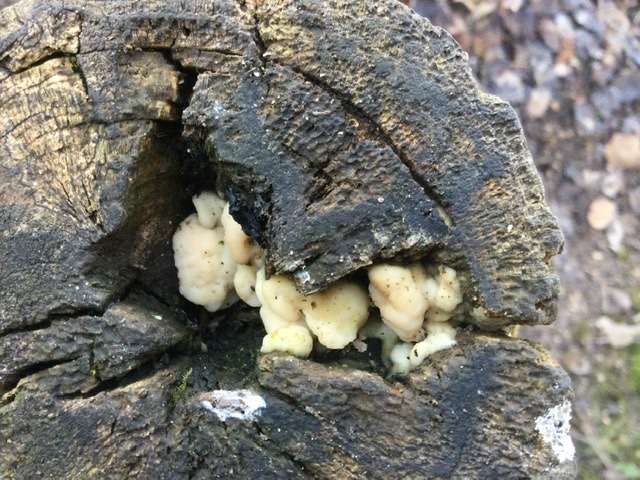
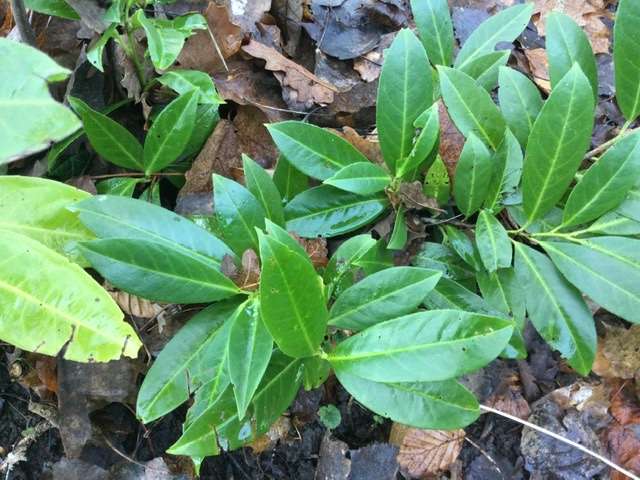
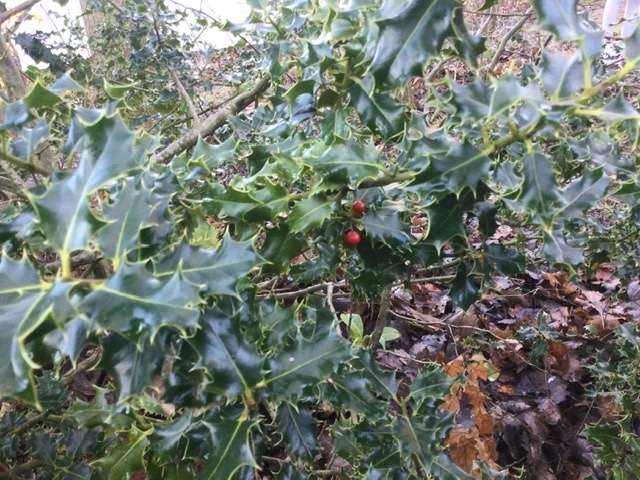
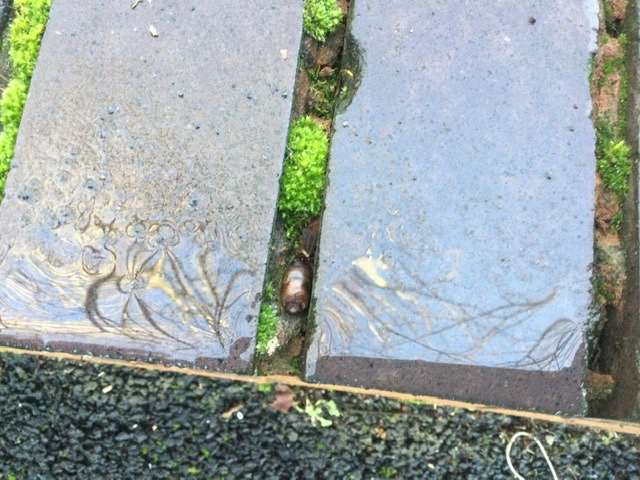
A microhabitat is a small, localised habitat within a larger ecosystem. Examples of microhabitats include a patch of grass in a park, a tree stump in a forest, or a rock pool at the beach. The specific plants and animals that can be found in a microhabitat will depend on its location and environmental conditions. Here are some examples of plants and animals that might be found in a few different microhabitats:
A patch of grass in a park:
Plants: dandelions, clover, plantain, crabgrass, daisy, buttercup
Animals: ants, beetles, worms, snails, spiders, ladybugs
A tree stump in a forest:
Plants: moss, lichen, ferns, mushrooms, saplings
Animals: beetles, ants, termites, snails, slugs, spiders
A rock pool at the beach:
Plants: seaweed, kelp, algae, eelgrass
Animals: crabs, mussels, barnacles, snails, starfish, anemones

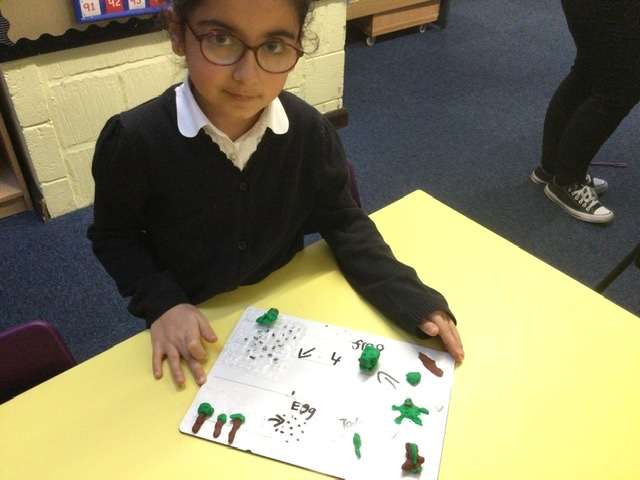
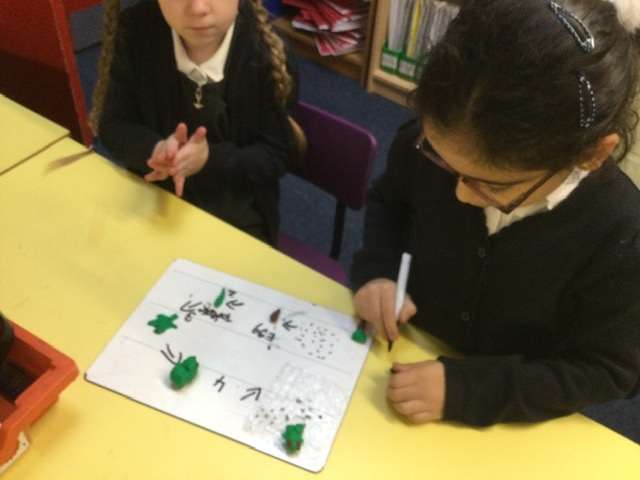
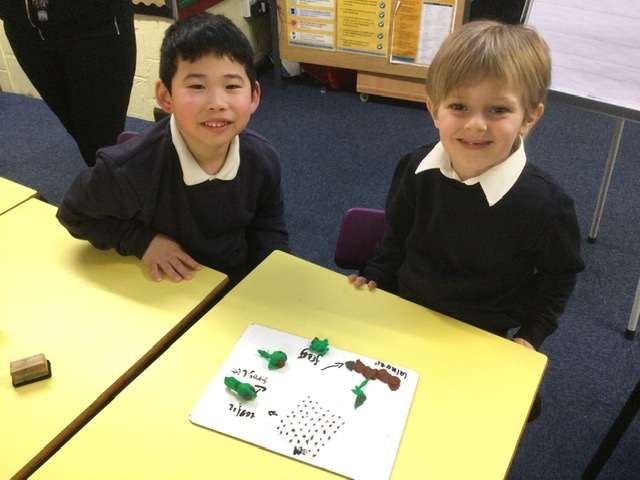
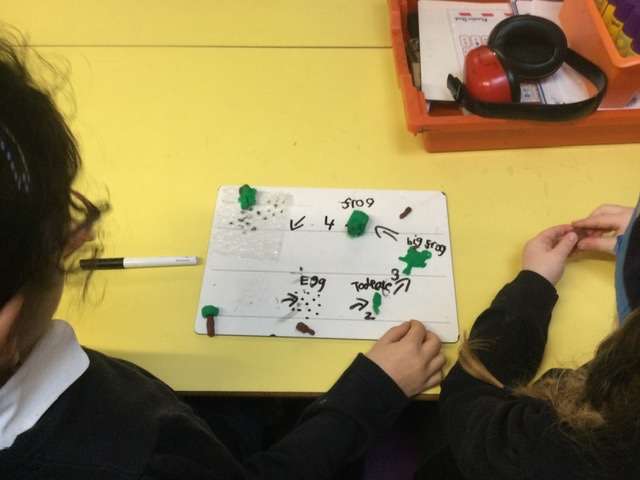
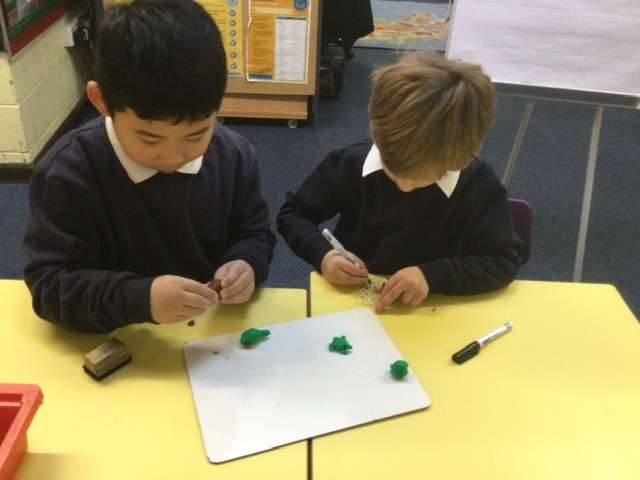
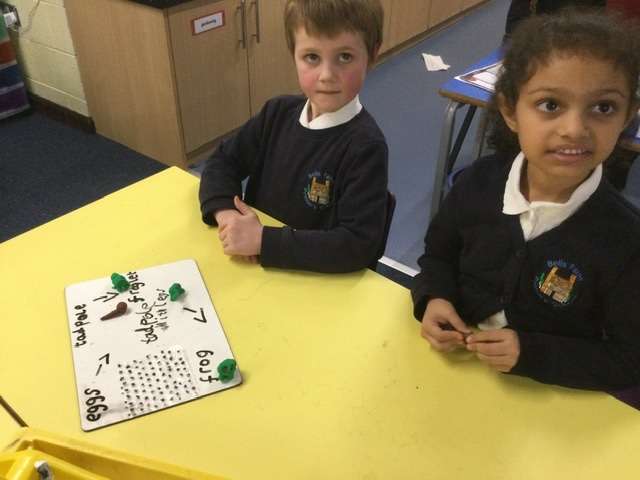
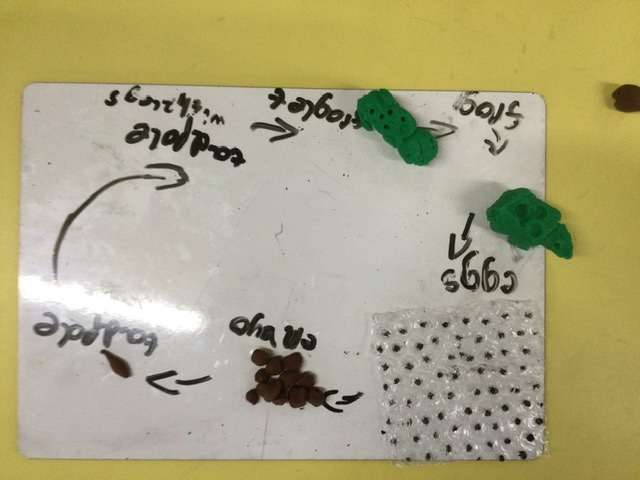
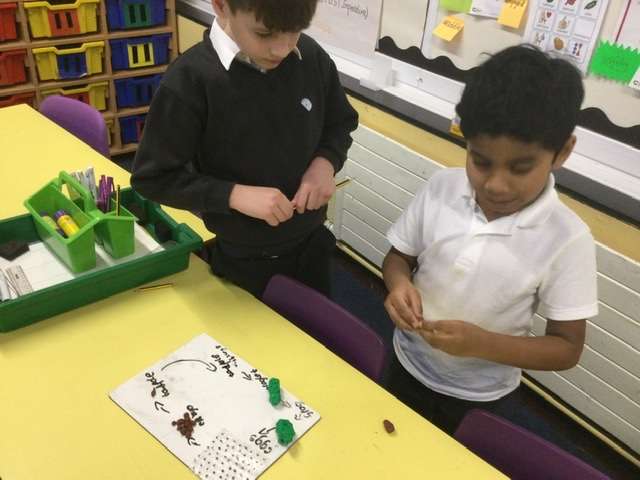
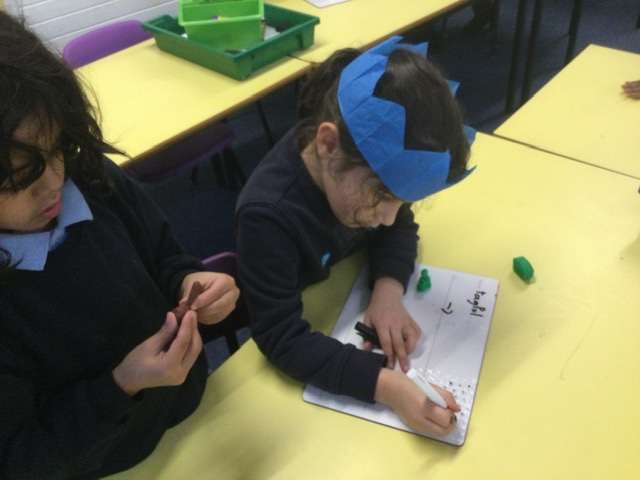
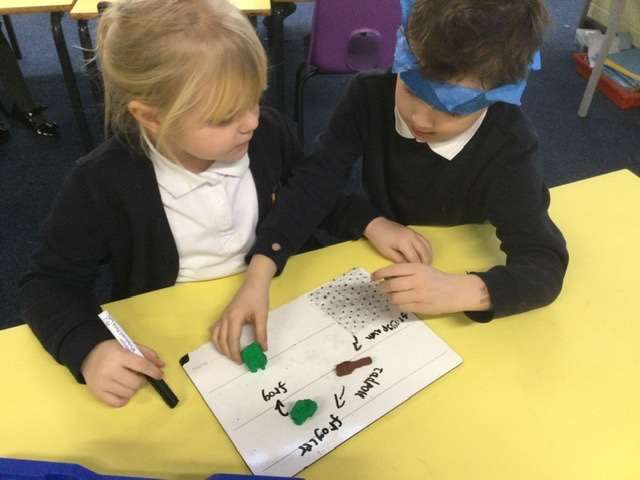
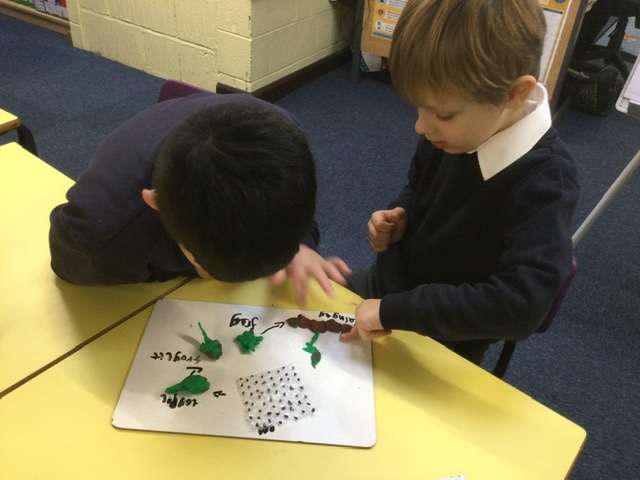
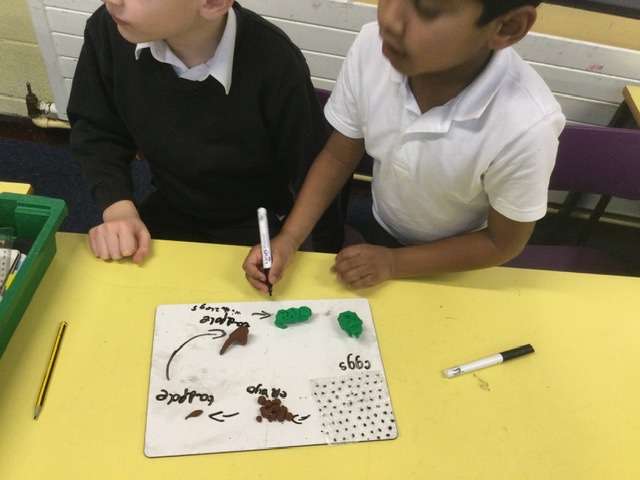
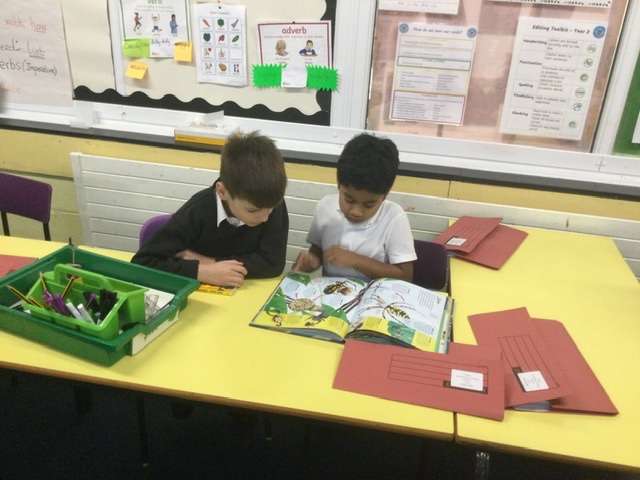
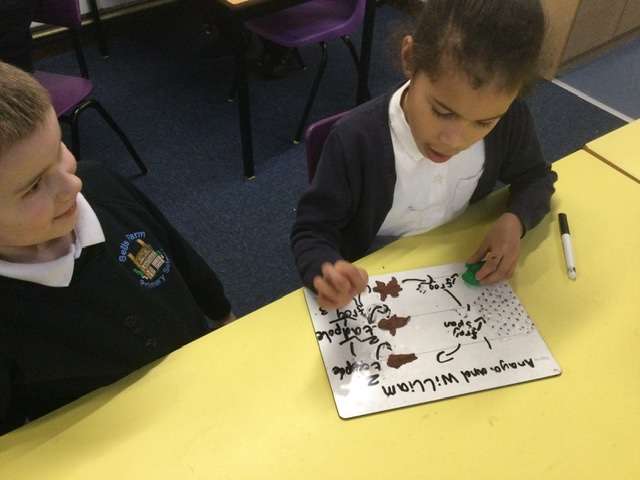
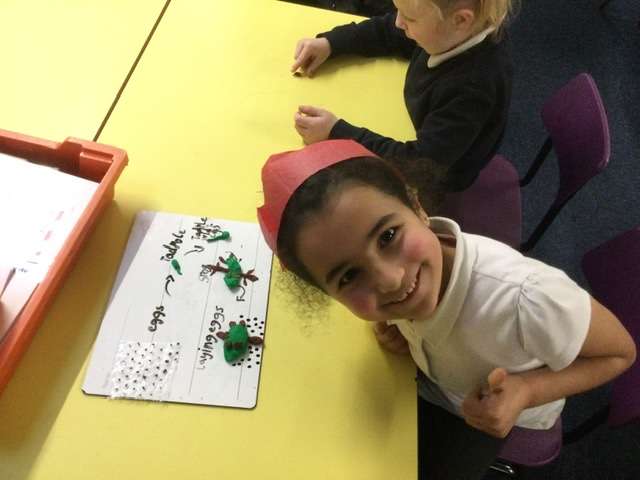
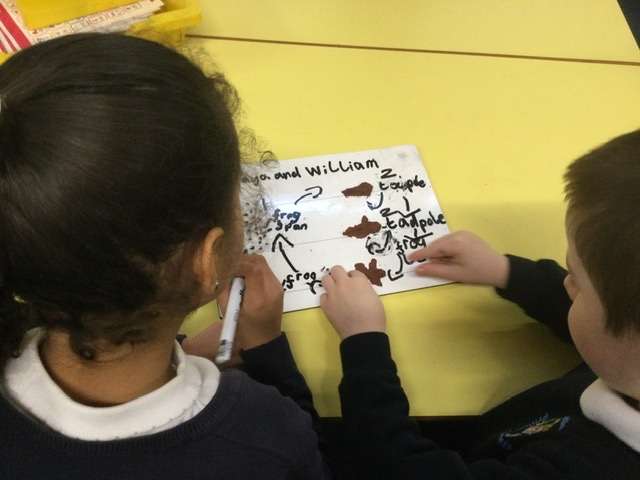
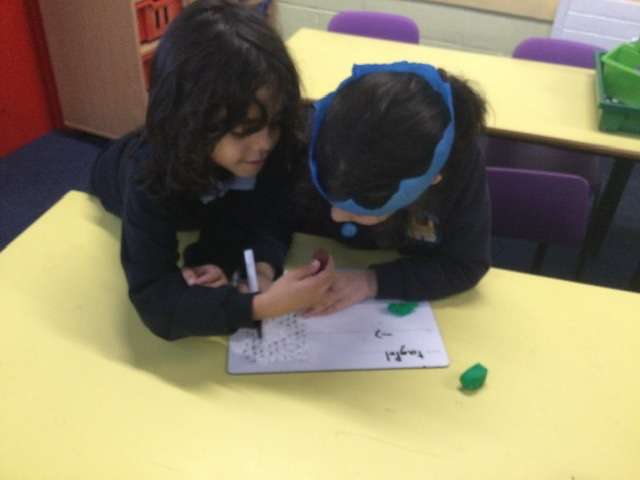
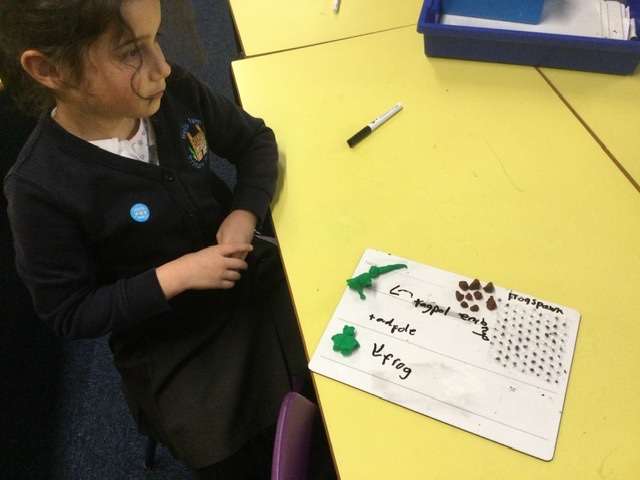
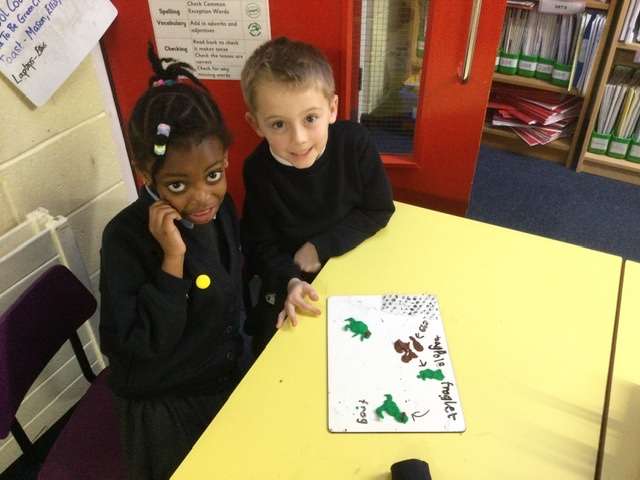
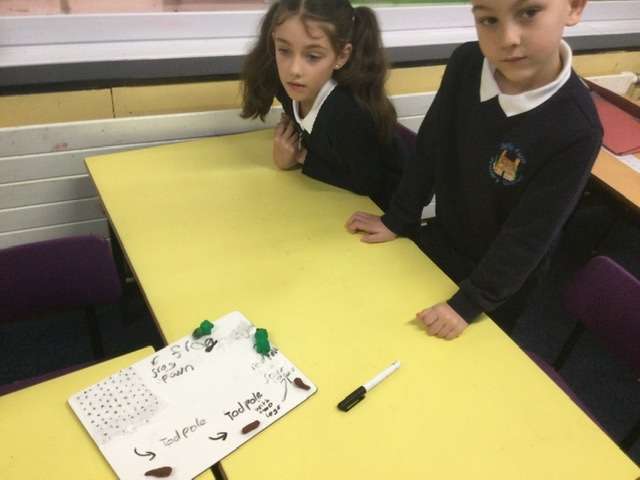
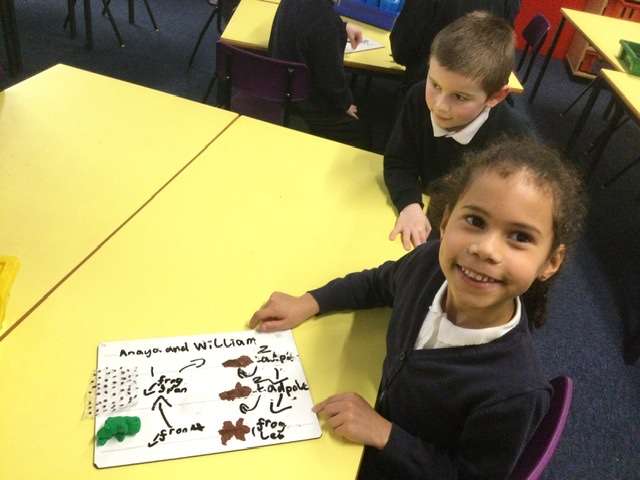
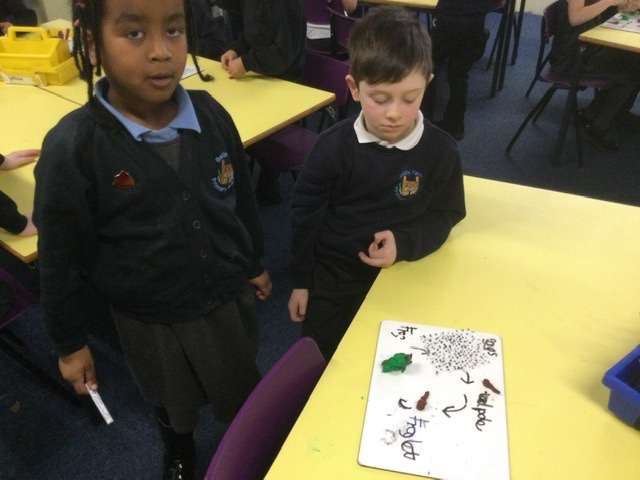
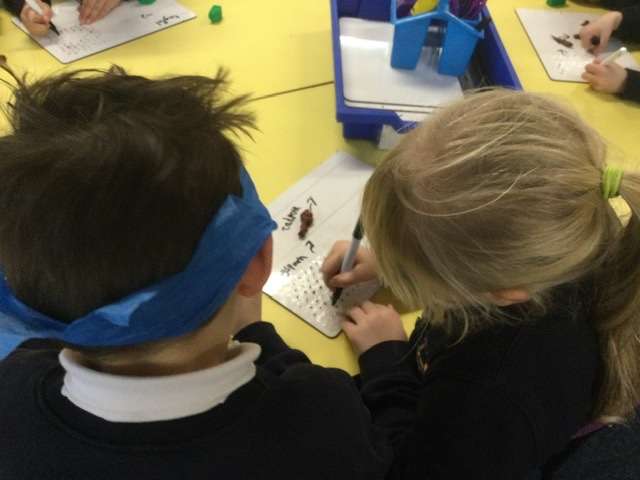
This week we are learning about the life cycle of a frog, from frog – frogspawn – tabpole- froglet back to a frog.
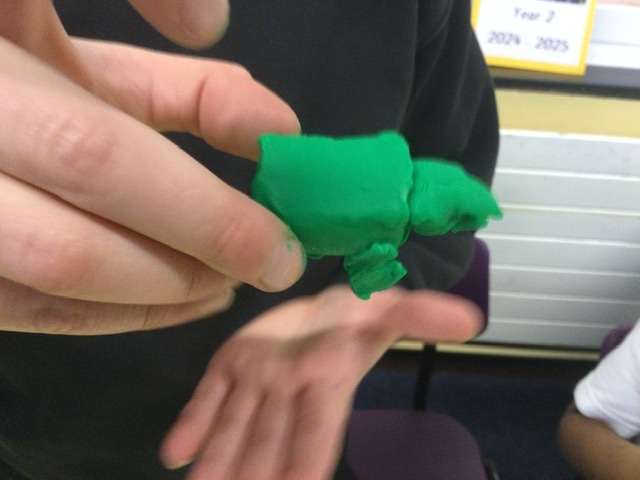
The children were very excited when they were given playdough! We went through as a class what the life cycle of a frog looked like. We spoke about how a frog begins it’s life as an egg which is known as frogspawn, then the eggs turn into a tadpole and eventually into a froglet (a tadpole with legs) and then it grows into a young frog before growing into an adult frog.
A fun fact we learned was that a frog lives for up to 10-12 years, but not many tadpoles survive to become a frog.
Extension: Click here to play a frog life cycle labeling game
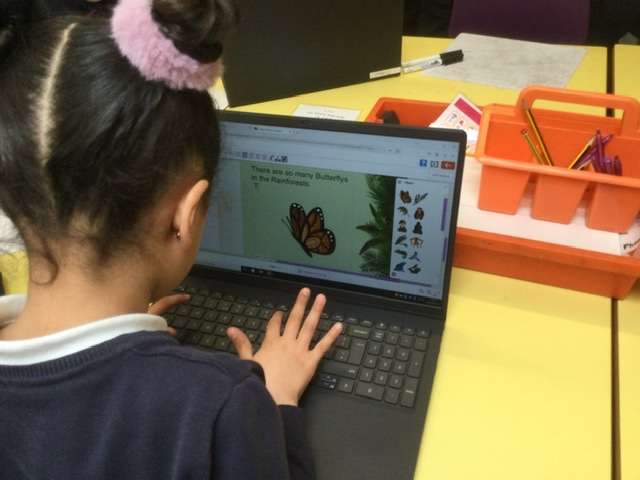
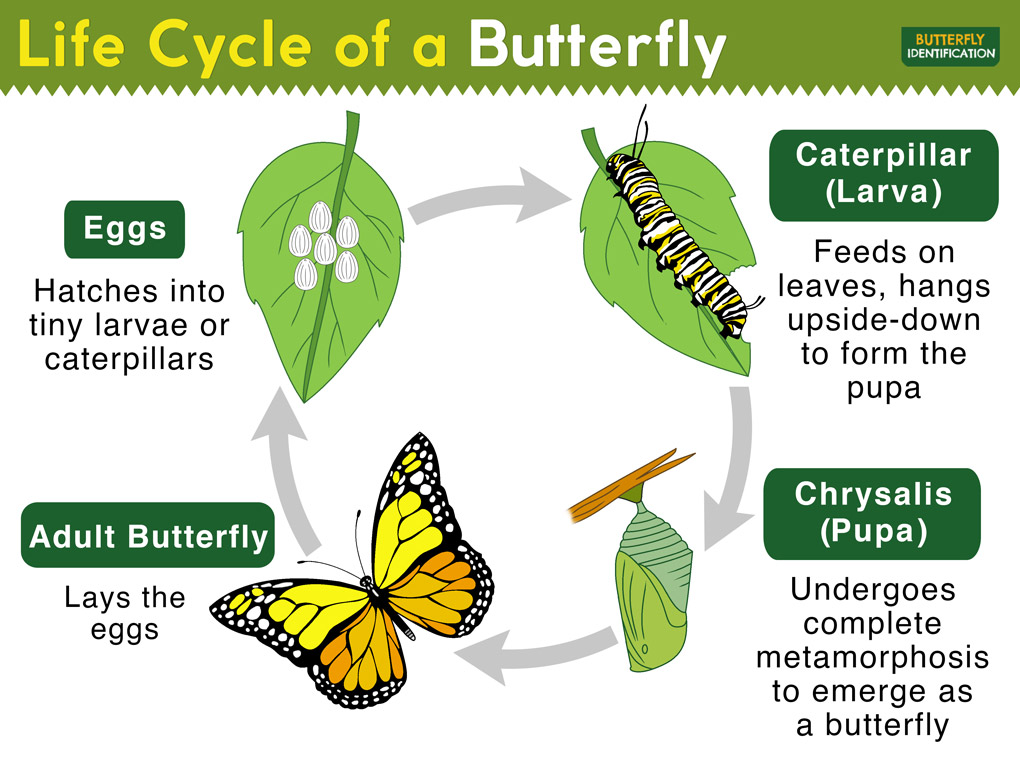
Today in Science we looked at the life cycle of a butterfly.
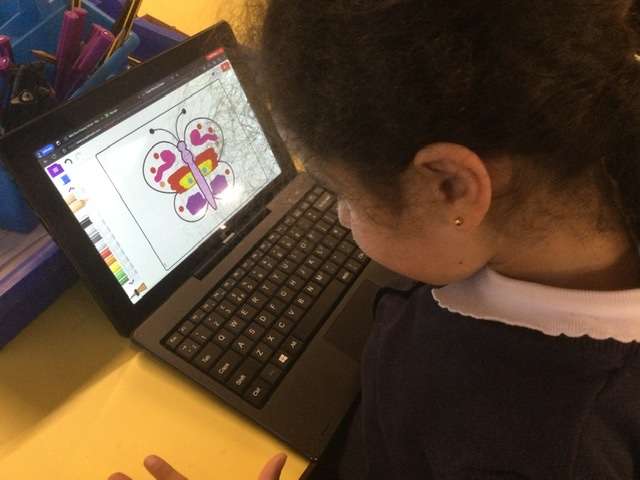
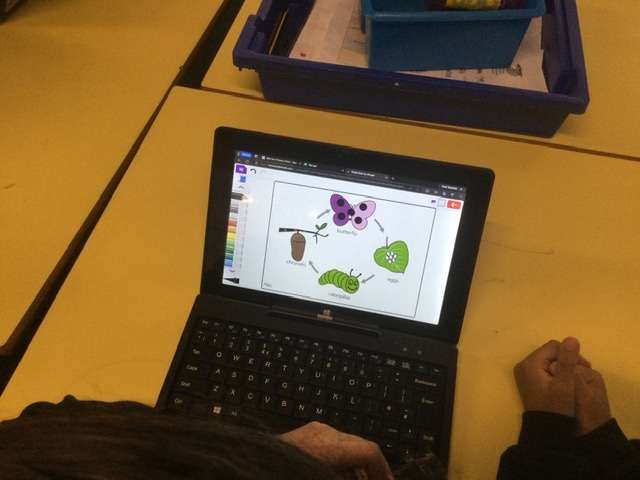
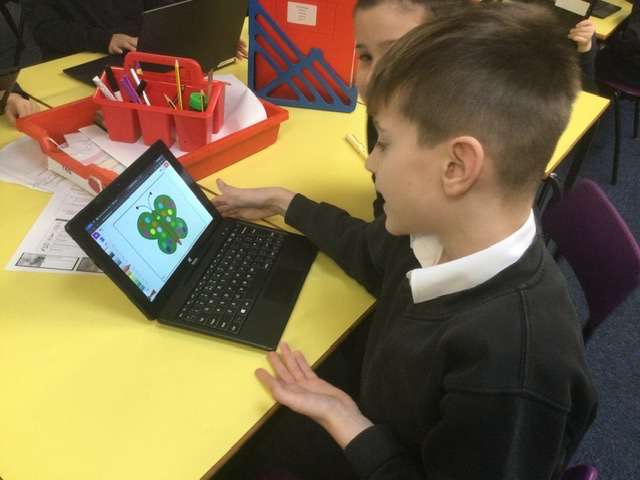
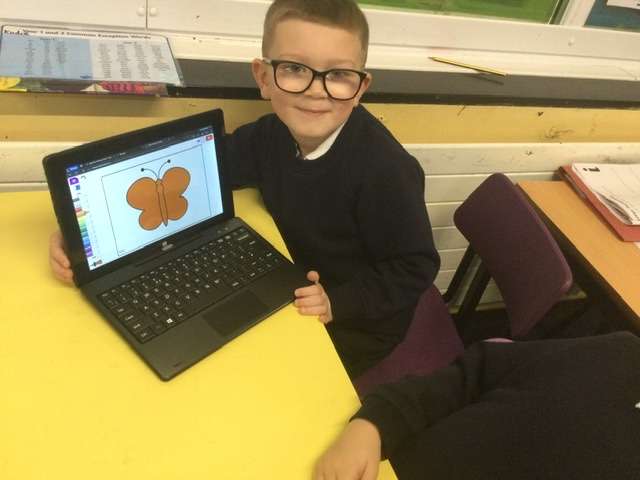
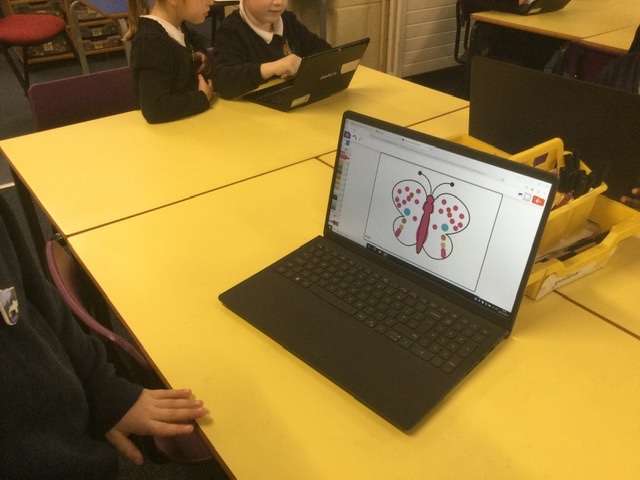
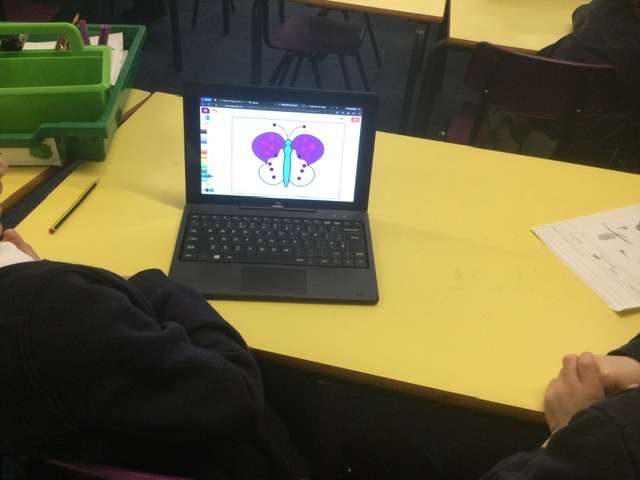
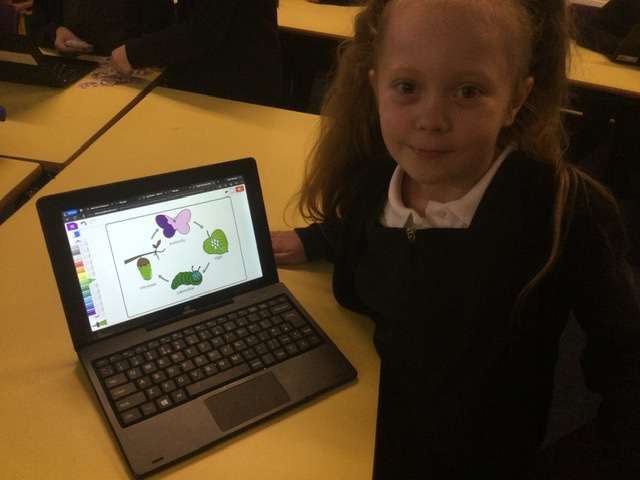
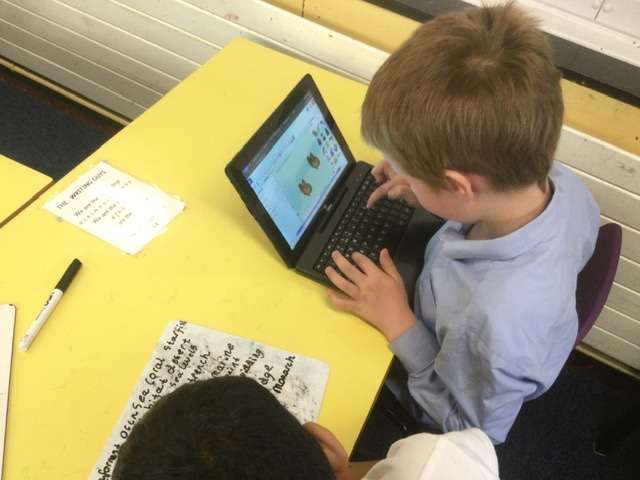
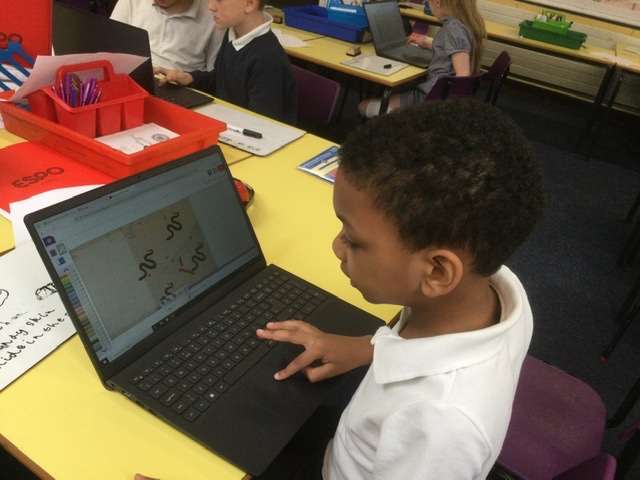
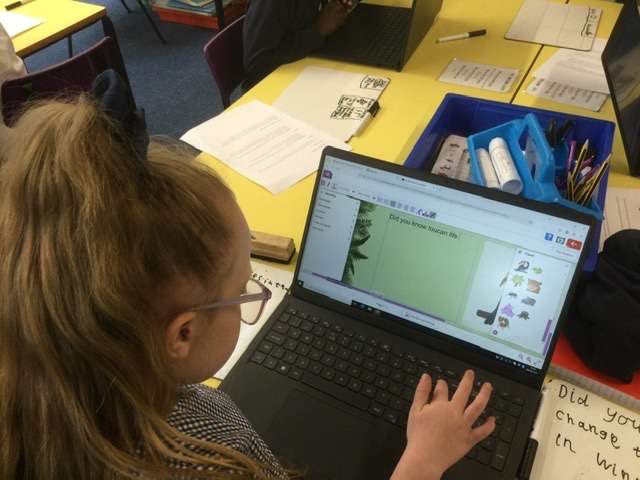
We then had a go at creating our own Digital Art Butterfly. We can take these home to talk about the life cycle. Don’t they look good?!
Extension: Click here to watch how a caterpillar changes into a butterfly
Extension 2: Click here to find out more about the butterfly life cycle.
Today we were identifying and classifying scientists. We explored how to match offspring to their parent.
We learnt the following words:
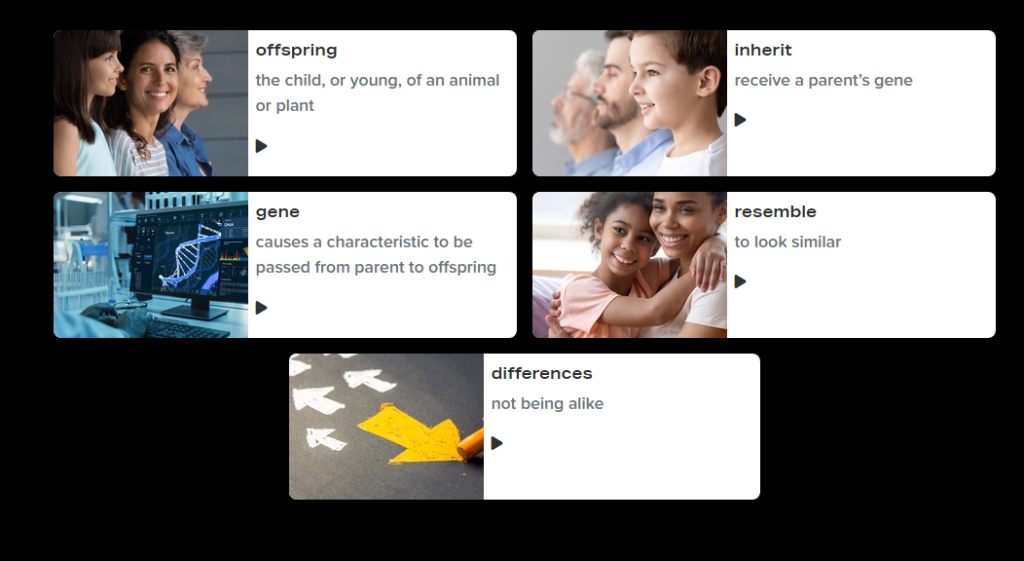
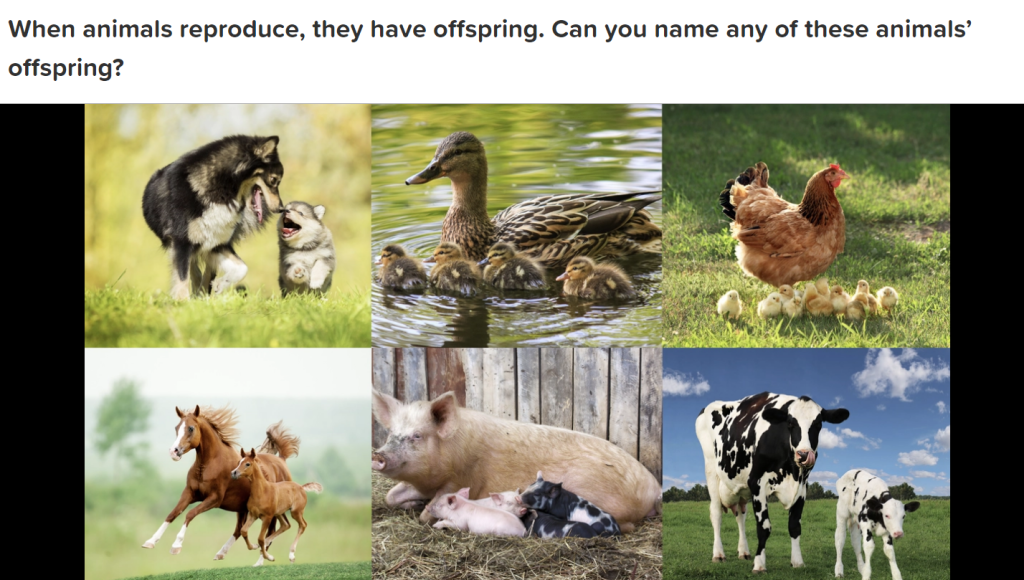
Some offspring do not look like their parents. We looked at a tricky one.
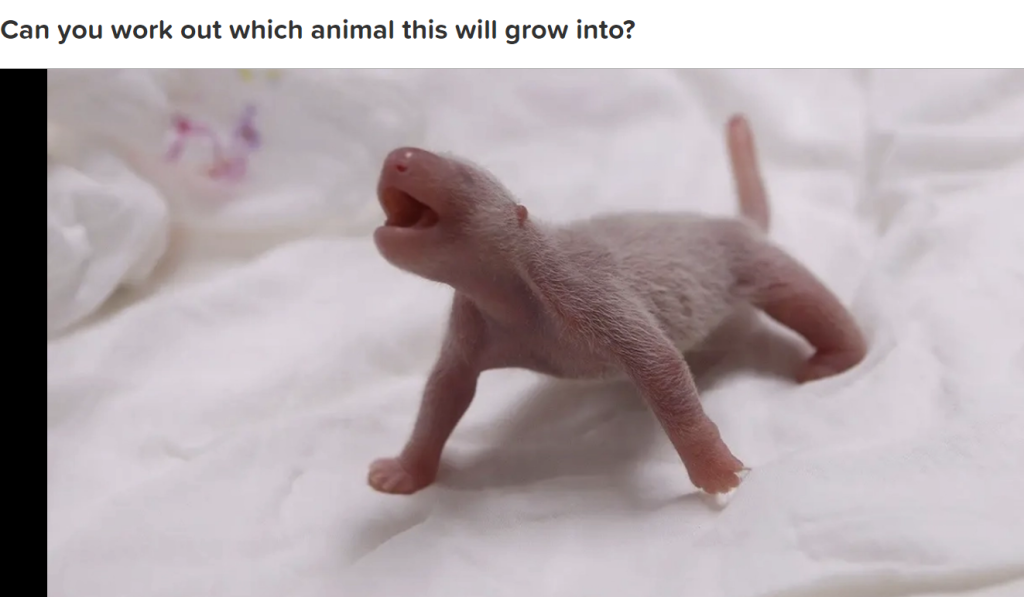
Extension: Read the following with your adult.
Matching offspring to their parent can be done using various methods, depending on the species and the specific situation. Here are some common methods:
Visual identification: In some species, offspring can be visually identified by their physical characteristics, such as their size, colouration, or markings. This method is often used in animals such as birds, where parents may have distinct feather patterns or behaviours that can help identify their offspring.
Vocal identification: Some species, such as certain primates, use vocalisations to communicate with their offspring. By listening to the unique vocalisations of both parents and offspring, it may be possible to match them together.
Scent identification: Some species, such as mammals, use scent to communicate with their offspring. By using their sense of smell, parents may be able to identify their offspring based on their scent.
DNA analysis: In some cases, DNA analysis may be used to definitively match offspring to their parent. DNA analysis can be used to identify genetic similarities between offspring and their parents and can be especially useful when visual or behavioural cues are not available.
Overall, matching offspring to their parent is an important aspect of understanding the biology and behaviour of different species, and can provide valuable insights into the evolutionary and ecological relationships between individuals within a population.
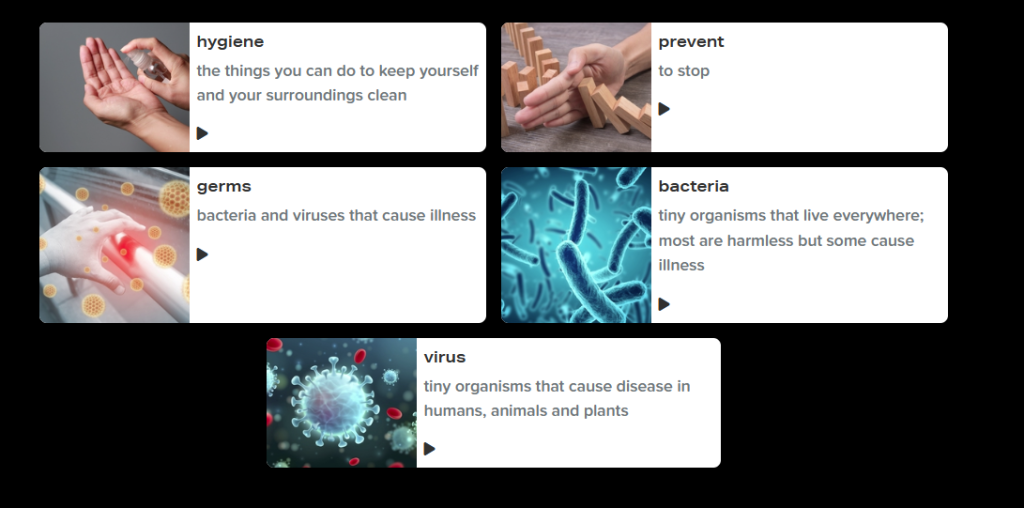

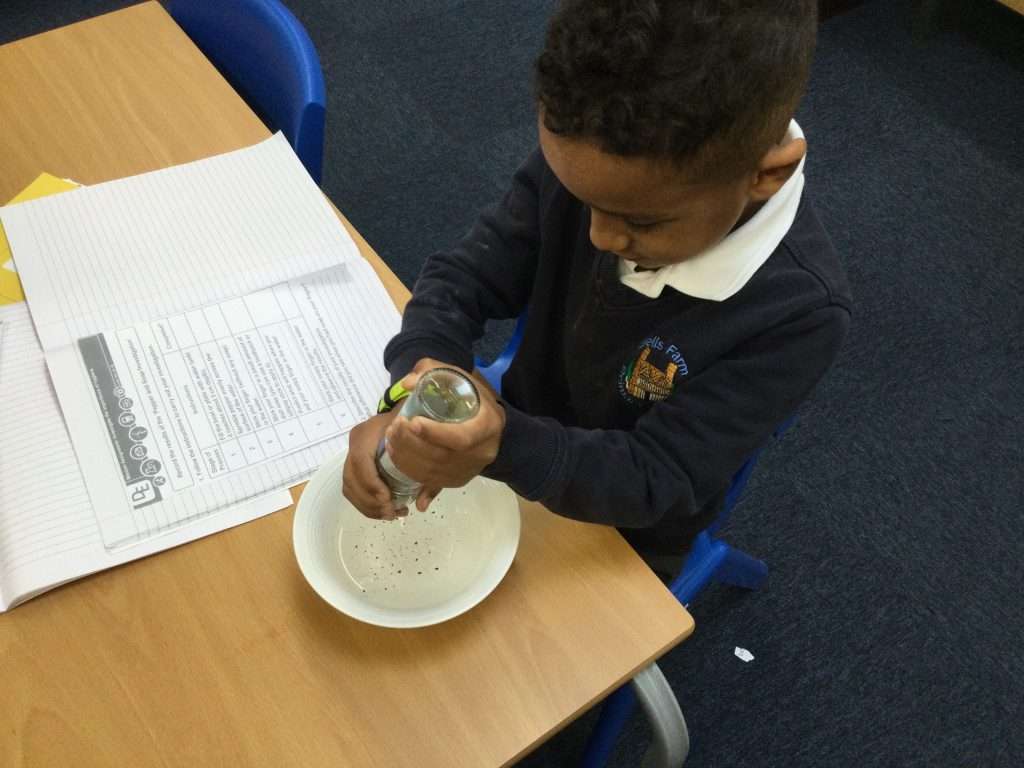
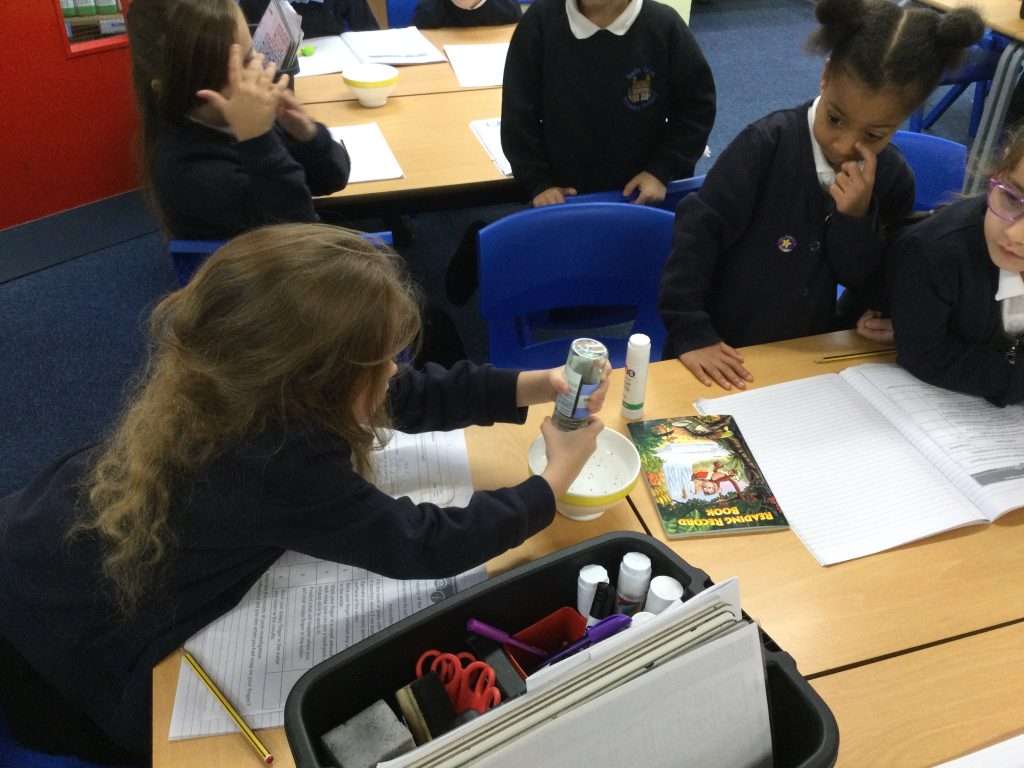
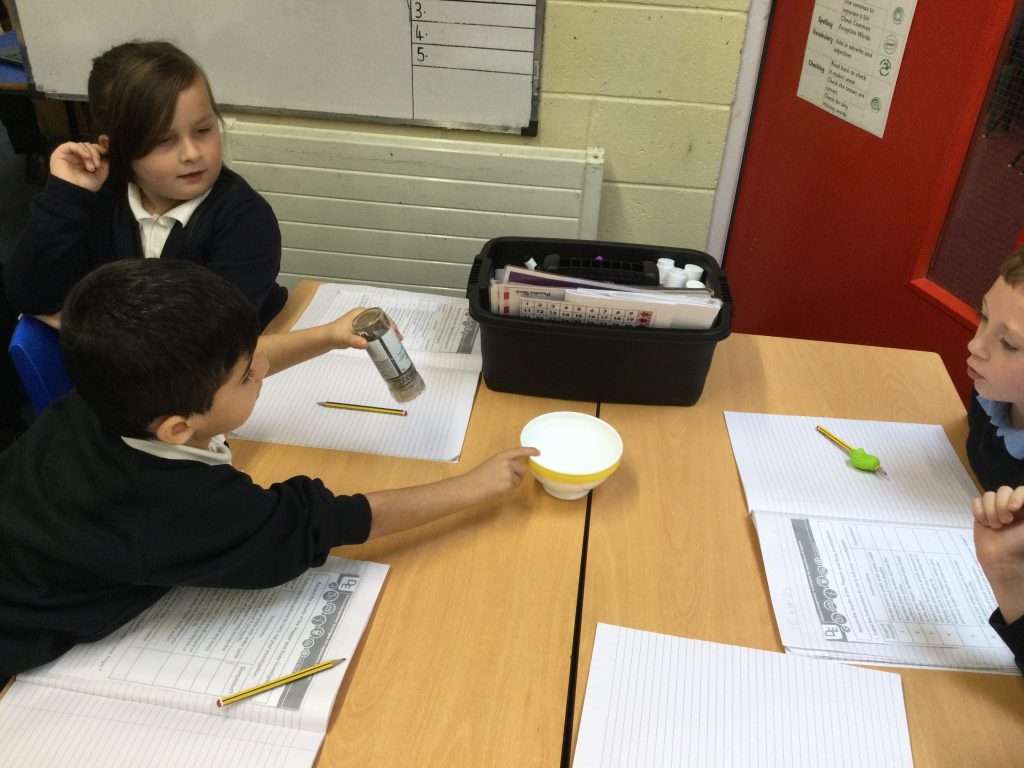
Today we did an experiment to show the importance of hygiene.
The Pepper and Soap Investigation:
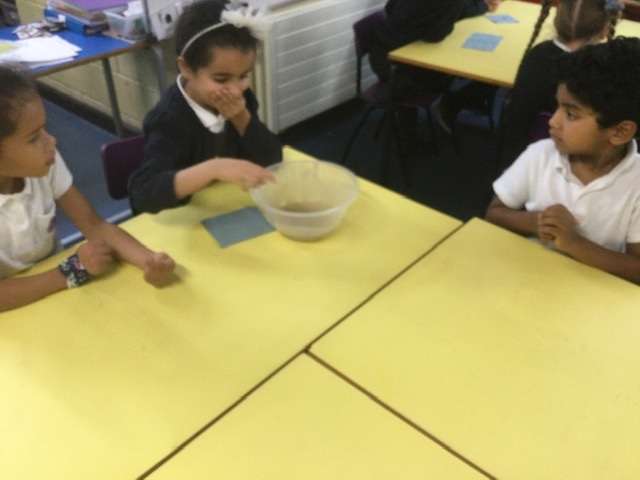
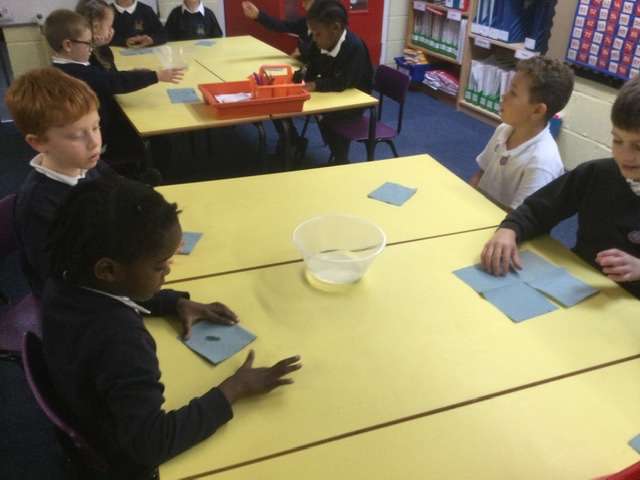
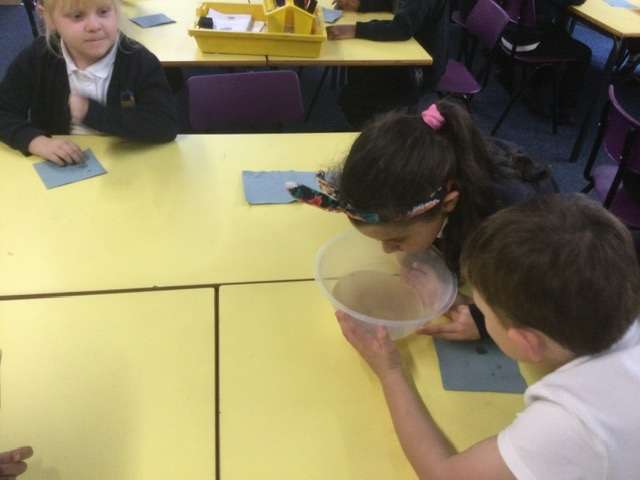
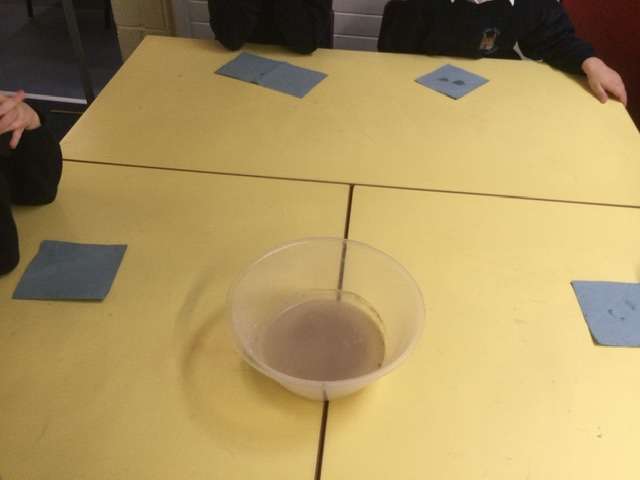
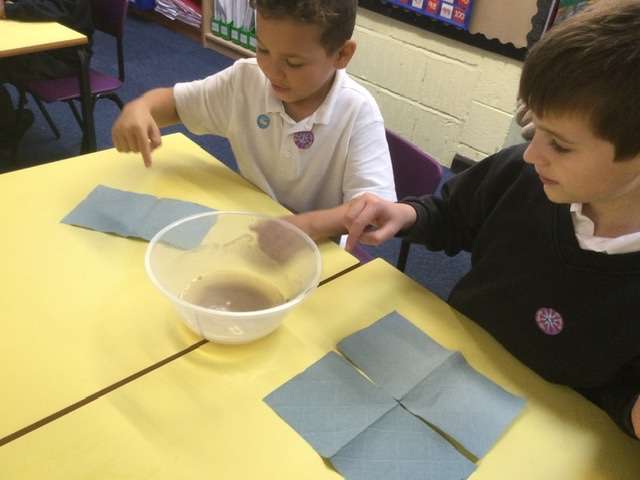
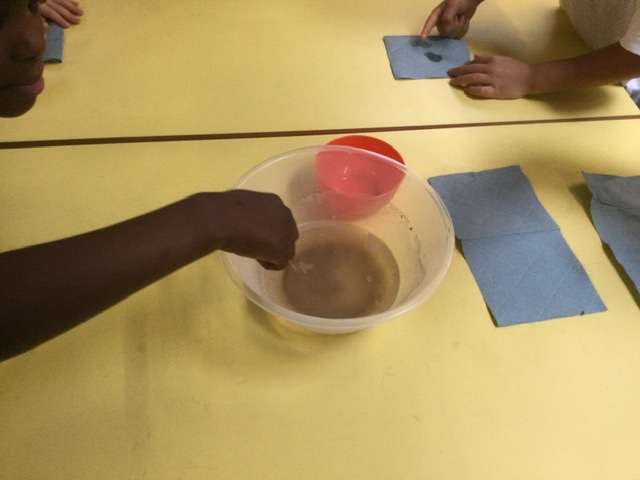
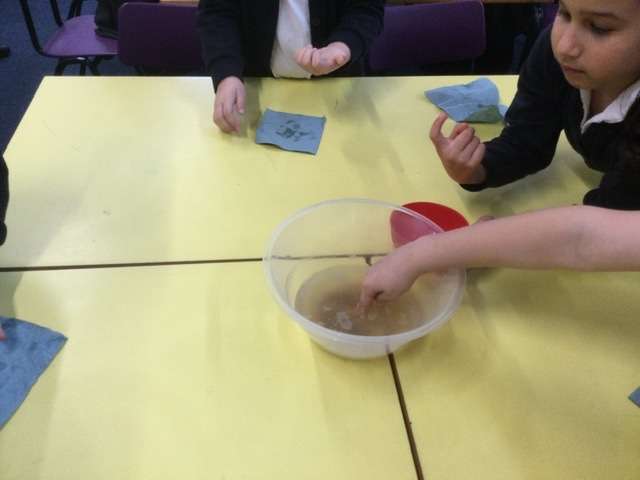
Toucan’s discover the importance of washing their hands by completing the pepper and soap investigation. The pepper floats on the water because it is less dense or lighter than the water. Remember that the pepper represents our germs in this experiment. Without any soap, the germs (or pepper) don’t move on your finger at all. However, germs do not like soap. The soap is able to surround the germs, take them off your hands and wash them right down the drain! This is why the pepper ran away from the soap on your finger!
Extension: Read more about hygiene below.
Hygiene is the practice of maintaining cleanliness and good health. It is an essential aspect of maintaining overall health and well-being, as it helps prevent the spread of disease and infection. Here are some of the reasons why hygiene is important:
Disease prevention: Good hygiene practices, such as washing hands, covering the mouth and nose when coughing or sneezing, and keeping surfaces clean, can help prevent the spread of disease-causing bacteria and viruses.
Improved physical health: Good hygiene practices can help prevent infections, skin irritation, and other physical health problems that can result from exposure to dirt, germs, and other environmental factors.
Mental health: Maintaining good personal hygiene can also have a positive impact on mental health, promoting self-esteem, confidence, and a sense of well-being.
Social acceptance: Good personal hygiene is also important for social acceptance, as people generally prefer to interact with others who practice good hygiene.
Some specific hygiene practices that are important for maintaining good health include:
Handwashing: Washing hands with soap and water for at least 20 seconds is a simple but effective way to prevent the spread of disease-causing germs.
Dental hygiene: Brushing teeth twice a day and flossing daily can help prevent tooth decay and gum disease.
Body hygiene: Bathing or showering regularly and washing clothes can help prevent body odour and the spread of bacteria.
Environmental hygiene: Keeping surfaces clean, especially those that come into contact with food or other people, can help prevent the spread of germs.
Overall, maintaining good hygiene is an important aspect of preventing the spread of disease and infection, promoting good physical and mental health, and improving social acceptance. By incorporating good hygiene practices into daily routines, individuals can support their overall health and well-being.