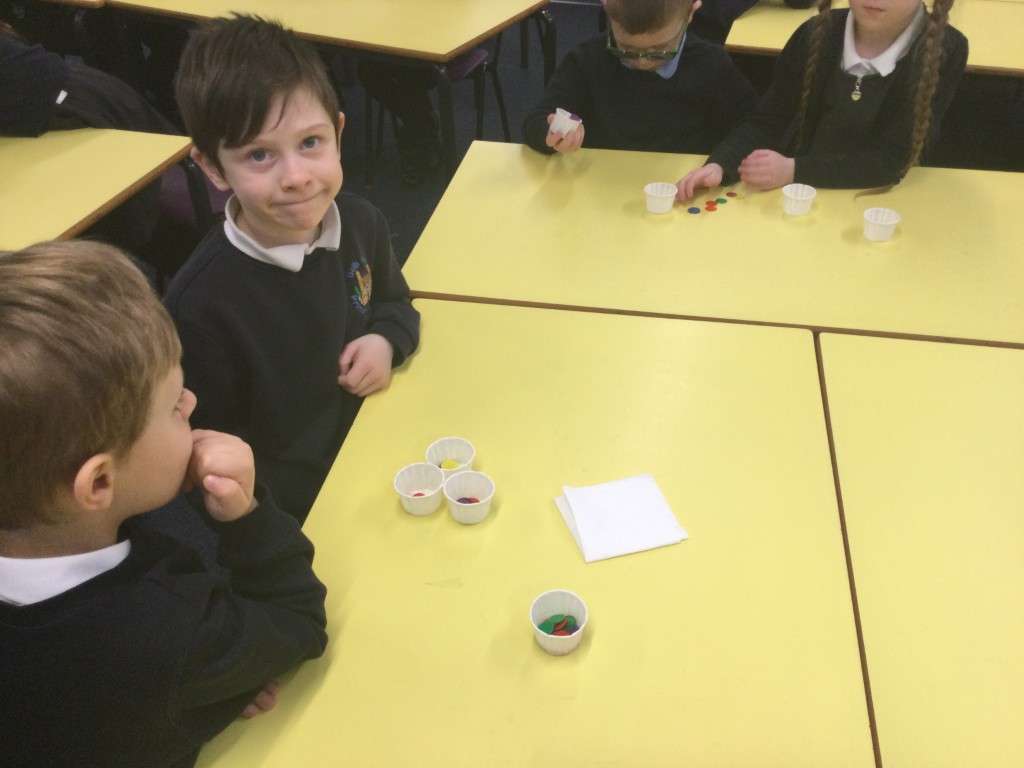

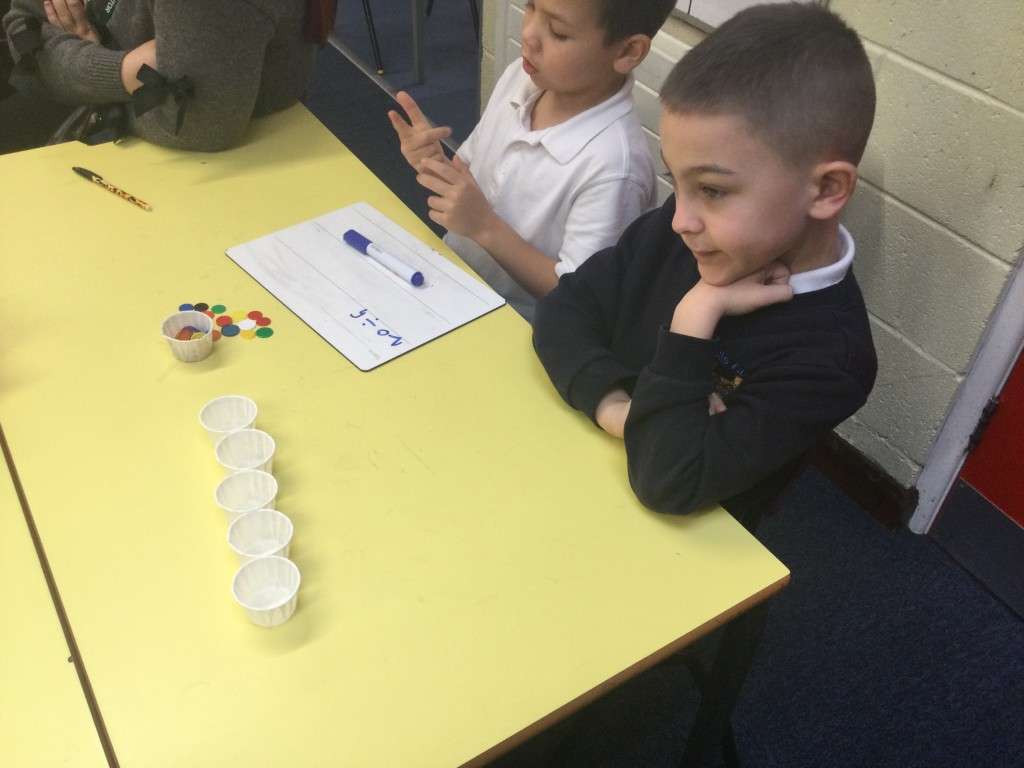
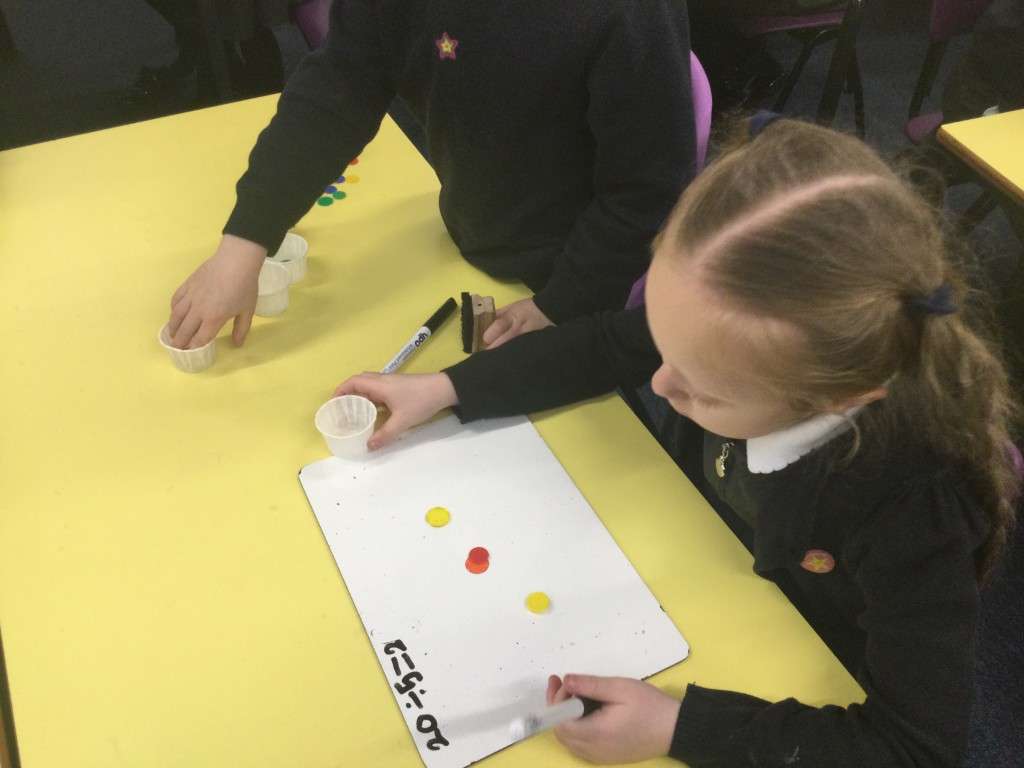
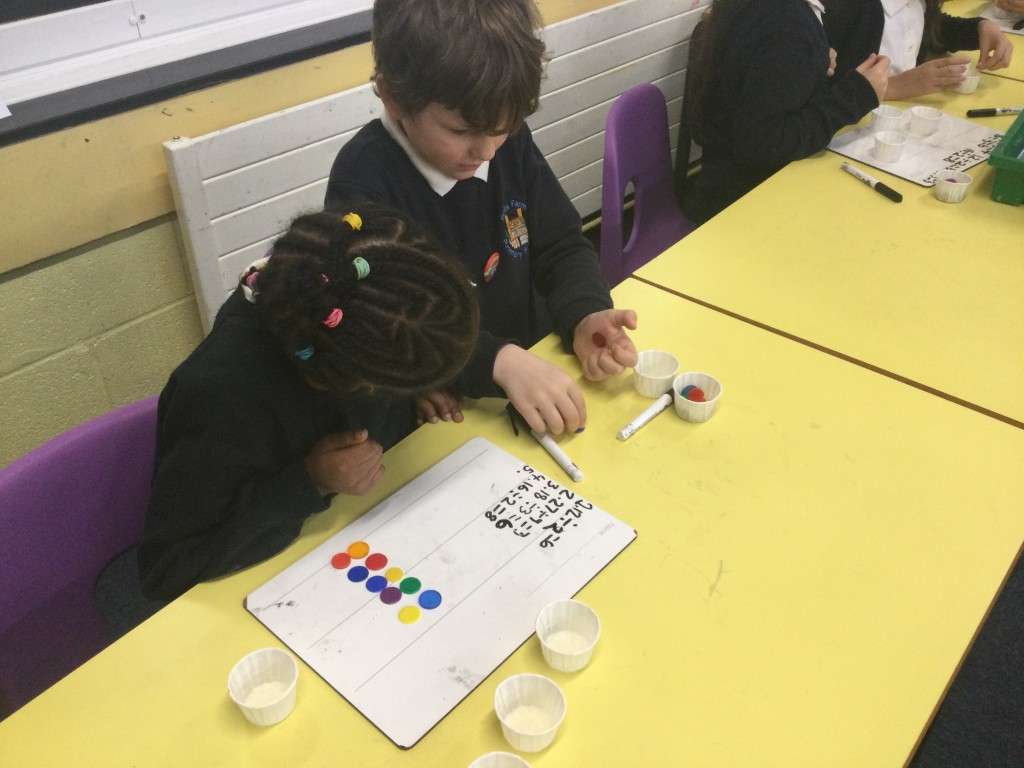
This week we have been looking at dividing by 2 and 5 using sharing circles.
Extra: Watch these videos at home.
This week we have been looking at dividing by 2 and 5 using sharing circles.
Extra: Watch these videos at home.
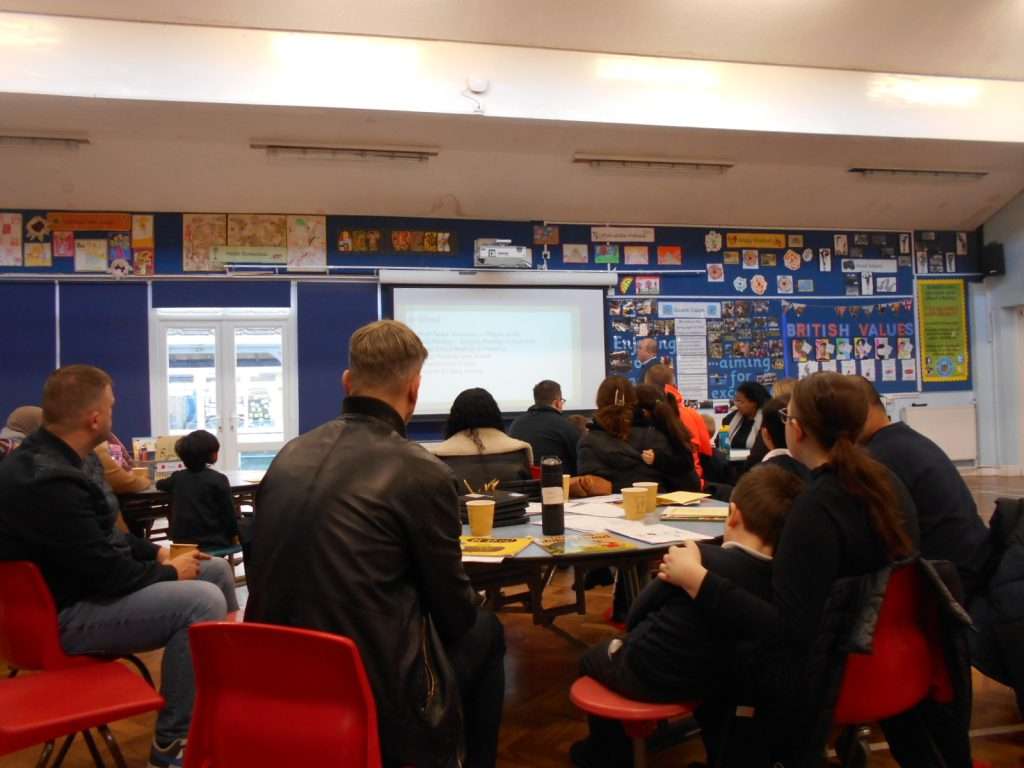
Click here to see the Book Breakfast Presentation
https://www.youtube.com/watch?v=rEWlfQQl_Uo – Visit this link to see an example of a child reading at the expected level at the end of KS1
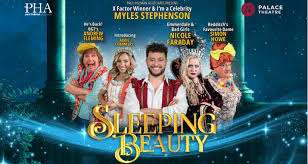
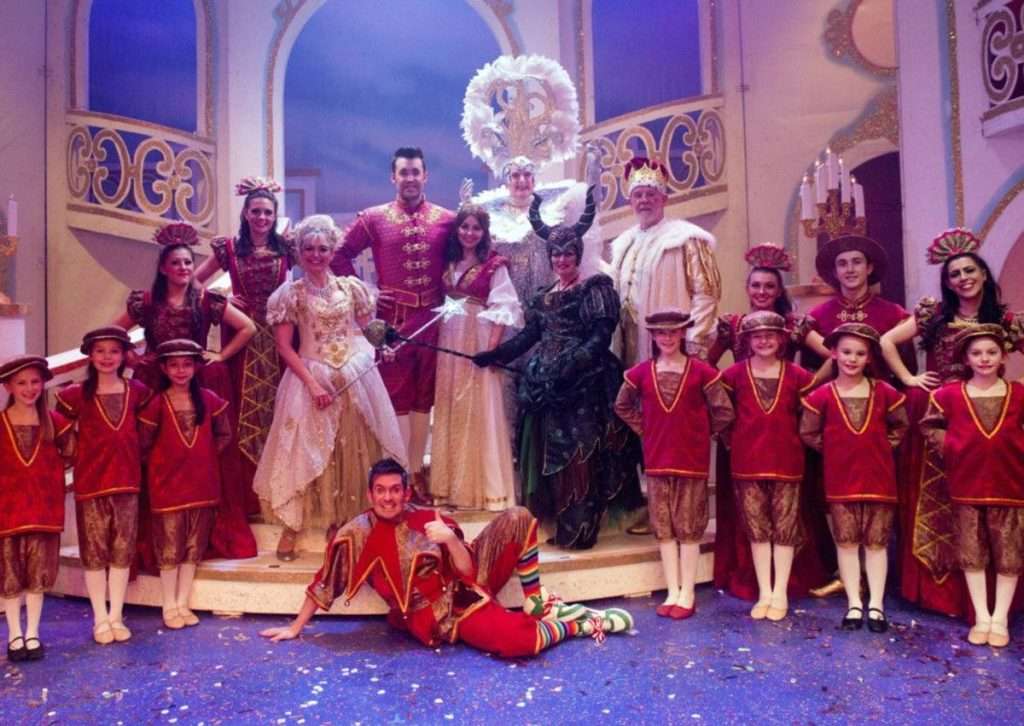
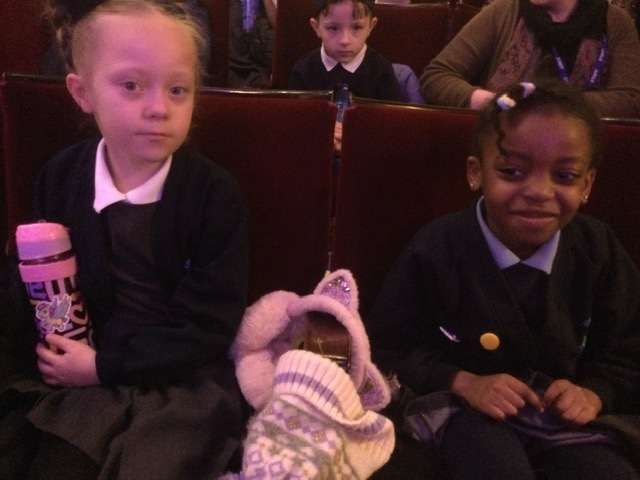
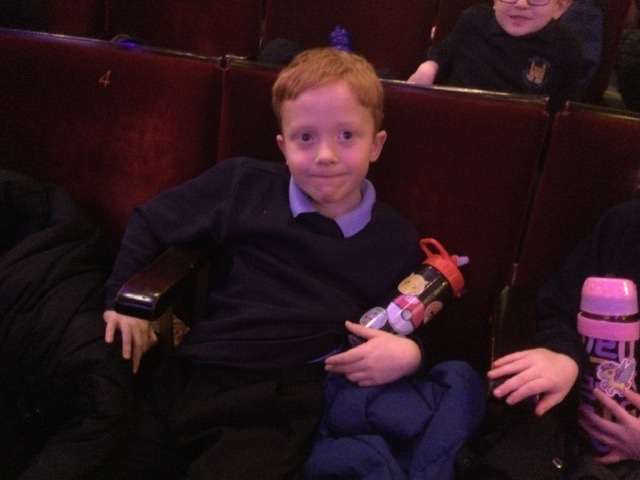
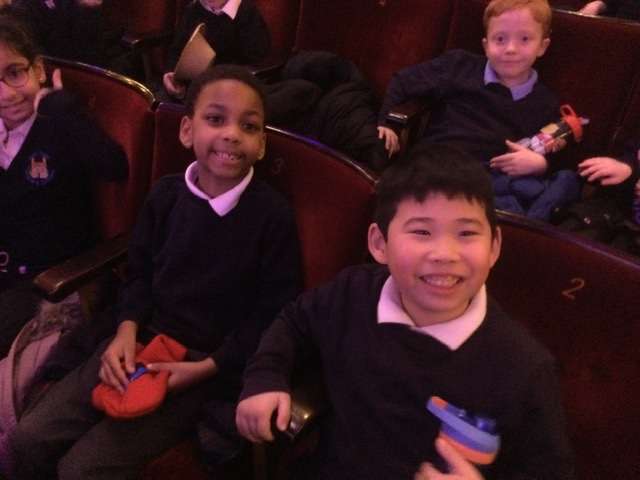
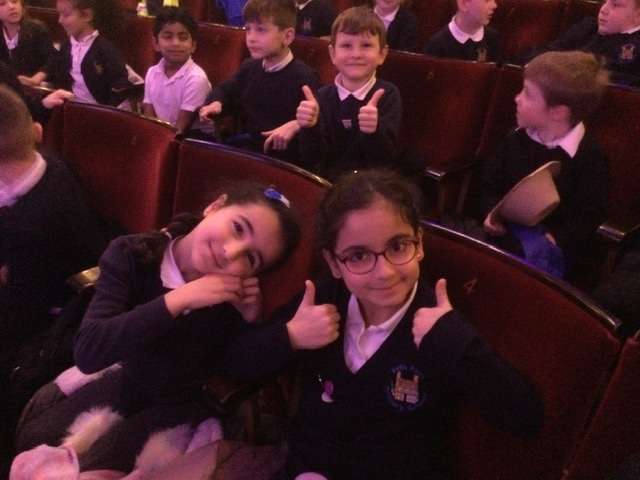
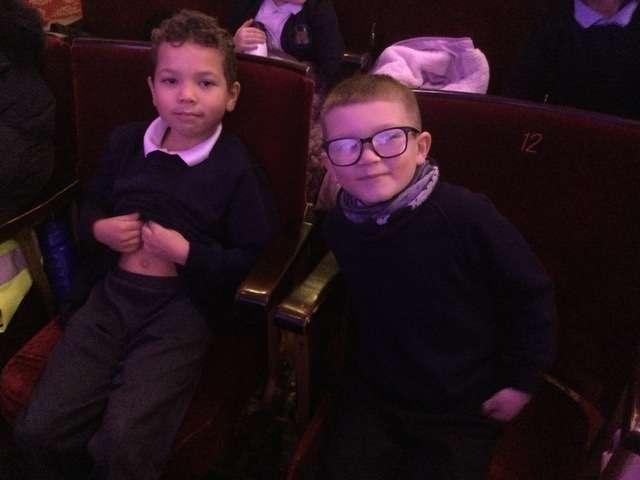
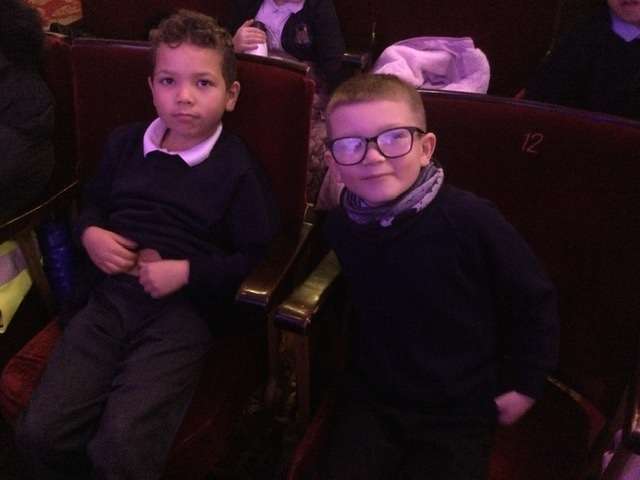
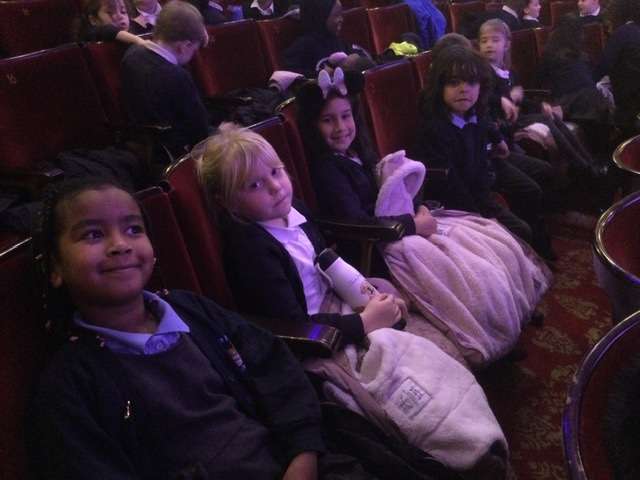
We had lots of fun at the theatre! The performance of Sleeping Beauty was amazing!

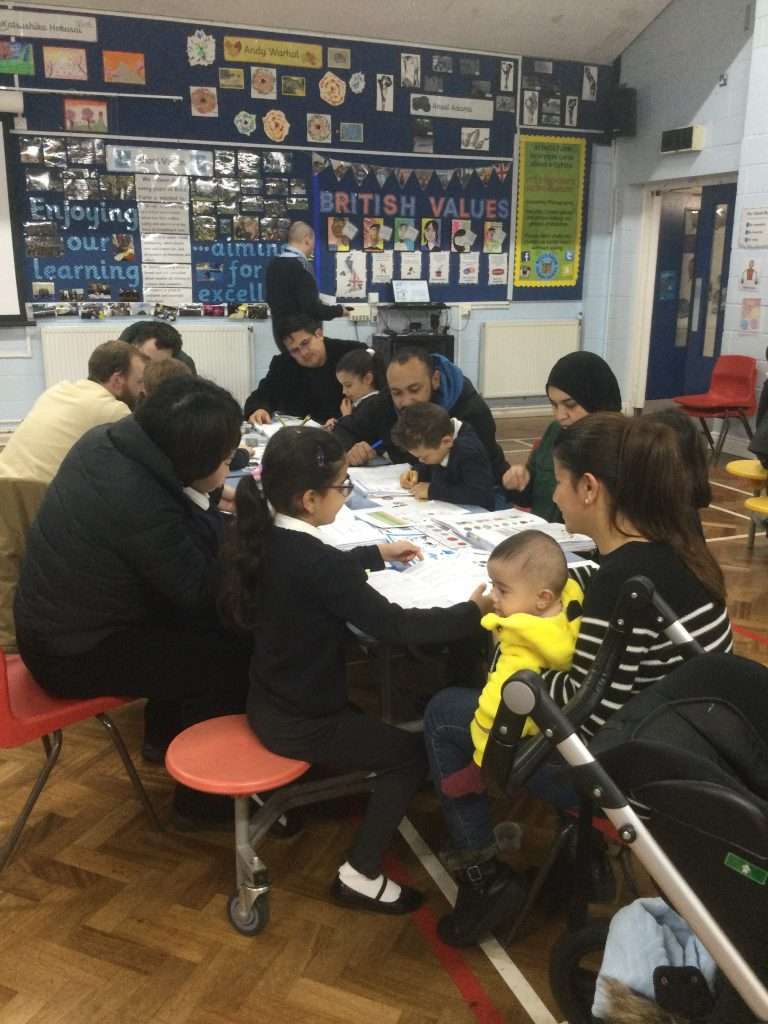
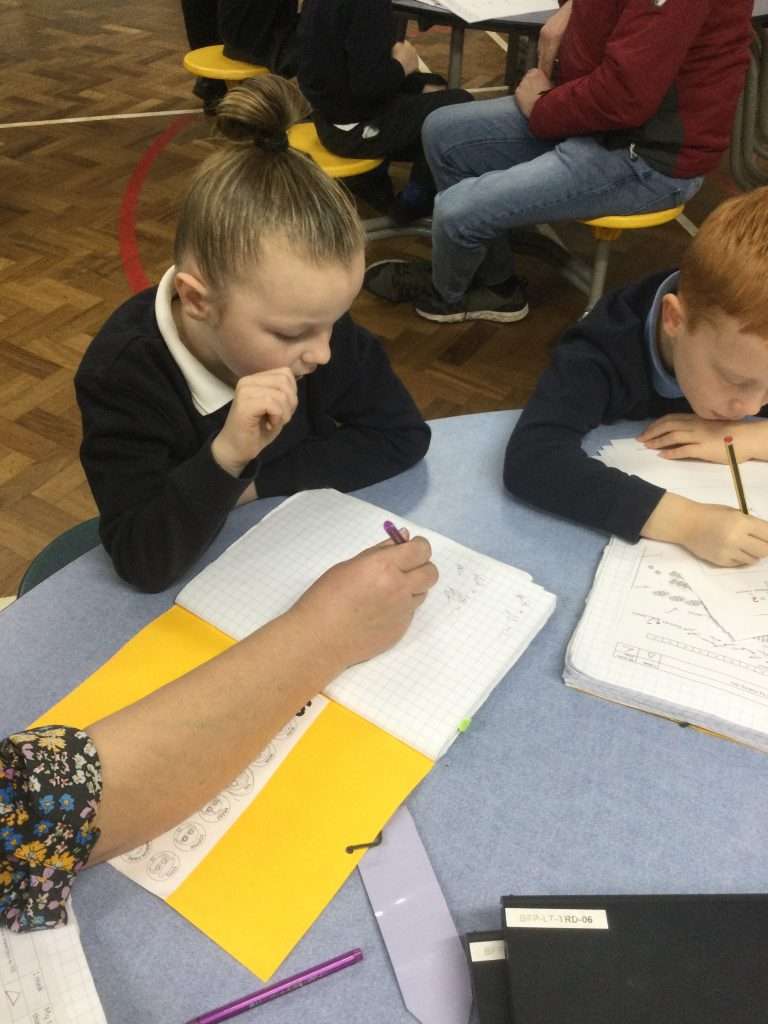
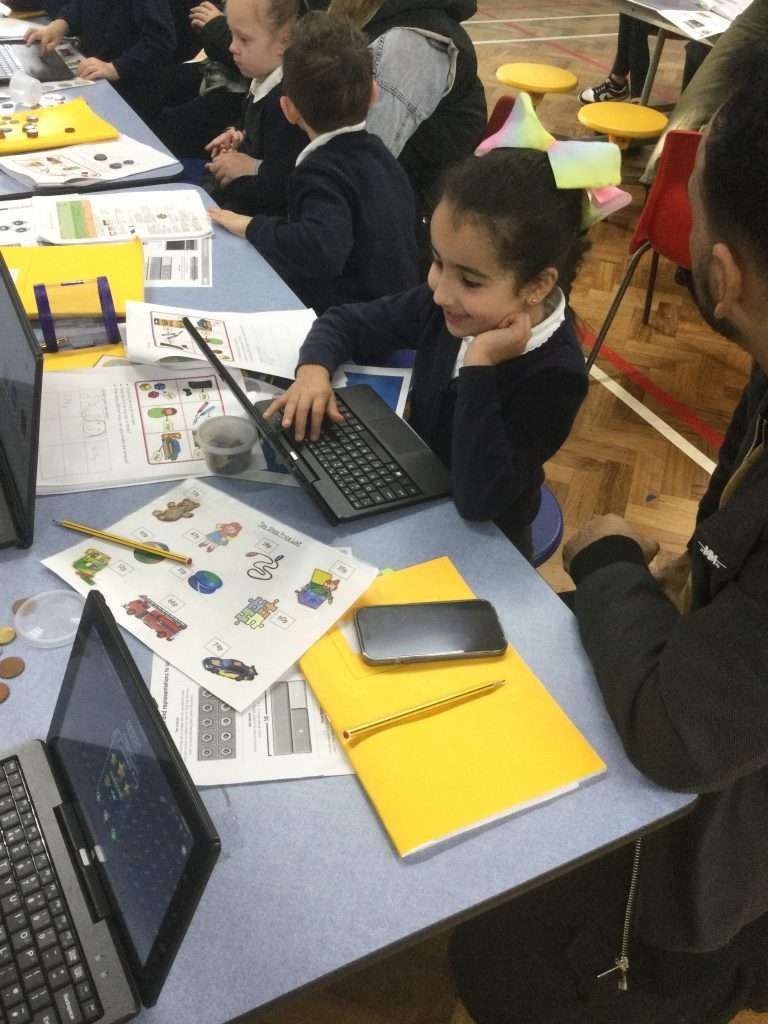
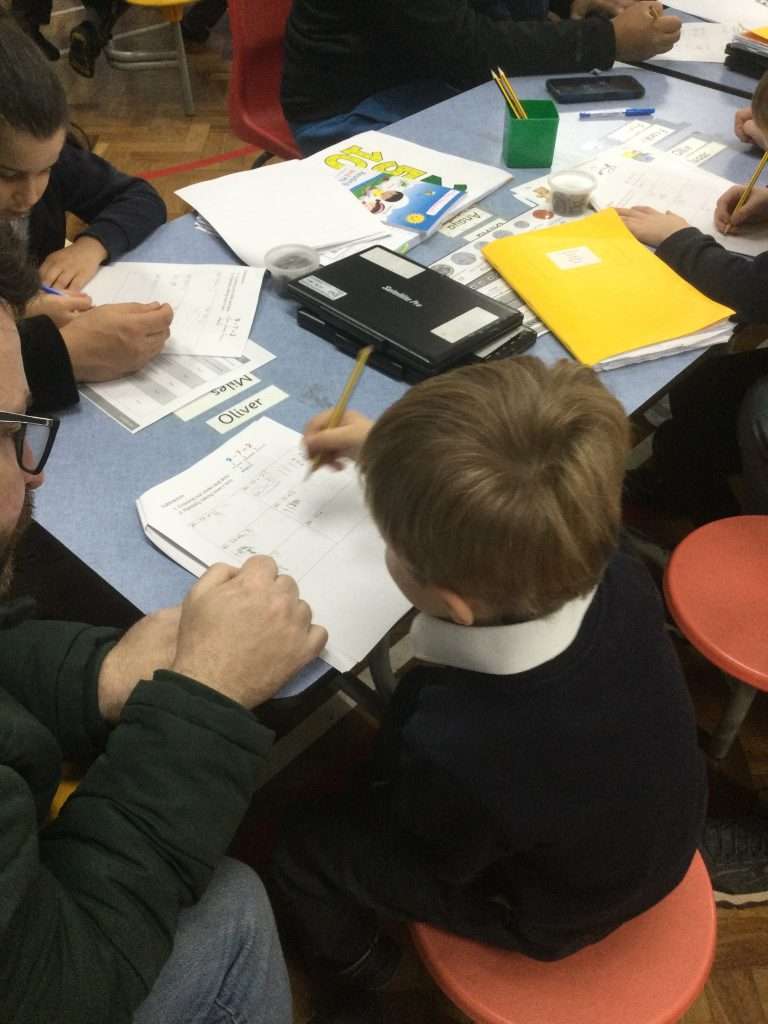
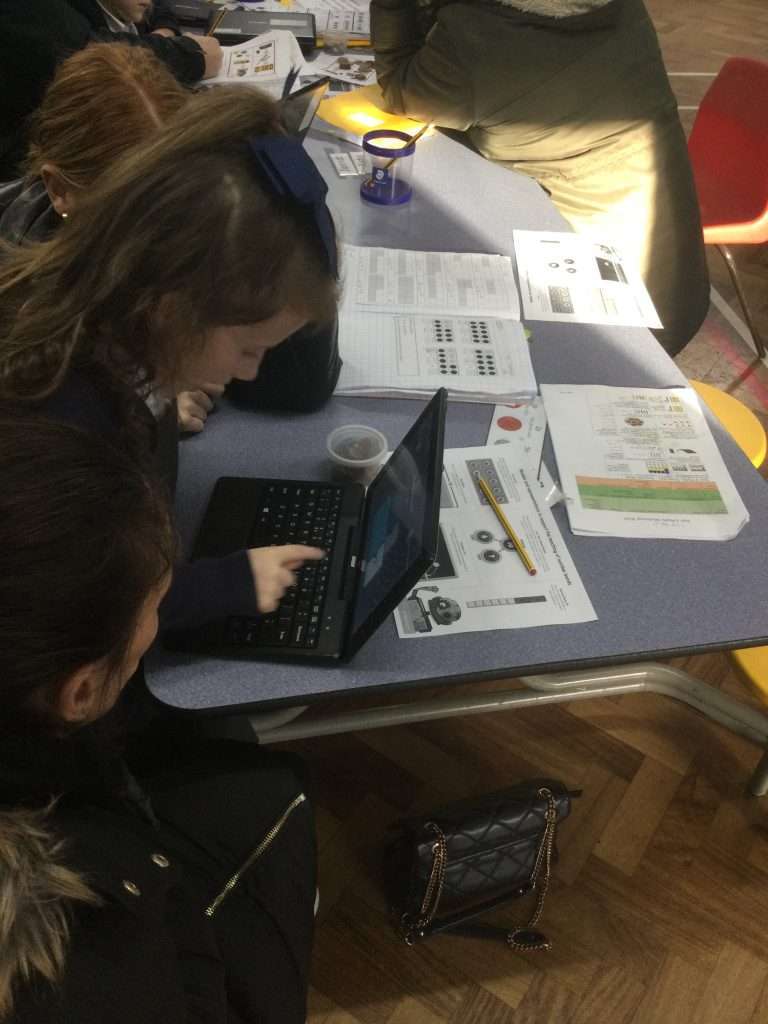
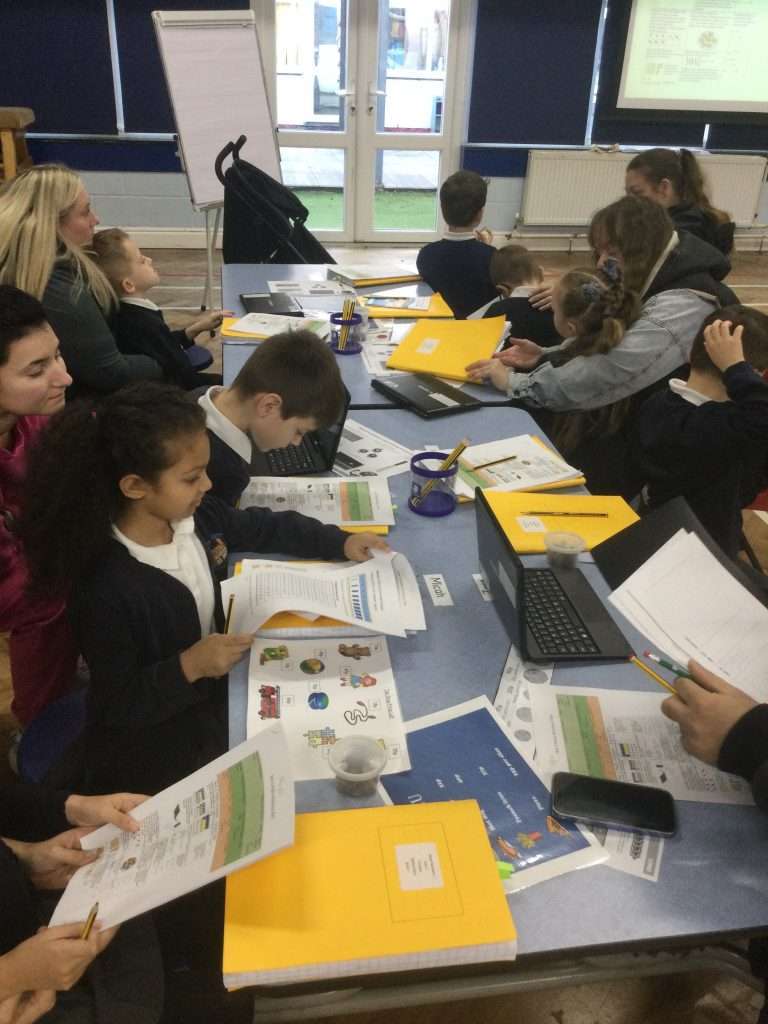
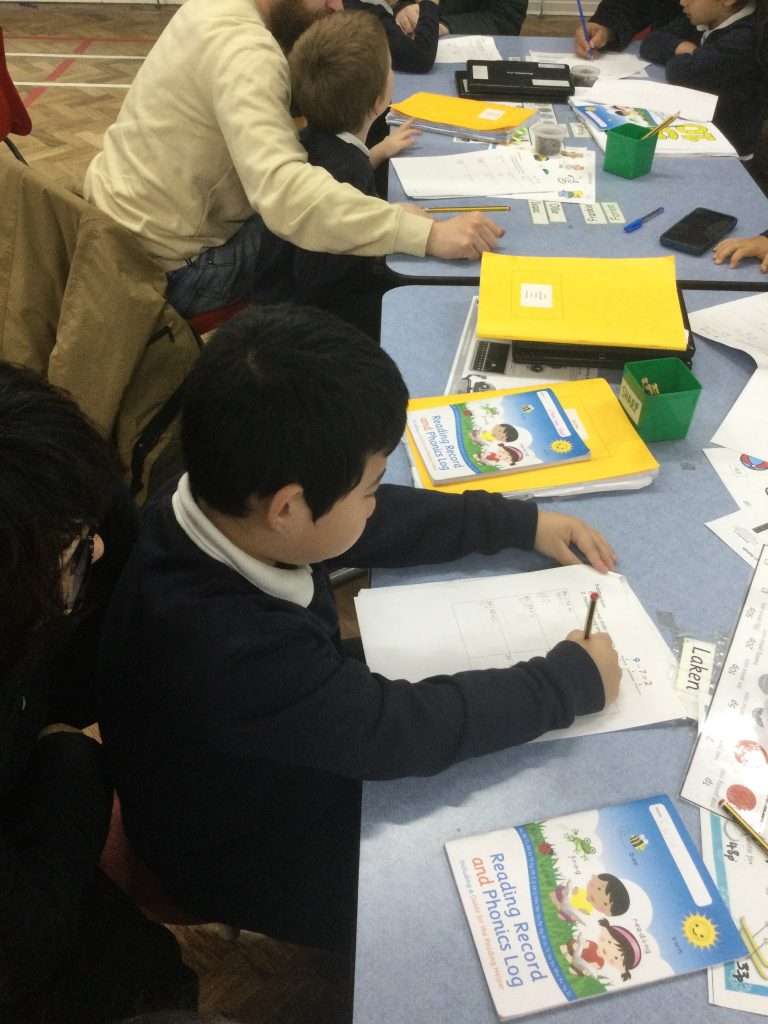
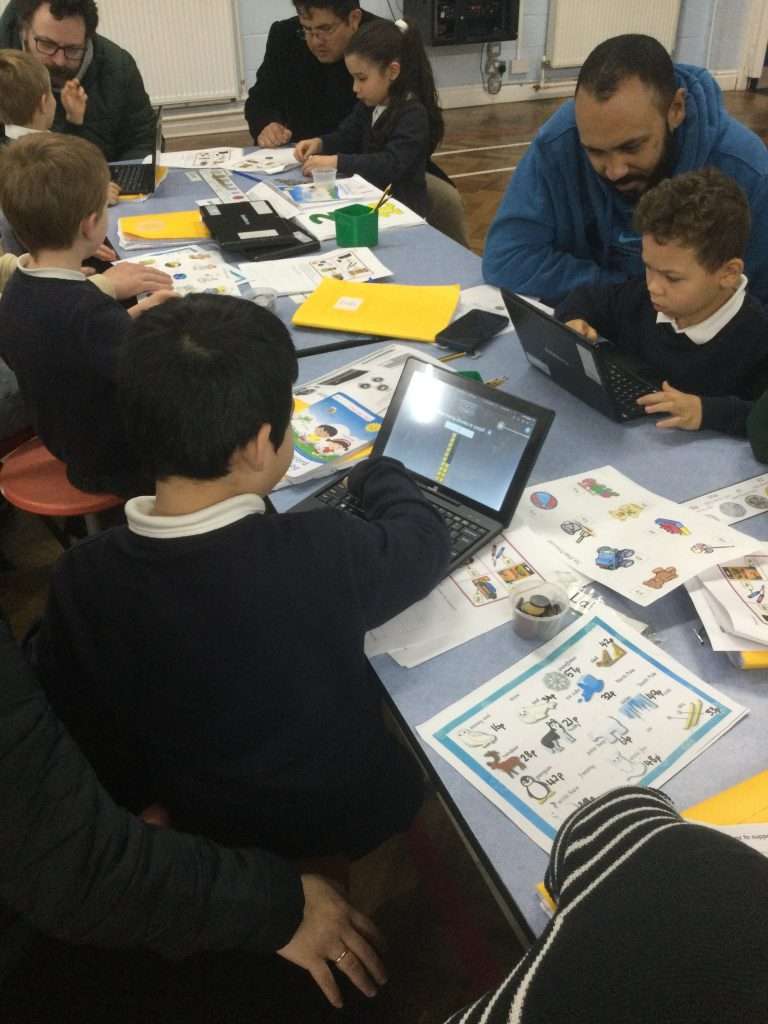
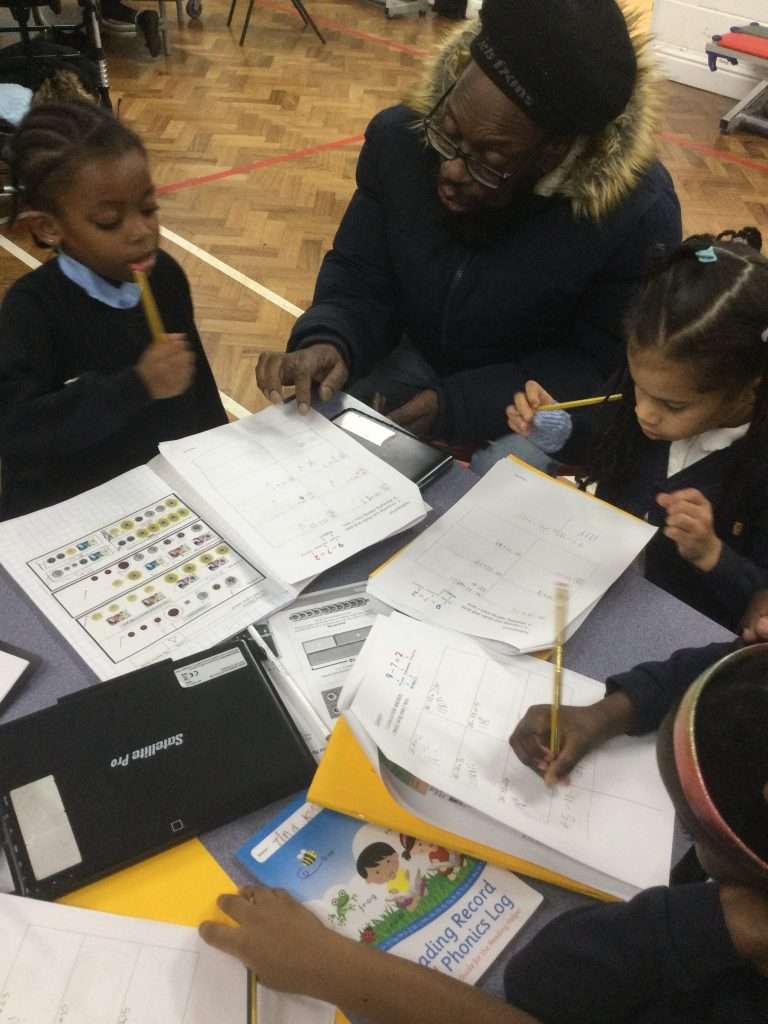
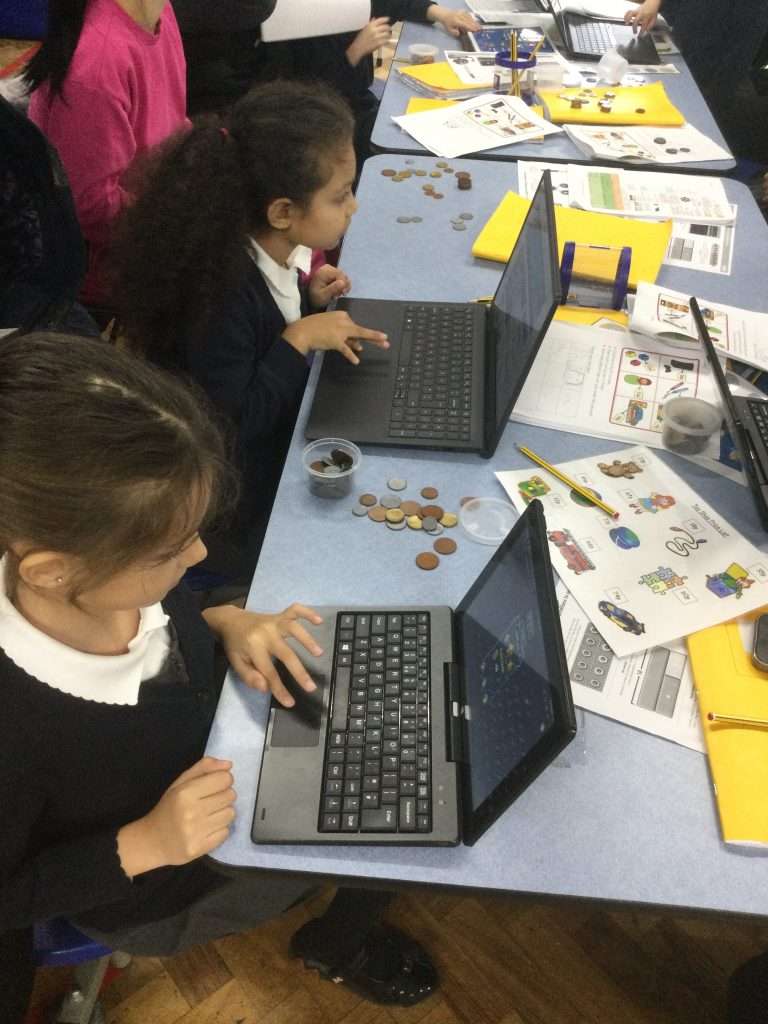
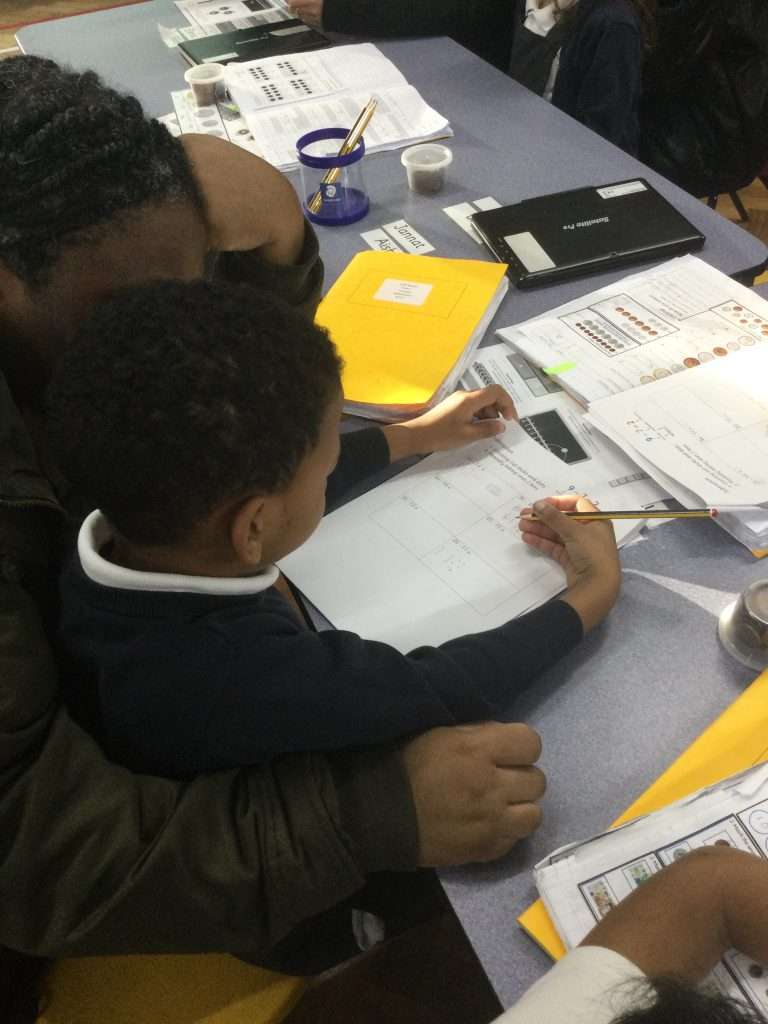
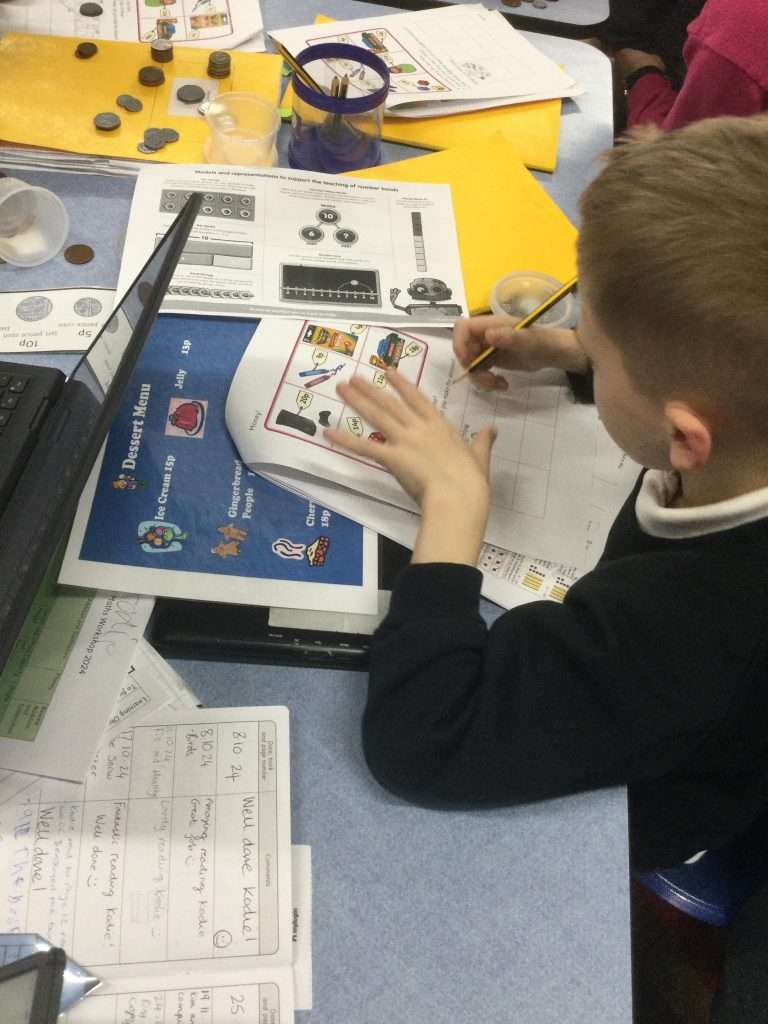
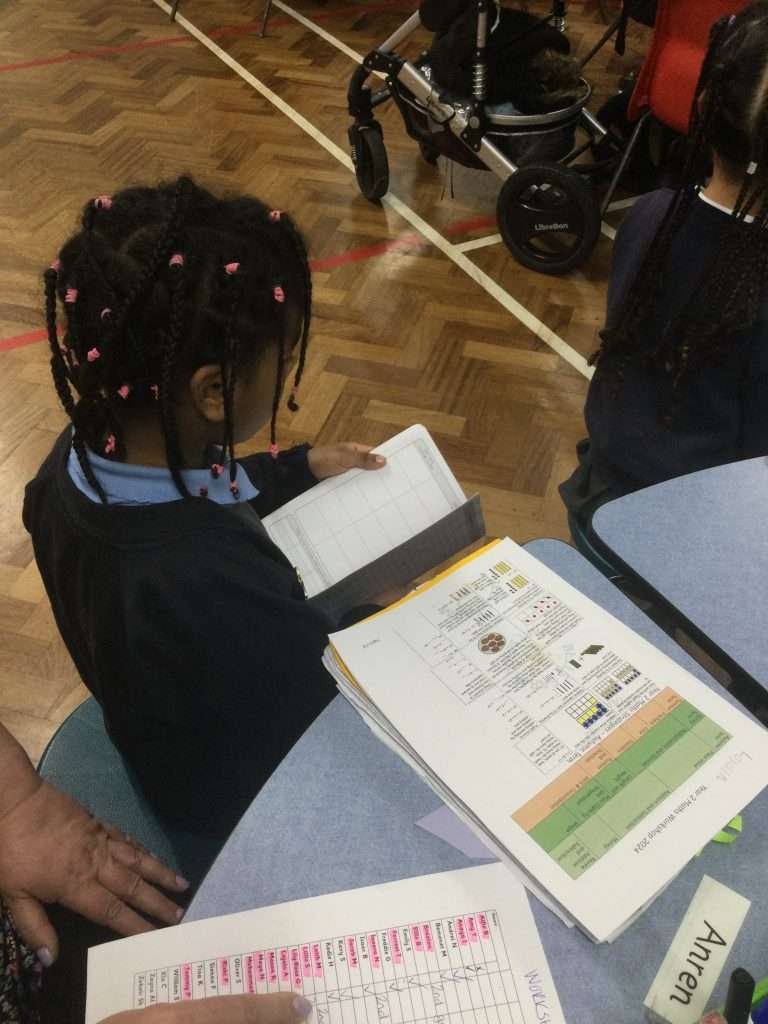
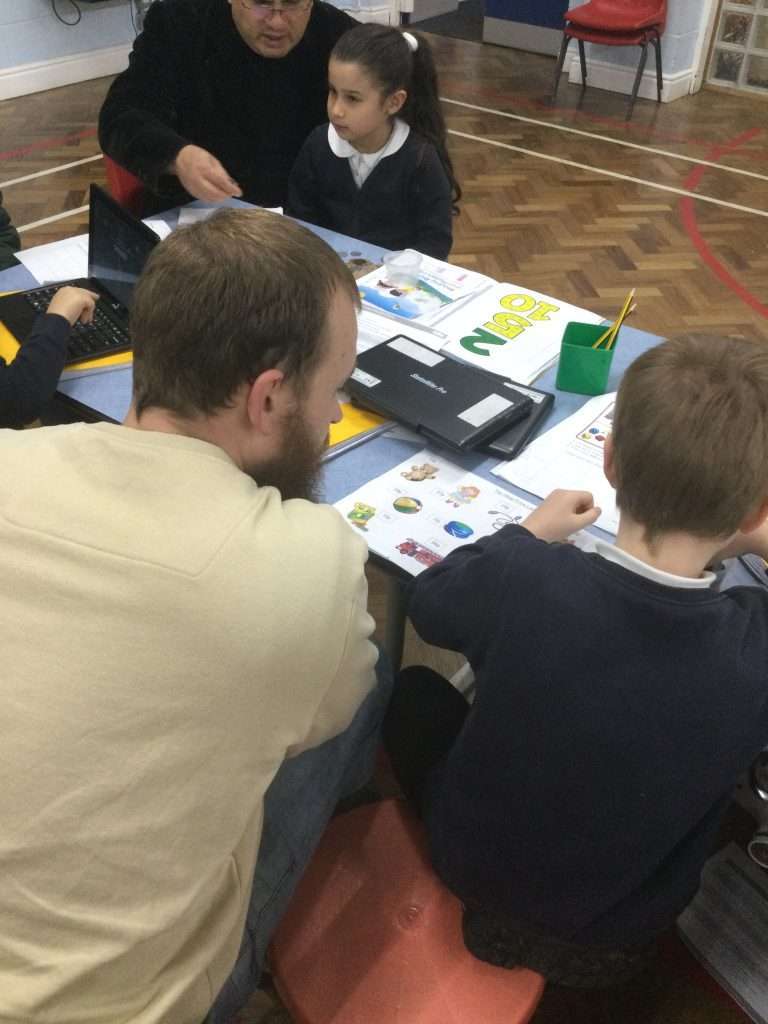
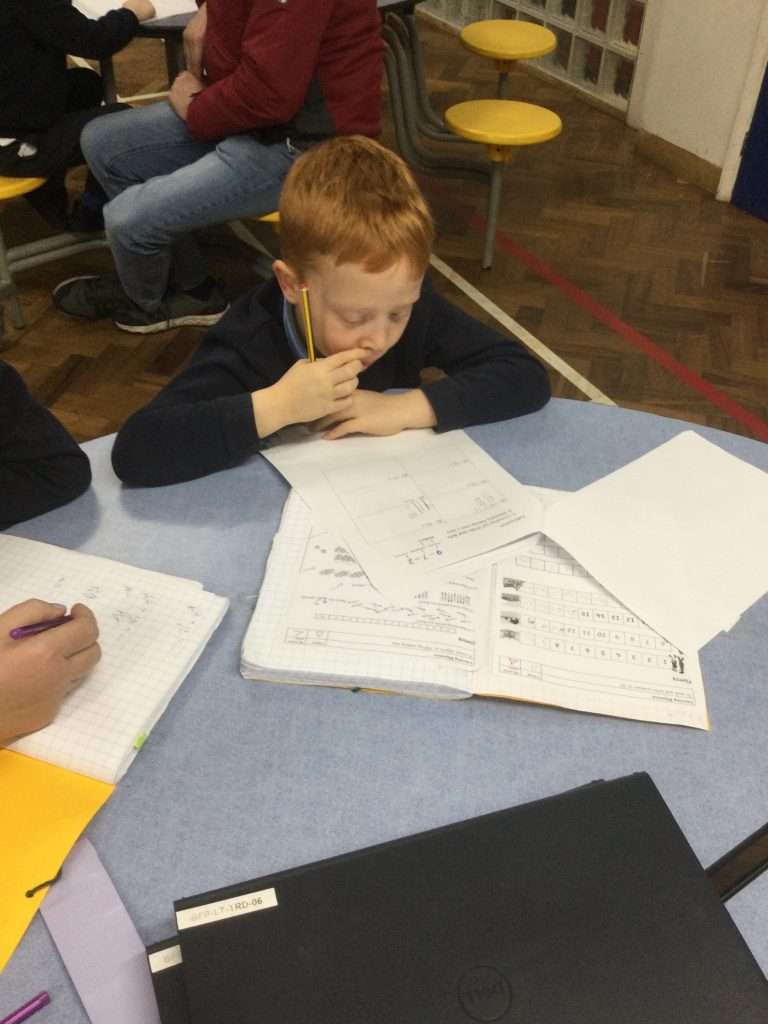
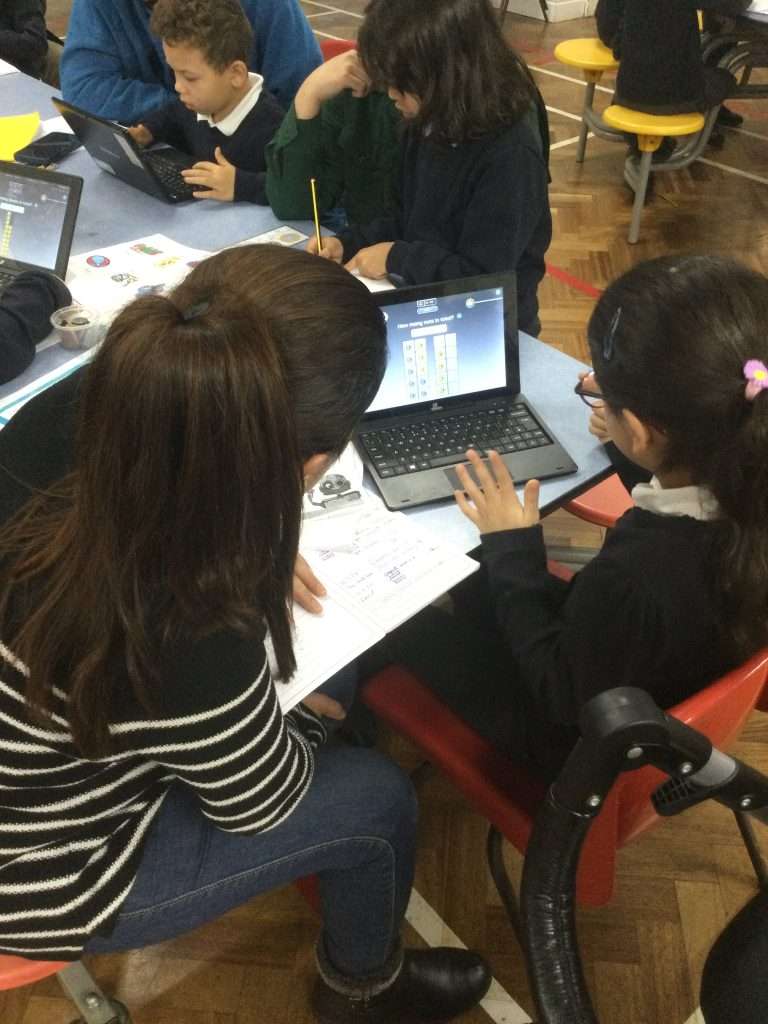
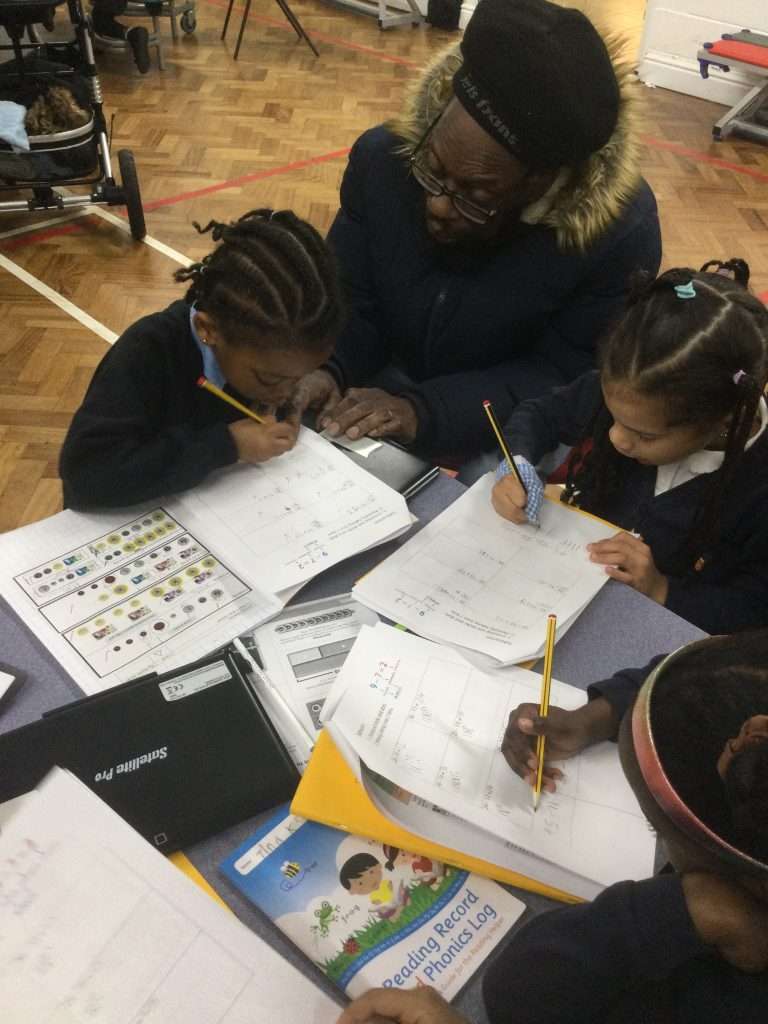
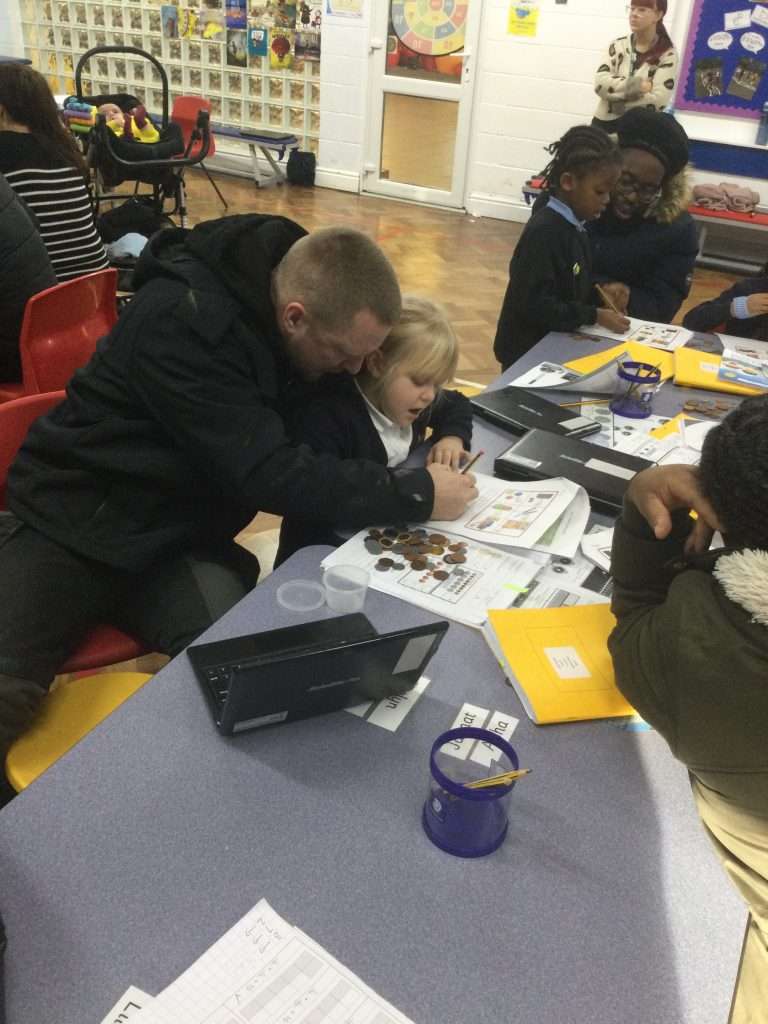

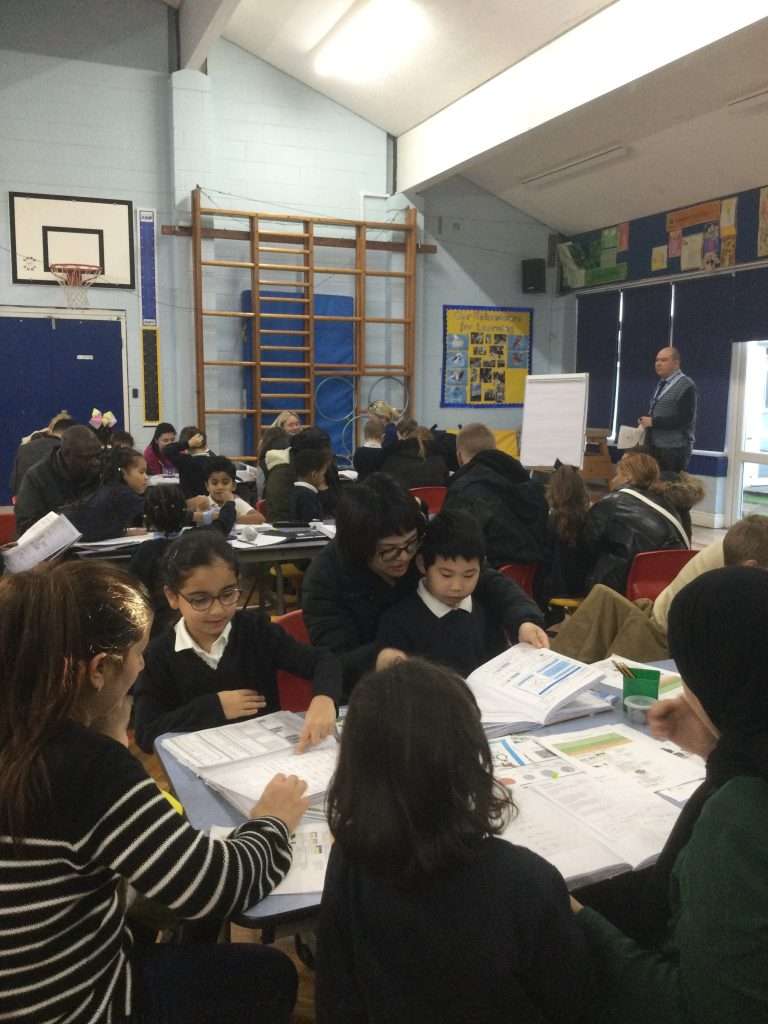
In this small step, children use their knowledge of number bonds to 10 to add numbers within 20. Children are familiar with using the counting on method for calculations that
cross a 10, but the purpose of this step is to improve both efficiency and accuracy using number bonds.
Children need to be able to partition a number into two parts
in order to use number bonds to 10 to simplify a calculation
Toucans found this a little tricky but many persevered and found it useful.
Extension: Review the learning at home.
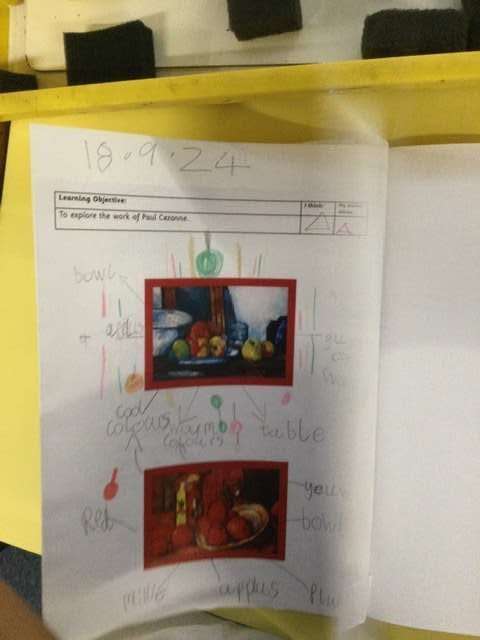
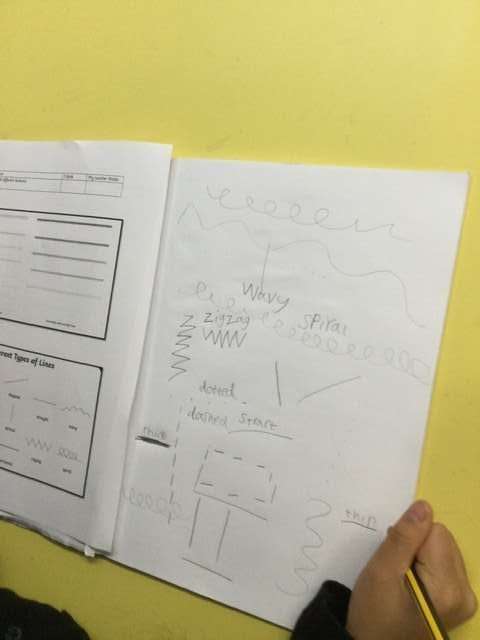
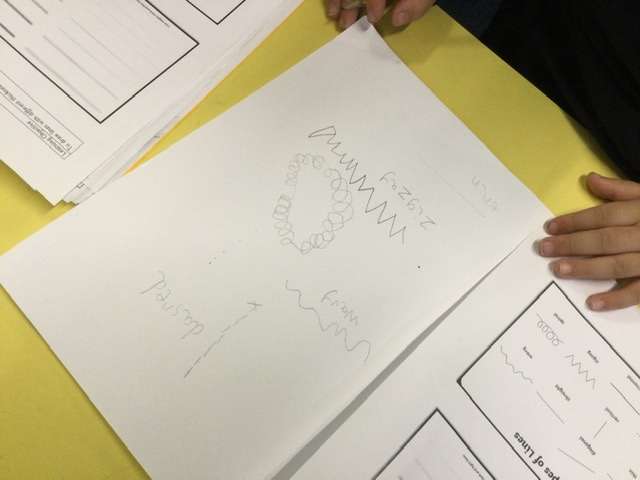
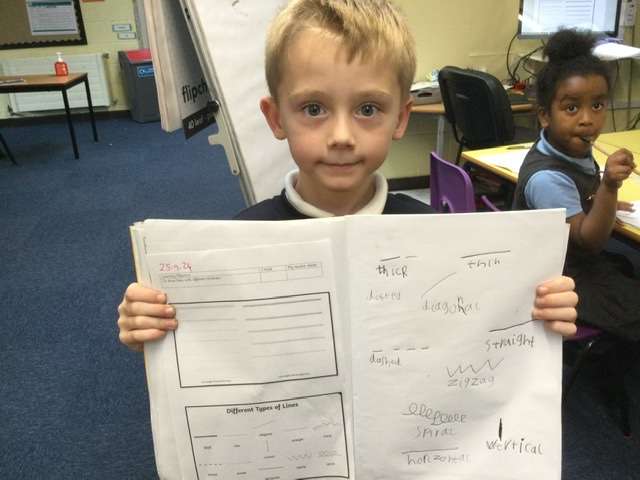
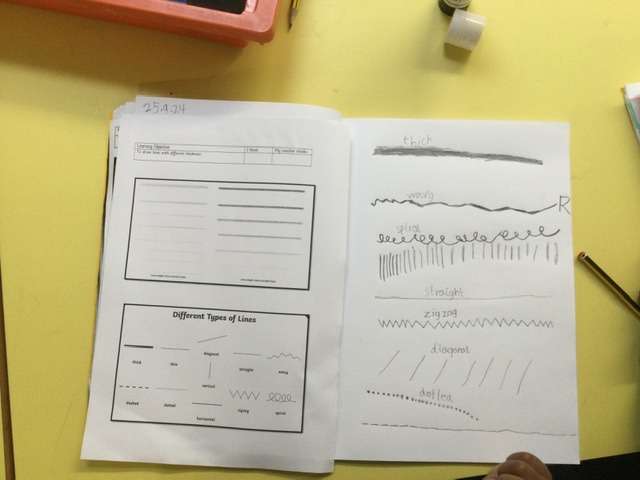
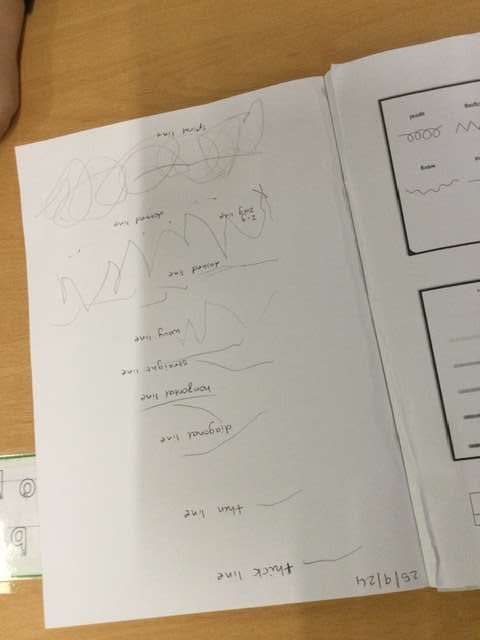
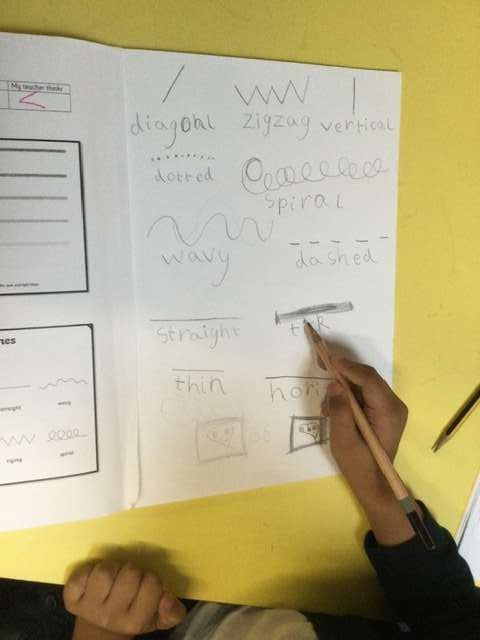
In Art we learnt about line thickness, different types of lines and also how shades can be lighter and darker.
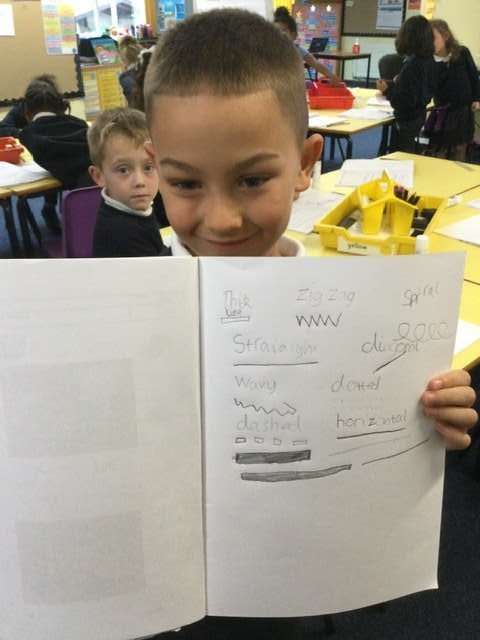
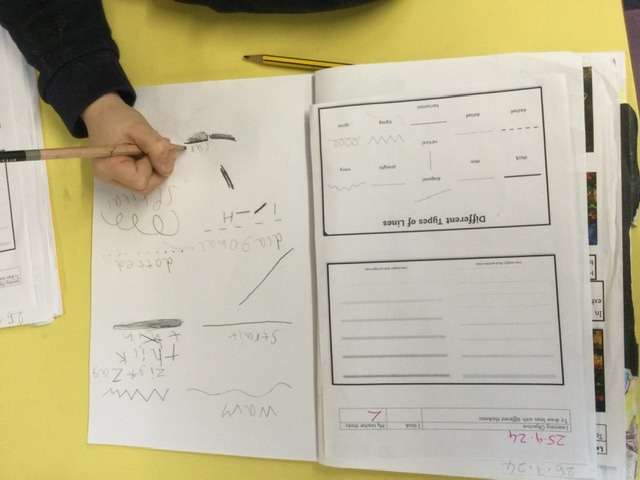
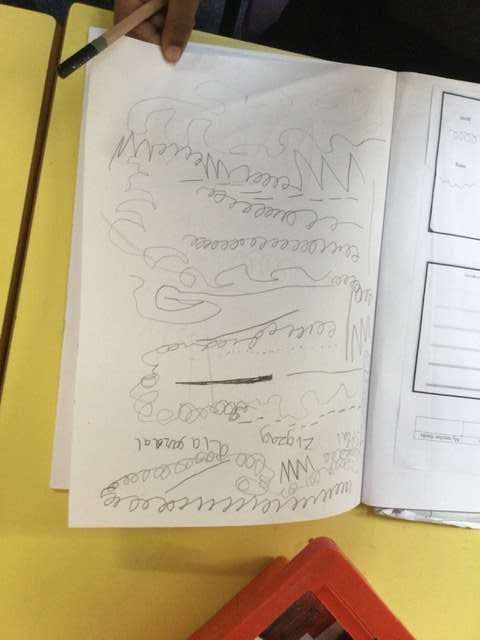
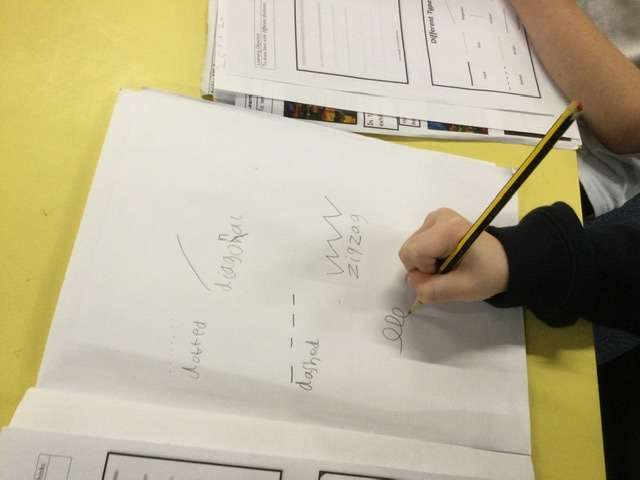
have a wonderful summer everyone ! I am so proud of you all .
Toucans have been learning how mindfulness thinking can help them have a happy and healthy mind. It can help regulate our feelings.
Why not have a go with some at home?
more details coming soon but we are looking forward to sharing information at our assembly ! Here’s a sneak peak of wonderful moments captured.
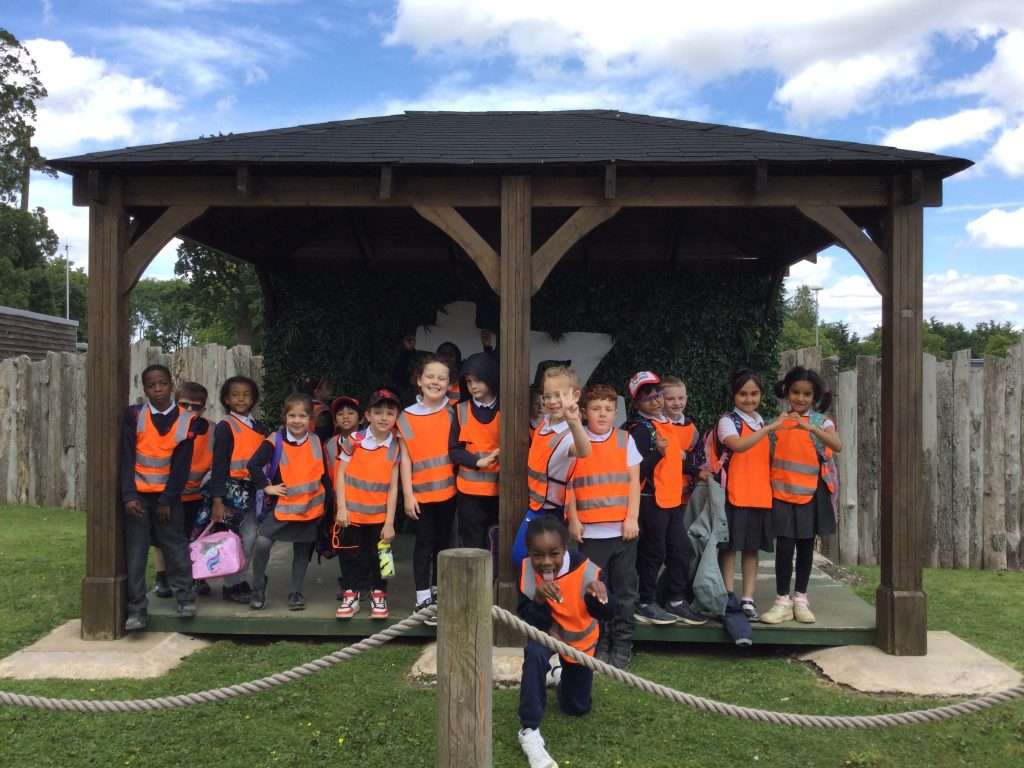
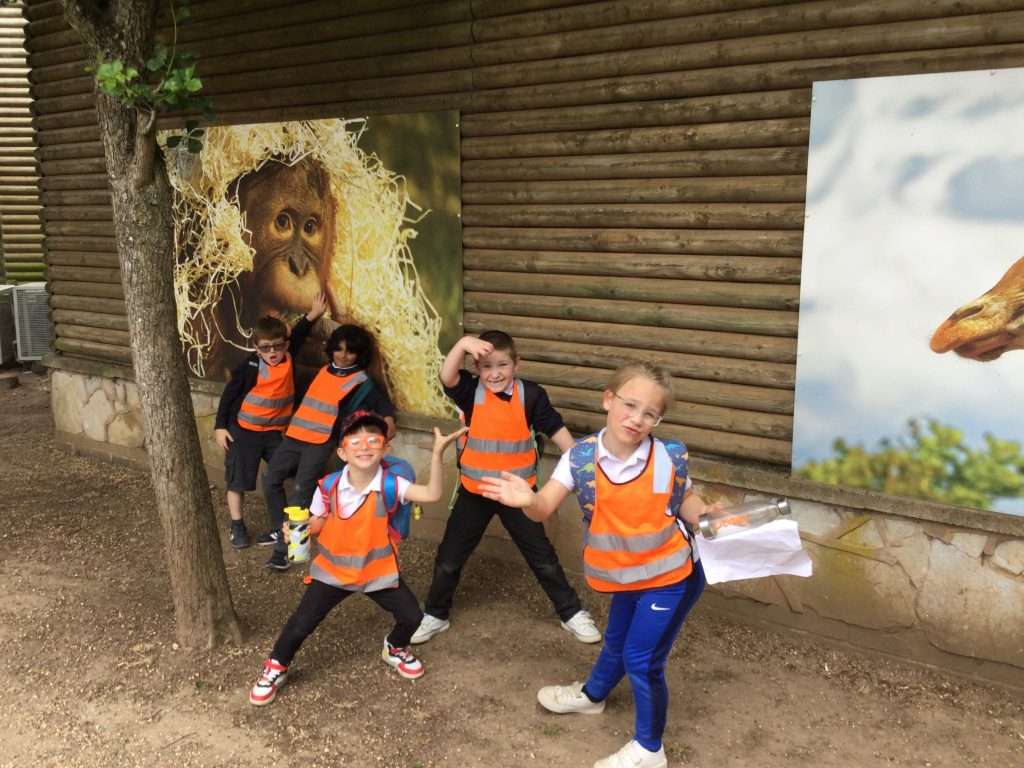
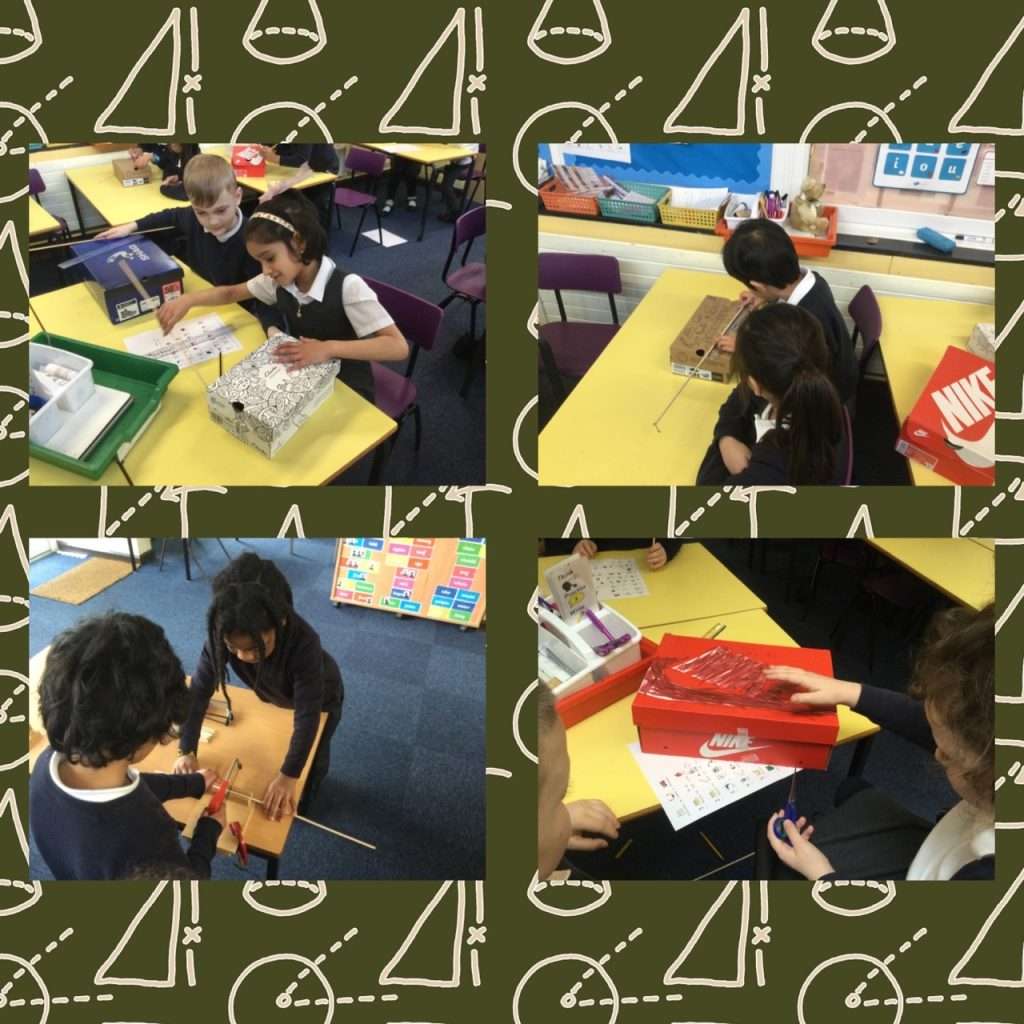
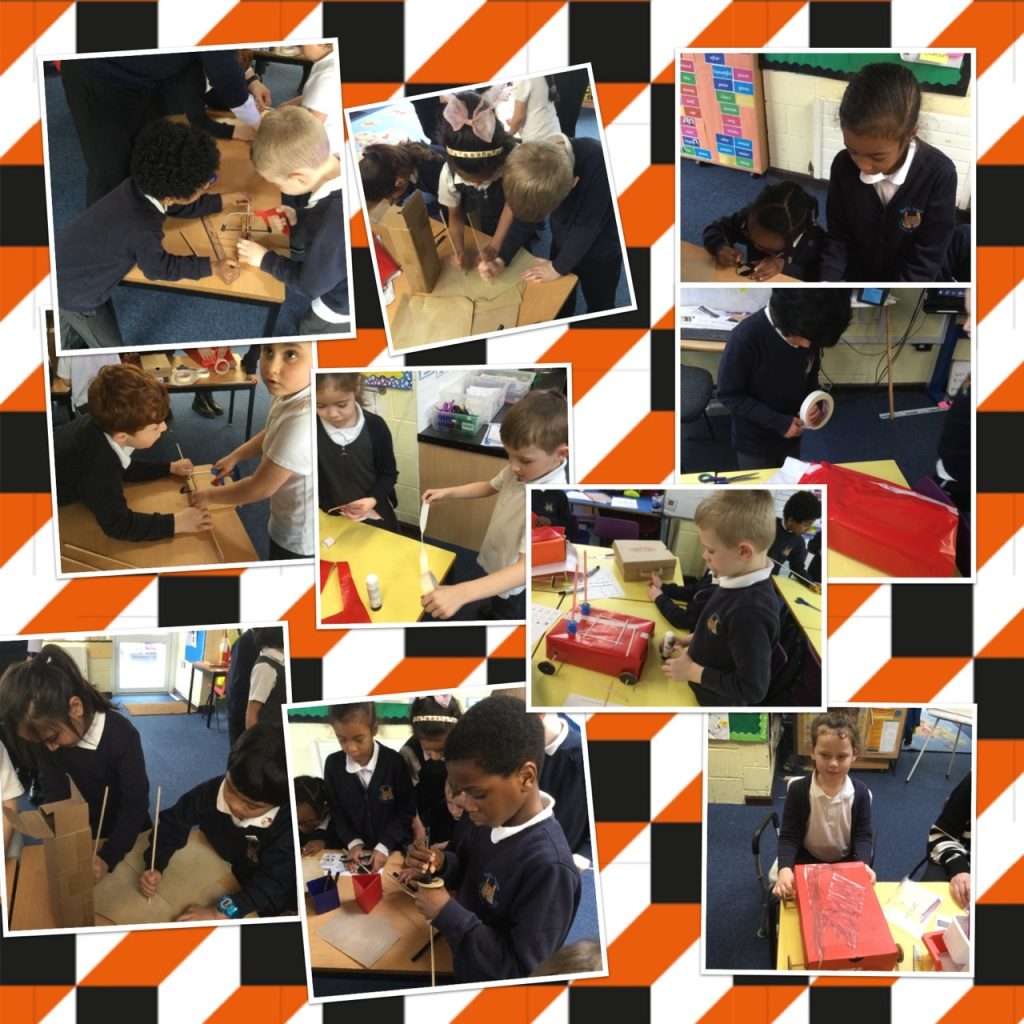
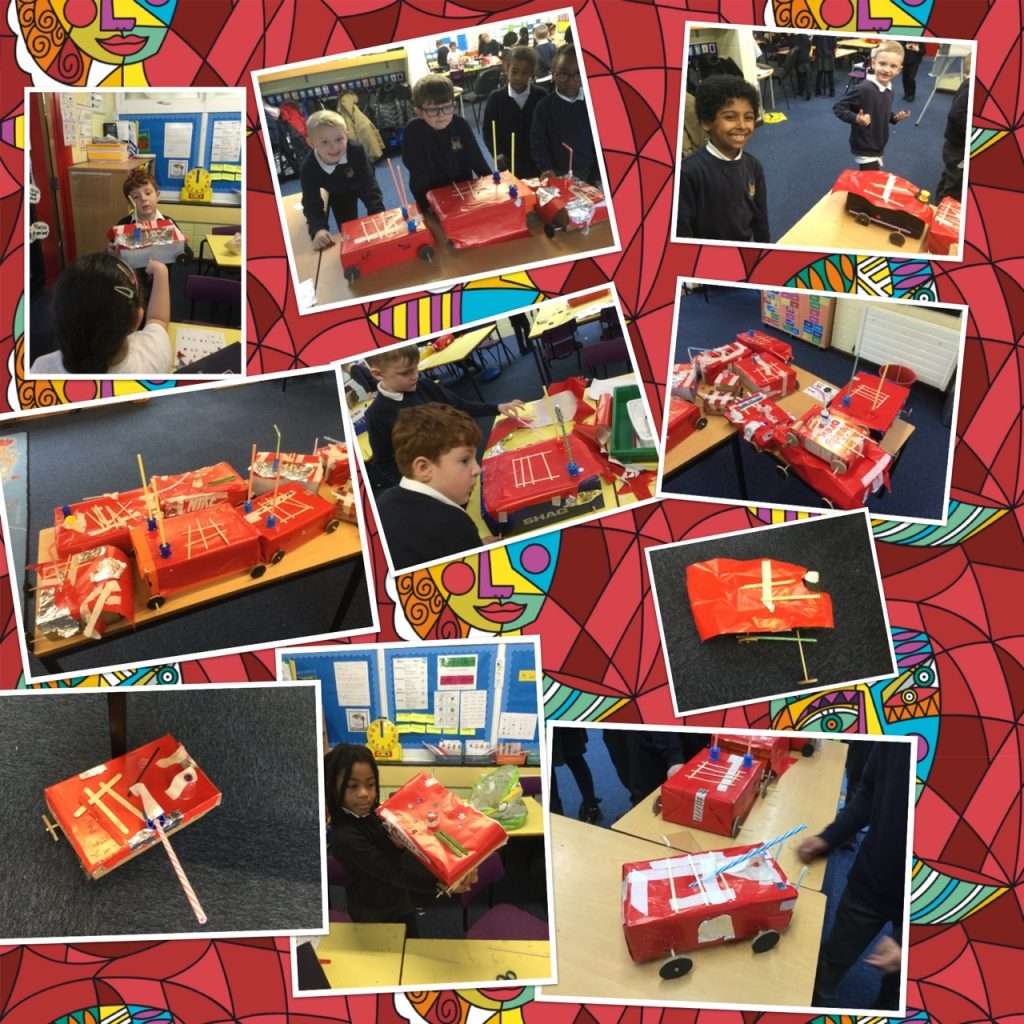
Our DT project this half term has been working towards making our own fire engines.
We learnt many new skills including how to saw wood safely. It really wasn’t as easy as it looked! We measured our dowel then added 2cm so we had room to attach our wheels. Completing this project we managed to improve our skills in working together measuring to the nearest centimeter and folding cutting and strengthening materials
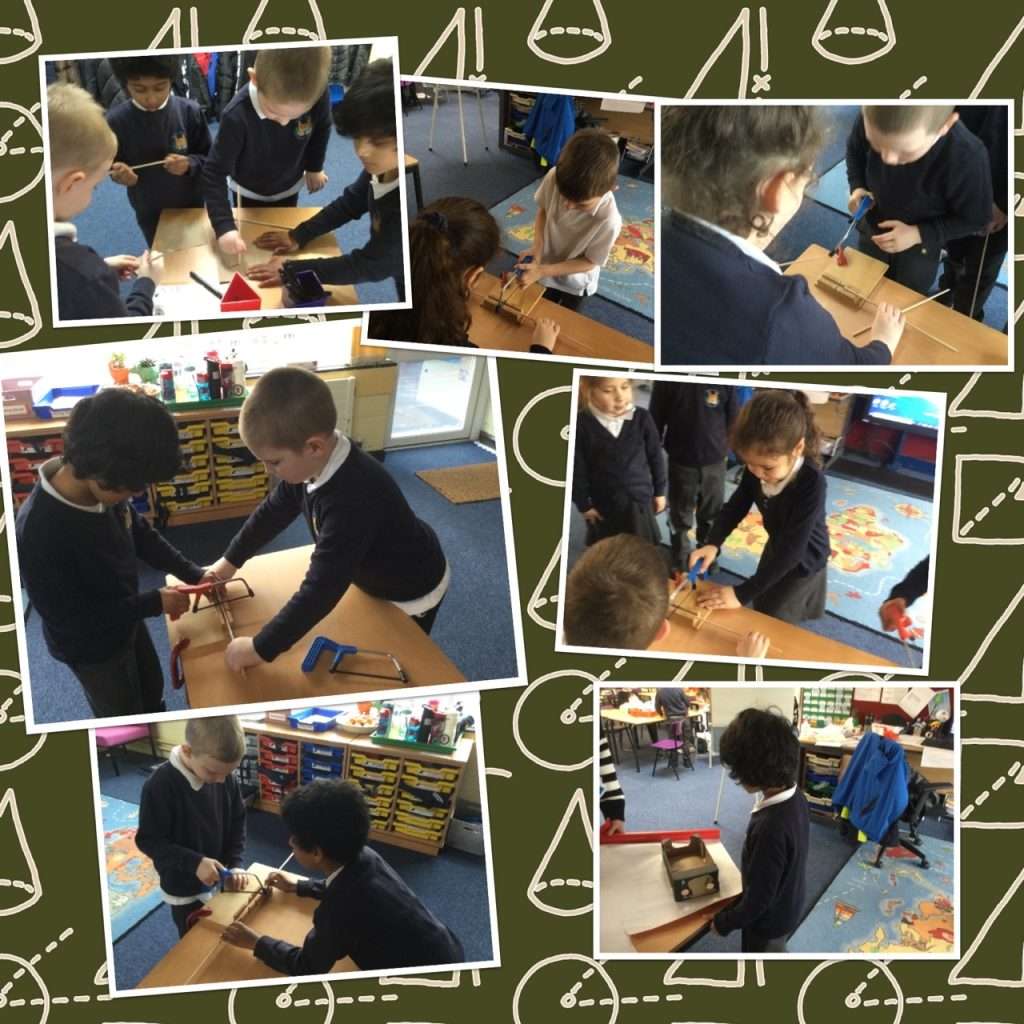
Well done Toucans!
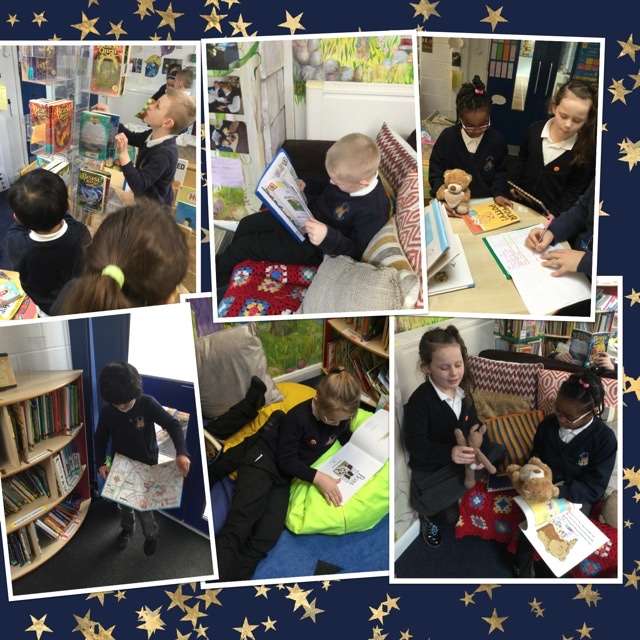
Today Toucans took part in a book quiz! Try it again at home!
We also took part in a World book Day Live Lesson Click here to take part at home.
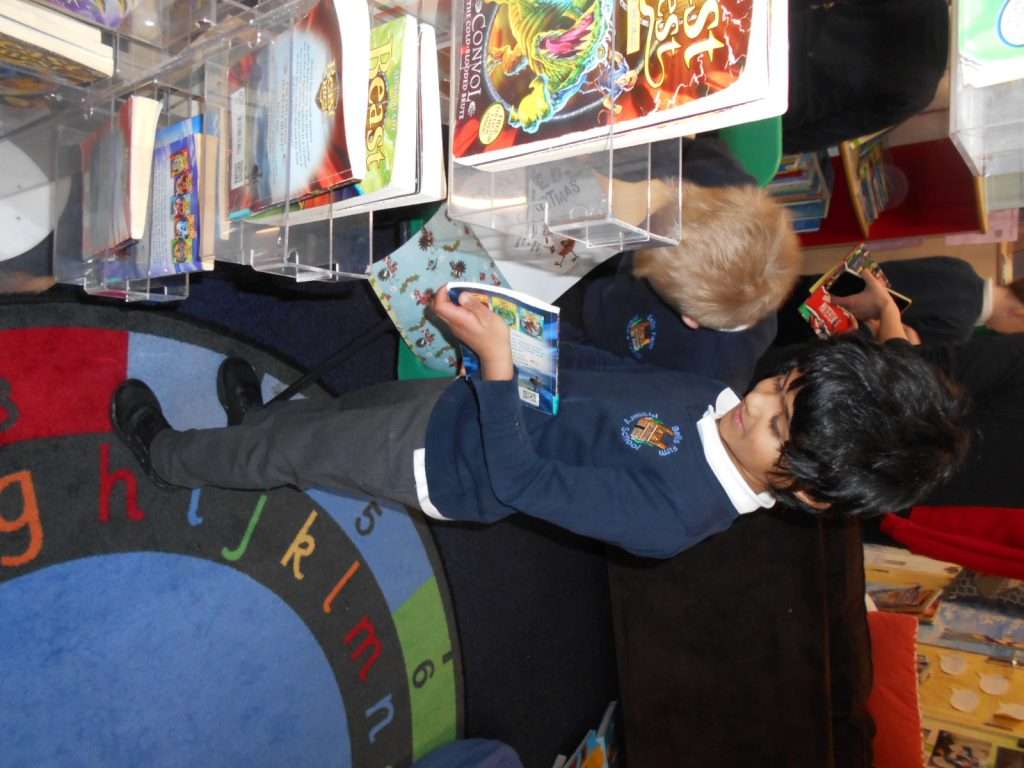
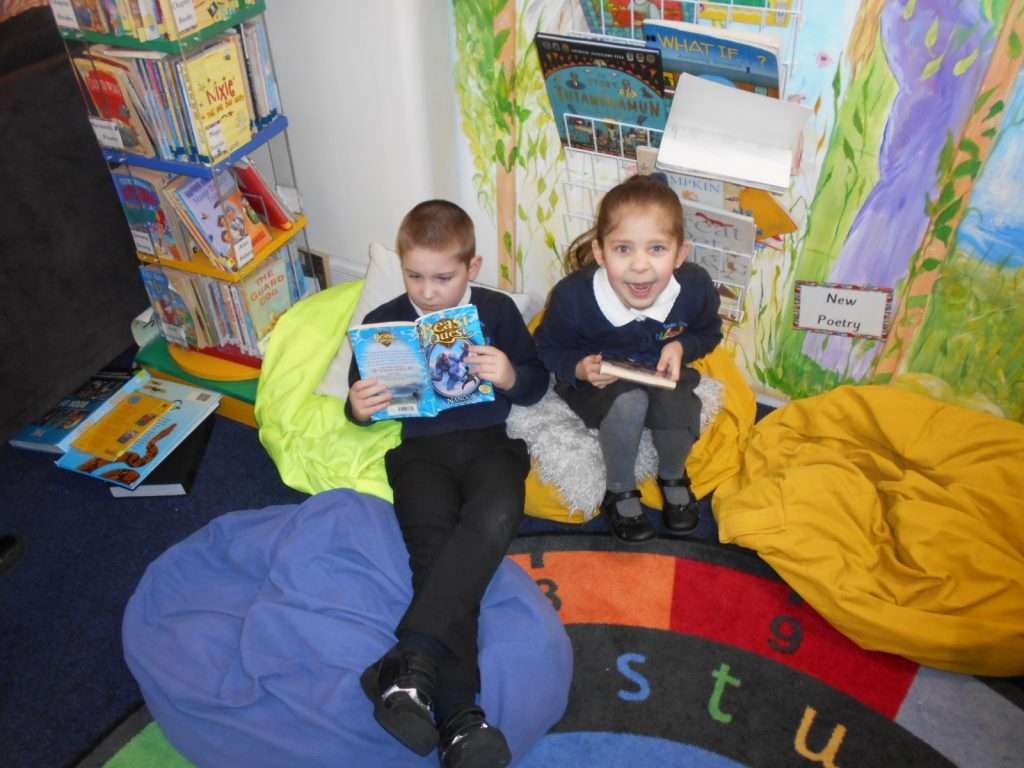
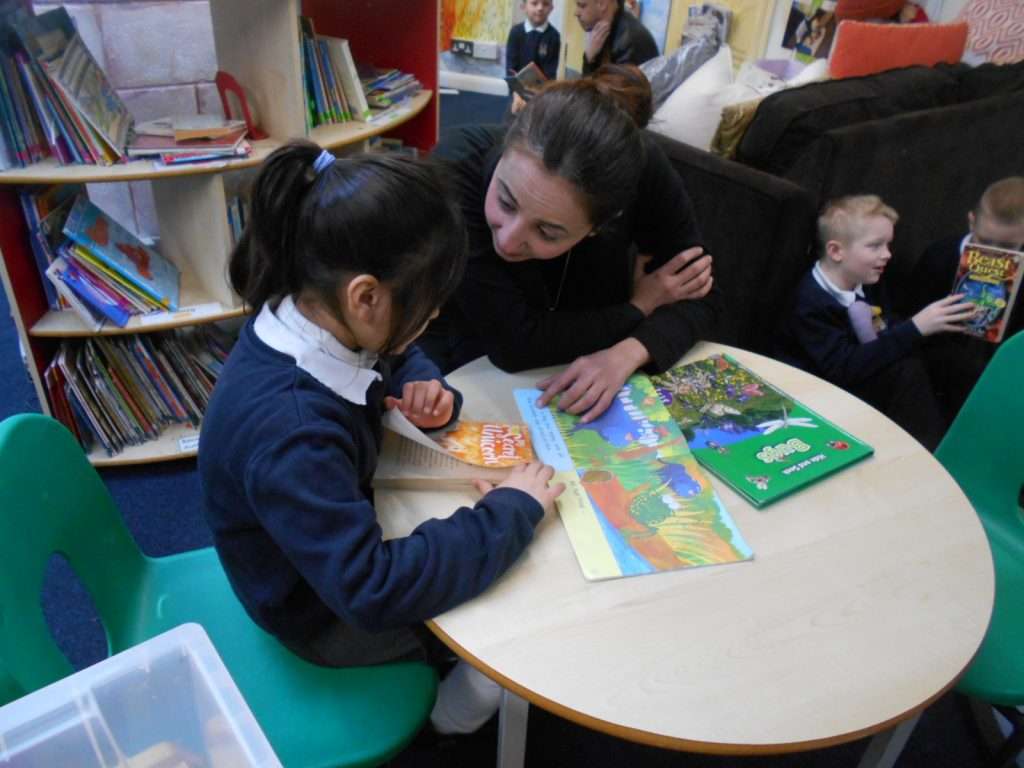
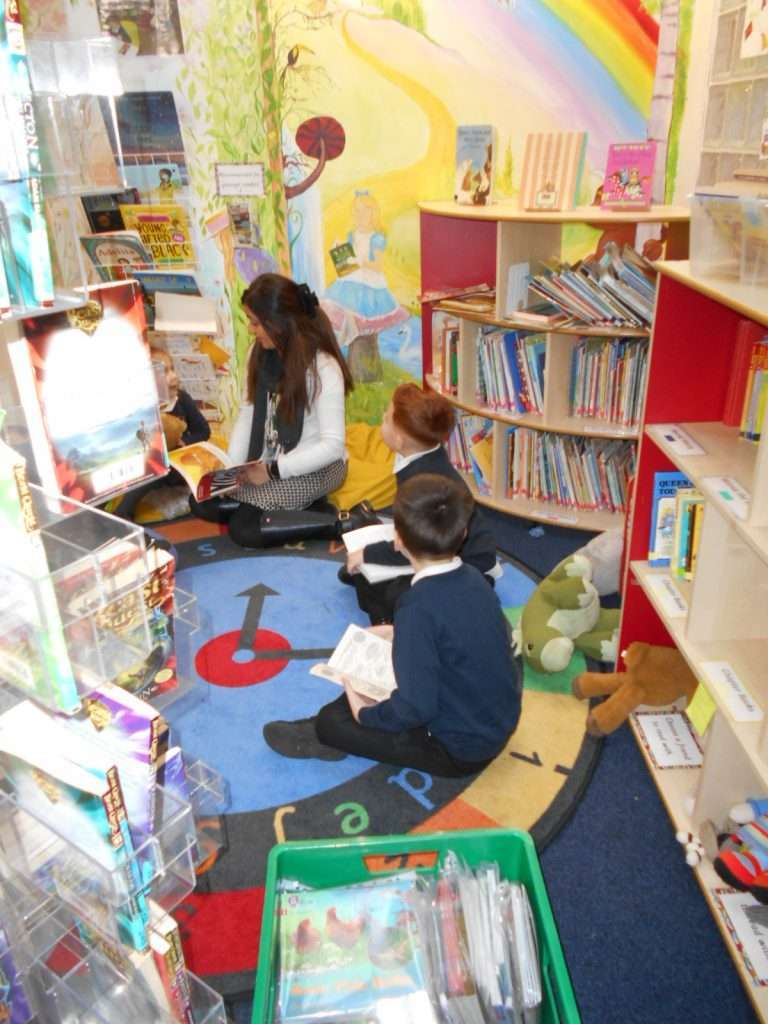
Enjoying our reading in the school library.
In Maths today we were exploring finding a half.
We discussed an anchor task
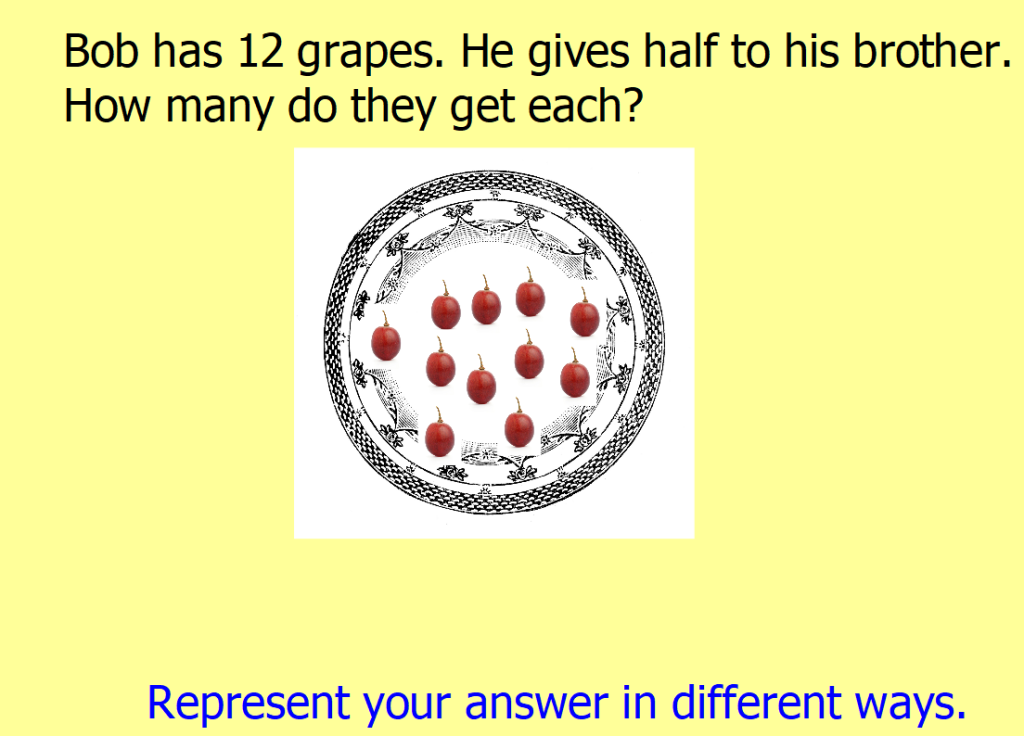
We then looked at how we can show half using a sharing plate and on grids.
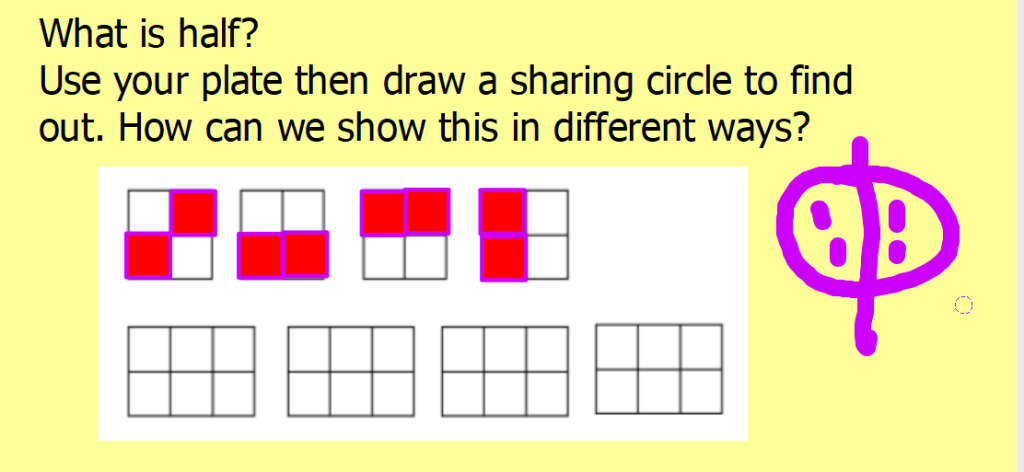
Extension: Try this lesson at home
Y2 Summer Block 1 TS4 Find a half from White Rose Education on Vimeo.
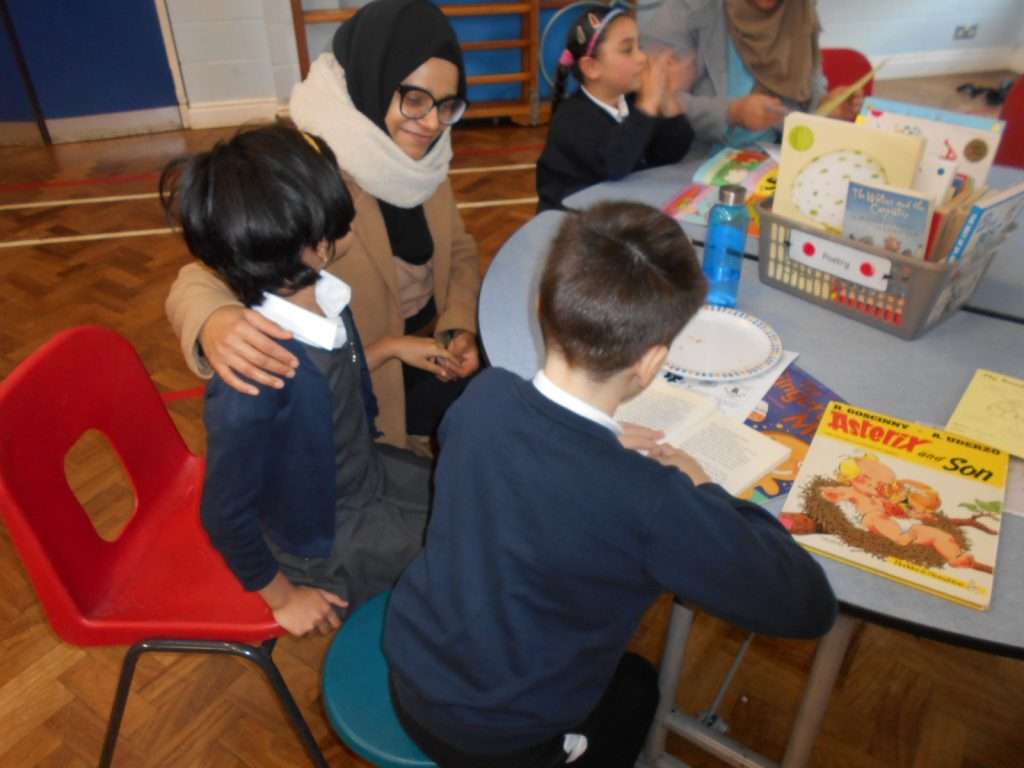
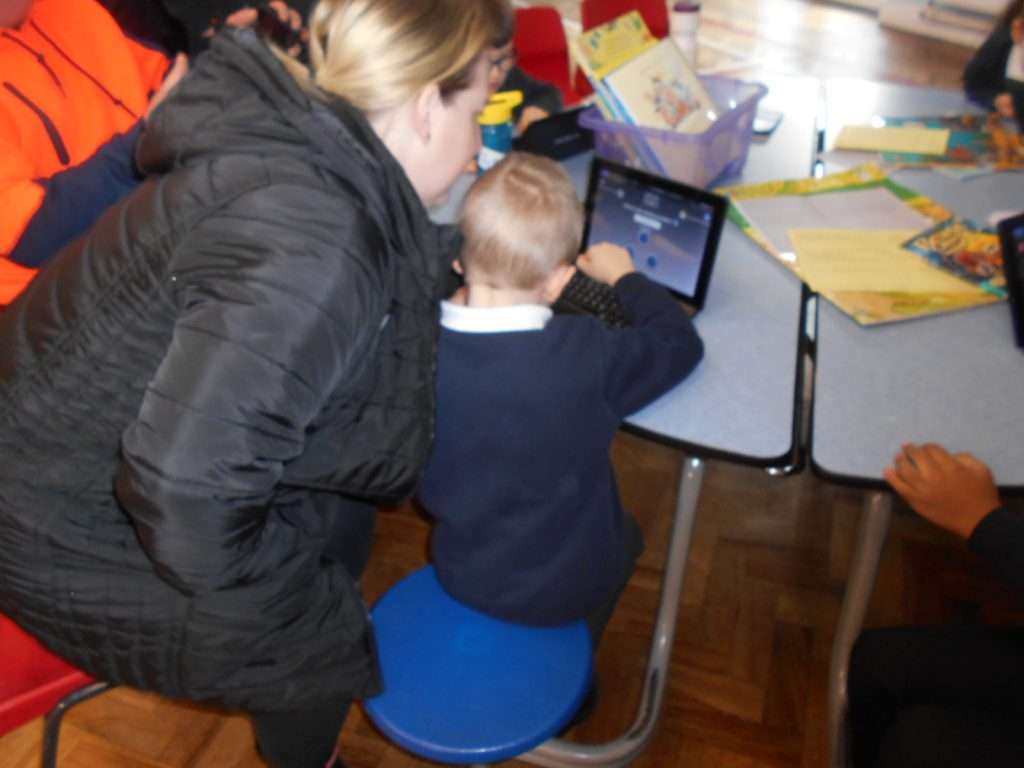
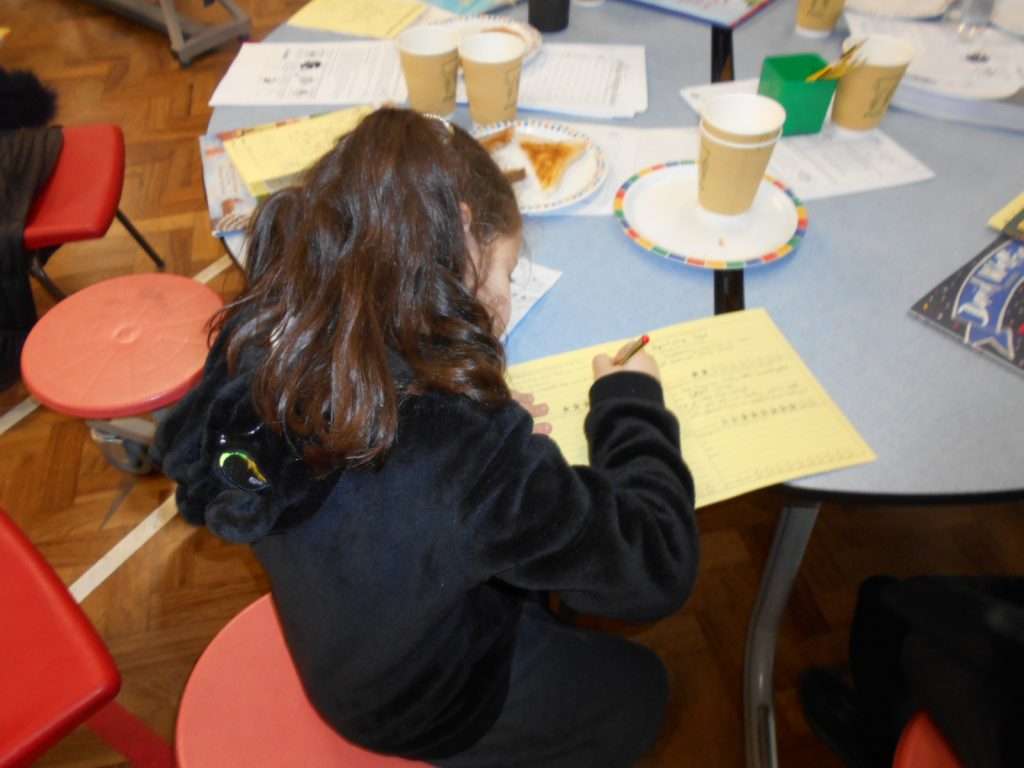
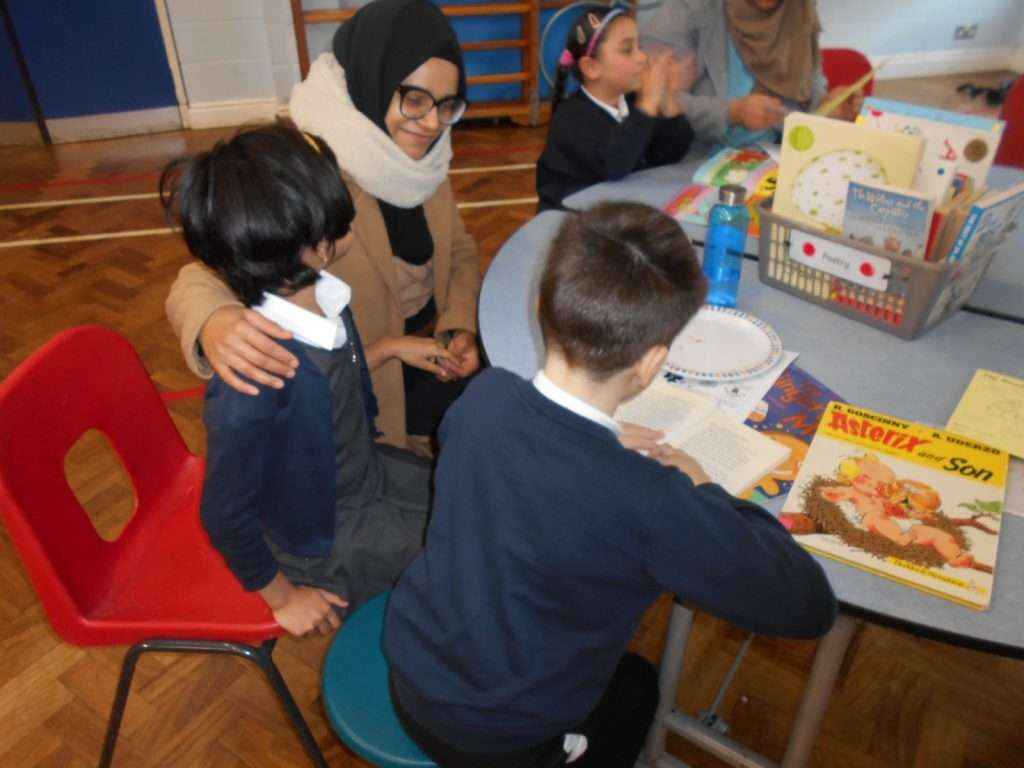
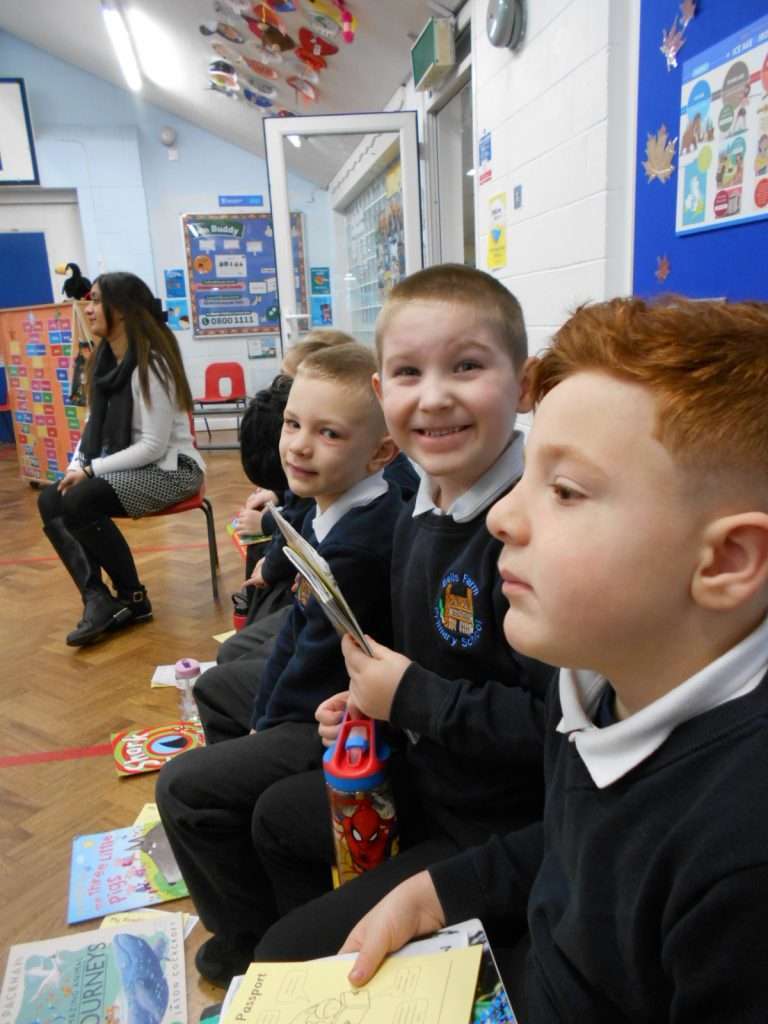
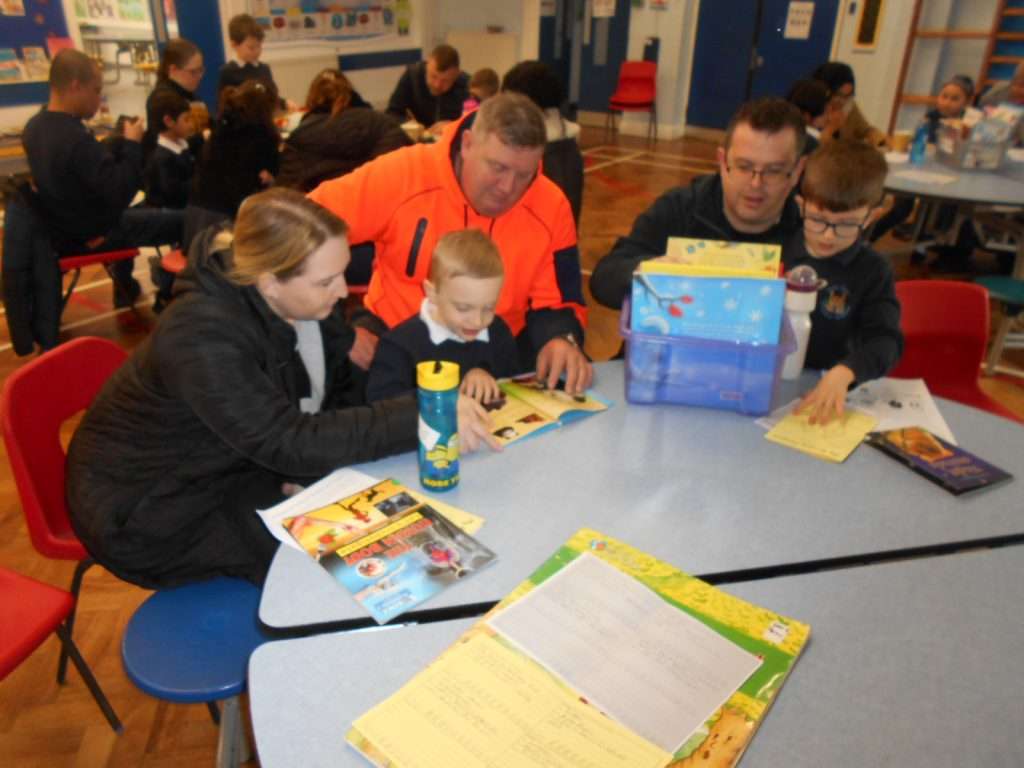
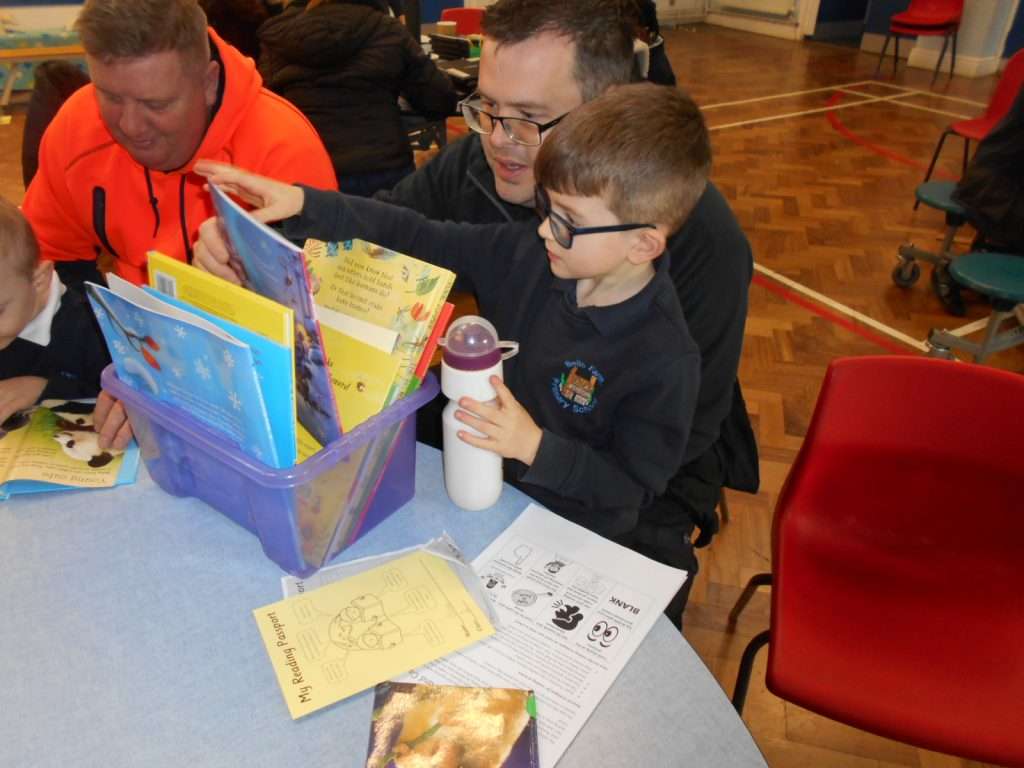
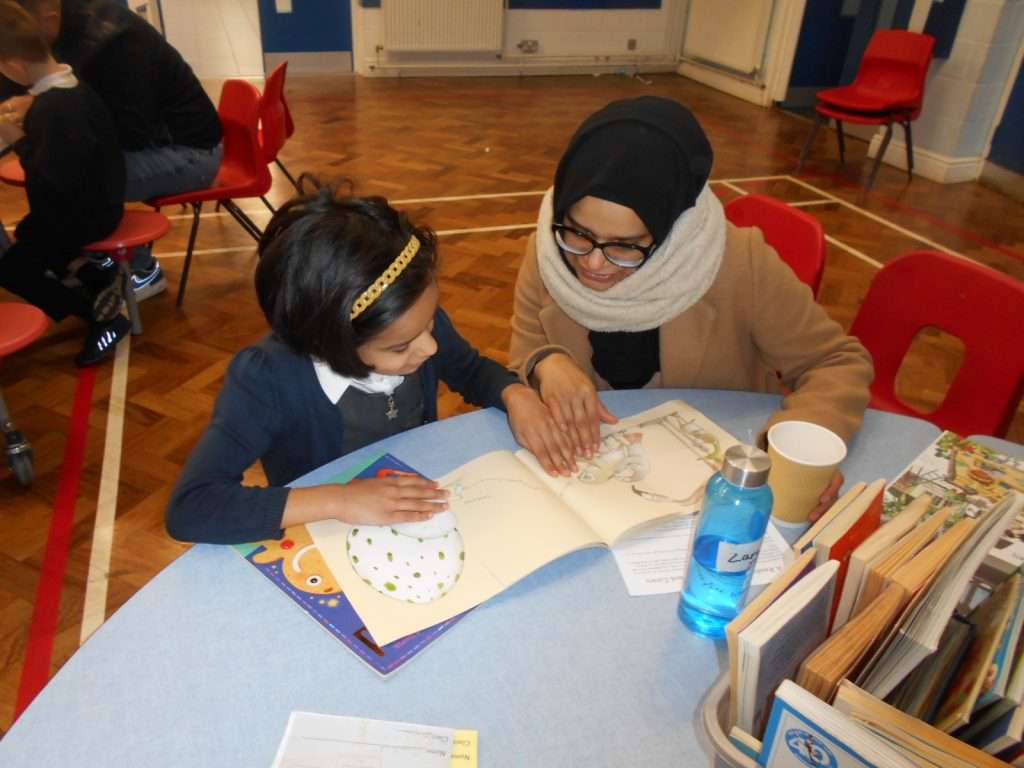
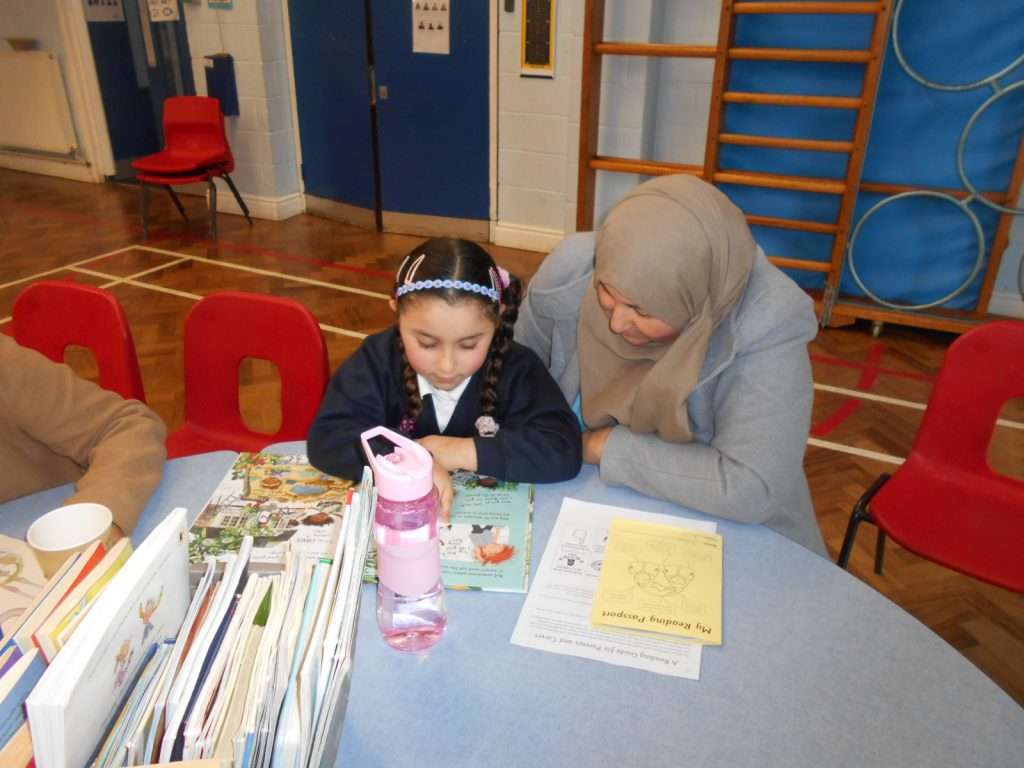
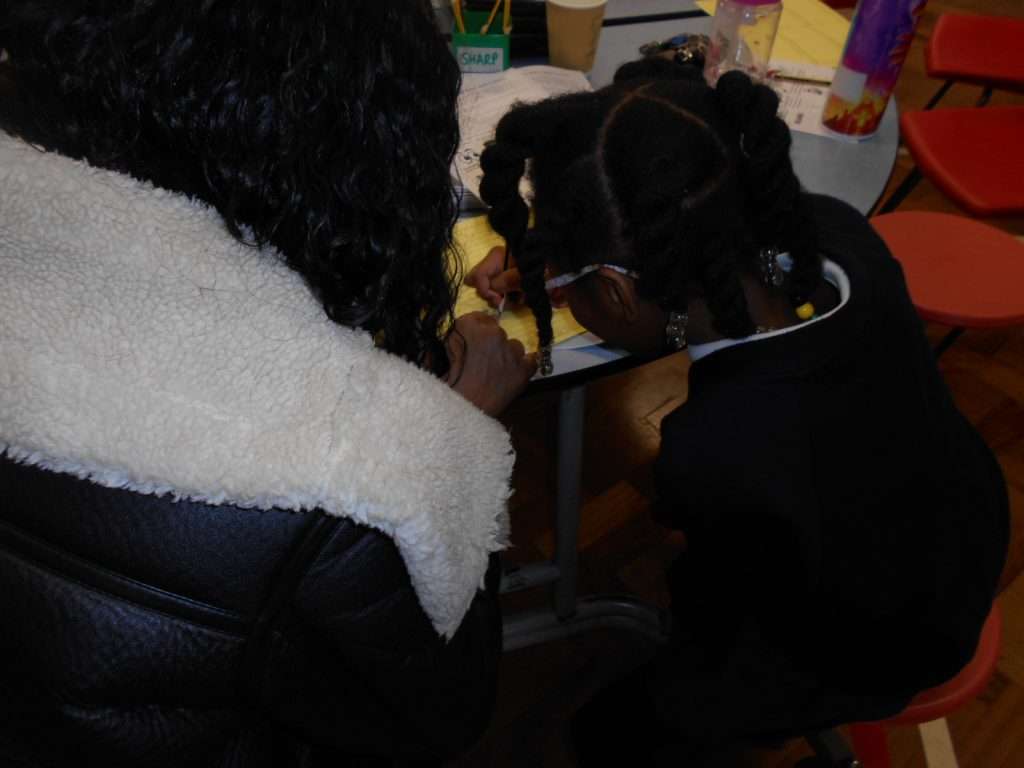
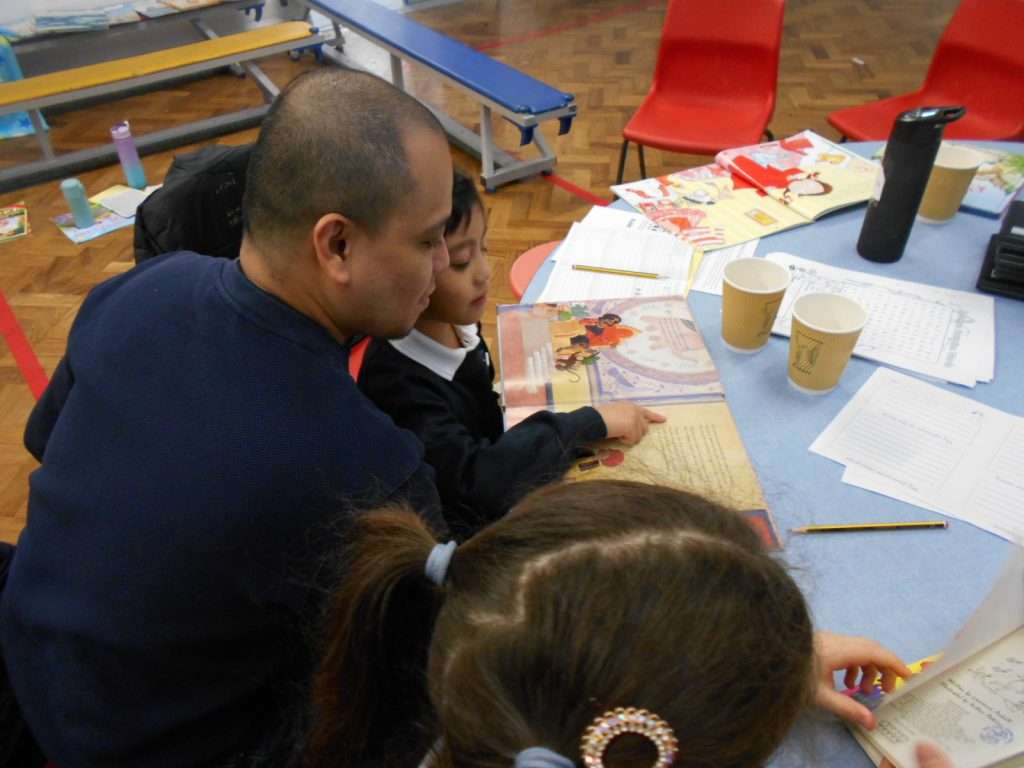
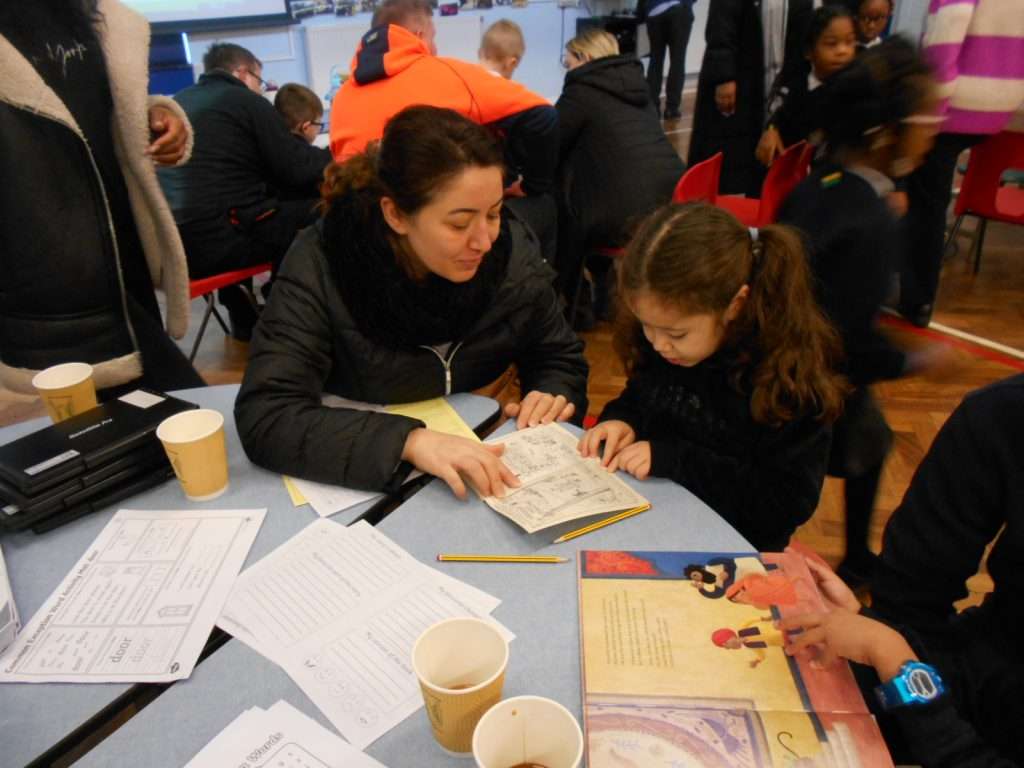
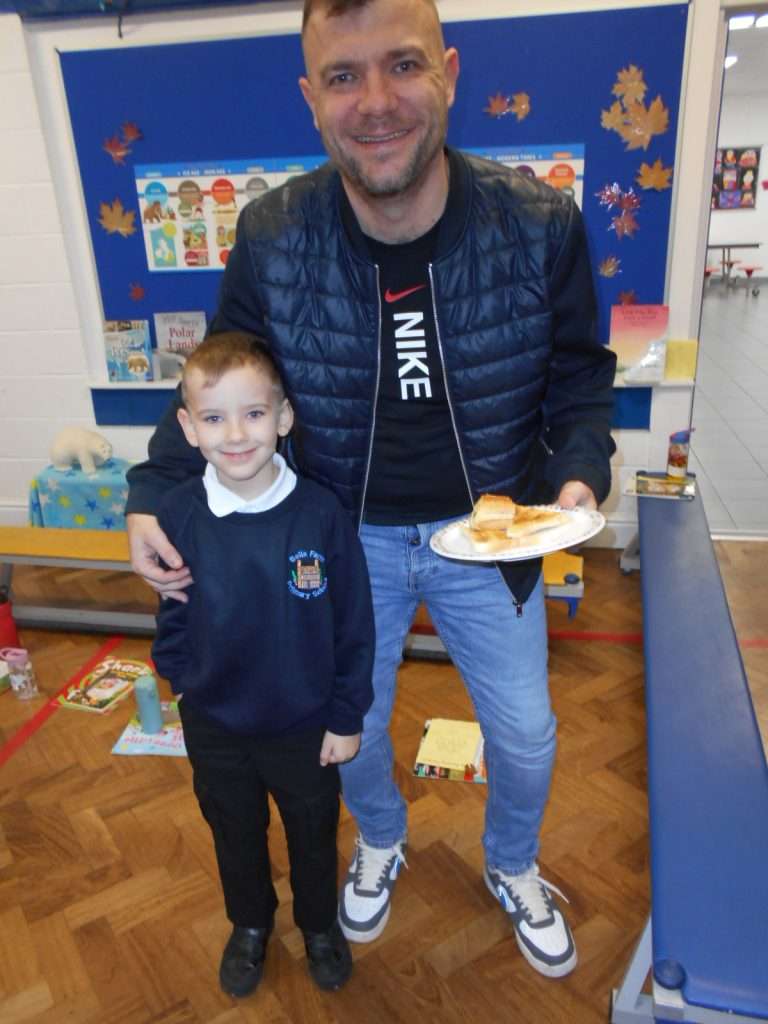
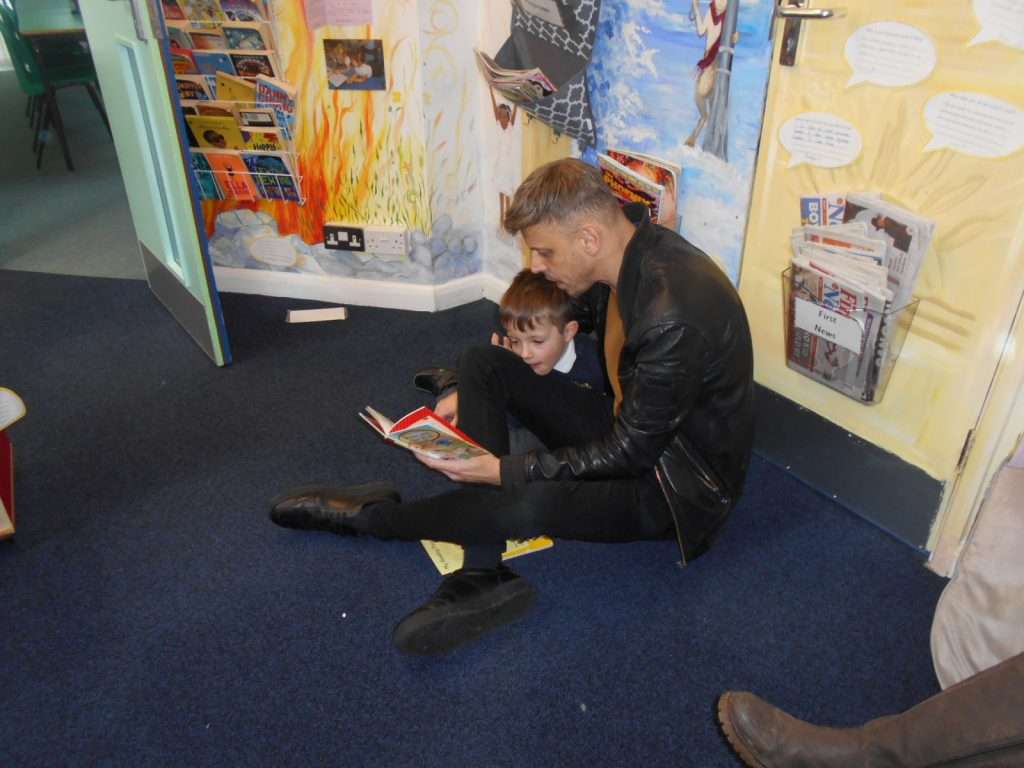
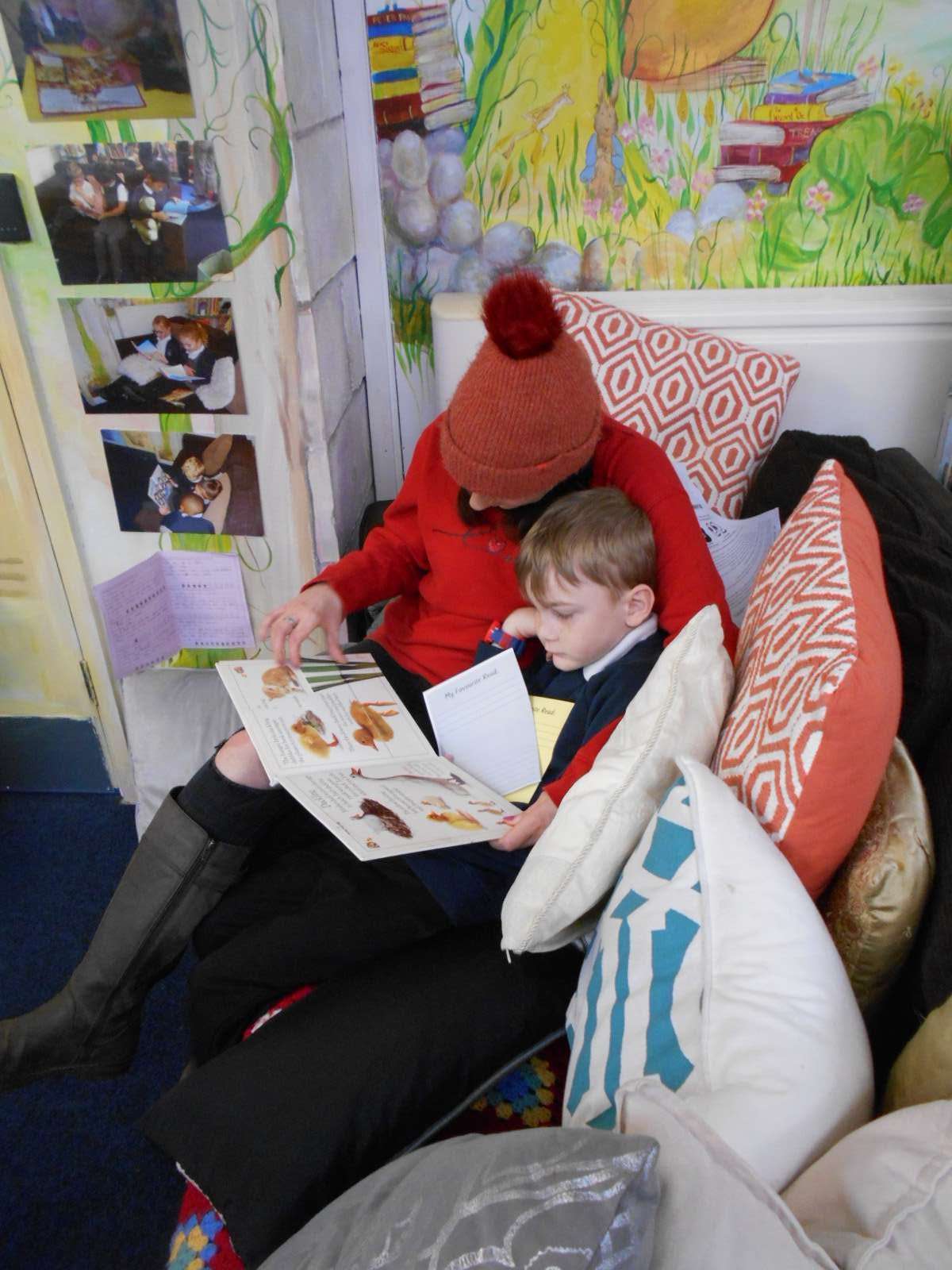
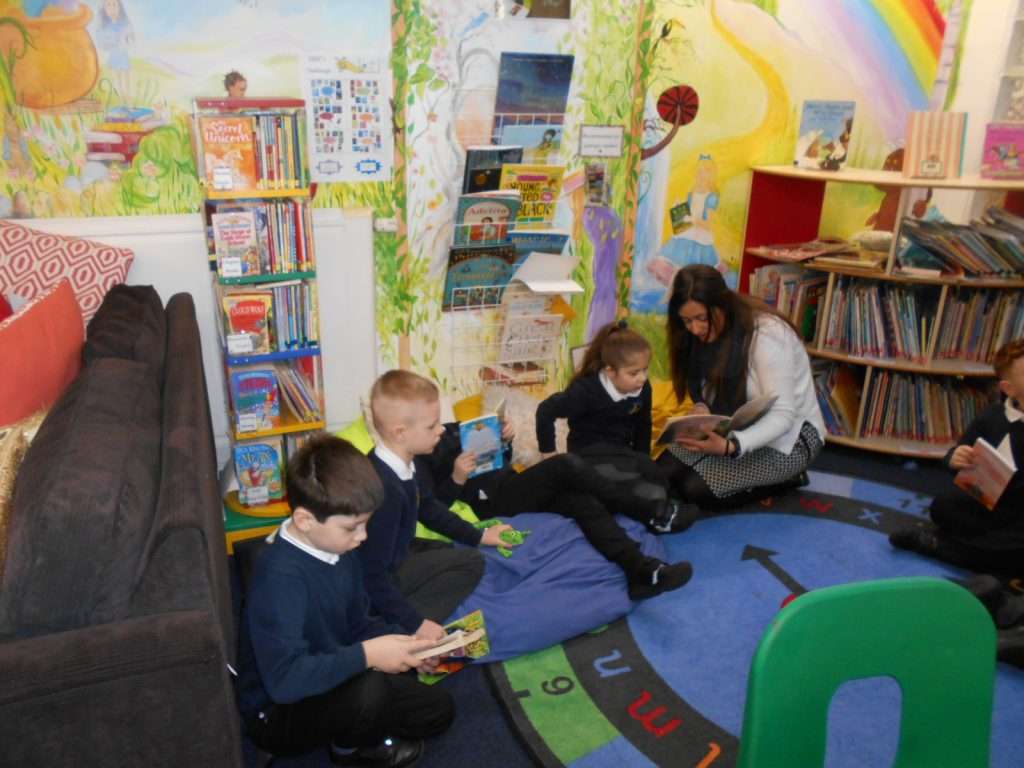
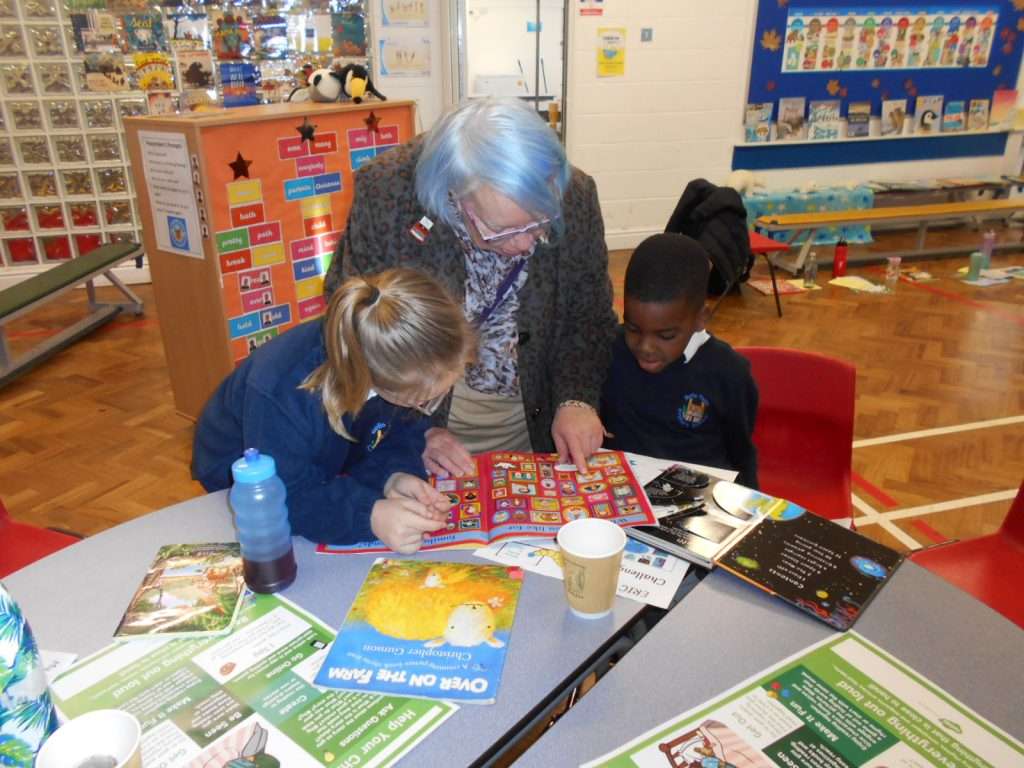
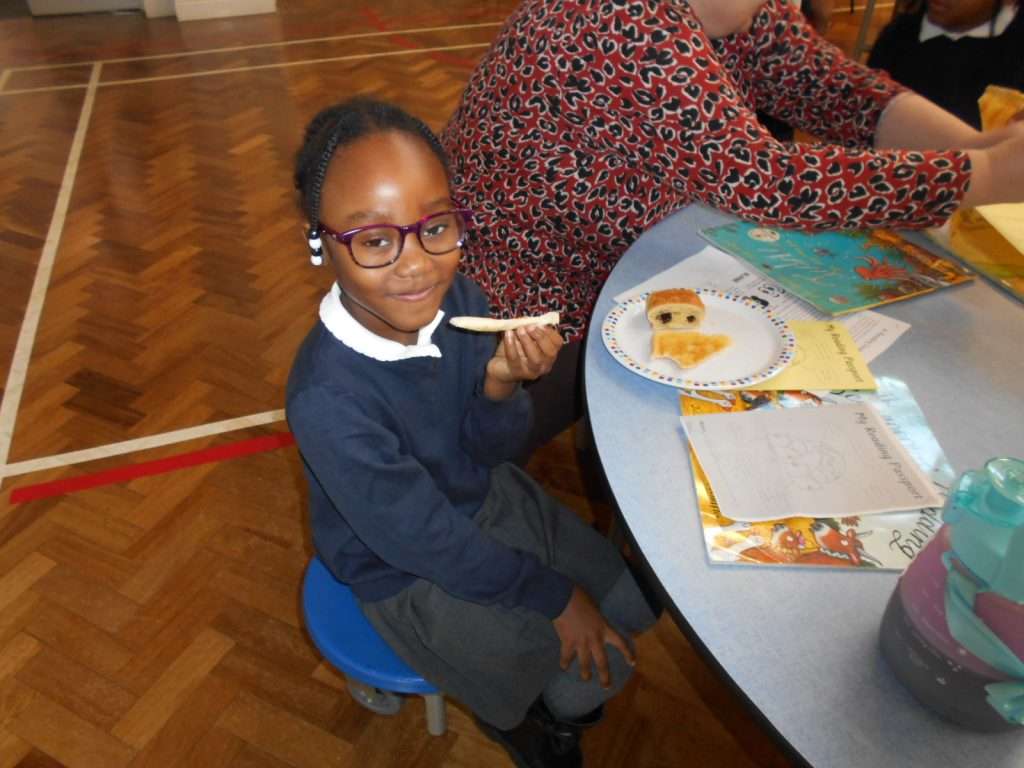
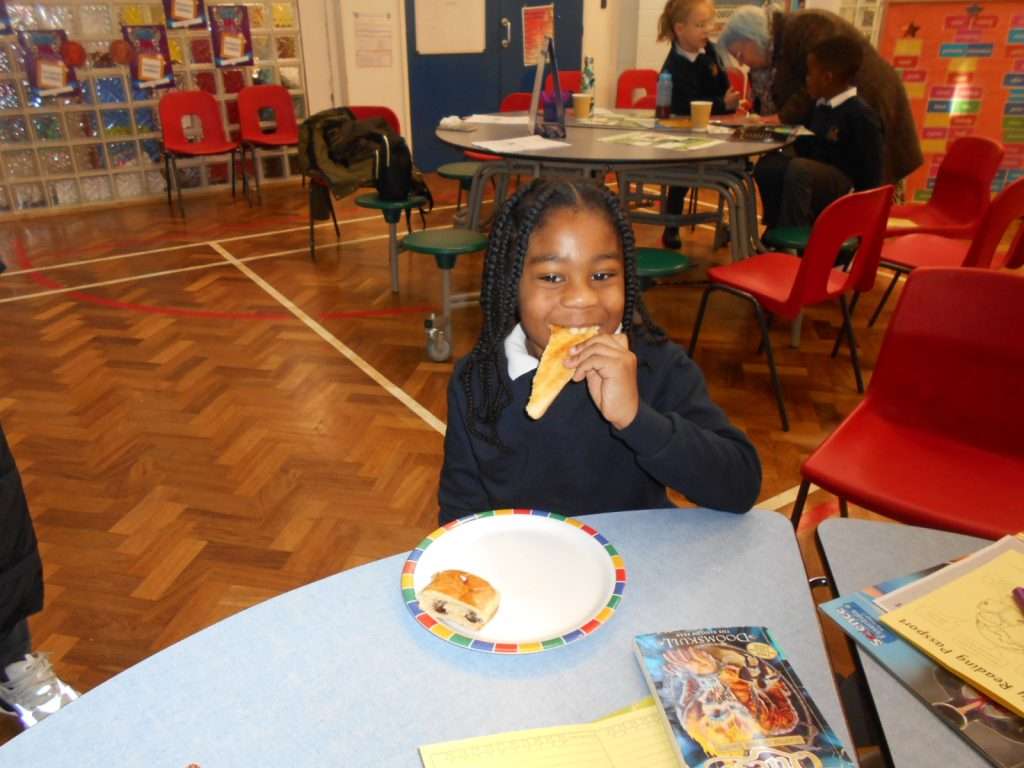
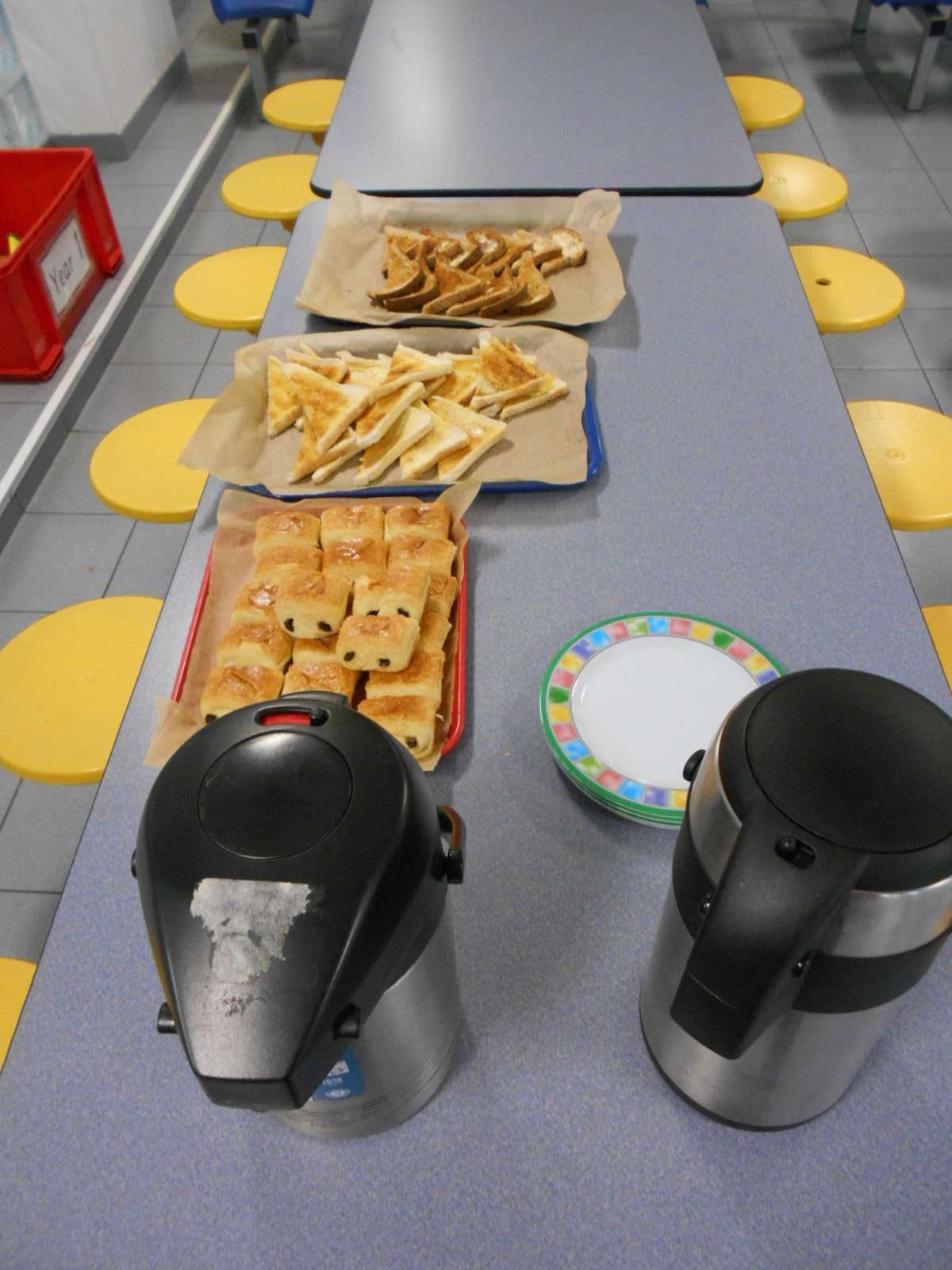
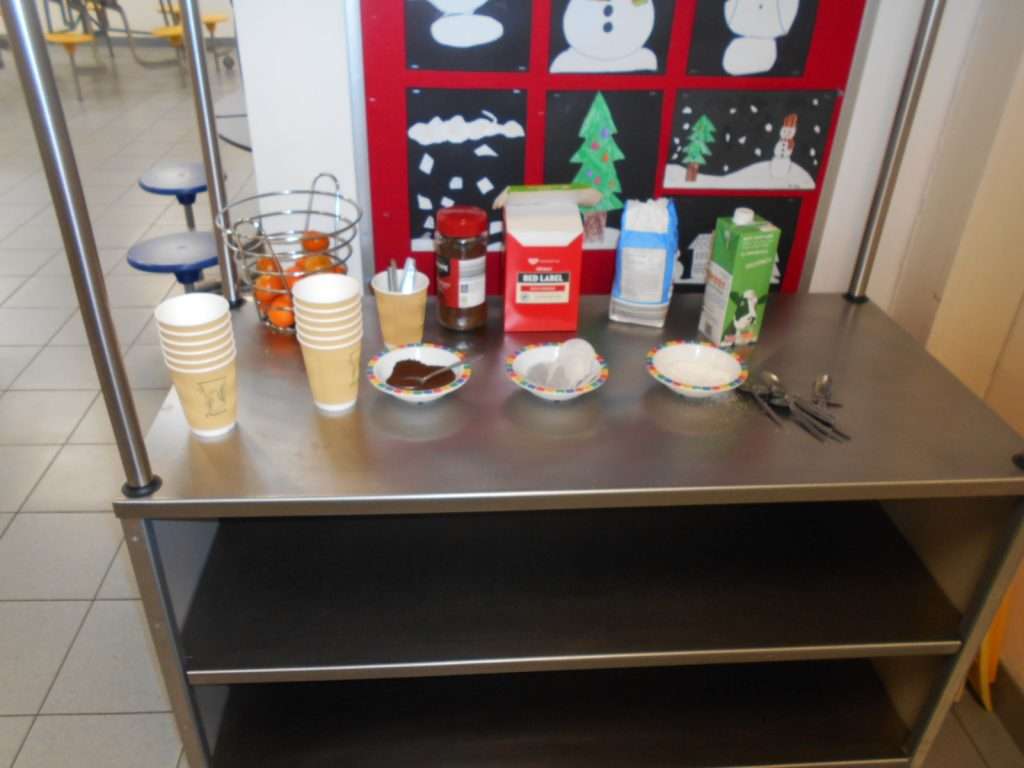
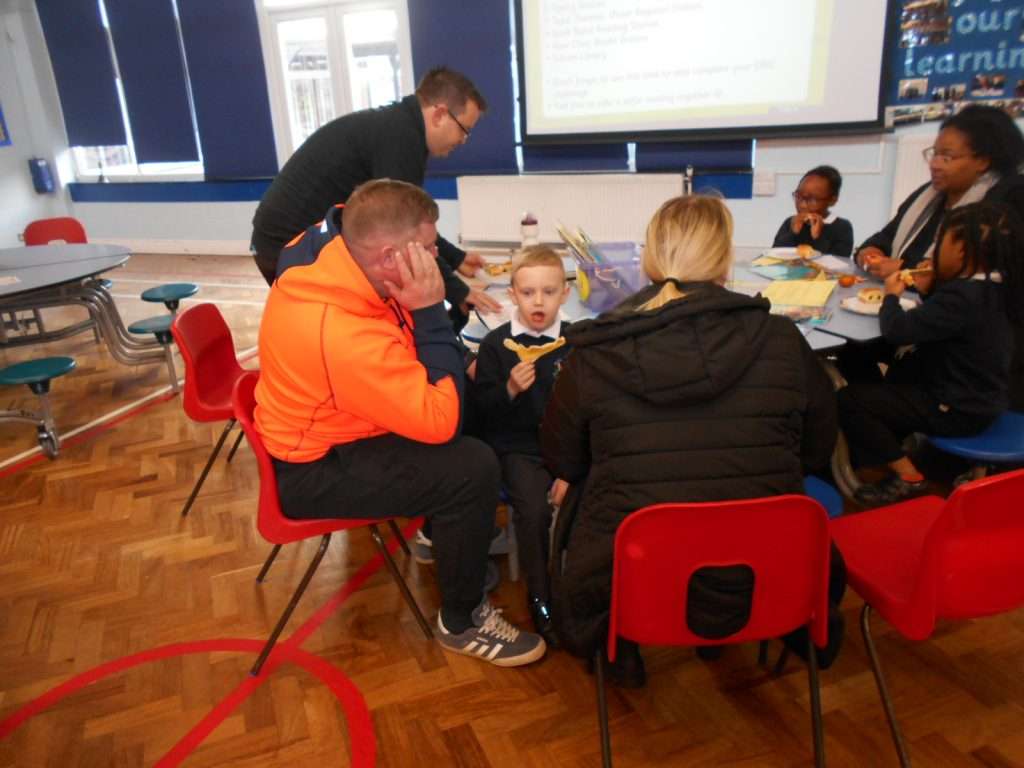
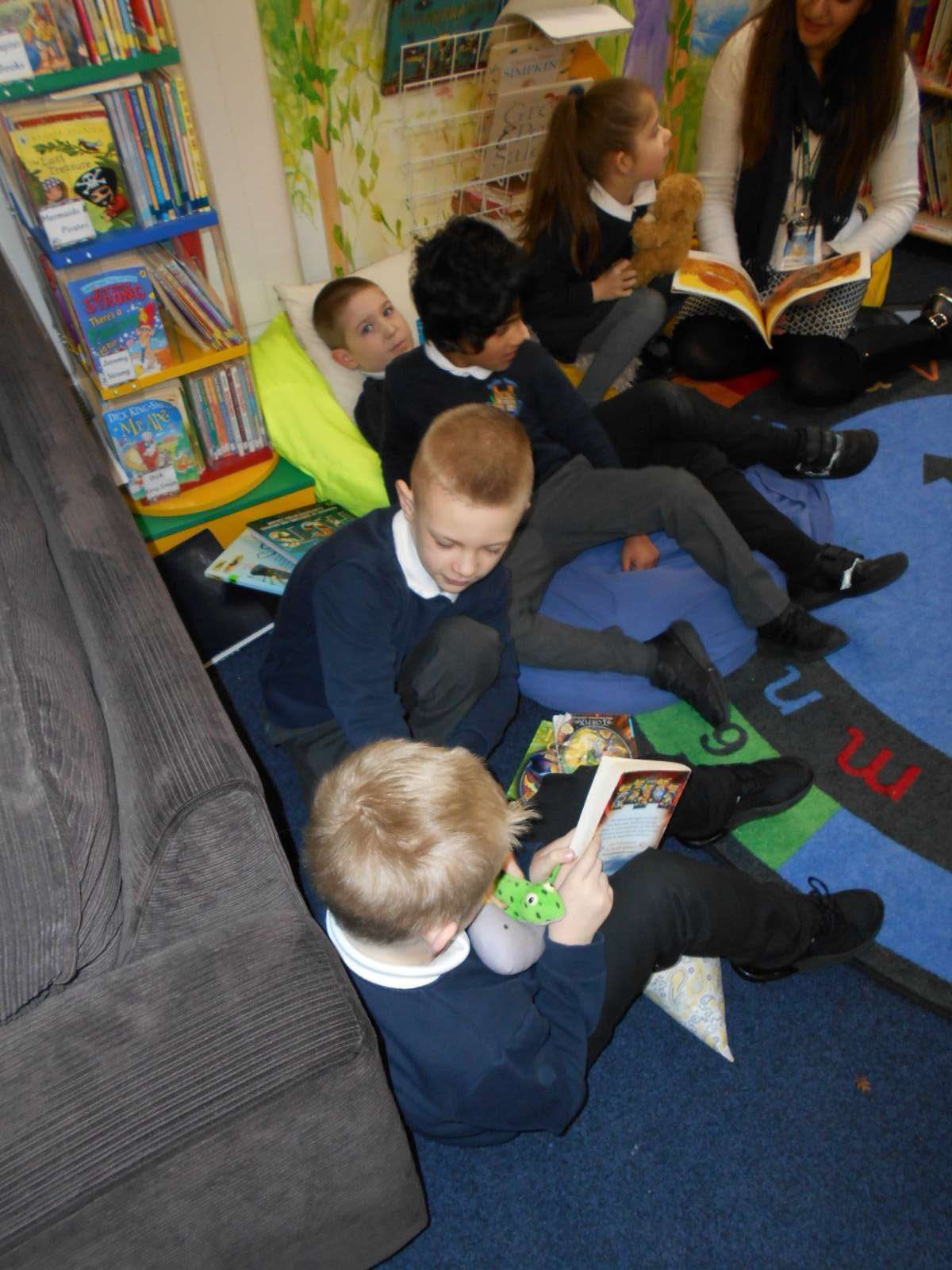
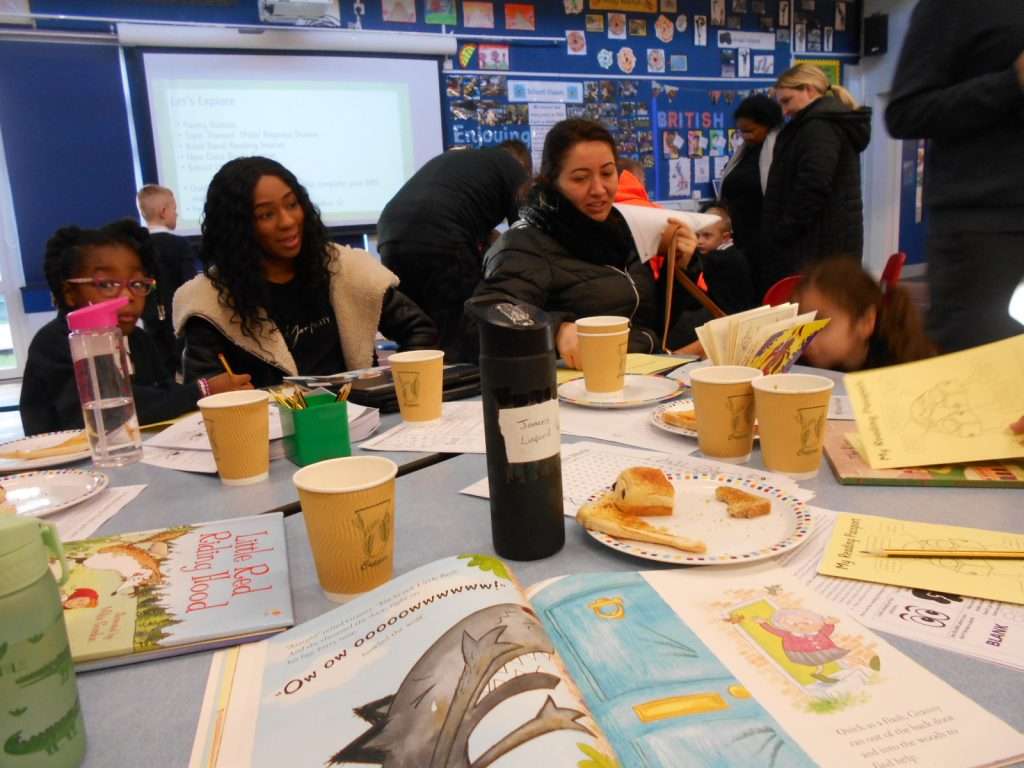
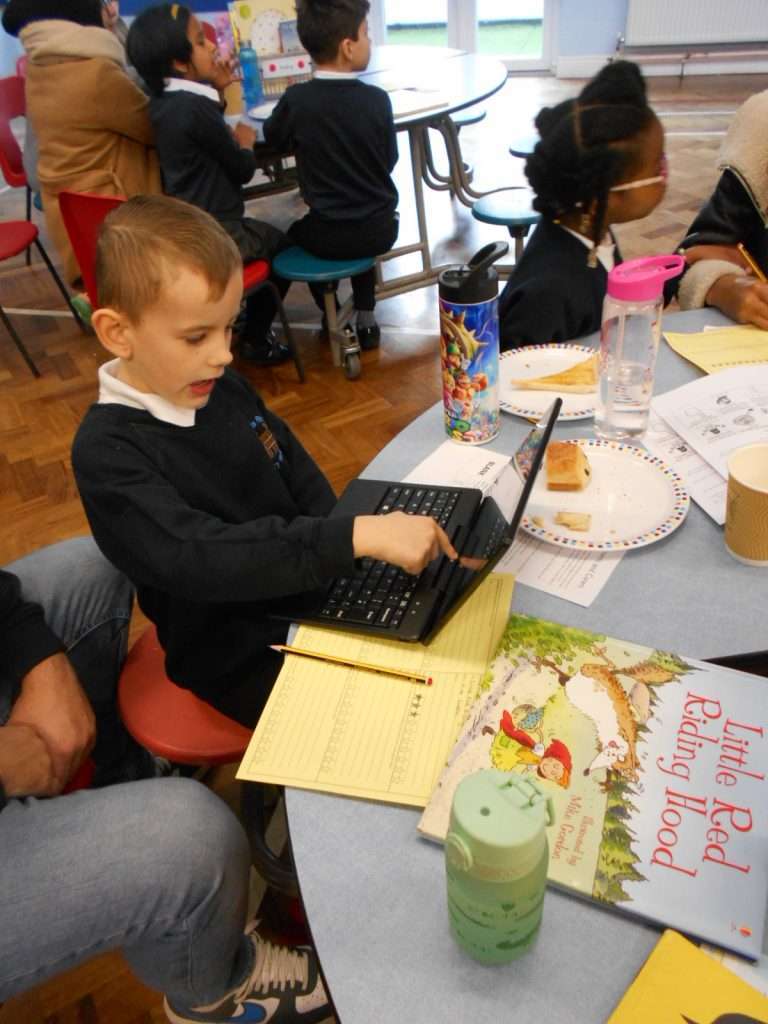
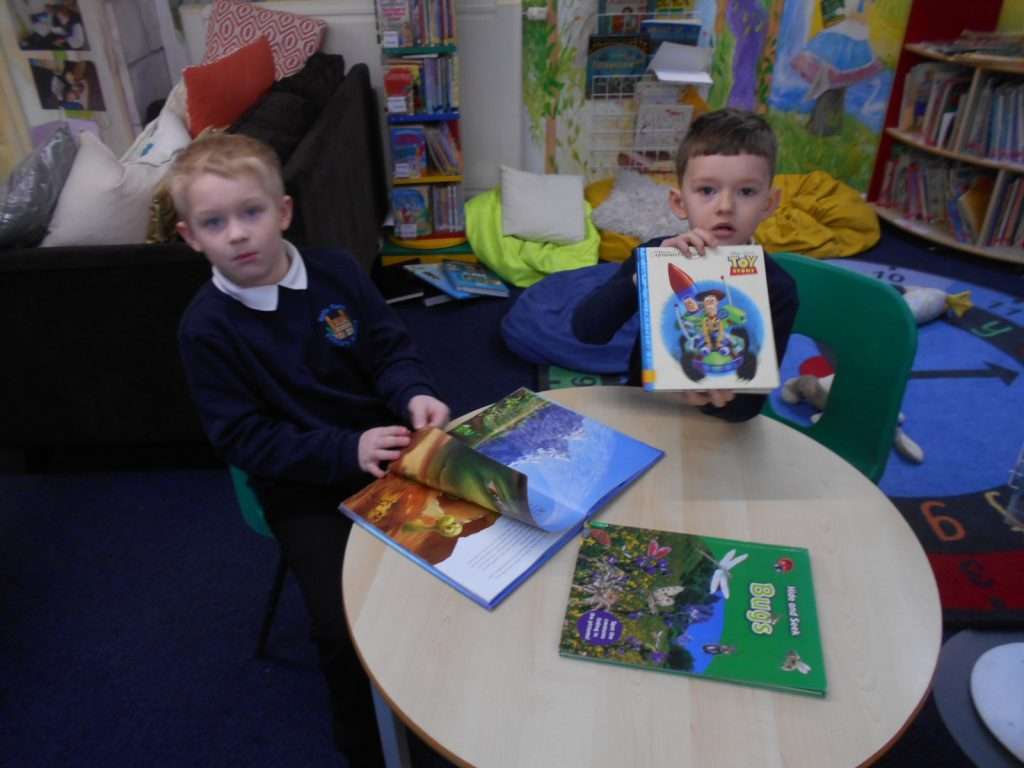
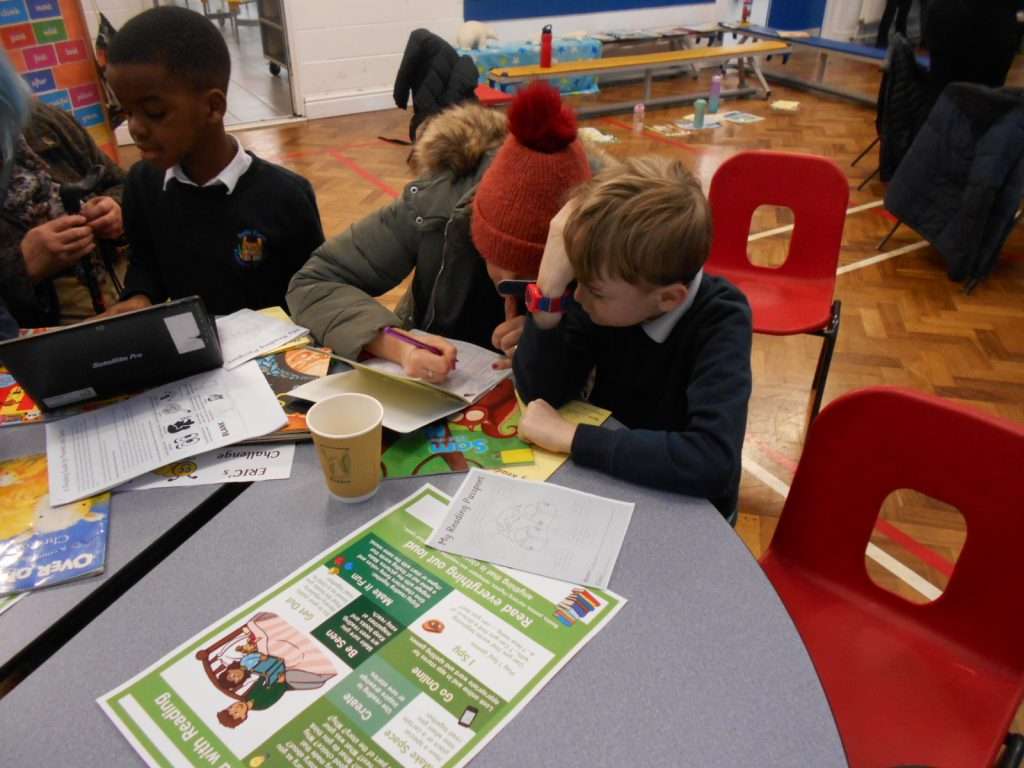
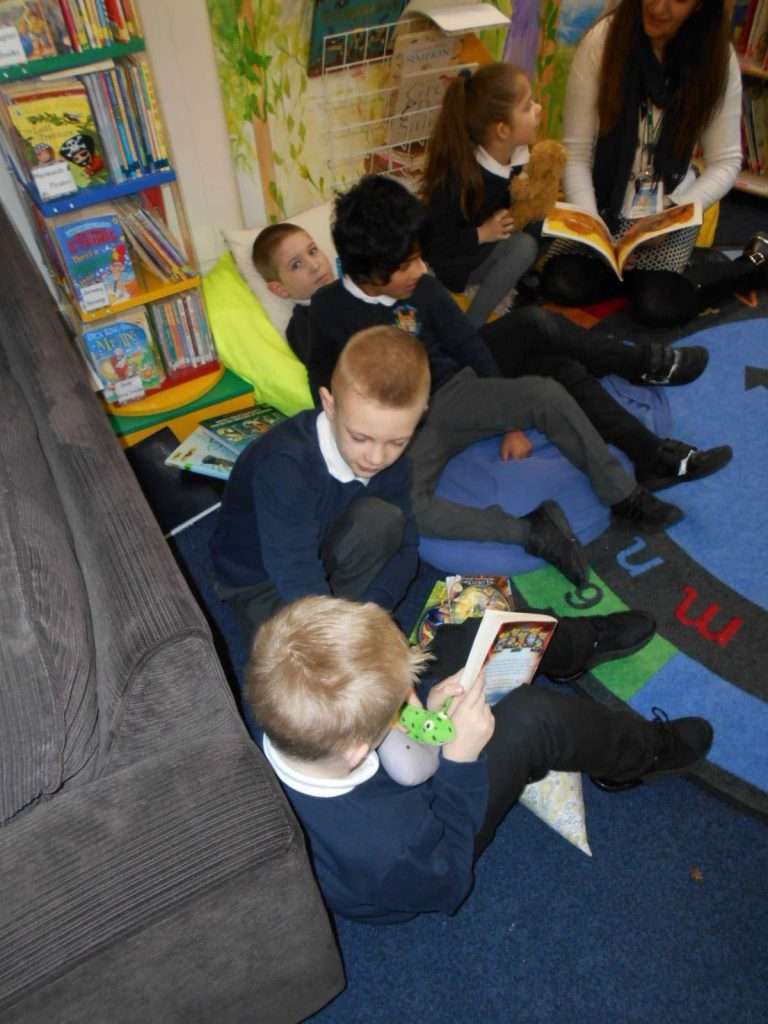
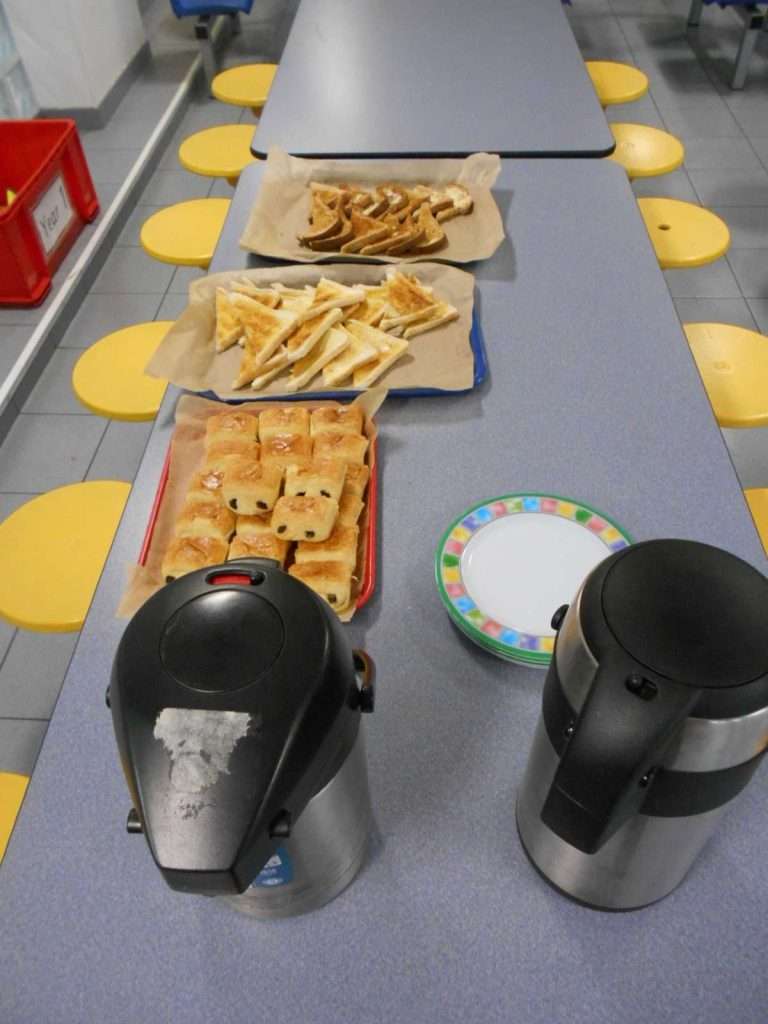
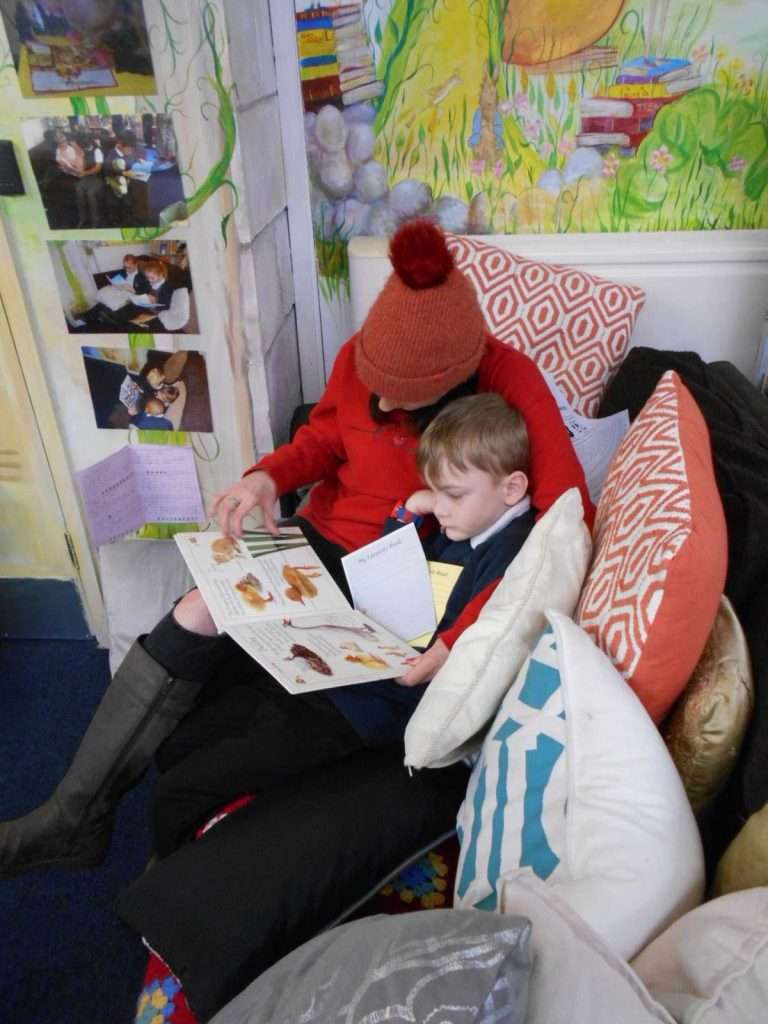
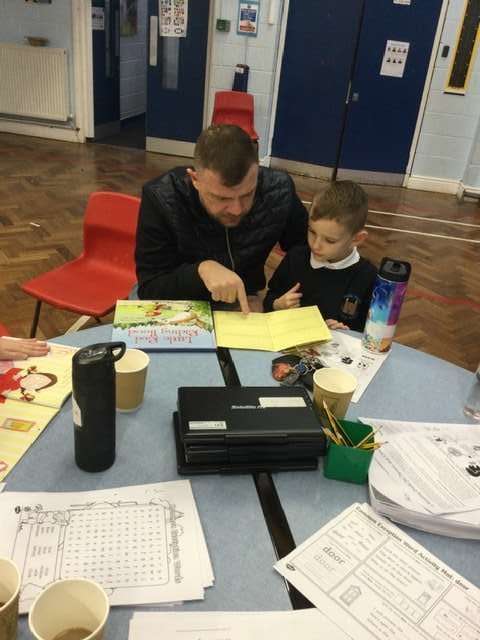
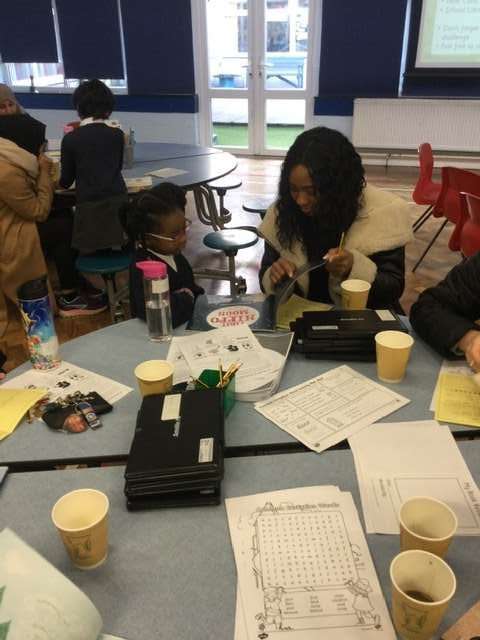
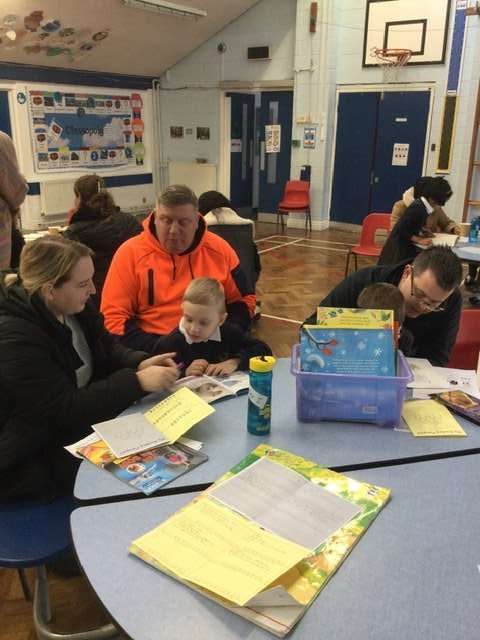
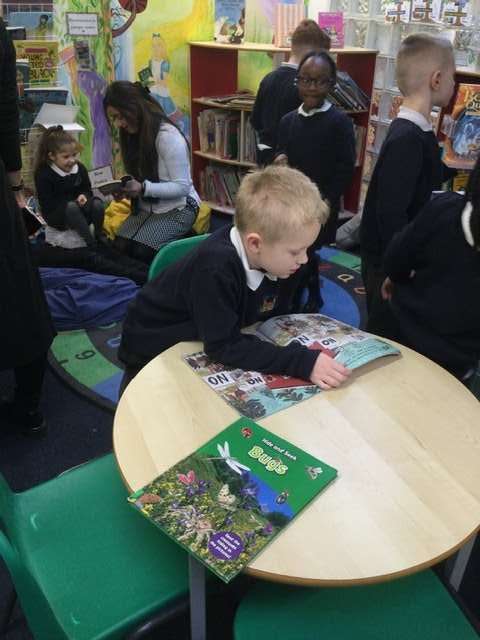
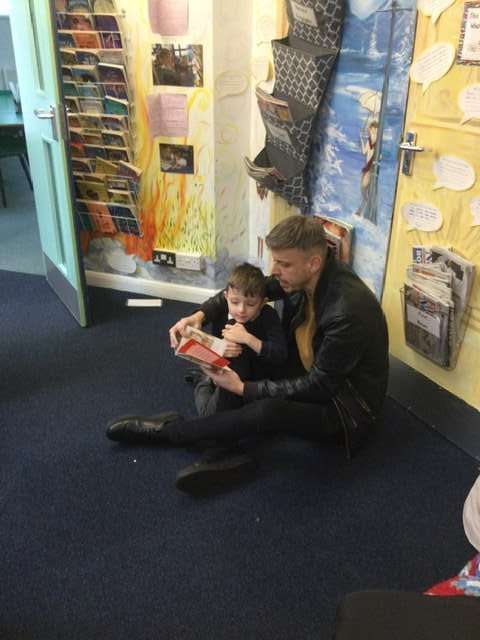
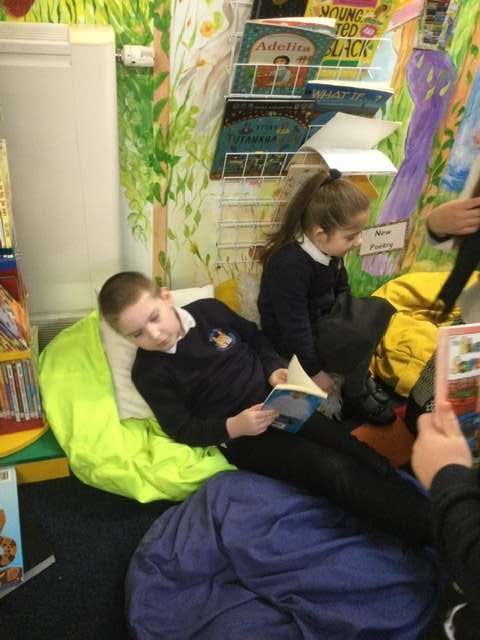
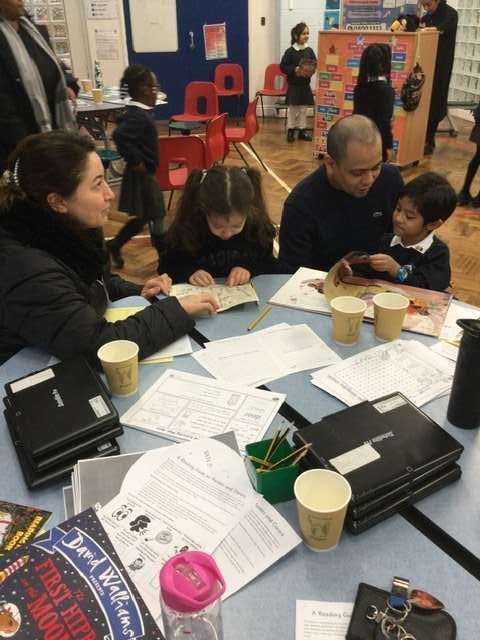
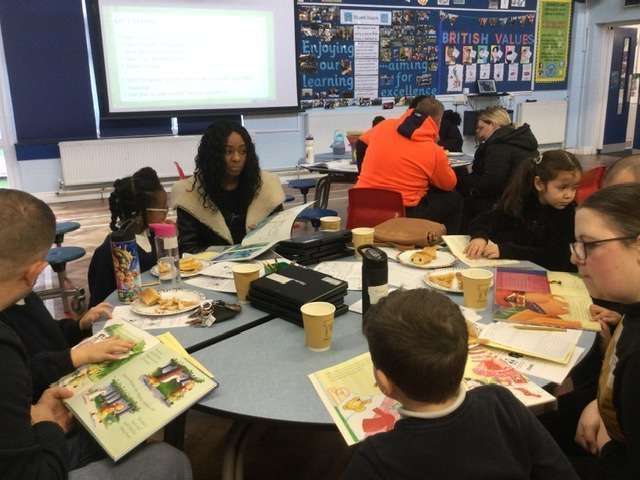
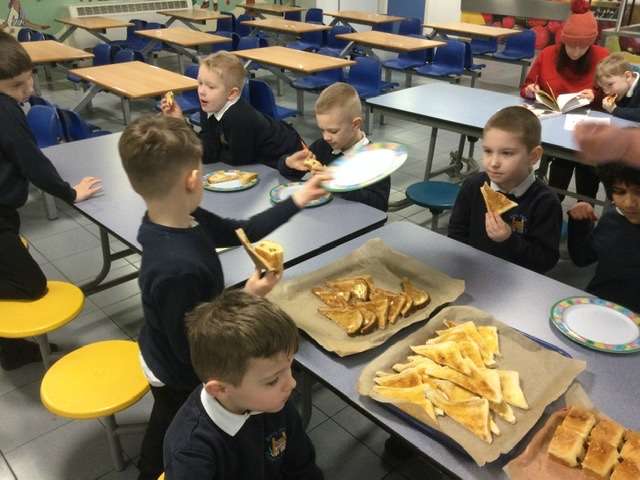
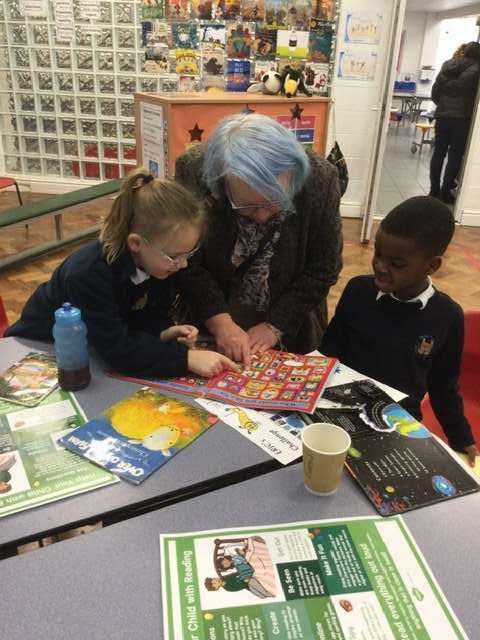
Year 2 had a wonderful time sharing their books and enjoying a breakfast snack.
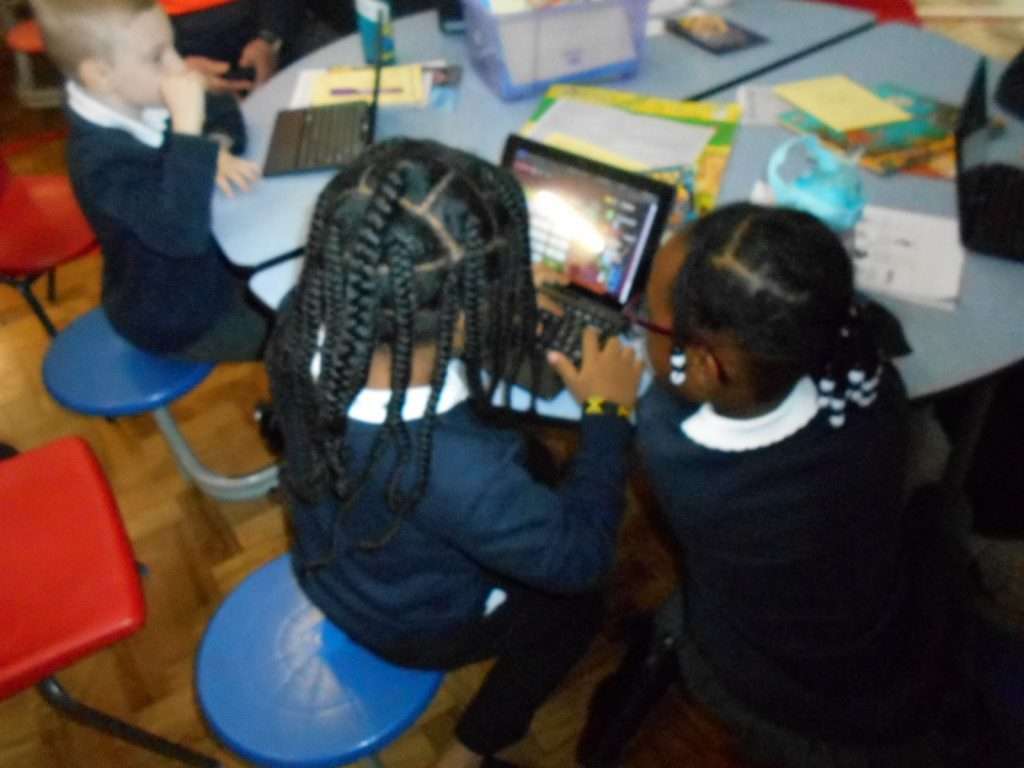
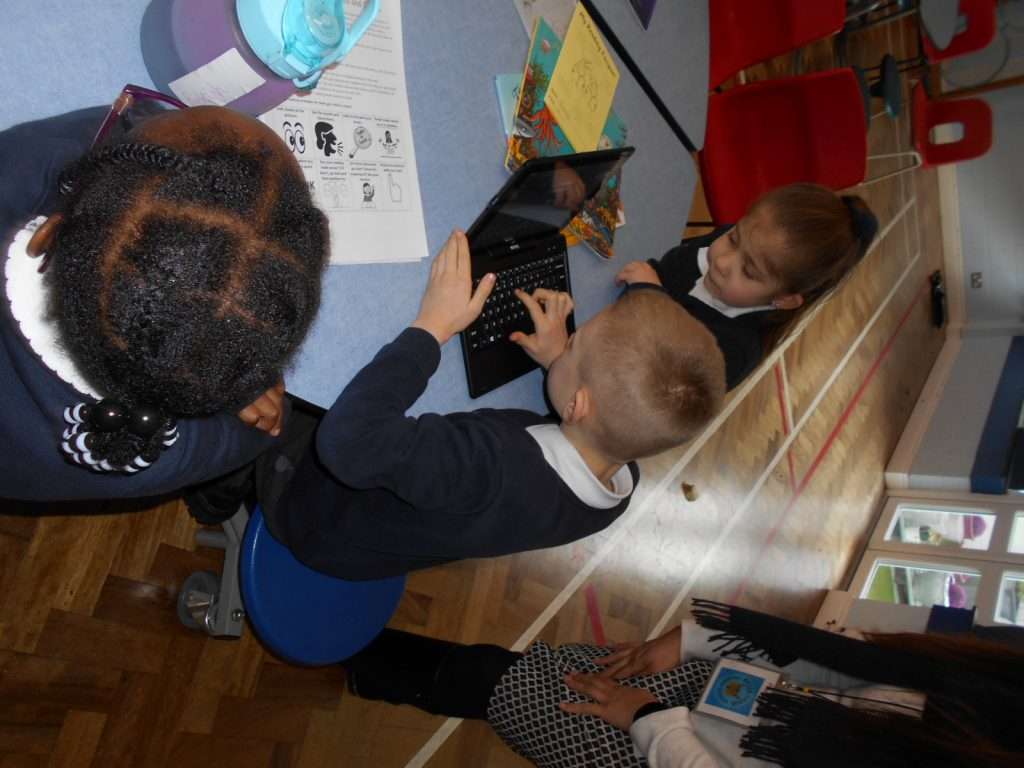
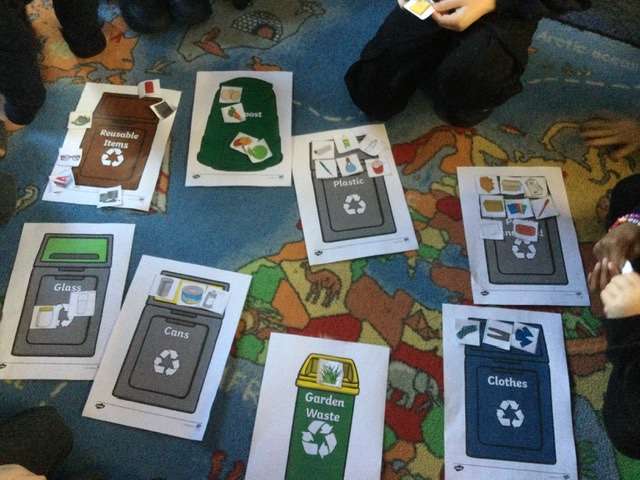
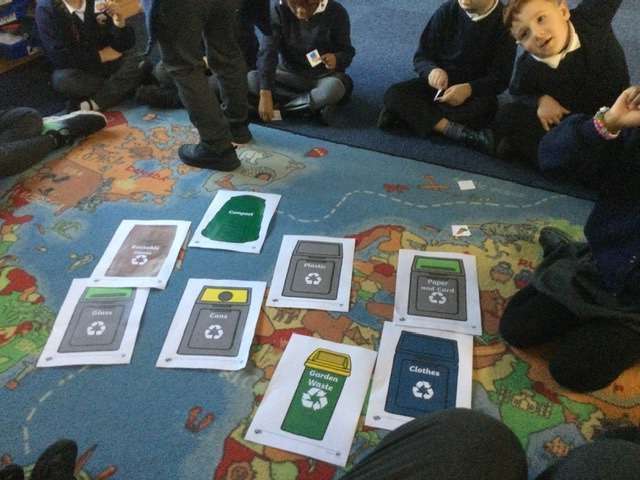
In science we have discussed that Environments are constantly changing, and this is a natural and essential part of the earth’s ecosystem. We discussed how humans can cause damage to habitats the importance of recycling. As a group activity we showed we knew how to sort different materials to dispose in the correct bin.
Further Reading
Some environmental changes are caused by natural phenomena, such as volcanic eruptions, earthquakes, and wildfires, while others are the result of human activities, such as deforestation, pollution, and climate change.
Natural environmental changes can have both positive and negative impacts on the ecosystem. For example, a wildfire can clear out dead brush and promote new growth, but it can also destroy the homes of many animals and release harmful pollutants into the air. Similarly, an earthquake can create new habitats by forming new landmasses or altering waterways, but it can also be destructive to existing habitats and the organisms that live in them.
Human-induced environmental changes, on the other hand, often have negative impacts on the ecosystem. For example, deforestation can lead to habitat loss for many different types of organisms, while pollution can harm waterways and the organisms that depend on them. Climate change, which is largely caused by human activities such as burning fossil fuels, can have far-reaching impacts on ecosystems, including changes in temperature and precipitation patterns, loss of biodiversity, and alterations in the distribution of species.
Understanding that environments are constantly changing is important because it underscores the need for environmental conservation and preservation efforts. By recognising the dynamic and interconnected nature of ecosystems, we can work to protect and preserve habitats and the organisms that depend on them, both for the benefit of the environment itself and for the well-being of human society.
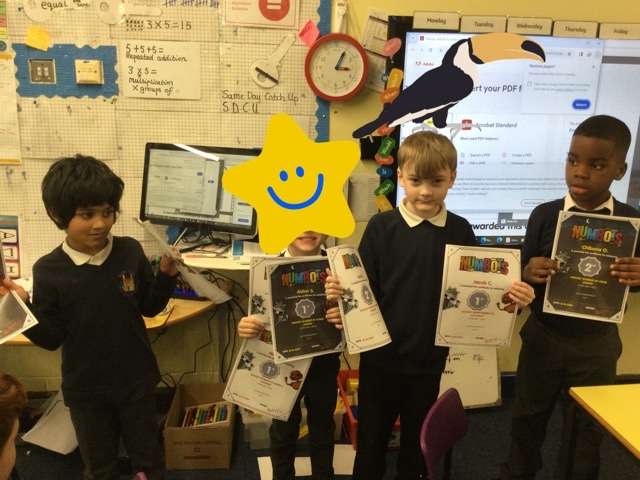
We are working very hard to improve our Mental Arithmetic Skills. Well done those of you who received certificates!
This week in music we have been creative!
First we created our own beat to go to the music. Have a look at examples below.
We then had a go at performing the song and playing it on the glockenspiel. Notes included G A and B