Today we were identifying and classifying scientists. We explored how to match offspring to their parent.
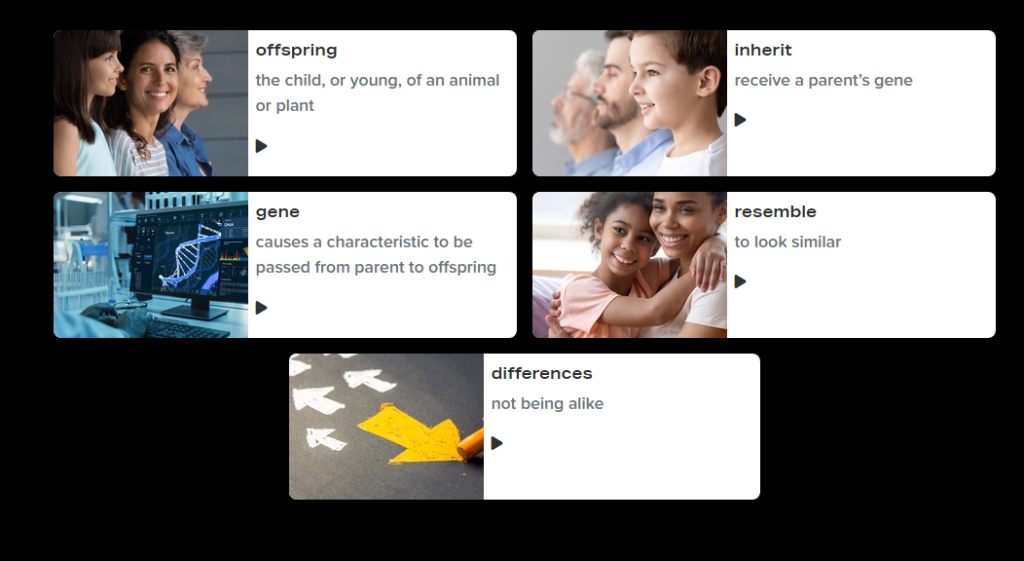
We learnt the following words:
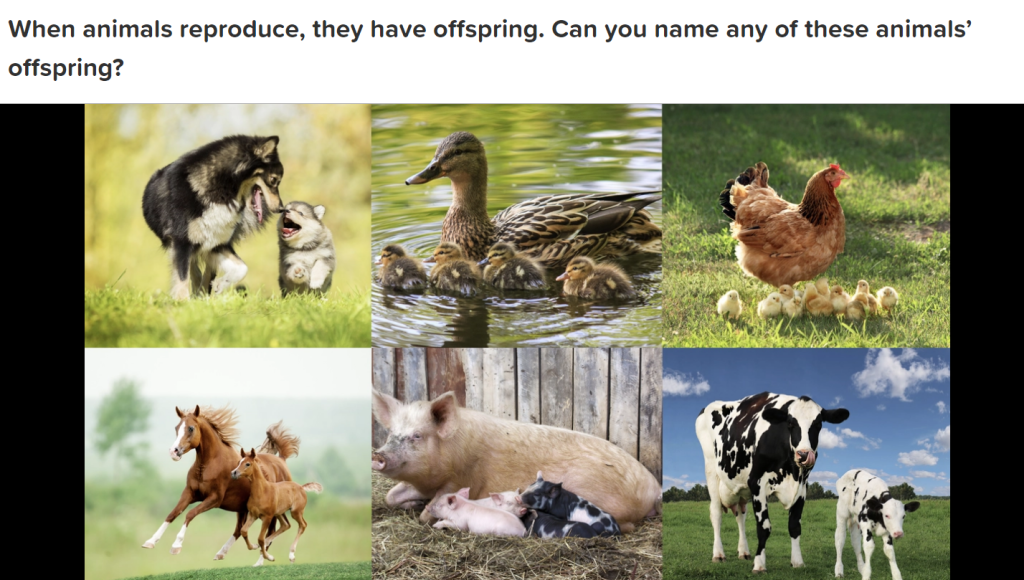
Some offspring do not look like their parents. We looked at a tricky one.
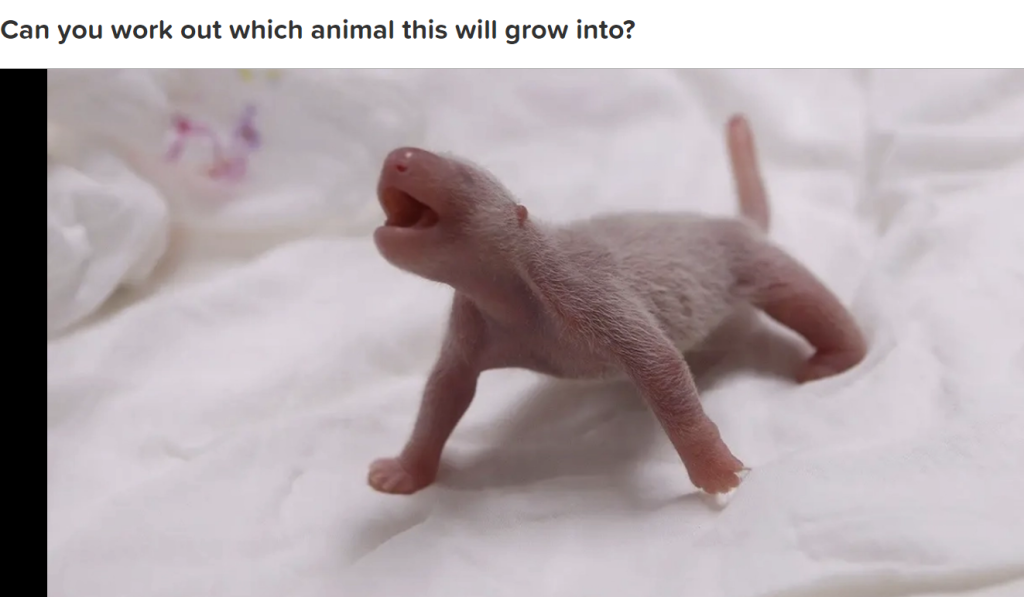
Extension: Read the following with your adult.
Matching offspring to their parent can be done using various methods, depending on the species and the specific situation. Here are some common methods:
Visual identification: In some species, offspring can be visually identified by their physical characteristics, such as their size, colouration, or markings. This method is often used in animals such as birds, where parents may have distinct feather patterns or behaviours that can help identify their offspring.
Vocal identification: Some species, such as certain primates, use vocalisations to communicate with their offspring. By listening to the unique vocalisations of both parents and offspring, it may be possible to match them together.
Scent identification: Some species, such as mammals, use scent to communicate with their offspring. By using their sense of smell, parents may be able to identify their offspring based on their scent.
DNA analysis: In some cases, DNA analysis may be used to definitively match offspring to their parent. DNA analysis can be used to identify genetic similarities between offspring and their parents and can be especially useful when visual or behavioural cues are not available.
Overall, matching offspring to their parent is an important aspect of understanding the biology and behaviour of different species, and can provide valuable insights into the evolutionary and ecological relationships between individuals within a population.