*Appreciate that environments are constantly changing
*Identify what you can do to help reduce the impact humans have on a habitat
*Know what you can do to care for a habitat
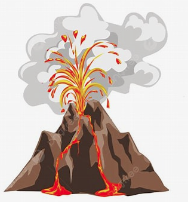
Environments are always changing. This is a normal and important part of our Earth. Some changes happen naturally, like when a volcano erupts or when there is an earthquake.
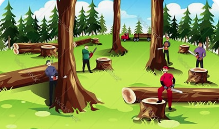
Other changes happen because of what people do, like cutting down trees or making the air and water dirty.
Natural Changes
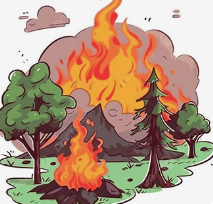
Some natural changes can be good and some can be bad. For example, a wildfire can burn away dead plants and help new ones grow. But it can also hurt animals that live there and make the air dirty.
An earthquake can make new places for animals to live, but it can also break their homes and harm them.
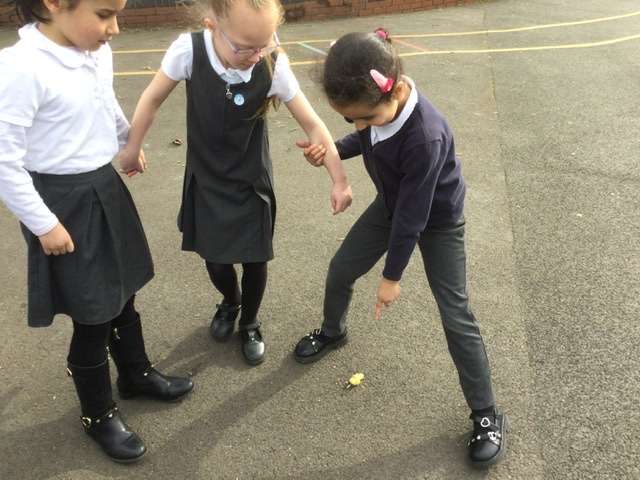
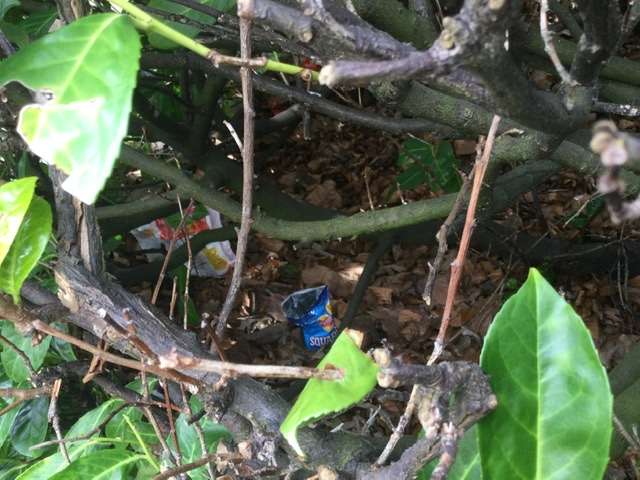
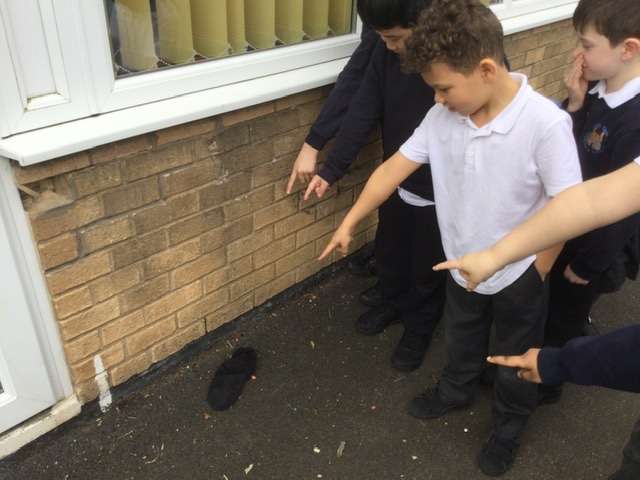
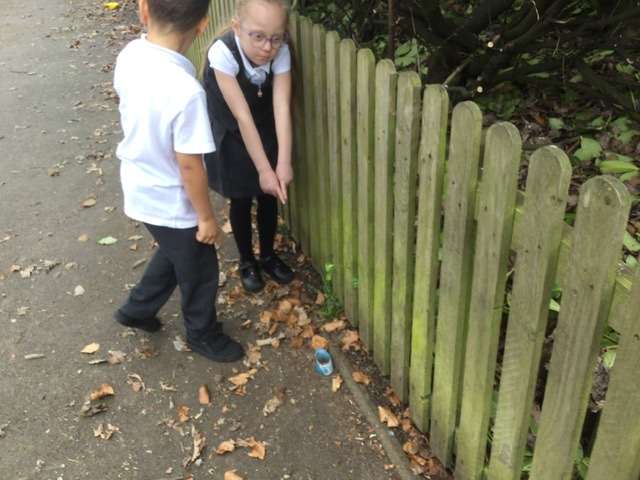
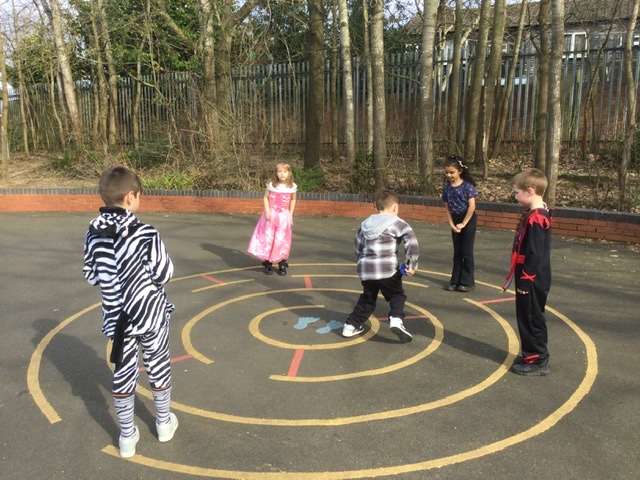
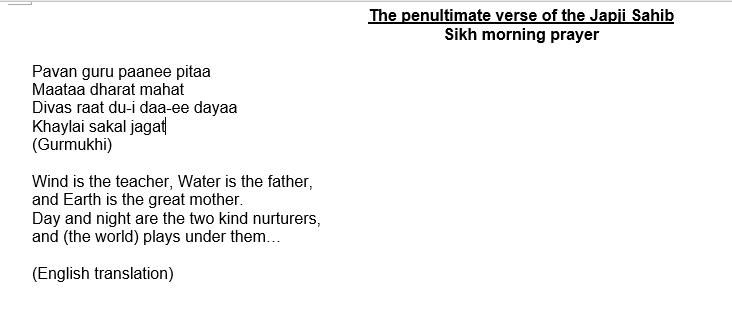
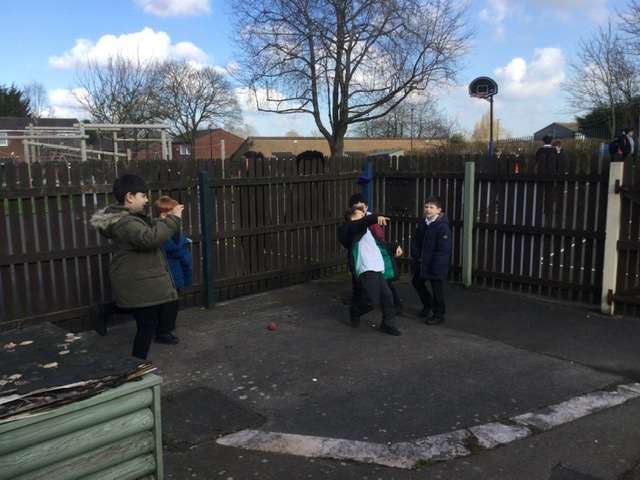
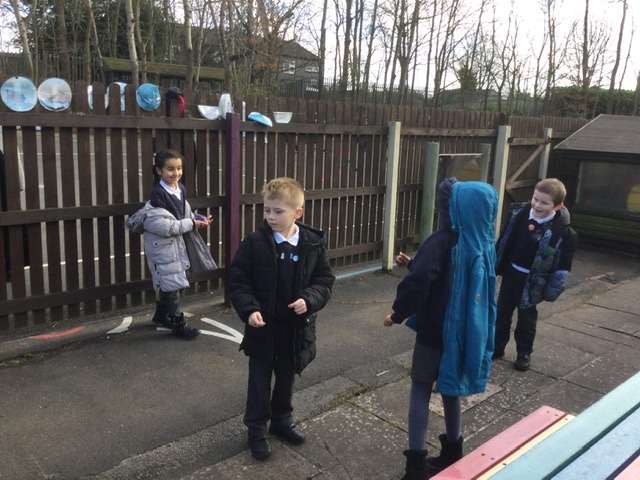
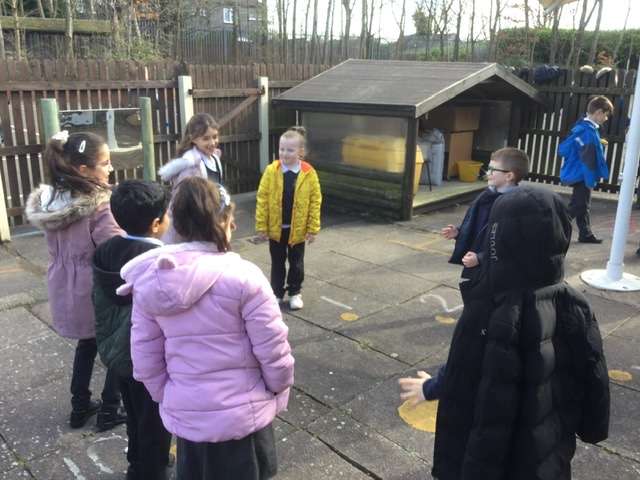
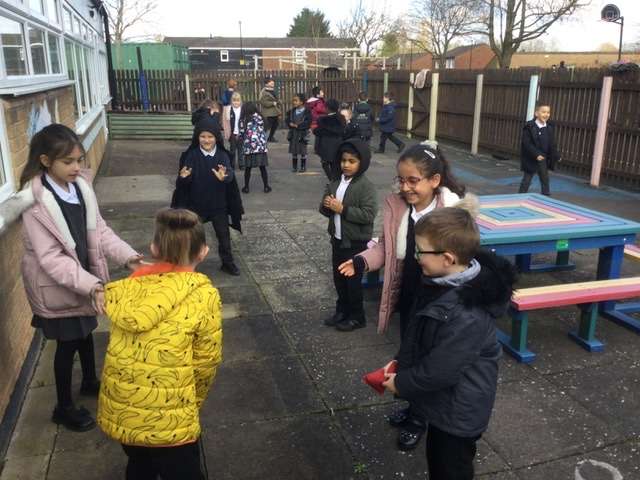
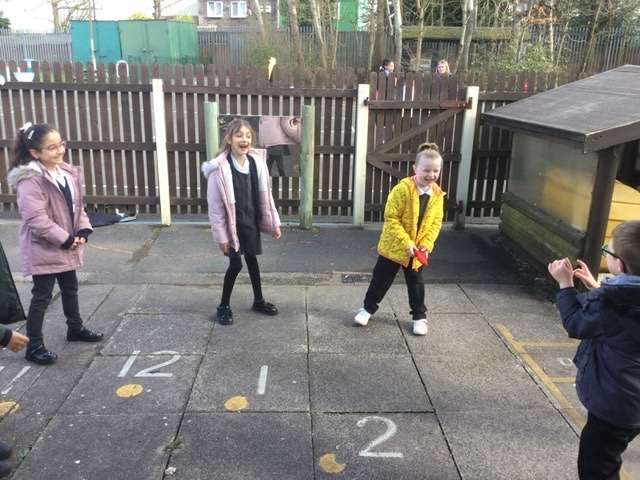
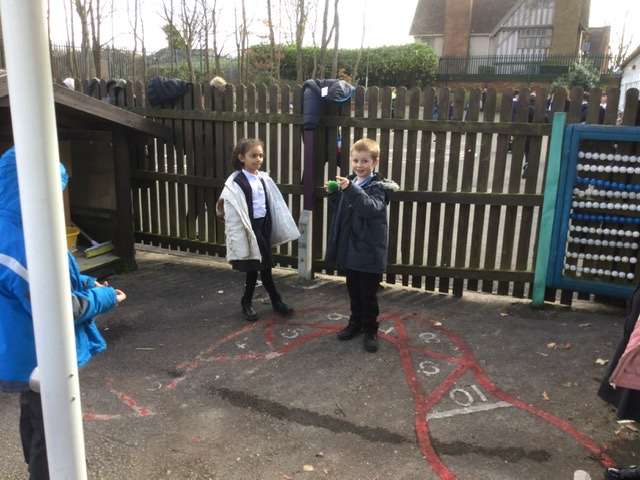
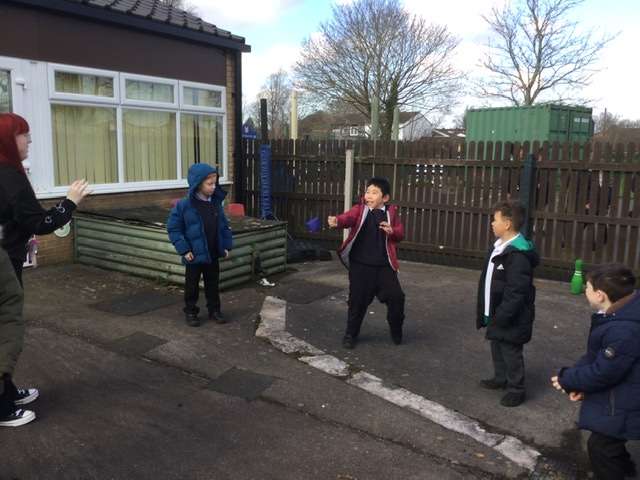
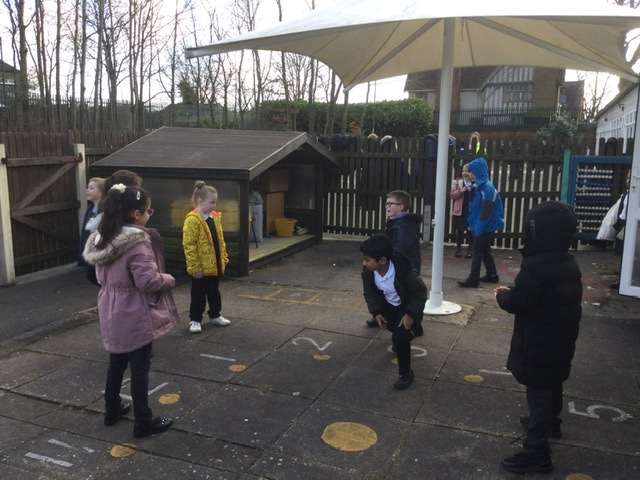
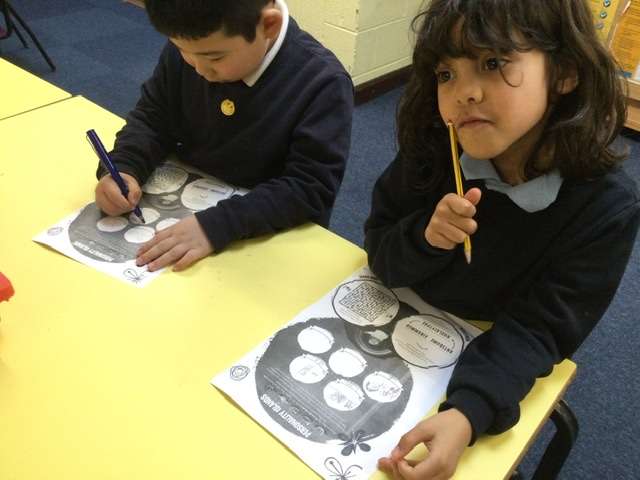
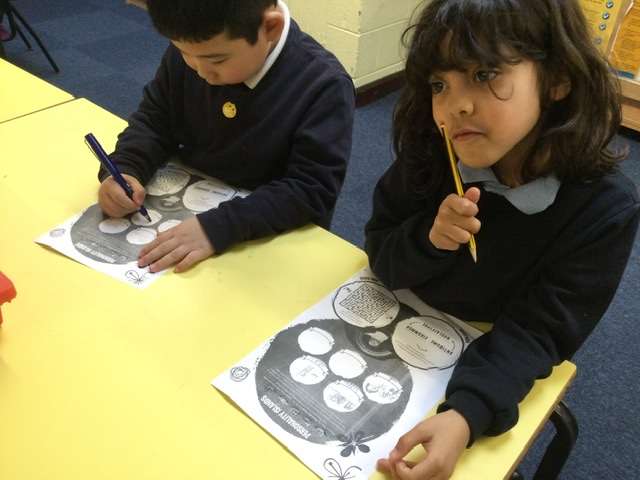
Toucans did their own research to see if humans had affected the environment around our school. Unfortunatly we did find some litter! Let’s hope we can work together to protect our environment!
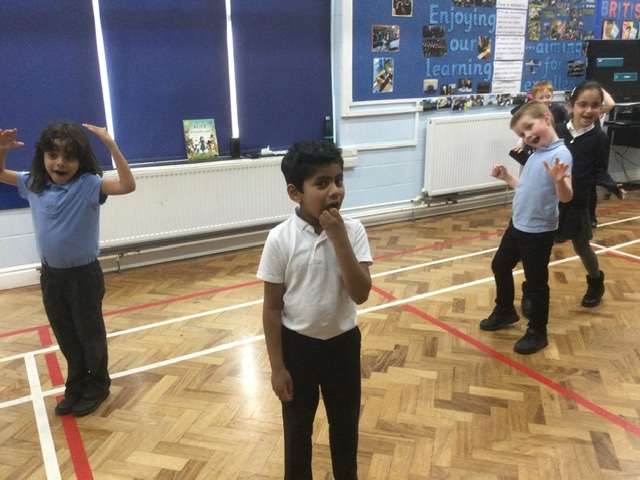
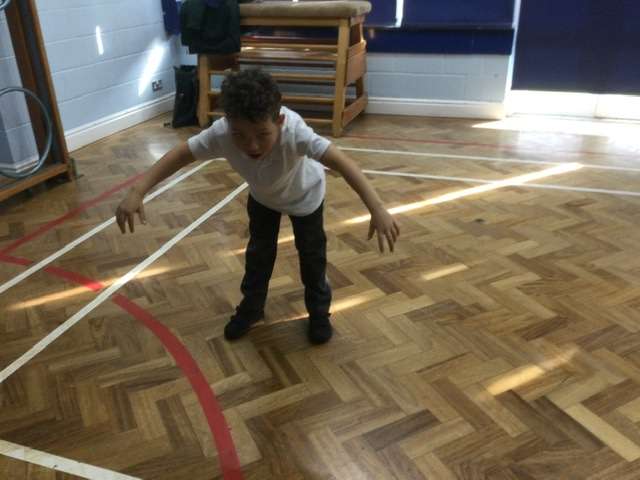
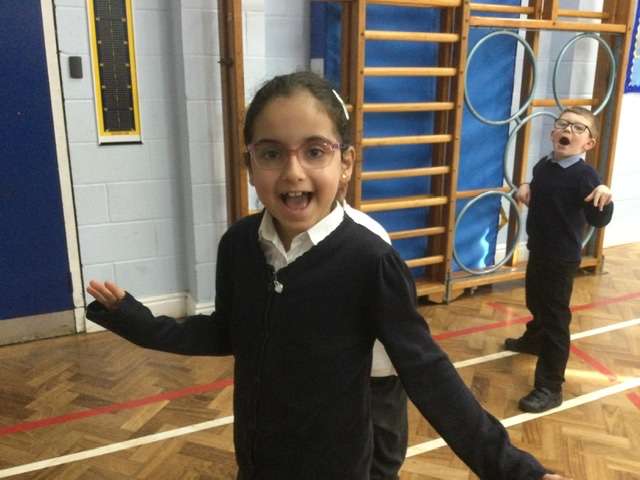
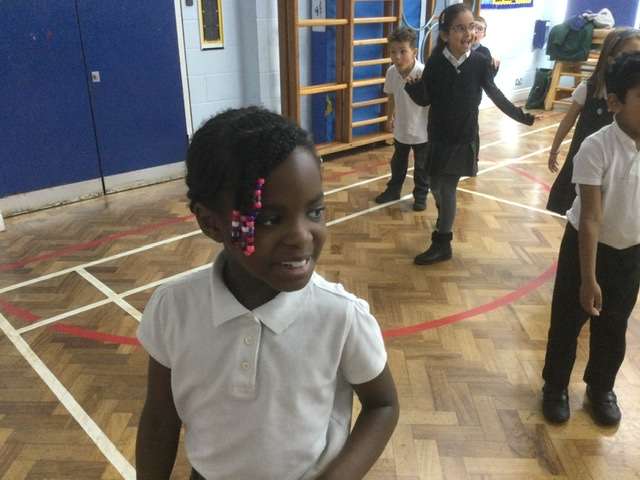
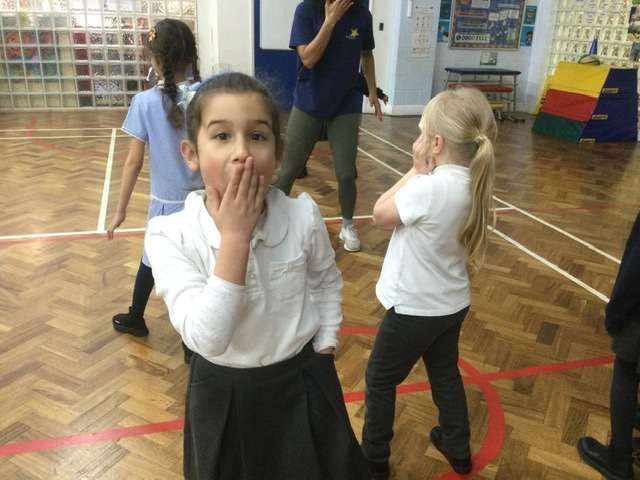
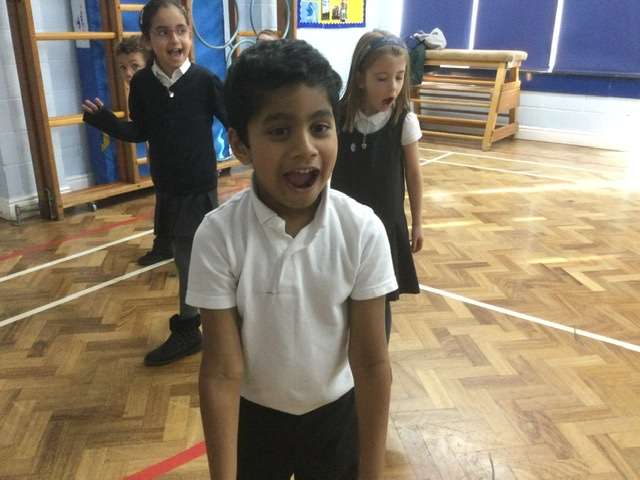
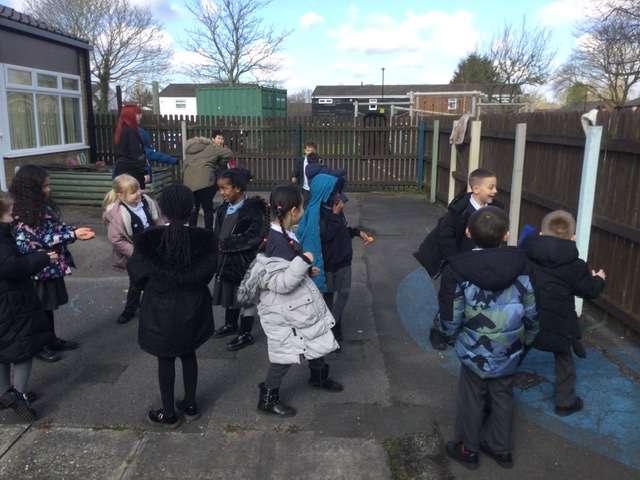
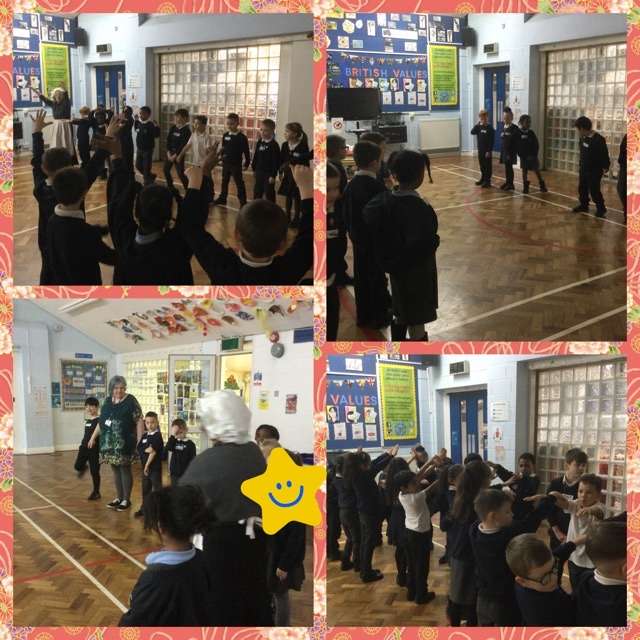
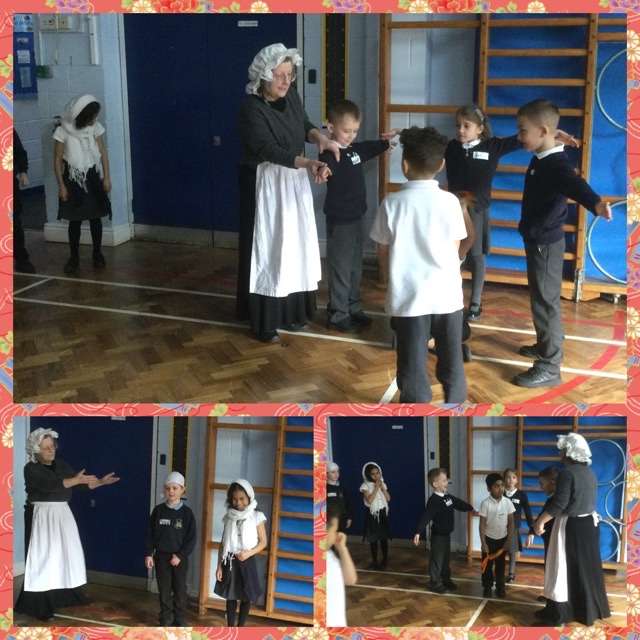
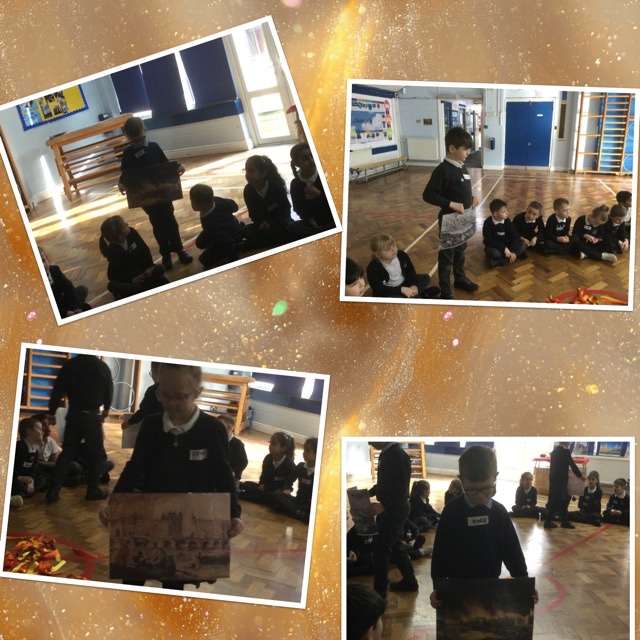
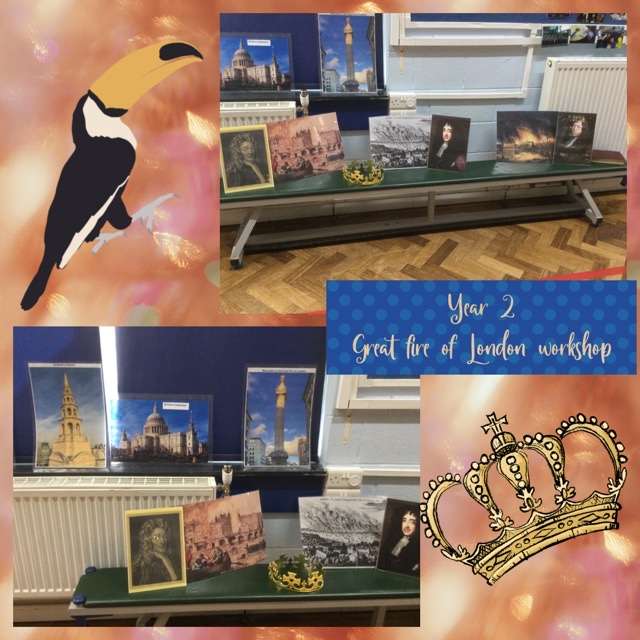
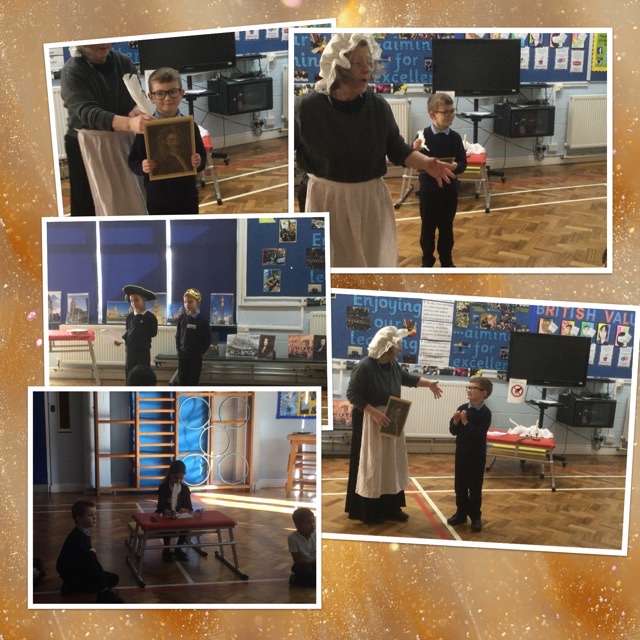
Today was an exciting day in Year 2 as we took part in a fantastic workshop about the Great Fire of London! With huge smiles on our faces, we gathered around to act out the story of the fire that changed London forever. We imagined ourselves as the houses, all closely packed together, just like they were in the 1660s.
It all began in London – the country’s capital city. The story starts on Pudding Lane, in the home of Thomas Farriner, a baker who lived with his family above the bakery.
As we pretended to be the fire, we danced around wildly, flames flickering and crackling in our imaginations. It felt so real! We carefully followed the story to see how the fire started in a small bakery on Pudding Lane. The tension built as we realised how quickly it spread through the tightly packed wooden buildings, and we all felt a little scared.
We sat down and discussed how historians know about this terrible event.
We looked at some amazing artefacts and paintings that showed the chaos of the fire.
It was exciting to learn about a diary written by Samuel Pepys, who bravely recorded everything he saw during the disaster. His words were vivid and brought the story to life, making us feel what it was like to be in London at that time.
We laughed, gasped, and learned so much about the Great Fire of London today! It was an unforgettable experience that made history come alive in a fun and thrilling way.
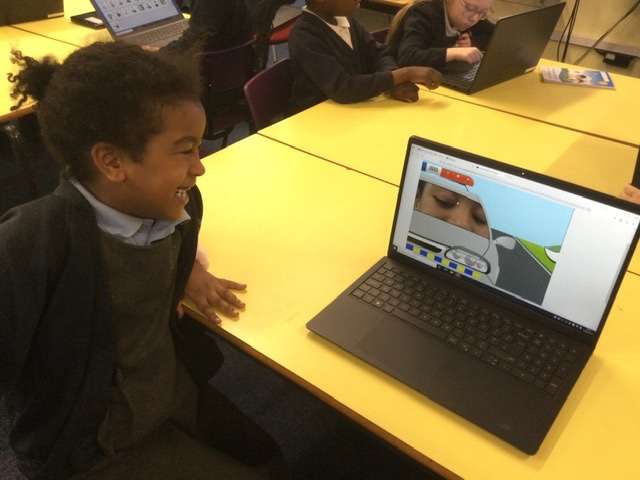
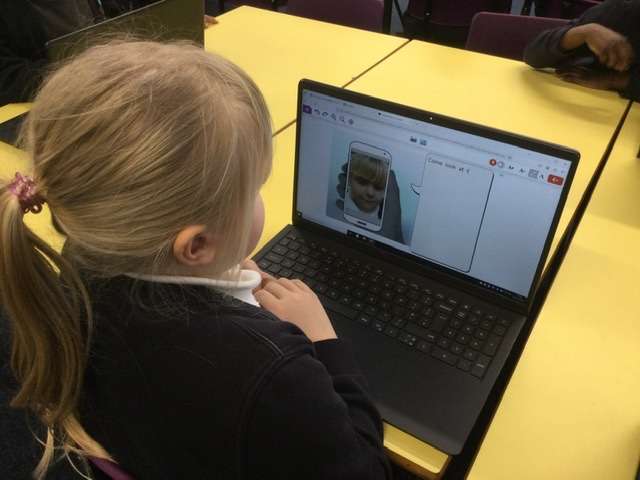
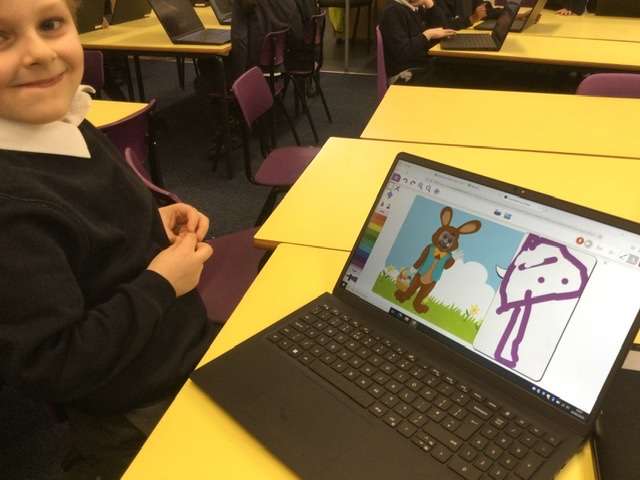
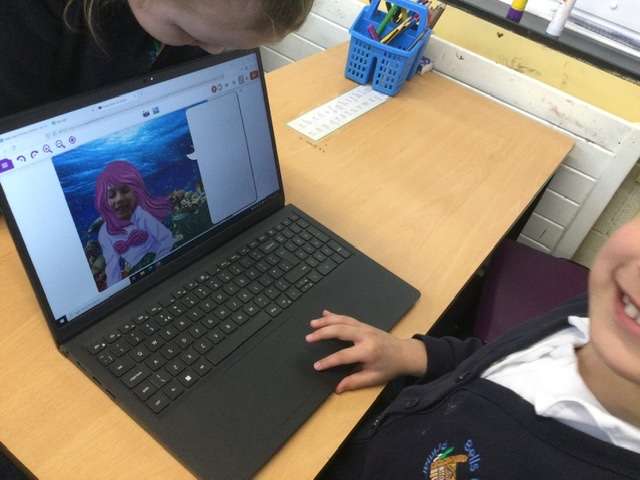
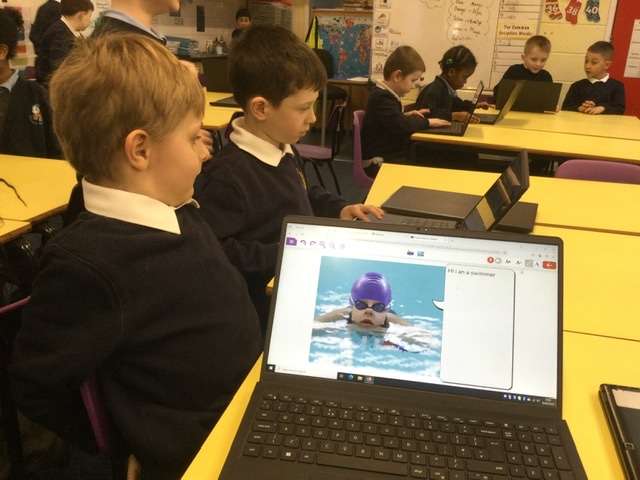
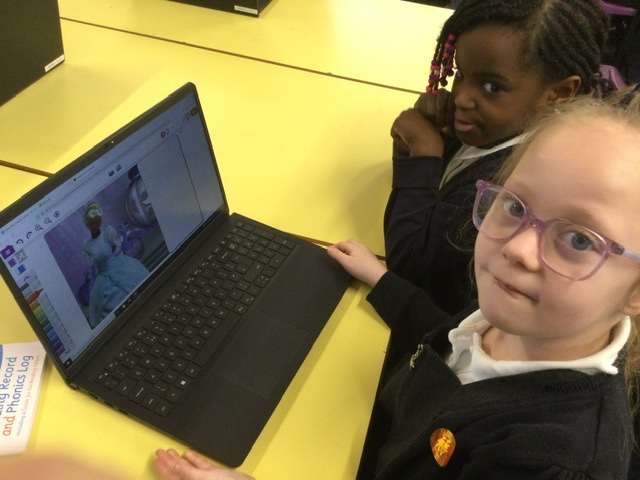
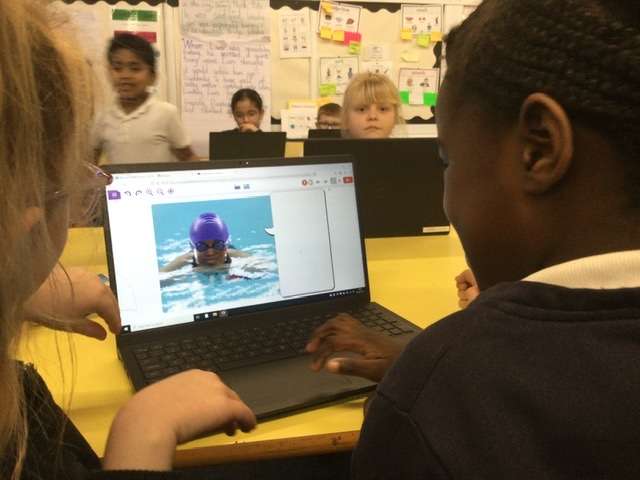
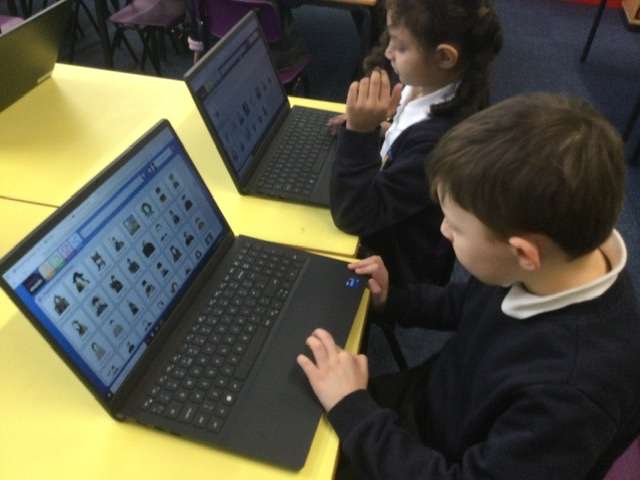
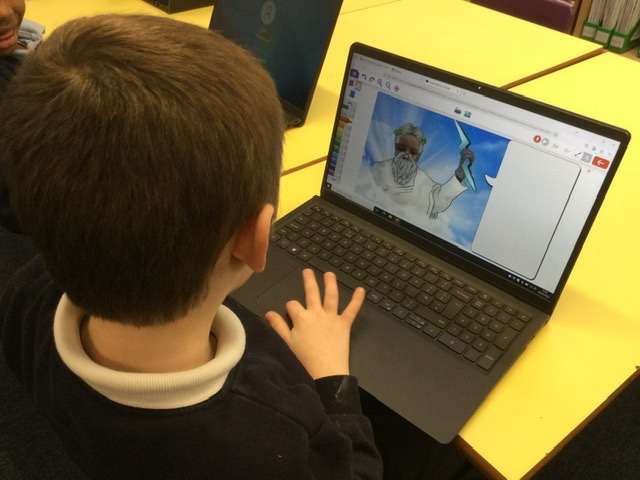
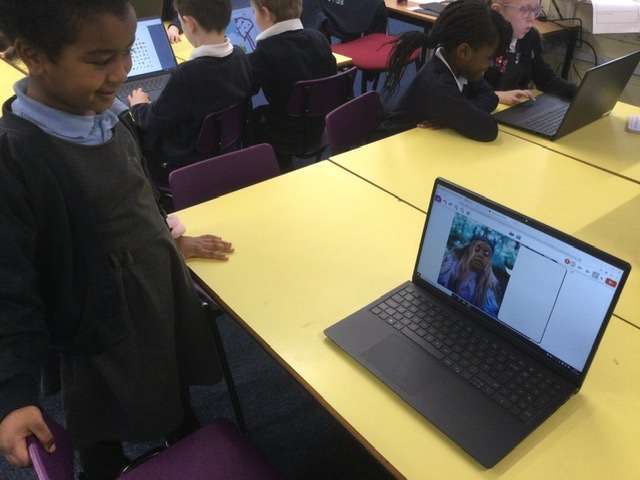
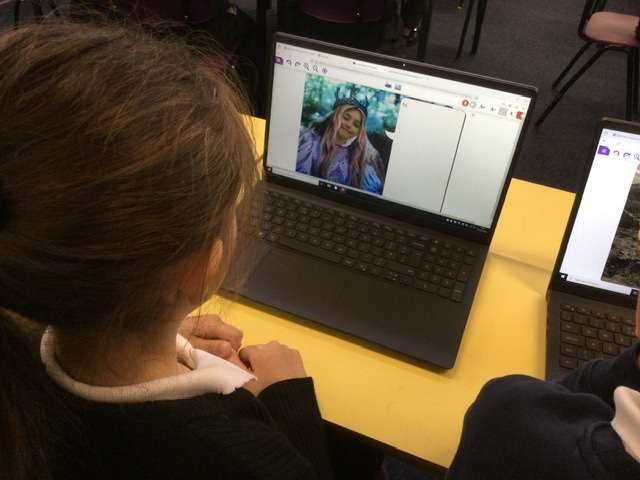
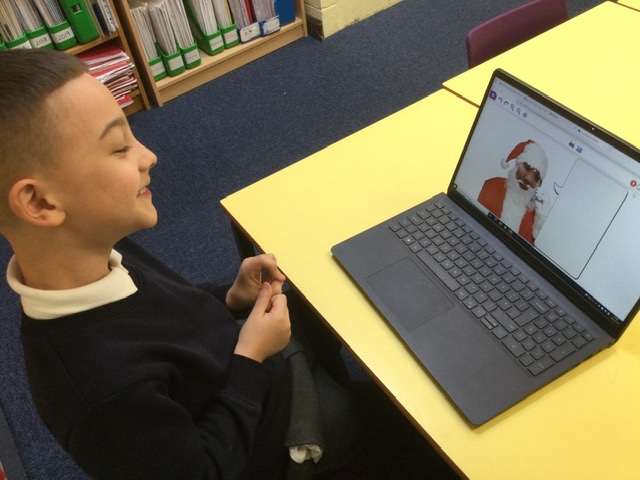
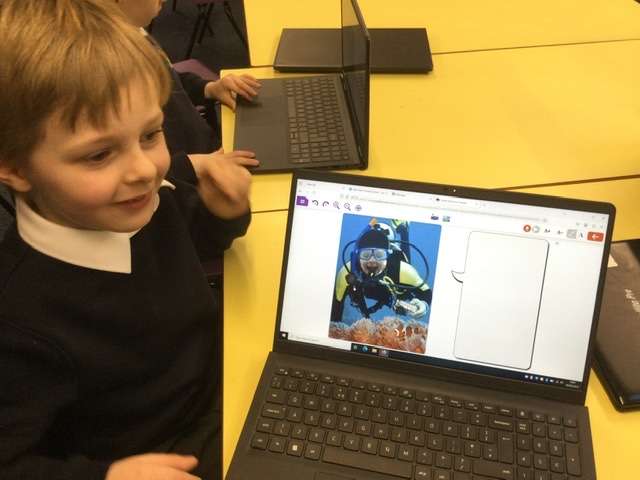
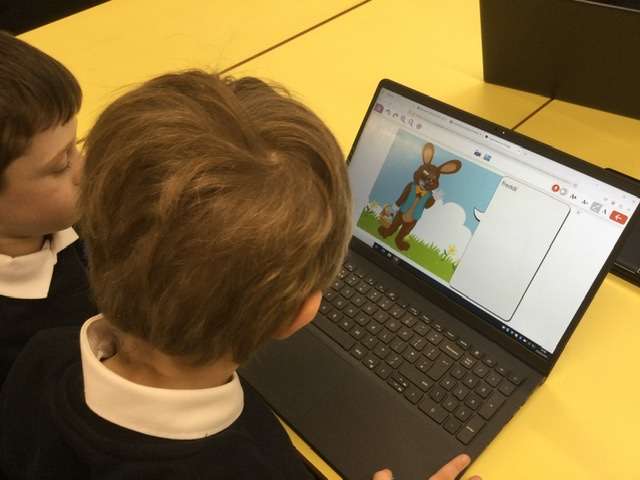
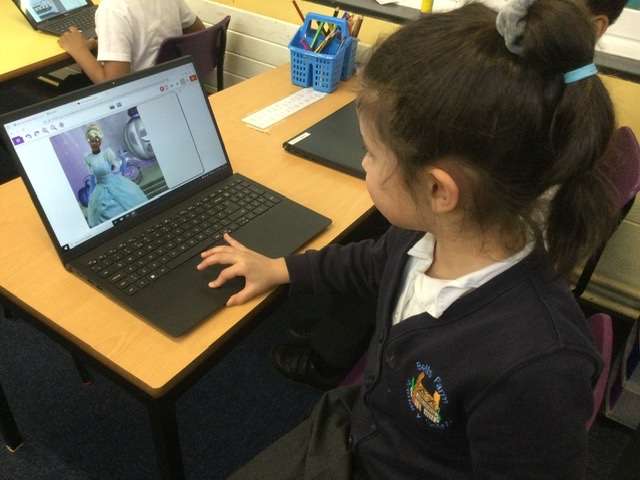
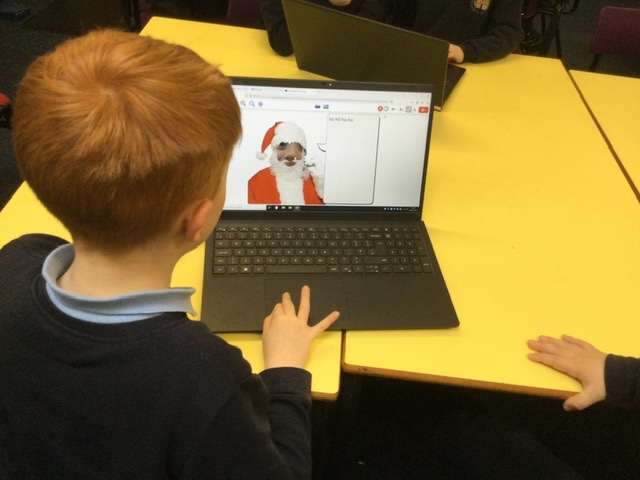
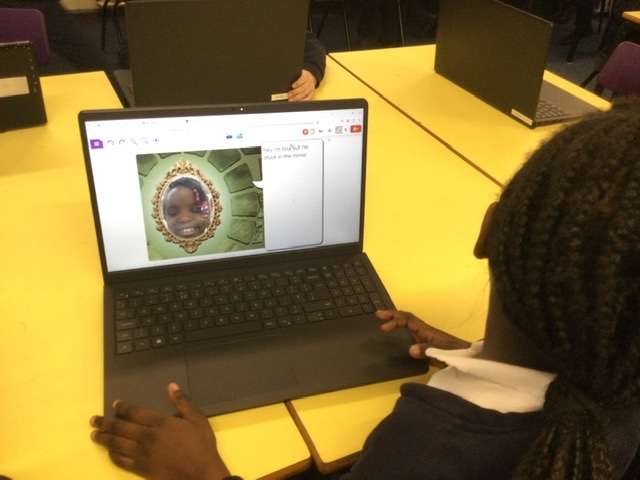
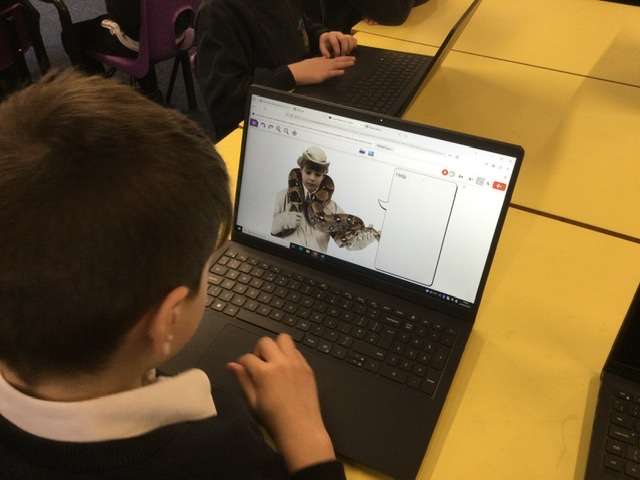
In computing this half term we are looking at digital media. This includes understanding the importance of asking for permission before taking a photo and how we use technology to take photographs.
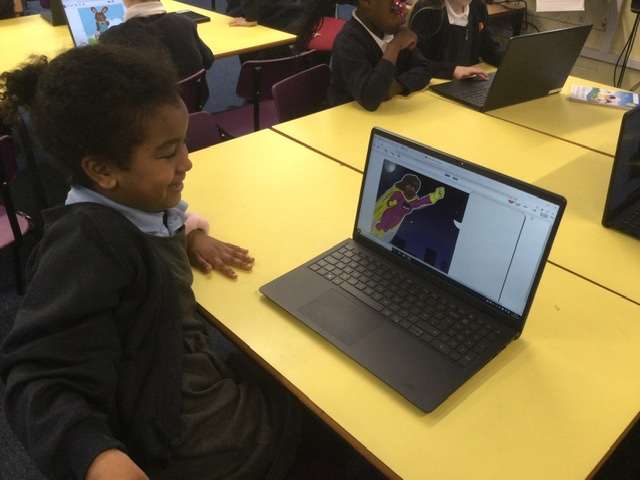
Today we learnt how we can use our laptops to take photos of ourselves. We also discussed how photos can be changed and what we see on the internet might not be true!
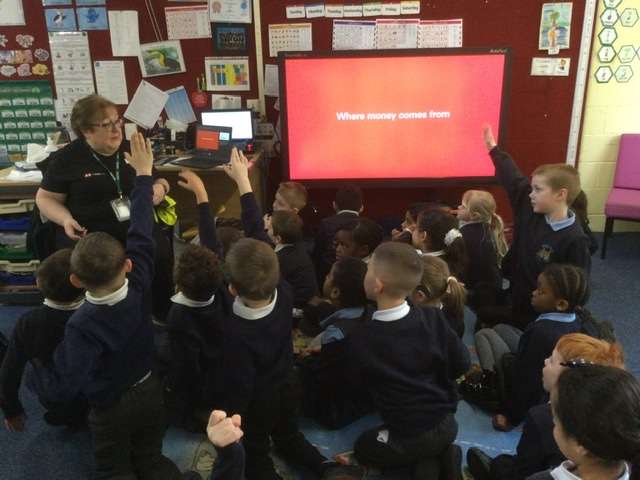
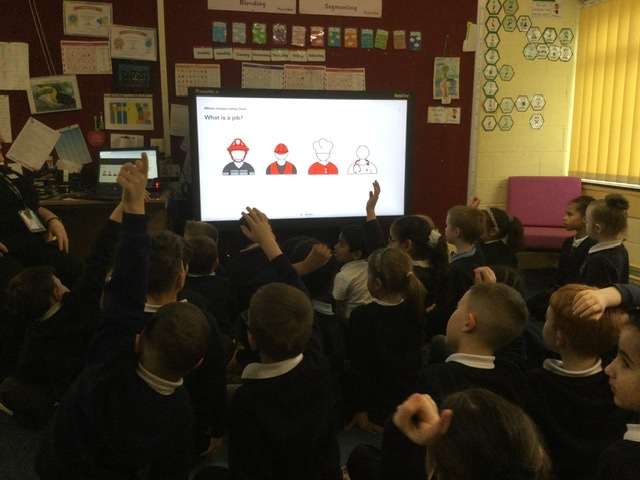
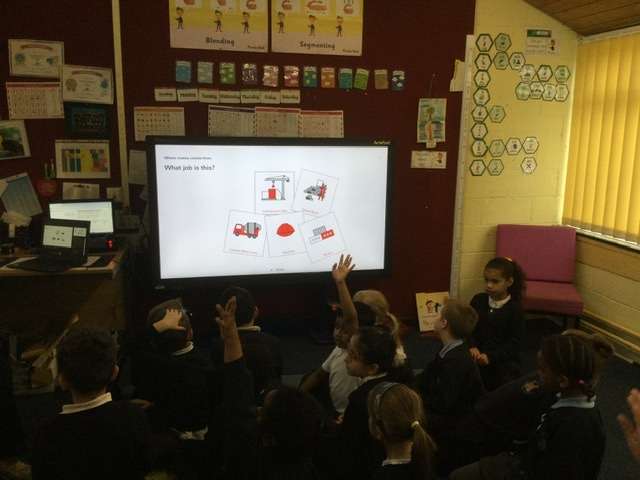
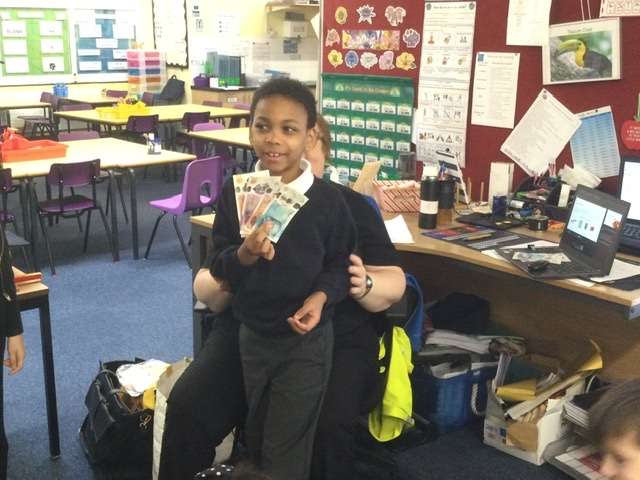
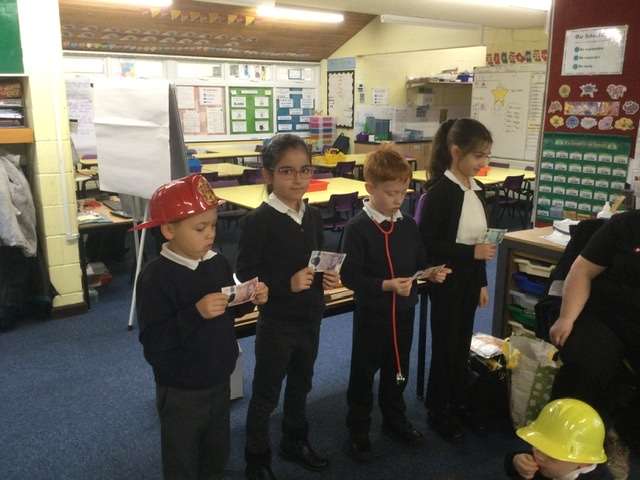
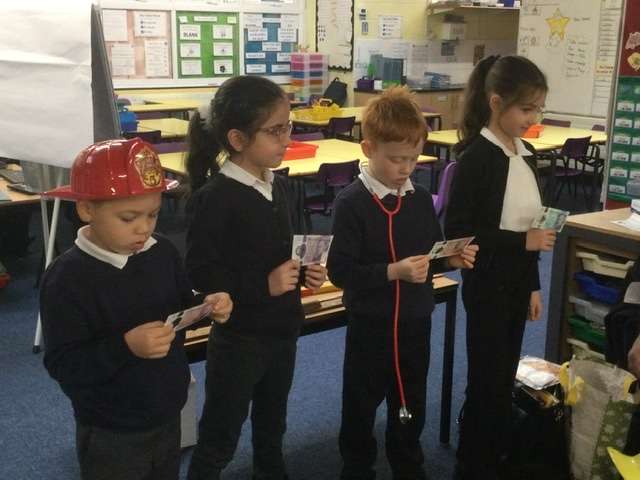
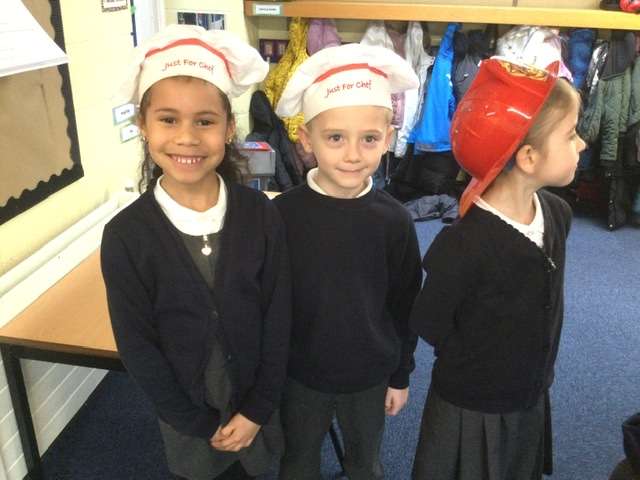
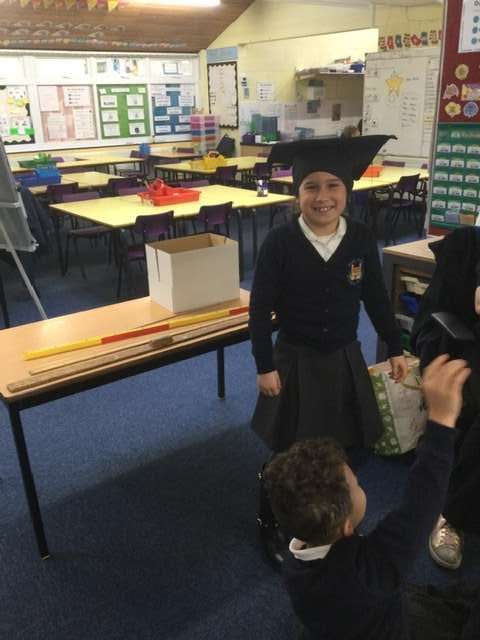
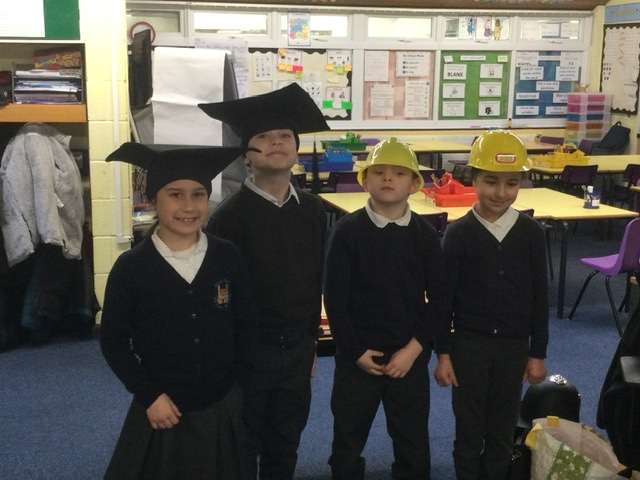
Today, our Year 2 pupils had the fantastic opportunity to welcome a representative from HSBC! (Sandra) We explored where our money comes from and the importance of work and saving.
Through engaging discussions and interactive activities, our little learners discovered how money is not just about spending, but also about saving wisely for the future. They learned valuable lessons on the significance of earning through work and the benefits of keeping money safe in the bank. 🏦
The children were eager to ask questions and share their thoughts, showcasing their curiosity about the world of finance. It’s never too early to start nurturing good financial habits!
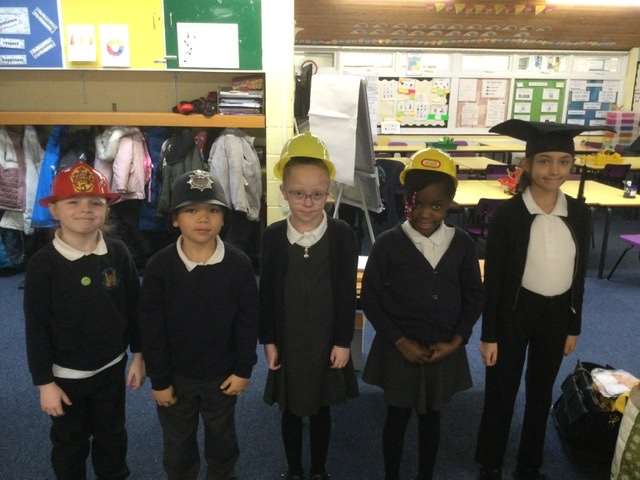
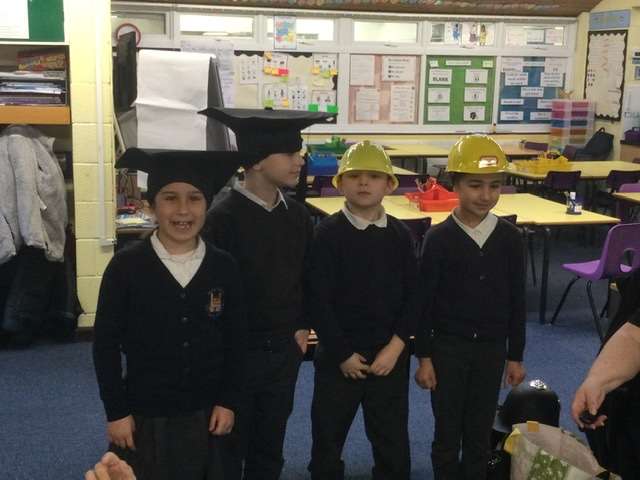
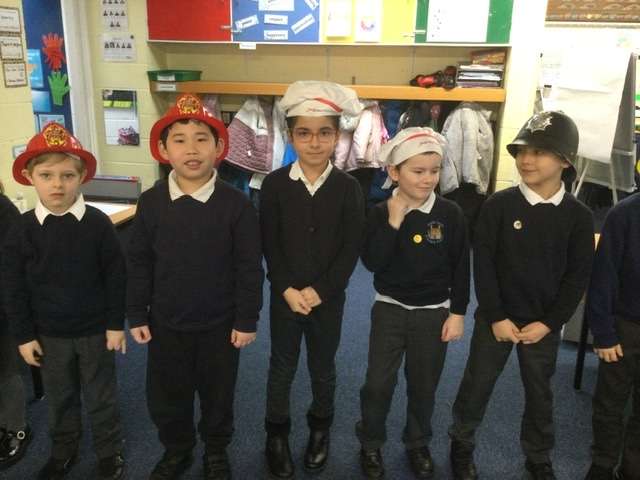
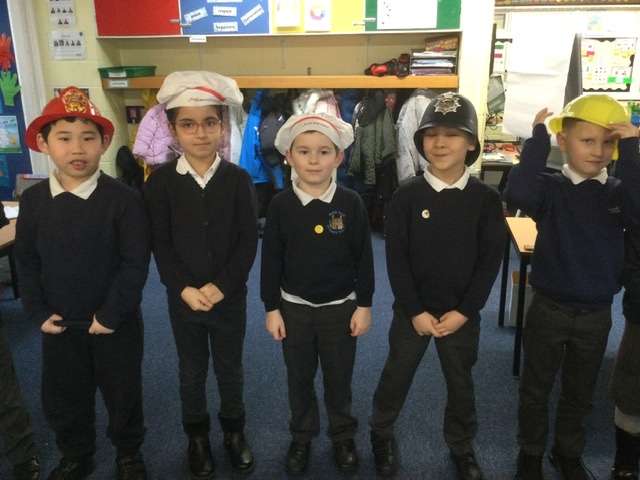
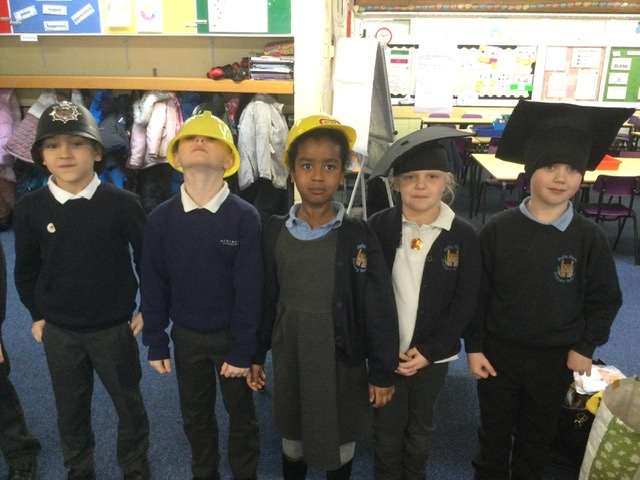
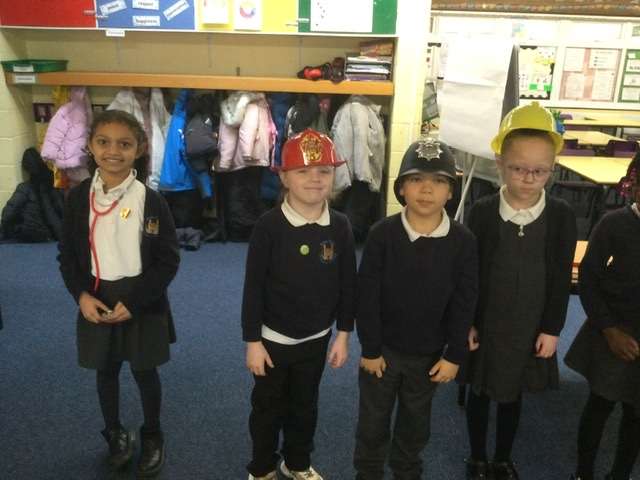
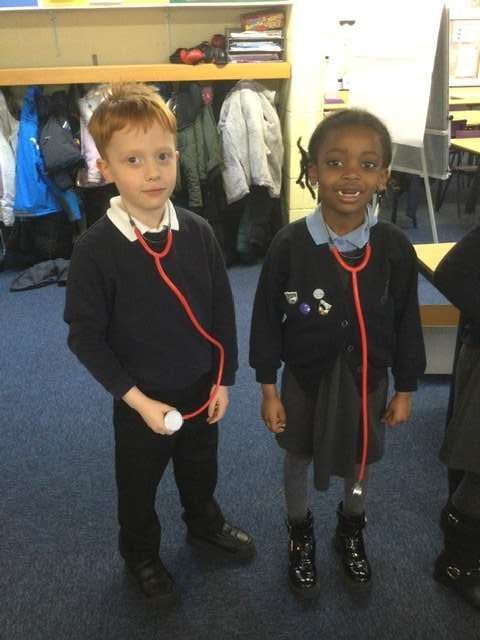
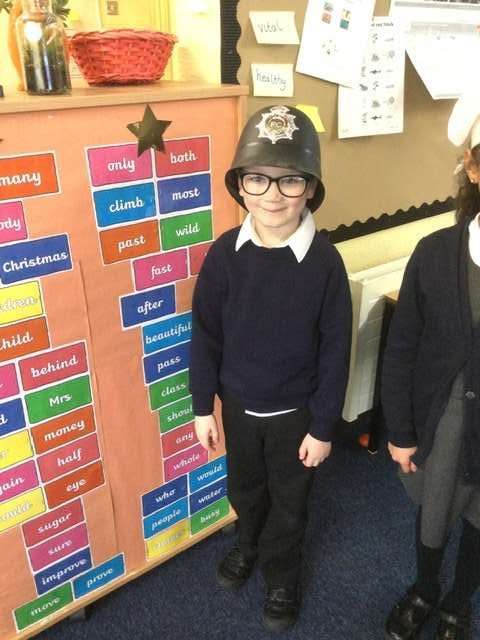
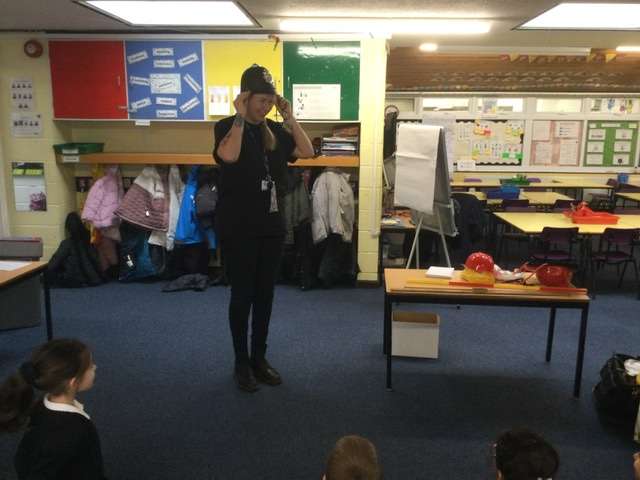
P.S Mrs Parton also showed us how she initially wanted to be a Policewoman!
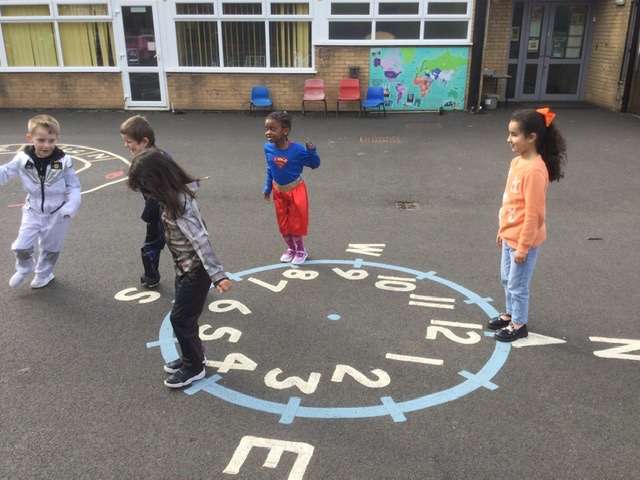
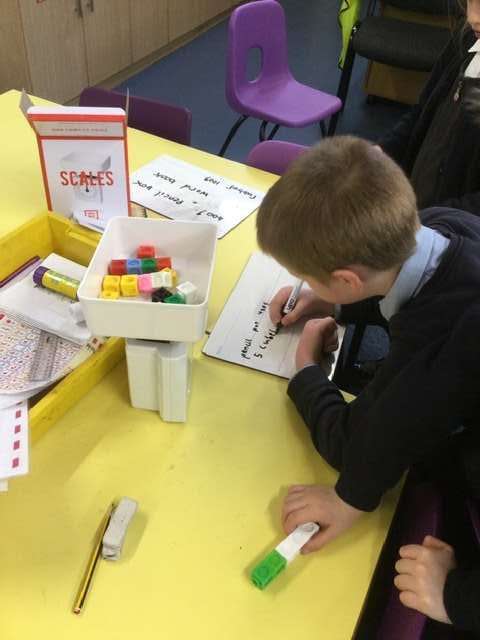
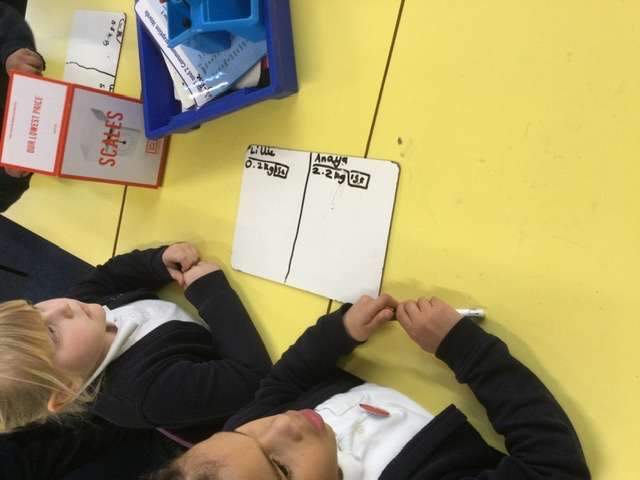
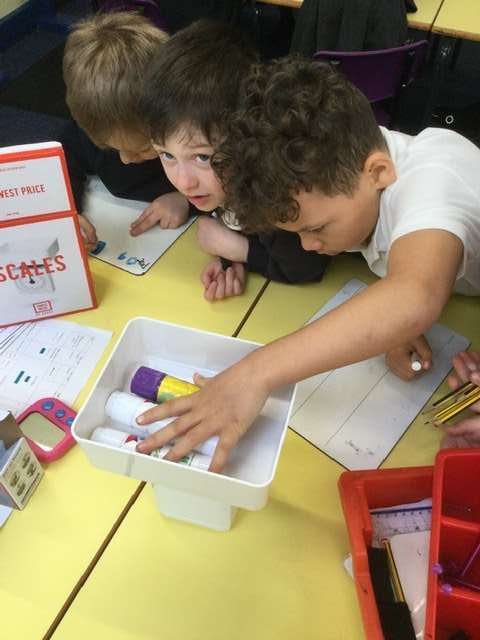
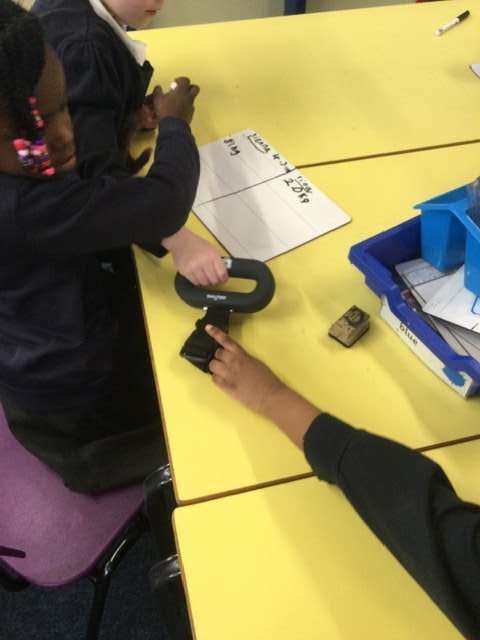
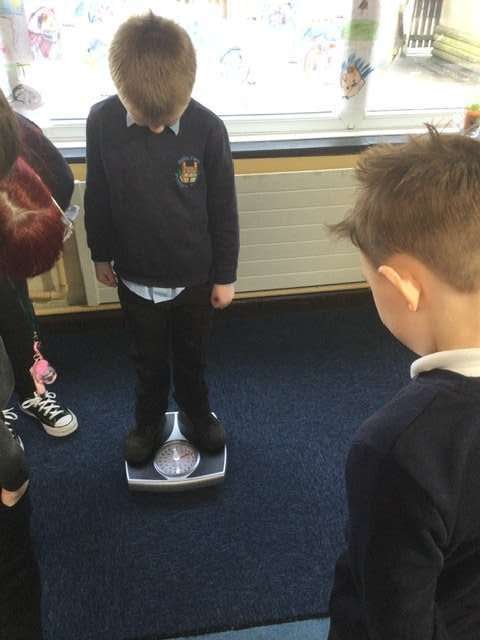
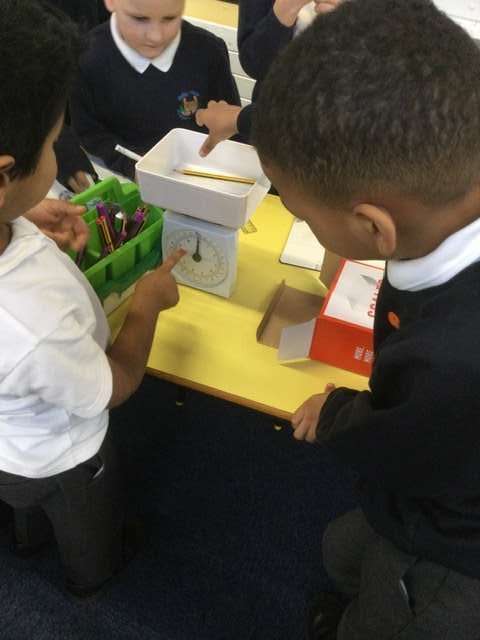
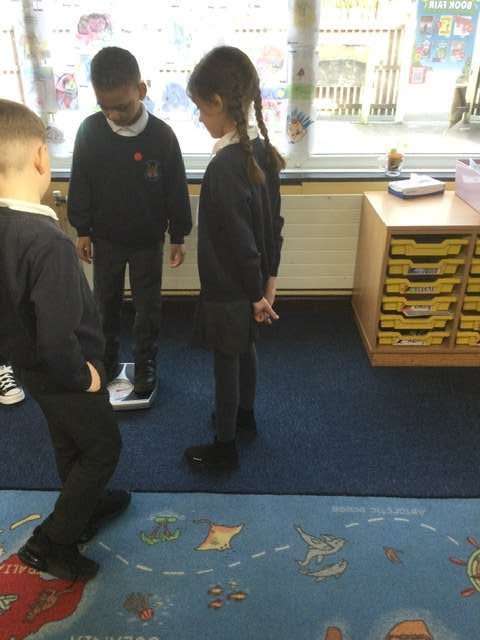
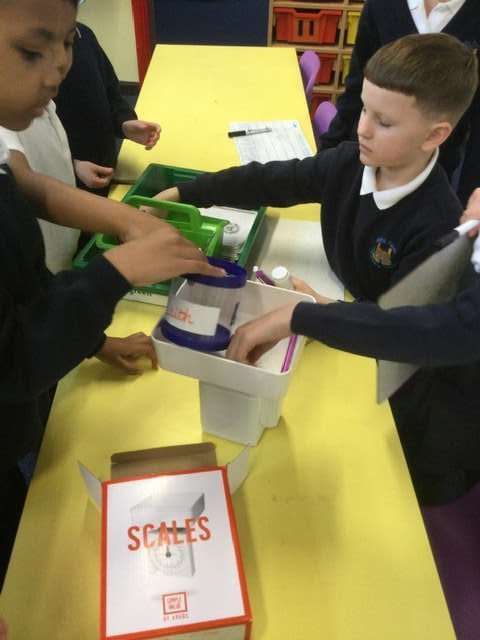
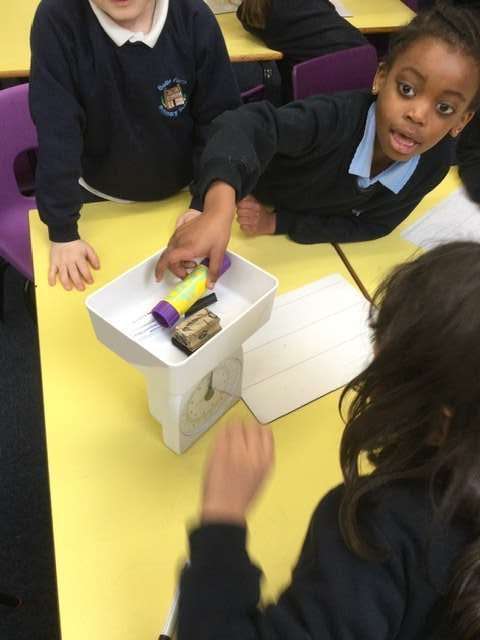
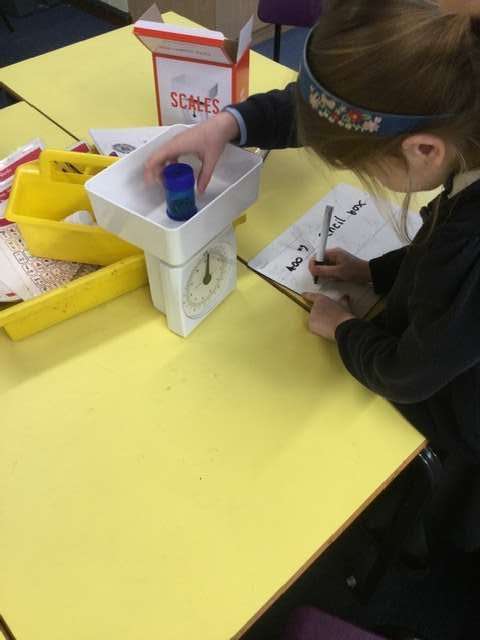
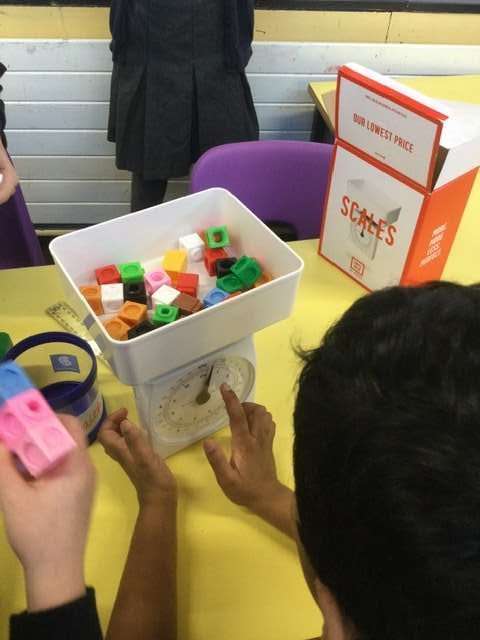
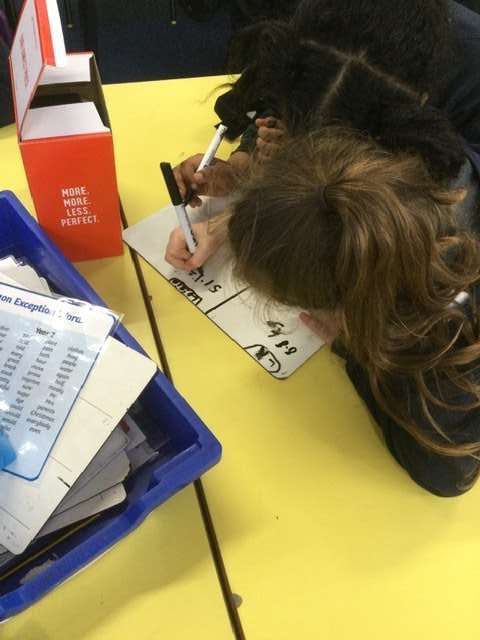
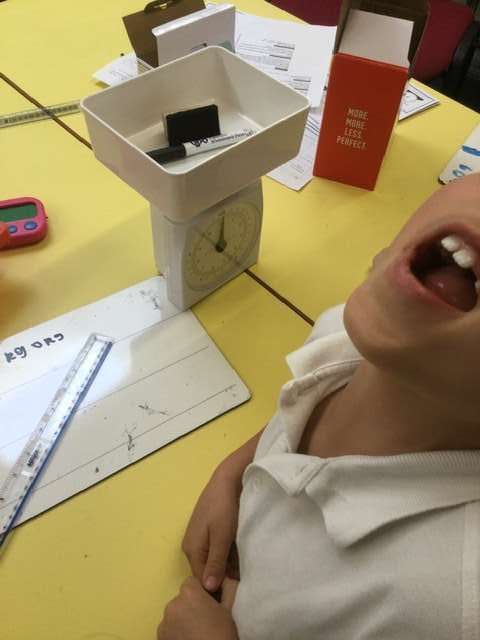
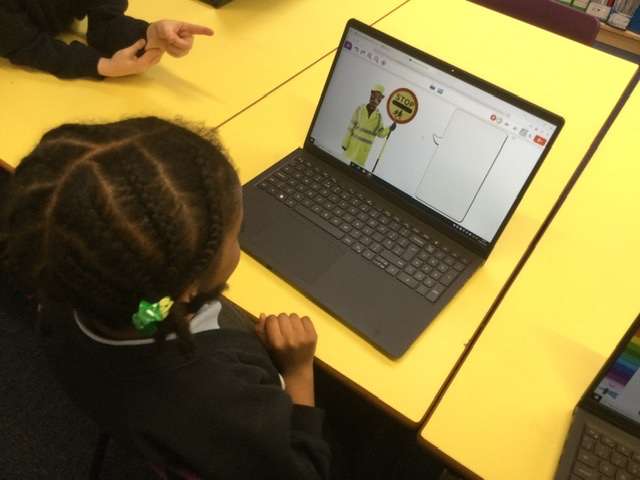
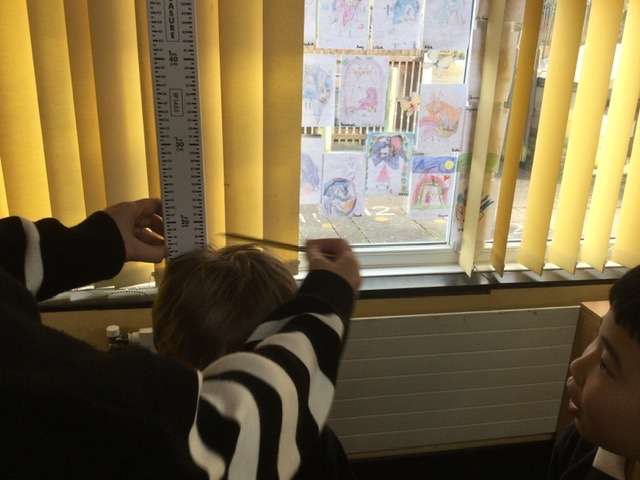
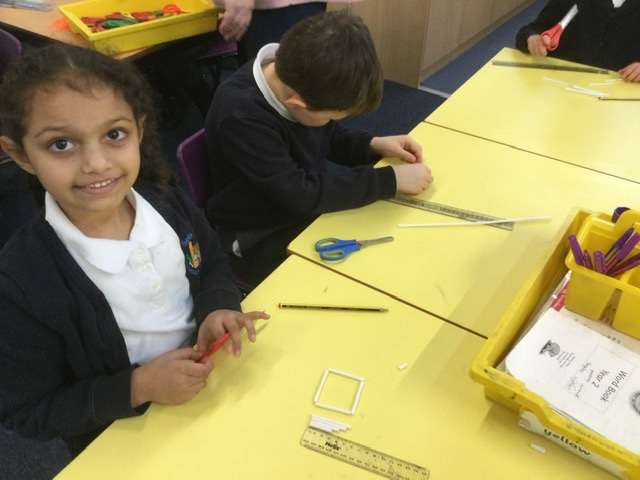
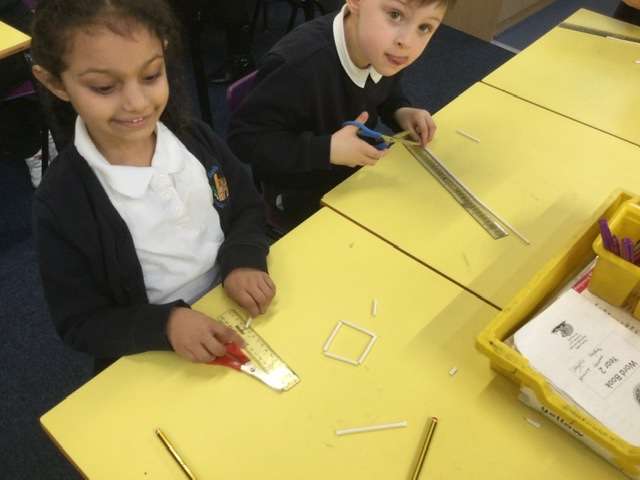
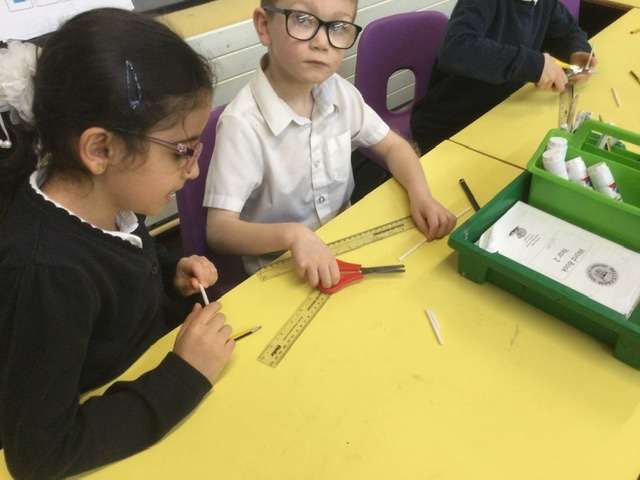
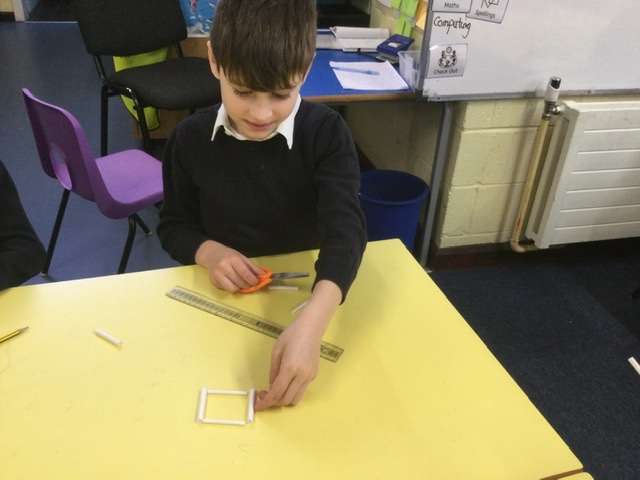
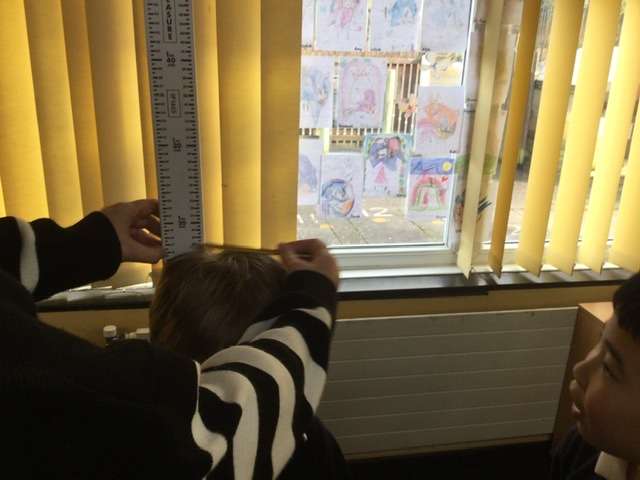
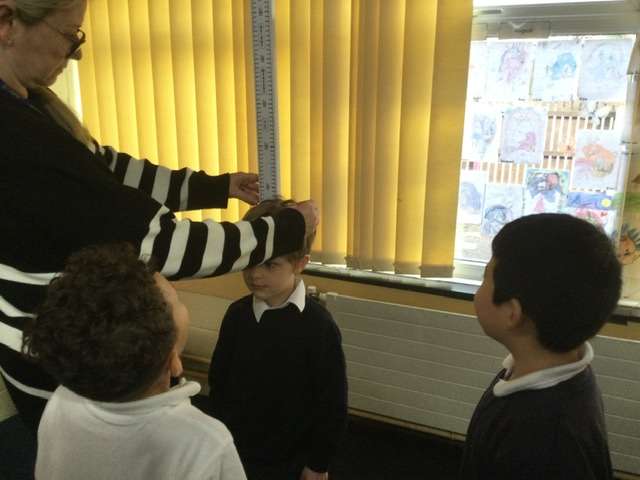
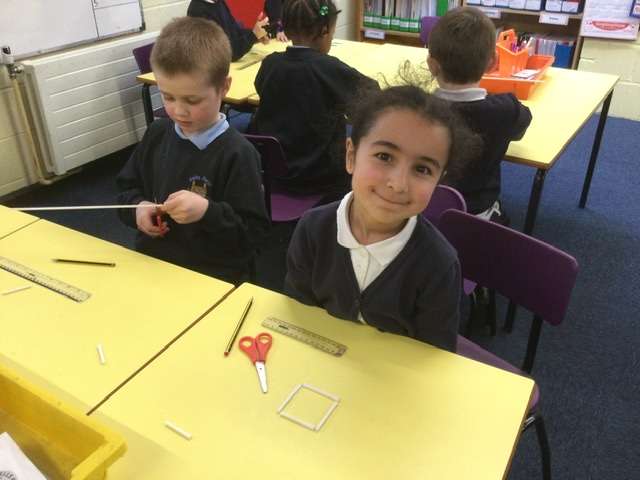
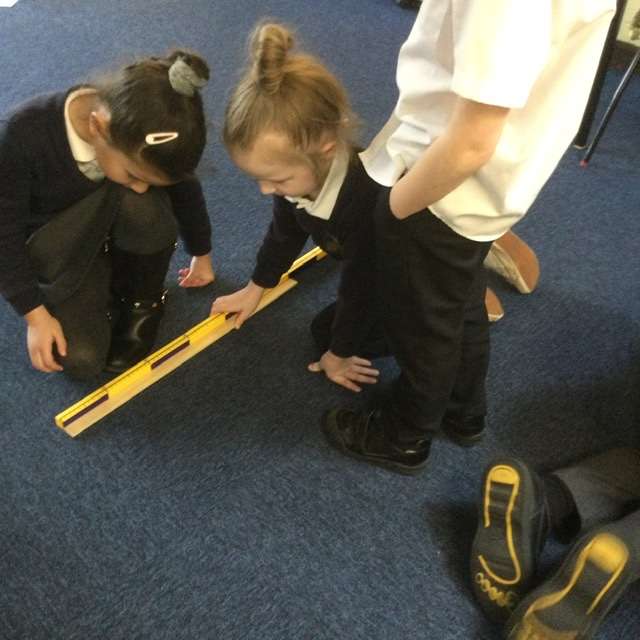
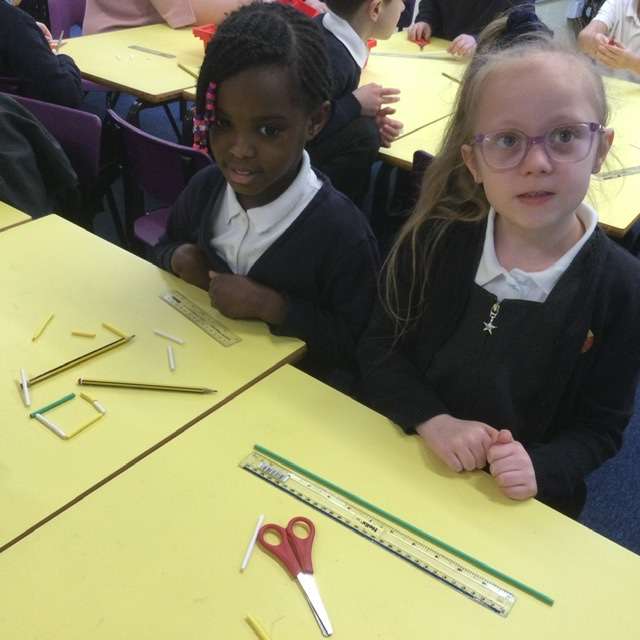
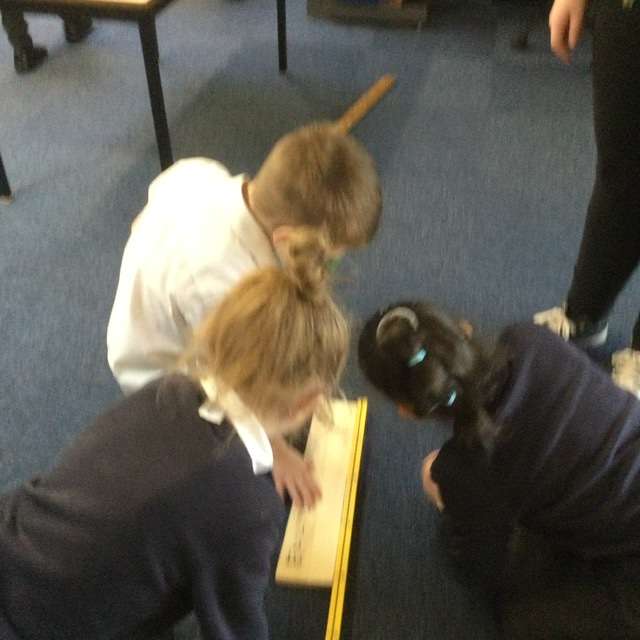
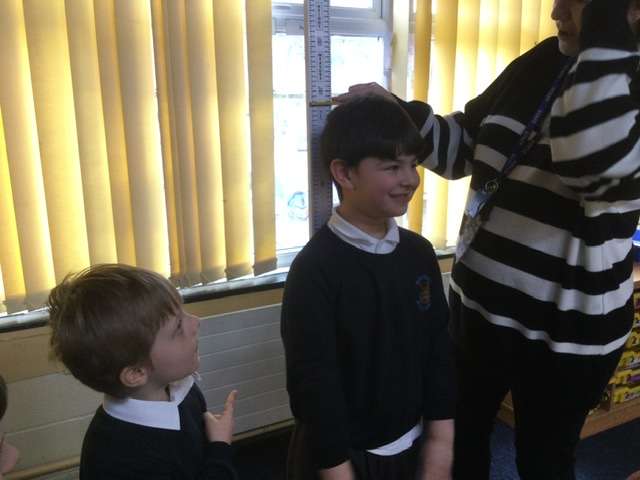
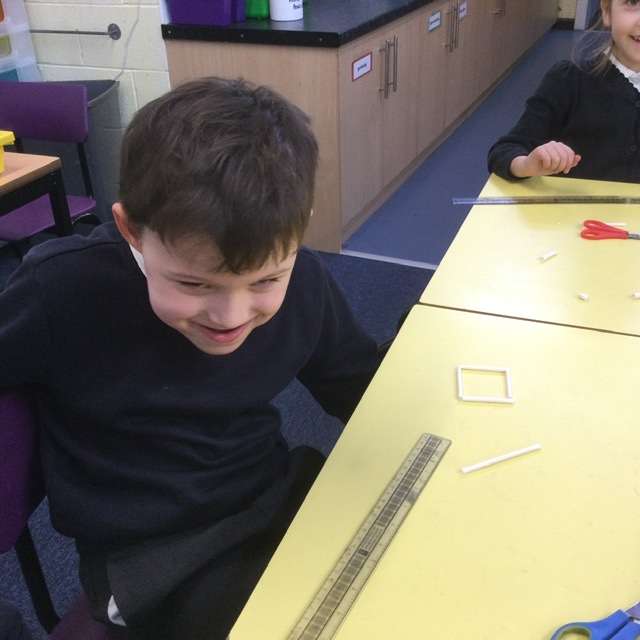
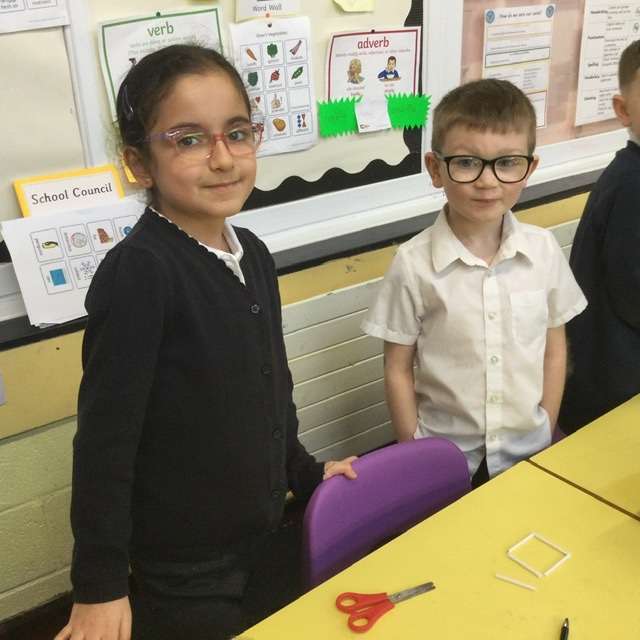
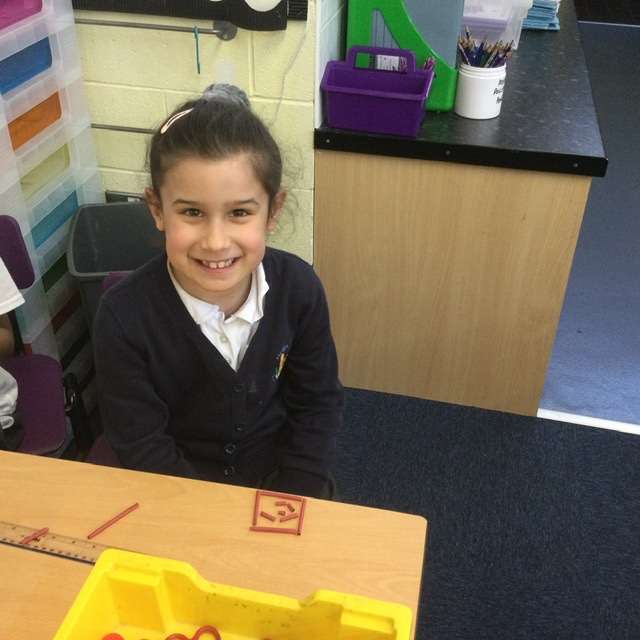
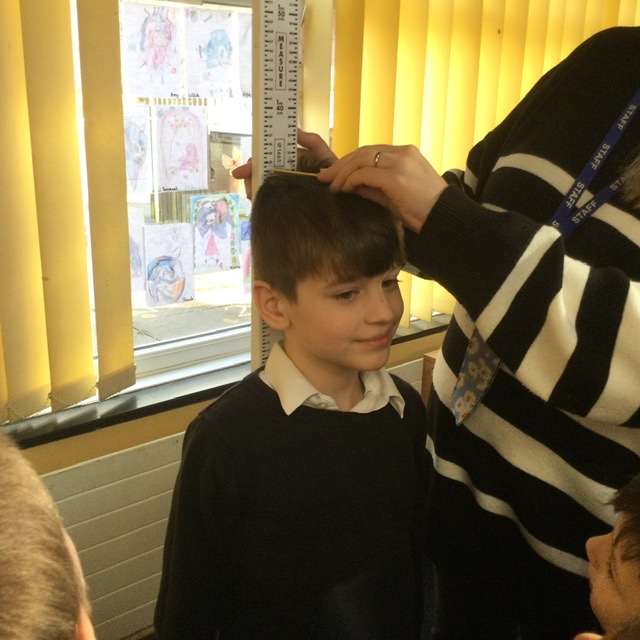
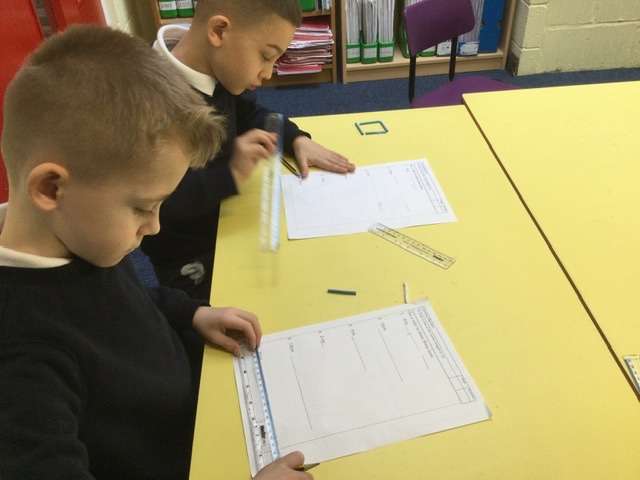
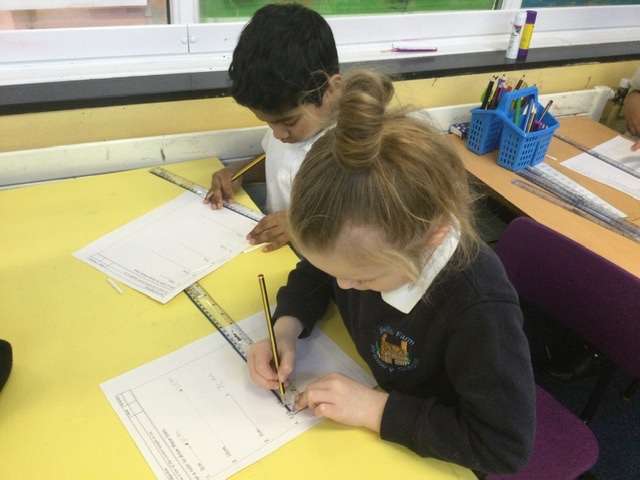
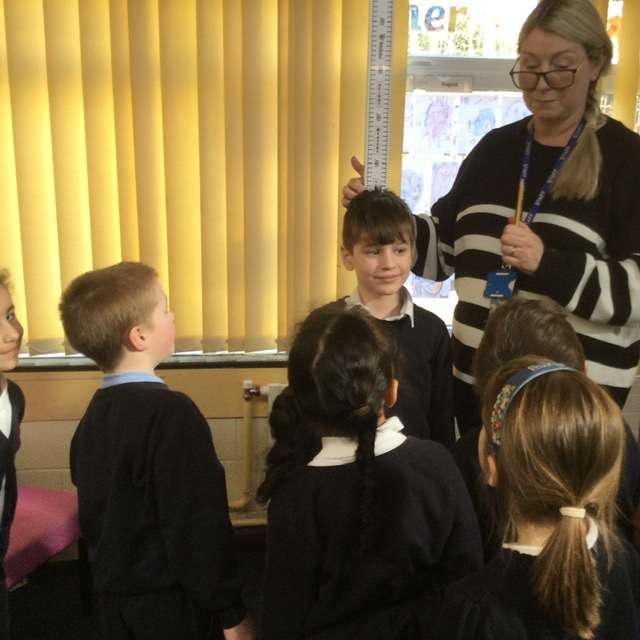
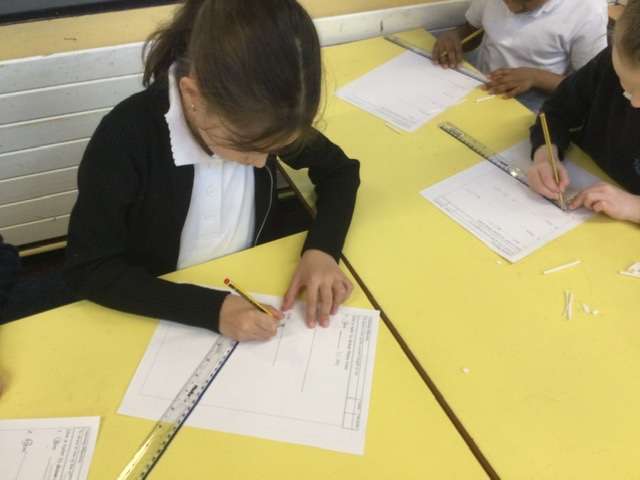
🌈 This week in Year 2, our budding mathematicians are getting hands-on with measuring height and length using rulers and metre sticks! 📐✨
It’s fantastic to see the students develop their skills in measuring and comparing lengths while engaging in fun activities that bring maths to life! From measuring their friends to exploring classroom objects, they are discovering just how important maths is in our everyday lives.
Don’t forget to ask your child what they have been measuring at school and if you have time try out the lessons at home! 🏠📏
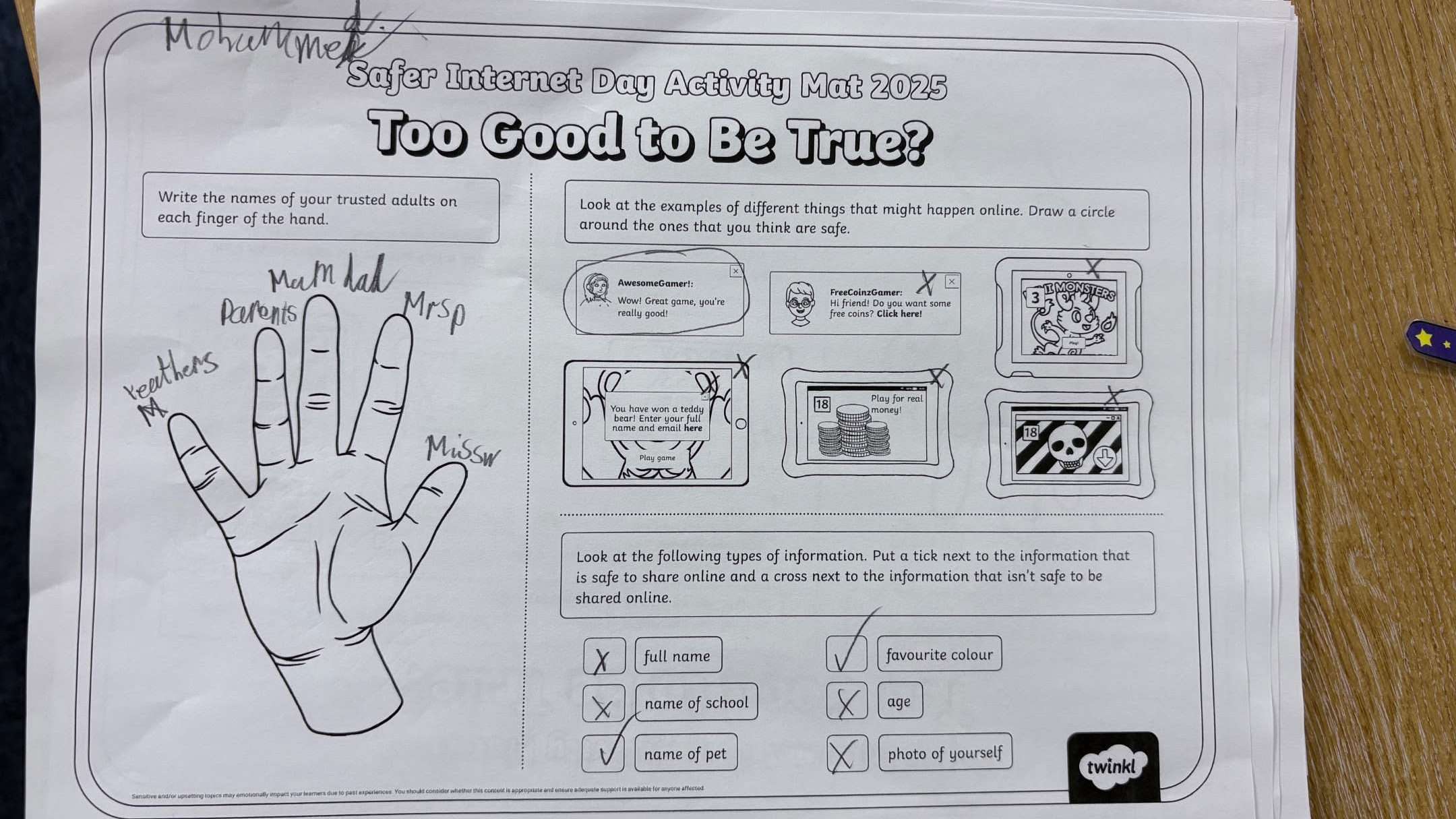
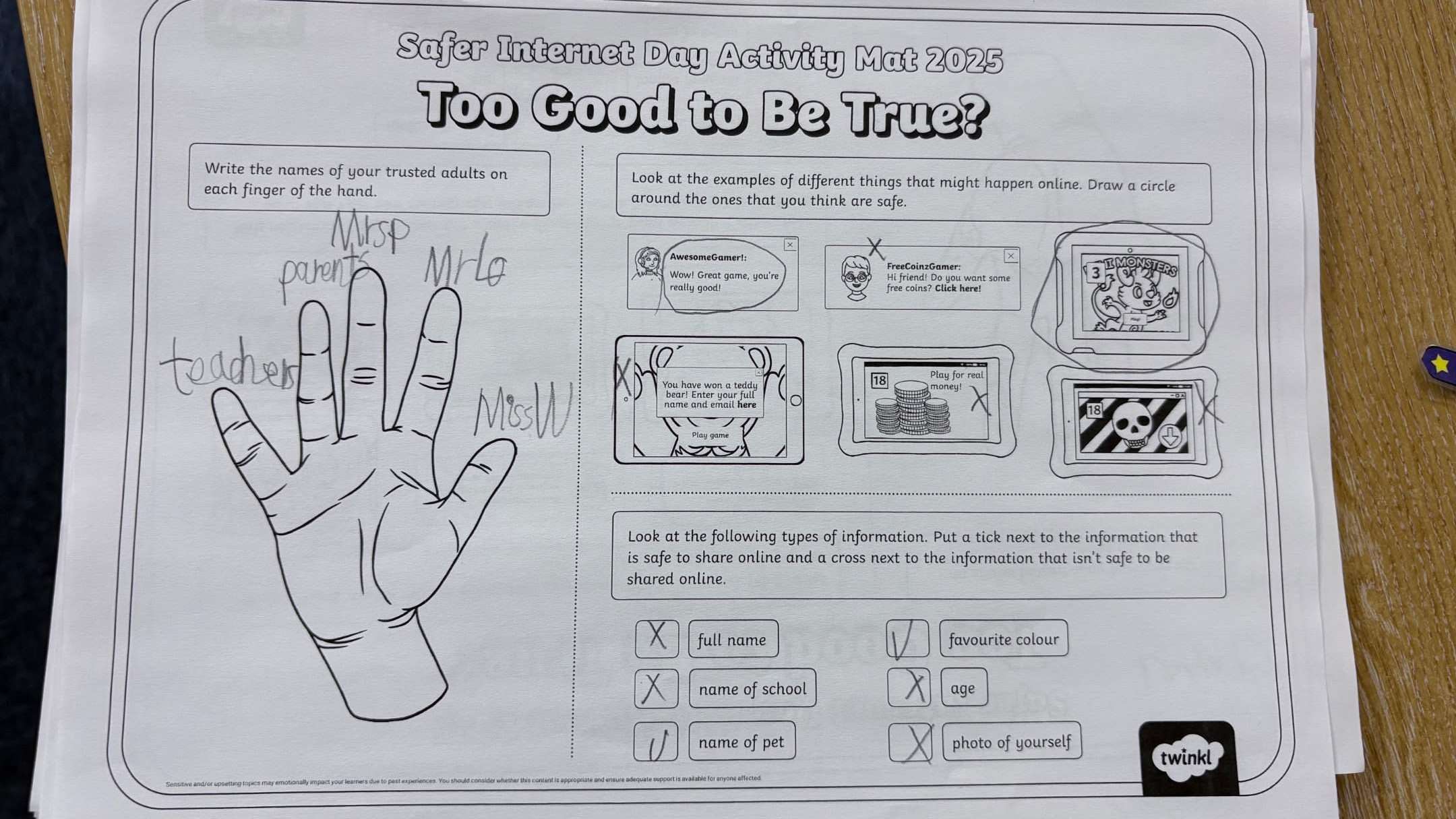
Safer Internet Day 2025 took place on the 11th of February 2025, with celebrations and learning based around the theme ‘Too good to be true? Protecting yourself and others from scams online‘
Safer Internet Day is the UK’s biggest celebration of online safety.
Toucans took part in an activity to discuss who are our trusted adults and also discussed the importance of making the right choices and how to look out for scams.
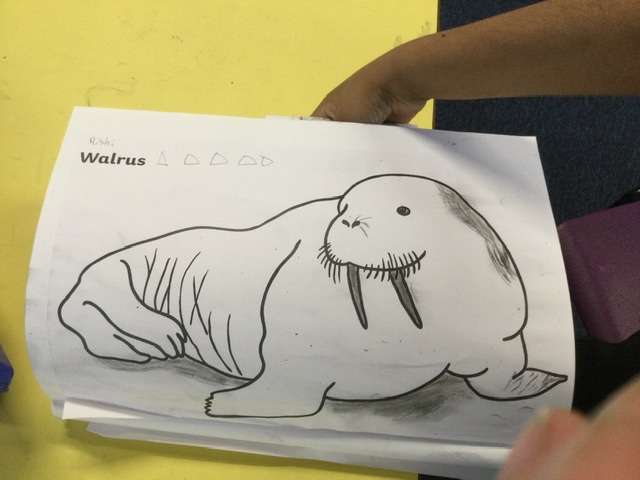
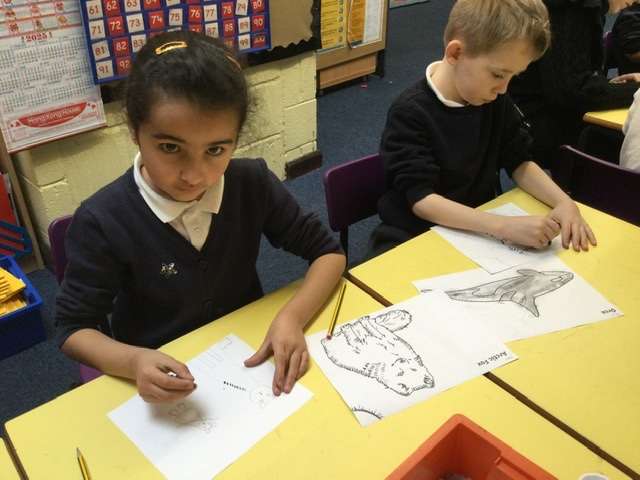
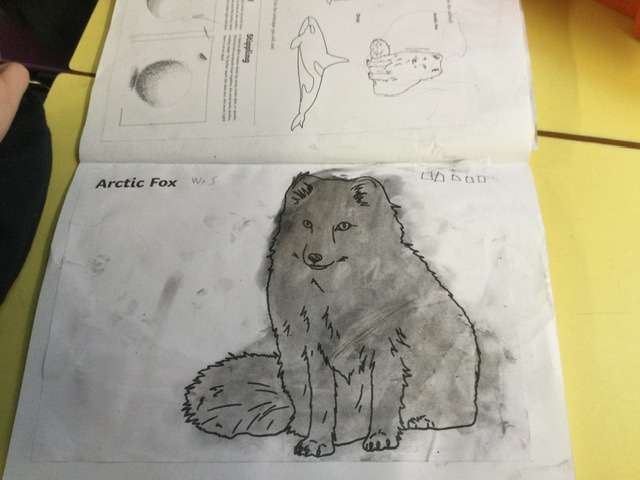
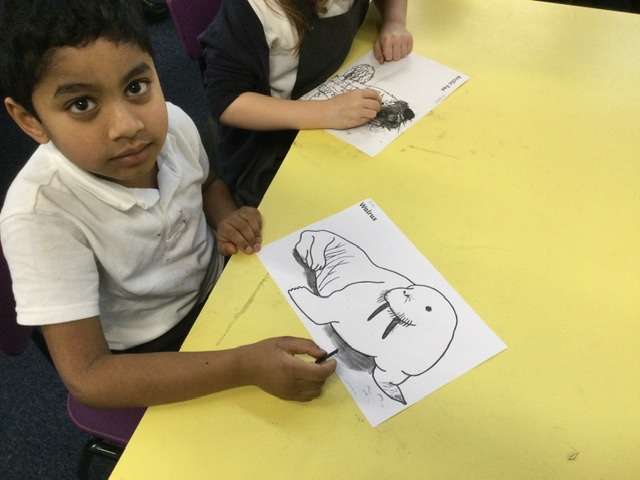
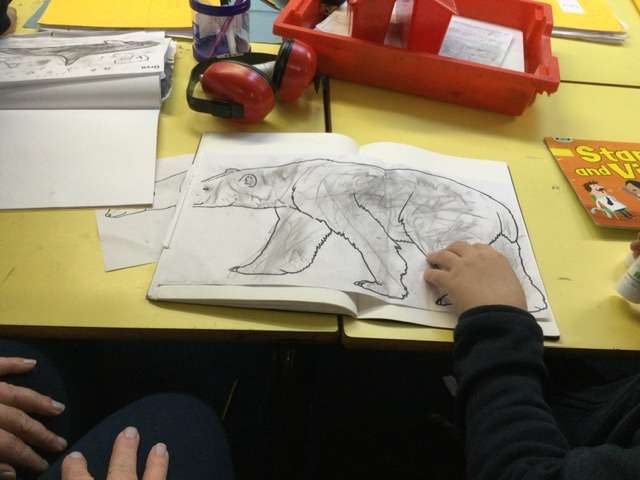
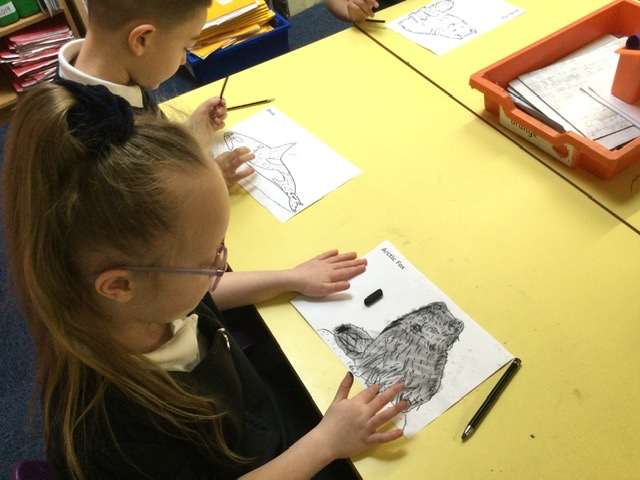
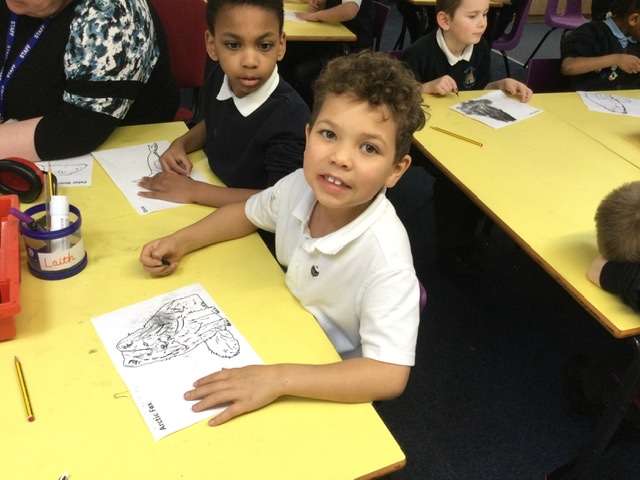
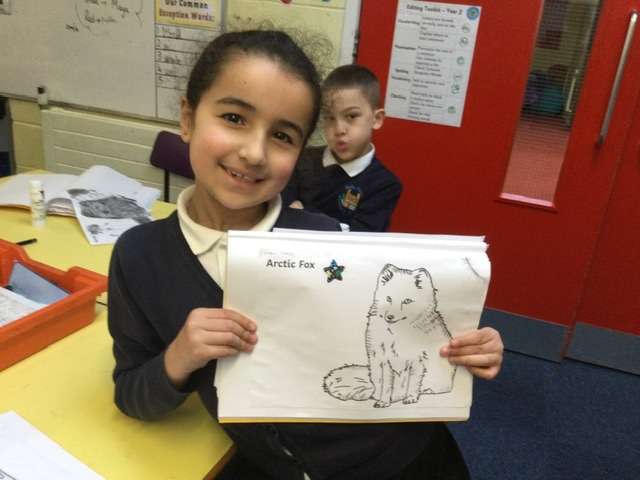
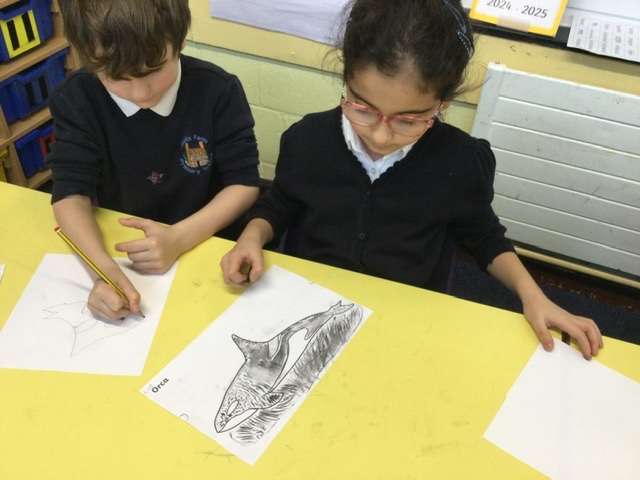
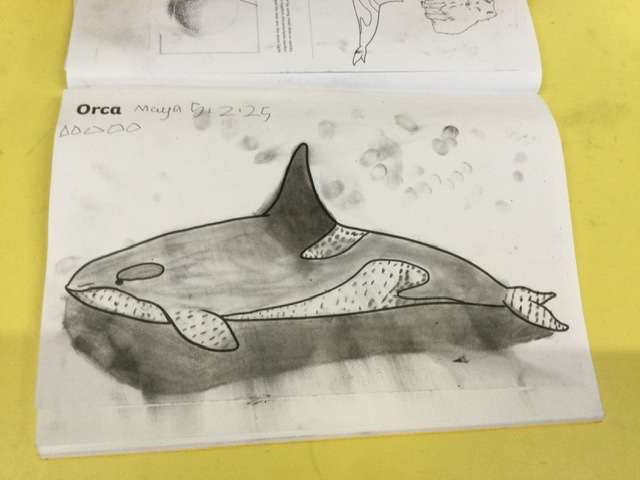
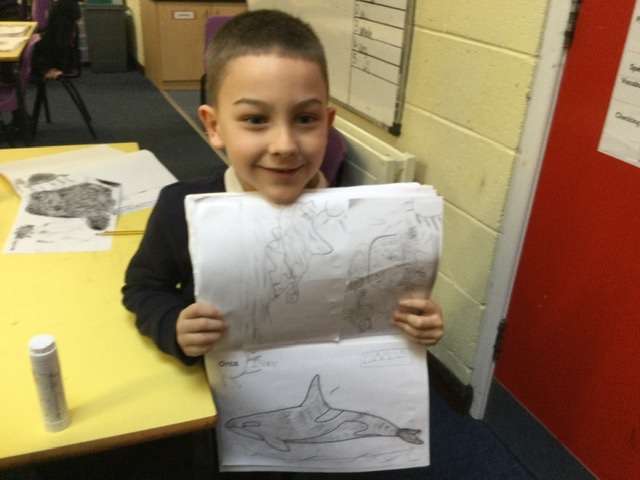
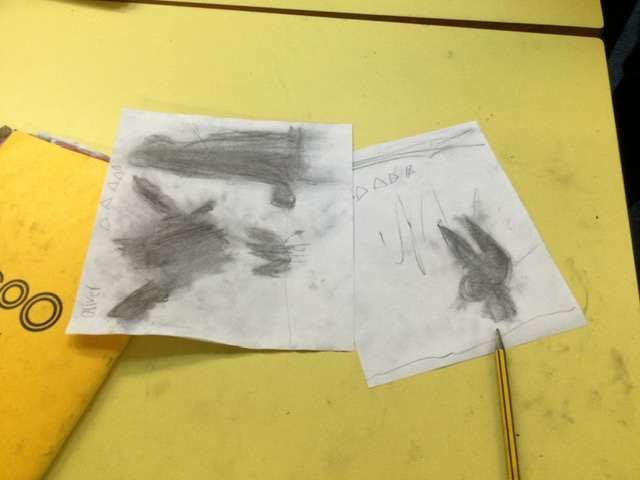
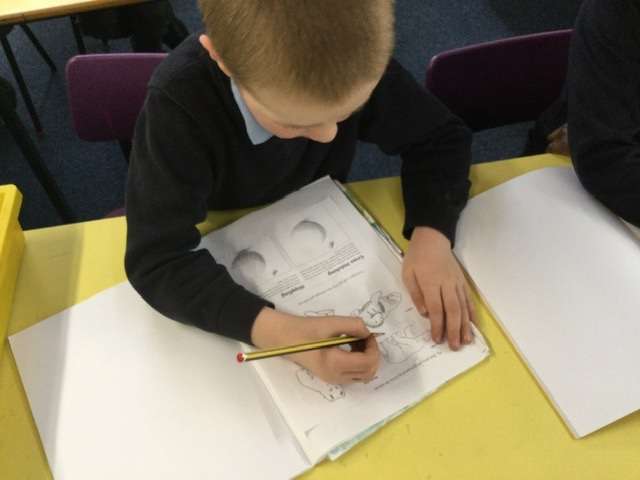
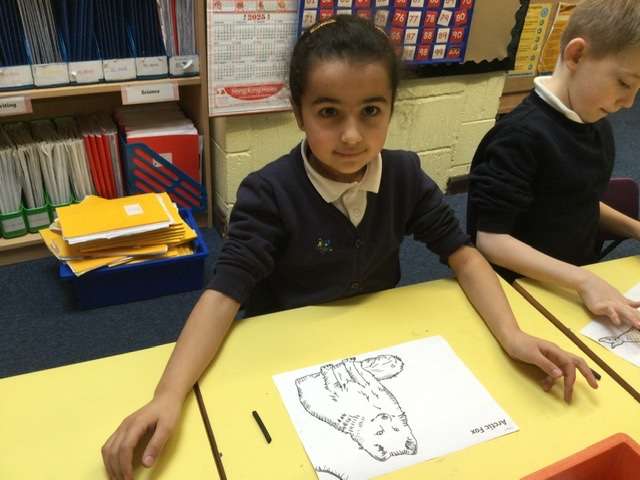
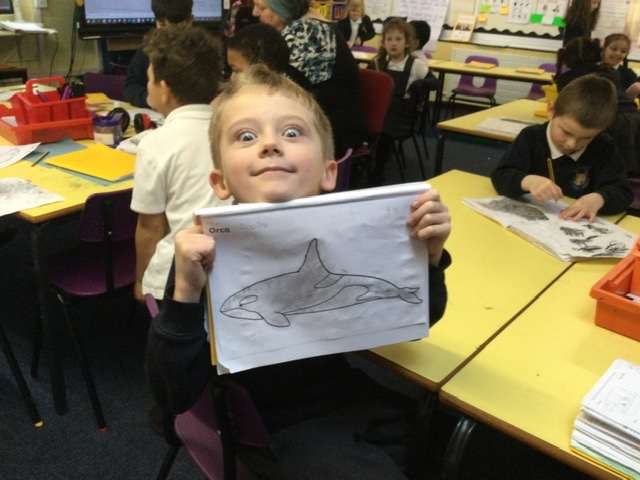
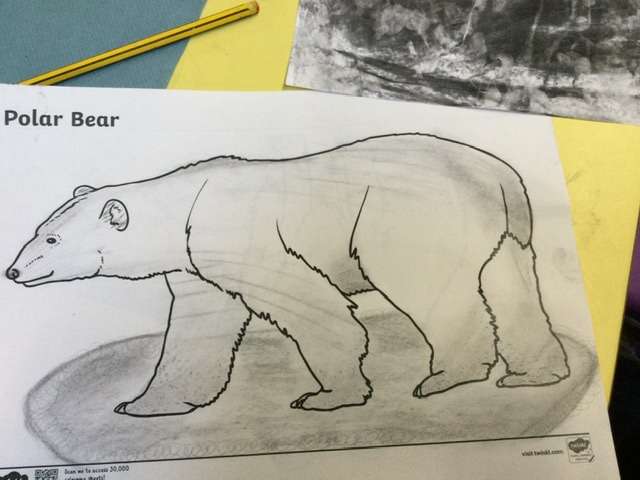
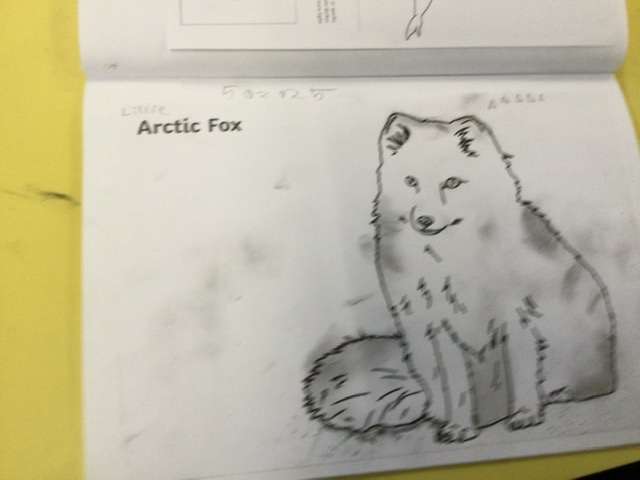
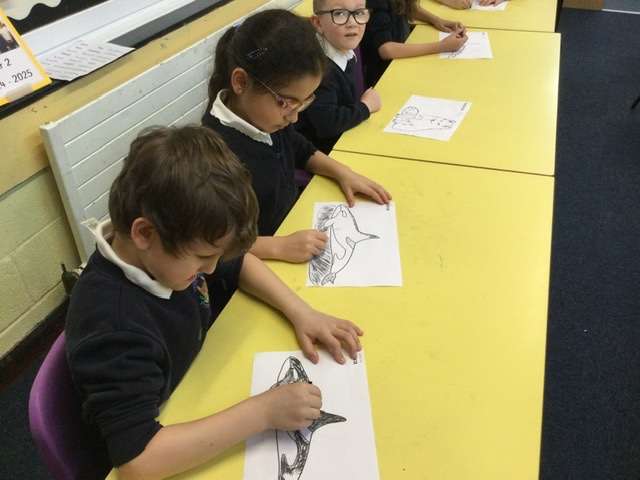
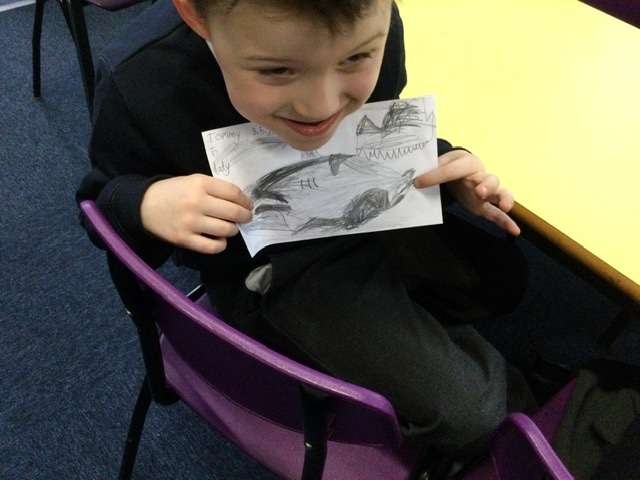
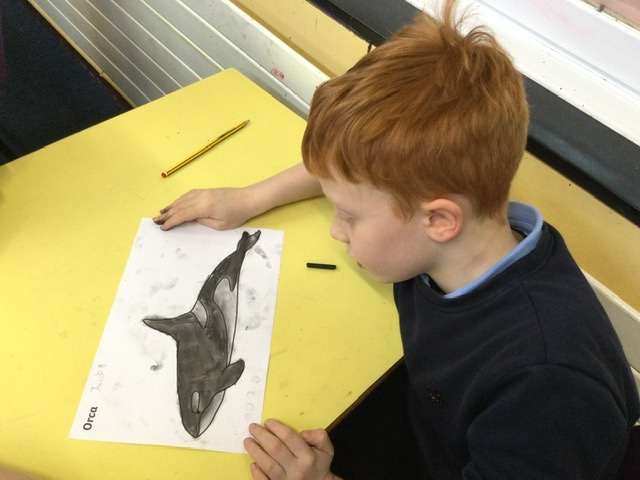
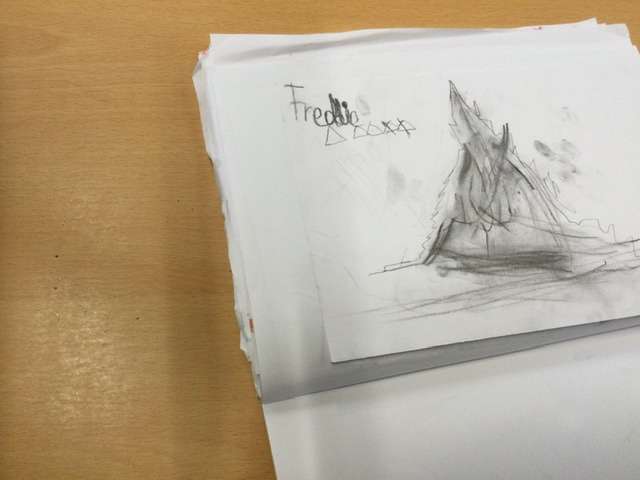
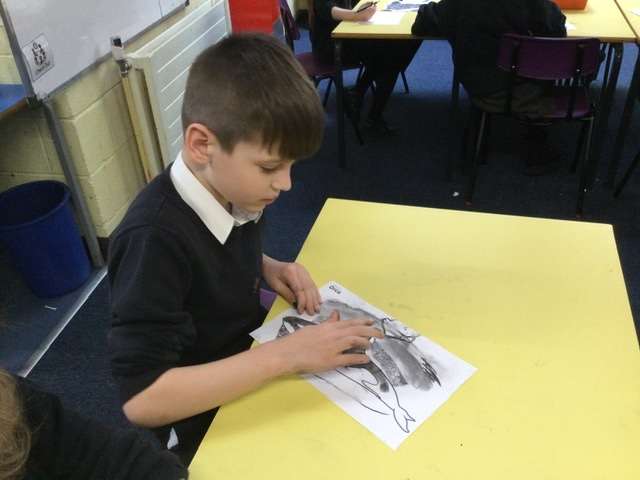
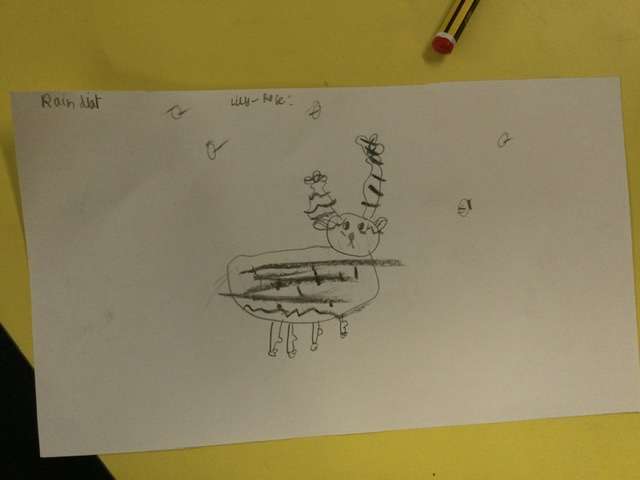
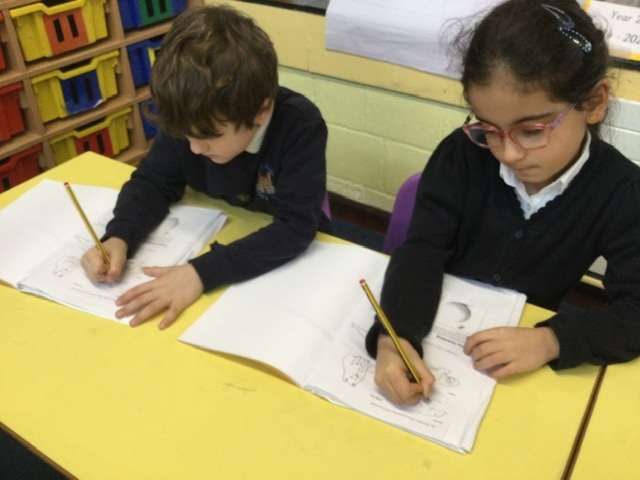
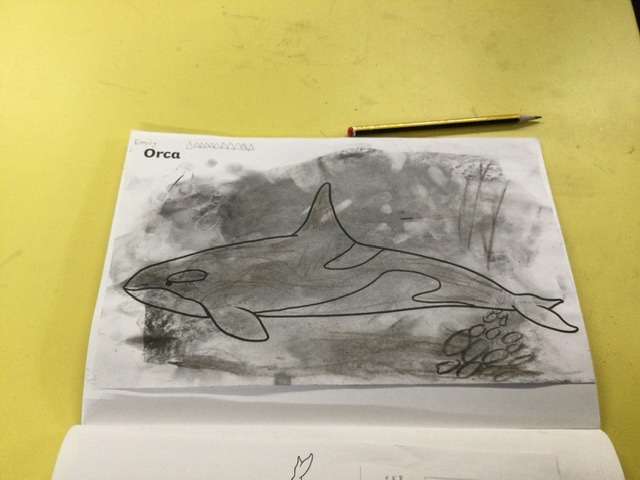
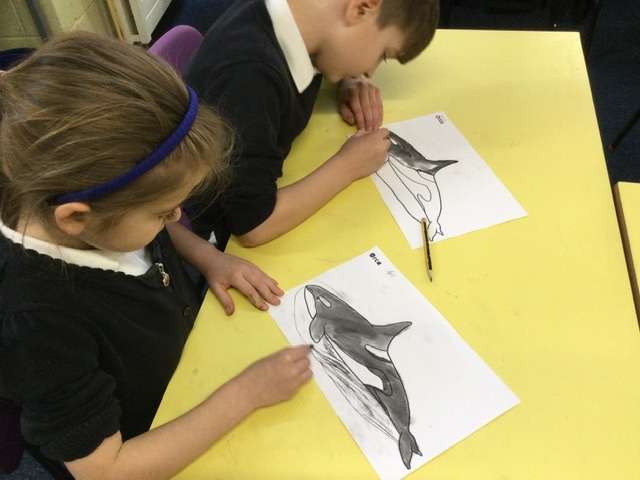
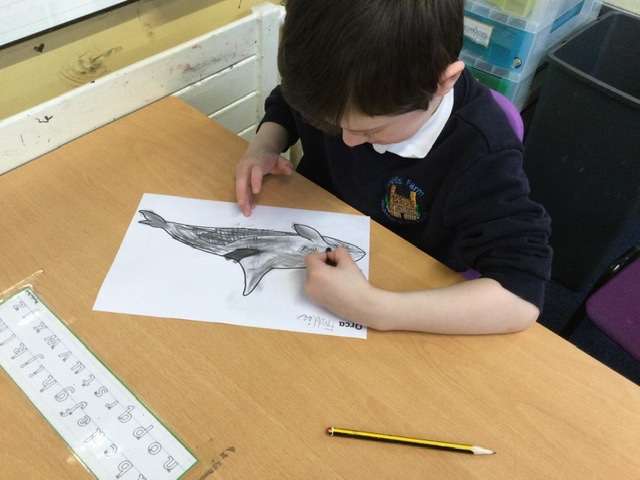
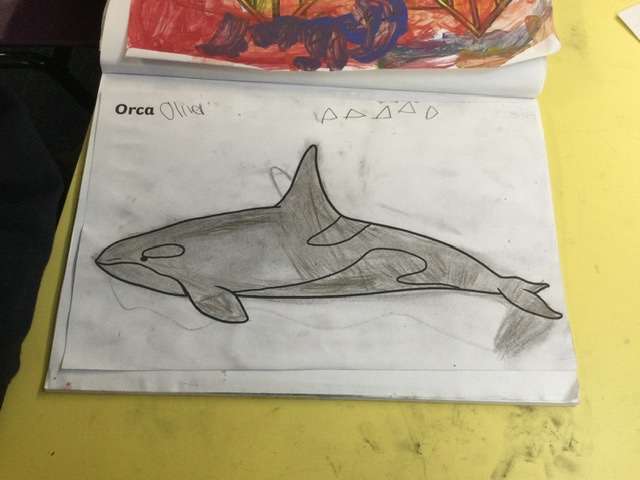
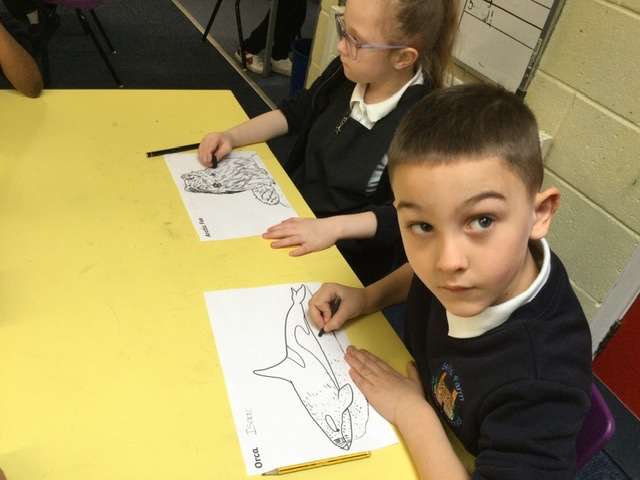
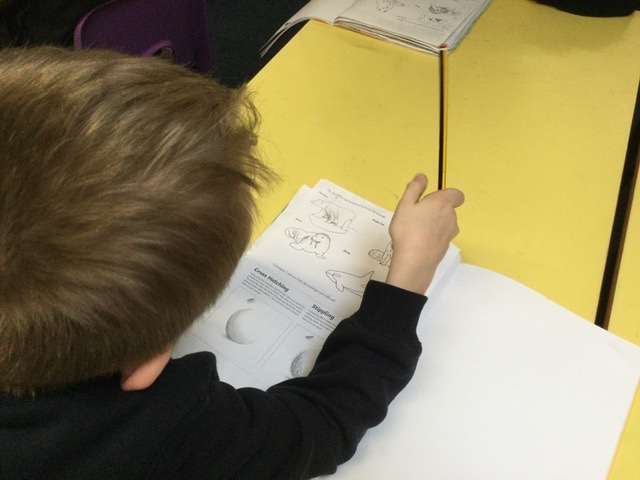
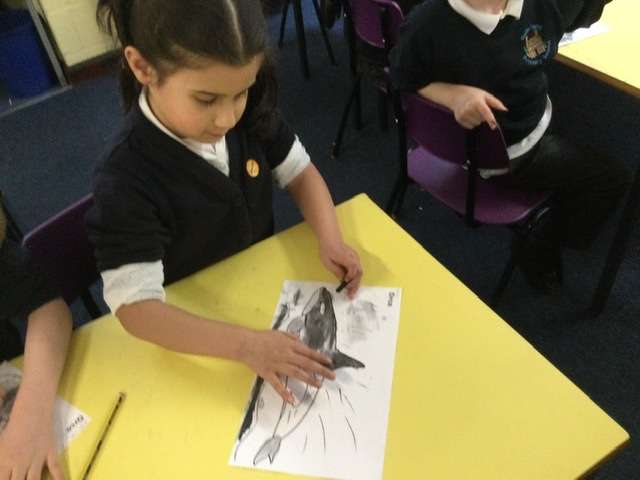
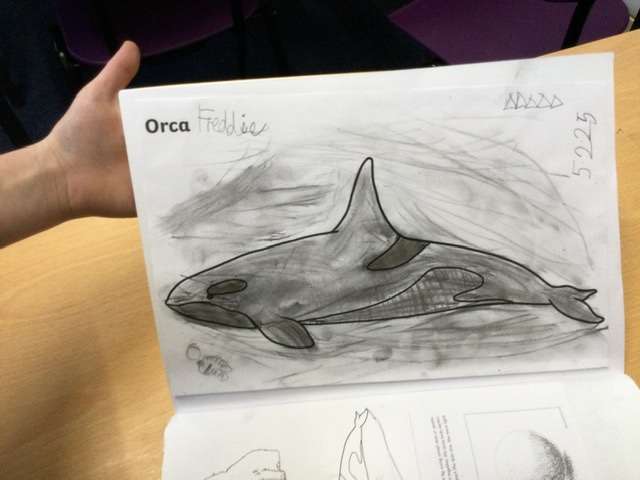
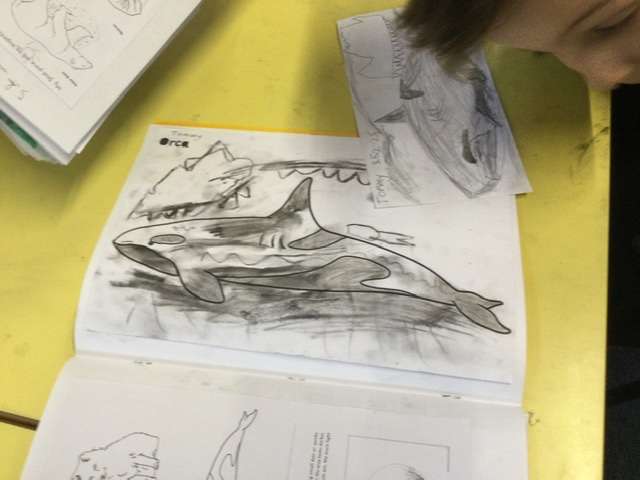
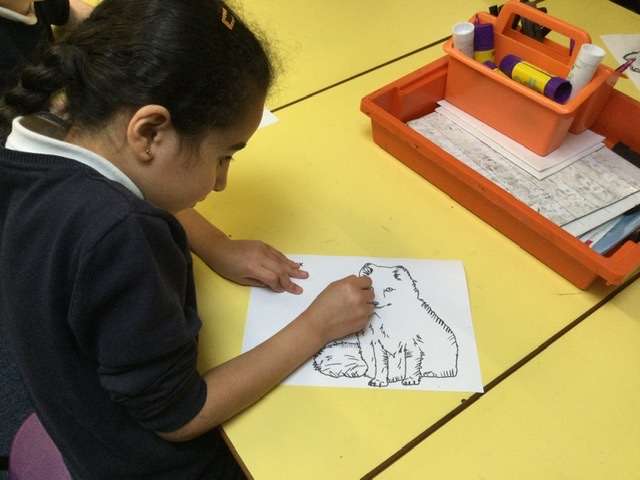
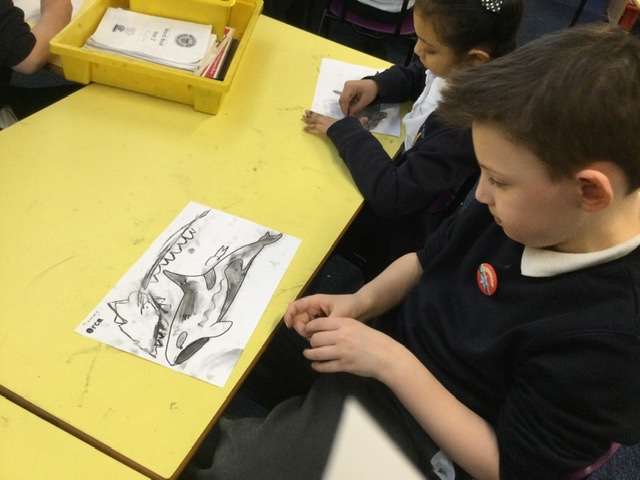
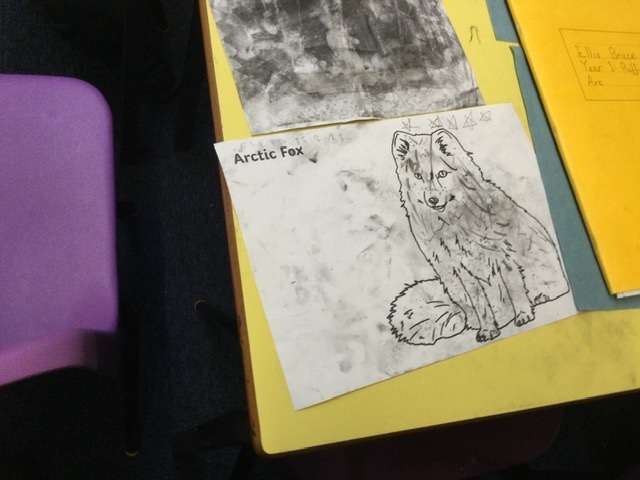
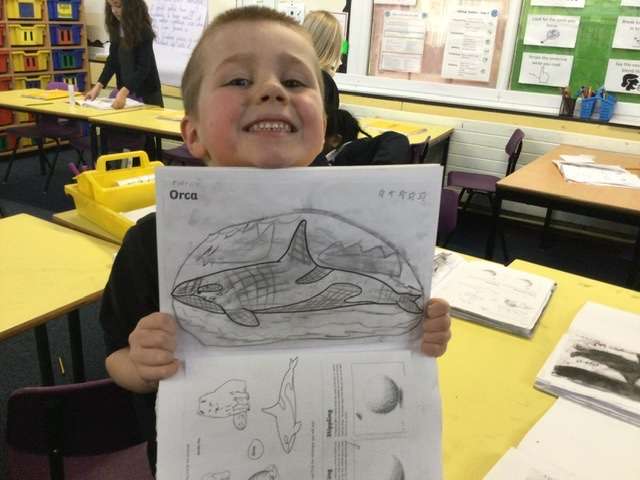
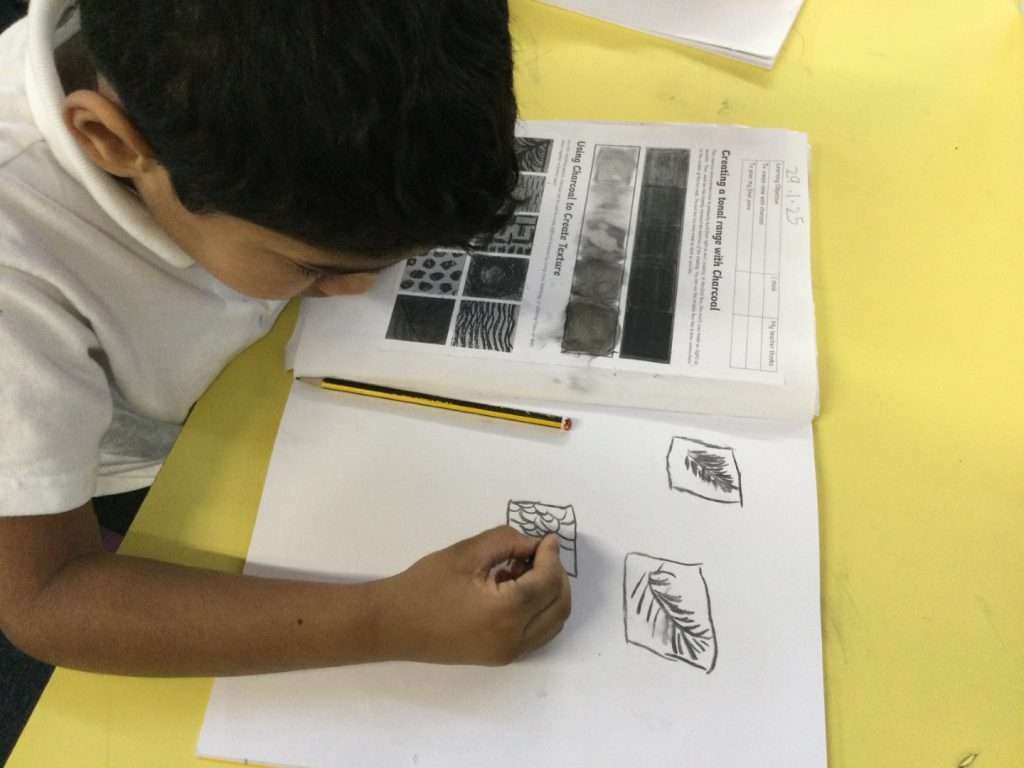
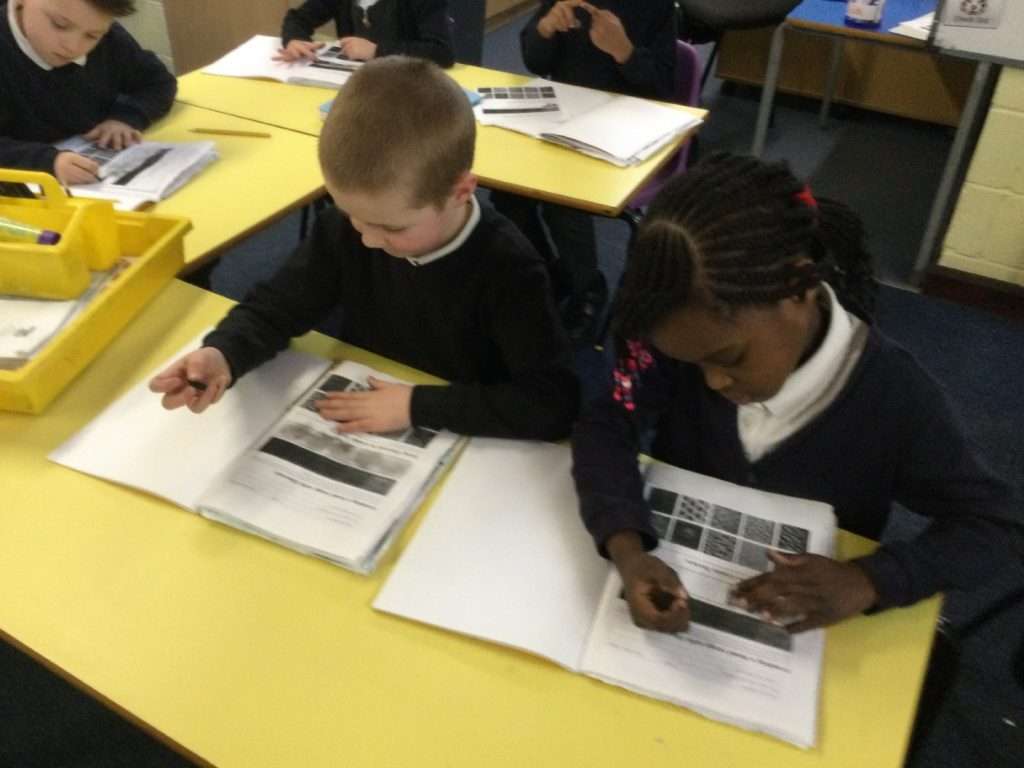
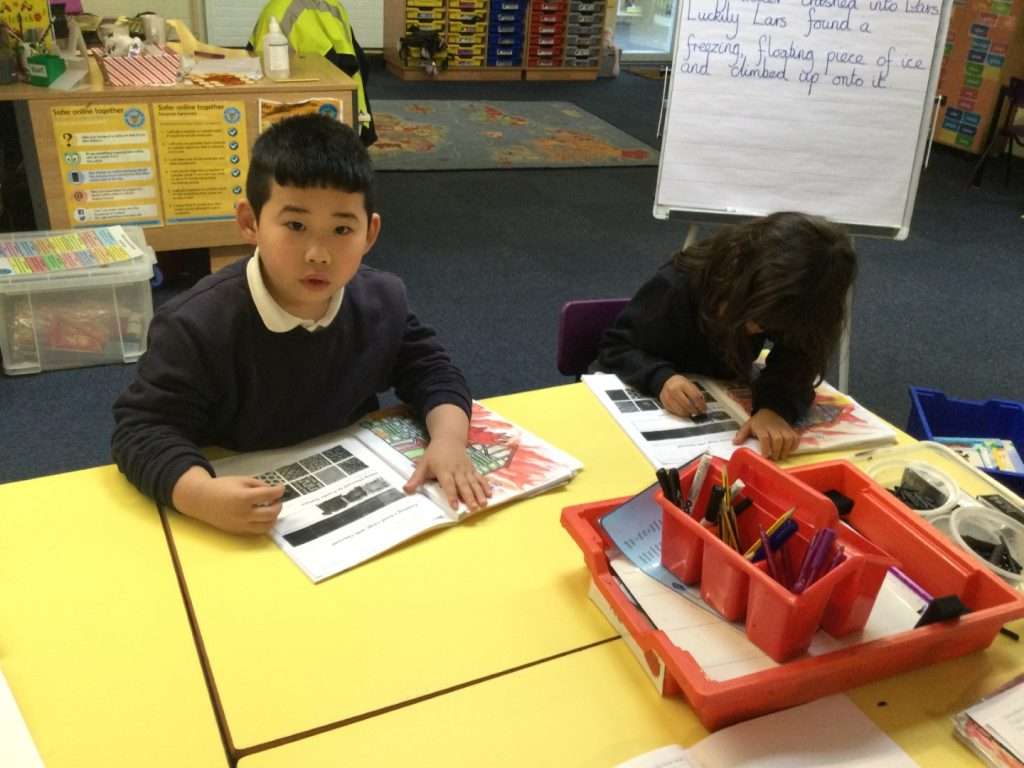
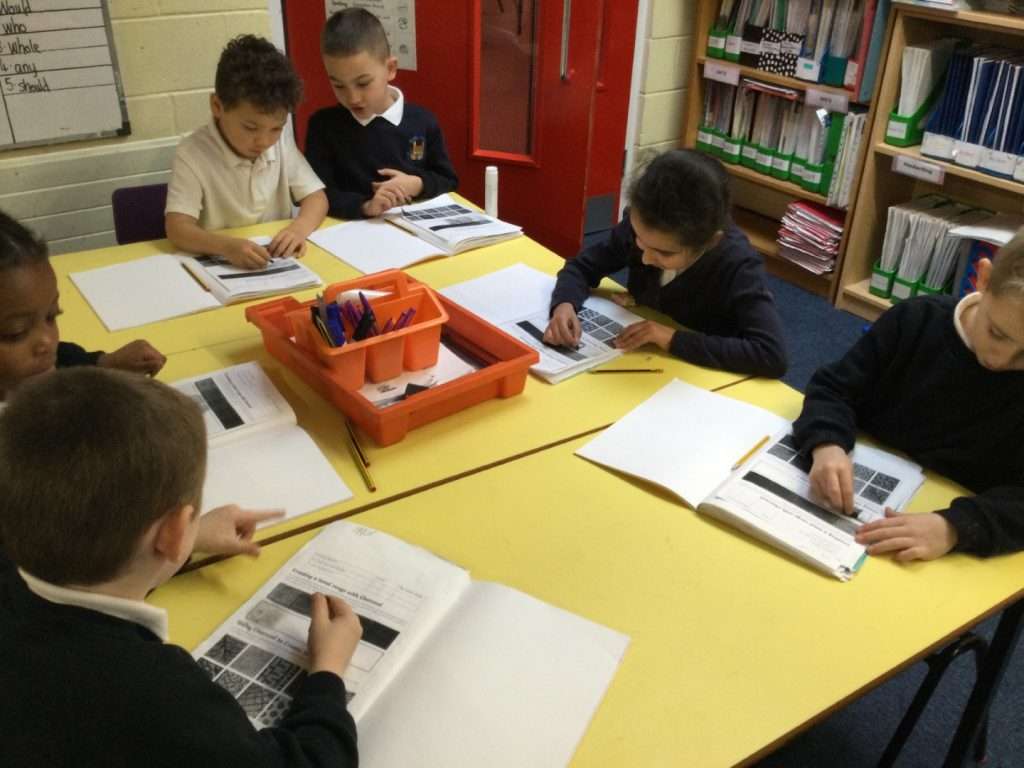
Toucans practised shading, rubbing, and adding texture using charcoal sticks and their fingers to blend. Year Two produced some fantastic work! They developed their knowledge of stippling and cross hatching. Finally, they evaluated their work.
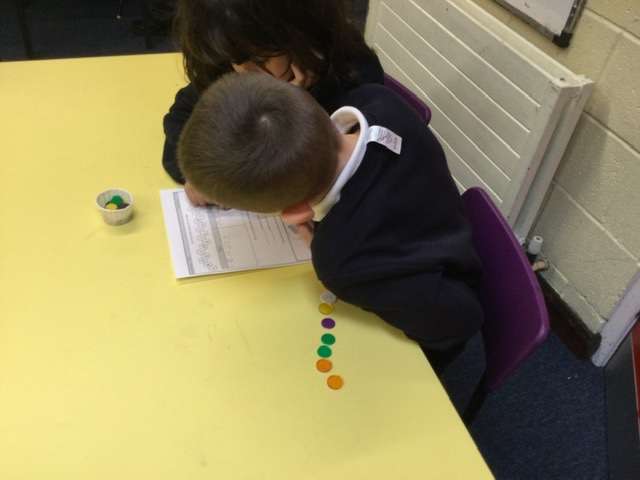
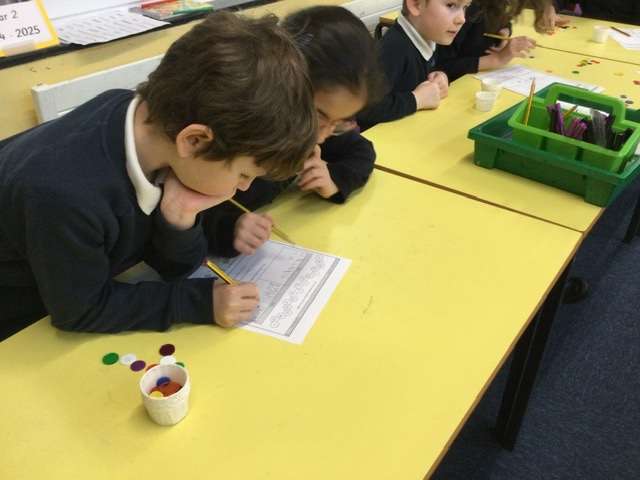
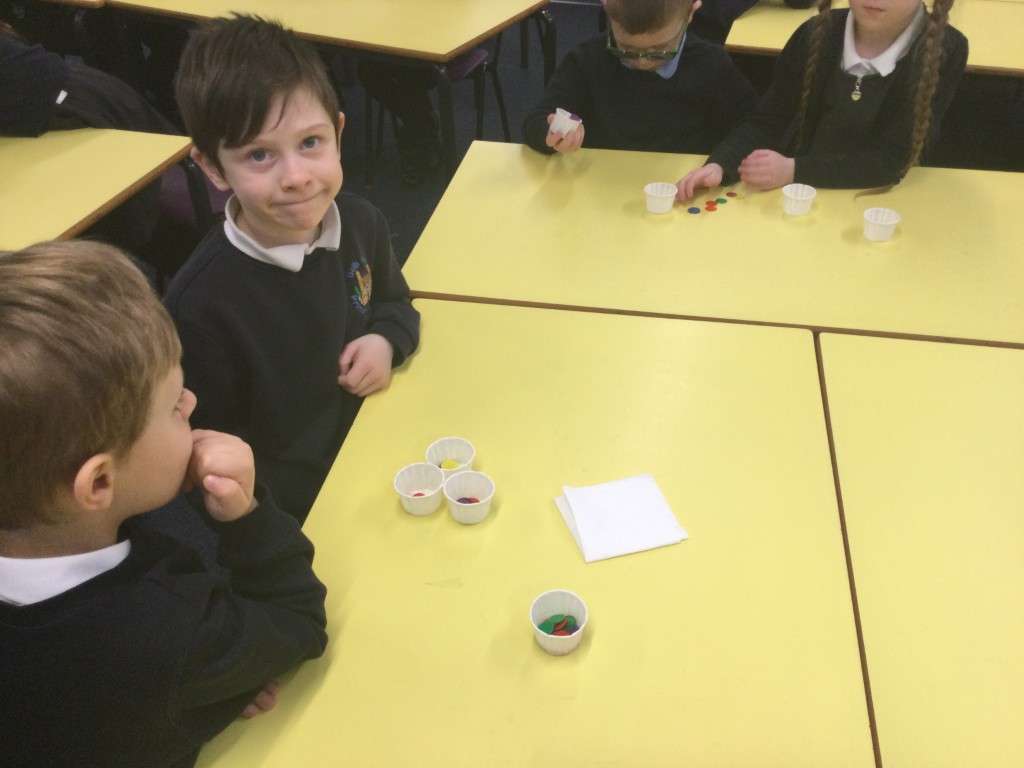
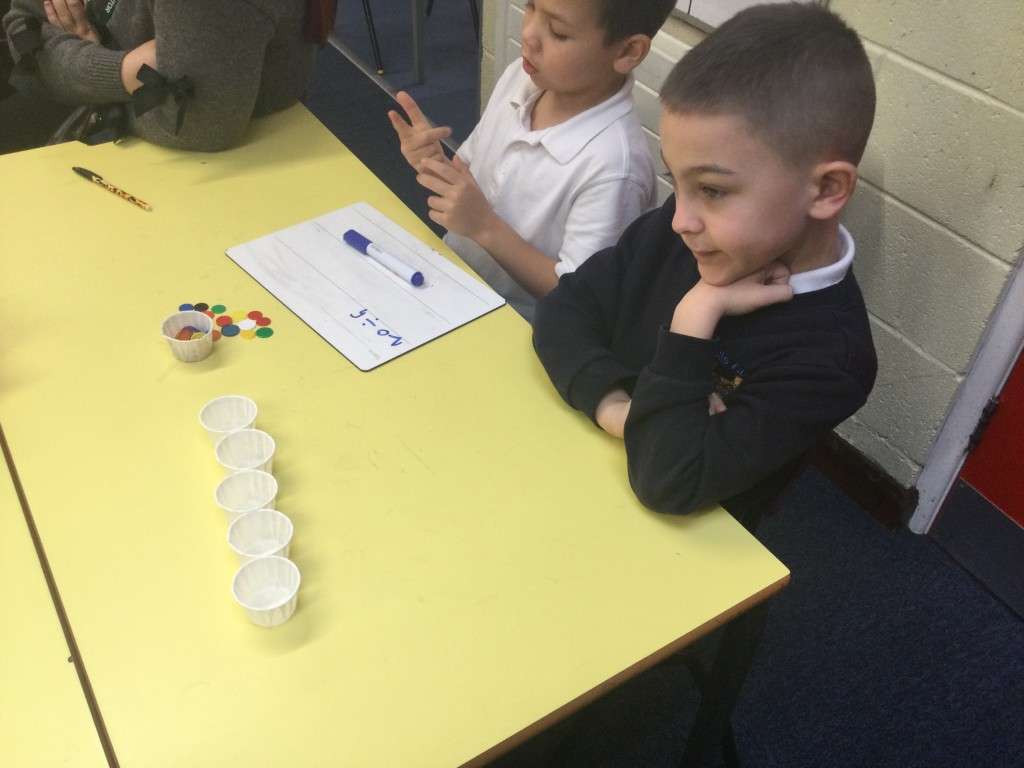
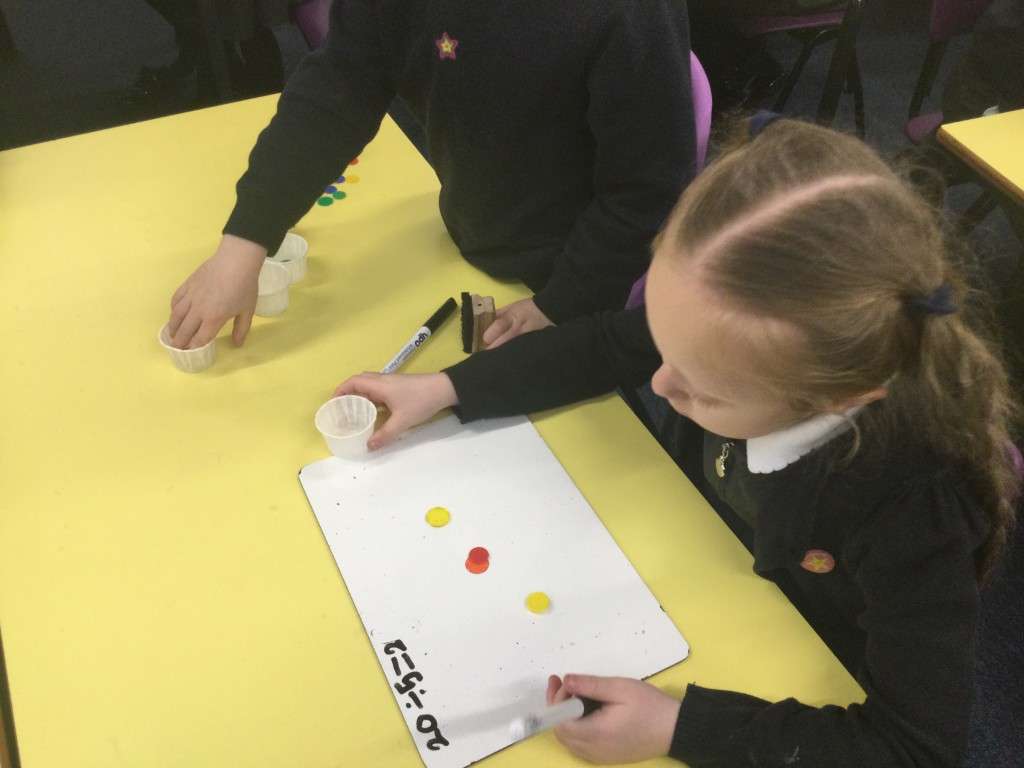
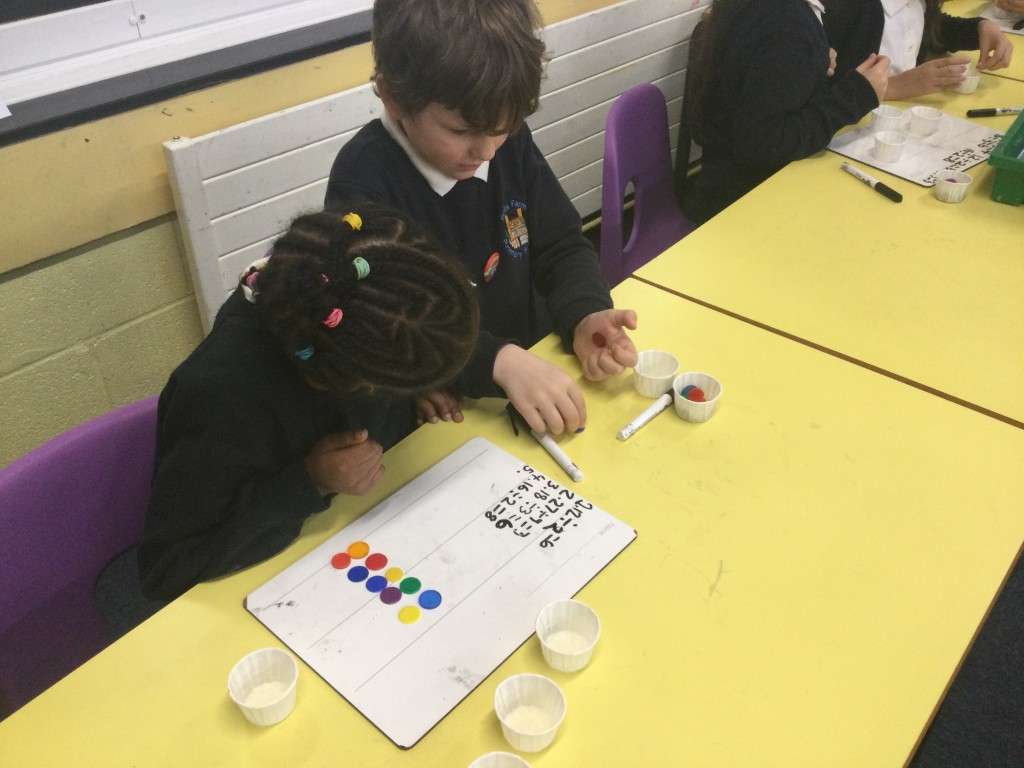
In Maths we investigated odd and even numbers. We developed a rule to let us know whether a number is odd or even. If the digits end in 0 , 2, 4, 6 or 8 then the number is even.
Today in science we learnt about food for survival.
The types of food that animals eat to survive in their habitats can vary greatly depending on the animal species and its location.
Here are some examples of different types of food that animals may eat in different habitats:
Forest: In forest habitats, animals may eat a variety of foods including fruits, nuts, leaves, insects, small mammals, and birds. For example, deer may eat leaves, berries, and acorns, while birds of prey may eat small mammals or other birds.
Grassland: In grassland habitats, animals may eat grasses, seeds, and insects. For example, bison may eat grasses, while birds such as meadowlarks may eat insects and seeds.
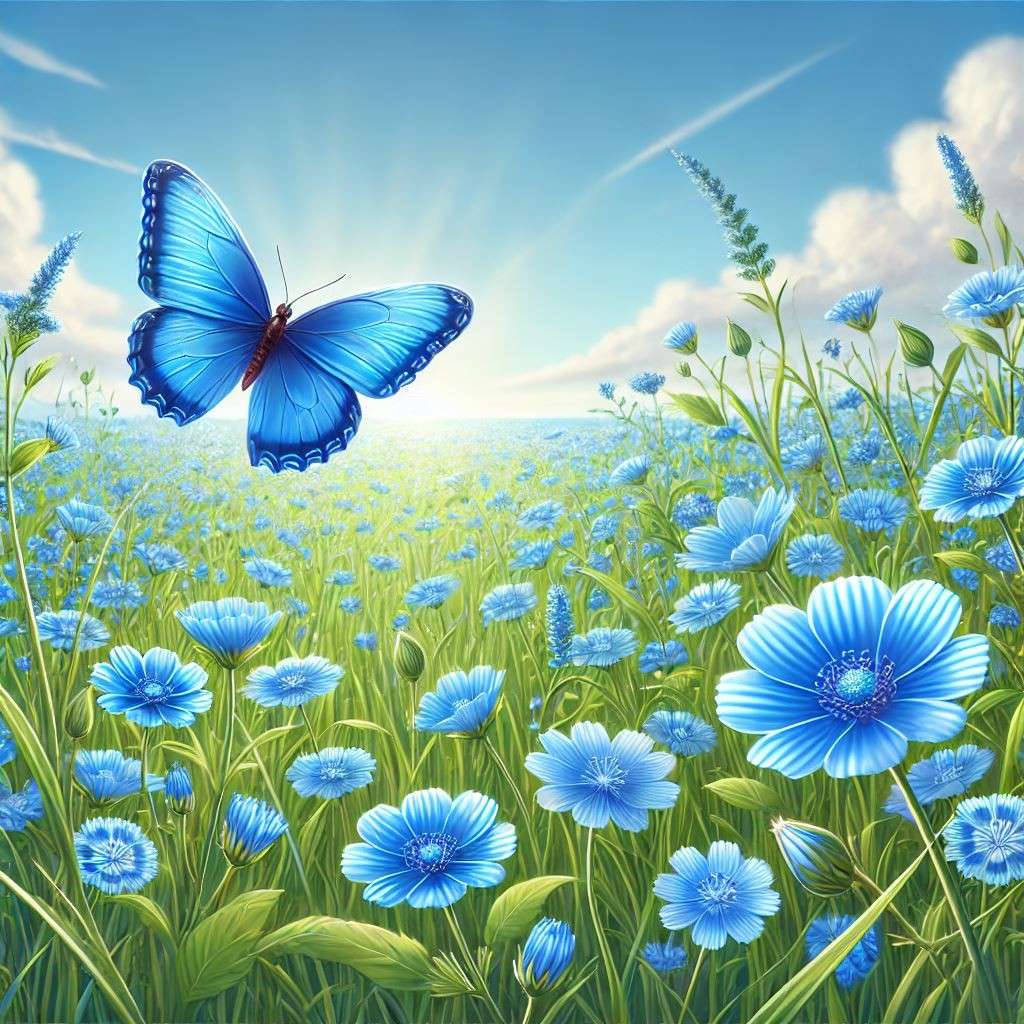
Meadows are rich in flowering plants, providing nectar, which is the primary food source for adult butterflies. Caterpillars feed on the leaves of specific host plants found in meadows
Desert: In desert habitats, animals may eat plants, insects, and small mammals. For example, kangaroo rats may eat seeds, insects, and some plants, while vultures may eat small mammals or other animals that have died in the desert.
Arctic: In Arctic habitats, animals may eat fish, seals, and other marine animals. For example, polar bears may eat seals and fish, while Arctic foxes may eat small mammals and birds.
Ocean: In ocean habitats, animals may eat a variety of foods including plankton, fish, and other marine animals. For example, whales may eat krill and other small fish, while sharks may eat larger fish and marine mammals.
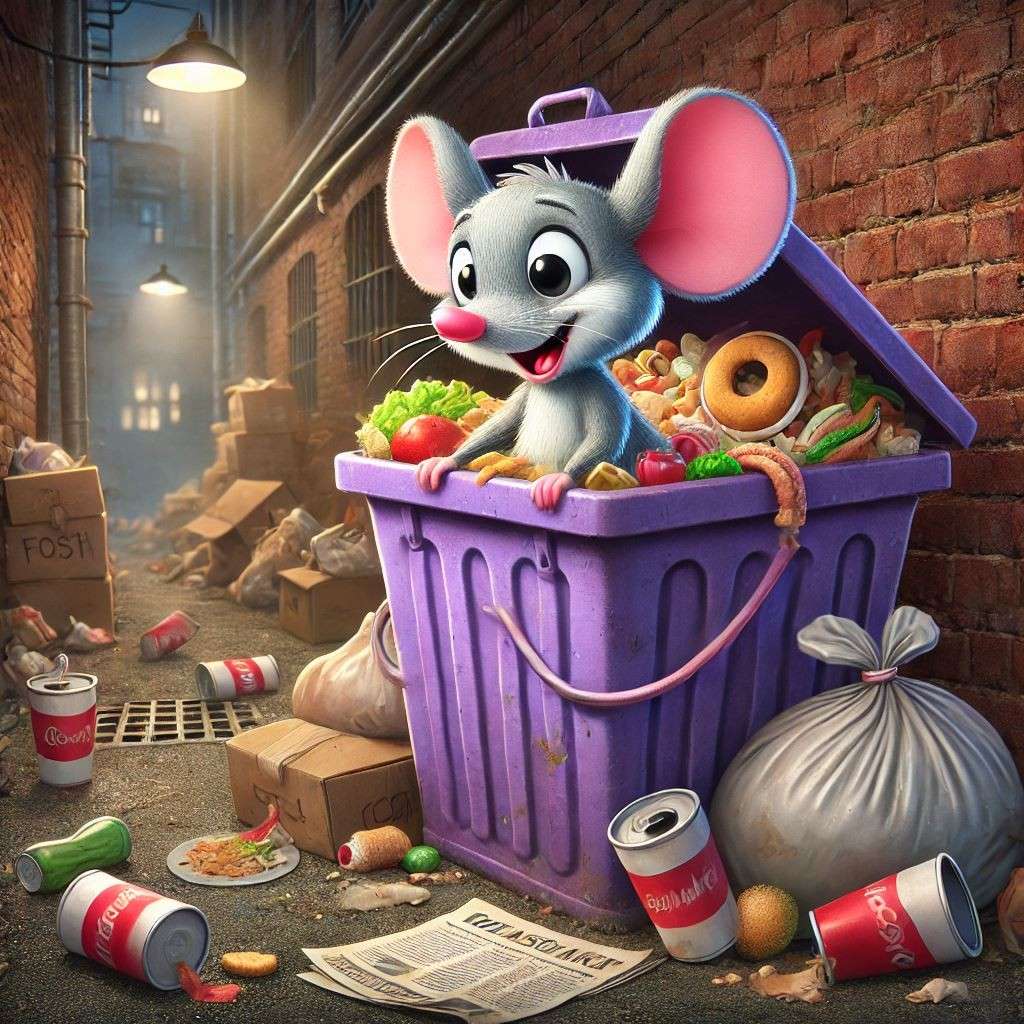
A mouse inside a dustbin would likely find plenty of food to survive on. Mice are opportunistic feeders and can eat a wide variety of items, including: – **Leftover food scraps**: Bits of bread, pasta, rice, and other discarded human food. – **Fruits and vegetables**: Peels, cores, and other parts of fruits and vegetables. – **Meat scraps**: Small pieces of meat or bones. – **Grains and cereals**: Any spilled or discarded grains, cereals, or seeds. – **Insects**: Mice can also eat insects that might be attracted to the rubbish. Mice are very adaptable and can make the most out of whatever food sources are available to them. Have you ever seen a mouse in an unusual place? 🐭