Toucans have won twice in a month! Can we make it a hat-trick?!


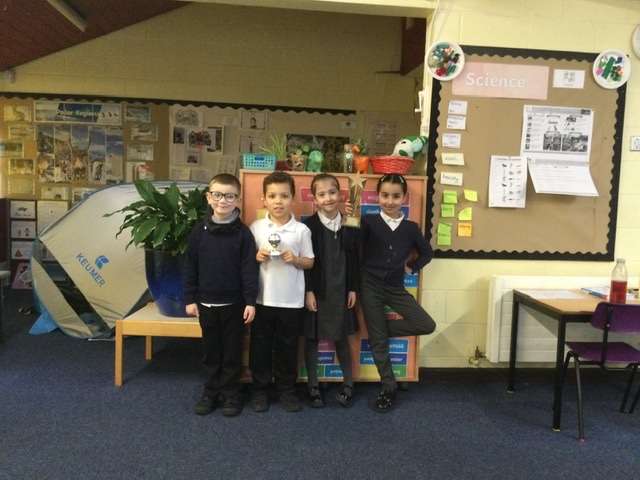


Toucans have won twice in a month! Can we make it a hat-trick?!
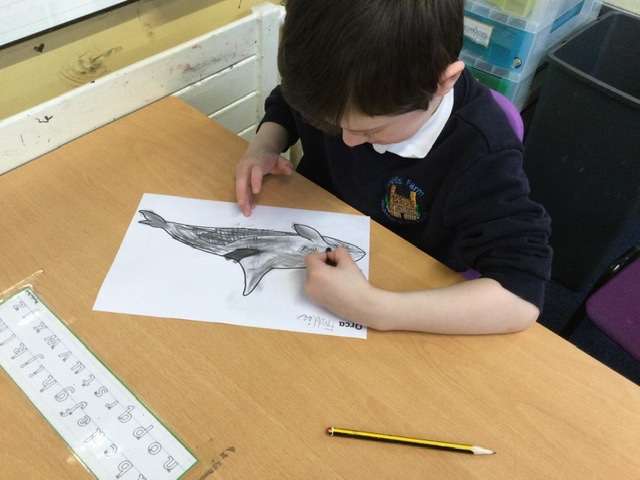
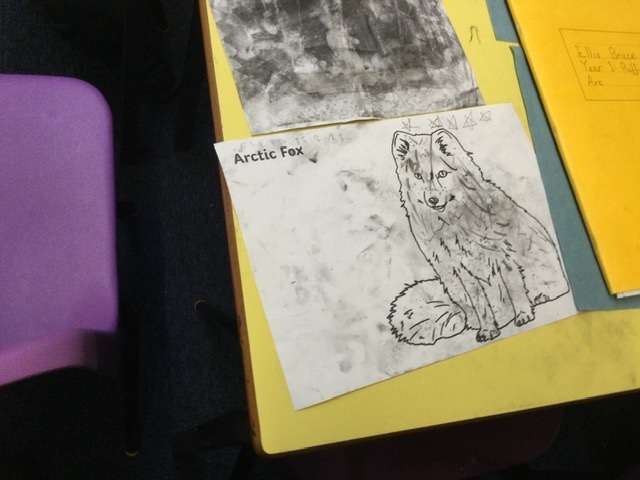
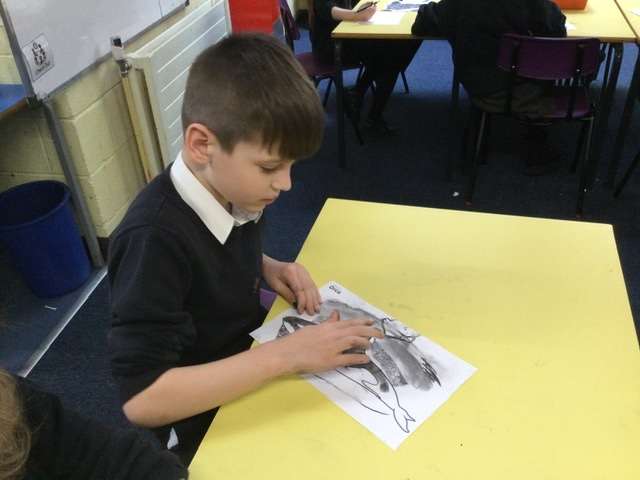
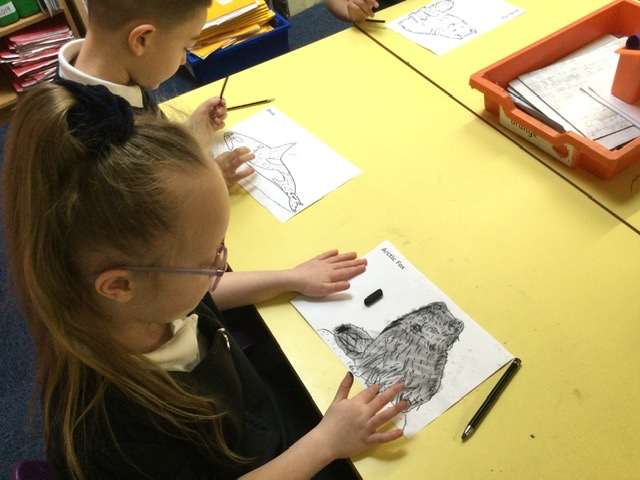
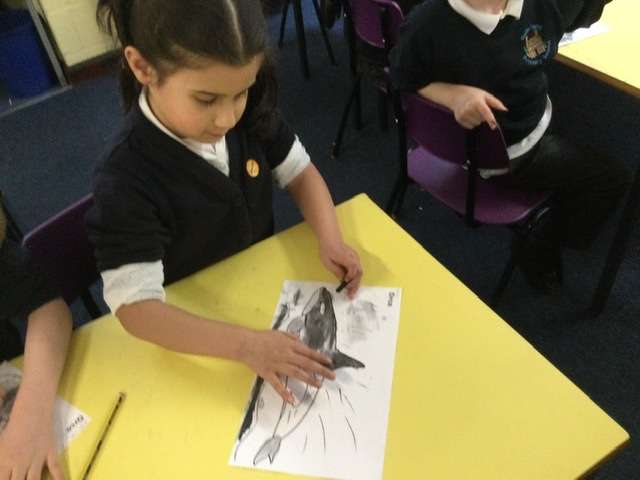
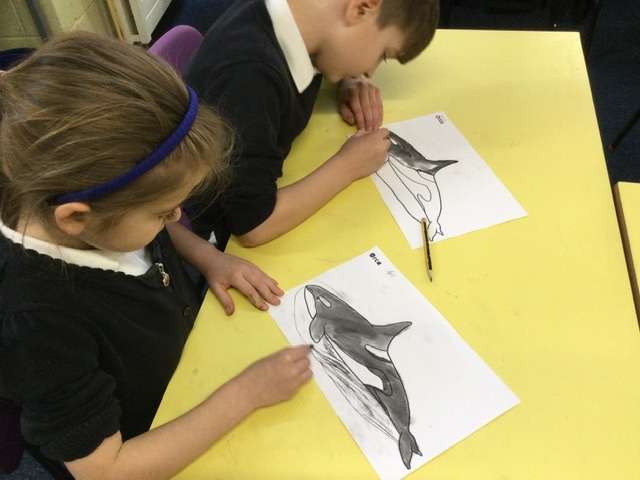
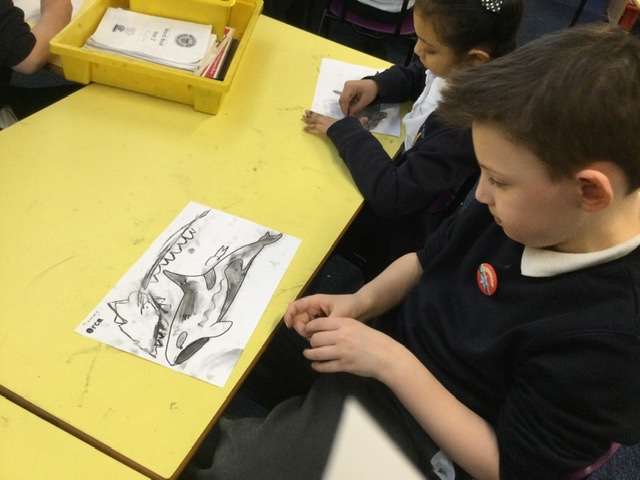
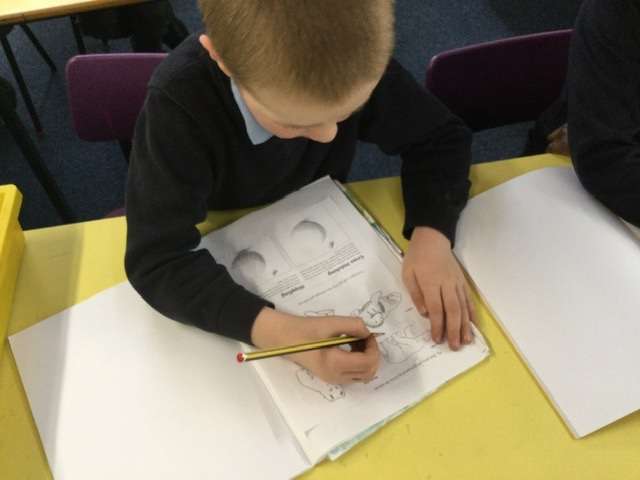
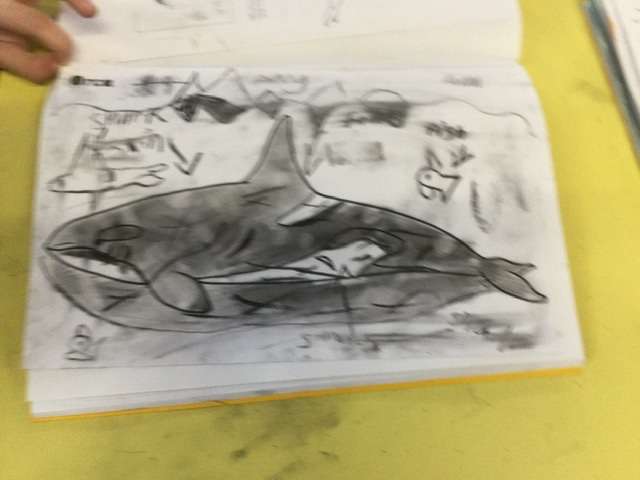
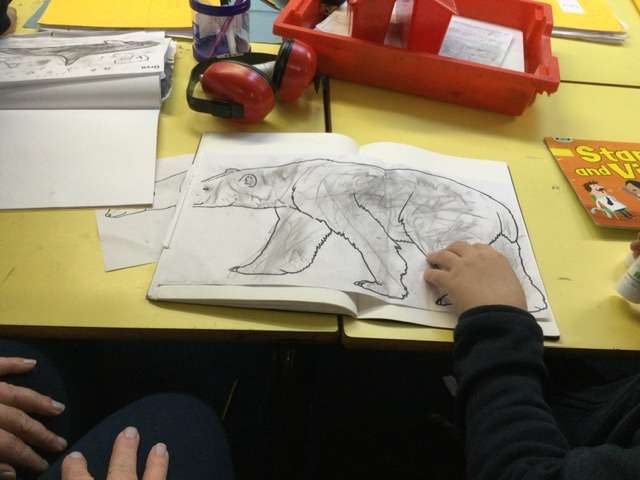
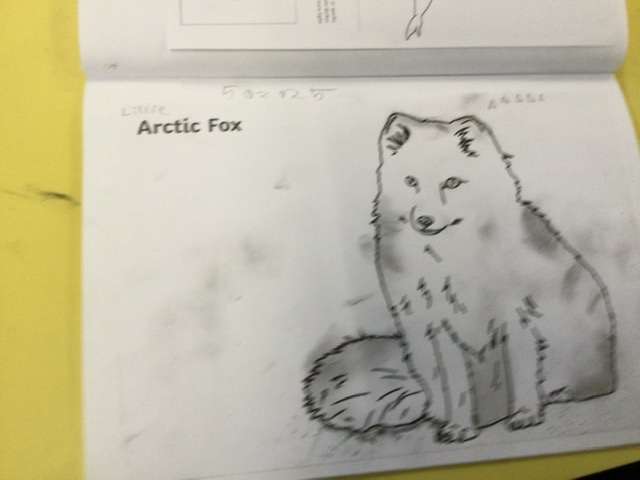
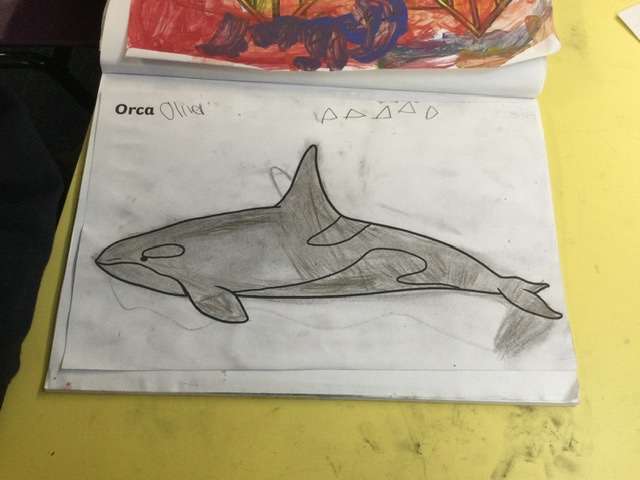
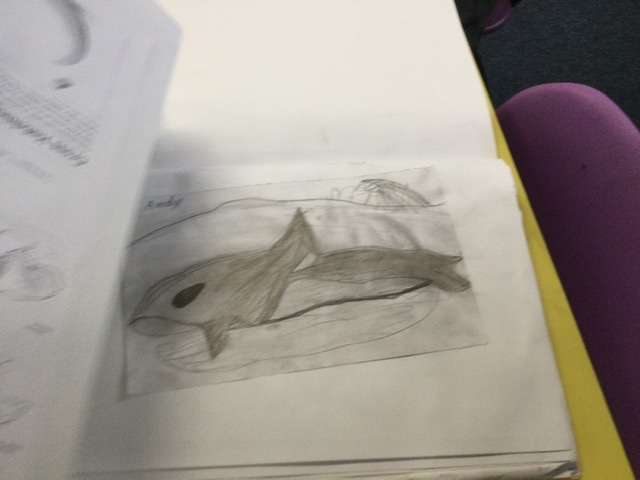
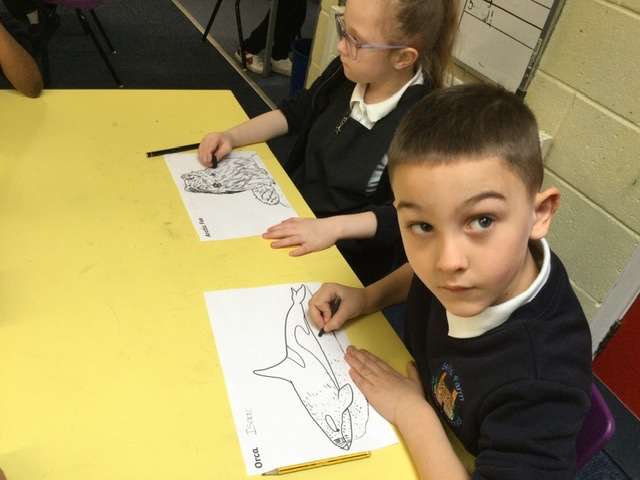
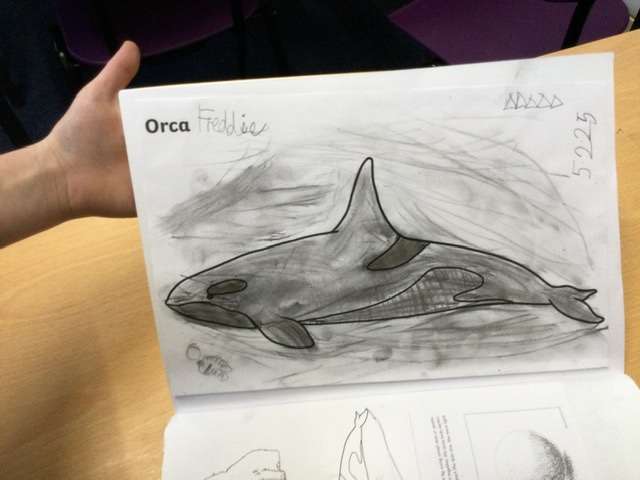
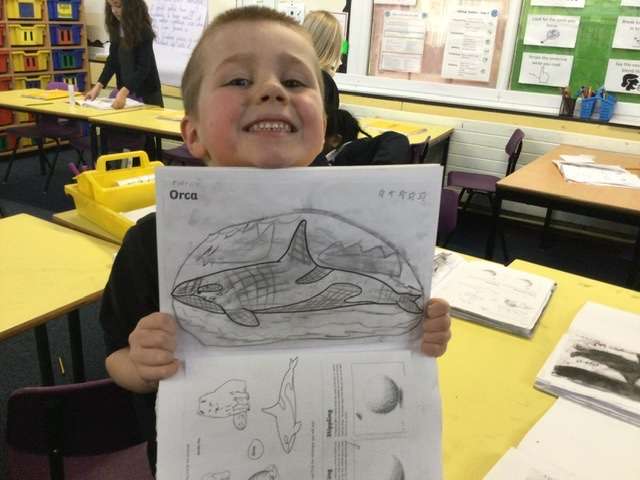
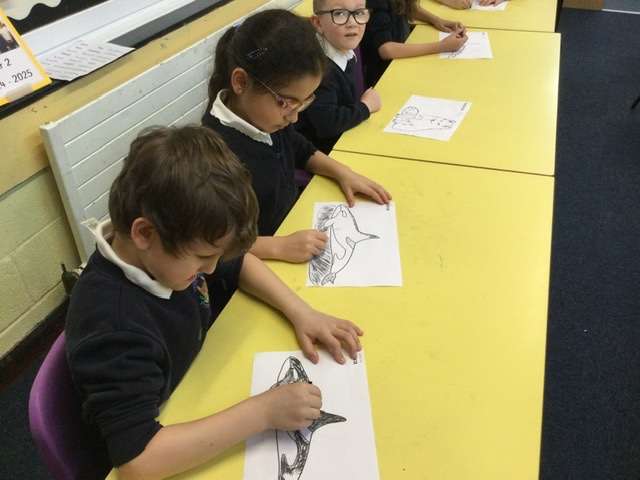
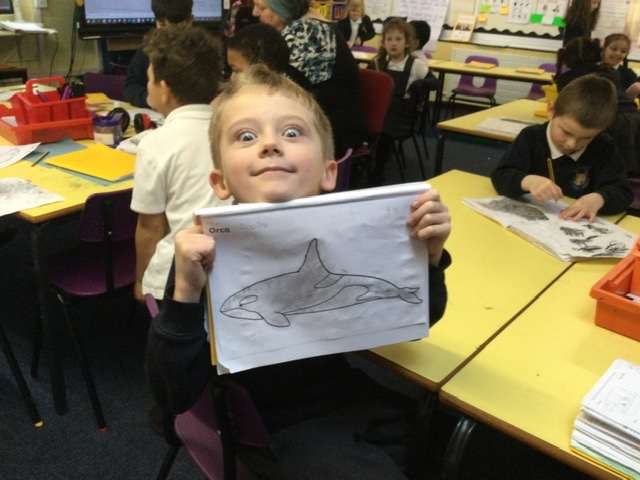
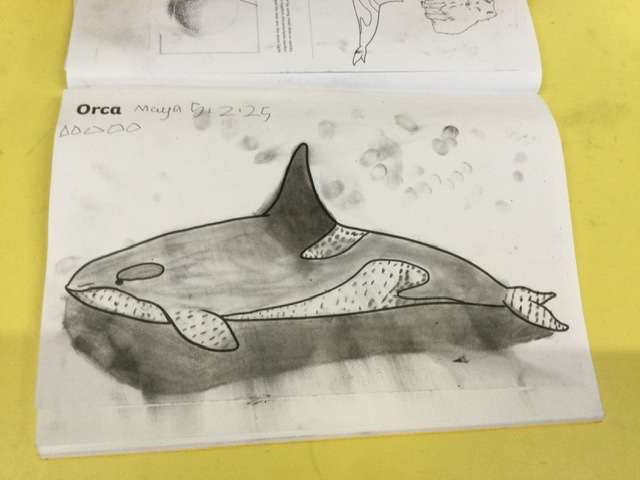
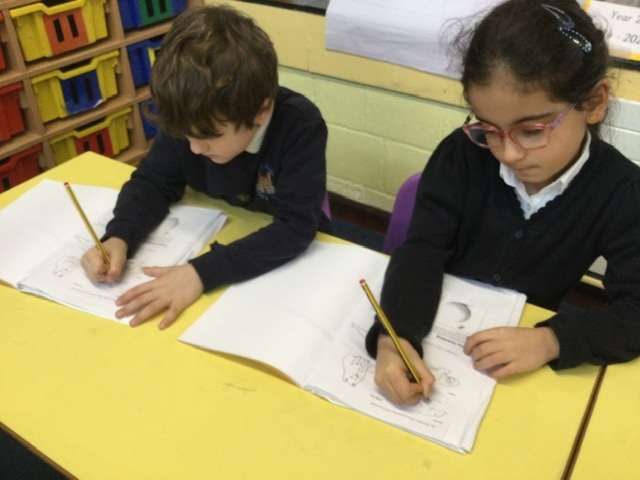
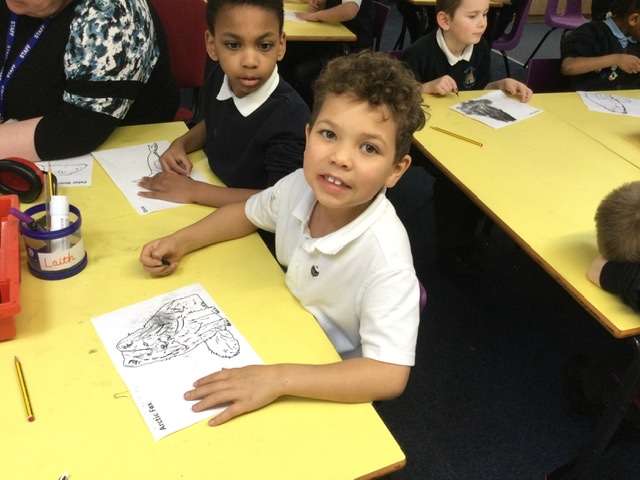
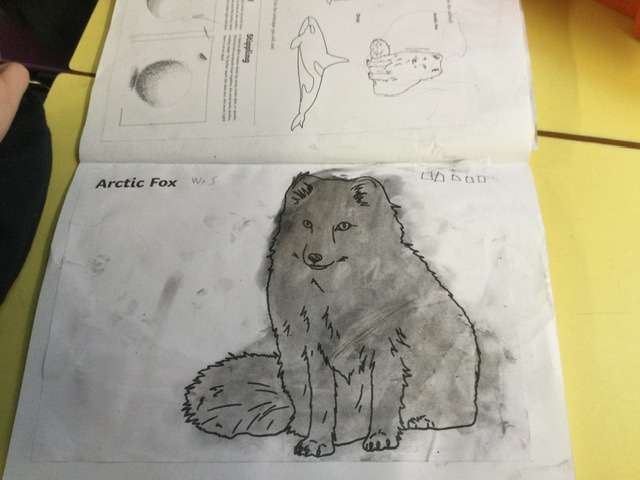
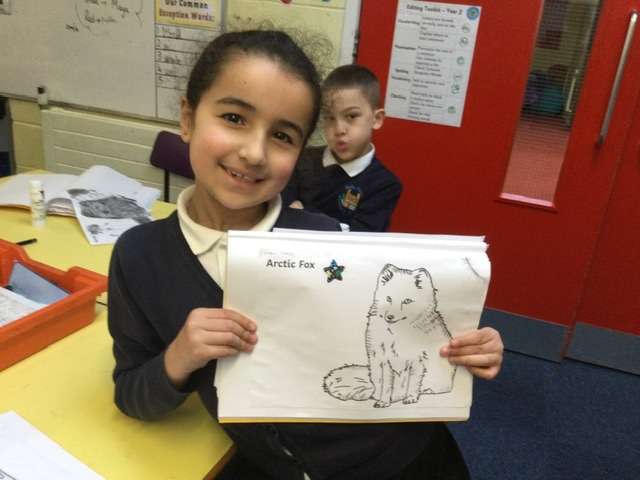
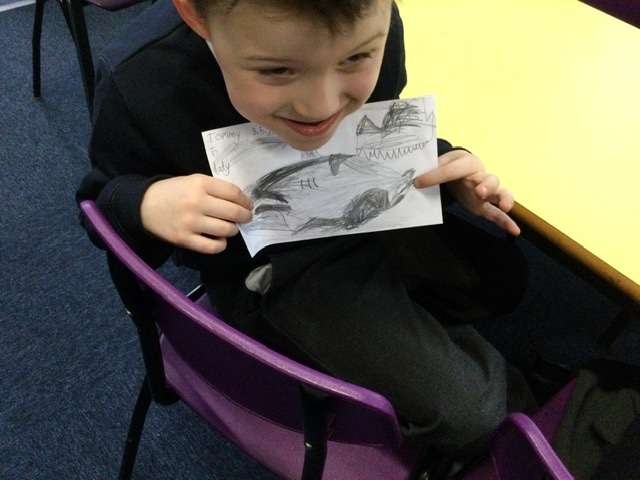
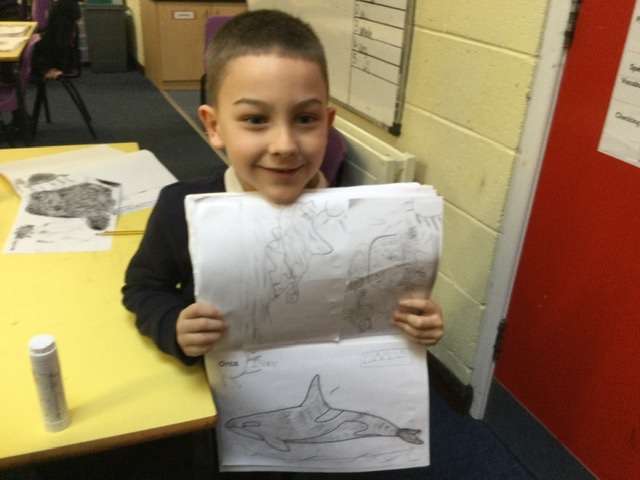
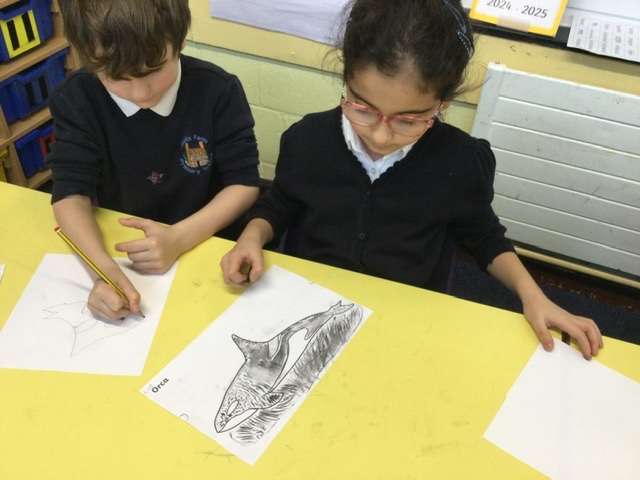
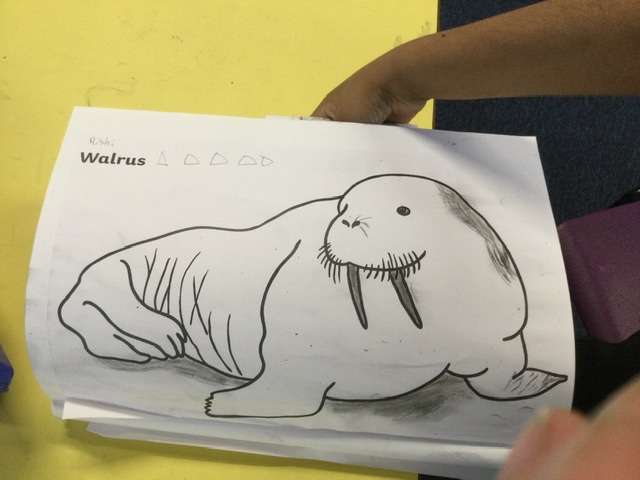
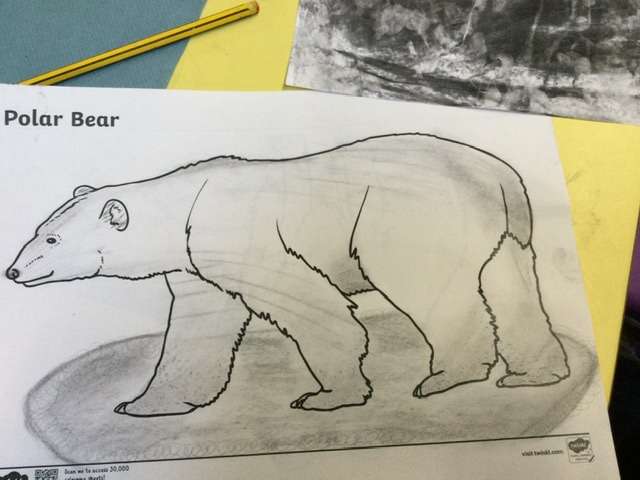
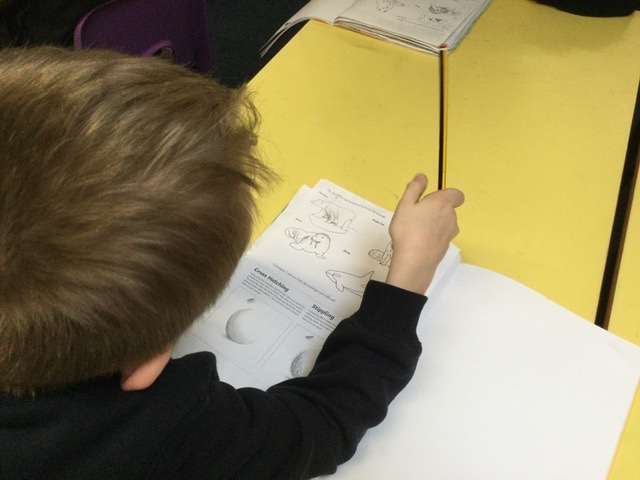
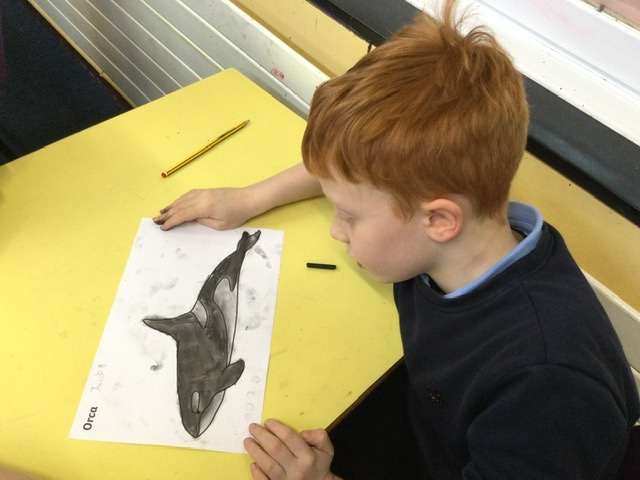
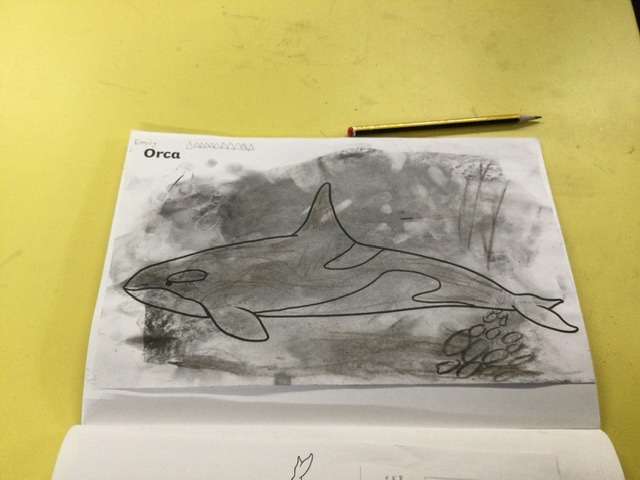
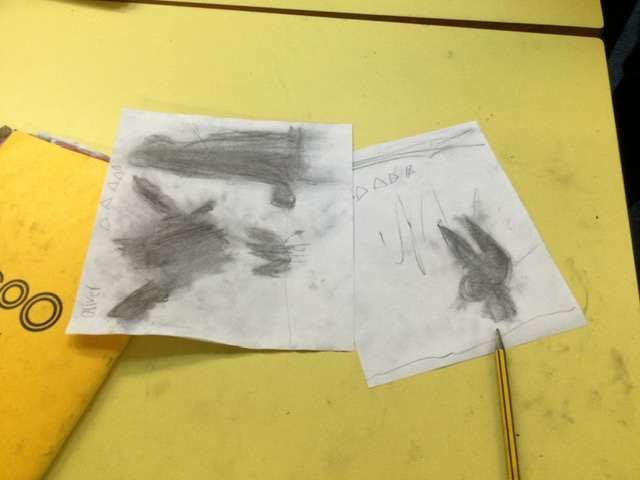
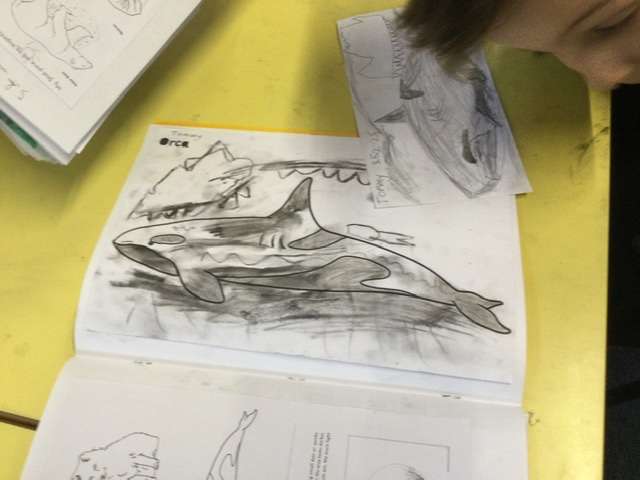
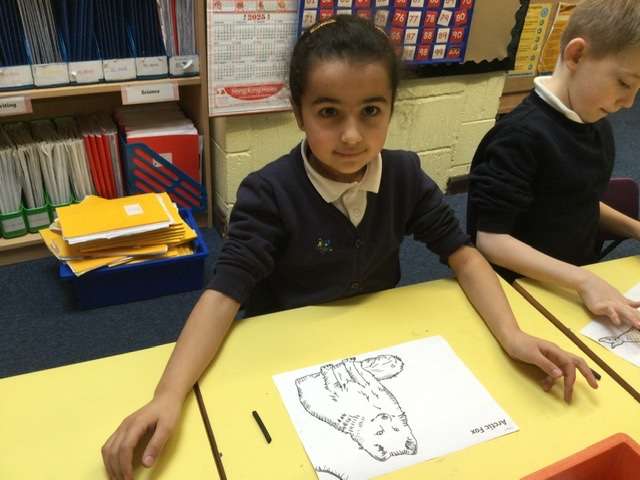
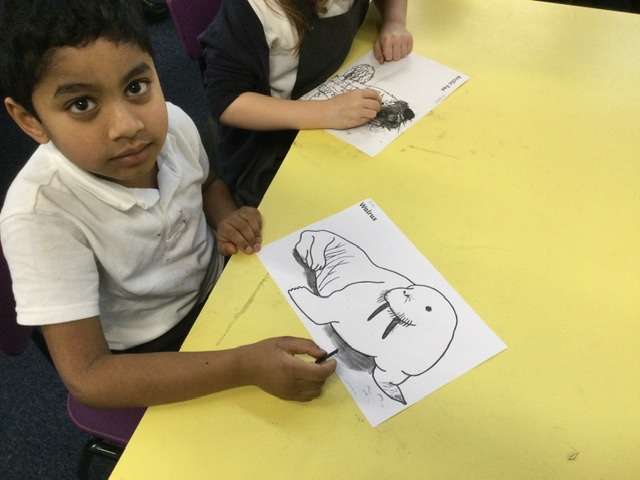
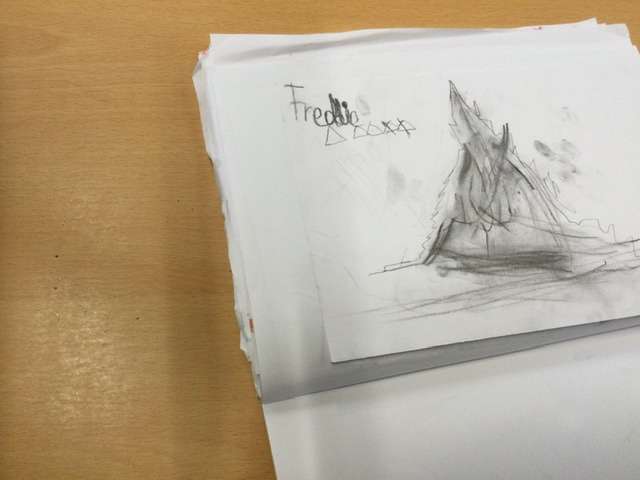
Toucans practised shading, rubbing, and adding texture using charcoal sticks and their fingers to blend. Year Two produced some fantastic work! They developed their knowledge of stippling and cross hatching. Finally, they evaluated their work.
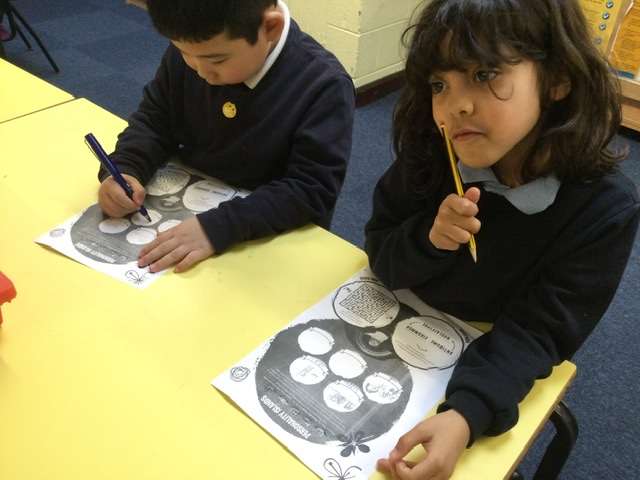
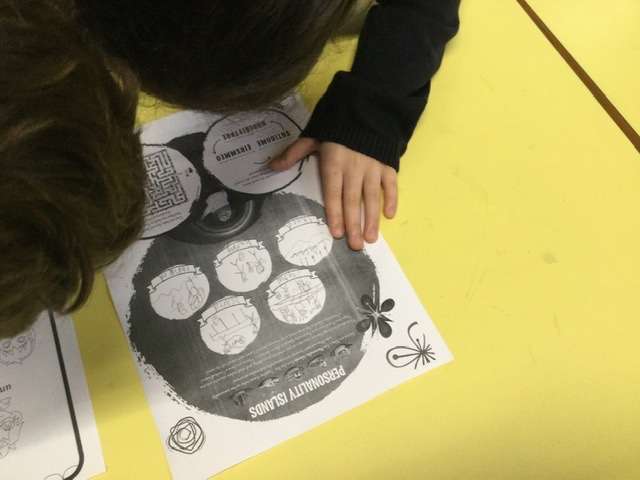
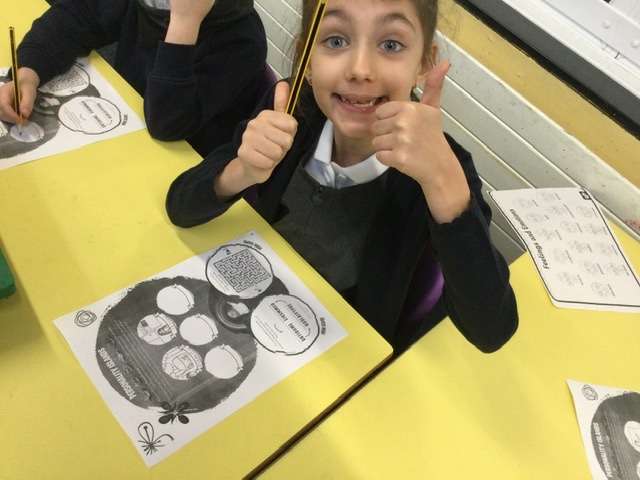
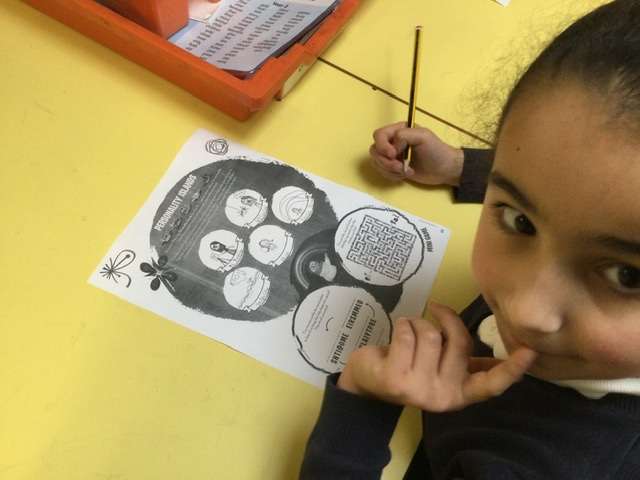
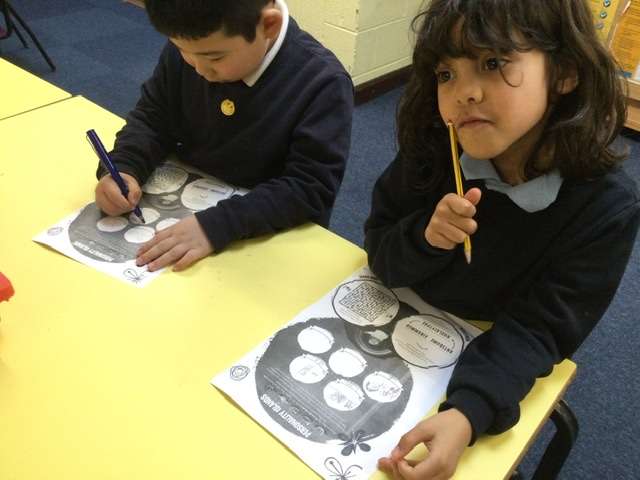
This week we have explored the importance of feelings and our personalities.

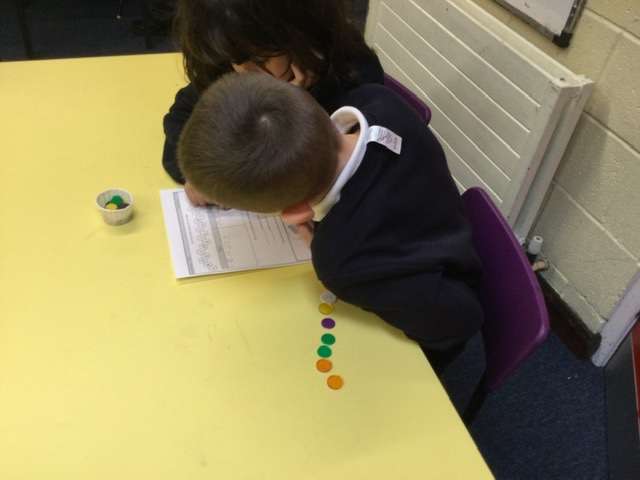
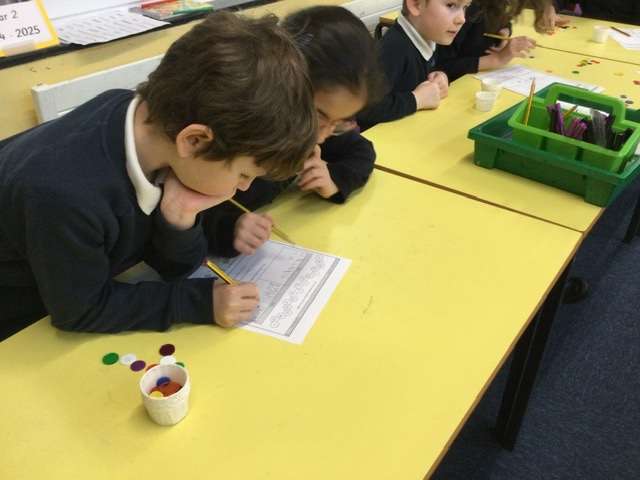
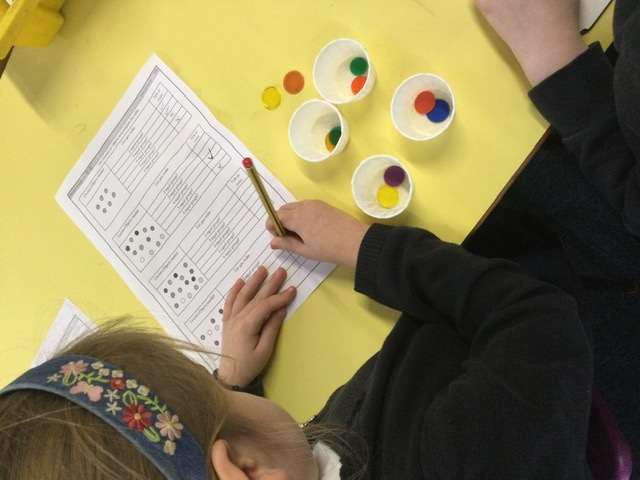
In Maths we investigated odd and even numbers. We developed a rule to let us know whether a number is odd or even. If the digits end in 0 , 2, 4, 6 or 8 then the number is even.
Extension: Try the lesson below at home.

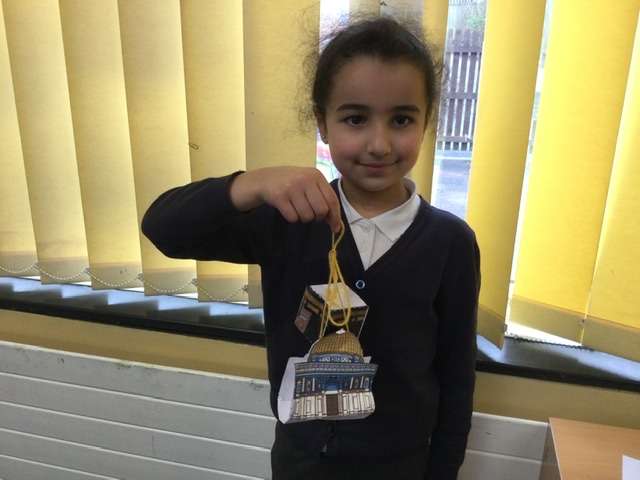
Mr Lo was very impressed!
We had some creative art.
Today in science we learnt about food for survival.
The types of food that animals eat to survive in their habitats can vary greatly depending on the animal species and its location.
Here are some examples of different types of food that animals may eat in different habitats:
Forest: In forest habitats, animals may eat a variety of foods including fruits, nuts, leaves, insects, small mammals, and birds. For example, deer may eat leaves, berries, and acorns, while birds of prey may eat small mammals or other birds.
Grassland: In grassland habitats, animals may eat grasses, seeds, and insects. For example, bison may eat grasses, while birds such as meadowlarks may eat insects and seeds.

Meadows are rich in flowering plants, providing nectar, which is the primary food source for adult butterflies. Caterpillars feed on the leaves of specific host plants found in meadows
Desert: In desert habitats, animals may eat plants, insects, and small mammals. For example, kangaroo rats may eat seeds, insects, and some plants, while vultures may eat small mammals or other animals that have died in the desert.
Arctic: In Arctic habitats, animals may eat fish, seals, and other marine animals. For example, polar bears may eat seals and fish, while Arctic foxes may eat small mammals and birds.
Ocean: In ocean habitats, animals may eat a variety of foods including plankton, fish, and other marine animals. For example, whales may eat krill and other small fish, while sharks may eat larger fish and marine mammals.
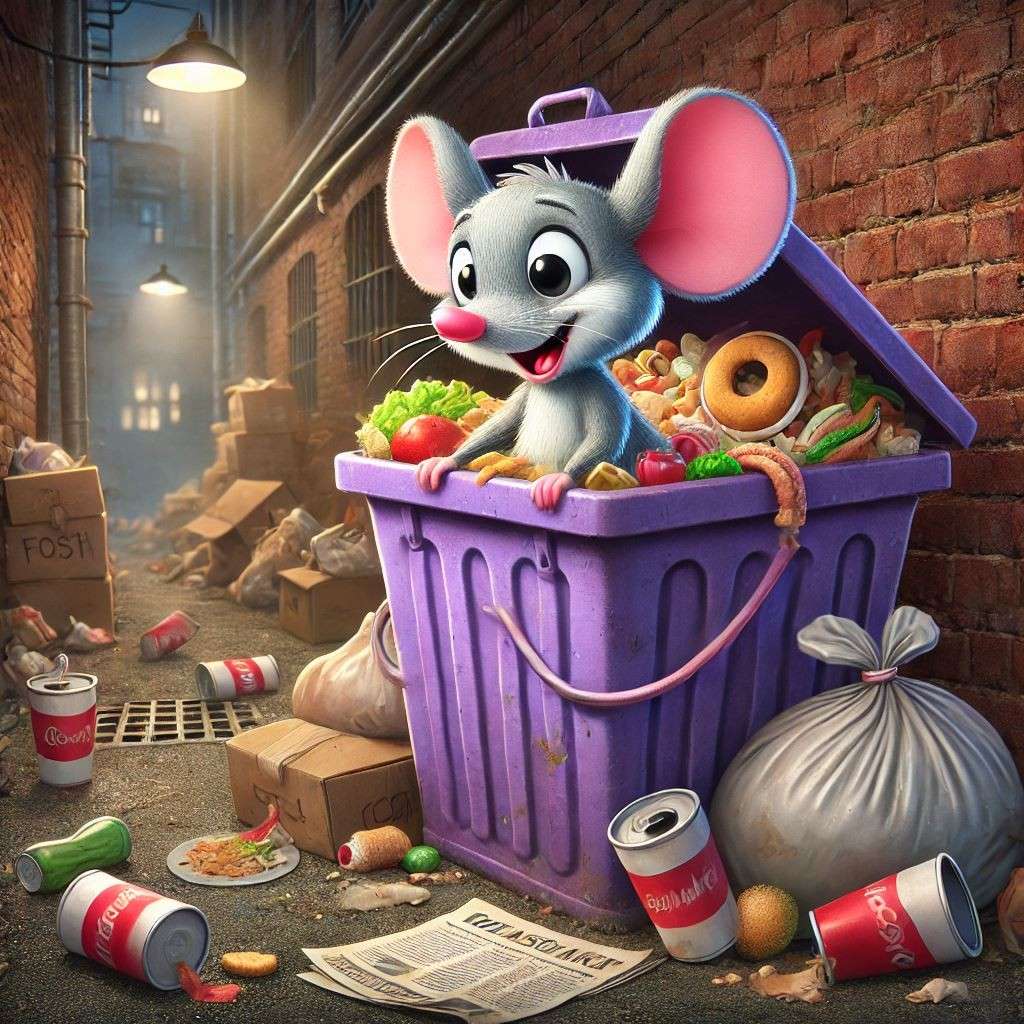
A mouse inside a dustbin would likely find plenty of food to survive on. Mice are opportunistic feeders and can eat a wide variety of items, including: – **Leftover food scraps**: Bits of bread, pasta, rice, and other discarded human food. – **Fruits and vegetables**: Peels, cores, and other parts of fruits and vegetables. – **Meat scraps**: Small pieces of meat or bones. – **Grains and cereals**: Any spilled or discarded grains, cereals, or seeds. – **Insects**: Mice can also eat insects that might be attracted to the rubbish. Mice are very adaptable and can make the most out of whatever food sources are available to them. Have you ever seen a mouse in an unusual place? 🐭
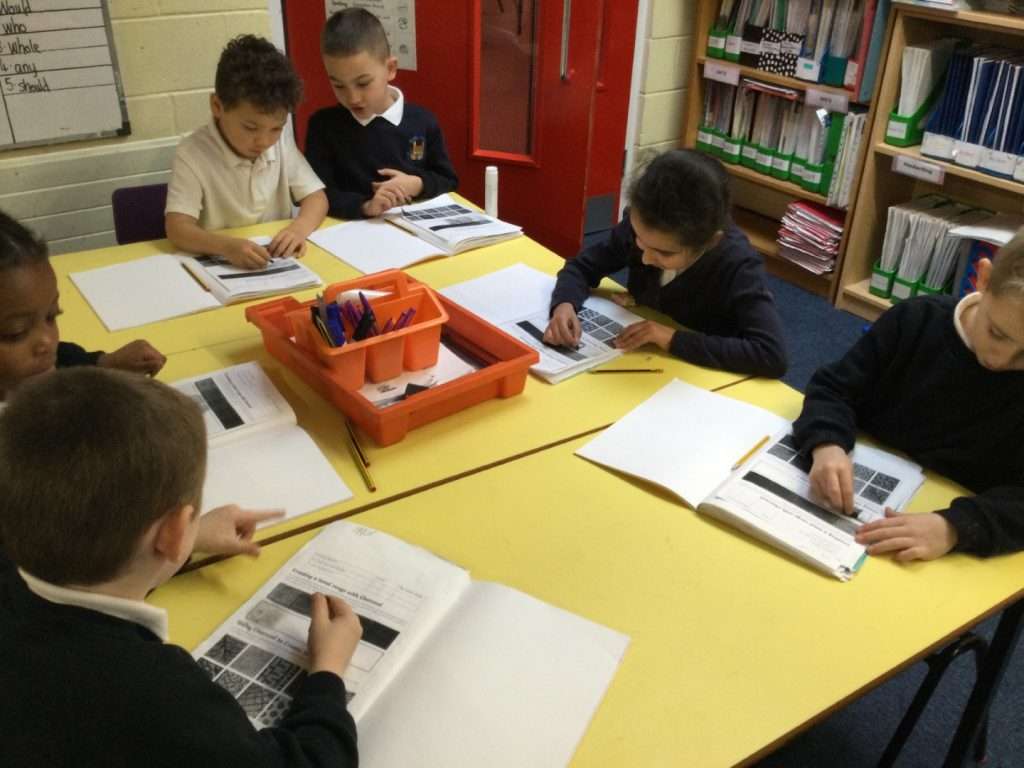
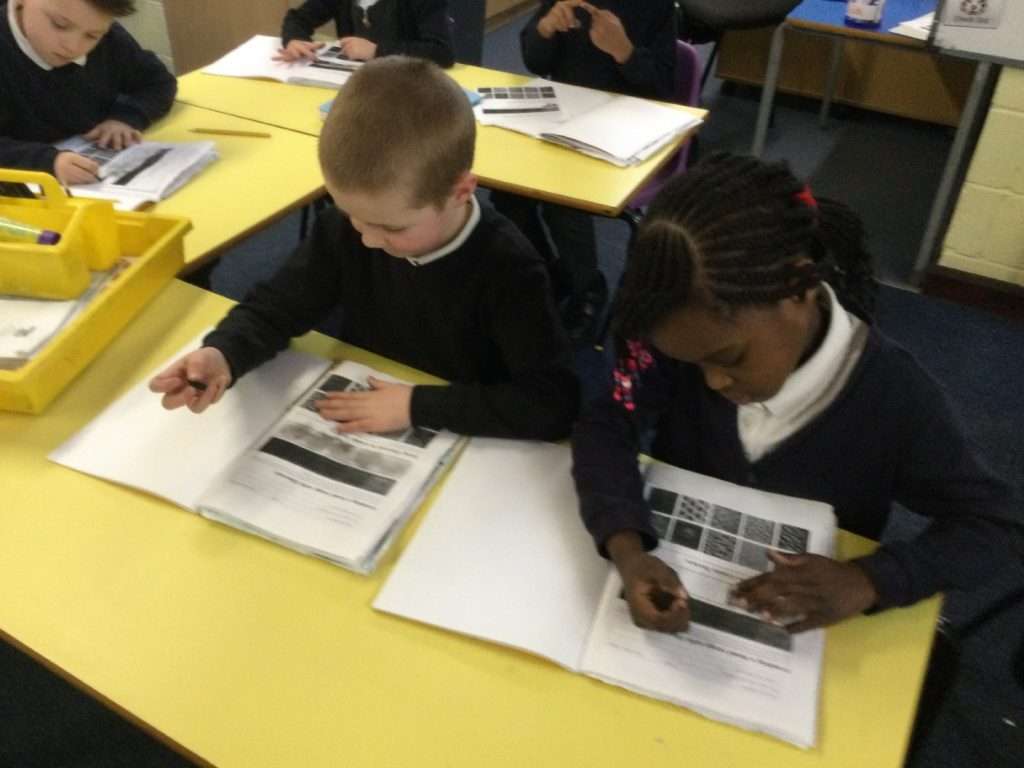
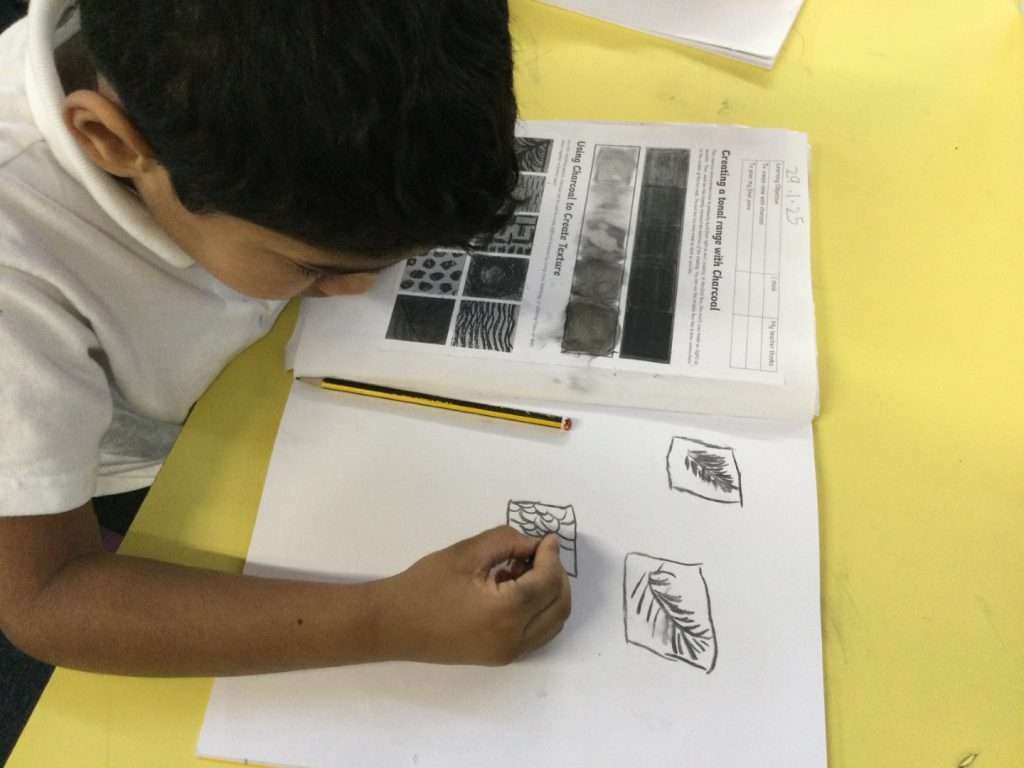
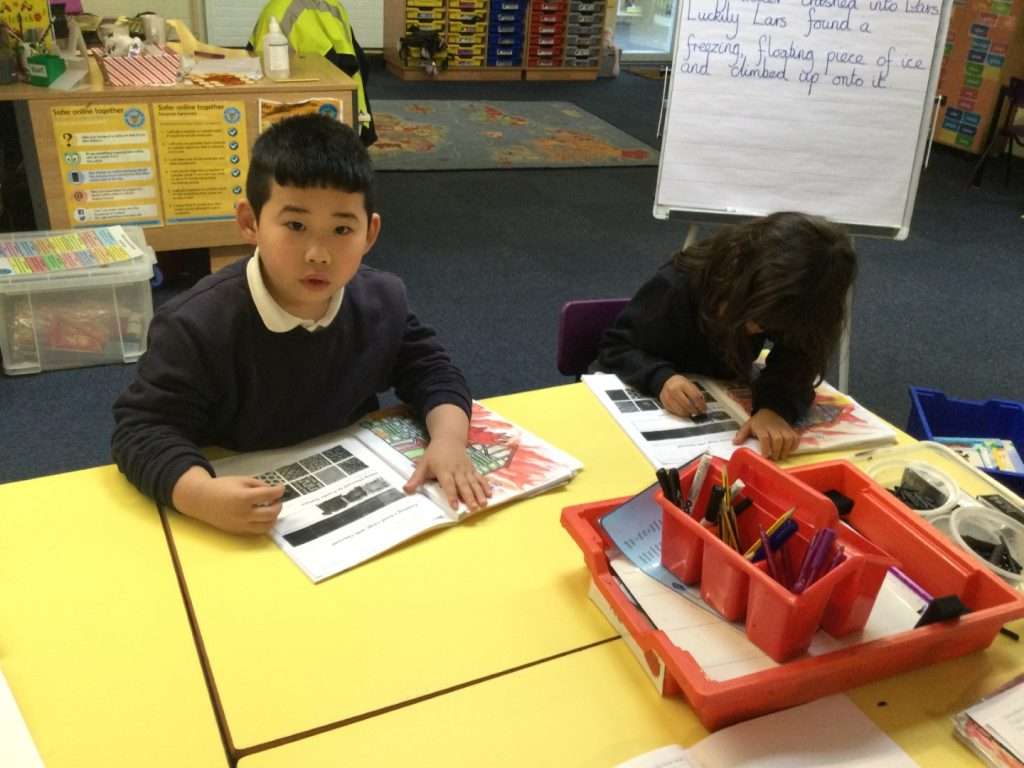
Toucans practised shading, rubbing and adding texture using charcoal sticks
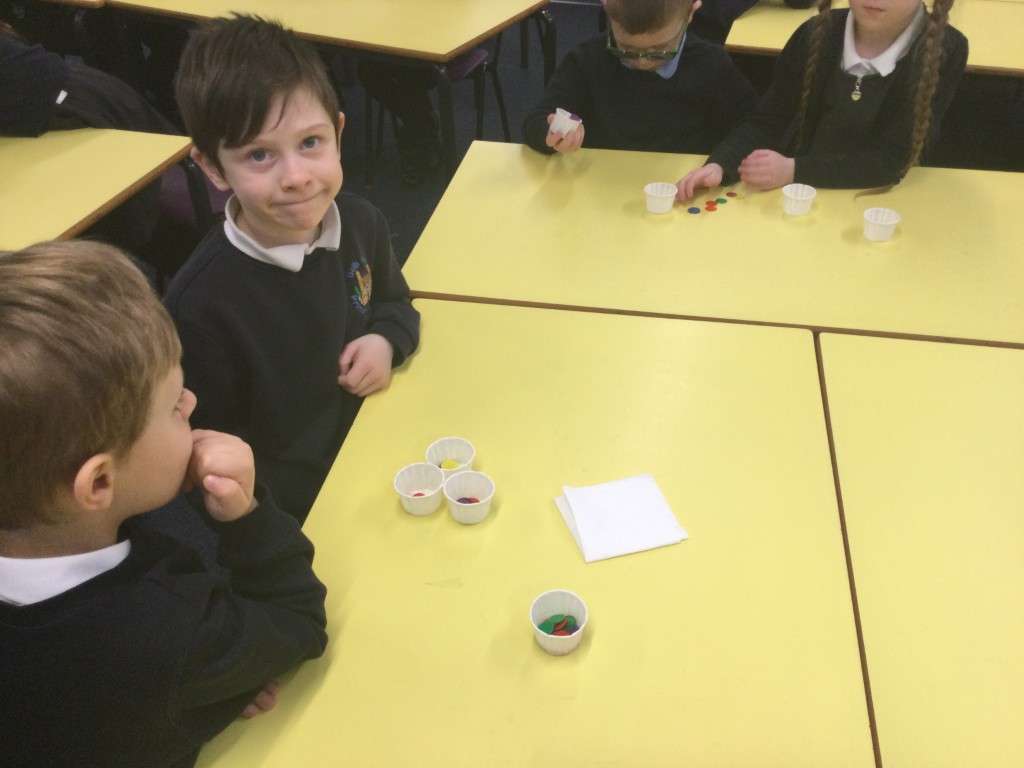

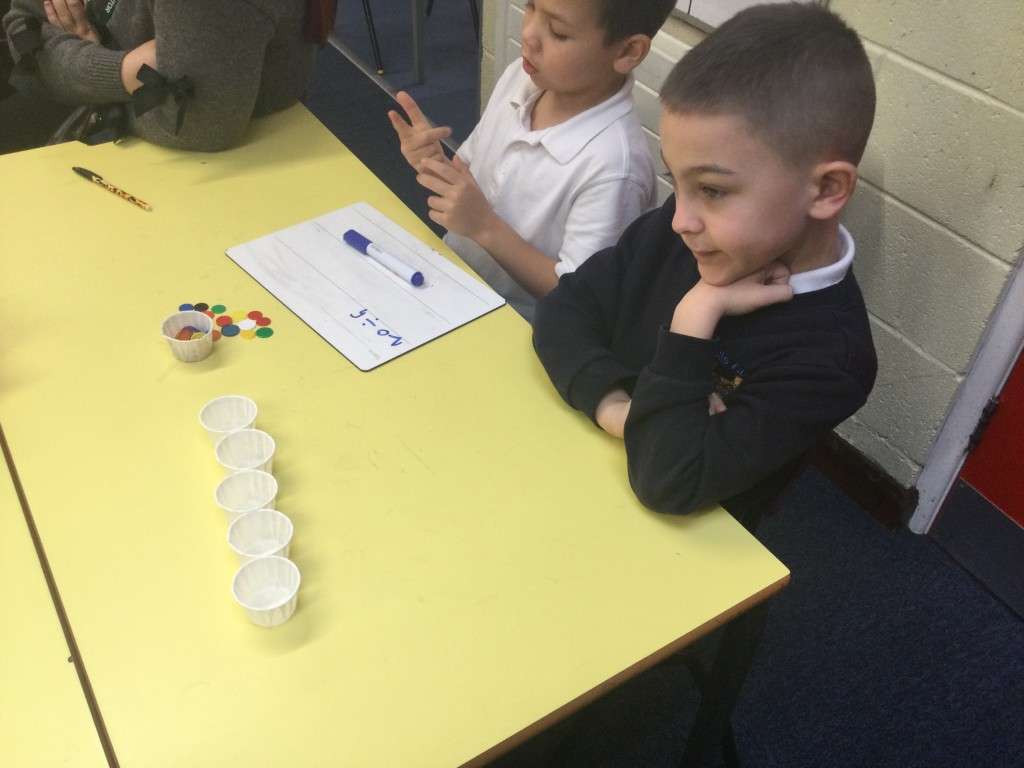
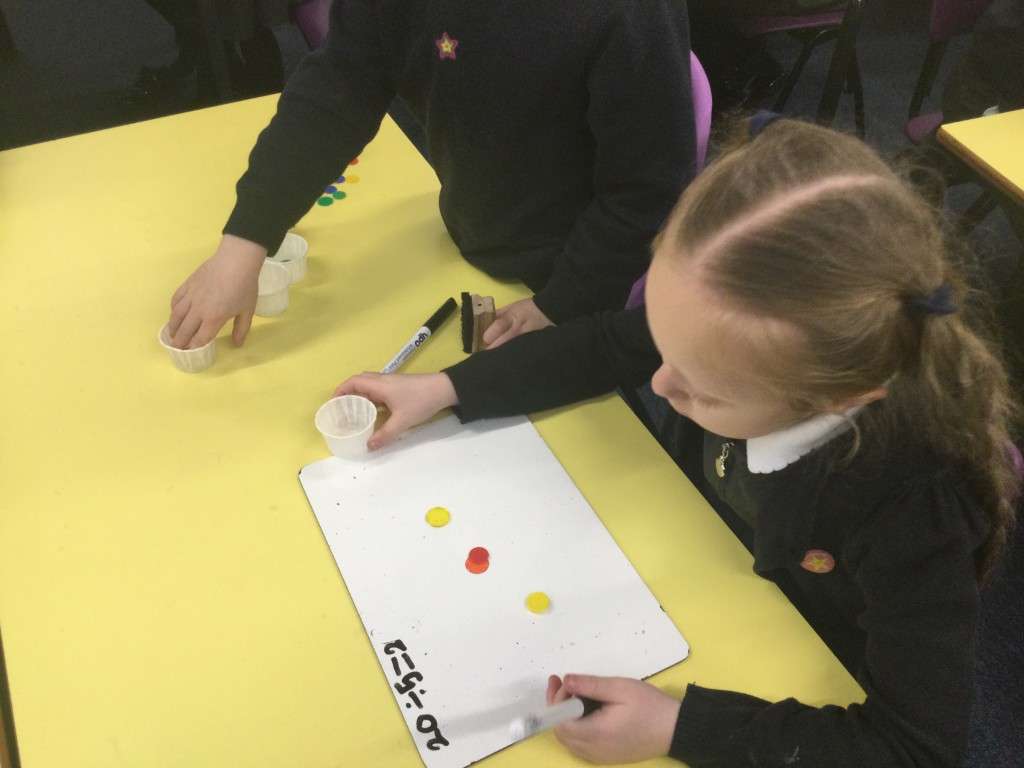
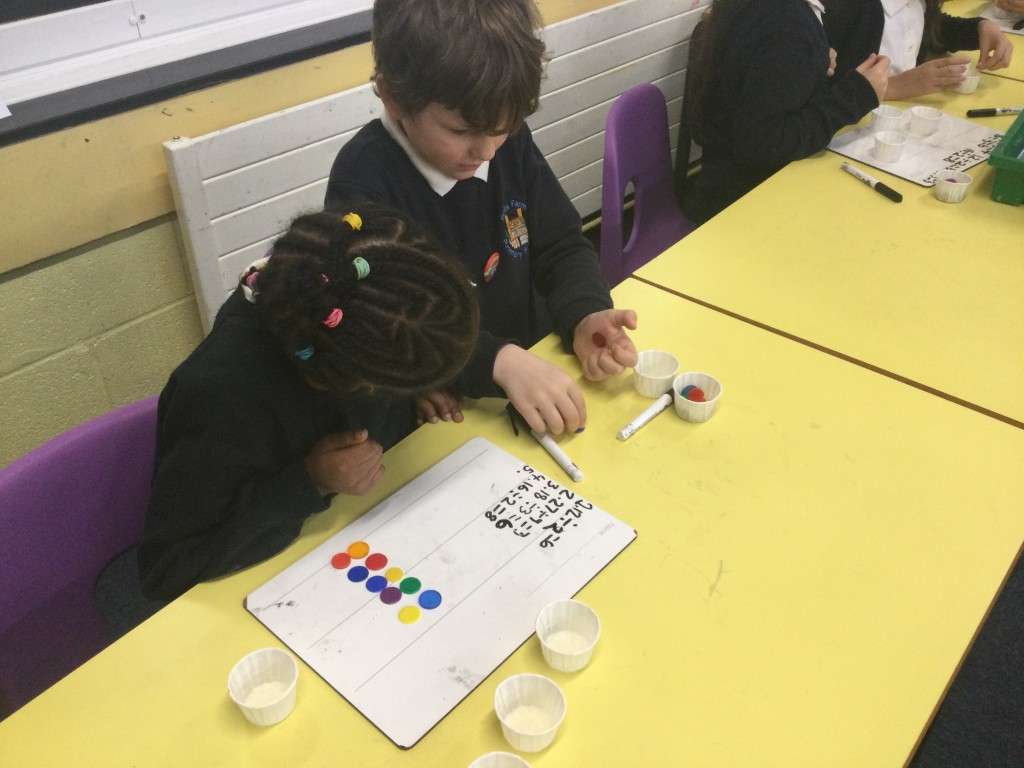
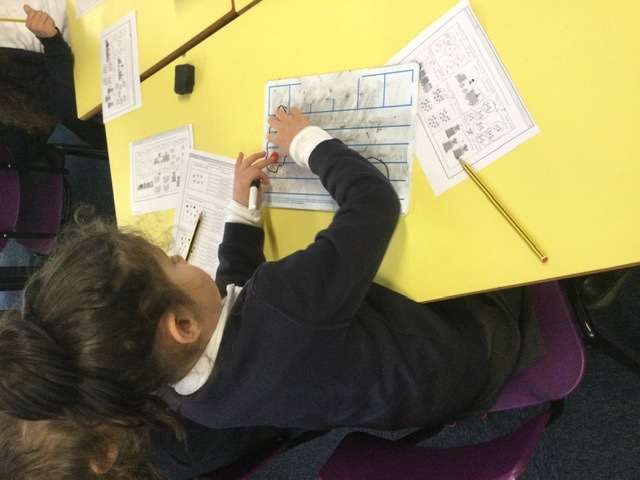
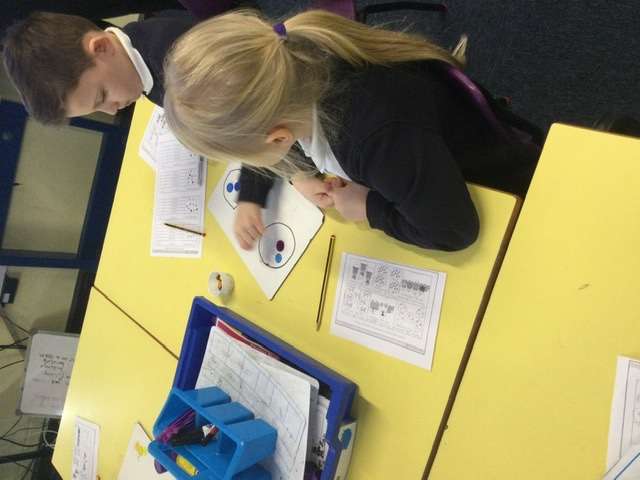
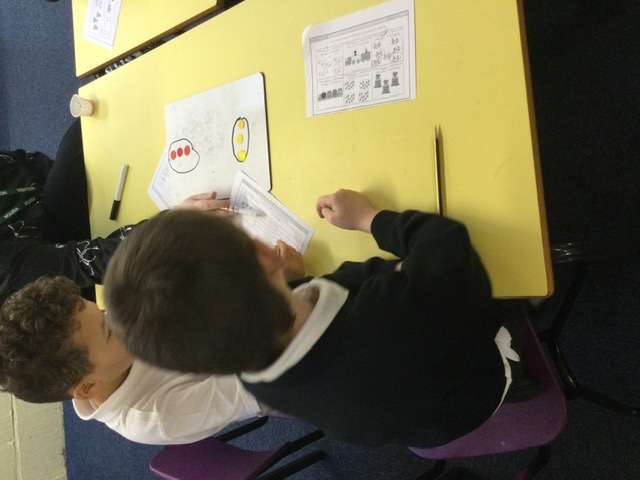
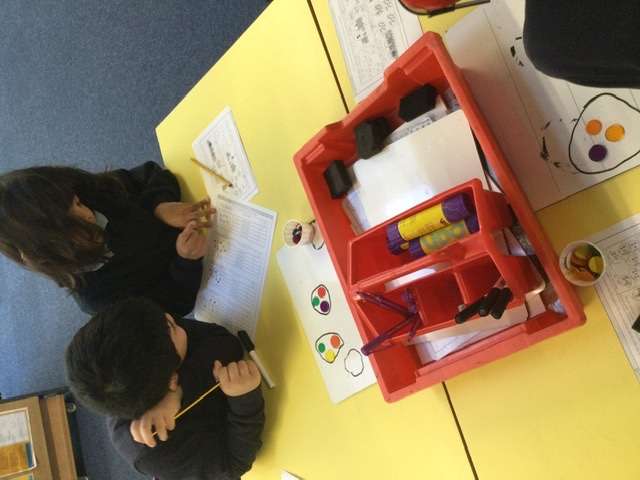
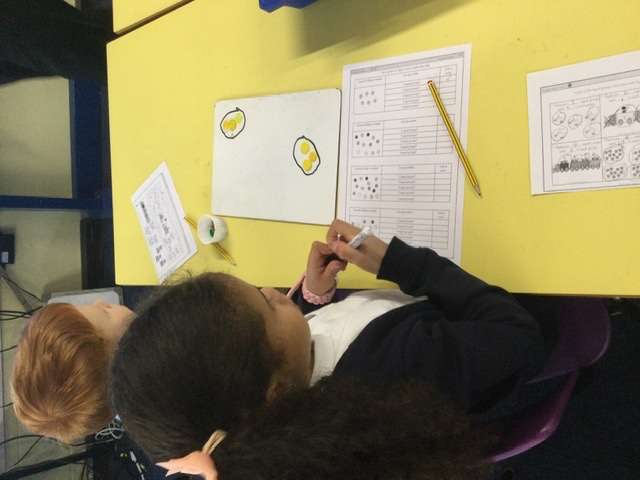
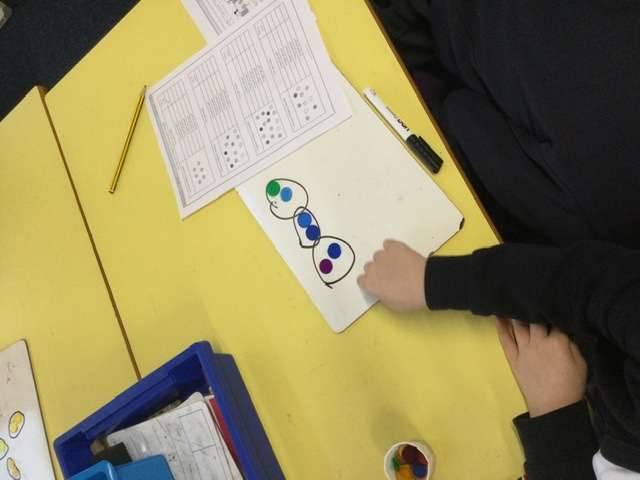
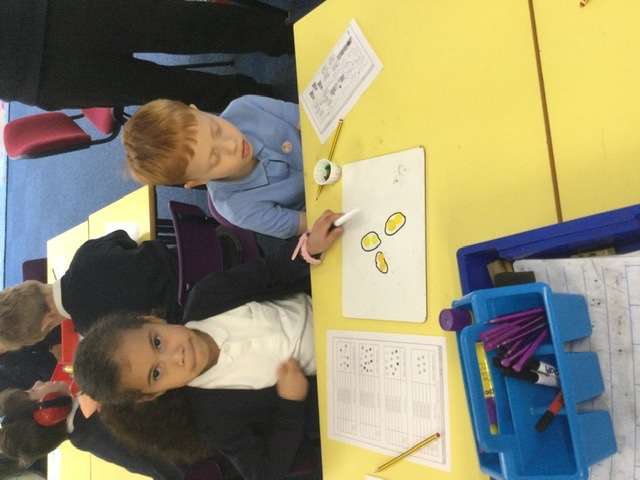
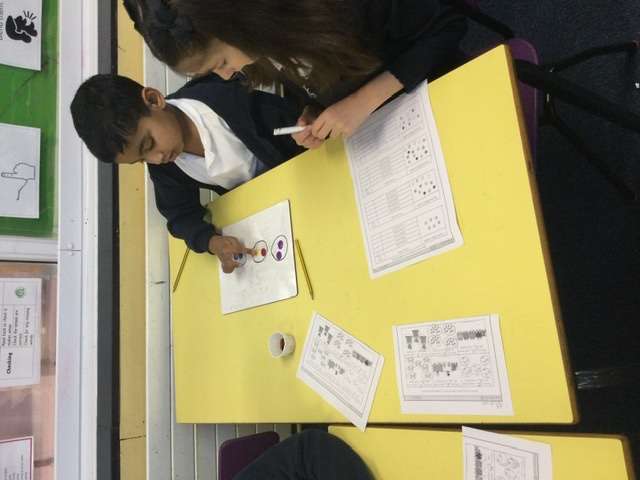
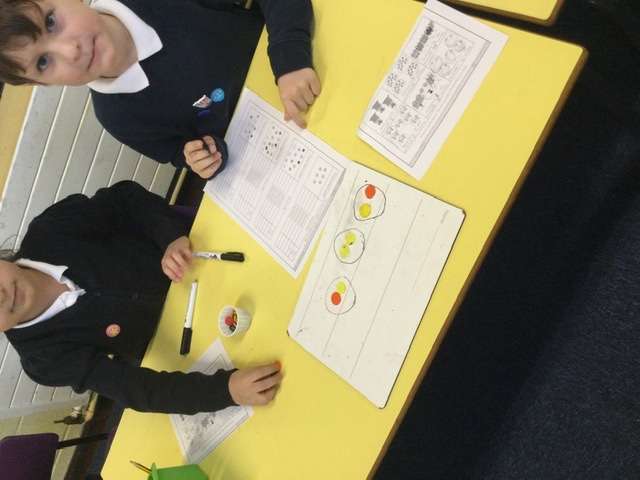
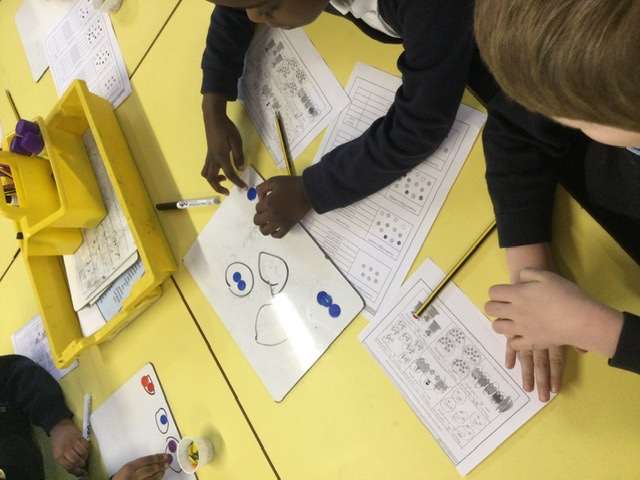
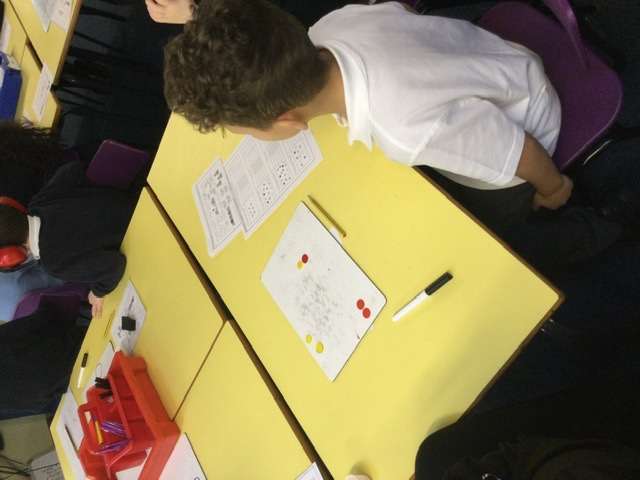
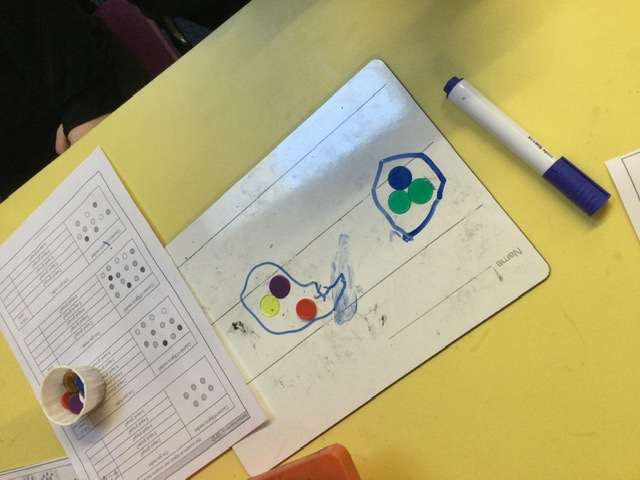
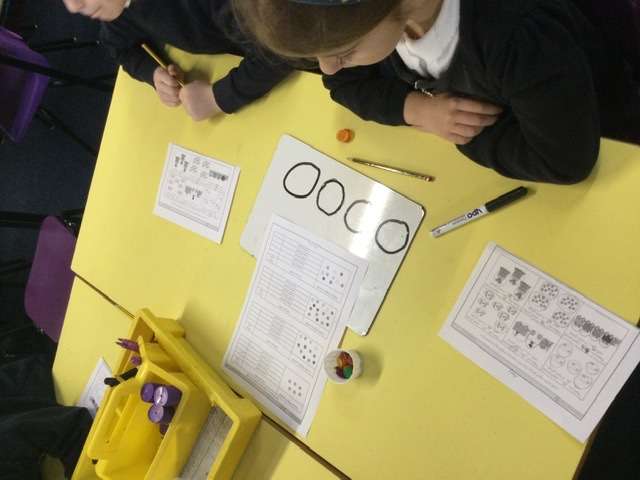
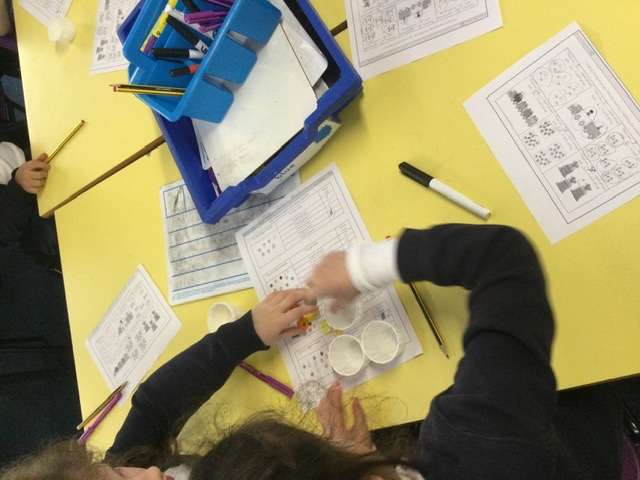
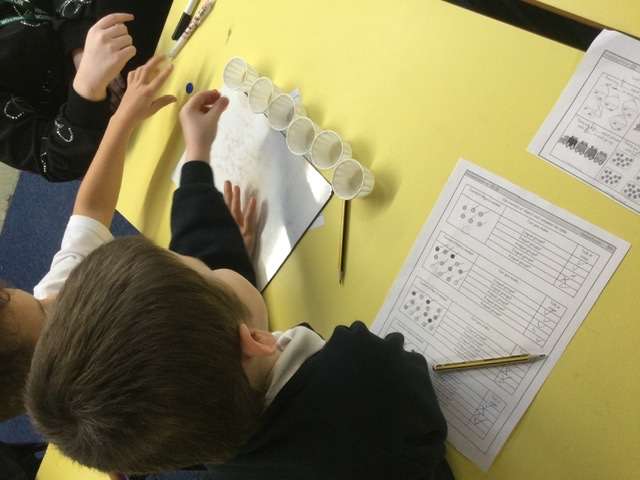
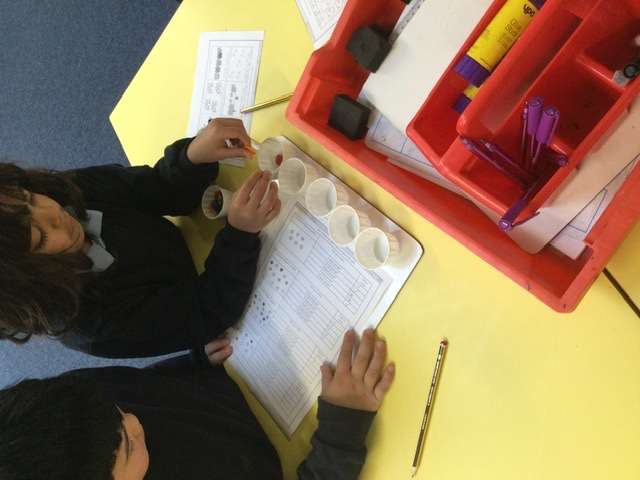
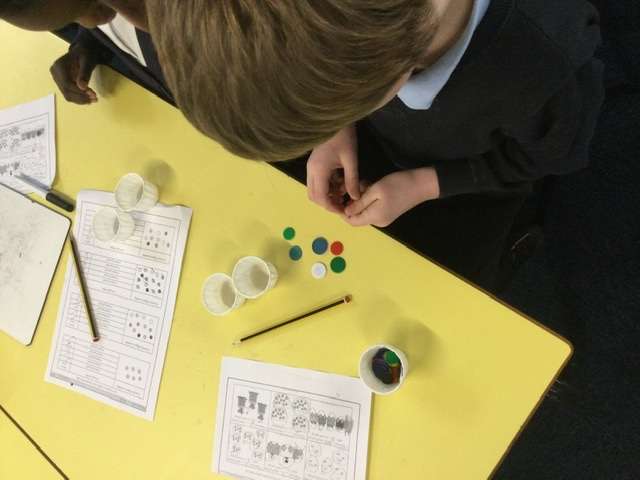
This week we have been looking at dividing by 2 and 5 using sharing circles.
Extra: Watch these videos at home.
Click here to see the Book Breakfast Presentation
https://www.youtube.com/watch?v=rEWlfQQl_Uo – Visit this link to see an example of a child reading at the expected level at the end of KS1
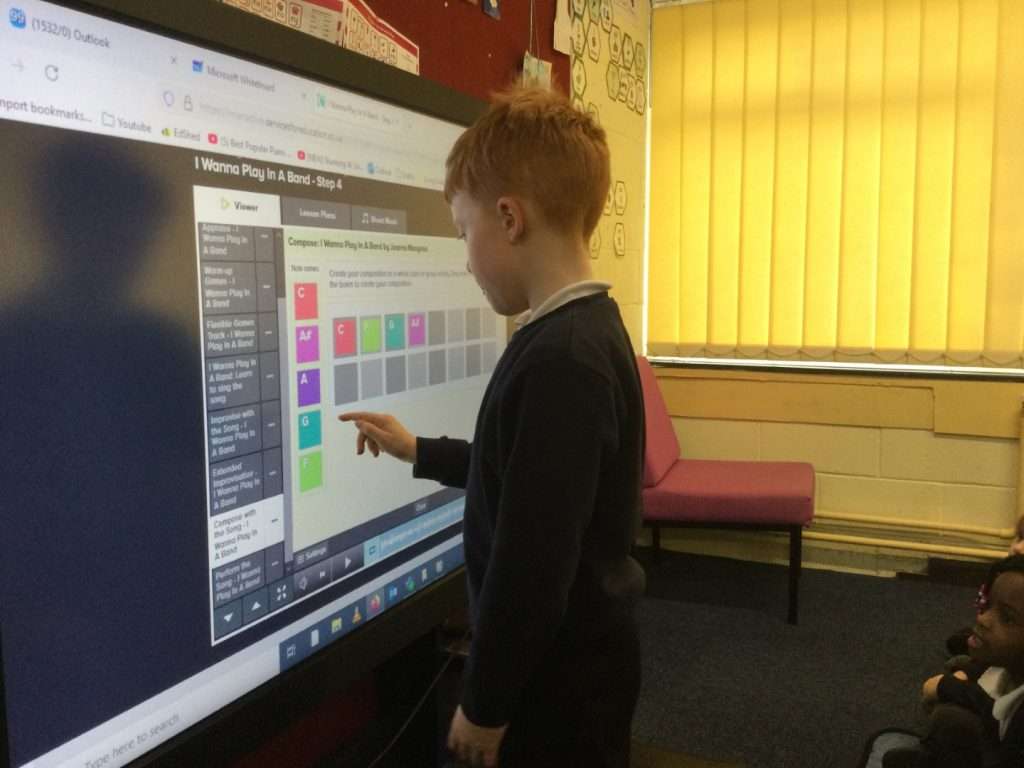
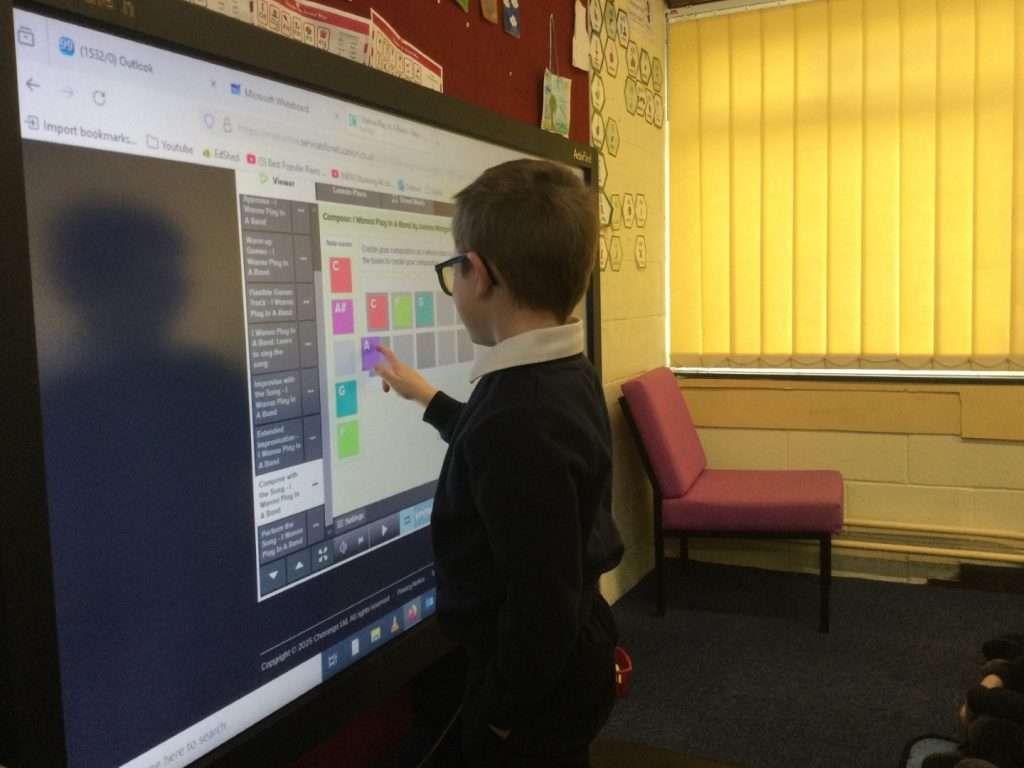
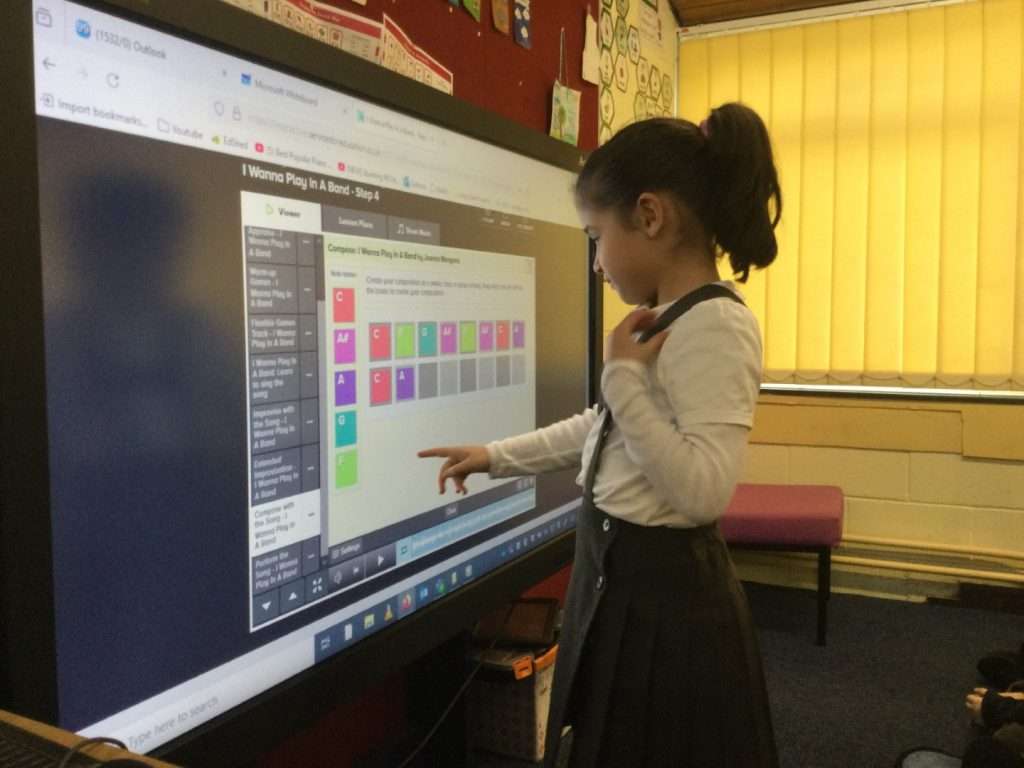
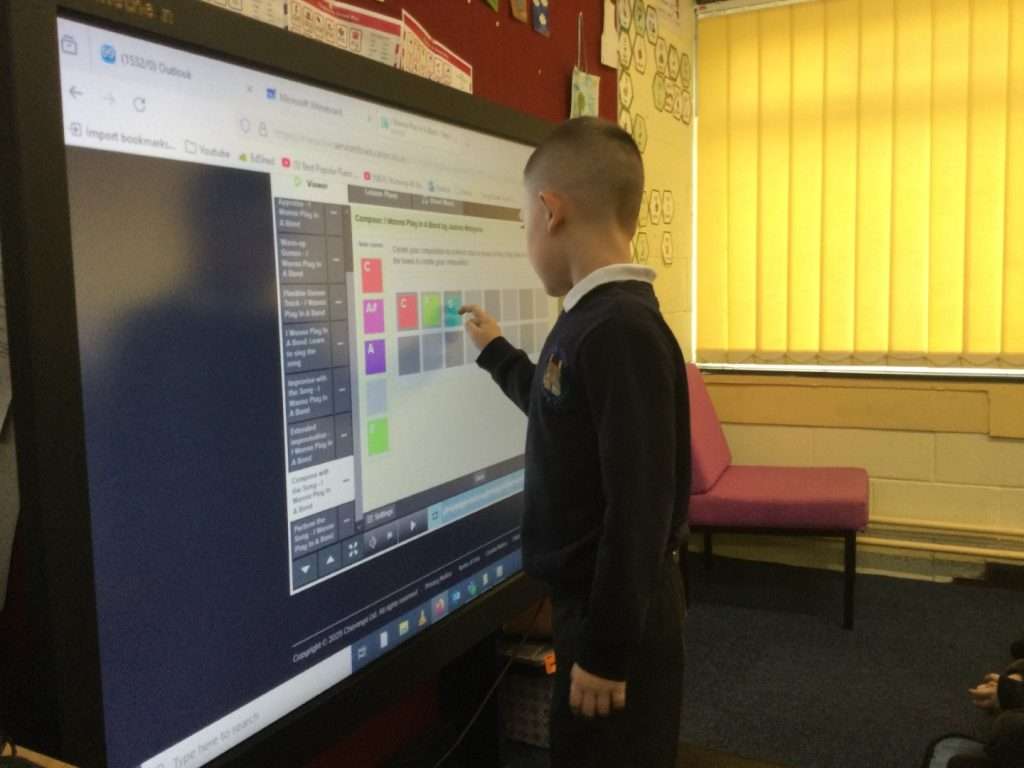
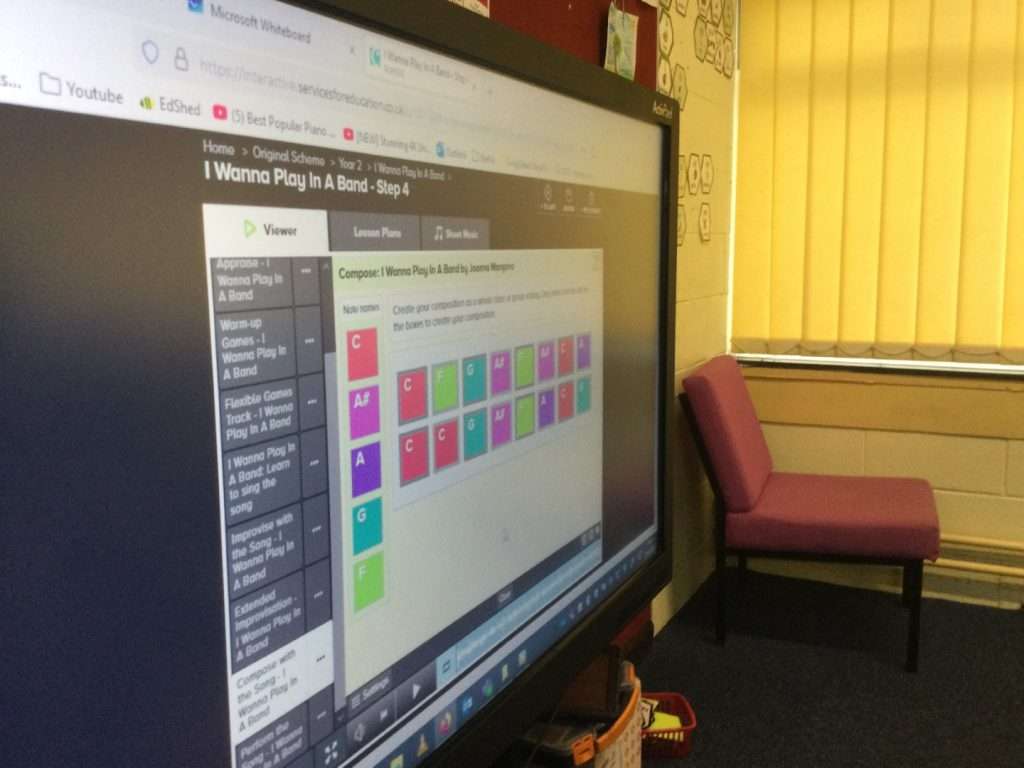
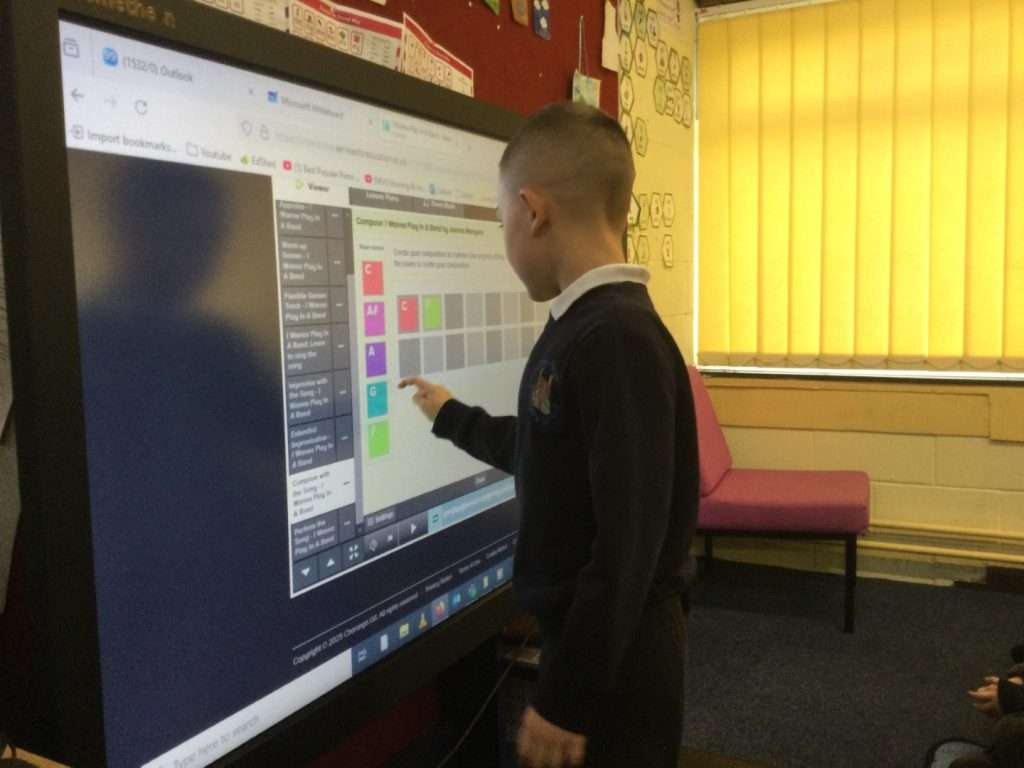
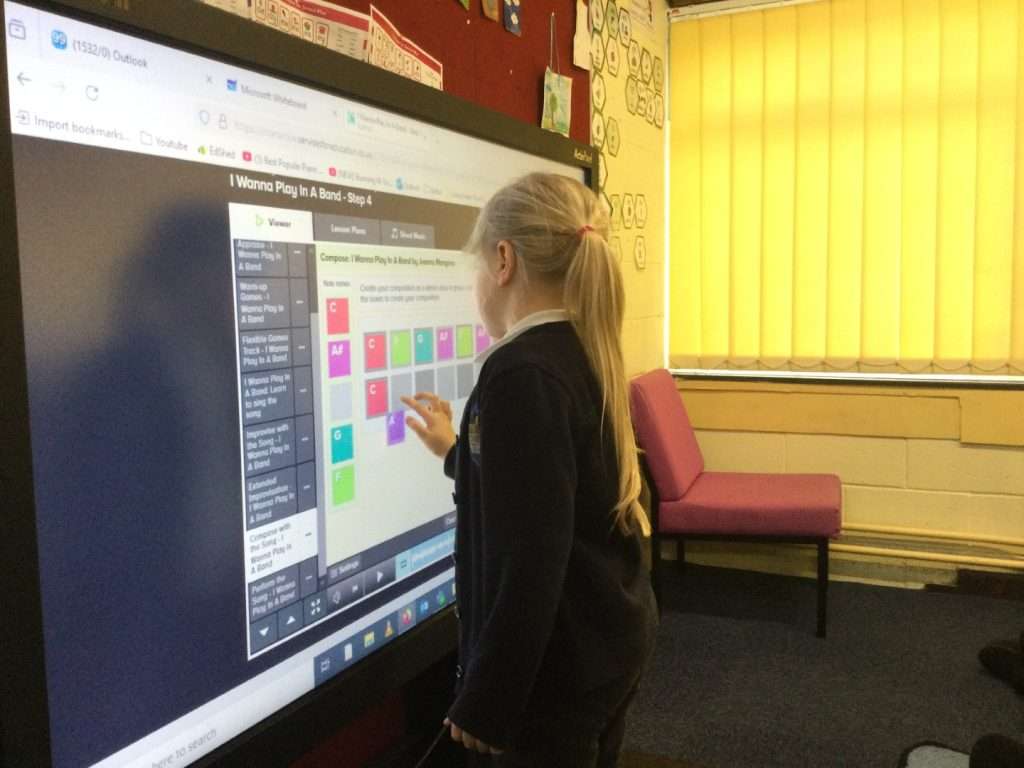
In Music we experimented with composing. We all had a go at choosing our own notes and then evaluated what we had made.
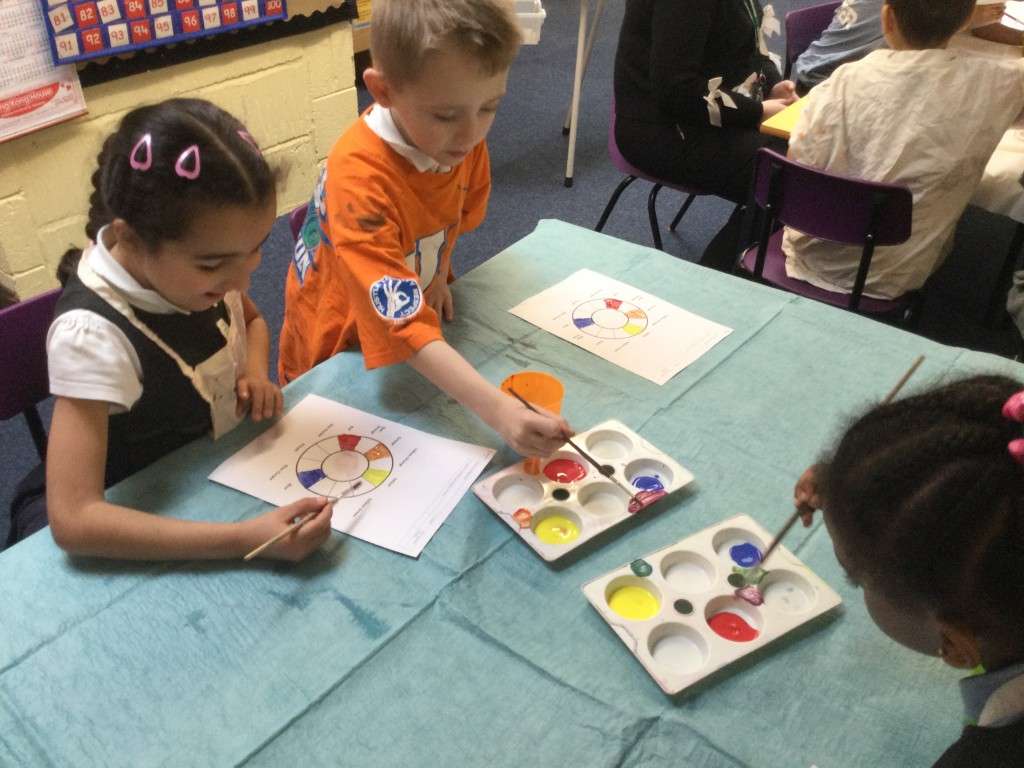
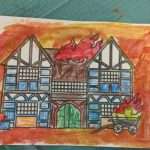
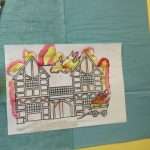
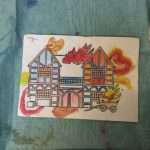
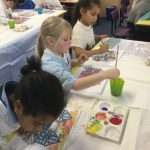
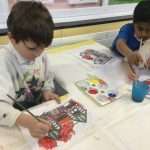
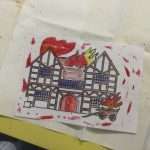
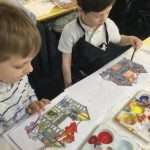
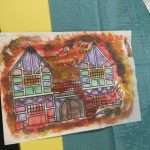
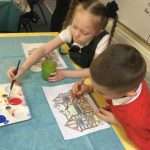
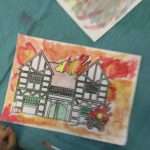
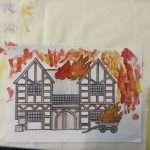
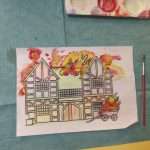
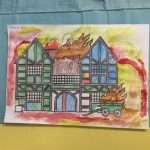
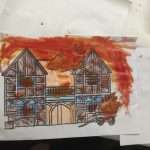
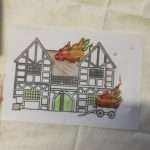
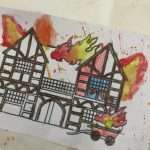
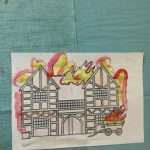
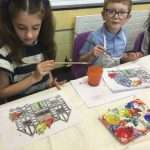
In Art we have been experimenting on mixing primary colours. Now we have used our skills to create a piece of art inspired by the great fire of London.
Primary Colour Mixing
•Skill developed: Create colour wheel, beginning with the 3 primary colours and then mixing each pair of primary colours to make the secondary colour.
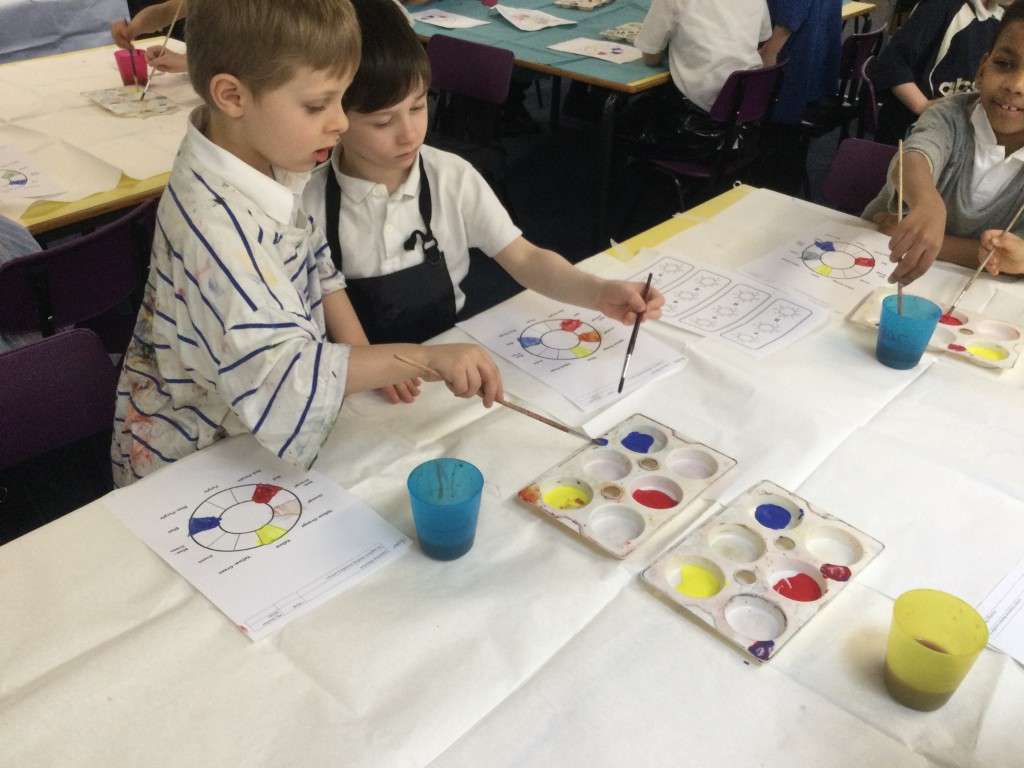
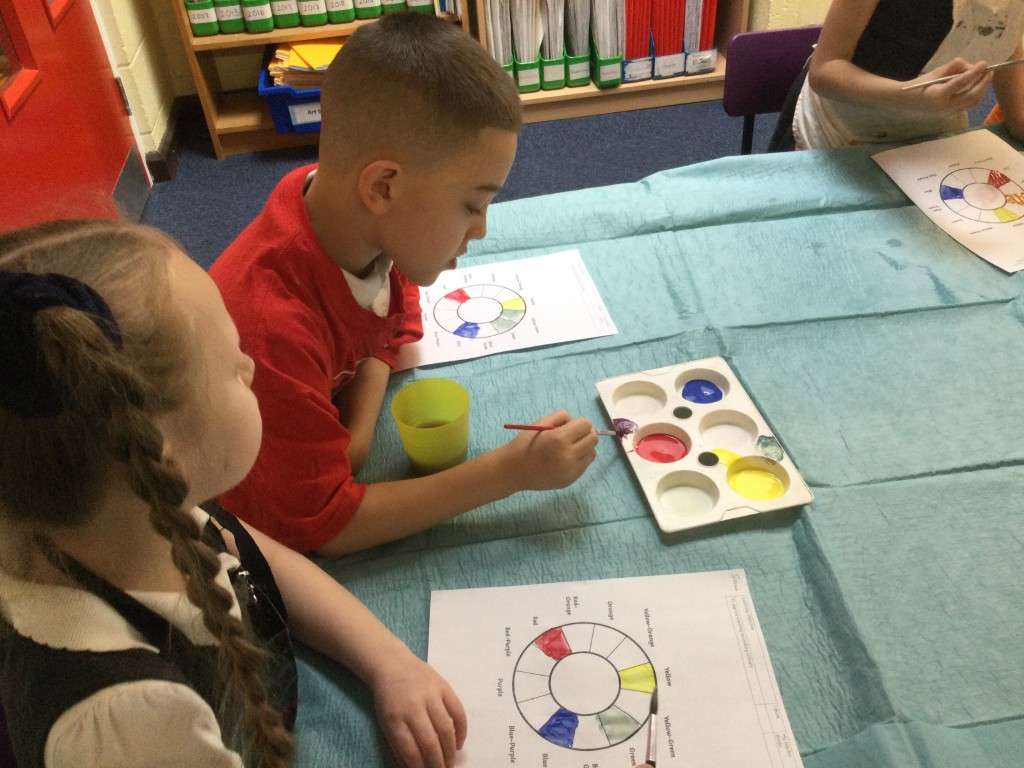
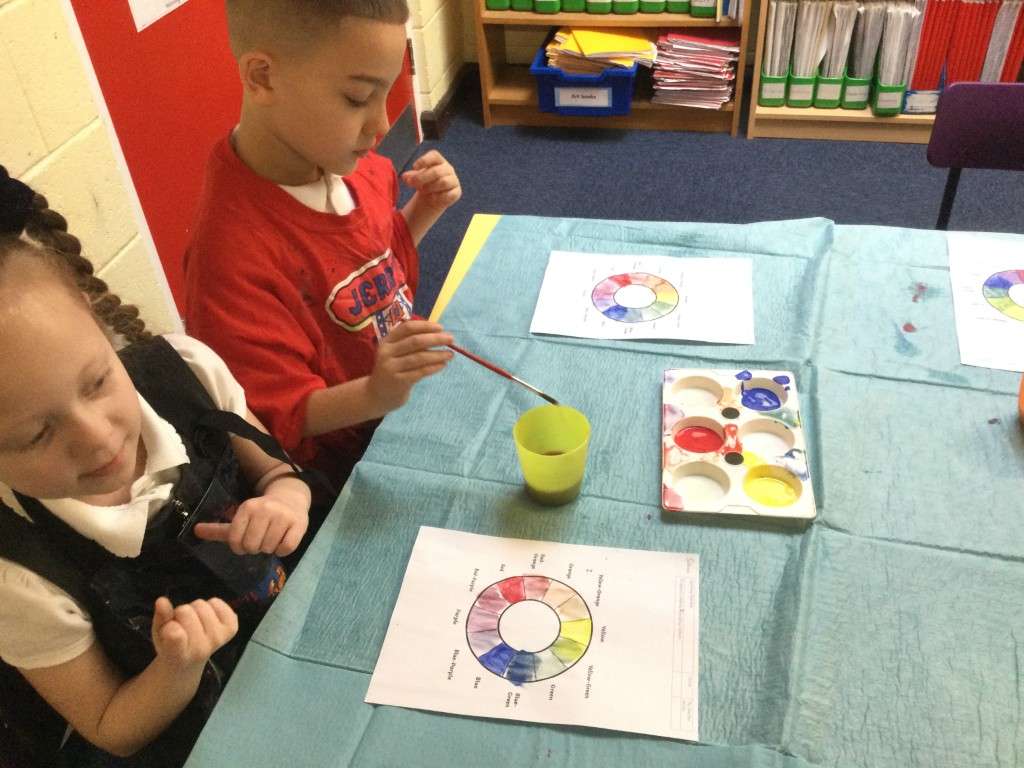
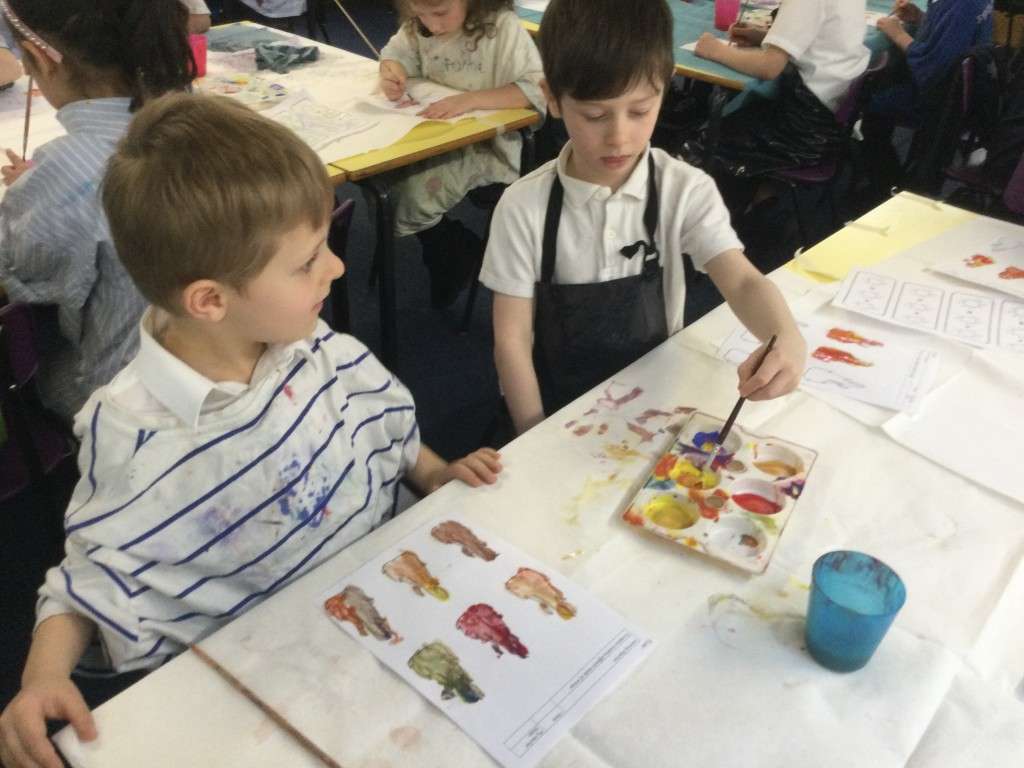
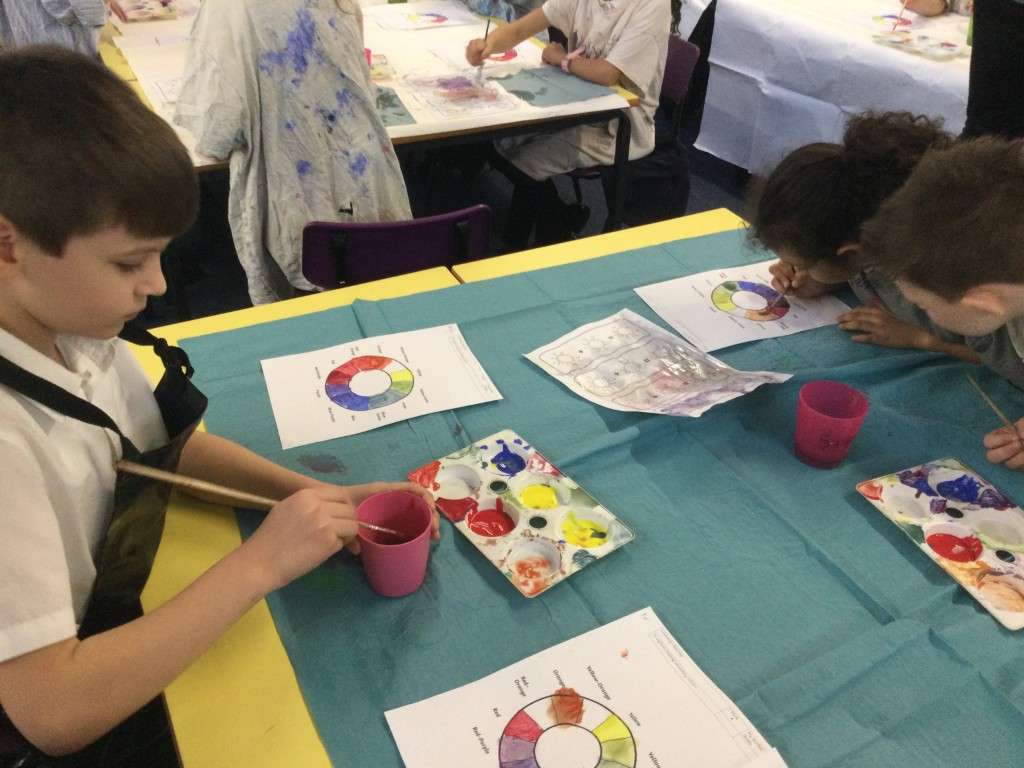
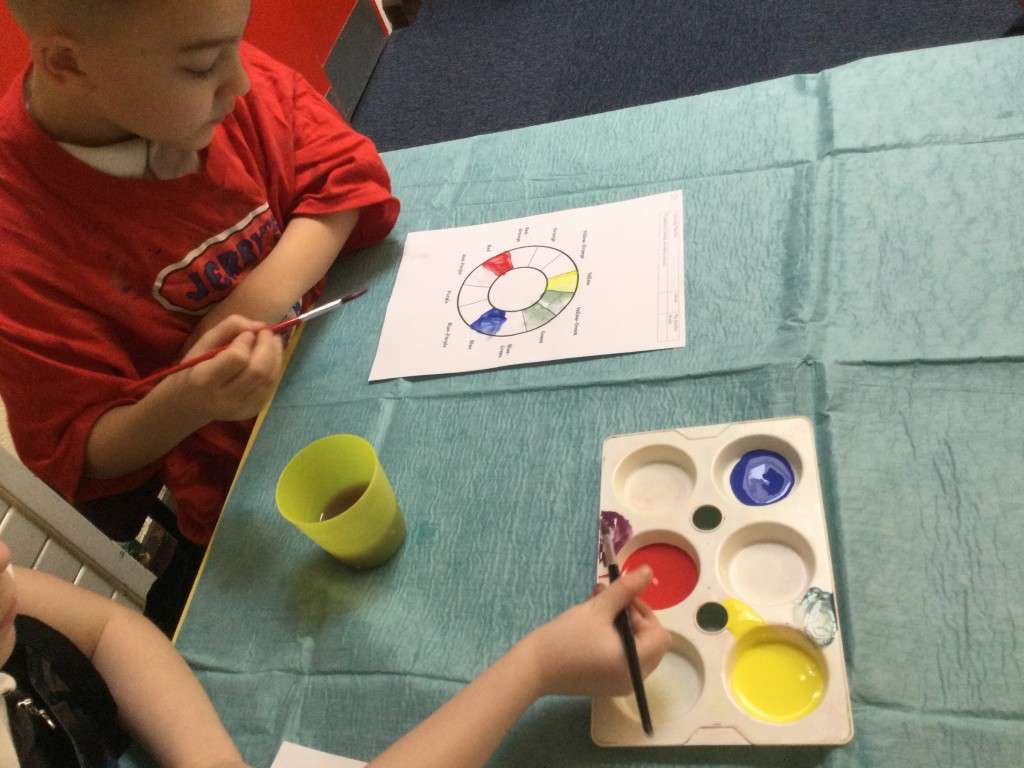
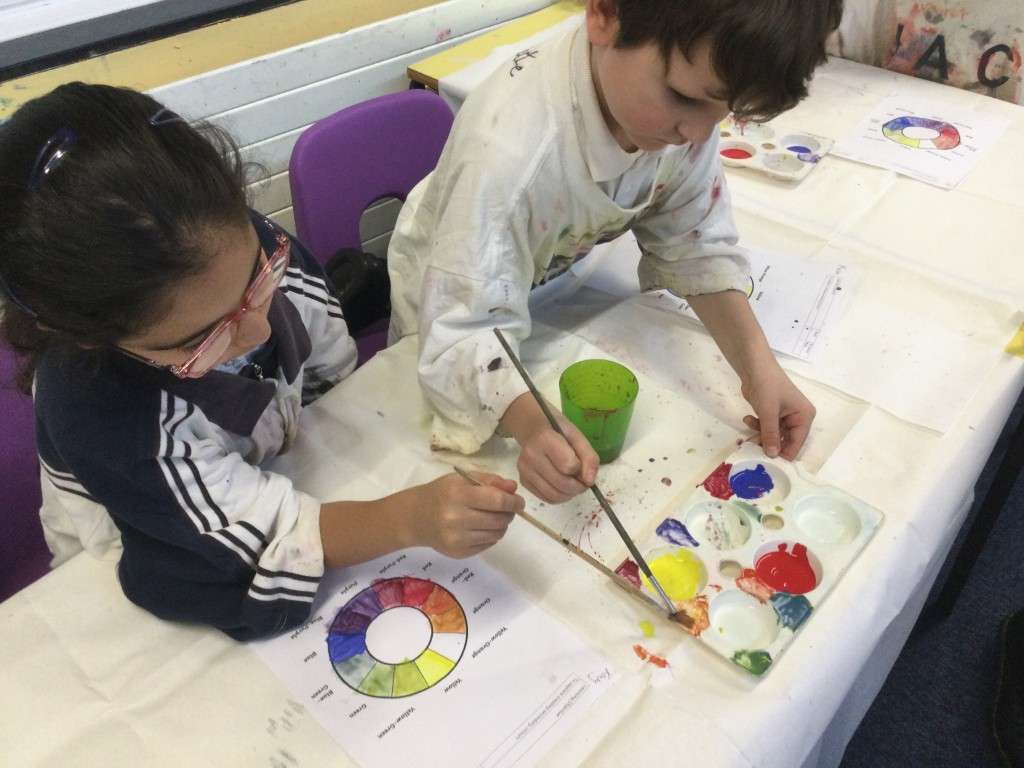
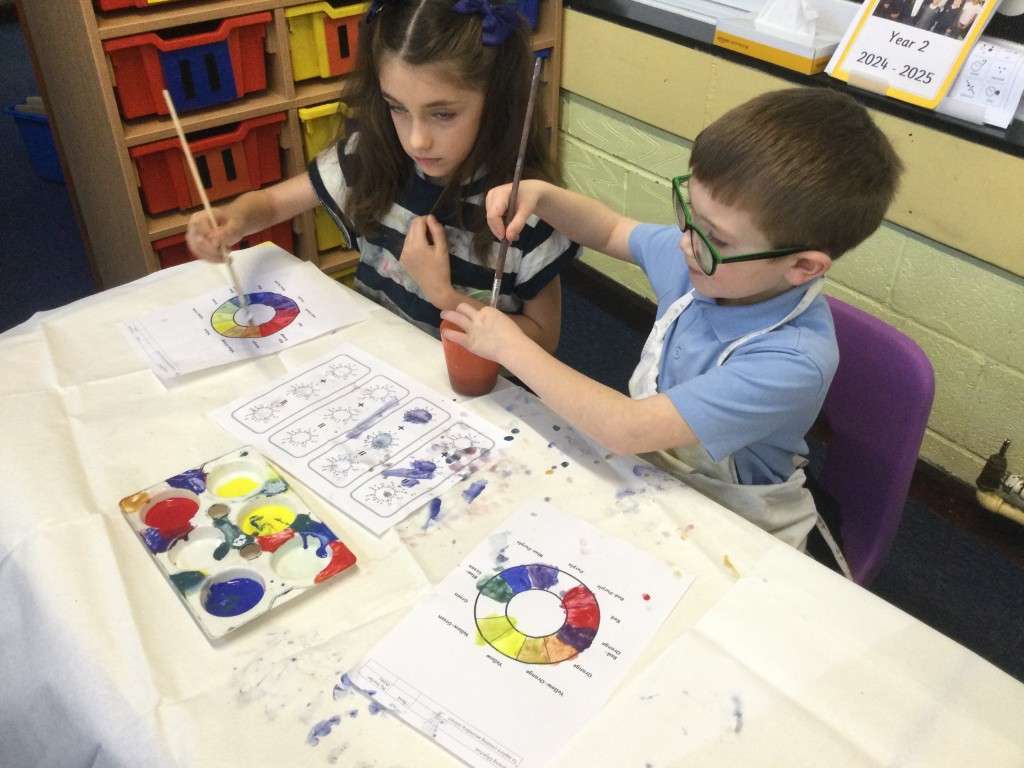
Developing our skills to create fire.
Skills:• Mix colours to create different shades of orange for the flames.

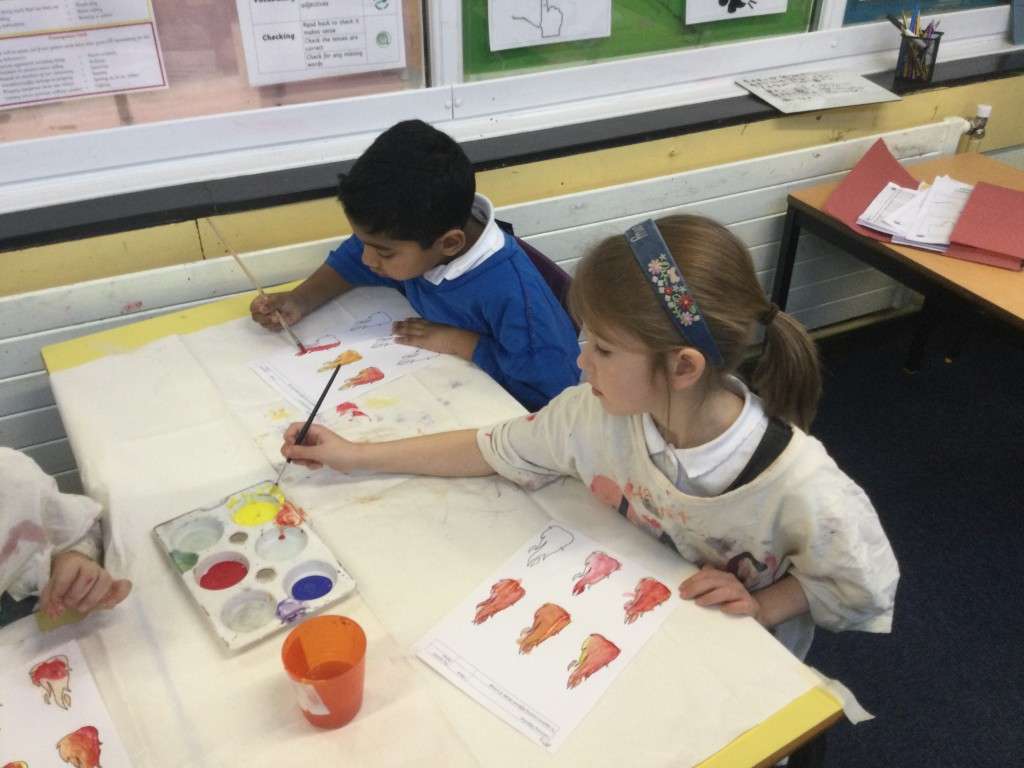
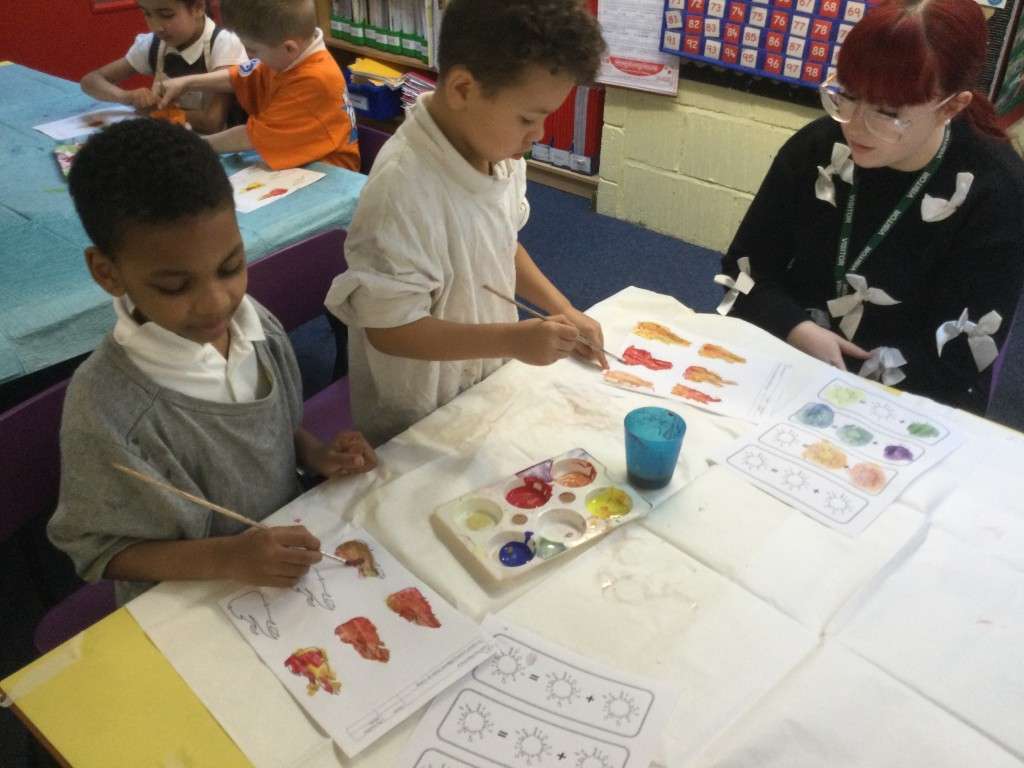
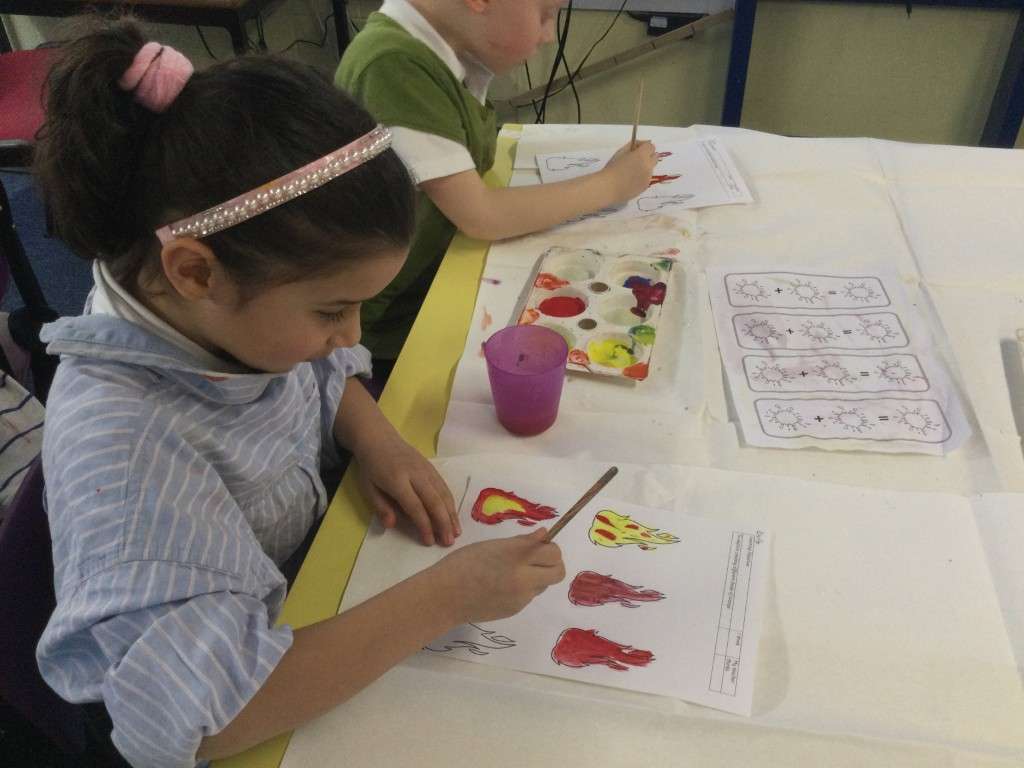
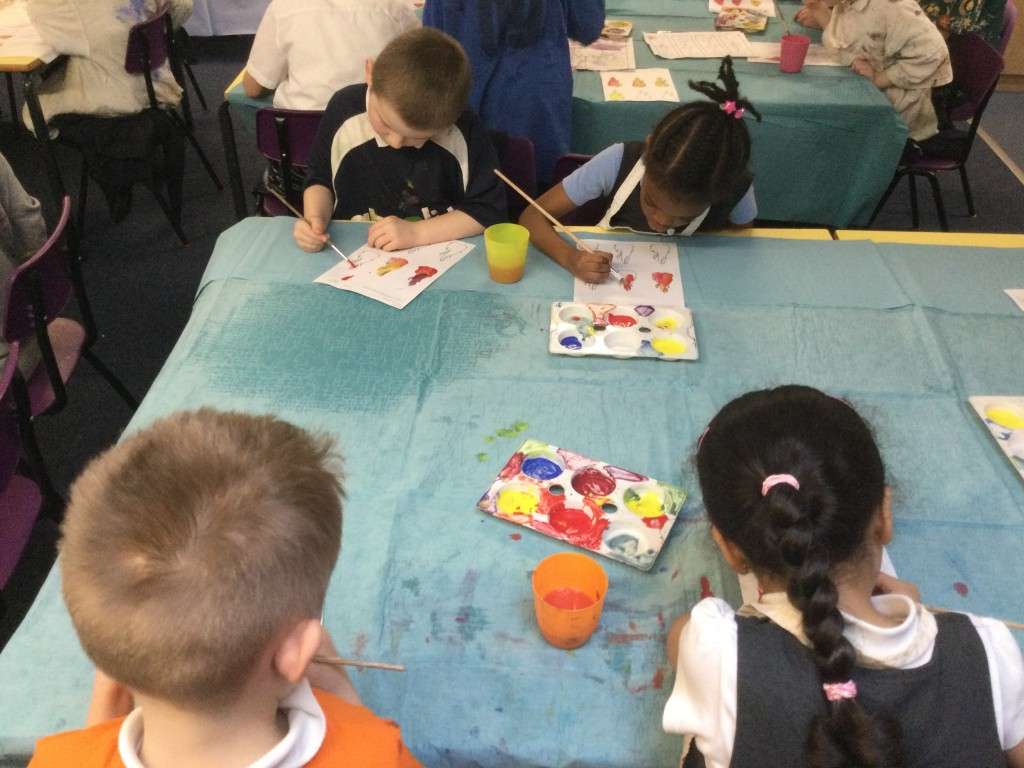
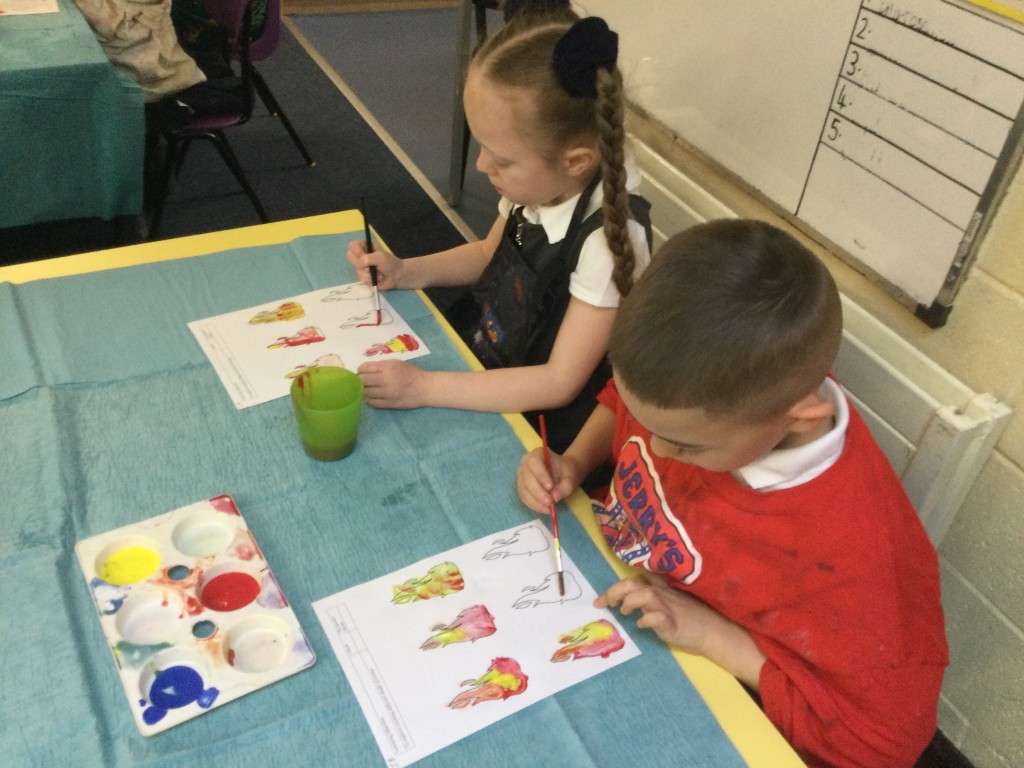
Creating our final pieces.
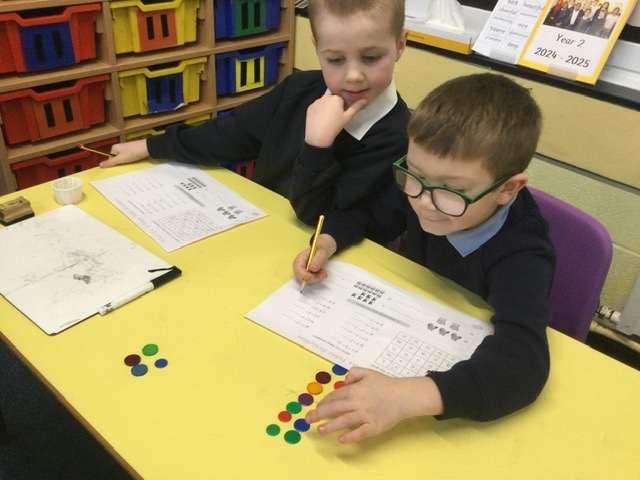
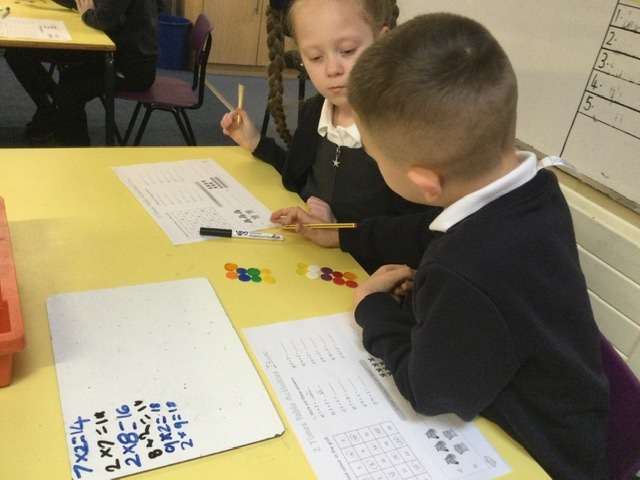
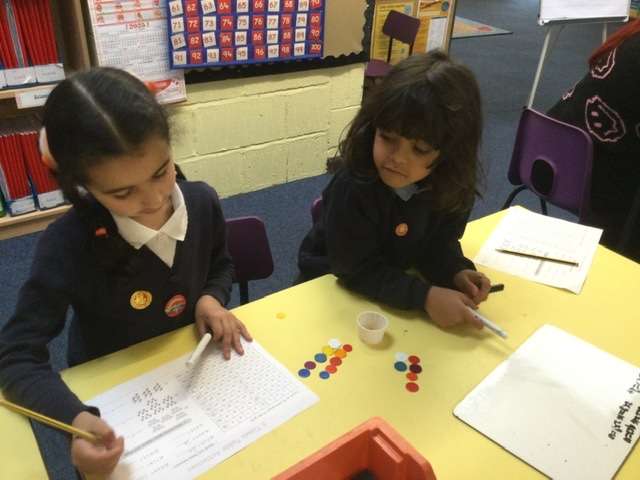
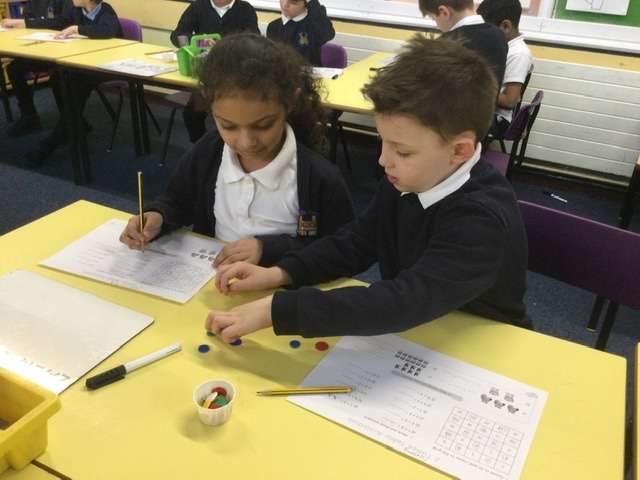
This week we have been investigating the 2X and 5X table
We have enjoyed journaling experiences, people and thingd we appreciate and are thankful for.
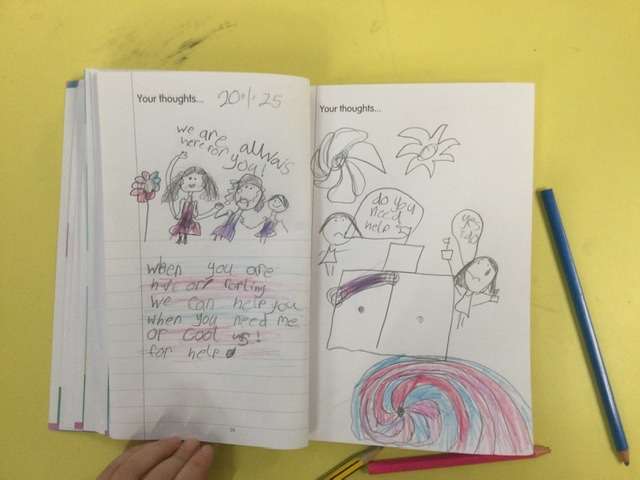

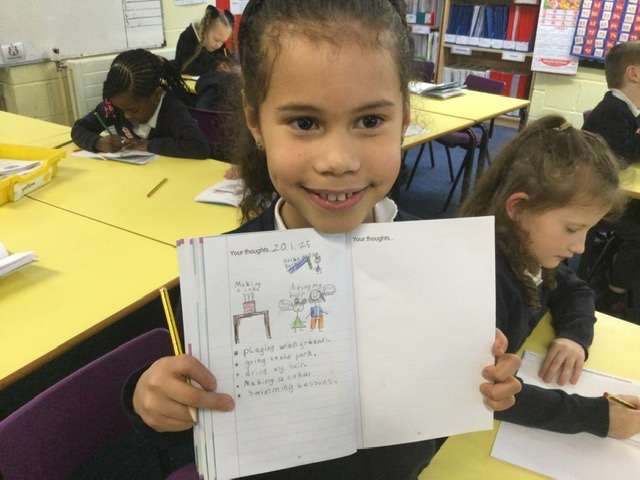

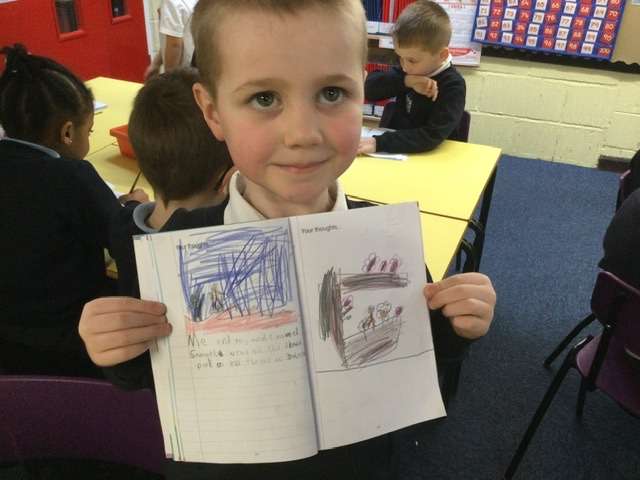
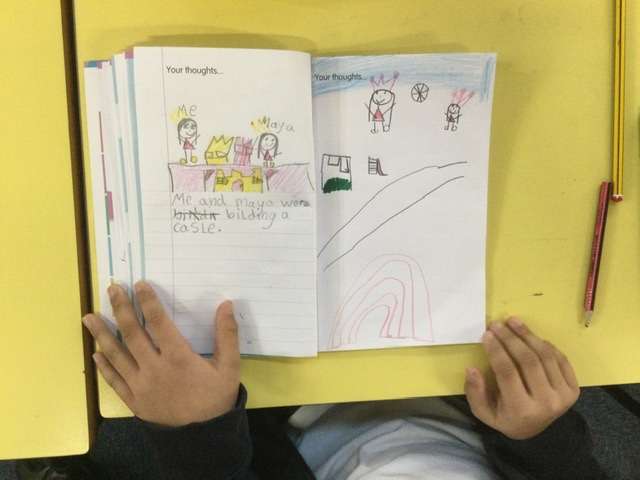
This module is all about teaching children the importance of gratitude. It looks at a number of elements of gratitude including:
What happens in our brain when we give and receive gratitude.
We link this back to the science of the brain covered in the ‘Meet your Brain’ module.
Children will learn that a special chemical gets released in our brain which makes us feel amazing
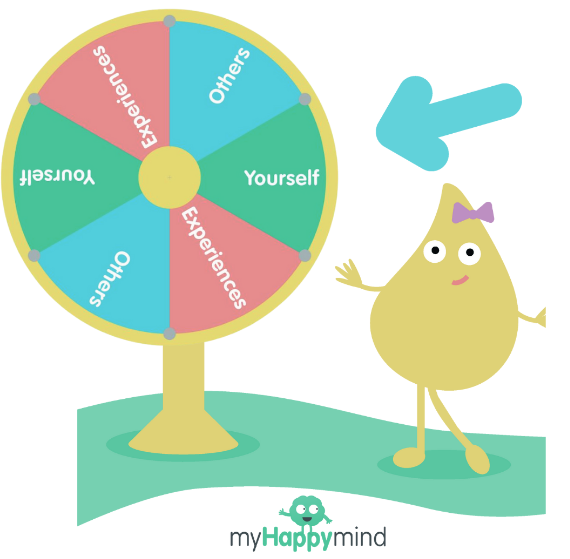
The Wheel of Gratitude – This is a way to think about the types of gratitude that children should try to take the time to notice: Ourselves – This is really focused around building self-esteem.
By continuing to focus on CharacterStrengths, the children are encouraged to think about what they appreciate about themselves or their top strengths
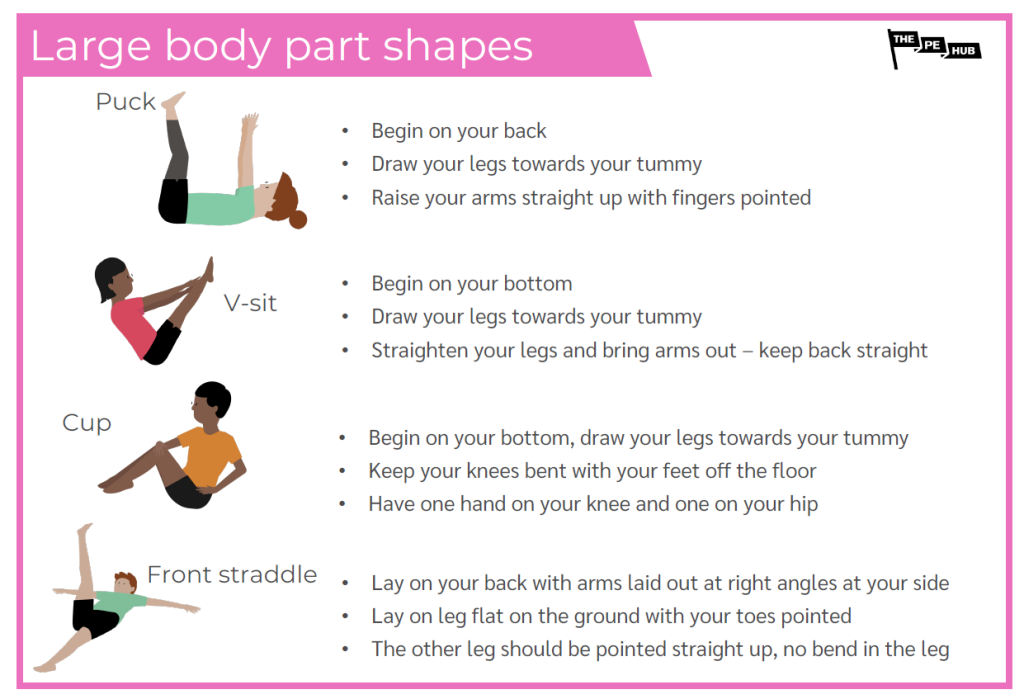
Over the last two weeks in PE we have been improving our Gymnastic Skills.
In the first week we explored large body part shapes and recapped what we had learnt in Year 1.
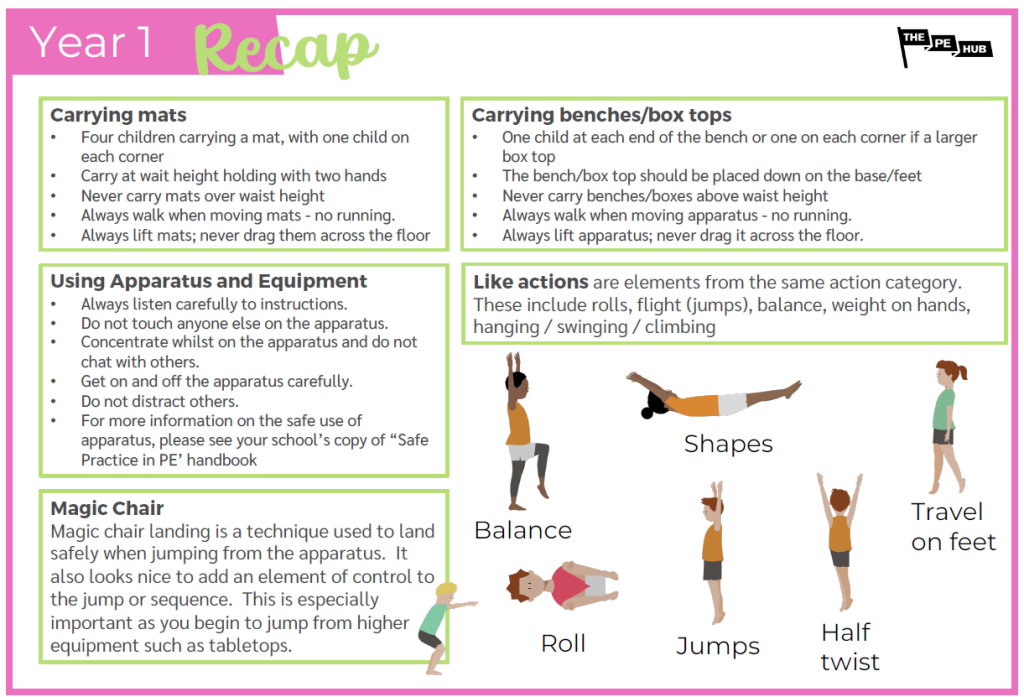
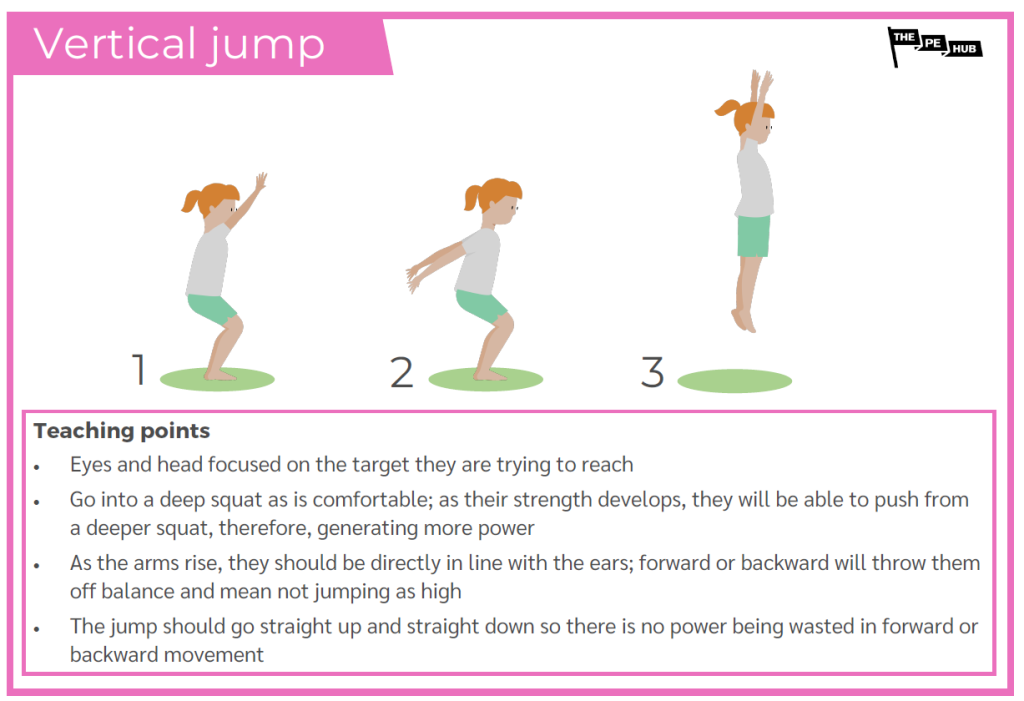
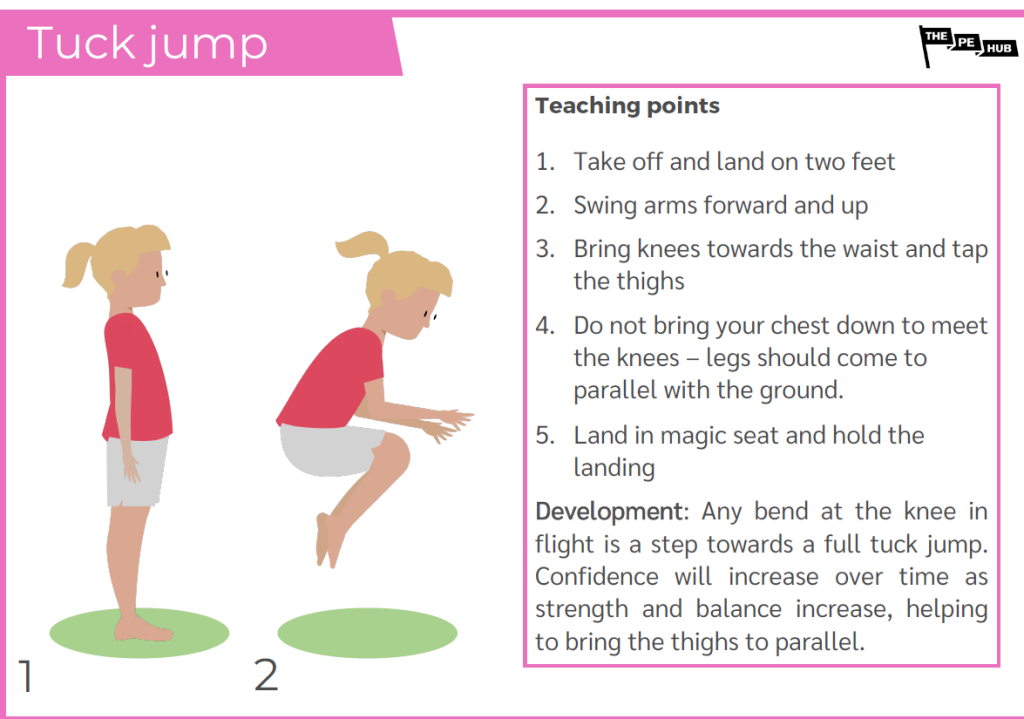
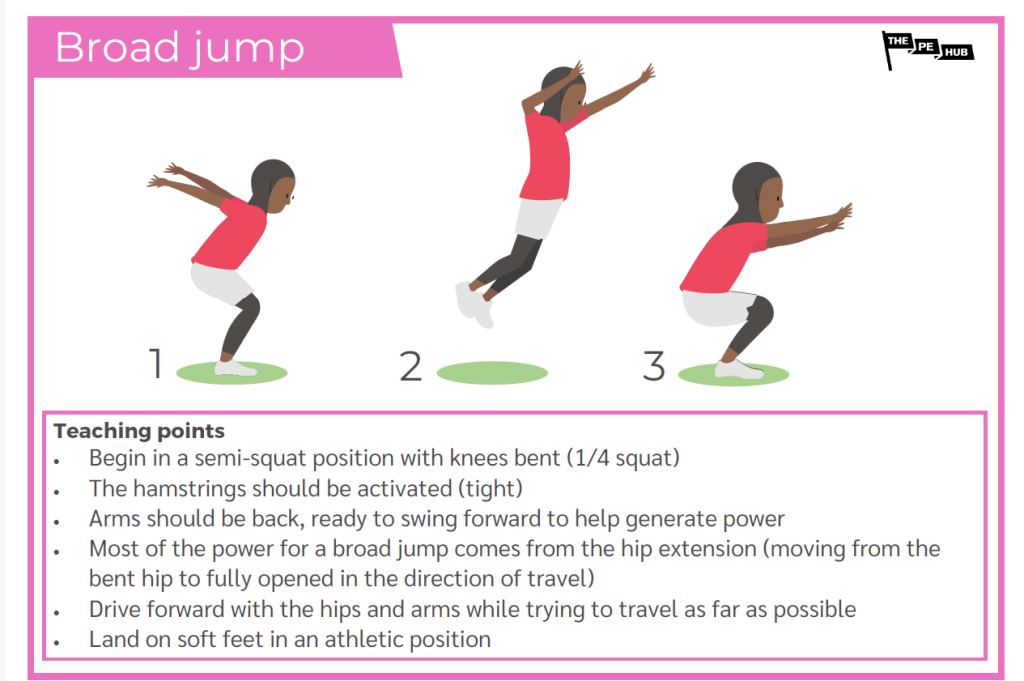
This week we looked at jumping techniques.
We have been learning about microhabitats.
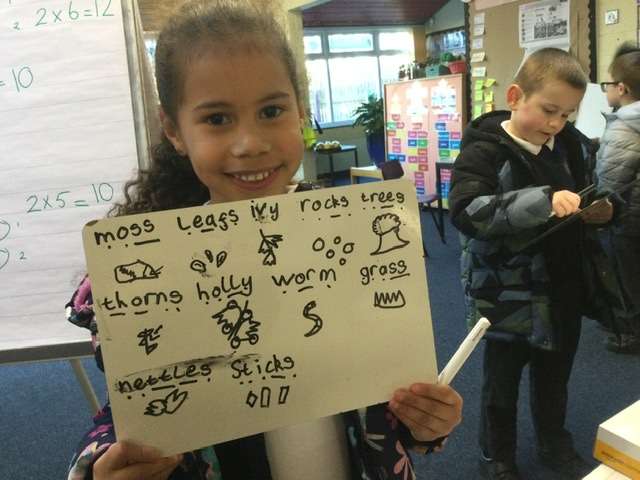
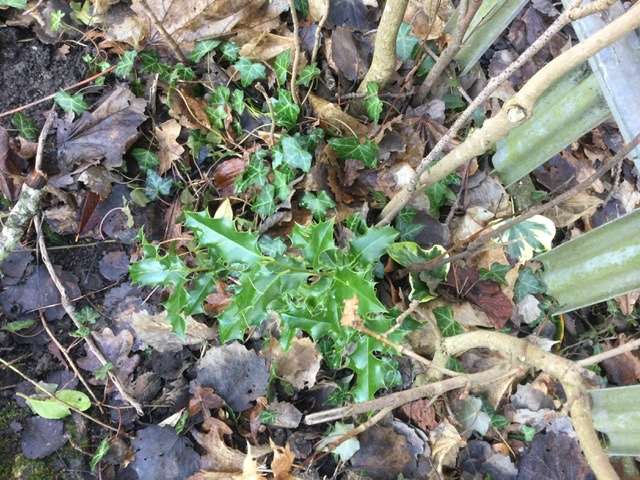
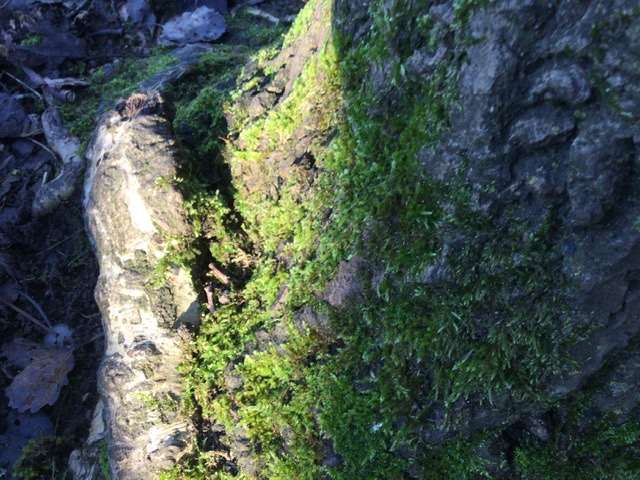
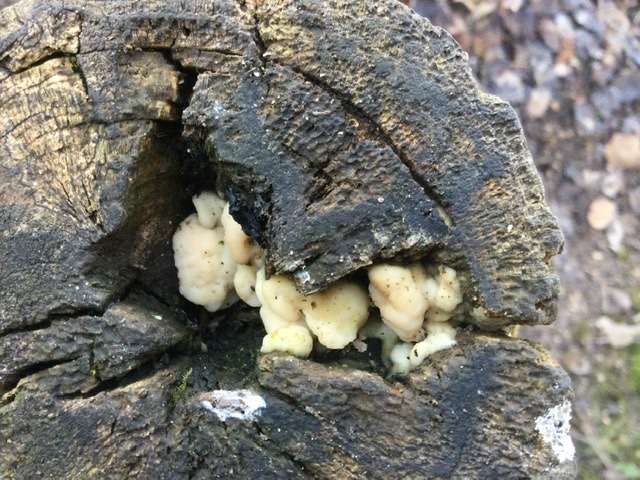
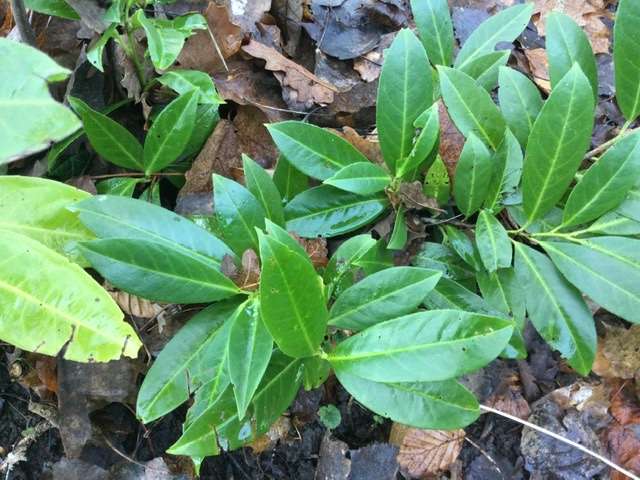
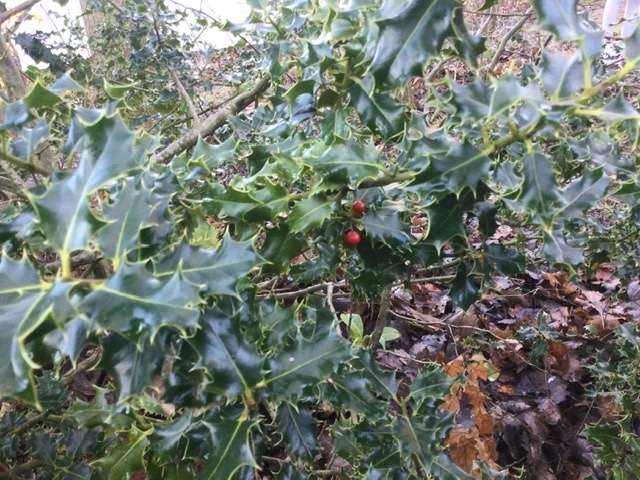
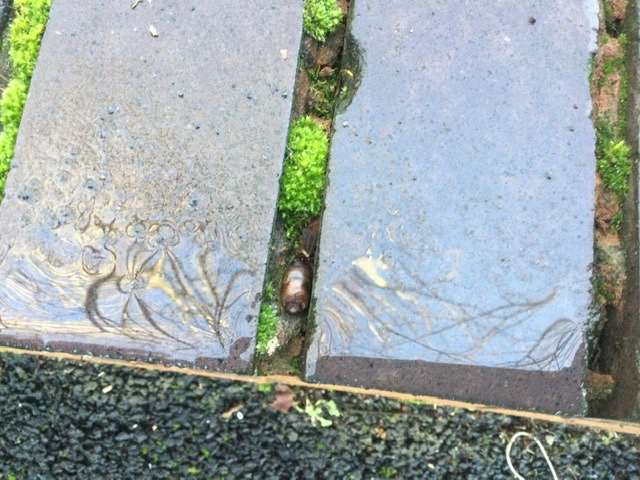
A microhabitat is a small, localised habitat within a larger ecosystem. Examples of microhabitats include a patch of grass in a park, a tree stump in a forest, or a rock pool at the beach. The specific plants and animals that can be found in a microhabitat will depend on its location and environmental conditions. Here are some examples of plants and animals that might be found in a few different microhabitats:
A patch of grass in a park:
Plants: dandelions, clover, plantain, crabgrass, daisy, buttercup
Animals: ants, beetles, worms, snails, spiders, ladybugs
A tree stump in a forest:
Plants: moss, lichen, ferns, mushrooms, saplings
Animals: beetles, ants, termites, snails, slugs, spiders
A rock pool at the beach:
Plants: seaweed, kelp, algae, eelgrass
Animals: crabs, mussels, barnacles, snails, starfish, anemones
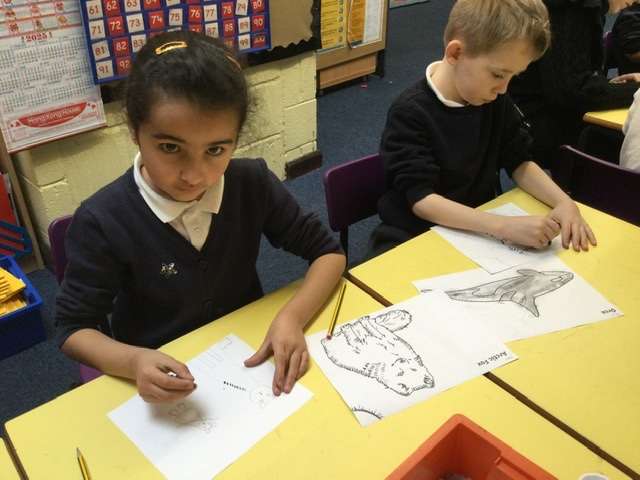
In Reading and Geography today the children have been learning about Arctic Animals.
Let’s review it by reading it here!
Arctic
The Arctic is a very cold place with amazing animals. Let’s learn about four special animals that live there: the Arctic Fox, the Arctic Wolf, the Polar Bear, and the Arctic Hare. These animals have adapted in clever ways to survive in the Arctic’s harsh conditions.
The Arctic Fox is a small animal with a thick, white coat. This helps it blend in with the snowy environment. The fox’s fur keeps it warm during freezing winters. In the summer, their fur changes to a brownish colour, so they can hide among rocks and plants. The fox also has furry paws that work like snowshoes, helping it walk on deep snow without sinking.
The Arctic Wolf is bigger than other wolves. Its white fur helps it hide in the snowy land, making it a great hunter. This majestic creature has a sleek body and long legs, which let it run quickly across the icy ground. Its sharp senses help it find food, even in really bad weather.
The Polar Bear is a special animal that represents the Arctic. It has a thick layer of fat and dense fur, which keeps it warm in the icy cold. The fur looks white, but it’s actually see-through. This lets sunlight reach the bear’s black skin and warm it up. The bear can swim very well because it has large, webbed feet and strong claws. These help it move through icy water and find food.
The Arctic Hare has a beautiful white coat that helps it blend in with the snow. This helps it hide from predators. Its big paws have fur on the bottom, which acts like snowshoes and helps it walk on slippery ground. The hare also has long, strong back legs that help it move quickly through deep snow and escape from danger.
In Geography we looked at them closely. We went on a virtual tour of the Arctic.
Many of us noticed that all arctic animals have similarities such as having white fur to blend in with the environment and pointy ears for good hearing.
We also compared the Actic Fox to a Red Fox . We noticed the similarities and differences.
In Computing we are learning about Data Handling.
Last week we looked at Tally Charts
This week we looked at how we can use computers to enter data and create a pictogram.
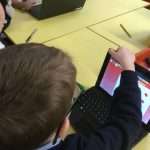
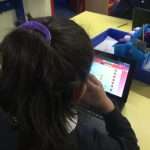
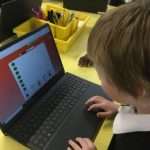
You can have a go at making a pictogram at home. Click here!
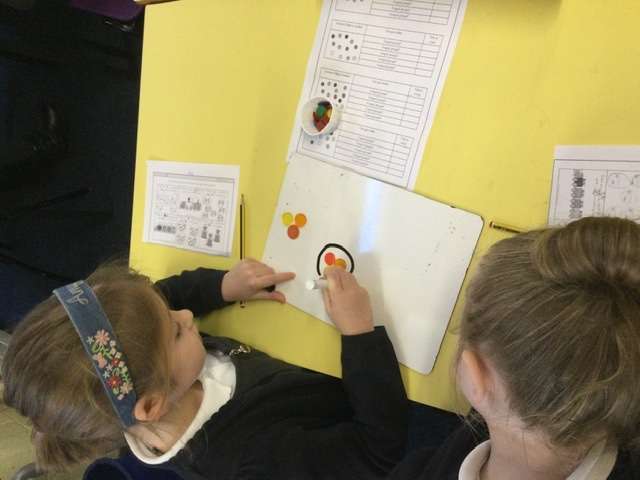
In Maths we are looking at Multiplication. We have learnt about arrays and writing multiplication equations (number sentences)
Watch the video below to review arrays at home. Mr Lo has also assigned home learning and activities on Maths Shed.
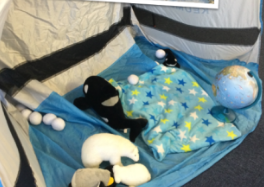
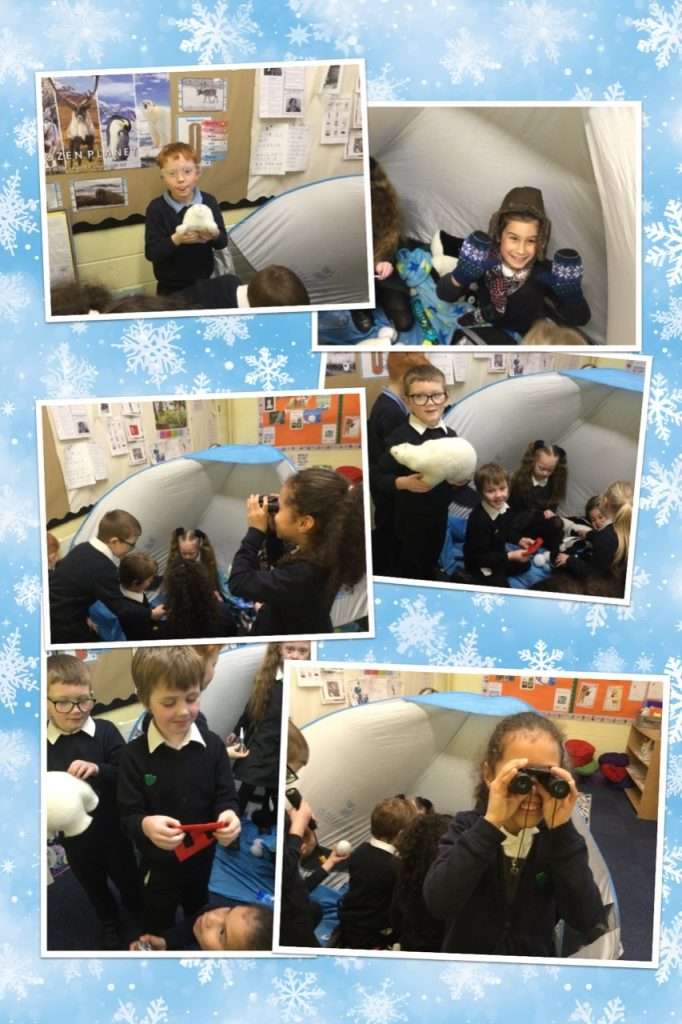
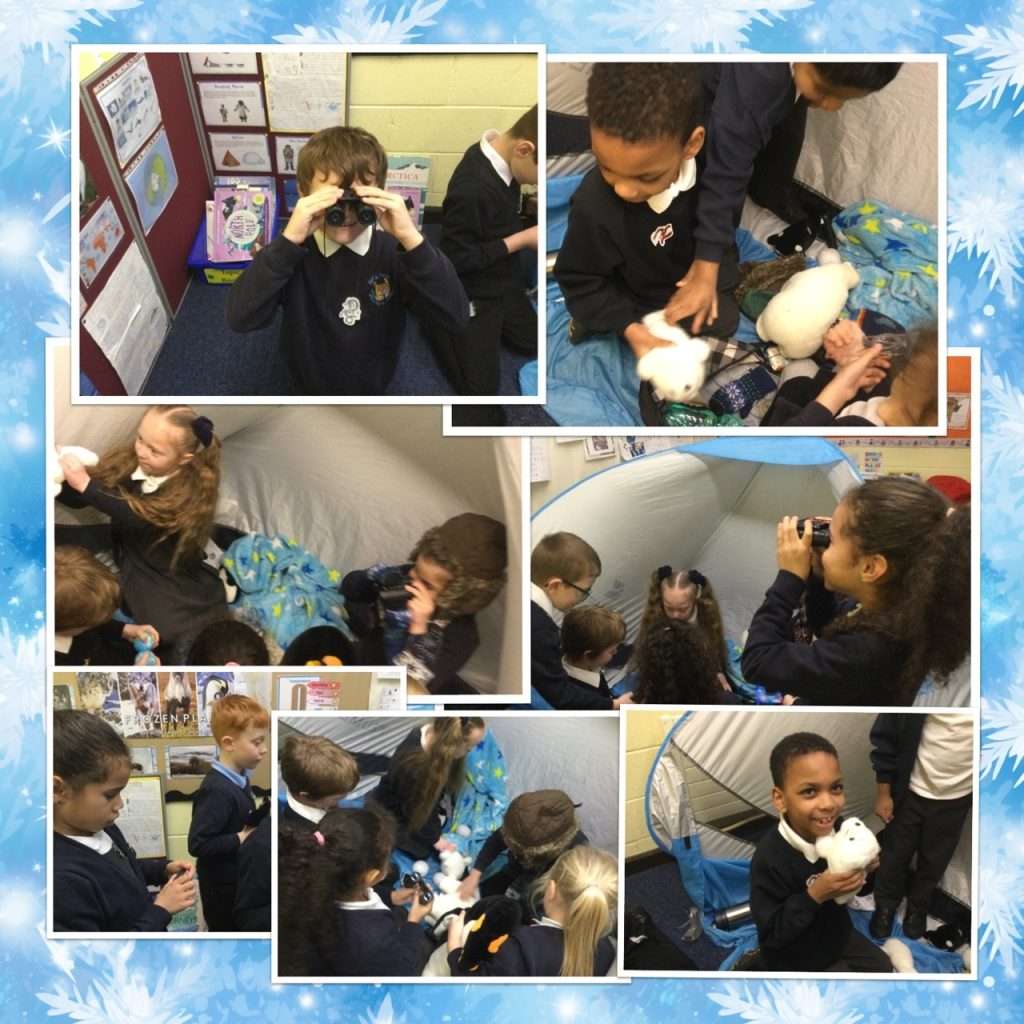
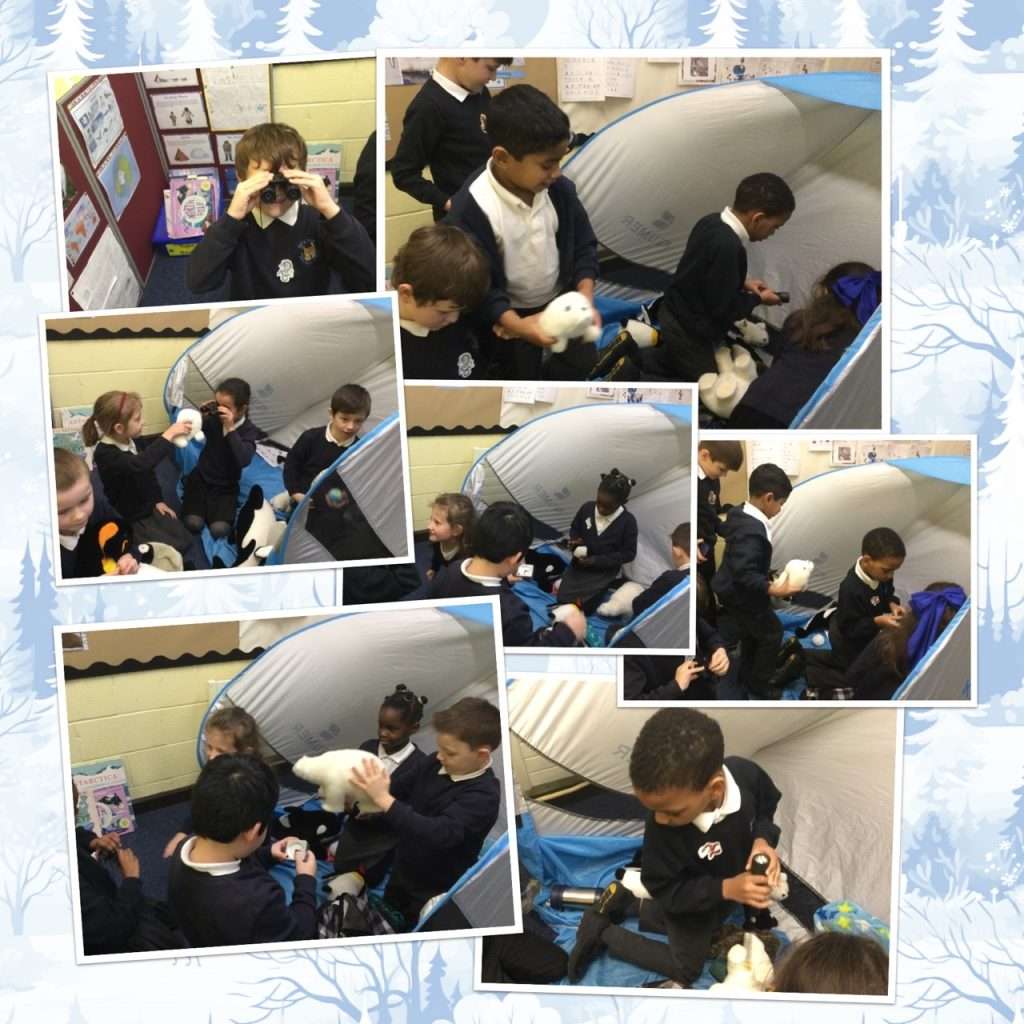
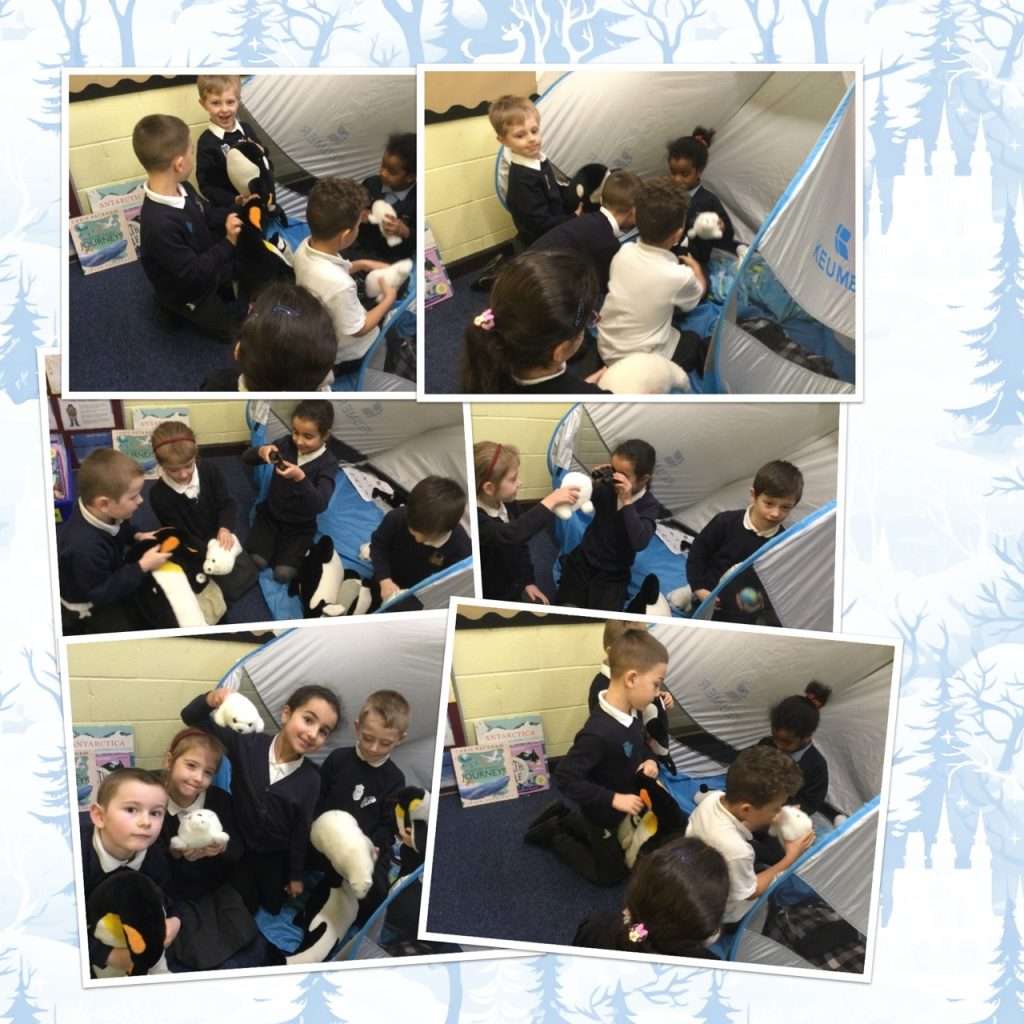
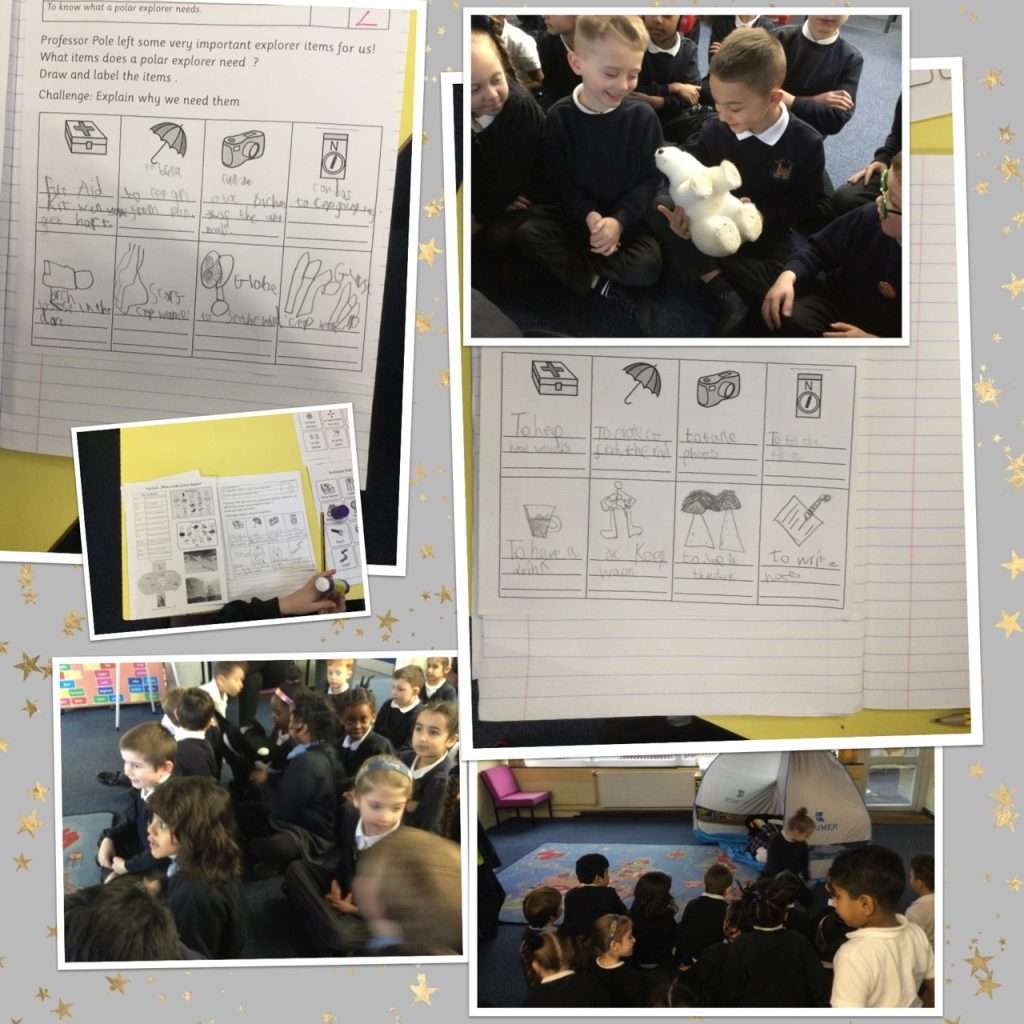
We started the spring term by making a very exciting discovery in our classroom – an explorer’s tent!
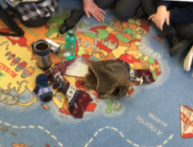
We discovered the tent belonged to Professor Pole who is an explorer working in the Arctic Circle. He is currently in Svalbard but has been all over looking at how polar bears survive.
He asked us to help him to find out more about the polar regions of the world. Our new topic for this term is now about Polar Regions and we couldn’t be more excited! We looked through the bag he left us to look after and found many important items an explorer would need. We are going to look after his tent and bag until he can return for them. We can’t wait to use them in our role play area!
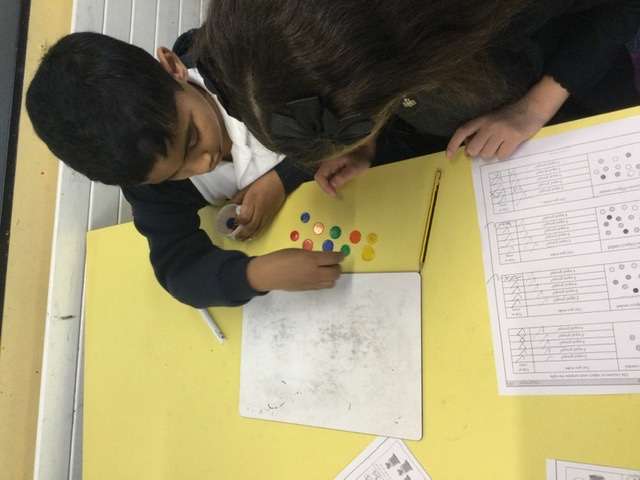
This term we will be looking at Multiplication and Division in Maths
Learn more at home by watching the video below