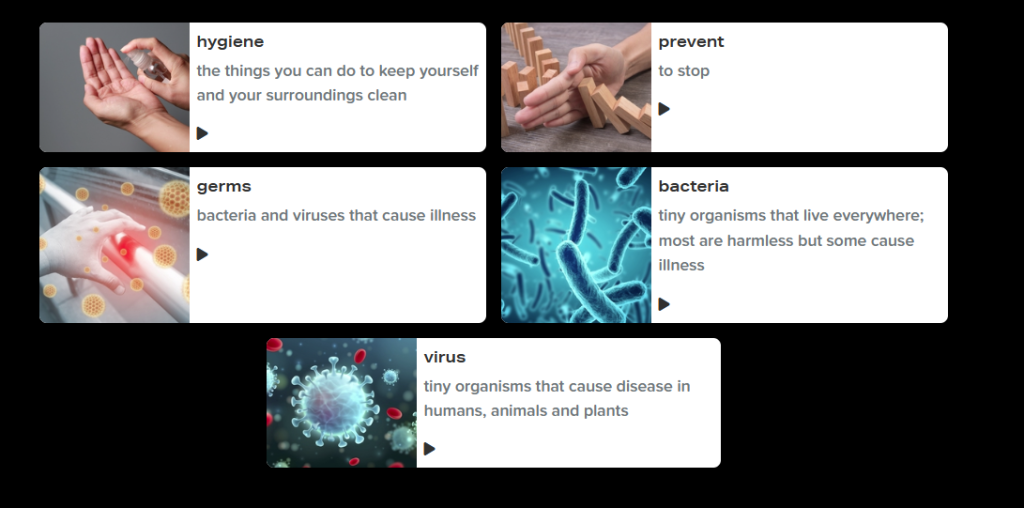

Today we did an experiment to show the importance of hygiene.
The Pepper and Soap Investigation:


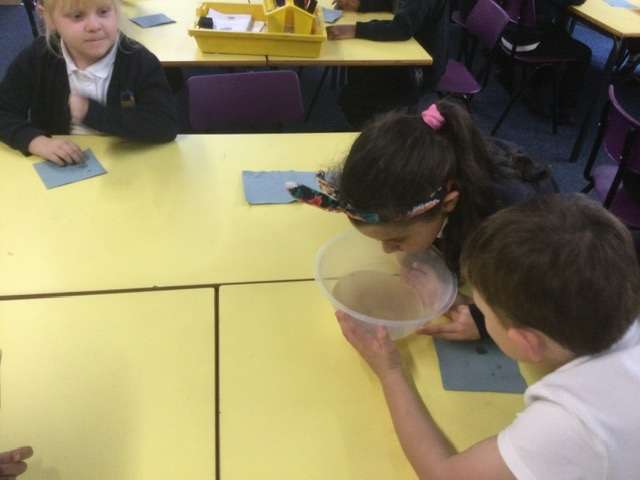
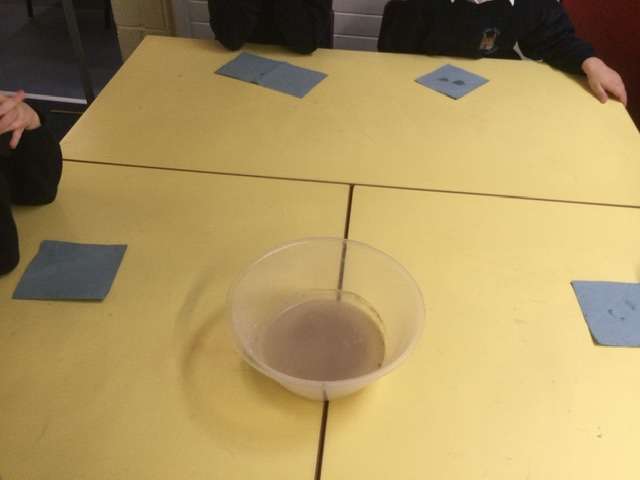
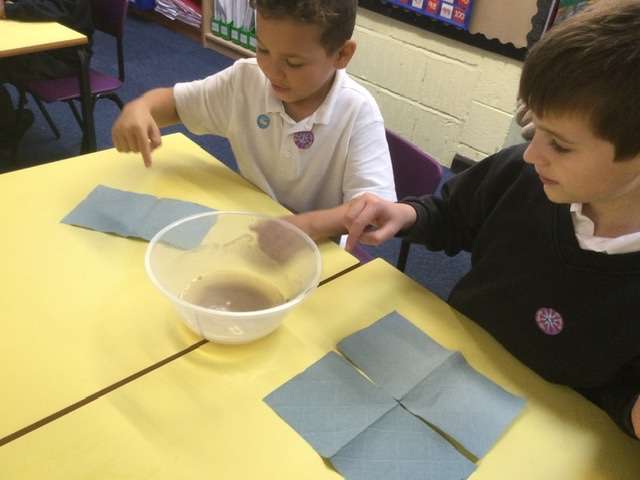
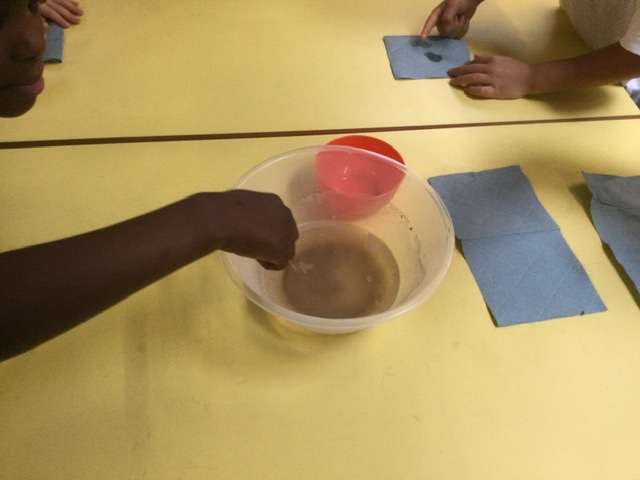
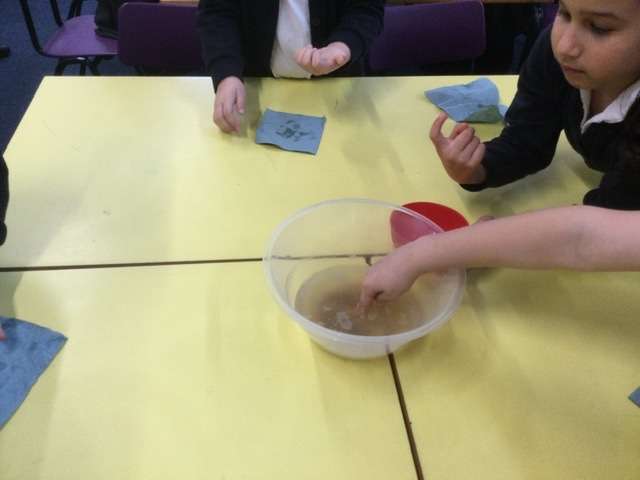
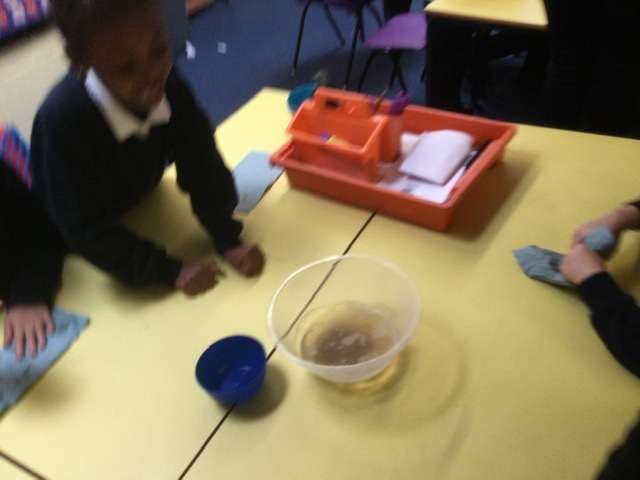
Toucan’s discover the importance of washing their hands by completing the pepper and soap investigation. The pepper floats on the water because it is less dense or lighter than the water. Remember that the pepper represents our germs in this experiment. Without any soap, the germs (or pepper) don’t move on your finger at all. However, germs do not like soap. The soap is able to surround the germs, take them off your hands and wash them right down the drain! This is why the pepper ran away from the soap on your finger!
- Fill the bowl or plate with water (until it reaches about 3cm).
- Sprinkle pepper evenly across the surface of the water.
- Stick your finger (without any soap) in the water.
- Stick your finger in a small amount of dish soap (you can also use a toothpick or lollipop stick).
- Predict what will happen once you stick your soapy finger into the water.
- Stick your soapy finger into the water.
Extension: Read more about hygiene below.
Hygiene is the practice of maintaining cleanliness and good health. It is an essential aspect of maintaining overall health and well-being, as it helps prevent the spread of disease and infection. Here are some of the reasons why hygiene is important:
Disease prevention: Good hygiene practices, such as washing hands, covering the mouth and nose when coughing or sneezing, and keeping surfaces clean, can help prevent the spread of disease-causing bacteria and viruses.
Improved physical health: Good hygiene practices can help prevent infections, skin irritation, and other physical health problems that can result from exposure to dirt, germs, and other environmental factors.
Mental health: Maintaining good personal hygiene can also have a positive impact on mental health, promoting self-esteem, confidence, and a sense of well-being.
Social acceptance: Good personal hygiene is also important for social acceptance, as people generally prefer to interact with others who practice good hygiene.
Some specific hygiene practices that are important for maintaining good health include:
Handwashing: Washing hands with soap and water for at least 20 seconds is a simple but effective way to prevent the spread of disease-causing germs.
Dental hygiene: Brushing teeth twice a day and flossing daily can help prevent tooth decay and gum disease.
Body hygiene: Bathing or showering regularly and washing clothes can help prevent body odour and the spread of bacteria.
Environmental hygiene: Keeping surfaces clean, especially those that come into contact with food or other people, can help prevent the spread of germs.
Overall, maintaining good hygiene is an important aspect of preventing the spread of disease and infection, promoting good physical and mental health, and improving social acceptance. By incorporating good hygiene practices into daily routines, individuals can support their overall health and well-being.